Things You Cannot Keep In An Arizona Yard Without A Permit

Living in Arizona comes with plenty of sunshine, beautiful desert landscapes, and unique rules about what you can keep in your yard.
Many homeowners are surprised to learn that certain fences, structures, animals, and even plants require official permits before they can be added to residential property.
Understanding these regulations helps you avoid fines, legal trouble, and unexpected removal orders from local authorities.
Whether you’re planning a backyard upgrade or considering adding livestock, knowing what needs approval can save you time, money, and headaches down the road.
Tall Fences Over Local Height Limits
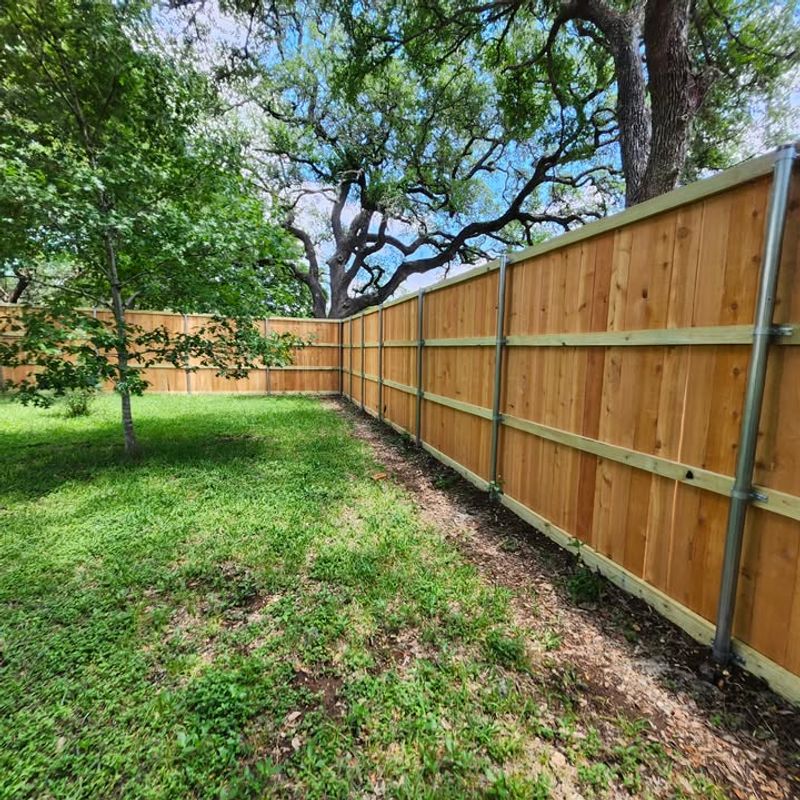
Fencing your property might seem like a straightforward project, but Arizona cities enforce strict height regulations that catch many homeowners off guard.
Most municipalities allow front yard fences up to three or four feet without requiring special approval.
Backyard fences typically max out at six feet before you need to apply for a permit.
Exceeding these limits without authorization can result in costly fines and mandatory removal.
Local building departments set these rules to maintain neighborhood aesthetics and ensure proper sight lines for drivers and pedestrians.
Privacy concerns often drive homeowners to build taller barriers, but doing so legally requires submitting plans and paying permit fees.
Some neighborhoods have homeowner associations with even stricter guidelines than city codes.
Before installing any fence, check with your local planning office to understand height restrictions in your area.
Front yards usually face the tightest limits because visibility matters for traffic safety.
Permits also ensure your fence respects property lines and utility easements.
Building too close to the street or a neighbor’s land creates legal complications that permits help prevent.
Taking time to secure proper approval protects your investment and keeps you compliant with local laws.
Retaining Walls Over A Certain Height
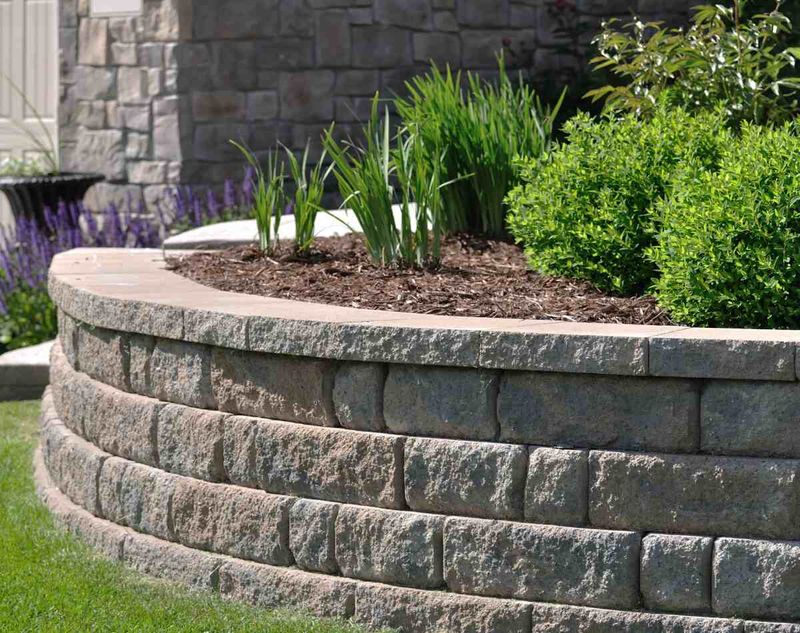
Sloped yards often need retaining walls to prevent erosion and create usable outdoor space, but constructing these structures without permits can be risky.
Arizona building codes generally require permits for retaining walls taller than three or four feet.
The exact threshold varies by city, so checking local regulations is essential before starting construction.
Engineers must design taller walls to handle soil pressure, water drainage, and seismic activity safely.
Without proper planning, retaining walls can collapse, causing property damage and potential injury.
Permits ensure walls meet structural standards and include adequate drainage systems to prevent water buildup.
Poor drainage leads to wall failure, flooding, and foundation problems for nearby structures.
Inspectors verify that materials, footings, and reinforcement meet code requirements during the permit process.
This oversight protects both your property and neighboring homes from hazards.
Many homeowners underestimate the engineering involved in building safe retaining walls.
Professional assessments identify soil conditions and load-bearing needs that amateurs might overlook.
Skipping permits might save money initially, but repairing a failed wall costs far more than doing it right from the start.
Always consult your city’s building department before constructing any retaining wall over the minimum height threshold.
Protected Native Wildlife

Arizona’s unique desert ecosystem hosts many protected species that homeowners cannot legally keep, relocate, or remove without state authorization.
Desert tortoises, various snake species, and numerous bird types fall under wildlife protection laws.
Touching, capturing, or moving these animals without permits violates state and federal regulations.
The Arizona Game and Fish Department enforces these rules to preserve native populations and maintain ecological balance.
Even well-intentioned rescue efforts can result in legal penalties if done without proper permits.
Finding a protected animal in your yard requires contacting wildlife authorities rather than handling it yourself.
Licensed professionals know how to safely relocate creatures while following legal protocols.
Some homeowners mistakenly believe they can keep wildlife as pets or simply move animals to different locations.
Both actions are prohibited and can harm animal populations by disrupting breeding territories and spreading disease.
Fines for illegally possessing protected wildlife can reach thousands of dollars per violation.
Education programs help residents understand why these protections matter for Arizona’s natural heritage.
If you encounter native wildlife on your property, observe from a distance and contact appropriate authorities for guidance.
Respecting these regulations helps preserve Arizona’s remarkable biodiversity for future generations.
Livestock Or Farm Animals In Residential Zones
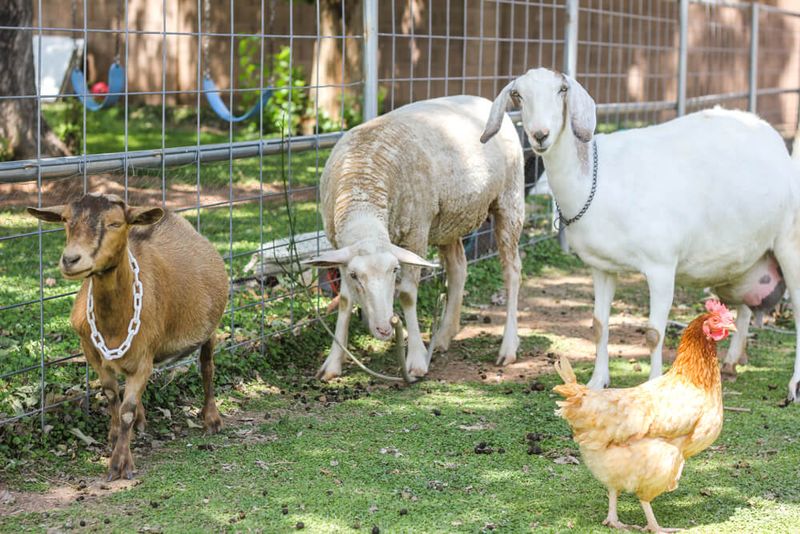
Raising chickens, goats, or other farm animals in your backyard might sound appealing, but residential zoning laws strictly regulate livestock ownership.
Most Arizona cities prohibit farm animals in standard residential neighborhoods without special permits or variances.
These restrictions prevent noise complaints, odor issues, and property value concerns that livestock can create.
Some municipalities allow a limited number of chickens under specific conditions, such as no roosters and proper coop setbacks from neighboring homes.
Even these allowances often require permits and regular inspections.
Larger animals like goats, pigs, or horses typically require agricultural zoning designations that residential properties don’t have.
Homeowners interested in keeping livestock must either obtain special permits or purchase property in areas zoned for agricultural use.
Zoning rules also address manure management, enclosure standards, and minimum lot sizes for different animal types.
These requirements protect public health and maintain neighborhood character.
Violating livestock regulations can result in fines, animal removal orders, and strained relationships with neighbors.
Before bringing any farm animals home, research your city’s zoning code and permit requirements thoroughly.
Some communities offer urban agriculture permits that allow limited livestock under strict guidelines.
Exploring these options legally protects both you and your animals while keeping your neighborhood harmonious.
Wells Or Private Water Systems
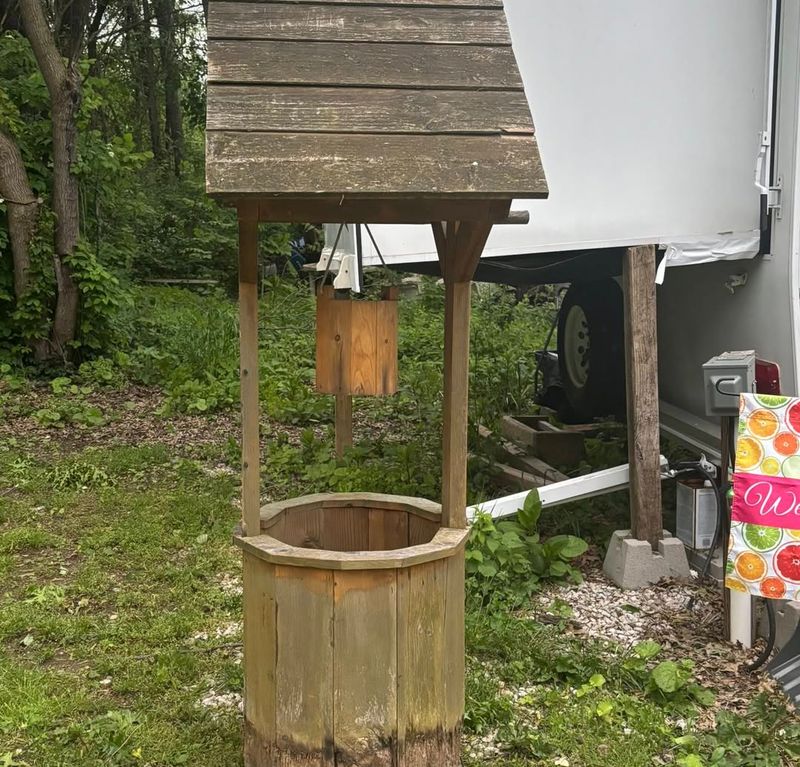
Arizona’s groundwater resources are carefully regulated, making private well installation a complex process requiring multiple permits and approvals.
The Arizona Department of Water Resources oversees well drilling to protect aquifer levels and water quality.
Homeowners cannot simply drill wells without going through extensive application procedures.
Permits require geological surveys, water availability studies, and proof that your property meets spacing requirements from existing wells.
These regulations prevent over-pumping that could lower water tables and harm neighboring properties.
Different groundwater management areas have varying rules about new well construction.
Some regions face strict limitations due to water scarcity concerns, while others have more flexible policies.
Well permits also ensure proper construction standards that prevent contamination and maintain water safety.
Inspections verify casing depth, sealing methods, and pump installation meet state requirements.
Maintaining existing wells also requires periodic reporting and compliance with ongoing regulations.
Abandoned wells must be properly sealed to prevent aquifer contamination.
The permitting process can take months and involves significant fees, but it protects Arizona’s precious water resources for everyone.
Illegal wells face steep fines and mandatory closure.
Before considering a private water system, consult with the Department of Water Resources to understand requirements specific to your location and water needs.
Large Storage Sheds Or Accessory Buildings
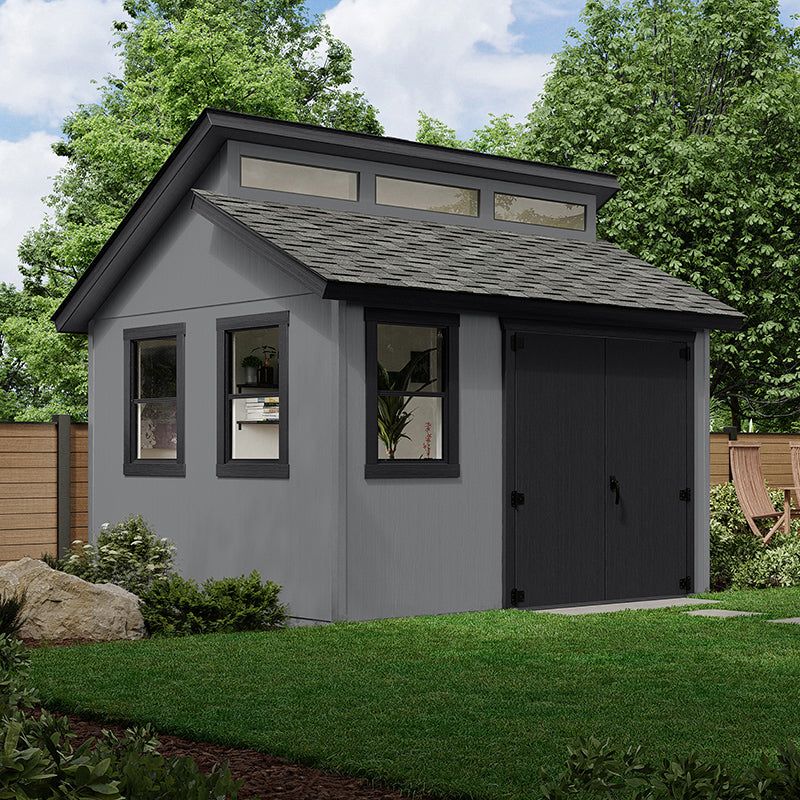
Adding a storage shed seems like a simple weekend project, but structures exceeding certain sizes require building permits and inspections in Arizona.
Most cities allow small sheds under 120 square feet without permits, though this threshold varies by jurisdiction.
Anything larger needs official approval to ensure structural safety and zoning compliance.
Permits verify that your shed meets setback requirements from property lines, maintains proper height restrictions, and doesn’t violate lot coverage limits.
These rules prevent overcrowding and maintain adequate space between structures.
Building departments also check that sheds have proper foundations and meet wind load requirements for Arizona’s occasional severe weather.
Inspections ensure electrical work, if included, follows safety codes.
Some homeowner associations impose stricter limits than city codes, requiring architectural approval for any accessory building.
Always check both municipal regulations and HOA rules before construction.
Unpermitted sheds can complicate property sales, as buyers and title companies often require proof that all structures were built legally.
Retroactively obtaining permits for existing buildings can be difficult and expensive.
The permit process protects your investment by ensuring your shed is built to last and won’t create legal problems later.
Taking time to secure approval before building saves headaches and potential removal orders down the road.
Fire Pits And Outdoor Fireplaces
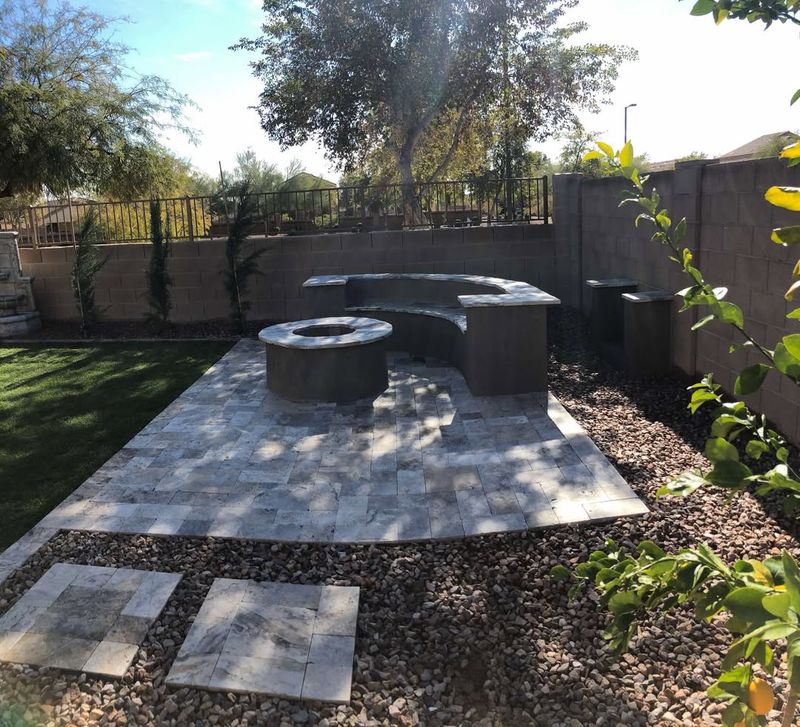
Outdoor fire features create wonderful gathering spaces, but Arizona’s fire safety and air quality regulations often require permits before installation.
Permanent fire pits and outdoor fireplaces typically need building permits to ensure safe construction and proper clearance from structures.
These rules prevent accidental fires that could spread to homes or vegetation.
Local fire codes specify minimum distances from buildings, property lines, and overhead structures.
Permits verify that your fire feature meets these safety requirements.
Air quality concerns also factor into permitting requirements, especially in urban areas where wood smoke contributes to pollution.
Some municipalities restrict wood-burning features during certain times of year or require cleaner-burning alternatives.
Gas-powered fire features generally face fewer restrictions but still need permits for permanent installations involving gas lines.
Licensed professionals must handle gas connections to prevent leaks and explosions.
Portable fire pits often avoid permit requirements but still must comply with usage restrictions during fire season.
Many Arizona cities ban open flames entirely when fire danger is high.
Homeowner associations frequently have additional rules about fire features that go beyond city codes.
Always check HOA guidelines before planning any outdoor fireplace or fire pit.
Obtaining proper permits protects your family and neighbors while ensuring your fire feature operates safely for years of enjoyment.
Swimming Pools And Spas
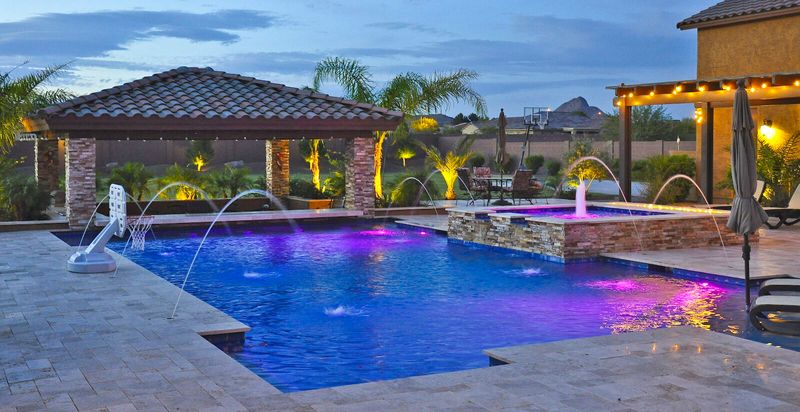
Installing a swimming pool or spa involves extensive permitting requirements focused on safety, structural integrity, and water management.
Arizona building departments require permits for all permanent pools and most above-ground installations.
The process includes plan reviews, multiple inspections, and verification of proper fencing.
Barrier requirements are particularly strict, mandating fences at least five feet tall with self-closing, self-latching gates.
These rules prevent tragic accidents involving young children.
Electrical inspections ensure pumps, lights, and heaters meet safety codes and include proper grounding.
Pools involve significant electrical hazards that require professional installation and inspection.
Plumbing permits verify proper drainage, filtration systems, and backflow prevention devices that protect public water supplies.
Structural inspections confirm the pool shell and decking can withstand soil conditions and water pressure.
Energy efficiency standards may apply to pool equipment, encouraging environmentally responsible installations.
Some areas offer incentives for solar heating and variable-speed pumps.
Final inspections occur before you can fill and use your pool, ensuring all safety features function correctly.
Skipping permits creates liability issues and can void homeowner’s insurance coverage.
The permitting process takes time but guarantees your pool is safe, legal, and built to last.
Working with licensed contractors familiar with local requirements streamlines approval and ensures compliance.
Solar Panels Or Large Solar Structures
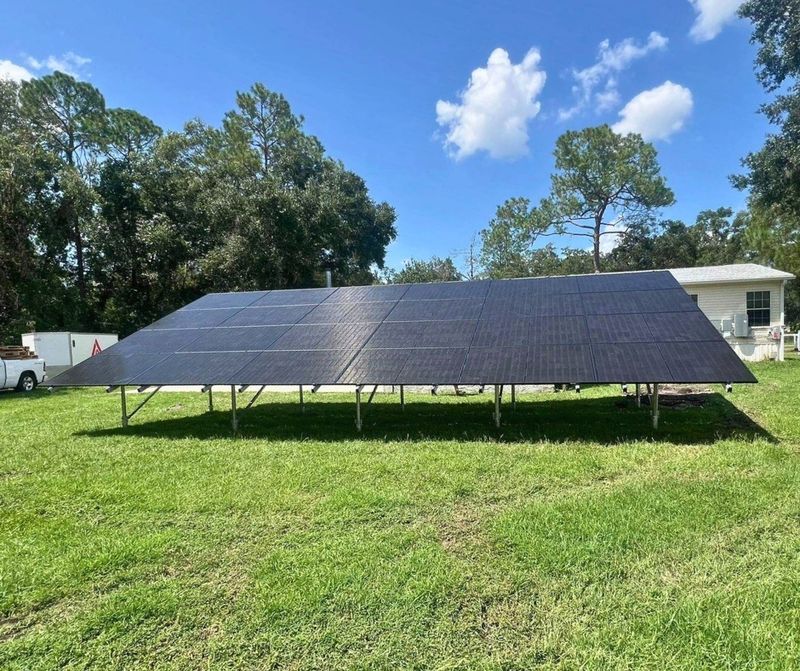
Arizona’s abundant sunshine makes solar energy attractive, but installing panels requires permits to ensure safe, compliant systems.
Ground-mounted solar arrays and large rooftop installations need building permits covering structural, electrical, and zoning aspects.
These reviews verify your roof can support panel weight and wind loads.
Electrical permits ensure proper connections to your home’s power system and the utility grid.
Licensed electricians must handle wiring to prevent fire hazards and electrocution risks.
Some homeowner associations restrict visible solar installations, requiring architectural approval even when city permits are granted.
Reviewing HOA covenants before purchasing solar systems prevents costly conflicts.
Utility companies require interconnection agreements before solar systems can feed excess power back to the grid.
This process protects utility workers and ensures proper metering.
Building inspections verify mounting systems are properly attached and panels won’t become projectiles during storms.
Arizona’s monsoon winds can be severe, making secure installation critical.
Permits also document system specifications needed for property appraisals and potential solar incentives.
Proper permitting may qualify you for tax credits and rebates.
While the permitting process adds time to solar installation, it guarantees your system operates safely and legally.
Working with experienced solar contractors familiar with local requirements simplifies the approval process and ensures your investment is protected.
Removal Of Protected Native Trees
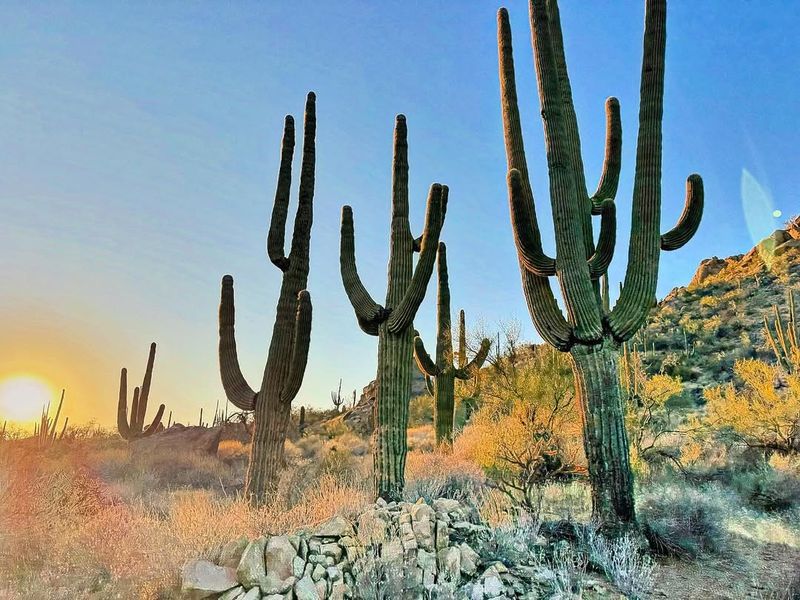
Arizona’s iconic native trees enjoy legal protections that prohibit removal without proper authorization, preserving the state’s natural heritage.
Saguaro cacti, though technically not trees, receive the strictest protections and cannot be removed, relocated, or harmed without state permits.
These regulations apply even on private property.
Palo verde, mesquite, ironwood, and other native trees also face removal restrictions in many Arizona cities.
Local ordinances vary, with some communities protecting trees above certain trunk diameters or heights.
Protected tree permits require demonstrating legitimate reasons for removal, such as disease, safety hazards, or construction needs.
Simply disliking a tree’s location rarely qualifies as acceptable justification.
Mitigation requirements often mandate planting replacement trees or paying fees to compensate for lost vegetation.
These measures help maintain urban tree canopy and desert habitat.
Illegal tree removal can result in substantial fines, sometimes thousands of dollars per tree.
Enforcement has increased as communities recognize native vegetation’s importance for wildlife and temperature control.
Before removing any mature native tree, contact your city’s planning department to determine if protections apply.
Professional arborists can assess tree health and help navigate the permitting process.
Preserving native trees benefits everyone by maintaining Arizona’s unique character and providing crucial shade in our hot climate.
Commercial Vehicles Or Equipment Storage
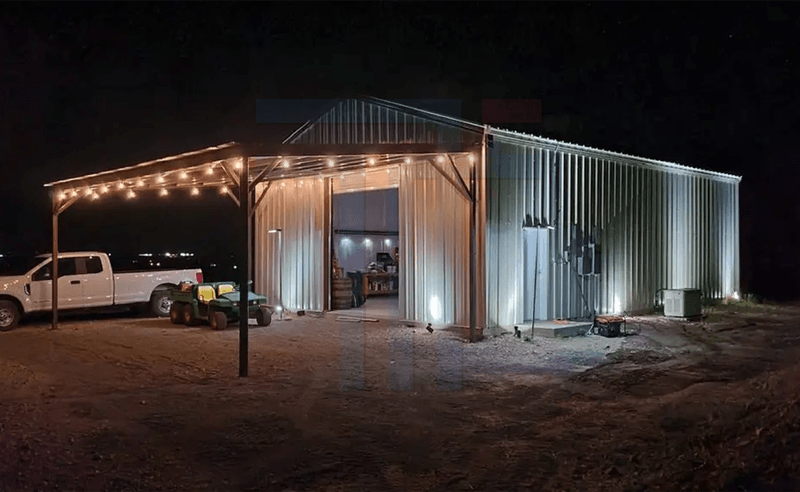
Parking work trucks, trailers, or heavy equipment in residential yards often violates zoning regulations designed to maintain neighborhood character.
Most Arizona cities restrict commercial vehicle storage in residential areas, defining restrictions by vehicle size, weight, or signage.
Pickup trucks used for personal transportation typically aren’t affected, but vehicles with commercial lettering or equipment racks often are.
Trailers, boats, and RVs face parking limitations regarding visibility from streets and maximum storage durations.
Many neighborhoods prohibit parking these items in front yards or driveways where they’re visible to neighbors.
Heavy equipment like bulldozers, backhoes, or large dump trucks generally cannot be stored in residential zones at all.
These restrictions prevent noise, safety hazards, and property value concerns.
Some cities offer permits allowing limited commercial vehicle parking under specific conditions, such as enclosed garages or screened side yards.
Requirements vary significantly between municipalities and HOA communities.
Violations can result in daily fines and mandatory vehicle removal.
Neighbors often report commercial vehicle parking that impacts their property values or quality of life.
Before parking any work vehicle at home, review your city’s zoning code and HOA rules carefully.
Some homeowners rent commercial storage facilities to avoid residential parking restrictions while maintaining convenient access to their equipment.
Permanent Shade Structures Or Carports
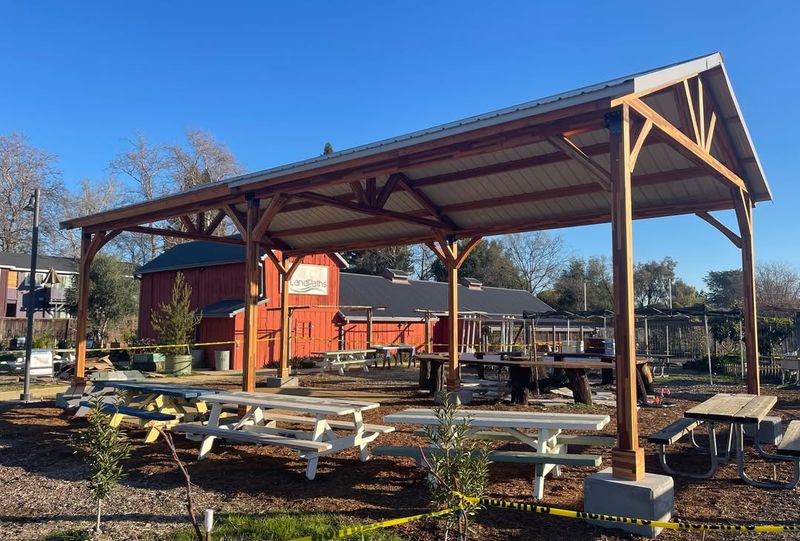
Pergolas, carports, and ramadas provide valuable shade in Arizona’s intense heat, but permanent structures require building permits before construction.
These structures must meet setback requirements from property lines, respect height limitations, and comply with lot coverage restrictions.
Permits ensure your shade structure doesn’t encroach on easements or violate zoning codes.
Building departments review structural plans to verify adequate support for wind loads and potential debris during monsoon storms.
Arizona’s severe weather demands properly engineered shade structures that won’t collapse or blow away.
Attached structures require inspections verifying proper connections to your home’s existing structure.
Poor attachment methods can damage your house or create safety hazards during high winds.
Electrical permits become necessary if you add lighting or ceiling fans to your shade structure.
All wiring must meet code requirements to prevent fire hazards.
Homeowner associations often have architectural review processes beyond city permits, controlling materials, colors, and design elements.
Some HOAs prohibit certain shade structure styles even when city codes allow them.
Unpermitted structures can complicate property sales and insurance claims.
Buyers may require removal or retroactive permitting before closing, potentially derailing transactions.
Obtaining permits before building protects your investment and ensures your shade structure enhances rather than complicates your property ownership experience.