Things You Should Add To Your Winter Composting Right Now And Things You Shouldn’t
I learned the hard way that winter composting has a mind of its own.
I once tossed in anything I could find, thinking the cold would sort it out, only to end up with a frozen lump that did little more than stare back at me.
Over time, I figured out that my compost pile needed the right mix to keep working through chilly days.
Now I treat it like a slow cooker for the garden, feeding it ingredients that keep the heat alive and skipping the ones that drag everything down.
A handful of kitchen scraps, some crisp leaves, a bit of coffee grounds, those simple additions keep my pile humming even when frost settles in.
On the flip side, I’ve learned to hold off on certain items that turn the mix soggy or smelly in an instant.
With a little care, winter composting becomes less of a guessing game and more of a quiet ritual that pays off when spring rolls in.
1. Shredded Newspaper And Cardboard
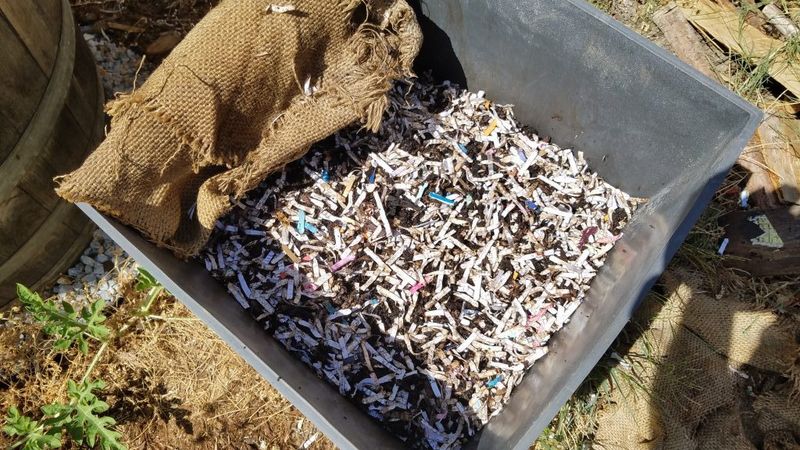
Paper products become absolute gold during winter composting season.
Shredded newspaper, plain cardboard boxes, and even those Amazon delivery boxes you’ve been hoarding all work beautifully as brown material.
They’re dry, carbon-rich, and help create air pockets that keep your pile from turning into a soggy, frozen mess.
The key is shredding or tearing everything into smaller pieces so it breaks down faster.
Big chunks of cardboard will still be sitting there come summer, and nobody wants that.
Remove any tape, labels, or glossy sections first since those don’t decompose well.
Newspaper ink is soy-based these days, so it’s totally safe for composting.
I like to keep a bag of shredded paper by my compost bin specifically for winter use.
Whenever I add something wet like vegetable scraps, I top it with a handful of paper to keep the balance right.
This also helps insulate your pile, which keeps microbial activity going even when temperatures drop.
Think of it as tucking your compost in with a cozy blanket that eventually becomes soil.
2. Coffee Grounds And Filters
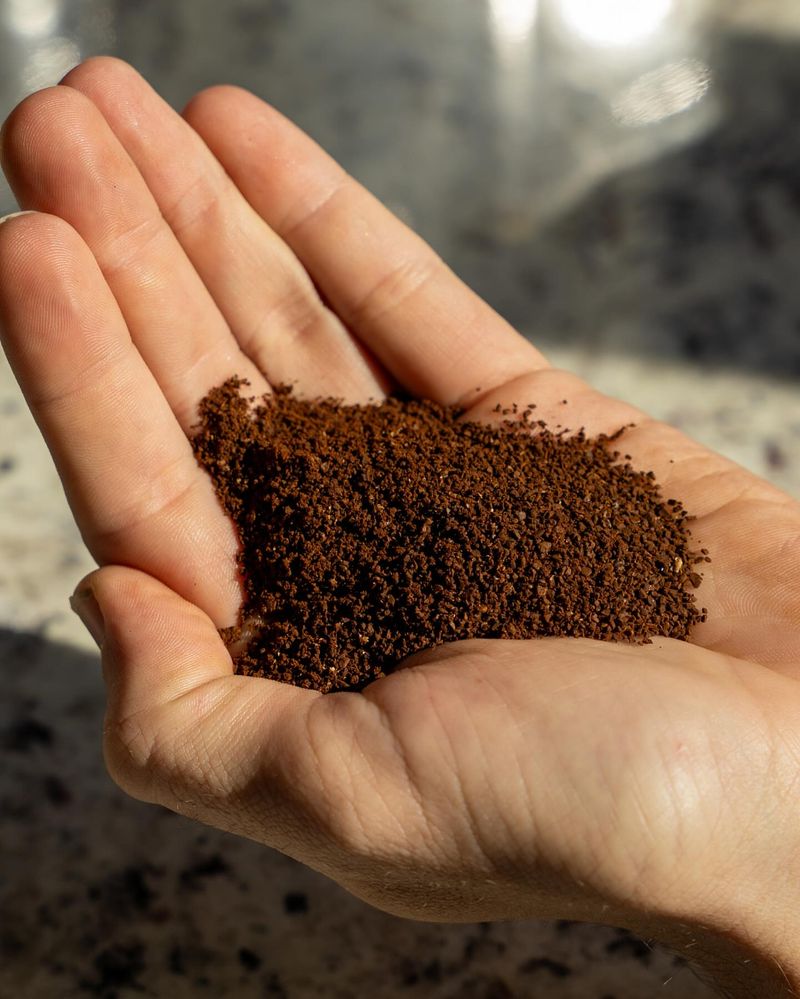
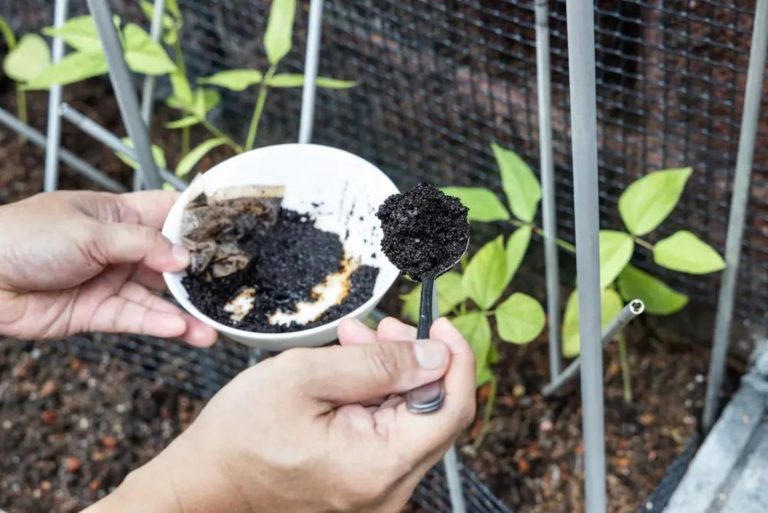
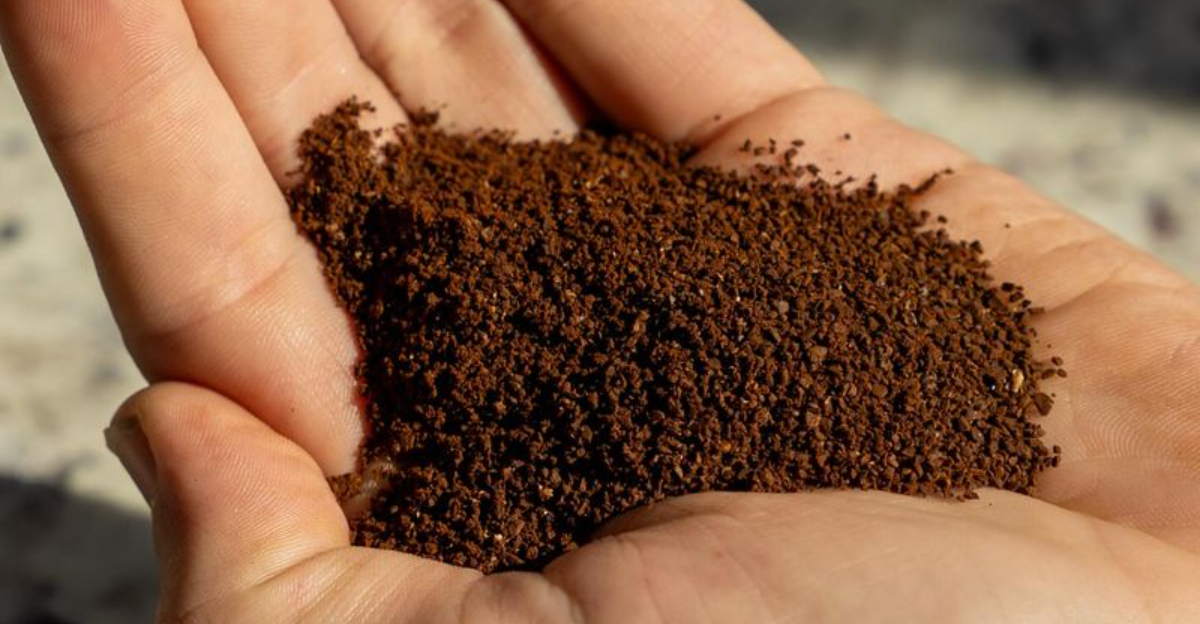
Your morning coffee routine can feed your compost pile all winter long, and honestly, it’s one of the easiest contributions you can make.
Coffee grounds are nitrogen-rich, which helps balance out all those brown leaves you probably added in fall.
They break down quickly even in cold temperatures, and the filters go right along with them if they’re unbleached paper.
Plus, worms absolutely love coffee grounds when they eventually show up in spring.
Don’t worry about rinsing anything or being too precise.
Just dump the whole filter with grounds directly into your bin after your morning brew.
The moisture in the grounds actually helps too, since winter compost tends to dry out more than you’d think.
I’ve been doing this for years, and it never fails to give my pile a nice boost.
Some folks worry about acidity, but in a balanced compost system, it’s really not an issue.
The grounds also help prevent your pile from freezing into one solid block, which makes spring management so much easier.
3. Vegetable And Fruit Scraps
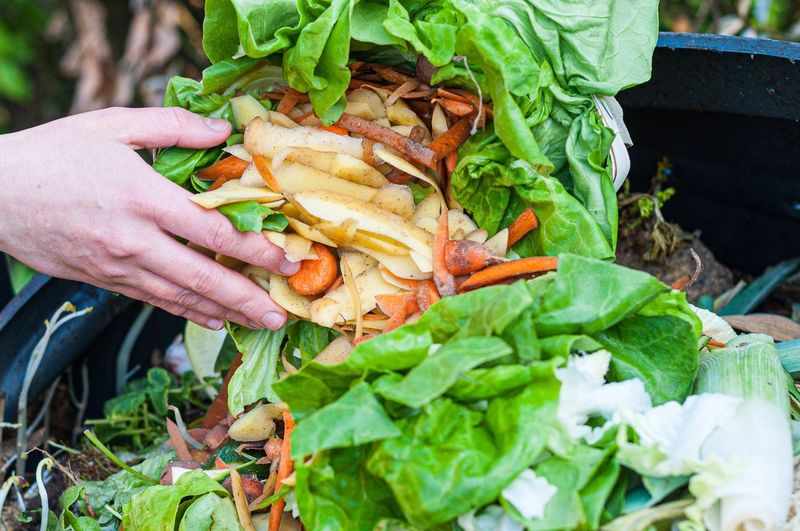
Veggie peels, apple cores, banana peels, and other plant-based kitchen scraps remain compost bin champions even when it’s freezing outside.
They provide essential nitrogen and moisture that your pile needs to stay active.
Winter doesn’t stop decomposition completely; it just slows things down a bit.
The trick is chopping or breaking up larger pieces before adding them.
Whole vegetables take forever to break down in cold weather, but smaller chunks give microorganisms more surface area to work with.
I keep a small cutting board by my compost bucket just for this purpose.
Bury your scraps under a layer of leaves or shredded paper to discourage animals from investigating.
Critters get hungry in winter too, and an open pile of fresh scraps is basically an invitation for raccoons and possums to throw a party.
Covering also helps trap heat and speeds up decomposition.
Some people freeze their scraps and add them all at once, which works fine too.
Either way, these scraps will eventually transform into beautiful compost that’ll make your spring garden incredibly happy and productive.
4. Crushed Eggshells

Eggshells might seem insignificant, but they’re calcium powerhouses that benefit your compost and eventually your garden soil.
Winter is actually a perfect time to add them since they take several months to break down anyway.
By spring, they’ll be much closer to becoming usable nutrients.
Crushing them into small pieces makes a huge difference in how quickly they decompose.
I rinse mine out, let them dry, then crunch them up before tossing them in.
Some people even use a coffee grinder to pulverize them into powder, which works amazingly well.
The calcium from eggshells helps prevent blossom end rot in tomatoes and peppers later in the growing season.
It also helps balance pH levels in your finished compost.
Plus, the sharp edges can deter slugs and soft-bodied pests when you eventually spread your compost in garden beds.
Don’t stress about getting every bit of egg white off before composting.
A little residue is fine and actually adds protein to your pile.
Just avoid adding so many at once that they create a solid layer, which can block airflow and slow everything down unnecessarily.
5. Meat And Dairy Products
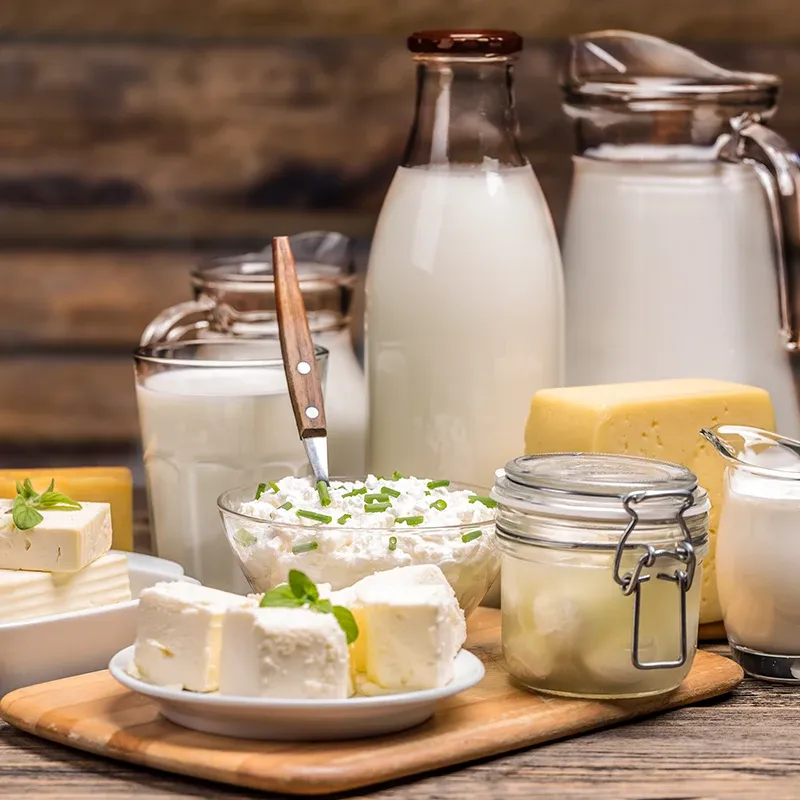
Here’s where things get tricky, and honestly, winter makes this rule even more important than usual.
Meat scraps, bones, cheese, milk, and other dairy products should never go into your backyard compost bin, regardless of the season.
They attract every hungry animal within sniffing distance, and winter makes wildlife especially desperate for easy food sources.
Beyond the animal problem, these items create terrible odors as they break down.
Cold temperatures might mask the smell temporarily, but the first warm day will remind you exactly why this was a bad idea.
The smell can linger for weeks and upset your neighbors too.
Meat and dairy also encourage harmful bacteria growth that your typical compost pile can’t handle safely.
Commercial composting facilities get hot enough to process these materials, but home systems rarely do, especially in winter.
You risk creating compost that could make you or your plants sick.
If you hate wasting these items, look into municipal composting programs that accept them.
Or consider getting a Bokashi composting system designed specifically for breaking down animal products safely indoors before adding to outdoor bins.
6. Pet Waste

I know it seems logical to compost pet waste since it’s organic material, but this is one thing you absolutely need to skip.
Dog and cat waste contains pathogens and parasites that survive the composting process, especially in winter when temperatures stay too low for proper sanitization.
These nasties can contaminate your entire compost batch.
The parasites found in pet waste can persist in soil for years and potentially harm humans, particularly children who play in gardens.
Toxoplasma, roundworms, and other organisms don’t care how carefully you composted; they’ll hang around waiting for an opportunity.
It’s just not worth the risk to your family’s health.
Winter composting is even less effective at eliminating these pathogens since the pile doesn’t heat up sufficiently.
Hot composting requires temperatures above 140 degrees Fahrenheit sustained for several days, which is nearly impossible to achieve in freezing weather.
Your pile likely won’t even reach 80 degrees during winter months.
Bag pet waste and dispose of it in your regular trash instead.
Some communities offer special pet waste composting services that use industrial processes to safely handle it.
Check if that’s available in your area as an alternative option.
7. Diseased Plant Material

When you’re cleaning up your winter garden, it’s tempting to toss everything into the compost bin for convenience.
But plants that showed signs of disease during the growing season need to go straight into the trash instead.
Fungal spores, bacterial infections, and viral diseases can survive winter composting temperatures and reinfect your garden next year.
Common problems like tomato blight, powdery mildew, black spot on roses, and bacterial wilt are especially persistent.
These pathogens basically hibernate in your compost pile, waiting patiently for spring when you spread that compost around your healthy plants.
Then boom, you’ve just reintroduced the exact problem you thought you got rid of.
Winter makes this issue worse because the cold prevents your compost from reaching temperatures high enough to eliminate disease organisms.
Even if you had a hot pile in summer, winter composting is usually a slow, cool process that won’t sanitize anything effectively.
If you’re unsure whether a plant was diseased, err on the side of caution and trash it.
Healthy plant material composts beautifully, but taking chances with diseased stuff can sabotage your entire next growing season unnecessarily.
8. Treated Wood And Sawdust

Sawdust and wood chips seem like perfect brown material for winter composting, and untreated versions actually are great additions.
However, treated lumber, painted wood, and sawdust from pressure-treated projects contain chemicals that have no business in your garden.
These toxins include arsenic, chromium, copper compounds, and various preservatives designed to resist decay.
The whole point of these treatments is preventing breakdown, which means they’ll persist in your compost and eventually in your garden soil.
Plants can absorb these chemicals, and you definitely don’t want them in vegetables you’re planning to eat.
Some of these compounds are known carcinogens and heavy metals that accumulate over time.
Winter composting won’t change this situation one bit.
Cold or hot, these chemicals remain dangerous and don’t magically become safe through decomposition.
Even small amounts can contaminate an entire compost batch, making it unsuitable for food gardens or anywhere children and pets play regularly.
Stick with untreated wood products, and when in doubt, skip it entirely.
Natural sawdust from woodworking projects using plain lumber works wonderfully.
Anything that’s been stained, painted, or pressure-treated belongs in construction waste disposal, not your compost bin.