6 Things You Should Do If A Feral Hog Enters Your Florida Yard And 3 Things You Shouldn’t
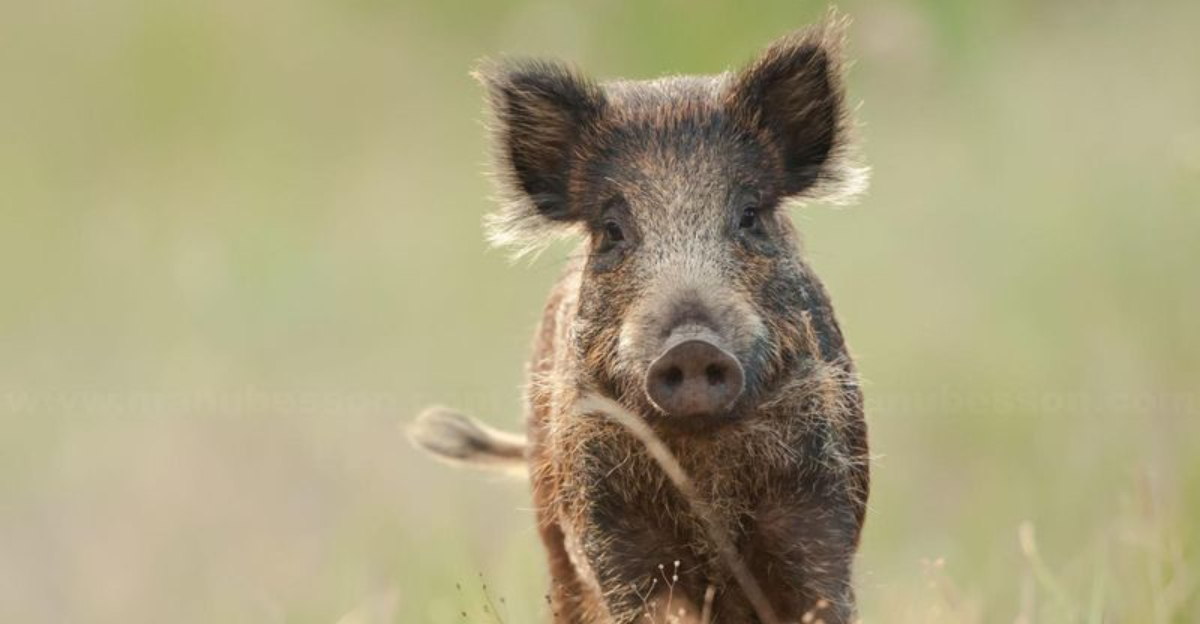
Seeing a feral hog in your Florida yard can make your heart skip a beat.
One moment the grass looks peaceful, the next it’s torn up like a plowed field with a muddy intruder rooting around.
These animals are tough as nails, quick on their feet, and far less timid than they look.
When a feral hog shows up, it’s a whole different ball game from spotting a squirrel or raccoon.
This kind of visit is not something to take lightly or laugh off.
Feral hogs can cause serious damage in a short time, and a wrong move can put people and pets in harm’s way.
Some homeowners act on impulse and make the problem worse, while others freeze and hope the hog wanders off.
Both choices can backfire in a big way.
Florida yards offer easy food, water, and cover, which makes them tempting targets.
The smart steps you take early can draw a clear line in the sand and reduce future trouble.
Knowing what helps and what hurts keeps you out of hot water, protects your property, and stops a tense situation from spiraling out of control.
1. Keep Your Distance And Stay Indoors
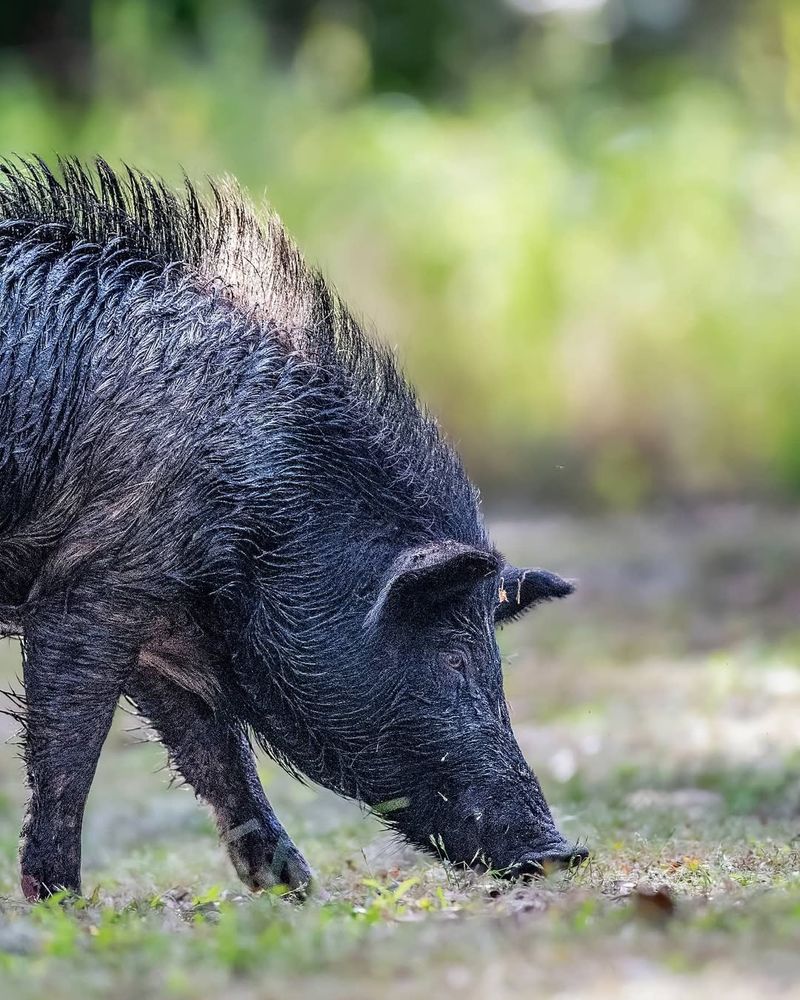
When you spot a wild hog in your Florida yard, your first instinct should be to move away from the animal and get inside your house as quickly as possible.
Feral hogs can be unpredictable, especially if they feel threatened or cornered.
They have sharp tusks and powerful bodies that can cause serious injuries if they charge or defend themselves.
Getting indoors creates a barrier between you and the hog, giving you time to observe the situation safely.
From inside, you can watch the animal’s behavior through a window and decide on your next steps.
Most hogs are simply looking for food and will move along once they realize there’s nothing easy to eat.
Never approach a feral hog to get a closer look or take photos.
Even if the animal seems calm, it can react aggressively in seconds.
If you’re outside when you see one, back away slowly without turning your back, then head inside.
Children and pets should be brought indoors immediately.
Wild hogs can view small animals as threats or even prey in some cases.
Keeping everyone safely inside protects your loved ones and prevents the hog from feeling challenged or scared, which could trigger defensive behavior across Florida neighborhoods.
2. Make Loud Noises From A Safe Location
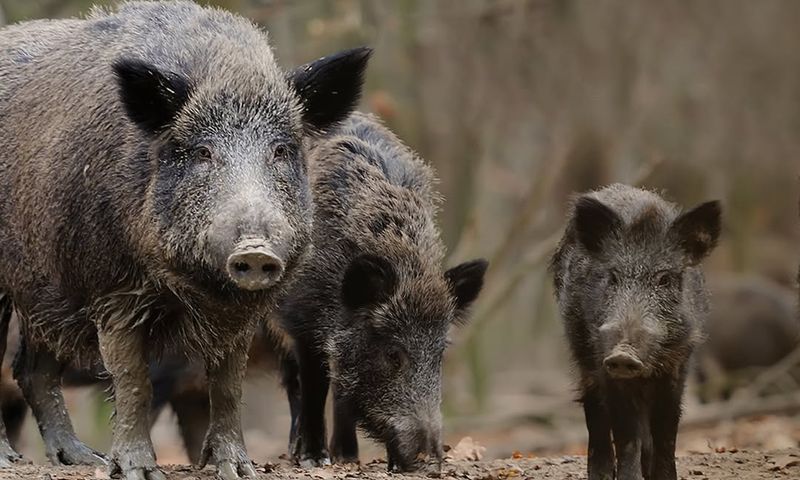
Once you’re safely inside your home, one effective way to encourage a feral hog to leave your Florida property is by making loud, startling sounds.
Banging pots and pans together, shouting, or using an air horn can startle the animal and convince it to move on.
Hogs prefer quiet areas where they can forage undisturbed, so sudden noise often drives them away.
Position yourself behind a door, on a porch, or near a window where you have protection.
Never step into the open yard to make noise, as this puts you too close to the animal.
The goal is to create enough sound to scare the hog without putting yourself in danger.
If you have a sound system or outdoor speakers, playing loud music or recordings of barking dogs can also work.
These sounds signal to the hog that the area isn’t safe or comfortable for foraging.
Many Florida homeowners have successfully used this method to clear their yards.
Be persistent but patient.
Some hogs may take a few minutes to respond and leave the area.
If the noise doesn’t work right away, give it time and try again.
Avoid approaching the animal even if it seems to ignore the sounds at first.
3. Contact Local Wildlife Authorities Or Animal Control
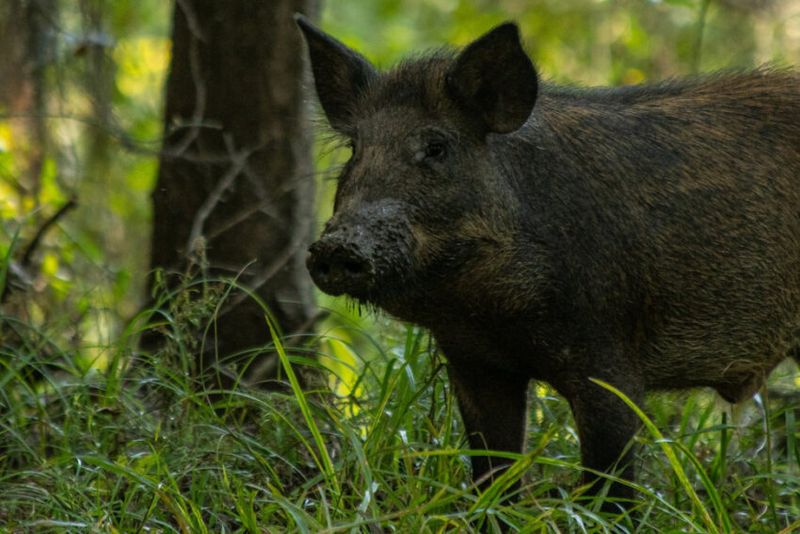
Reaching out to local wildlife authorities or animal control should be one of your top priorities when a feral hog enters your Florida yard.
These professionals have the training, equipment, and legal authority to handle wild animals safely and effectively.
They can assess the situation and take appropriate action to remove the hog without putting you or your family at risk.
In Florida, feral hogs are considered invasive and destructive, so many counties have dedicated teams to deal with them.
Look up your local Florida Fish and Wildlife Conservation Commission office or county animal control number ahead of time and keep it handy.
Quick action can prevent property damage and keep the situation from escalating.
When you call, provide clear details about the hog’s size, behavior, and location on your property.
This information helps authorities decide how to respond.
If the hog is aggressive or has been hanging around for hours, mention that as well.
While waiting for help to arrive, stay inside and keep an eye on the animal from a safe distance.
Don’t attempt to trap, chase, or handle the hog yourself, as this can be dangerous and may even be illegal in some Florida areas without proper permits.
4. Secure Your Pets And Bring Them Inside Immediately
Pets can be at serious risk when a feral hog wanders into your Florida yard, so getting them inside quickly is critical.
Dogs, in particular, may bark, chase, or try to confront the hog, which can trigger an aggressive response.
Even large dogs are no match for a wild hog’s strength and tusks.
If your pet is outside, call them calmly and guide them indoors without creating panic.
Avoid running or shouting in a way that might startle the hog or excite your pet.
Once inside, keep your animals away from windows and doors to prevent them from seeing the hog and reacting.
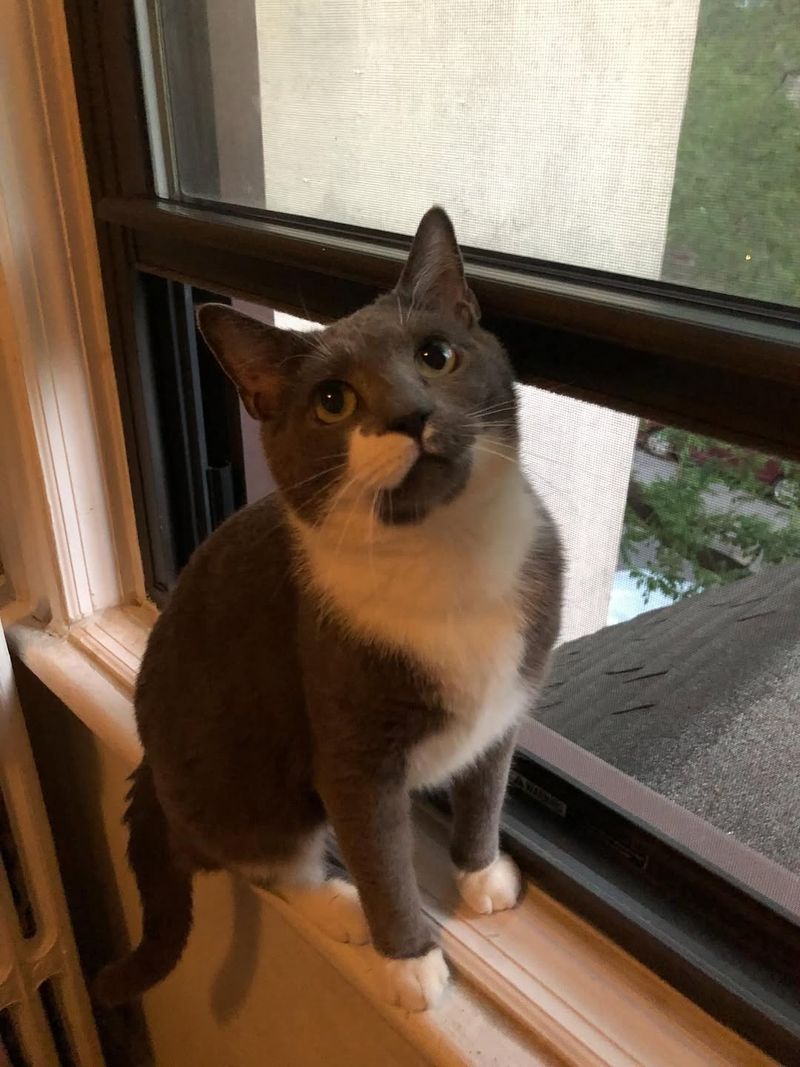
Cats should also be brought in, as they can be injured if they approach or surprise the hog.
Even though cats are usually more cautious, a curious pet might get too close.
Feral hogs have been known to react defensively to any animal they perceive as a threat in Florida yards.
After the hog leaves, inspect your yard before letting pets back outside.
Hogs can leave behind sharp objects, disturbed ground, or contaminated areas.
Keeping your pets safe means staying vigilant even after the immediate danger has passed across your Florida property.
5. Remove Food Sources And Secure Trash Bins
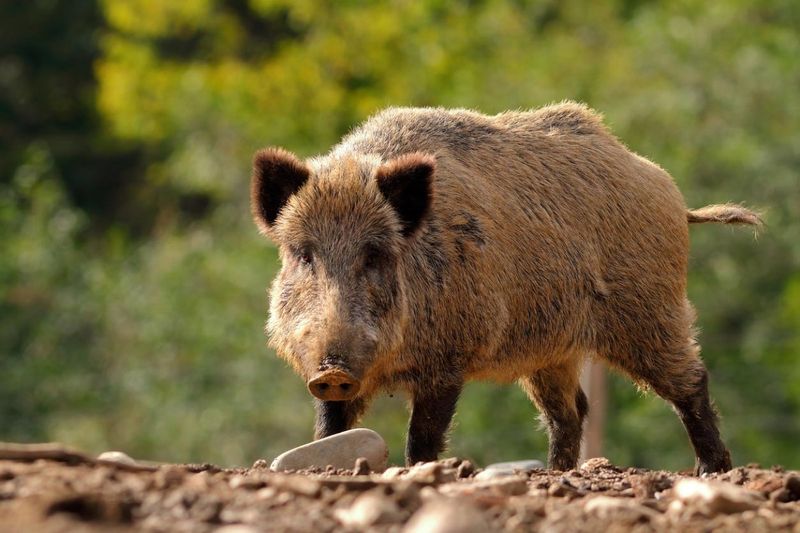
Feral hogs are drawn to yards in Florida primarily because they’re searching for food.
If you have garbage cans, pet food, birdseed, or fallen fruit lying around, you’re basically inviting them onto your property.
Removing these attractants is one of the most effective ways to prevent future visits and encourage hogs to move on quickly.
Start by securing your trash bins with tight-fitting lids or locking mechanisms.
Hogs have strong snouts and can easily knock over unsecured cans to access the contents.
Store bins in a garage or shed if possible, especially overnight when hogs are most active.
Pick up any pet food bowls left outside and clean up spilled birdseed under feeders.
Even small amounts of food can attract hogs from far away.
If you have fruit trees, gather fallen fruit regularly to eliminate this tempting food source across your Florida yard.
Compost piles should be enclosed in secure containers rather than left open.
Hogs will root through compost looking for scraps.
By making your yard less appealing, you reduce the chances of repeat visits and help protect your neighbors’ properties as well throughout Florida communities.
6. Install Motion-Activated Lights Or Sprinklers
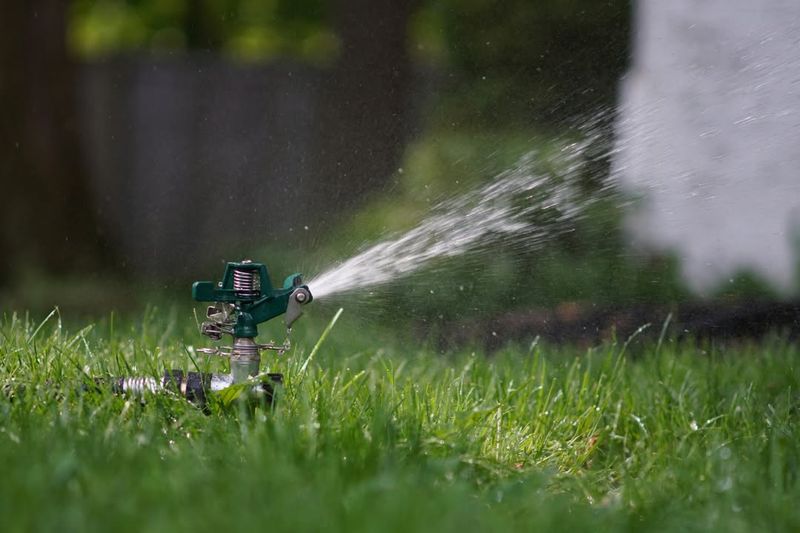
Setting up motion-activated lights or sprinklers around your Florida property can be a powerful deterrent against feral hogs.
These animals prefer to forage under cover of darkness, and sudden bright lights or bursts of water can startle them and make them think twice about sticking around.
This method works well because it requires no direct interaction with the hog.
Motion-sensor lights should be positioned around the perimeter of your yard, especially near areas where hogs might enter or where you’ve seen signs of activity.
When the hog triggers the sensor, the sudden illumination can be enough to send it running back into the woods or nearby fields common in Florida.
Sprinkler systems work similarly but add the element of water, which hogs find unpleasant.
These systems can cover larger areas and are especially useful for protecting gardens or landscaping.
Many Florida homeowners combine both lights and sprinklers for maximum effectiveness.
These devices are affordable, easy to install, and work around the clock without you having to stay alert.
They also help with other wildlife issues, making them a smart long-term investment for Florida properties near natural habitats where feral hogs roam freely.
7. Don’t Try To Feed Or Approach The Hog
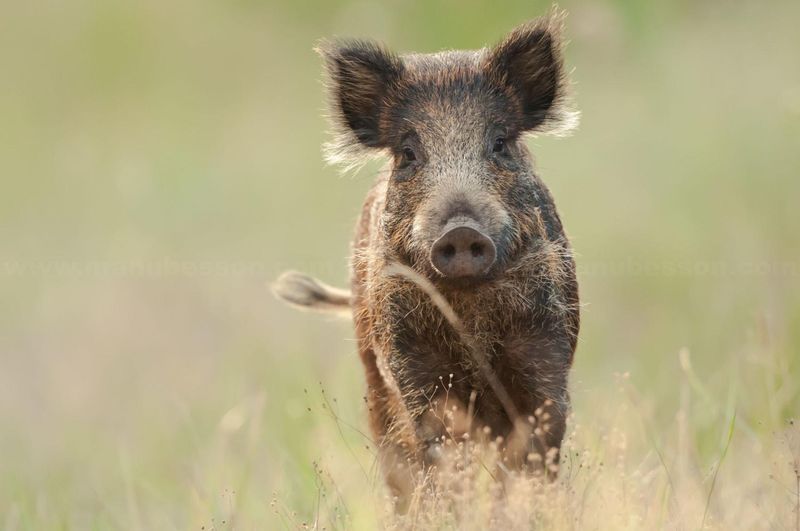
It might seem harmless or even kind to offer food to a feral hog that appears hungry, but this is one of the worst mistakes you can make in Florida.
Feeding wild hogs teaches them to associate humans and residential areas with easy meals, which encourages them to return repeatedly and lose their natural fear of people.
Approaching a hog to feed it also puts you in immediate danger.
These animals can weigh over 200 pounds and move surprisingly fast when they feel threatened or excited.
Their tusks can cause deep wounds, and their powerful jaws can crush bones.
No amount of curiosity or compassion is worth the risk.
Even if the hog seems calm or friendly, remember that it’s a wild animal with unpredictable instincts.
Unlike domestic pigs, feral hogs haven’t been raised around humans and don’t understand social cues.
What looks like docile behavior can turn aggressive in an instant across Florida yards.
Teaching children and visitors never to approach or feed wild hogs is essential.
Make it a household rule that everyone understands.
By keeping your distance and discouraging interaction, you help maintain the hog’s natural wariness and reduce the likelihood of dangerous encounters in Florida neighborhoods.
8. Don’t Chase Or Corner The Animal
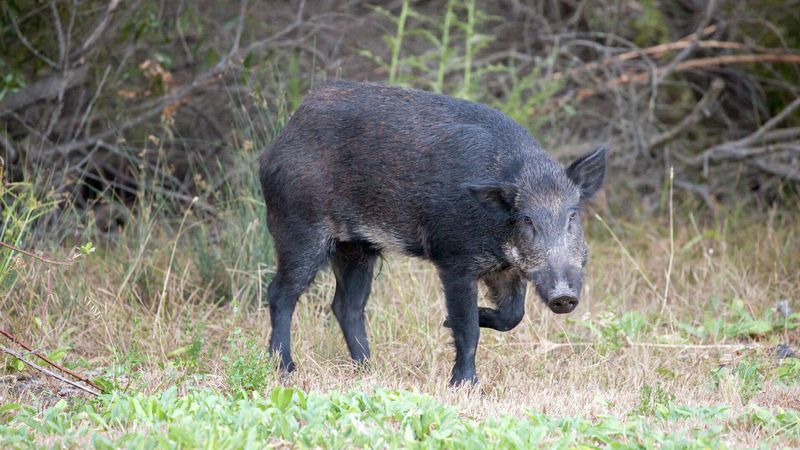
Chasing a feral hog might seem like a quick way to get it off your Florida property, but this tactic almost always backfires.
When hogs feel pursued or trapped, their survival instincts kick in, and they can become extremely aggressive.
A cornered hog has no choice but to fight its way out, which puts you in serious danger.
Running after a hog can also cause it to panic and charge.
These animals are fast and powerful, and they can easily outmaneuver a person in a yard.
Instead of leaving, a chased hog might turn around and attack to defend itself, leading to injuries that could have been avoided.
Cornering a hog against a fence, shed, or other structure is equally dangerous.
With no escape route, the animal will use its tusks and body weight to break free.
This often results in property damage and increases the risk of someone getting hurt in Florida yards.
The best approach is to give the hog plenty of space and allow it to leave on its own terms.
Use noise and lights from a distance to encourage it to move along.
Patience and caution are far more effective than aggressive tactics when dealing with feral hogs across Florida properties.
9. Don’t Attempt To Trap Or Handle The Hog Yourself
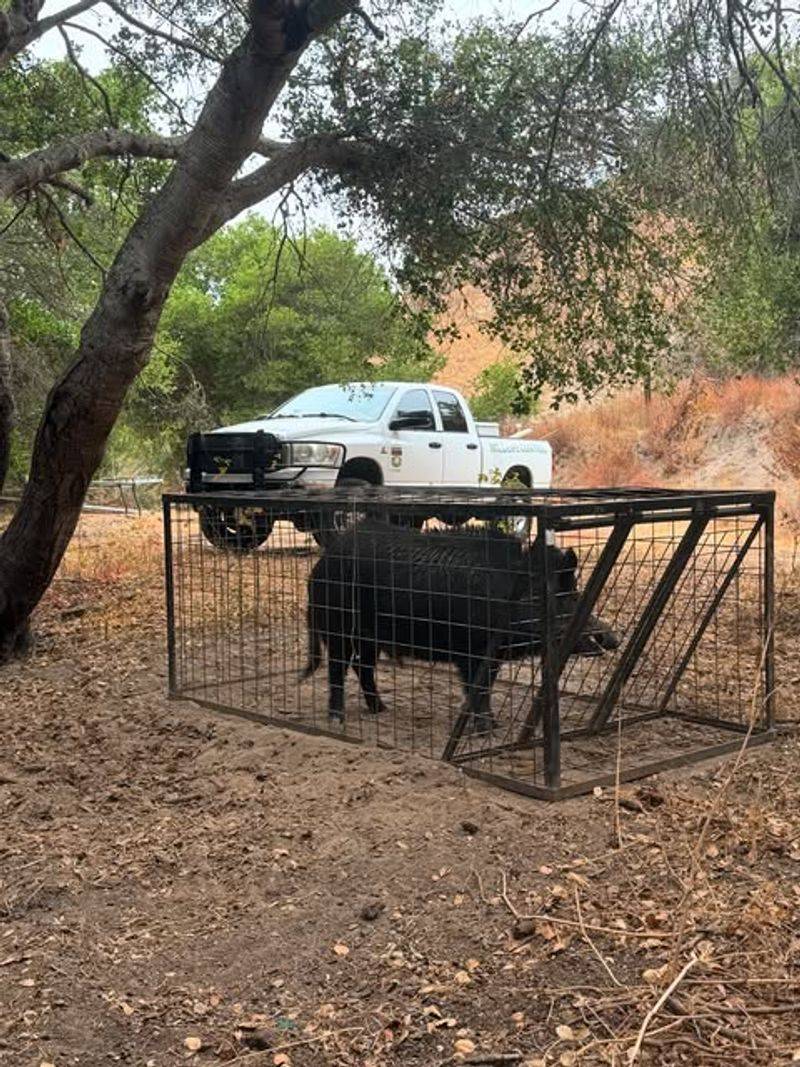
Trying to trap or physically handle a feral hog without professional training is extremely dangerous and often illegal in Florida.
These animals are incredibly strong, and even small hogs can cause serious injuries if they feel threatened or confined.
Trapping requires specialized equipment and knowledge that most homeowners simply don’t have.
Homemade traps can fail, injure the hog, or trap other animals unintentionally.
A poorly designed trap might not hold a full-grown hog, allowing it to escape and become even more aggressive.
Injured or frightened hogs are far more dangerous than calm ones roaming through Florida yards.
Handling a trapped hog is another level of risk altogether.
Even if you manage to contain the animal, you’ll need to transport it safely, which is both difficult and hazardous.
Feral hogs can carry diseases like brucellosis and leptospirosis, which can spread to humans through contact.
Florida law also regulates how feral hogs can be trapped and removed.
Attempting to do it yourself without permits or proper authority could result in fines or legal trouble.
Always leave hog removal to trained wildlife professionals who have the tools, experience, and legal backing to handle the situation safely across Florida communities.