10 Things You Should Do When An Opossum Visits Your Florida Yard
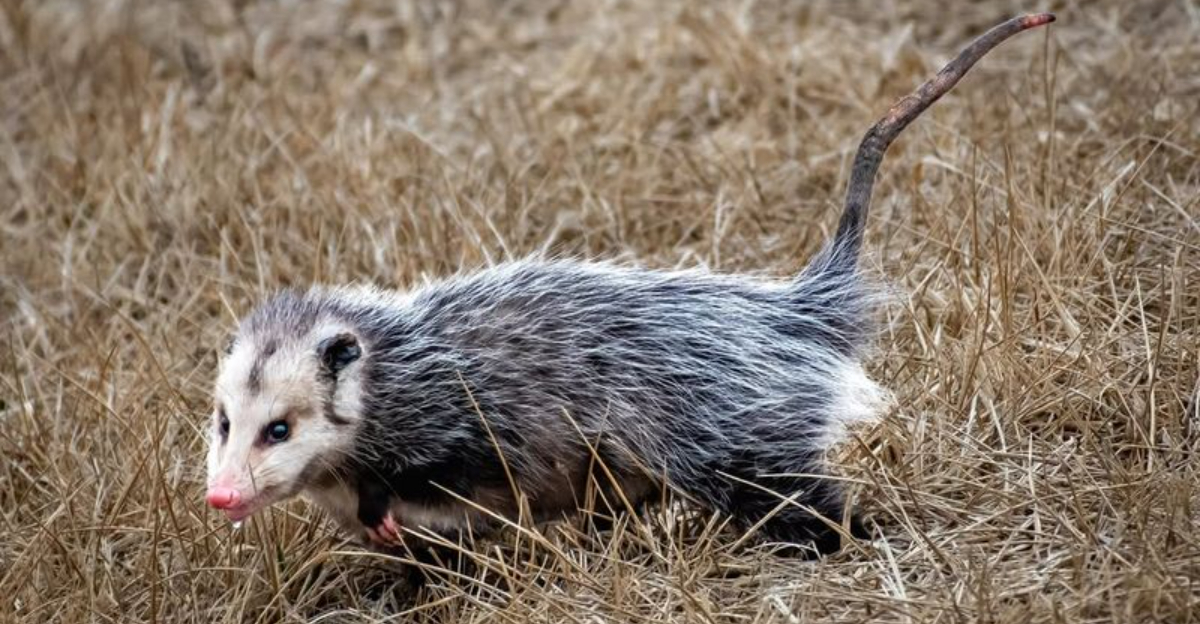
An opossum wandering into your Florida yard may look like trouble at first glance, but this shy night wanderer often brings more good than harm.
It slips through the grass like a quiet guest, sniffing for snacks and minding its own business.
Many homeowners wake to small clues of its visit, never catching the animal in the act.
When you do spot one, there’s no need to sound the alarm.
An opossum moves at its own slow pace, cleaning up insects, fallen fruit, and even unwanted pests as it goes.
Treat it with a calm hand and a bit of patience, and the encounter becomes a simple part of Florida living.
A few smart steps can keep the peace, protect your space, and allow the opossum to continue its nightly rounds without fuss.
Understanding its habits turns a surprise visit into a moment of curiosity, showing that even unexpected guests can play a helpful role.
1. Observe From A Safe Distance
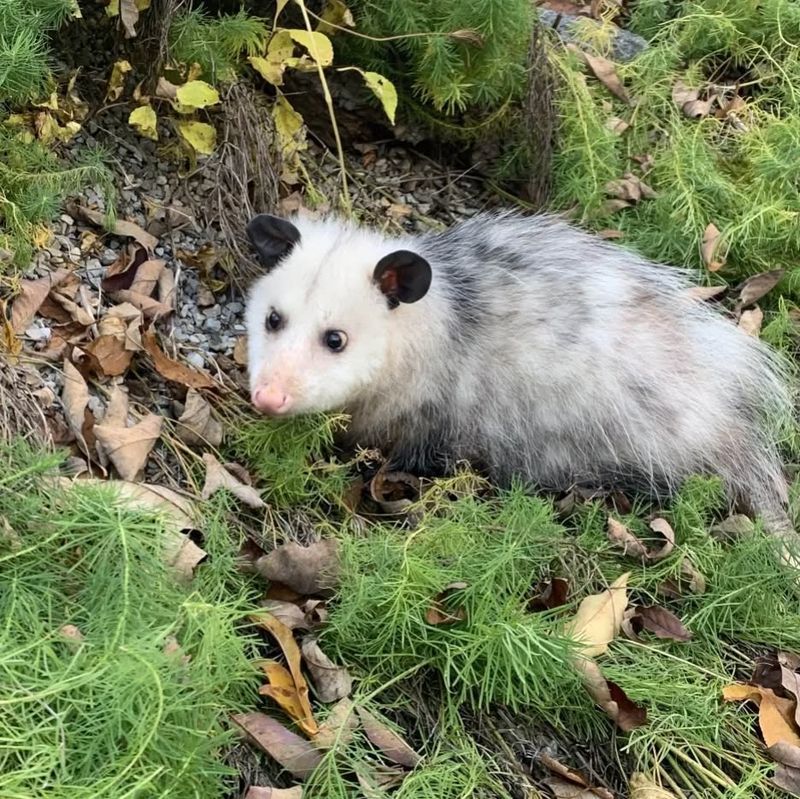
Watching an opossum from afar lets you appreciate this unique animal without causing stress to either of you.
Opossums have poor eyesight but excellent hearing, so sudden movements or loud noises can startle them easily.
Stay at least ten feet away and move slowly if you need to adjust your viewing position.
Most opossums are naturally shy and prefer to avoid human contact whenever possible.
They typically freeze or move away slowly when they sense someone nearby.
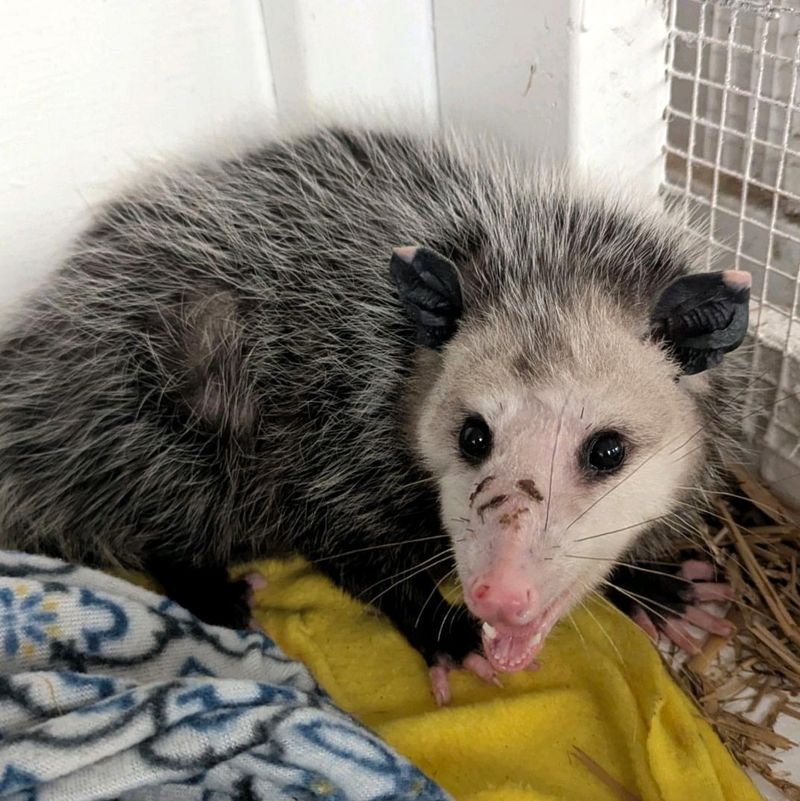
Some might even open their mouths wide to show their teeth, but this is usually just a defensive bluff rather than actual aggression.
Keeping your distance protects you from potential bites and allows the opossum to continue its natural behavior.
You might see it sniffing around for insects, grubs, or fallen fruit.
Opossums are excellent pest controllers, eating ticks, cockroaches, and other unwanted bugs.
Grab your phone or camera to capture photos if you want, but avoid using flash photography as it can disorient the animal.
This respectful observation helps you learn about local wildlife while keeping everyone safe and comfortable during the encounter.
2. Keep Your Pets Indoors
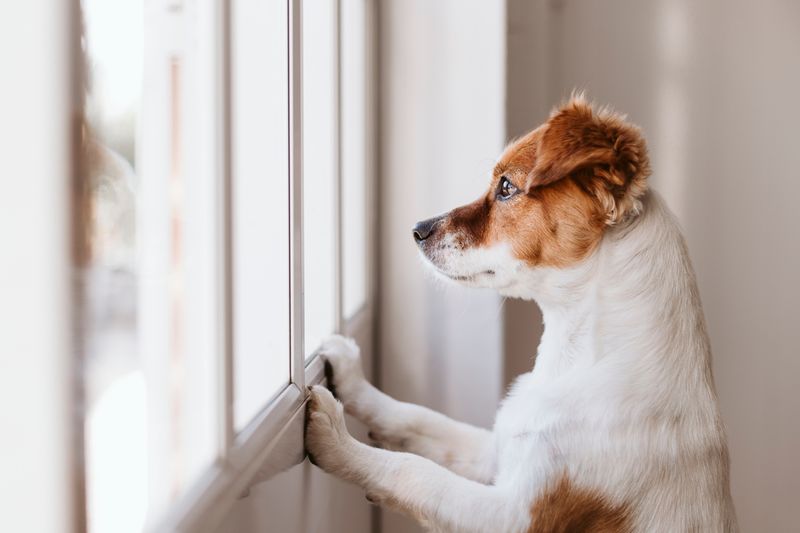
Dogs and cats can become overly curious or aggressive when they encounter an opossum in the yard.
Bringing your pets inside prevents unnecessary confrontations that could harm either animal.
Even small dogs might try to chase or corner an opossum, which puts everyone at risk.
Opossums have fifty teeth, more than any other North American mammal, and will use them if cornered.
Your pet could receive scratches or bites during a scuffle, leading to potential infections or veterinary bills.
Similarly, your dog or cat might injure the opossum, which is just trying to find food or pass through safely.
Call your pets using a calm voice and secure them indoors until the opossum leaves your property.
If your dog is already outside and fixated on the visitor, distract them with treats or a favorite toy.
Never let your pet approach the opossum for a closer look, even if they seem friendly.
Remember that opossums are nocturnal, so most encounters happen during evening or nighttime hours.
Establishing a routine of bringing pets in after sunset can prevent these situations altogether and keep your furry family members safe.
3. Secure Your Trash Cans

Garbage bins are like all-you-can-eat buffets for hungry opossums searching for easy meals.
Making sure your trash cans have tight-fitting lids prevents these animals from getting into spoiled food and creating messes.
Opossums have nimble paws and can tip over unsecured containers to access the contents inside.
Use bungee cords or locking mechanisms to keep lids firmly attached, especially on collection days.
Store your bins in a garage or shed if possible, at least until pickup morning.
This simple step reduces the chances of repeat visits from opossums and other wildlife like raccoons.
When opossums find a reliable food source, they often return to the same location night after night.
Breaking this pattern by eliminating access to trash helps encourage them to move along naturally.
Clean up any spills around your garbage area promptly, as lingering odors attract scavengers from blocks away.
Consider using trash cans specifically designed for wildlife-prone areas, which feature reinforced lids and locking handles.
Taking these precautions protects local wildlife from eating harmful substances while keeping your yard cleaner and less attractive to nighttime visitors.
4. Remove Outdoor Pet Food

Leaving dog or cat food outside overnight sends an open invitation to opossums and other hungry wildlife.
These opportunistic eaters rarely pass up an easy meal, especially protein-rich kibble left in bowls.
Bring all pet dishes inside before dusk to avoid attracting unwanted visitors to your porch or patio.
Even empty bowls can retain scents that draw opossums closer to your home.
Wash the dishes thoroughly and store them indoors until morning feeding time.
If you feed outdoor cats or community animals, establish a schedule that allows them to eat during daylight hours.
Monitor the feeding area and remove any uneaten portions within thirty minutes.
Opossums have an incredible sense of smell and can detect food from impressive distances.
Once they learn that your yard offers consistent meals, they will keep coming back regularly.
This behavior might seem harmless, but it can make opossums dependent on human-provided food rather than natural sources.
Encouraging wild animals to rely on people for sustenance changes their natural foraging patterns and can cause problems for neighbors too.
Taking responsibility for pet food storage helps maintain healthy boundaries between humans and wildlife in Florida neighborhoods.
5. Check For Babies In Spring
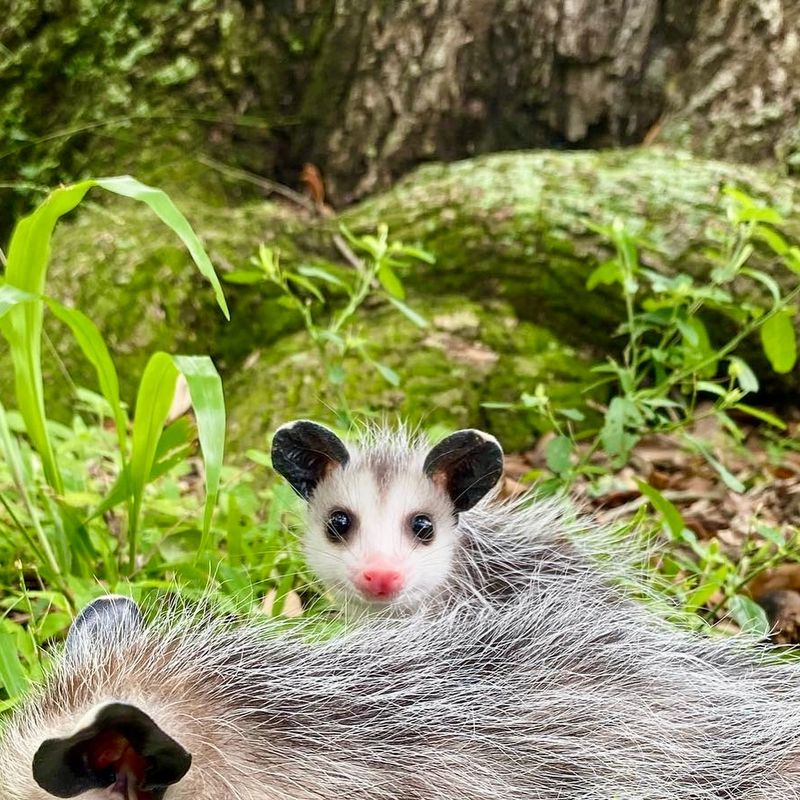
Female opossums carry their young in pouches, similar to kangaroos, but babies eventually climb onto their mother’s back.
During spring months, you might spot a mother opossum with several tiny joeys clinging to her fur.
This sight is actually quite adorable, though it requires extra caution on your part.
Mother opossums are protective of their offspring and may behave more defensively than usual.
Give families even more space than you would a solitary opossum, at least fifteen to twenty feet.
Avoid making sudden movements or loud sounds that could separate babies from their mother.
If you find a baby opossum alone without its mother nearby, wait several hours before assuming it needs help.
The mother might be foraging and will return to collect her joey soon.
Young opossums that are truly orphaned need professional wildlife rehabilitation to survive.
Contact a licensed Florida wildlife rehabilitator if you discover an injured or abandoned baby after waiting patiently.
Never attempt to raise a baby opossum yourself, as they have specific dietary and care requirements.
Respecting opossum families during breeding season helps these beneficial animals thrive in your community.
6. Appreciate Their Pest Control Services
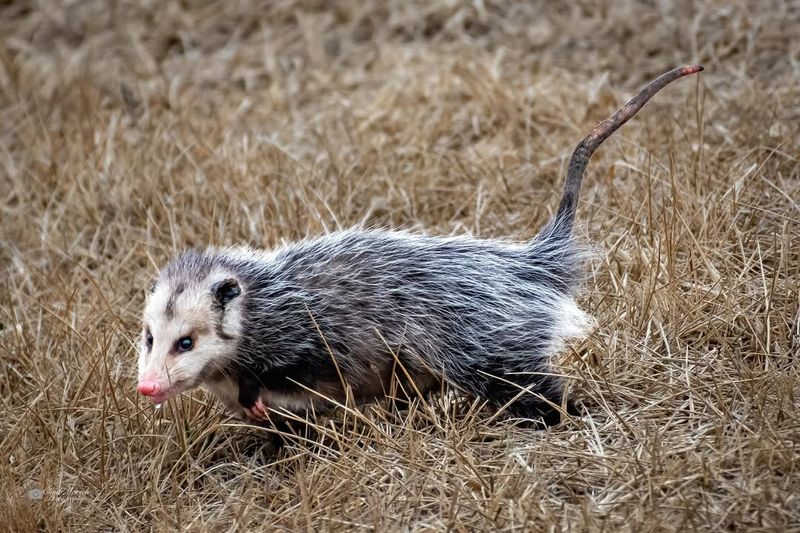
Opossums are nature’s cleanup crew, consuming thousands of ticks, insects, and other pests throughout their lives.
A single opossum can eat up to 5,000 ticks in one season, significantly reducing your risk of tick-borne illnesses.
They also munch on cockroaches, beetles, snails, slugs, and even venomous snakes when given the chance.
Having an opossum visit your yard means you have a free, eco-friendly pest control service working overnight.
These animals are immune to most snake venoms, including that of rattlesnakes and copperheads.
They will happily consume these dangerous reptiles, making your property safer for your family.
Opossums also eat carrion, which helps prevent the spread of diseases from decaying animals.
Their scavenging habits keep neighborhoods cleaner and reduce unpleasant odors from decomposing matter.
Rather than viewing opossums as nuisances, consider them valuable partners in maintaining a healthy yard ecosystem.
They work tirelessly during nighttime hours while you sleep comfortably inside.
Encouraging their presence through tolerance can actually benefit your outdoor space more than chemical pest control methods.
Next time you see an opossum, remember that it is probably munching on pests you would rather not have around anyway.
7. Provide A Clear Exit Path
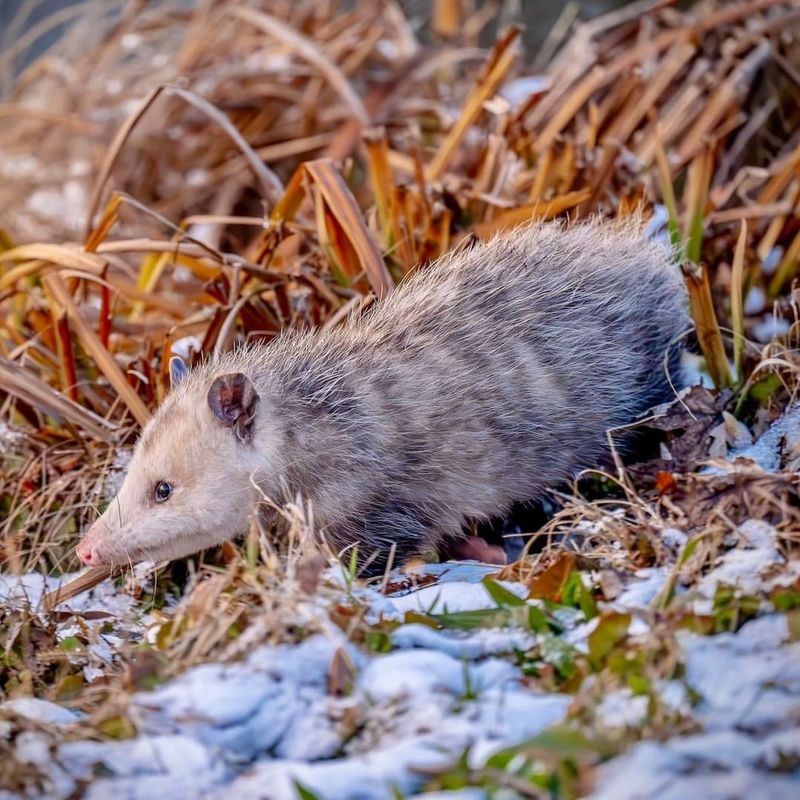
Opossums sometimes wander into garages, sheds, or fenced areas and cannot find their way out easily.
Creating an obvious escape route helps the animal leave your property without panic or confrontation.
Open doors or gates wide and turn off bright lights that might confuse or frighten the visitor.
Step back and give the opossum plenty of room to move toward the exit.
These animals prefer to flee rather than fight, so they will usually take the opportunity to leave quickly.
If the opossum seems disoriented, try placing a trail of appealing scents leading toward the exit.
Fruit pieces or a small amount of cat food can guide the animal in the right direction.
Avoid chasing or cornering the opossum, as this will only increase its stress and make it harder to remove.
Patience is essential during these situations, as opossums move slowly compared to other wildlife.
Some might even freeze in place for several minutes before deciding to move again.
Wait quietly nearby, and most opossums will eventually shuffle toward freedom on their own terms.
Once the animal leaves, close doors and gates to prevent future intrusions into enclosed spaces around your home.
8. Avoid Using Harmful Chemicals
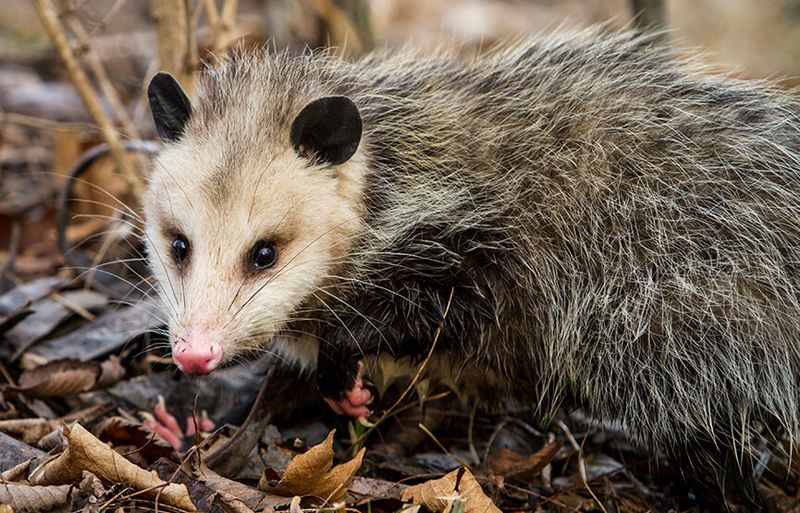
Pesticides, rodenticides, and other toxic substances pose serious risks to opossums and other beneficial wildlife.
These chemicals can poison opossums directly when they consume contaminated insects or indirectly through eating affected prey.
Choosing natural pest control methods protects visiting opossums while still managing unwanted bugs and rodents.
Opossums themselves serve as excellent natural pest controllers, making chemical treatments less necessary anyway.
If you must use pest control products, select options labeled as safe for wildlife and pets.
Read all instructions carefully and apply products only in targeted areas away from animal pathways.
Store chemicals securely in locked cabinets where curious wildlife cannot access them.
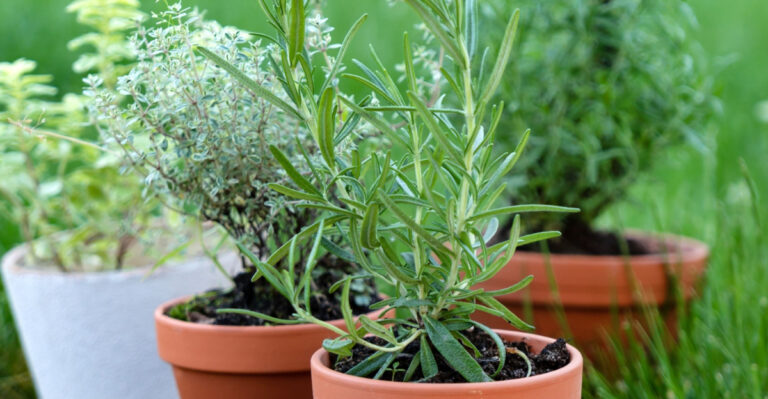
Consider planting pest-repelling herbs like lavender, mint, or rosemary instead of relying on sprays.
These plants smell wonderful to humans but discourage many insects naturally without harming larger animals.
Diatomaceous earth offers another safe alternative for controlling crawling insects around your home’s foundation.
This natural powder works mechanically rather than chemically, posing minimal risk to visiting opossums.
Making environmentally conscious choices helps maintain a healthy ecosystem in your Florida yard where wildlife and humans can coexist peacefully together.
9. Learn About Local Wildlife Laws
Florida has specific regulations regarding wildlife interactions, and understanding these rules helps you respond appropriately to opossum visits.
Opossums are considered wildlife and are protected under state law from unnecessary harassment or harm.
You cannot legally trap and relocate opossums without proper permits from the Florida Fish and Wildlife Conservation Commission.
Attempting to move an opossum yourself might actually be illegal and can result in fines.
Relocated animals often struggle to survive in unfamiliar territories and may face competition from established populations.
The most humane approach involves making your property less attractive to opossums through habitat modification.
If an opossum causes persistent problems, contact a licensed wildlife removal professional who understands legal requirements.
These experts can assess your situation and recommend solutions that comply with Florida regulations.
Many counties offer resources and educational materials about living peacefully alongside urban wildlife.
Check your local government website or call animal services for guidance specific to your area.
Being informed about wildlife laws demonstrates respect for nature and helps protect animals that provide valuable ecological services.
Knowledge empowers you to make responsible decisions when opossums or other wild creatures visit your Florida property.
10. Document The Visit With Photos
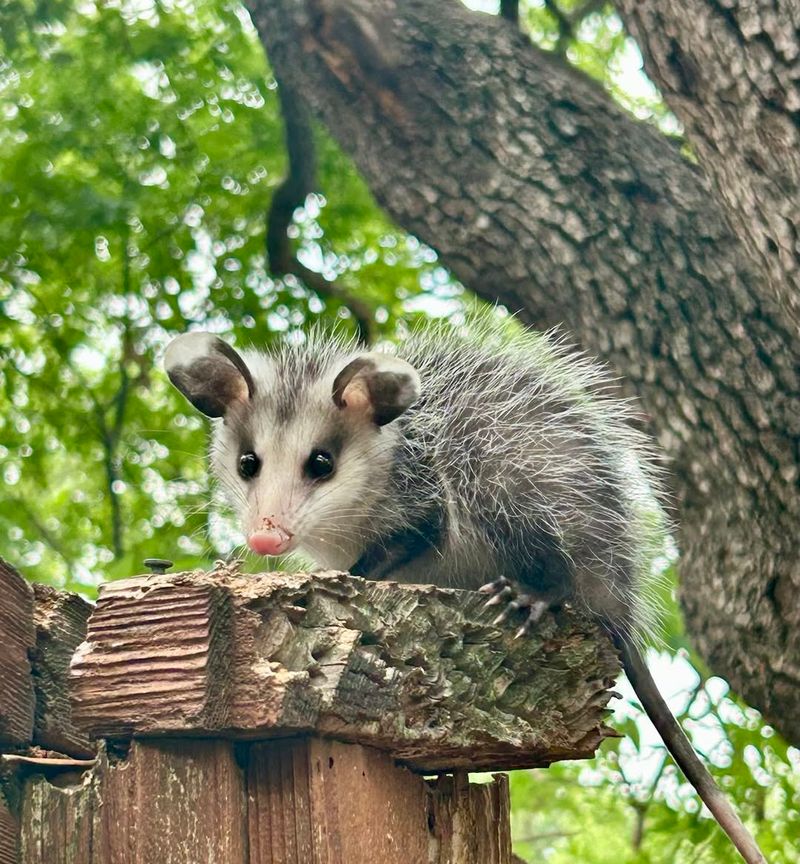
Capturing images of your opossum visitor creates lasting memories while contributing to citizen science efforts.
Photography helps you appreciate the unique features of these often-misunderstood marsupials up close.
Use your smartphone or camera with natural lighting when possible, avoiding flash that can startle or temporarily blind the animal.
Take photos from a respectful distance using zoom features rather than approaching too closely.
Notice the opossum’s pink nose, rounded ears, and prehensile tail that helps it balance while climbing.
You might capture interesting behaviors like grooming, foraging, or even the famous defensive display.
Share your photos on social media or wildlife observation platforms like iNaturalist to help researchers track opossum populations.
These contributions provide valuable data about wildlife distribution and behavior patterns across Florida.
Your observations might even help scientists understand how opossums adapt to urban environments.
Include details about the date, time, and location when uploading photos to maximize their scientific value.
Teaching children to document wildlife visits fosters appreciation for nature and encourages environmental stewardship.
Looking back at your opossum photos later reminds you of the amazing biodiversity that exists right in your own backyard.