6 Fragrant Plants Pennsylvania Gardeners Use To Help Keep Ticks Away
What if your garden could smell incredible and quietly work as a tick deterrent at the same time? It sounds like the kind of thing that’s too convenient to actually be true, but the science behind it is pretty straightforward.
Certain plants produce aromatic compounds that are genuinely offensive to ticks, and those same compounds happen to be exactly what makes these plants smell so good to everyone else in the garden.
Pennsylvania’s tick situation is serious enough that most outdoor enthusiasts in the state think about it regularly from spring through fall.
The state consistently ranks among the higher-risk areas for tick exposure in the country, and with Lyme disease cases remaining a real concern, finding natural ways to reduce tick presence in your immediate outdoor space is more than just a nice idea.
Building a garden that fights back with fragrance is one of the smartest and most pleasant approaches a Pennsylvania gardener can take.
1. Lavender

Walk past a lavender plant on a warm summer afternoon and you will instantly understand why so many Pennsylvania gardeners love it.
That deep, sweet, floral fragrance is unmistakable. But while humans find it calming and pleasant, ticks seem to want nothing to do with it.
Lavender contains natural compounds like linalool and camphor, which are commonly used in commercial insect repellents. These compounds are found in the plant’s oils, especially in its flowers and leaves.
When the breeze blows through a lavender patch, those oils release into the air and may help create a natural barrier around your garden.
In Pennsylvania, lavender grows best in sunny spots with well-drained soil. It does not like soggy roots, so raised beds or slopes work especially well.
Most varieties are hardy enough to survive Pennsylvania winters, though a little mulch around the base can help protect roots during cold snaps.
Planting lavender along garden edges, near patios, or beside walkways makes the most of its tick-discouraging properties. The idea is to create a fragrant border that pests are less likely to cross.
Many gardeners in Pennsylvania also cut fresh lavender and place it near doorways or outdoor seating areas for extra protection.
Beyond pest control, lavender attracts pollinators like bees and butterflies, making it a double win for any garden. It is also drought-tolerant once established, meaning less watering for you.
For anyone in Pennsylvania looking to make their garden more tick-resistant without using harsh chemicals, lavender is one of the best places to begin.
2. Rosemary
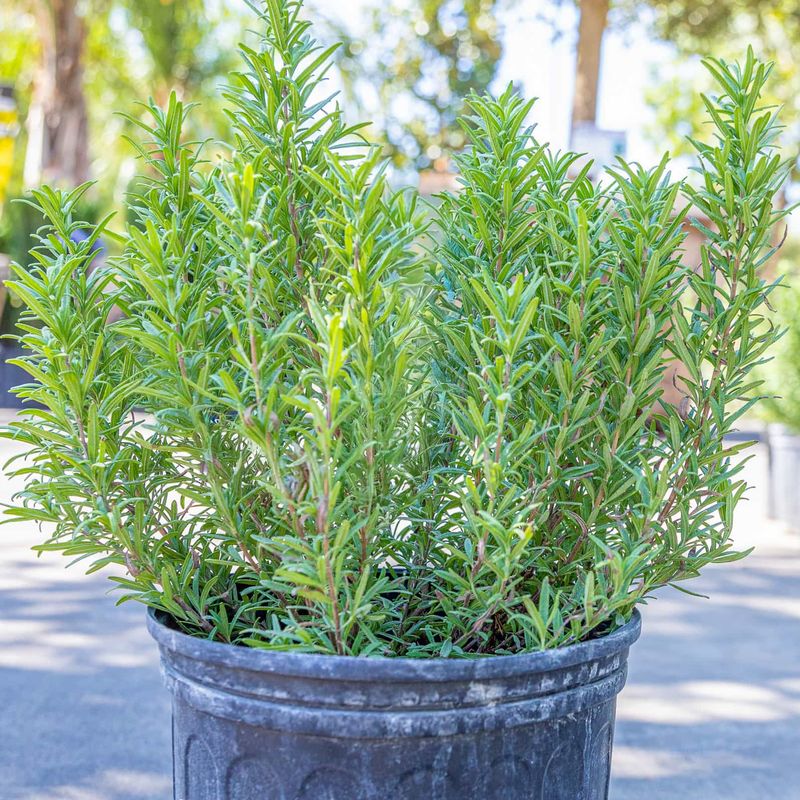
Rosemary is one of those plants that pulls double duty in a Pennsylvania garden. It is a flavorful cooking herb and, at the same time, a fragrant pest deterrent that many local gardeners trust to help keep ticks away from their outdoor spaces.
The strong, piney scent of rosemary comes from its essential oils, including camphor and cineole. These oils are well-known for their insect-repelling properties and are often used in natural pest control sprays.
Ticks, which rely heavily on scent to navigate, tend to avoid areas where rosemary is present in good amounts.
Your Pennsylvania Garden Changes Every Week. Your Plan Should Too.
Gardening in Pennsylvania changes quickly throughout the season. Every Friday you’ll receive a simple weekly plan showing exactly what to plant, prune, fertilize, harvest, and protect so you never miss the right timing.
Growing rosemary in Pennsylvania does come with a small challenge. It is not always the hardiest plant in cold winters, especially in the northern parts of the state.
Many experienced Pennsylvania gardeners choose to grow rosemary in containers so they can bring it indoors when temperatures drop. This also makes it easy to move around the garden or patio wherever you need it most.
If you live in a warmer part of Pennsylvania or have a sheltered spot with good sun and well-drained soil, rosemary can survive winters with some extra care.
Planting it near your garden entrance, along a fence line, or in a cluster near outdoor seating can help maximize its tick-repelling benefits.
You can also snip a few sprigs and rub them on your skin before heading into the yard for a quick, natural layer of protection. Rosemary is low-maintenance, beautiful, and useful in the kitchen too, making it a truly rewarding addition to any Pennsylvania garden.
3. Mint
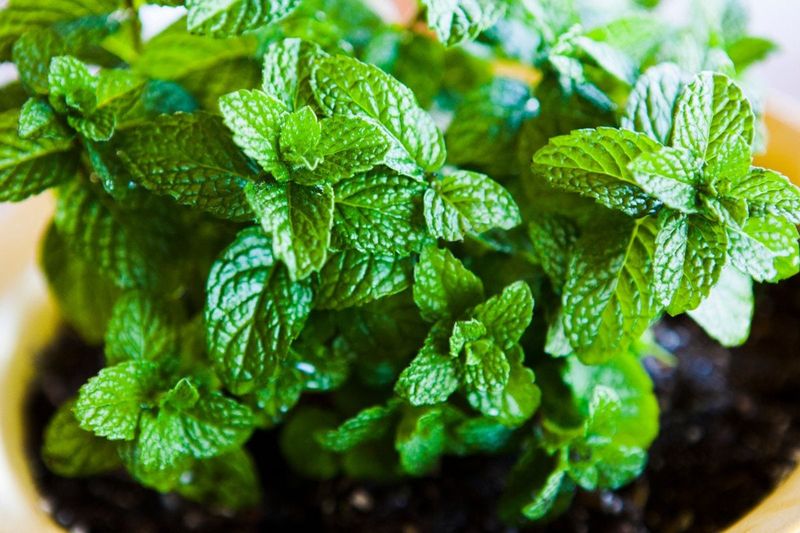
Few plants pack as powerful a scent punch as mint. That sharp, cool fragrance is refreshing to most people, but to ticks, it is a strong warning signal to stay away.
Pennsylvania gardeners have used mint for years as a natural pest deterrent, and it is easy to see why it remains so popular.
Mint contains menthol and other natural compounds that are commonly used in insect repellents. These compounds irritate the sensory systems of many pests, including ticks.
Planting mint near garden borders, along pathways, or beside outdoor seating areas can help create zones that ticks are less likely to enter.
Here is the one thing every Pennsylvania gardener needs to know about mint before planting it: it spreads aggressively. Left unchecked, a single mint plant can take over a large area of your garden within just one or two growing seasons.
The roots travel underground and pop up in unexpected places, crowding out other plants. The best way to enjoy mint without the takeover is to grow it in containers. You can place pots of mint around your patio, near garden entrances, or along the edges of your yard.
This keeps the plant under control while still letting its scent do its job. Some gardeners in Pennsylvania even bury the pot in the ground, leaving just the rim above the soil, which helps contain the roots.
Mint is also incredibly easy to grow and maintain. It thrives in partial shade or full sun and needs very little attention once established. For a simple, low-cost tick deterrent in Pennsylvania, mint is hard to beat.
4. Garlic
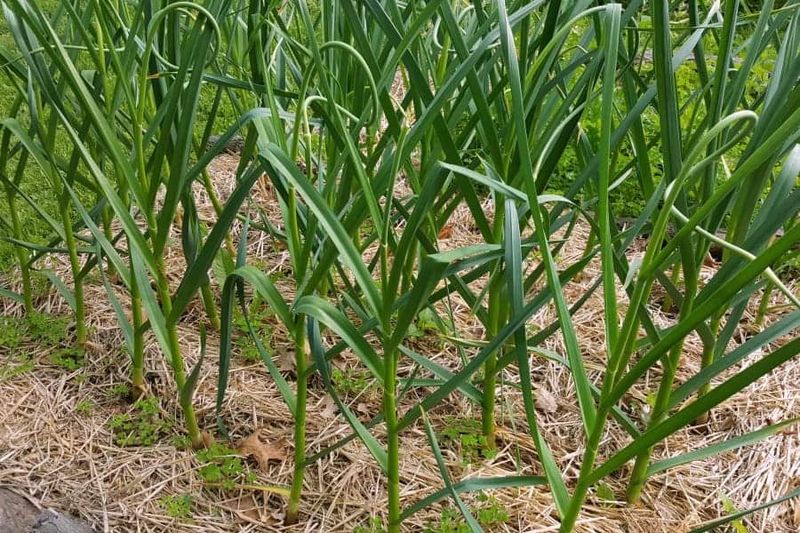
Garlic has been a trusted companion in gardens and kitchens for thousands of years, but its role as a natural pest deterrent is just as impressive as its flavor. The strong, sulfur-rich scent that garlic produces is something many pests, including ticks, find extremely off-putting.
When garlic grows, it releases sulfur compounds into the surrounding soil and air. These compounds can help make the area around your garden less appealing to ticks.
Planting garlic along the edges of your garden beds or around the perimeter of your yard creates a kind of fragrant fence that may discourage ticks from wandering in.
Pennsylvania gardeners often plant garlic in the fall, letting it overwinter in the ground and harvesting it the following summer.
This timing works out well because garlic is actively growing and releasing its compounds during the spring and early summer months, which is exactly when tick activity in Pennsylvania tends to peak.
Did you know garlic has been used as a natural insect deterrent for centuries? Ancient farmers planted it around crops to protect them from pests long before chemical sprays existed. That same traditional wisdom still applies in modern Pennsylvania gardens today.
Beyond planting garlic in the ground, some gardeners make a simple garlic spray by steeping crushed cloves in water and spraying it around the yard. This can boost the tick-repelling effect, especially around seating areas or garden paths.
Garlic is also a rewarding crop to grow on its own, giving you a homegrown harvest while helping to protect your outdoor space from unwanted pests all season long.
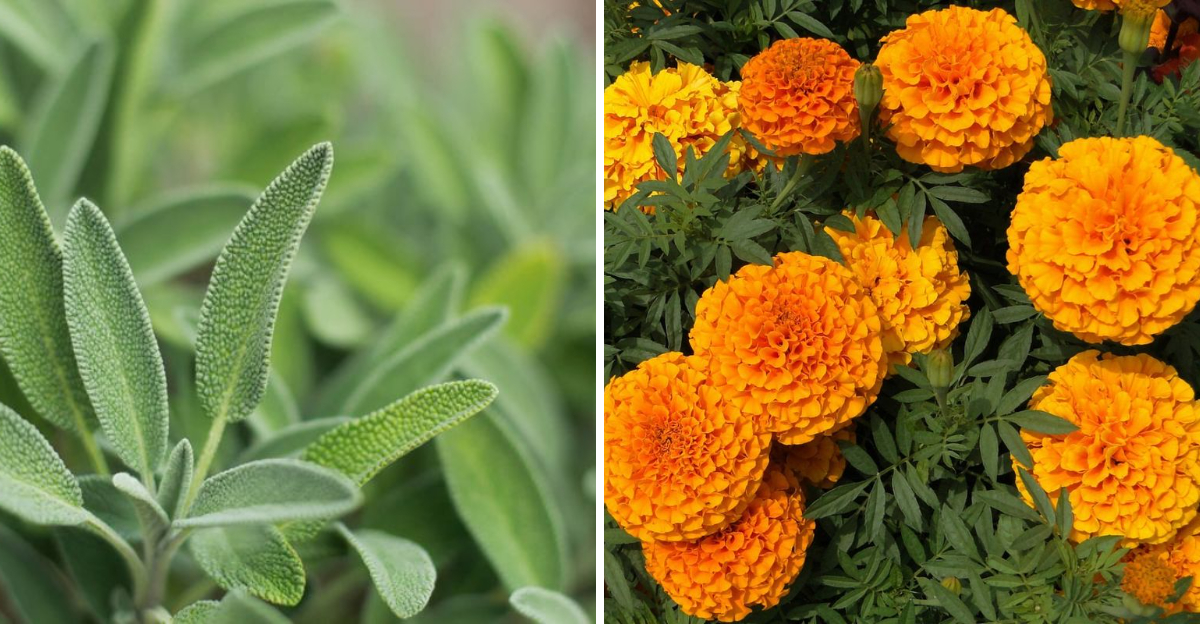
5. Sage
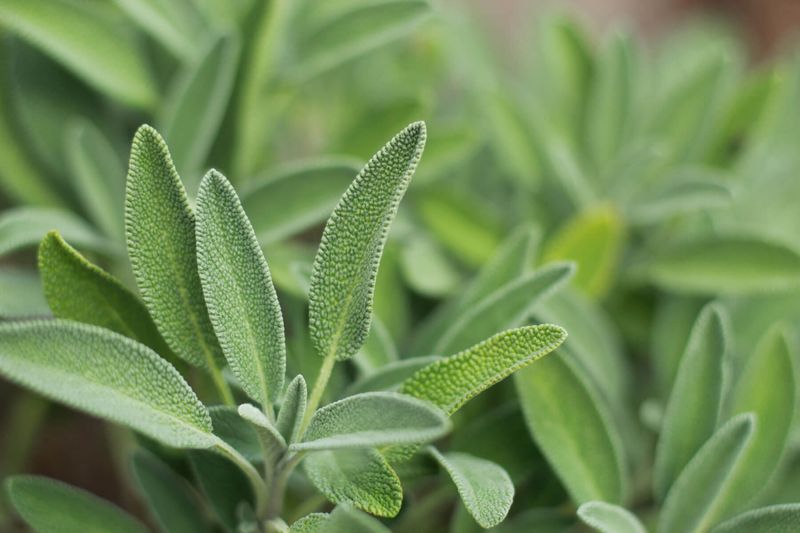
There is something wonderfully old-fashioned about sage. It has been used in gardens, kitchens, and even folk medicine for centuries, and its earthy, slightly musky fragrance is unlike anything else growing in a typical Pennsylvania backyard.
That same distinctive scent is exactly what makes ticks and many other insects want to steer clear.
Sage contains natural oils like thujone and camphor, which are known to have insect-repelling properties. These oils give sage its signature smell and make it a practical addition to any tick-deterring garden plan.
Planting sage near outdoor gathering spots, along garden borders, or in herb beds can help reduce tick activity in those areas.
One of sage’s biggest advantages for Pennsylvania gardeners is how easy it is to grow. It thrives in well-drained soil and full sun, making it a great fit for the many sunny garden spots found throughout the state.
Sage is also drought-tolerant, which means it handles dry summers without much fuss. Once established, it asks for very little in return.
Sage comes in several varieties, including common sage, purple sage, and tricolor sage, all of which offer that same pest-deterring fragrance. Many Pennsylvania gardeners mix different varieties together for a visually interesting and highly aromatic garden bed that works hard all season.
Burning dried sage is another option some gardeners use when spending time outdoors in the evening. The smoke from burning sage bundles can help keep insects at a distance around patios or fire pits.
Whether planted in the ground or used as a dried bundle, sage earns its place as a reliable, fragrant, and hardworking plant in any Pennsylvania yard.
6. Marigold
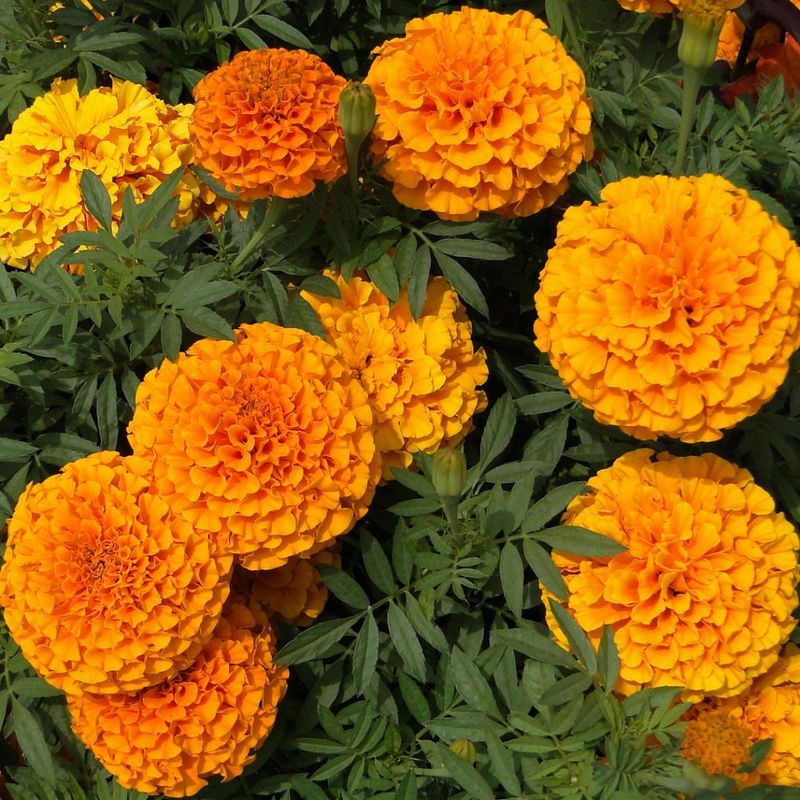
Marigolds might look like simple, cheerful garden flowers, but do not let their sunny appearance fool you.
These bold, bright blooms carry a surprisingly strong scent that many pests find unpleasant, and Pennsylvania gardeners have been using them as a natural pest barrier for generations.
The scent of marigolds comes from compounds in their leaves and petals, including terpenes and thiophenes. These compounds are known to repel a range of insects and pests.
While marigolds are most famous for deterring aphids and nematodes, their strong fragrance also makes them a useful tool in the effort to keep ticks away from garden spaces.
Marigolds are one of the easiest plants to grow in Pennsylvania. They love full sun and warm temperatures, and they bloom prolifically from late spring all the way through the first frost of fall.
That long blooming season means your garden gets months of both color and natural pest protection without much effort on your part.
Planting marigolds along the edges of garden beds, around vegetable patches, or in borders near seating areas is a popular strategy among Pennsylvania gardeners. The idea is to create a bright, fragrant perimeter that pests prefer to avoid.
Some gardeners even tuck marigold plants between vegetables to protect the whole growing area.
Another bonus is that marigolds attract beneficial insects like ladybugs and lacewings, which help control other garden pests naturally. They are affordable, widely available at Pennsylvania garden centers, and incredibly rewarding to grow.
For gardeners who want beauty and function in one cheerful package, marigolds deliver on both counts every single season.