Things You Should Never Add To Pennsylvania Clay Soil, No Matter What You Read Online
Pennsylvania clay soil has inspired more frustrated internet searches than probably any other gardening problem in the state.
It compacts, it drains poorly, it bakes hard in summer and turns into a soggy mess after heavy rain, and it has a way of making even experienced gardeners feel like they’re starting from scratch every single season.
The urge to fix it fast is completely understandable. The internet is full of clay soil advice, and some of it is genuinely helpful.
But a surprising amount of it is oversimplified, regionally irrelevant, or based on logic that sounds reasonable without actually holding up in practice.
Following the wrong amendment advice doesn’t just waste money and effort – it can set your soil back in ways that take multiple seasons to correct.
Before you add anything else to your Pennsylvania clay beds, knowing which commonly recommended amendments to avoid could save your garden from a mistake that’s much harder to undo than it was to make.
1. Sand (In Large Amounts)
Many people assume that adding sand to clay soil will loosen it up and improve drainage. It sounds logical, right?
After all, sand has large particles and clay has tiny ones, so mixing them together should balance things out.
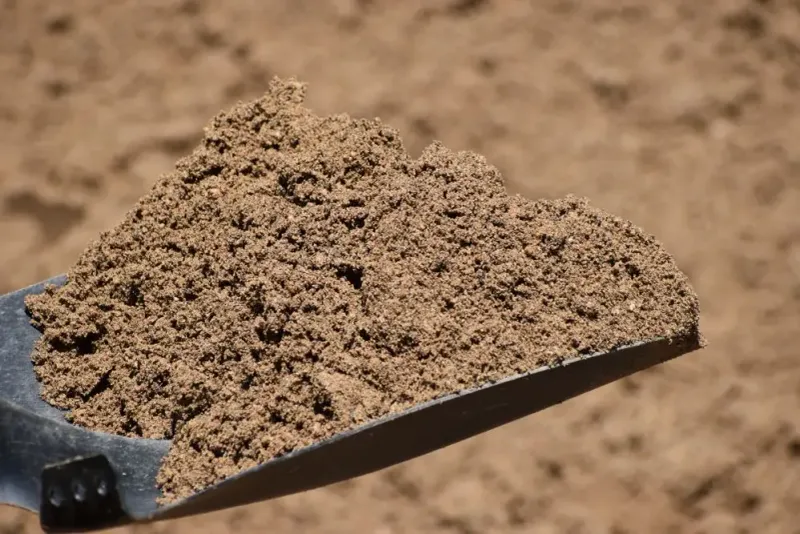
Unfortunately, that is not how it works. When you add sand to Pennsylvania clay soil without using massive amounts, the sand particles fill in the tiny spaces between clay particles.
The result is a dense, almost concrete-like mixture that drains even worse than the clay did on its own.
Soil scientists have compared this combination to making bricks. You need a huge volume of sand, typically more than 50 percent of the total soil volume, before you start seeing any real improvement.
Most home gardeners do not add nearly enough, which means they end up making their soil harder and more compact instead of looser.
Pennsylvania gardeners who have tried this approach often report that their beds become waterlogged after rain and crack in dry heat. Neither outcome is good for plant roots. The soil becomes almost impossible to work with a shovel.
A much better approach for Pennsylvania clay soil is to add organic matter like finished compost. Compost improves drainage, feeds soil microbes, and breaks up clay structure over time.
It works with your soil rather than against it. Skip the sand and go straight to compost for results you can actually see.
2. Uncomposted Wood Chips
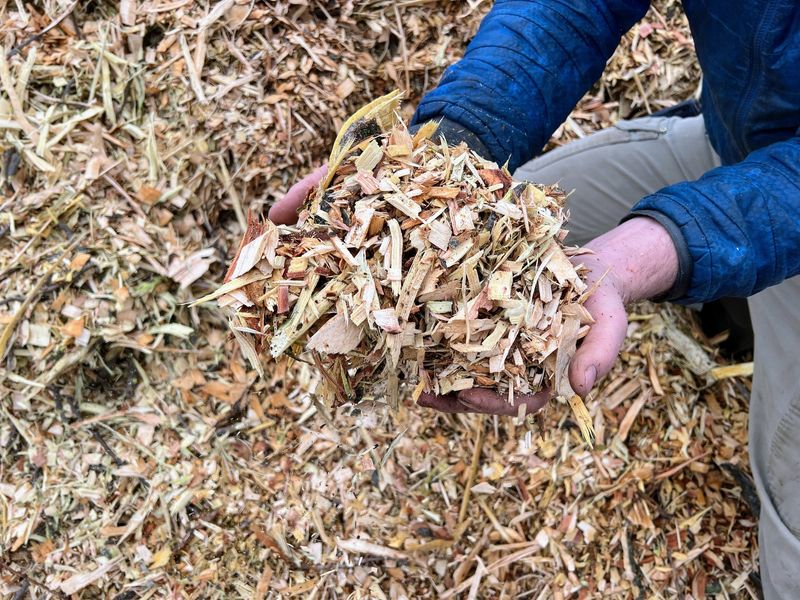
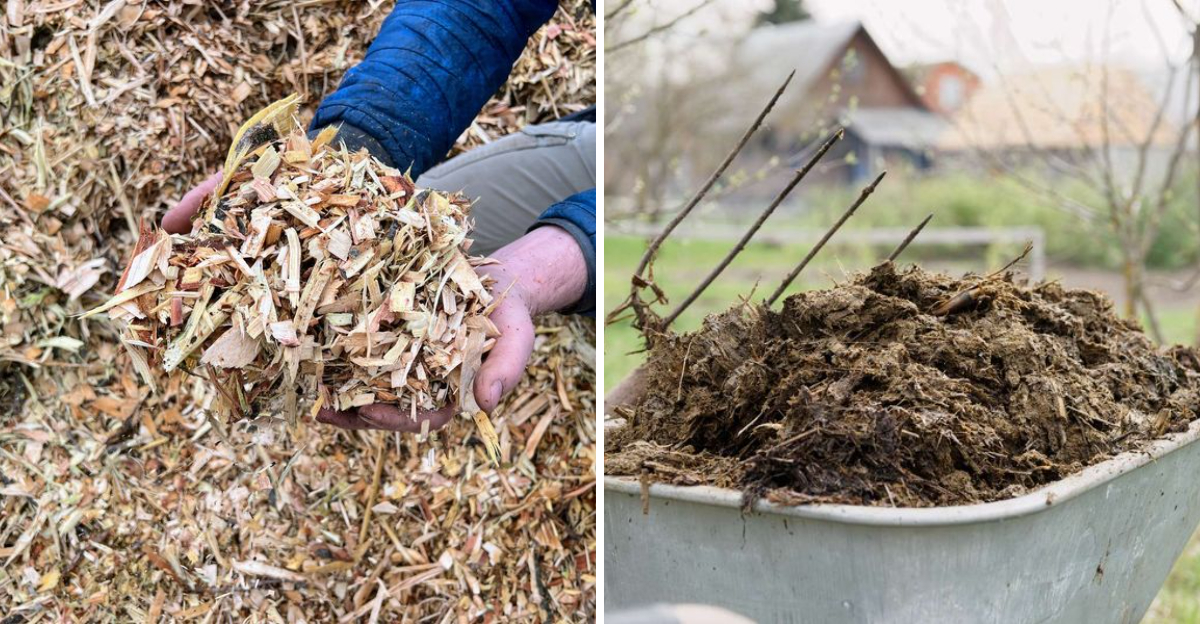
Wood chips have become a trendy garden amendment, and finished, aged wood chips do have their place. But fresh, uncomposted wood chips are a different story, especially when you are working with Pennsylvania clay soil.
Here is what happens when you mix raw wood chips directly into clay soil. As the wood chips begin to break down, the microbes doing that decomposition work need nitrogen to fuel the process.
They pull that nitrogen straight from the surrounding soil, leaving your plants without enough of this critical nutrient.
This process is called nitrogen drawdown, and it can leave your garden looking pale, yellow, and weak. Plants that are already struggling in dense Pennsylvania clay soil cannot afford to lose their nitrogen supply on top of everything else.
Your Pennsylvania Garden Changes Every Week. Your Plan Should Too.
Gardening in Pennsylvania changes quickly throughout the season. Every Friday you’ll receive a simple weekly plan showing exactly what to plant, prune, fertilize, harvest, and protect so you never miss the right timing.
The combination can set your garden back significantly. Fresh wood chips also break down slowly, which means the nitrogen drawdown can last for months or even longer.
During that time, your plants may stall in growth or fail to produce well. It is a frustrating outcome when you thought you were helping your soil.
If you love the idea of wood chips, let them age for at least one full year before working them into your soil. Better yet, use them as a surface mulch only, where they can slowly improve soil health without pulling nutrients away from plant roots.
Pennsylvania gardeners get the best results by being patient with wood chip amendments and never rushing the composting process.
3. Fresh Manure
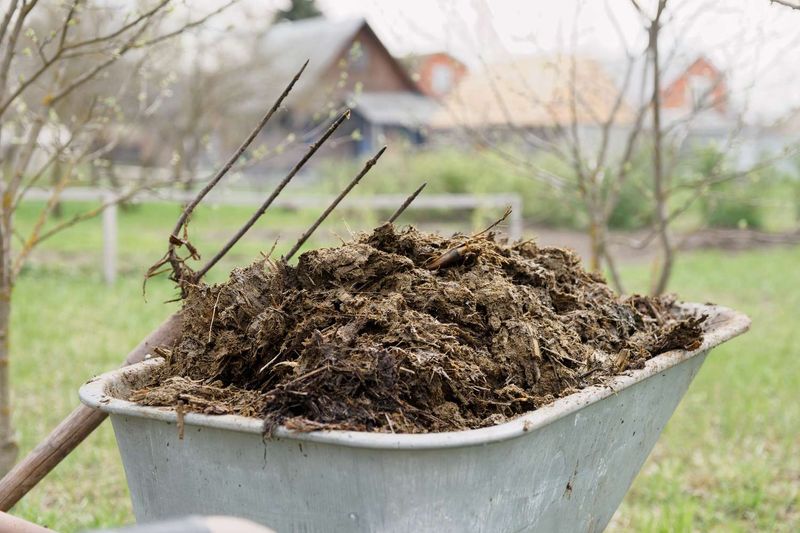
Fresh manure is one of those amendments that sounds incredibly beneficial. Animals produce it naturally, farmers have used it for centuries, and it is packed with nutrients. What could go wrong?
Quite a lot, actually. Fresh manure is far too strong and concentrated for direct application to Pennsylvania clay soil, especially if you are growing vegetables or herbs.
The high nitrogen content can literally burn plant roots and foliage, causing damage that looks similar to drought stress or chemical exposure.
Beyond the burning risk, fresh manure often contains harmful pathogens like E. coli and Salmonella. These bacteria can survive in soil for weeks and transfer to edible crops, creating a real food safety concern.
Pennsylvania health guidelines recommend never applying fresh manure within 120 days of harvesting root vegetables and within 90 days for other crops.
Clay soil makes this problem even worse. Because Pennsylvania clay drains slowly, fresh manure can sit near the surface for extended periods, increasing the window of time during which pathogens remain active.
Nutrients from the manure can also leach into nearby water sources when rain finally does move through.
The solution is simple. Always use aged or composted manure that has been properly processed for at least six months.
Composted manure is safe, nutrient-balanced, and genuinely helpful for breaking up clay soil structure. It delivers the organic matter your Pennsylvania garden needs without the risks that come with fresh application.
4. Excess Peat Moss
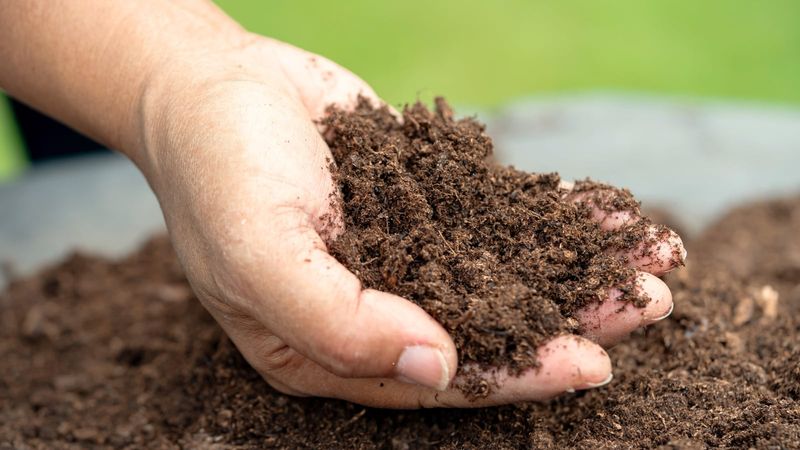
Walk into any garden center in Pennsylvania and you will find bags of peat moss stacked high. It has been a go-to soil amendment for decades, and in small amounts, it does offer some benefits.
The problem comes when gardeners use too much of it in clay soil. Peat moss has a tricky property that most people do not know about. When it dries out completely, it becomes hydrophobic, meaning it actually repels water instead of absorbing it.
For Pennsylvania clay soil that already struggles with drainage, adding a thick layer of dried-out peat moss creates a double barrier. Water cannot get in, and plant roots cannot get the moisture they need.
Peat moss is also very acidic, with a pH that typically ranges from 3.5 to 4.5. Pennsylvania clay soils vary widely in pH, and dumping excess peat moss can push your soil into a range that is too acidic for most common garden plants.
You would need to test and adjust pH carefully, which adds more steps to an already complicated process.
Another drawback is sustainability. Peat moss takes thousands of years to form in bogs and is not a renewable resource.
Using large amounts of it for a short-term soil fix is not an environmentally responsible choice.
For Pennsylvania clay soil, finished compost or aged leaf mold delivers similar benefits without the water-repellency risk, the acidity concerns, or the environmental cost. Use peat moss sparingly if at all, and never rely on it as your primary clay soil amendment.
5. Cheap Or Unknown Topsoil
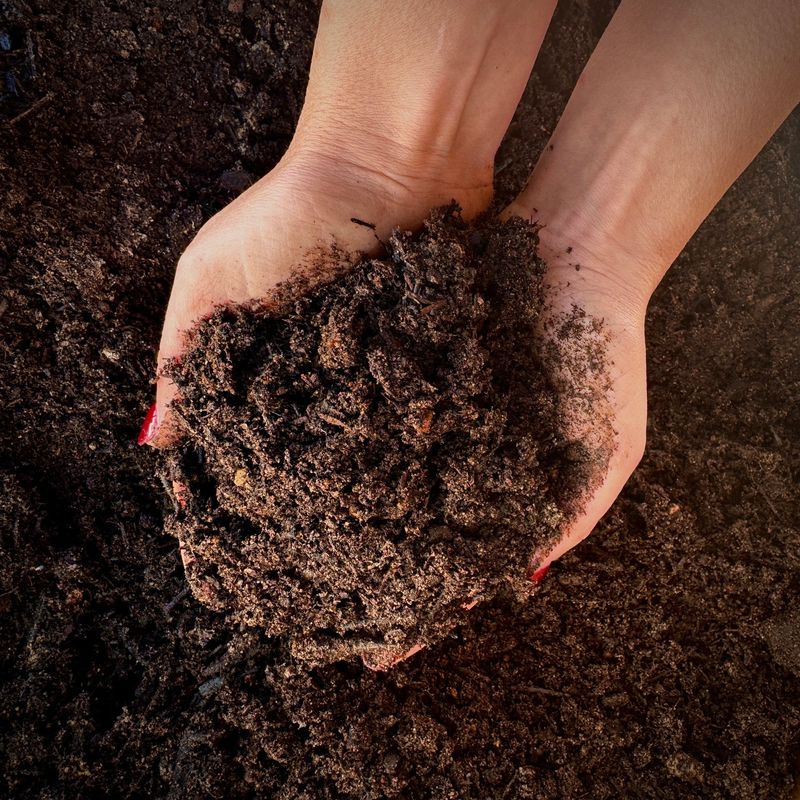
Grabbing a few bags of topsoil from a discount store or ordering a truckload from an unknown supplier seems like an easy win. You are adding soil to improve your soil, so it has to help, right? Not necessarily, and sometimes not at all.
The word topsoil is not regulated in Pennsylvania or most other states. That means anyone can label a product as topsoil and sell it without meeting any quality standard.
Many cheap topsoil products are simply more clay, sometimes mixed with subsoil or construction fill that has little to no organic content or biological activity.
Adding poor-quality topsoil to your existing Pennsylvania clay soil can do nothing at best and make things worse at worst. If the new material is also clay-heavy, you have just added more of the same problem.
If it contains contaminants or weed seeds, you have introduced new headaches to your garden.
Some Pennsylvania gardeners have reported receiving topsoil that was visibly full of rocks, debris, or invasive plant material. Without knowing the source or composition of what you are buying, you are essentially gambling with your garden bed.
Before purchasing any topsoil or soil blend, ask for a soil test report or a product specification sheet. Reputable suppliers will have this information available.
Look for a product that clearly lists organic matter content and confirms it is free of contaminants. Better yet, build up your own soil quality slowly using finished compost, which is always a known and reliable improvement for Pennsylvania clay.
6. Gypsum (Without A Soil Test)
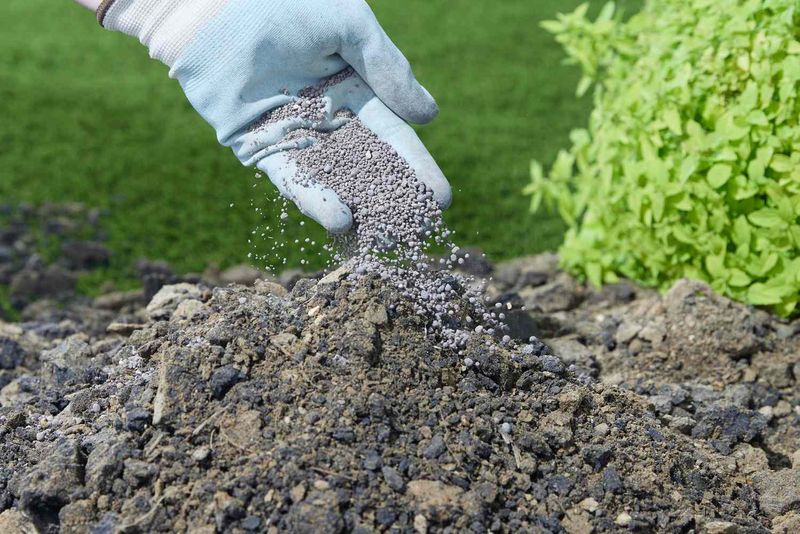
Gypsum gets a lot of praise online as a miracle fix for clay soil. Gardening blogs and YouTube videos claim it breaks up clay, improves drainage, and transforms compacted soil almost overnight.
The reality is more complicated, and in Pennsylvania, it often does not work the way people expect.
Gypsum, which is calcium sulfate, works by displacing sodium ions in sodic soils. Sodic soils are clay soils with a high sodium content, and the calcium in gypsum helps push that sodium out, which does improve soil structure.
However, most Pennsylvania clay soils are not sodic. They are typically calcium-rich already, which means adding gypsum provides little to no structural benefit.
Without a proper soil test, you have no way of knowing whether your Pennsylvania clay soil would actually respond to gypsum. Applying it without that information is like taking medicine for a condition you may not have.
It wastes money and time while the real problem goes unaddressed. There is also a pH consideration. Gypsum is neutral in pH, so it will not harm your soil, but it will not help it either if your soil chemistry does not call for it.
Pennsylvania soils vary significantly across regions, so what works in one county may be completely unnecessary in another.
Get a soil test first. Penn State Extension offers affordable soil testing services specifically for Pennsylvania gardeners.
Once you know what your soil actually needs, you can make informed decisions about amendments instead of guessing based on generic internet advice.
7. Chemical Soil Conditioners And Quick Fixes
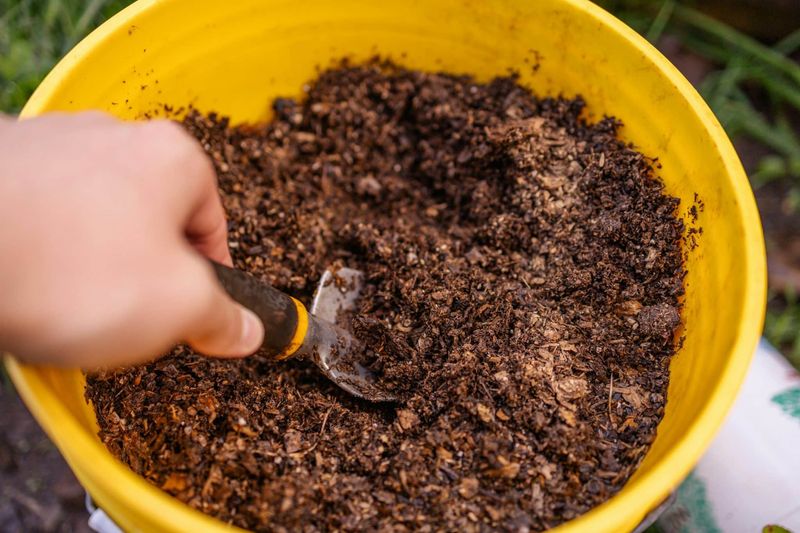
When you are frustrated with sticky, waterlogged Pennsylvania clay soil, the promise of a quick chemical fix is incredibly tempting.
Products labeled as soil conditioners, soil looseners, or clay breakers line the shelves of garden centers, and their marketing can be very convincing.
Most of these products contain surfactants or synthetic polymers that temporarily change how water moves through soil. They might make your garden look better for a few weeks after application, but they do not actually change the physical structure of your clay soil.
Once the product wears off, you are back where you started, and sometimes the soil is worse because the underlying compaction was never addressed.
Some chemical conditioners also interfere with the natural microbial communities living in your soil. Healthy soil in Pennsylvania, or anywhere, depends on billions of bacteria, fungi, and other microorganisms that support plant growth.
Synthetic chemicals can disrupt that balance, making it harder for your soil to recover and improve naturally over time.
Long-term reliance on these products can also become expensive. Because they offer no permanent improvement, you have to keep buying and applying them season after season. That cost adds up fast, especially when better, more sustainable options are available.
Real soil improvement in Pennsylvania clay takes time and organic matter. Finished compost, cover crops, and careful tillage practices build lasting structure.
No bottle of quick-fix chemicals can replicate what nature does slowly and steadily. Save your money and invest in methods that actually work for the long haul.