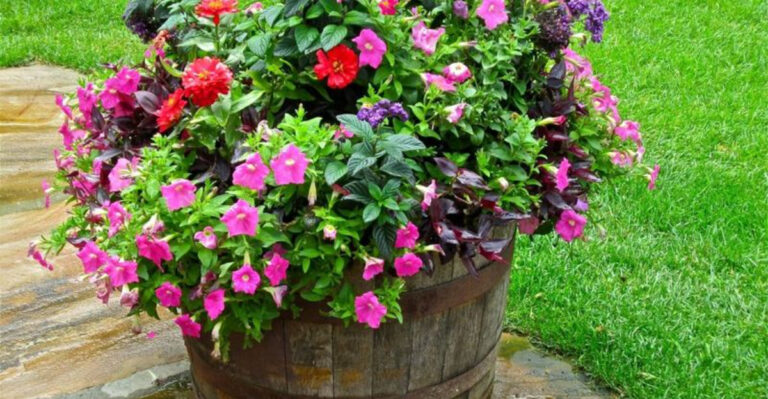
6 Things Your Zinnias Need To Thrive In A Texas Garden
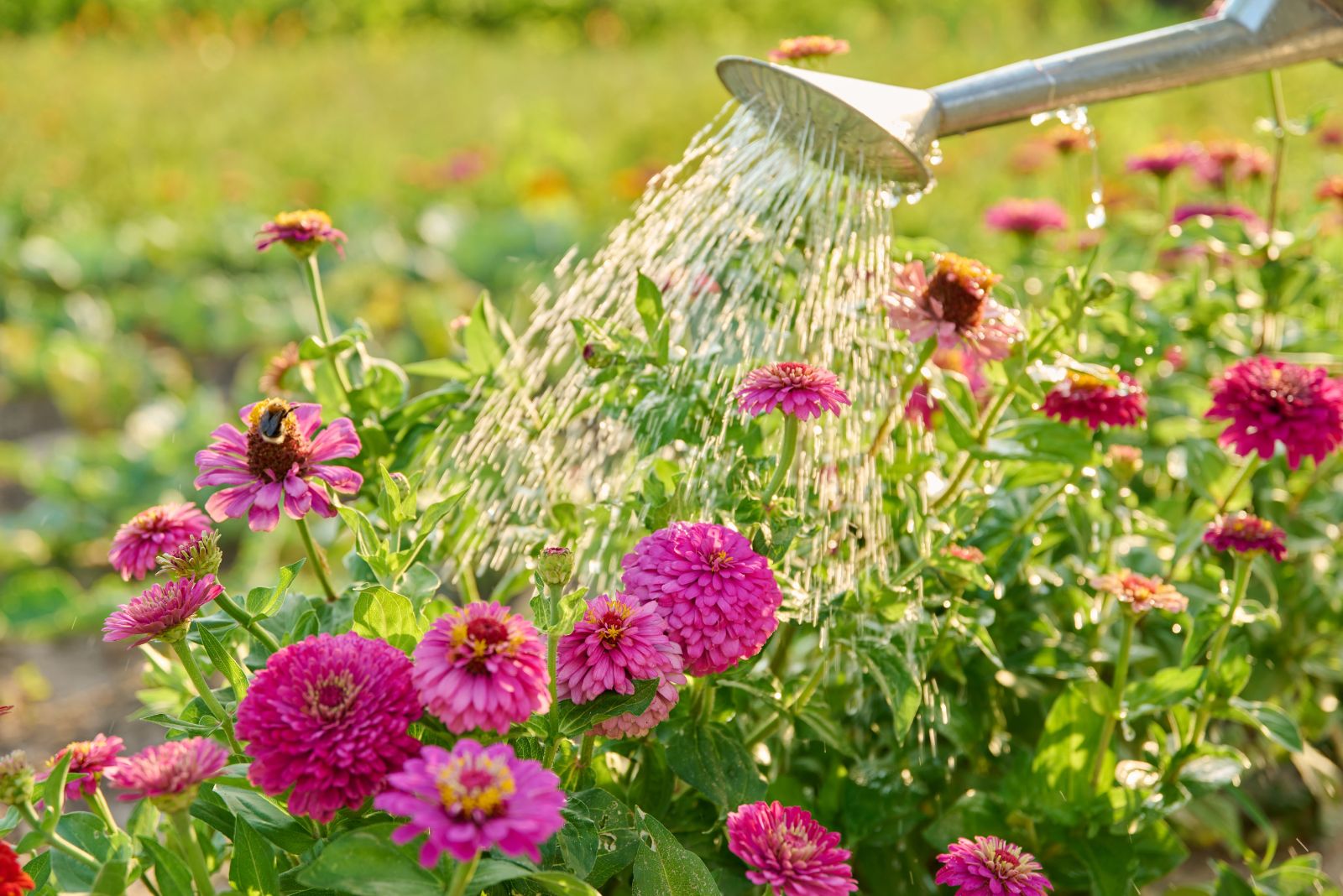
Zinnias bring a kind of energy to a Texas garden that is hard to miss. Their bright colors, long bloom season, and easygoing charm make them a favorite for gardeners who want big impact without a lot of fuss.
When they are happy, they seem to bloom nonstop, filling beds, borders, and cutting gardens with color that keeps going long after many other flowers start to fade.
Still, getting that kind of performance takes more than just tossing seeds in the ground and hoping for the best.
Texas can be a great place to grow zinnias, but it also comes with challenges that can trip them up. Intense sun, sudden dry spells, heavy rain, poor airflow, and crowded planting can all affect how well they grow and bloom.
Even a flower known for being fairly easy can struggle if a few key needs are ignored. That is why it helps to know exactly what zinnias need from the start.
With the right mix of sunlight, soil, spacing, and care, these cheerful blooms can thrive in a Texas garden and put on a colorful show for months.
1. Full Sun Exposure
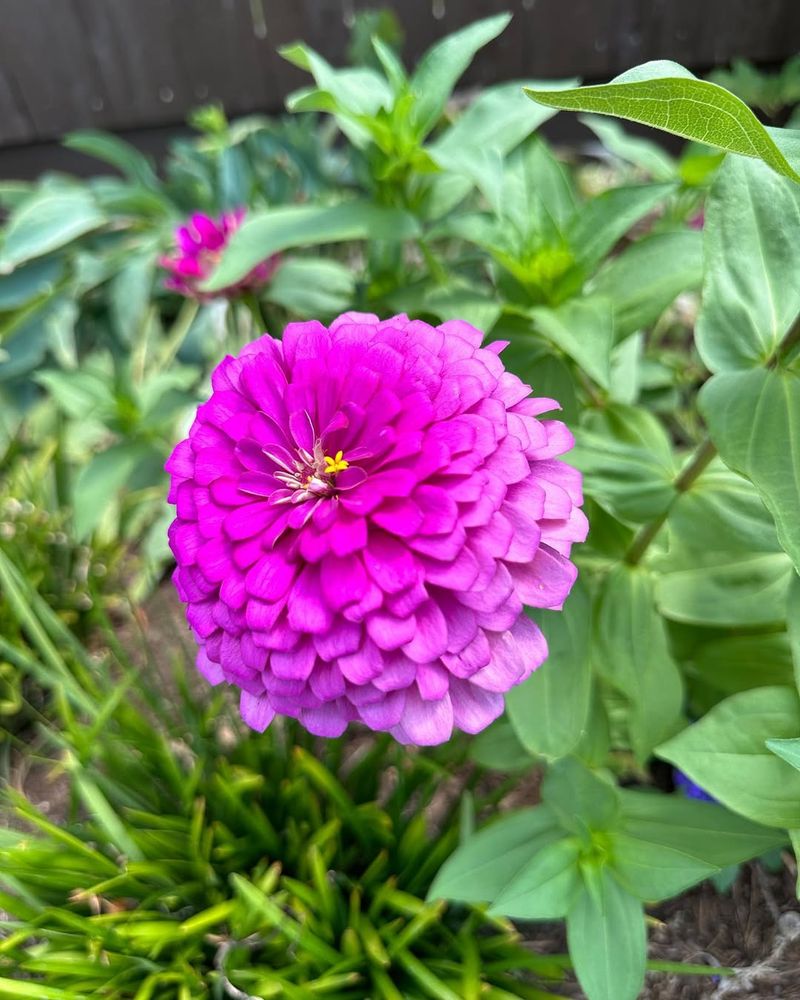
Zinnias are sun-lovers through and through, and growing them in Texas means you have one of the sunniest climates in the entire country working in your favor.
These flowers need at least 6 to 8 hours of direct sunlight every single day to grow strong and bloom their best.
The good news? In most parts of Texas, that kind of sun is practically guaranteed from spring all the way through fall.
When zinnias get enough sunlight, something amazing happens. Their stems grow thick and sturdy, their leaves stay healthy and green, and their blooms open up wide and bold.
Plants grown in shady spots tend to get tall and leggy, stretch toward the light, and produce far fewer flowers. That is not the zinnia garden anyone dreams about.
Full sun also helps the soil dry out between waterings, which zinnias actually appreciate. Wet, soggy conditions can cause problems, so the Texas sun naturally helps keep things balanced.
Morning sun is especially valuable because it dries off any dew or moisture that collects on leaves overnight, which keeps fungal issues at bay.
When choosing a spot in your Texas yard, pick the area that gets the most uninterrupted sunlight throughout the day. South-facing beds or open garden spaces away from large trees and buildings are usually perfect.
Avoid planting near tall fences or structures that cast long afternoon shadows. Give your zinnias that full, open exposure to the Texas sky, and they will reward you with some of the most vibrant blooms you have ever seen all season long.
2. Well-Draining Soil
Picture this: you plant a row of beautiful zinnia seeds, water them carefully, and wait. But instead of sprouting into colorful blooms, the seeds just sit in soggy, heavy ground and never quite take off.
That is what happens when the soil does not drain well. Zinnias absolutely cannot tolerate waterlogged conditions, and their roots will suffer quickly if water pools around them for too long.
In Texas, soil types vary a lot depending on where you live. Some areas have thick clay soil that holds water like a sponge, while others have sandy or loamy ground that drains fast.
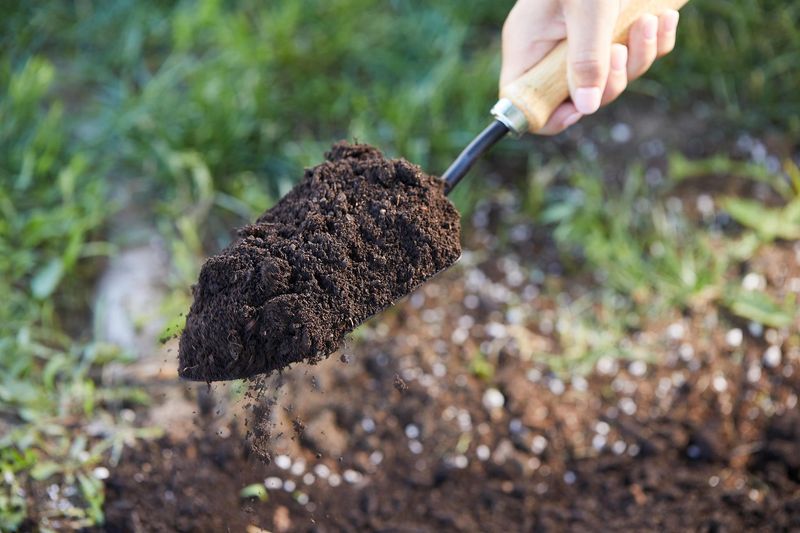
If your yard has heavy clay soil, the best thing you can do is mix in plenty of compost or aged organic matter before planting. This loosens the soil, improves drainage, and adds nutrients all at once.
Zinnias prefer a soil pH between 6.0 and 7.0, which is slightly acidic to neutral. Most Texas garden soils fall somewhere in that range, so you may not need to adjust much at all.
A quick soil test from your local garden center can confirm where you stand and save you a lot of guesswork.
Raised garden beds are a fantastic option for Texas gardeners who struggle with poor native soil. They give you complete control over the soil mix, drain excellently, and warm up faster in spring, which zinnias love.
Whether you plant in the ground or in raised beds, loose, well-draining soil is the foundation of a thriving zinnia garden anywhere in Texas. Get the soil right first, and everything else becomes much easier.
3. Consistent But Moderate Watering
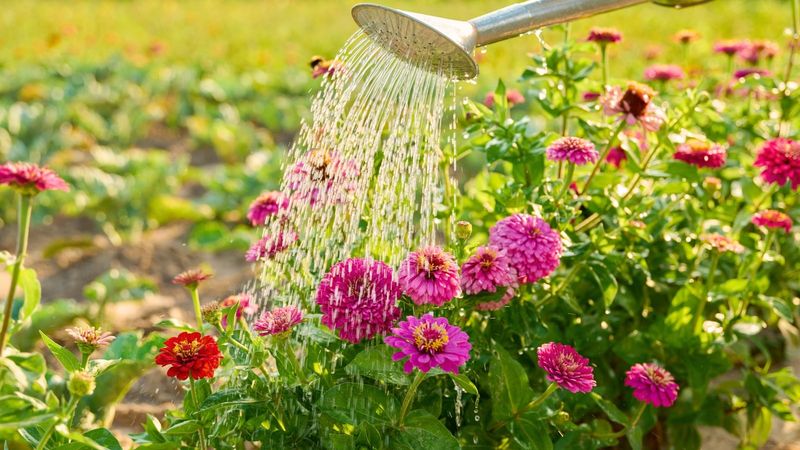
One of the best things about zinnias is that they are tough. Once they are established in your Texas garden, they can handle some dry spells without falling apart.
But do not let that fool you into thinking they never need water. Consistent, moderate watering is still a key part of keeping them healthy and blooming all season long.
A deep watering once or twice a week is usually enough for established zinnias in Texas. The goal is to soak the soil a few inches down so the roots can drink well, then let the top layer dry out a bit before watering again.
This encourages roots to grow deeper into the soil, which actually makes plants stronger and more heat-resistant over time.
Here is one tip that makes a huge difference: always water at the base of the plant, not from above. Splashing water onto the leaves creates the perfect moist environment for fungal diseases to take hold.
Soaker hoses and drip irrigation systems are excellent tools for Texas gardeners because they deliver water right where it is needed without wetting the foliage at all.
Young zinnia seedlings need more attention than mature plants. During the first few weeks after planting, keep the soil consistently moist to help them get established.
Once they have a good root system going, you can back off a little and let them show off their drought-tolerant side. During the hottest stretches of a Texas summer, check the soil every couple of days and water whenever the top inch feels dry.
Steady, thoughtful watering keeps blooms coming strong from spring all the way through fall.
4. Good Air Circulation
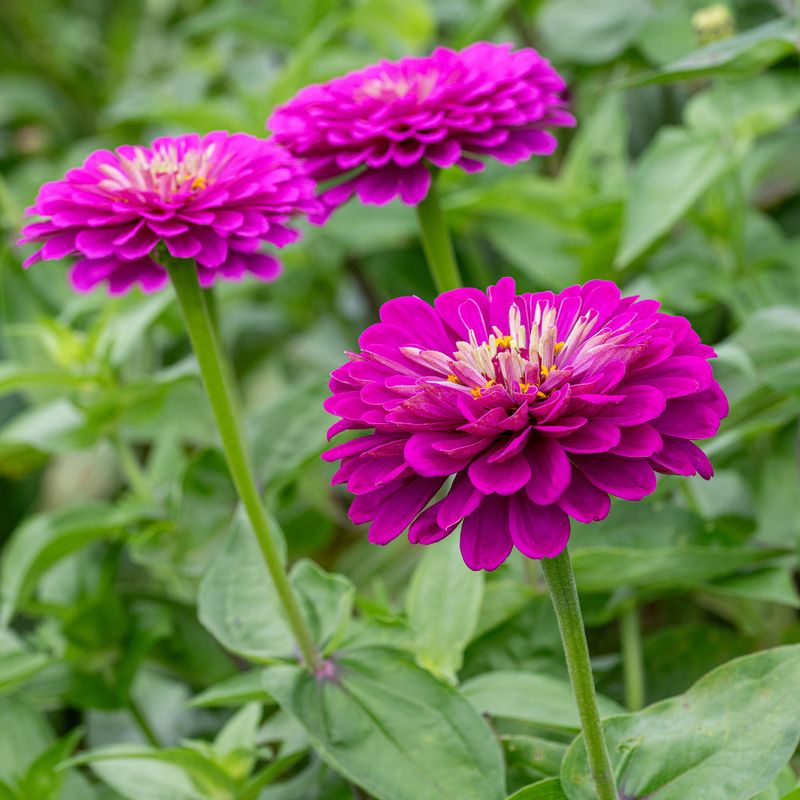
Texas summers are hot, humid, and sometimes downright steamy, especially in areas like Houston or along the Gulf Coast. That humidity creates the perfect conditions for fungal diseases to spread, and zinnias are not immune.
Powdery mildew is one of the most common problems zinnia growers face, and it tends to show up when plants are crowded too close together with poor airflow around them.
Good air circulation is one of the simplest and most effective ways to keep your zinnias healthy all season.
When air can move freely between plants, leaves dry faster after rain or morning dew, and fungal spores have a much harder time settling in and spreading. It is a low-effort habit that pays off in a big way by the middle of summer.
Spacing is everything when it comes to airflow. Depending on the variety, zinnia plants should be spaced anywhere from 6 to 12 inches apart.
Smaller varieties can be planted closer together, while larger types need more room to spread out. Check the seed packet for guidance, and when in doubt, give them a little extra space rather than crowding them in.
Thinning seedlings is another important step that many beginner gardeners skip. If you direct-sow zinnia seeds in your Texas garden bed, you will likely end up with clusters of seedlings growing too close together.
Thin them out early by snipping the extras at the soil level rather than pulling them up, which can disturb nearby roots.
Keeping your plants well-spaced and your garden tidy reduces the chance of disease and helps every single zinnia in your yard look its absolute best all season long.
5. Regular Deadheading
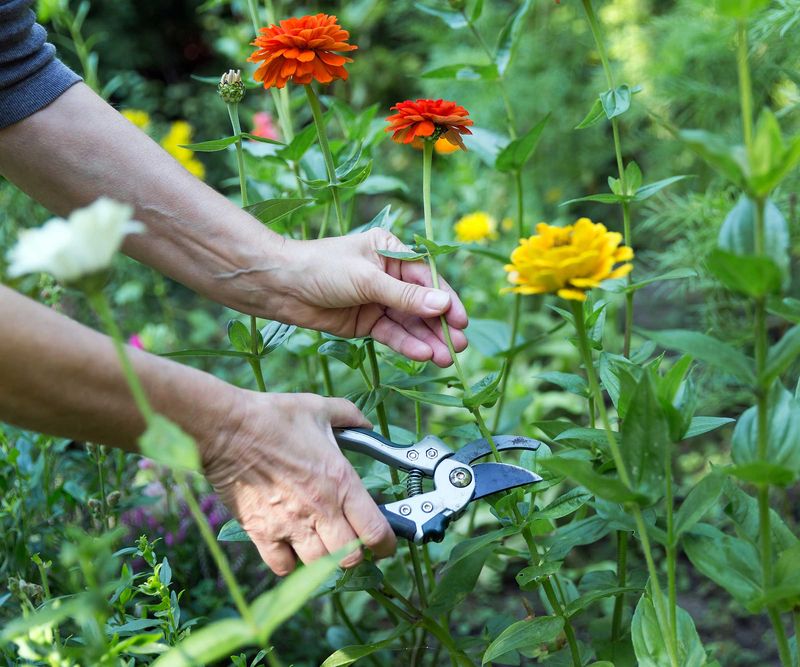
Want to know the one simple habit that keeps a zinnia garden looking incredible all summer? Deadheading.
It sounds a little dramatic, but all it means is removing the old, faded blooms from your plants before they go to seed. This one small action tells the plant to keep producing new flowers instead of putting all its energy into making seeds.
Zinnias are incredibly responsive to deadheading. When you snip off a spent bloom, a new bud often appears within just a week or two in its place.
Keep up with it regularly throughout the Texas growing season, and your garden will look like it is constantly in full bloom from late spring all the way through the first cool days of fall. Skip it, and you will notice the flower production slow down noticeably by midsummer.
The technique is easy. Use a clean pair of garden scissors or pruning shears and snip the stem just above the next set of leaves or a new bud.
Do not just pull the flower head off by hand, because that can damage the stem and leave a ragged wound that invites disease. A clean cut heals faster and looks much tidier.
Try to make deadheading part of your regular garden routine, maybe every few days during peak bloom time. It only takes a few minutes, and it is honestly one of the most satisfying garden tasks there is.
Watching your Texas zinnia bed fill back up with fresh, vibrant blooms after a round of deadheading never gets old. Bring a small basket along and collect the spent blooms as you go to keep your garden beds looking neat and beautiful.
6. Heat-Tolerant Care And Minimal Fertilizer
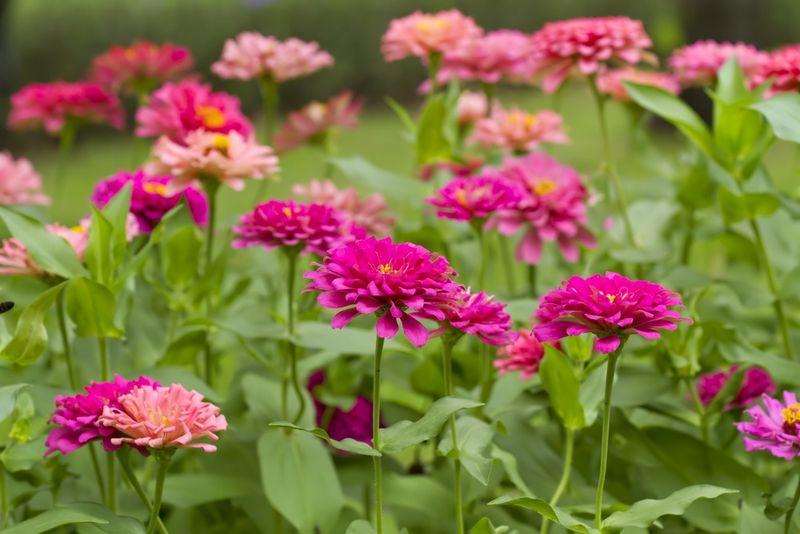
Zinnias were practically built for places like Texas. They thrive in heat that would stress out most other flowering plants, and they keep on blooming even when temperatures climb well into the 90s and beyond.
That natural toughness is one of the reasons Texas gardeners love them so much. But loving the heat does not mean they need a lot of extra help in the form of fertilizer.
Over-fertilizing is actually one of the most common mistakes zinnia growers make. When you feed zinnias too much, especially with high-nitrogen fertilizers, the plants respond by putting out lots of lush green leaves and tall stems.
That sounds good, but it comes at a cost. All that extra foliage growth comes at the expense of flowers, which is the whole point of growing zinnias in the first place.
A light application of a balanced, slow-release fertilizer at planting time is usually all your zinnias need for the entire season. If your Texas garden soil is already enriched with compost, you may not need any additional fertilizer at all.
Zinnias are not heavy feeders, and they do just fine in average soil conditions without a lot of extra input.
During the peak heat of a Texas summer, focus more on consistent watering and deadheading rather than adding more fertilizer. If you notice pale leaves or sluggish growth mid-season, a single light feeding with a balanced formula can give plants a gentle boost.
Mulching around the base of your plants with a layer of straw or wood chips also helps retain soil moisture and keeps roots cool during the most intense heat. Simple, steady care is all your zinnias need to thrive.