Think Twice Before Adding Mulch Before Florida’s Summer Heat
Florida summer has a way of exposing every mistake you made in your yard months earlier.
That fresh mulch you planned to spread might seem like a smart move, but doing it at the wrong time can quietly create problems that show up when temperatures soar and rain starts pouring every afternoon.
Many homeowners rush to mulch as soon as spring ends, hoping to protect plants from the heat.
What they do not realize is that poor timing and heavy application can trap moisture, encourage weeds, and stress roots during the toughest part of the growing season.
By the time plants start wilting or beds look messy, the damage is already happening beneath the surface. A few small changes in when and how you mulch can make the difference between a landscape that survives summer and one that struggles for months.
Before you grab those bags, it is worth knowing what Florida’s heat actually does to mulch and how to use it the right way.
1. Why Mulch Timing Matters In Florida
Most people think of mulch as a simple layer you spread whenever your yard looks bare, but Florida’s climate demands a different approach.
Our state experiences weather extremes that shift quickly from pleasant spring mornings to blazing afternoon heat and sudden downpours that can last for hours.
When you apply mulch at the wrong time, you’re not just wasting money and effort. You might actually be setting up conditions that work against your plants rather than helping them thrive through the challenging summer months ahead.
Understanding how Florida’s unique seasons affect mulch behavior helps you make smarter decisions.
The difference between North Florida’s slightly cooler springs and South Florida’s year-round warmth means timing varies significantly depending on where you live.
Your goal should be protecting roots and conserving moisture without creating problems like fungal growth, excessive heat retention, or waterlogged soil. Proper timing ensures mulch does exactly what you need it to do when summer arrives in full force.
2. What Happens To Mulch In Extreme Heat
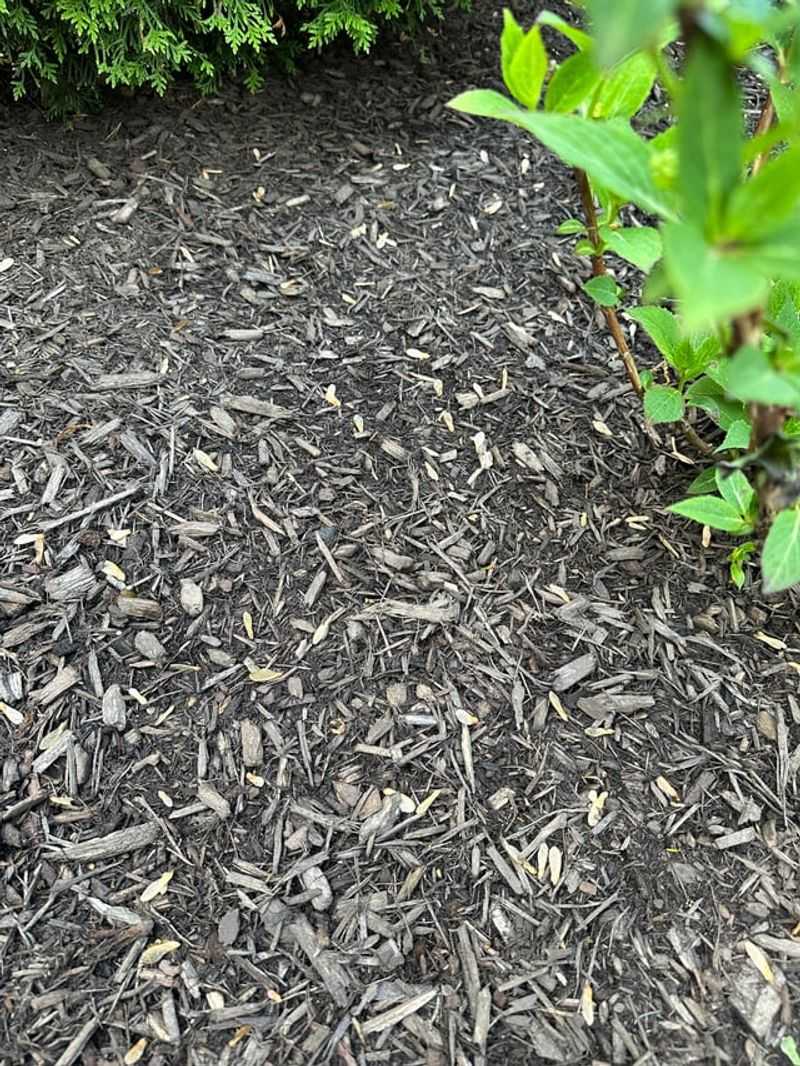
Picture your mulch layer on a day when temperatures climb past ninety-five degrees and humidity makes the air feel like a wet blanket. That organic material you carefully spread starts behaving very differently than it did during cooler months when you first put it down.
While decomposition does create some warmth, the real problem happens when mulch is applied too thick.
Heavy, compacted layers can trap heat and moisture close to the soil surface, creating stressful conditions for roots during extreme heat.
In very hot, dry conditions, some mulch types can temporarily shed water if they become overly dry and compacted. When this happens, rain and irrigation may run off the surface instead of soaking through to reach thirsty roots.
Light raking and proper watering usually prevent this issue.
Additionally, certain mulch types fade, compact, or break down faster under Florida’s relentless summer sun and afternoon thunderstorms, requiring replacement sooner than expected and costing you more money.
3. How Early Mulching Can Trap Problems
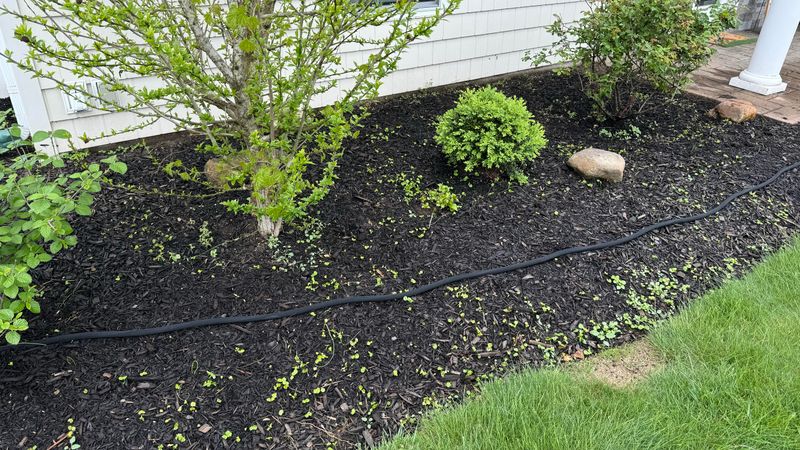
Spreading a thick layer of mulch too early in the season might seem like good preparation, but it can actually lock in issues you haven’t noticed yet.
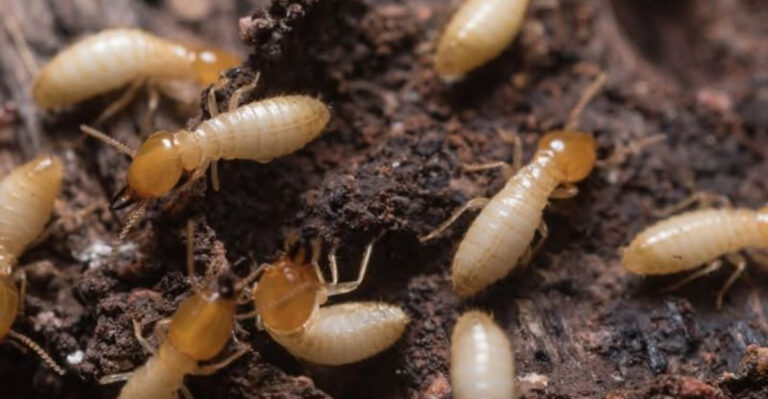
Weeds, fungal spores, and insect eggs already present in your soil get covered with a cozy, moist blanket that helps them thrive rather than discouraging their growth.
When you mulch before properly preparing your beds, you’re essentially creating a protected environment for problems to develop throughout the summer.
Weed seeds germinate under the mulch layer where you can’t see them until they push through, and by then they’ve established strong root systems.
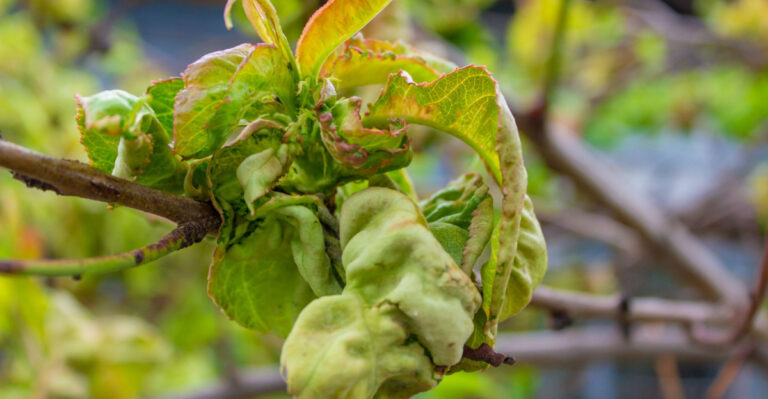
Fungal diseases also love the combination of warmth, moisture, and darkness that fresh mulch provides when applied over damp soil in late spring. As summer rains arrive, these conditions intensify, and fungal growth can spread rapidly through your landscape beds and potentially affect plant stems and lower foliage.
Taking time to clean up beds, remove existing weeds, and let soil dry slightly before mulching prevents these hidden problems from gaining a foothold that makes your summer maintenance much harder.
4. When Mulch Helps And When It Hurts
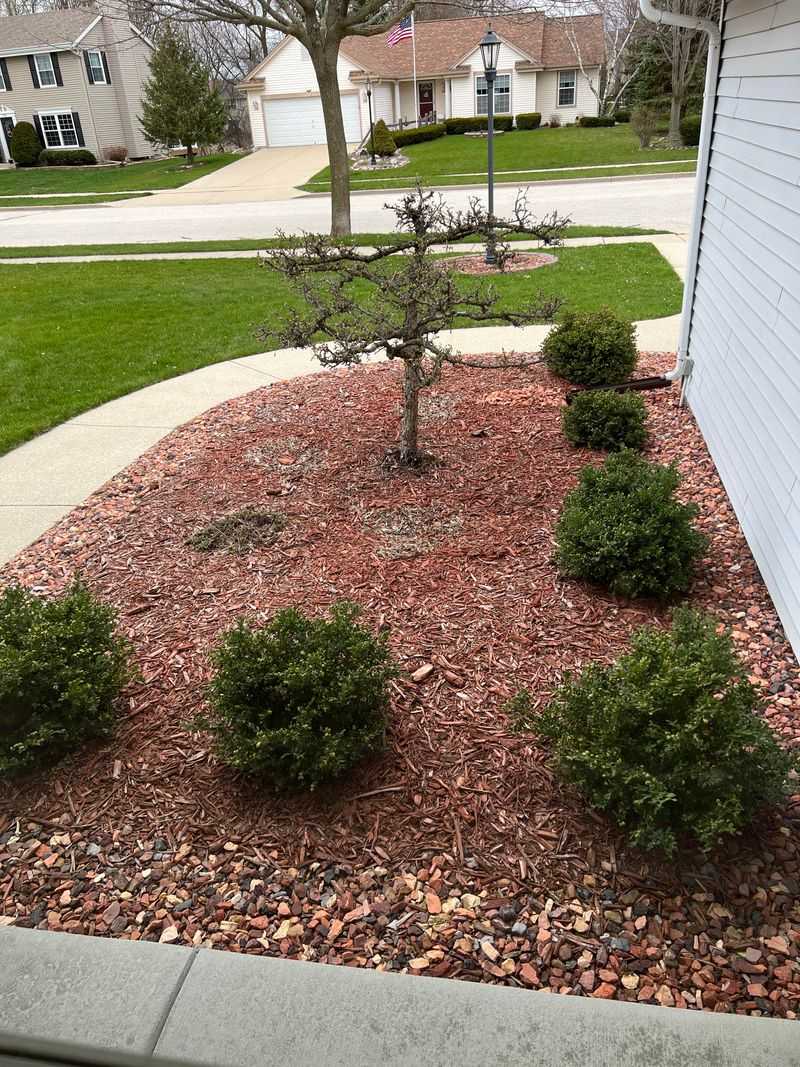
Mulch becomes your landscape’s best friend when applied at the right depth and time, creating a protective barrier that moderates soil temperature and reduces water evaporation during hot, dry periods.
A two-to-three-inch layer works best for most Florida landscapes, especially once spring growth is established and temperatures begin rising.
However, that same mulch layer turns problematic when piled too thick or allowed to stay constantly wet while soil temperatures are still fluctuating. Excessive mulch depth prevents air circulation around plant crowns and can hold moisture against stems, creating rot issues that weaken plants just when they need strength for summer.
Mulch also hurts rather than helps when applied directly against tree trunks or shrub stems, a common mistake that traps moisture and invites pests.
Creating a small gap around plant bases allows air movement and prevents bark damage while still providing all the benefits of mulched beds.
The key is observation rather than habit—watch how your specific plants respond to mulch throughout different seasons and adjust your approach based on what you see happening in your own yard.
5. Soil Temperature And Moisture In Summer
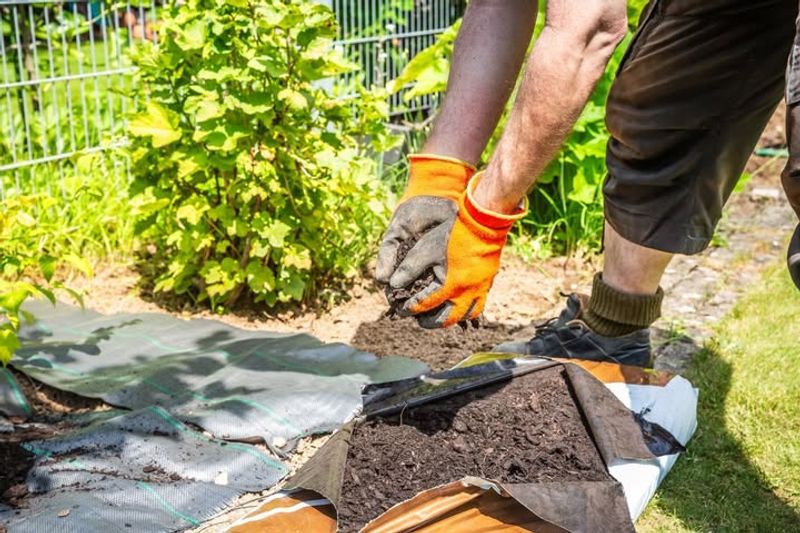
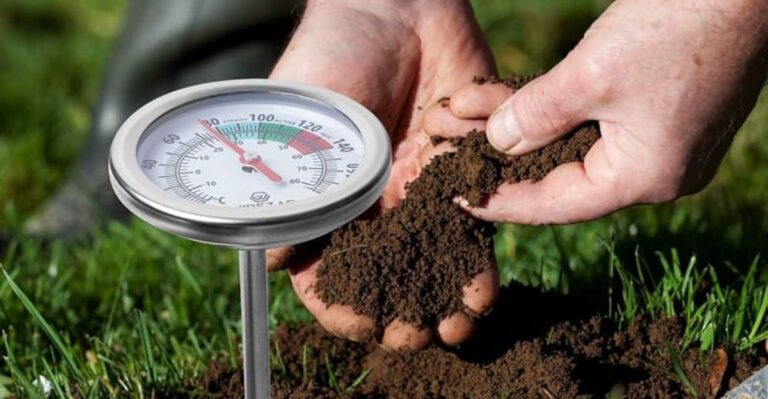
Florida’s sandy soils heat up quickly once summer arrives, and that warmth penetrates deeper than you might expect.
Your plant roots are trying to stay cool enough to function properly while still absorbing water and nutrients, which becomes increasingly difficult as temperatures climb throughout June and July.
Mulch acts as insulation, but the timing of application determines whether that insulation helps or hinders your plants. Applied very early in the season, thick mulch can slow soil warming for certain heat-loving plants.
For most landscape beds, moderate mulch depth still provides more benefit than harm. Once true summer heat settles in, properly timed mulch keeps soil temperatures more stable and prevents the extreme fluctuations that stress root systems.
It also slows evaporation from the soil surface, meaning your irrigation efforts last longer and plants have consistent access to moisture.
Understanding your soil’s behavior throughout the seasons helps you recognize the perfect window for mulching—usually after the last spring rains have passed but before the most intense heat arrives, which varies considerably across different regions of Florida.
When applied correctly, mulch remains one of the most effective tools for protecting plants from Florida’s summer heat; the key is proper timing, depth, and placement.
6. Choosing The Right Mulch Before Heat Sets In
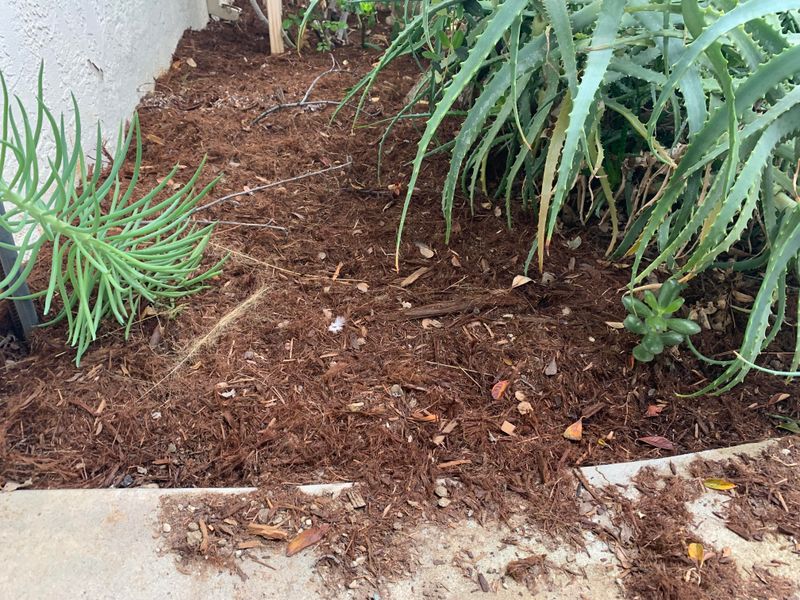
Not all mulch materials perform equally well once Florida’s summer heat and humidity arrive in full force. Pine bark, melaleuca, and eucalyptus mulches break down at different rates and reflect or absorb heat differently, affecting how well they protect your landscape throughout the challenging months ahead.
Lighter-colored mulches reflect more sunlight and stay cooler on the surface, which can benefit plants that struggle with heat stress.
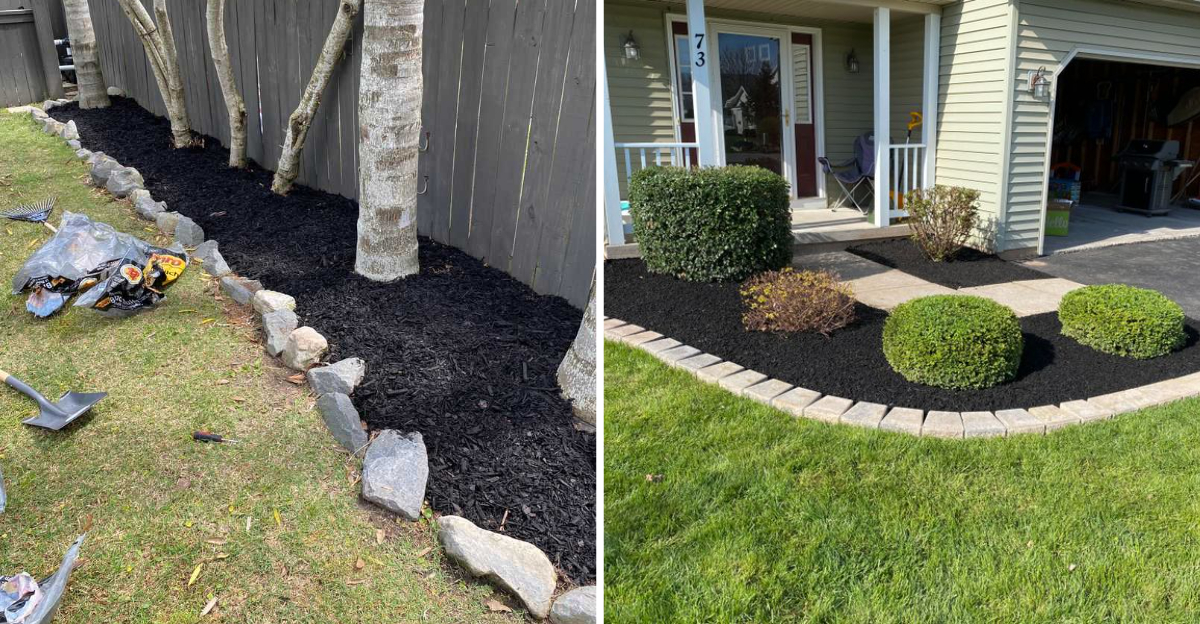
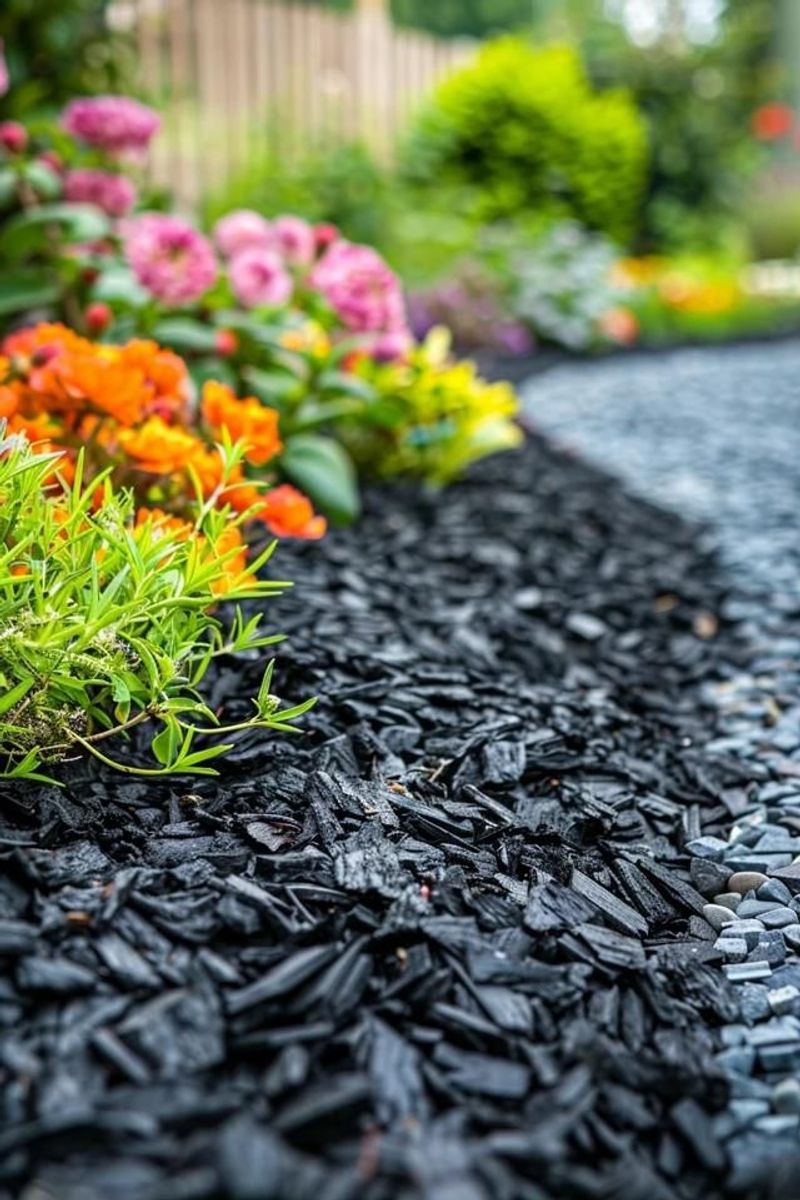
Darker mulches absorb more heat and break down faster, potentially adding organic matter to sandy soils more quickly but requiring more frequent replacement and careful monitoring.
Cypress mulch, while popular, raises environmental concerns and is increasingly being replaced by alternatives like pine bark and eucalyptus that hold up well during Florida’s heavy rain and summer heat.
Pine bark nuggets tend to stay in place better during heavy summer rains and resist compaction, maintaining better air circulation throughout the season.
Making your mulch choice based on your specific landscape needs and the upcoming summer conditions helps ensure you’re not replacing material mid-season or dealing with unexpected problems when temperatures peak and your plants need stable, reliable protection.
7. Regional Timing Differences Across Florida
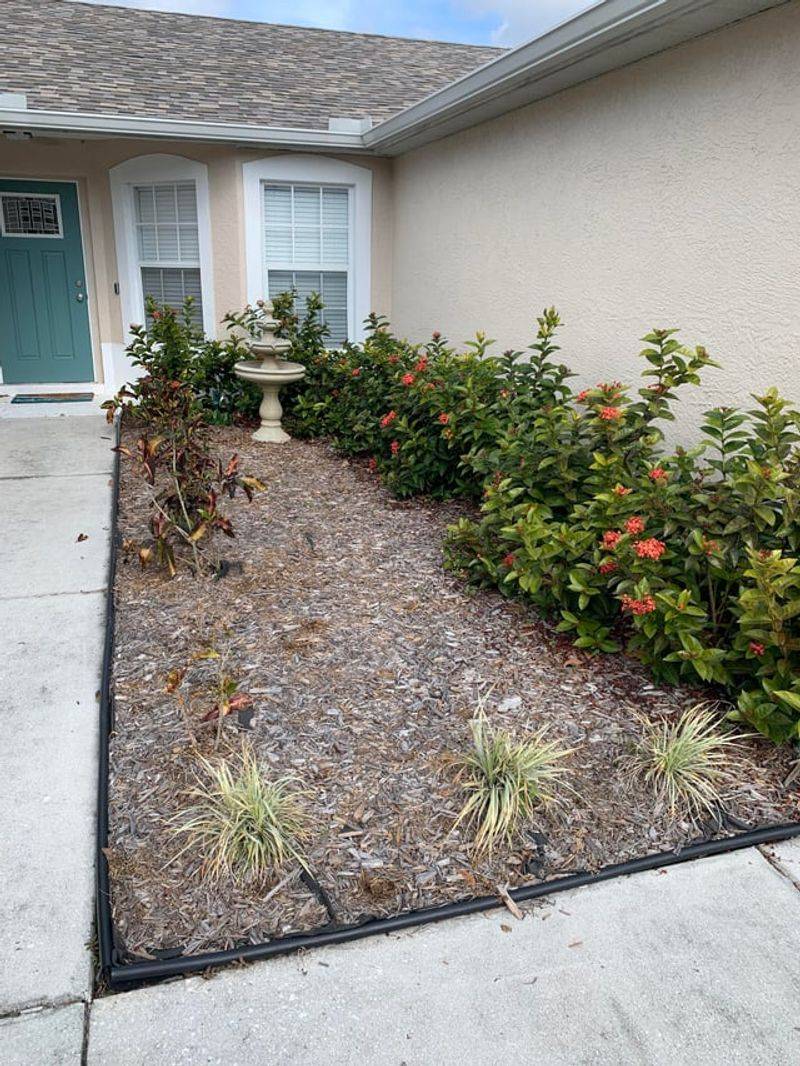
If you live in Pensacola, your mulching schedule should look quite different from your cousin’s in Miami, even though you’re both dealing with Florida summers.
North Florida experiences more defined seasons with cooler springs that last longer, giving you a wider window for mulch application before serious heat arrives in late June.
Central Florida sits in a transition zone where timing becomes trickier. Summer heat can arrive suddenly in mid-May, or spring-like weather might linger into early June depending on the year.
Watching local weather patterns and soil temperatures rather than following a rigid calendar date helps you catch the optimal moment for mulching.
South Florida’s subtropical climate means summer heat is present much earlier, sometimes as early as April, and remains intense through October.
In South Florida, applying very thick mulch too early during the rainy season can increase moisture retention and create conditions where fungal issues are more likely.
Proper depth and spacing around plants help prevent this. Understanding your specific hardiness zone and local microclimate patterns helps you develop a mulching approach that matches your actual conditions rather than generic advice written for the entire state.
8. Mistakes Homeowners Make Before Summer
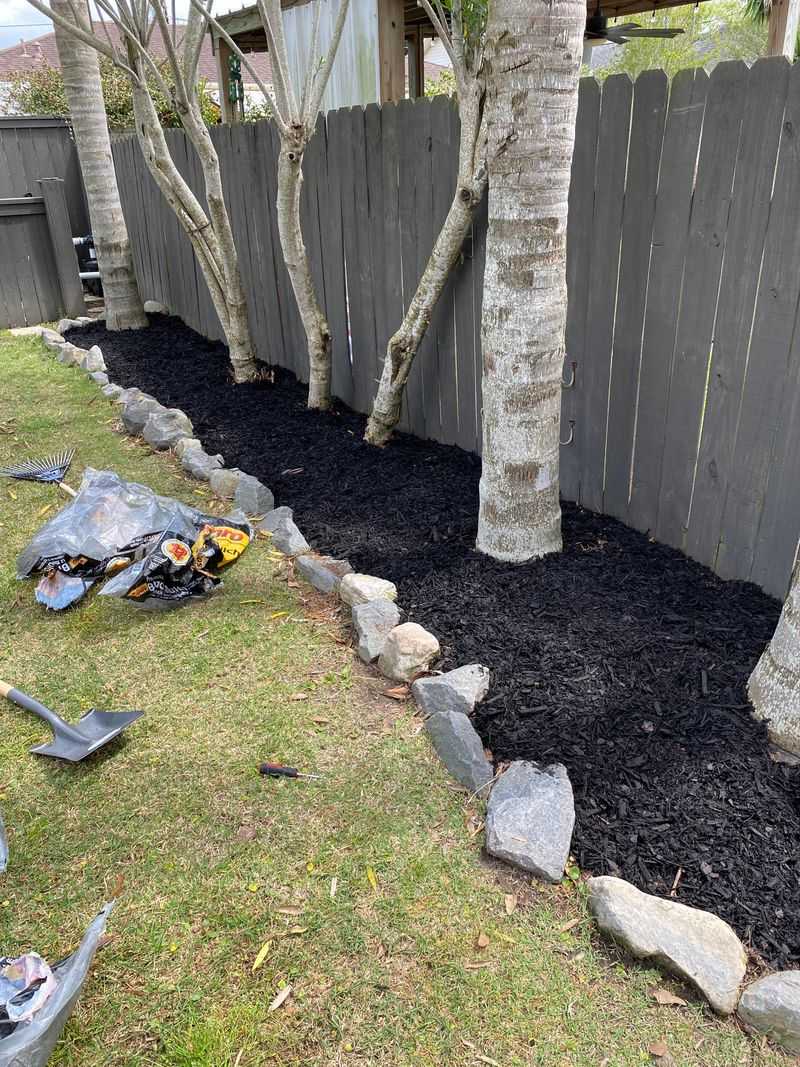
One of the biggest mistakes happens when homeowners see bare spots in their landscape beds and immediately pile on fresh mulch without considering what’s coming next.
That impulse to make everything look neat before summer often leads to mulch applications that are too thick, too early, or placed over problem areas that needed attention first.
Another common error involves using whatever mulch is on sale without considering how it will perform once heat and rain intensify. Cheap, low-quality mulch might save money initially but often breaks down within weeks of summer’s arrival, requiring replacement and ultimately costing more in materials and labor.
Many people also forget to refresh or redistribute existing mulch before adding new layers, creating excessive depth that suffocates plant roots and prevents water penetration.
A quick rake-through of old mulch often reveals it’s still functional and just needs fluffing rather than complete replacement.
Overlooking the importance of proper bed preparation—removing weeds, checking irrigation systems, and ensuring good drainage. Overlooking the importance of proper bed preparation—removing weeds, checking irrigation systems, and ensuring good drainage.
Before mulching sets up problems that become obvious only after summer heat makes corrections more difficult and stressful for your plants.
9. How To Adjust Mulching As Summer Begins
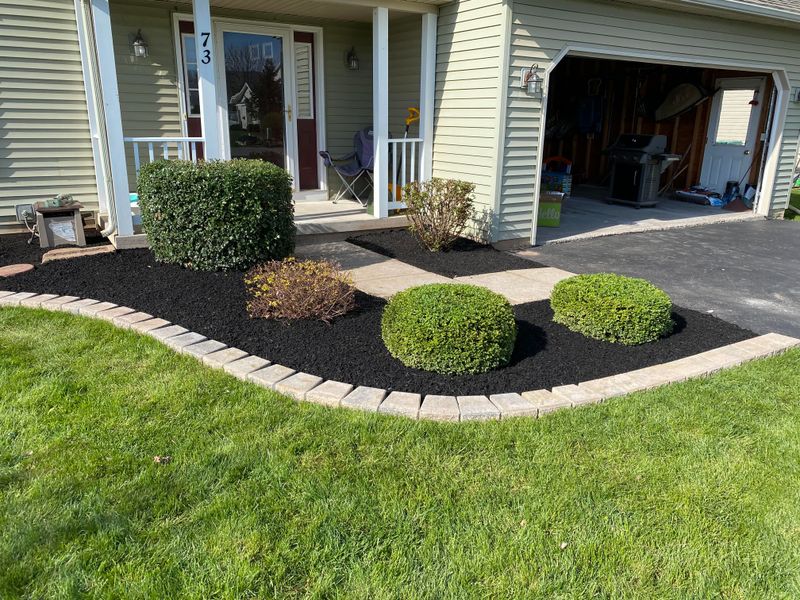
As you notice temperatures consistently reaching the nineties and afternoon thunderstorms becoming regular events, it’s time to reassess your mulch situation rather than just leaving everything as is.
Walk through your landscape beds and check mulch depth with your hand—if it’s more than three inches deep, consider pulling some back to improve air circulation.
Look for areas where mulch has compacted or formed a water-resistant crust, and break up those sections with a rake to restore its ability to let moisture through to plant roots.
This simple adjustment can make a significant difference in how well your irrigation water reaches plants during the driest parts of summer.
If you notice mulch breaking down rapidly or developing an unpleasant smell, it might be decomposing too quickly in the heat and creating soggy or compacted conditions.
Adding a thin layer of fresh material on top or replacing problem areas helps maintain the protective benefits without the issues caused by over-decomposed mulch.
Pay attention to how individual plants respond as summer progresses. Some might benefit from slightly more mulch for extra moisture retention, while others might need less to prevent crown rot in humid conditions.
A simple rule of thumb: keep mulch 2–3 inches deep, avoid piling it against trunks or stems, and refresh only when the existing layer has broken down.