This Bright Blooming Plant Is Becoming A Texas Garden Favorite
Some plants have a way of grabbing attention the second they start blooming. They light up a garden, keep the color going through the heat, and somehow manage to look cheerful even when other plants are starting to fade.
That kind of performance does not go unnoticed in Texas, which is why one bright standout has been winning over more and more gardeners lately.
It is easy to see the appeal. This plant brings bold color, handles tough conditions well, and fits right into the kind of low-fuss gardening many Texans actually want.
It looks right at home in flower beds, along walkways, and in spots where the sun does not let up. Better yet, it adds plenty of movement and life by drawing in butterflies and other pollinators.
Texas lantana has become a favorite for all the right reasons. It is vibrant, dependable, and well-suited to the state’s climate.
For gardeners who want strong color without constant upkeep, this is the kind of plant that quickly earns a permanent place.
Texas Lantana Is A Texas Garden Favorite
Walk through almost any Texas garden this summer, and chances are you will spot a burst of color that stops you in your tracks. That bold, cheerful plant is Texas lantana, and it has earned its spot as one of the most talked-about plants in the state.
Native to Texas and surrounding regions, this tough perennial has been turning heads for good reason.
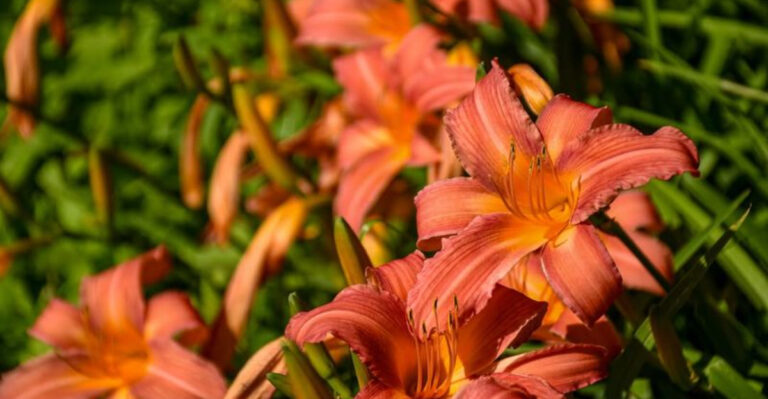
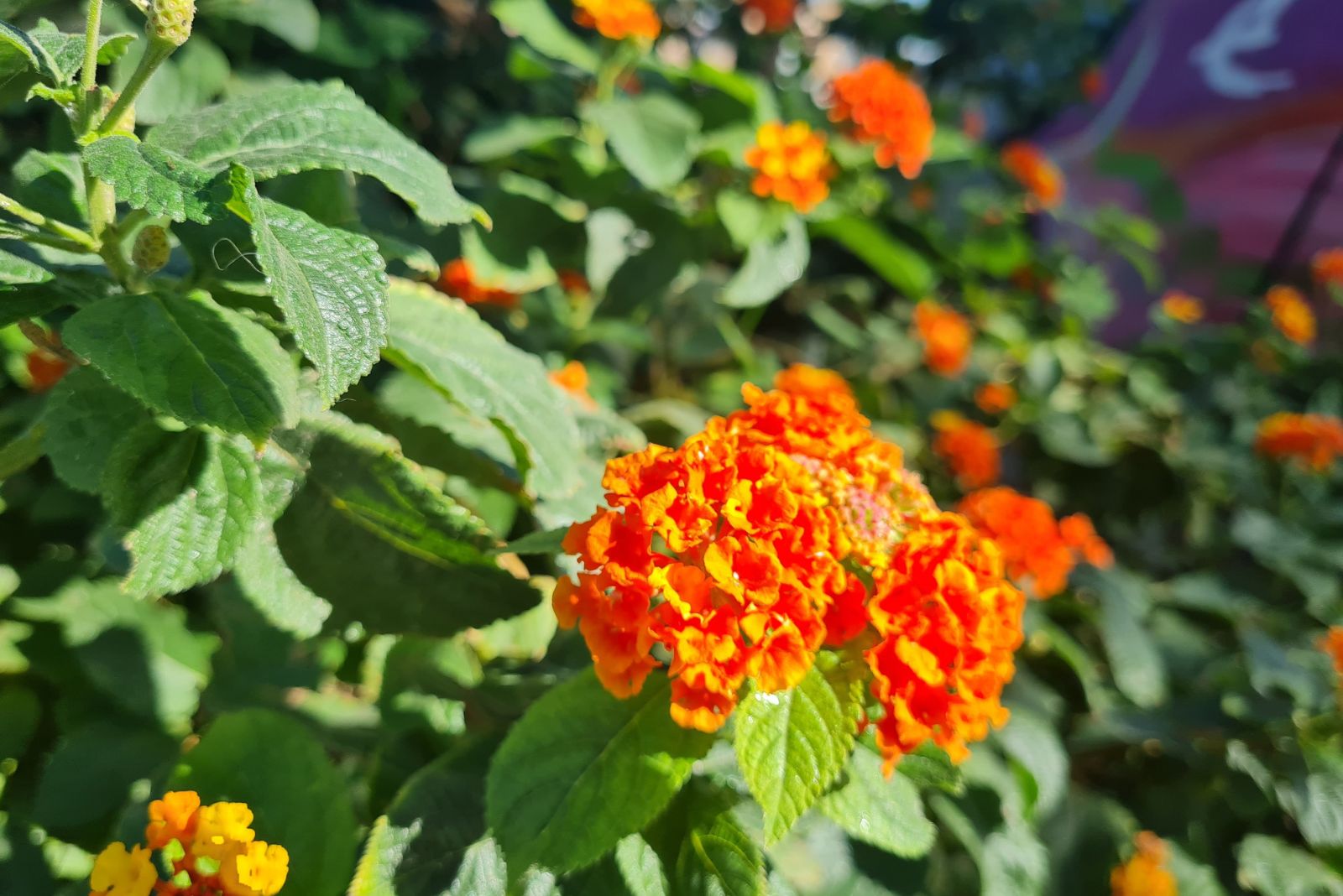
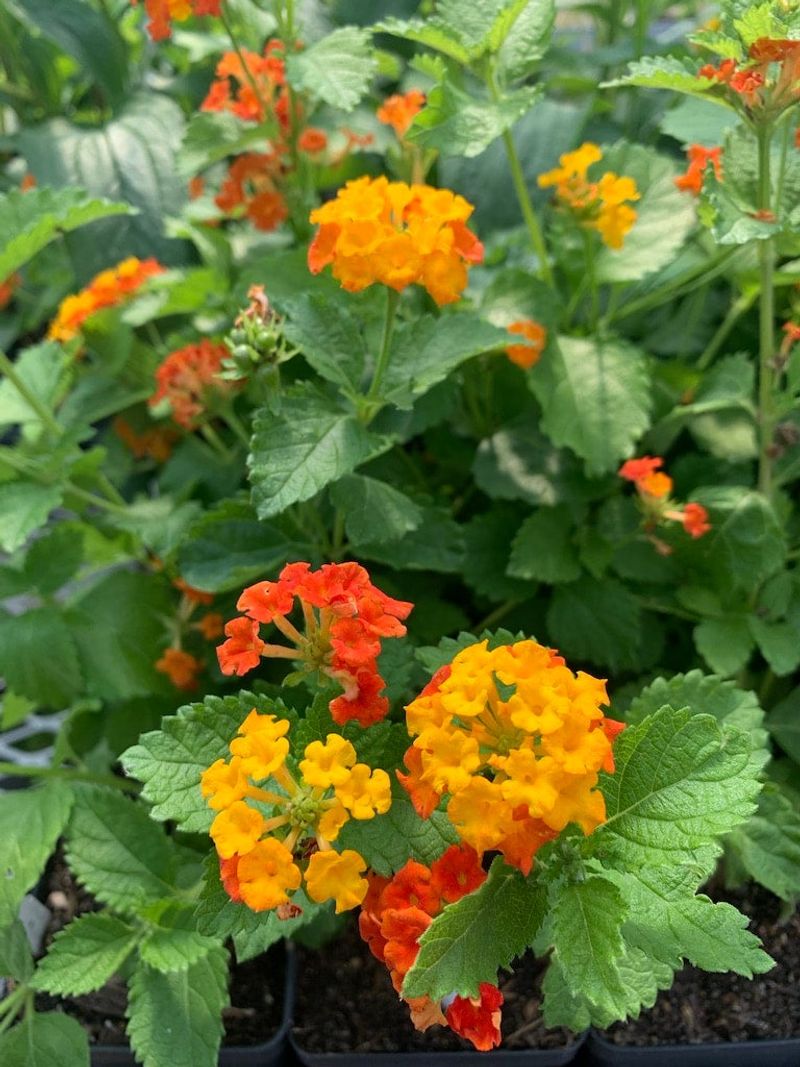
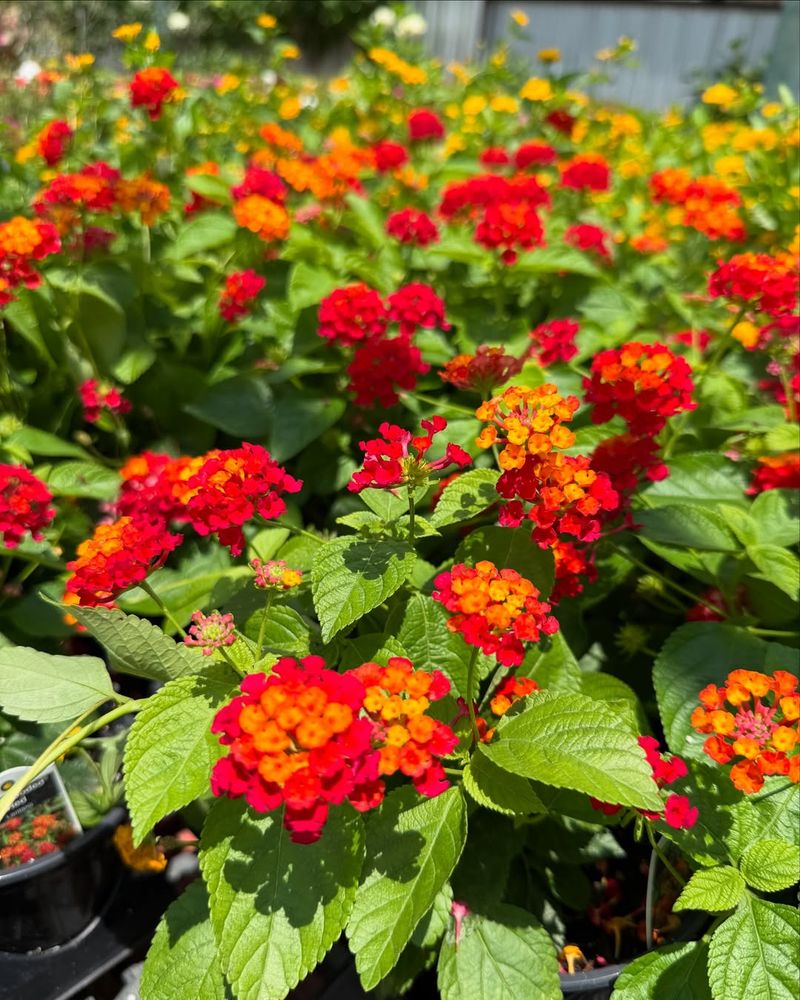
Texas lantana produces clusters of tiny flowers that bloom in shades of orange, yellow, and red. The blooms appear in rounded bunches that sit right on top of the plant’s dense, bushy foliage.
From a distance, the plant almost looks like it is on fire with color, which makes it a real showstopper in any yard.
One of the most exciting things about Texas lantana is its incredibly long bloom season. It starts flowering in spring and keeps going strong all the way through fall.
Most plants slow down in the middle of summer, but not this one. The heat actually pushes it to produce even more flowers.
Texas gardeners have tried many plants over the years, and most struggle to survive the intense summer conditions across the state. Texas lantana, on the other hand, seems to love the challenge.
It is naturally adapted to the Texas climate, which means it does not need a lot of extra care to look amazing. For anyone who wants a reliable, low-fuss plant that delivers big color season after season, Texas lantana is a fantastic starting point.
What Makes Texas Lantana So Eye-Catching
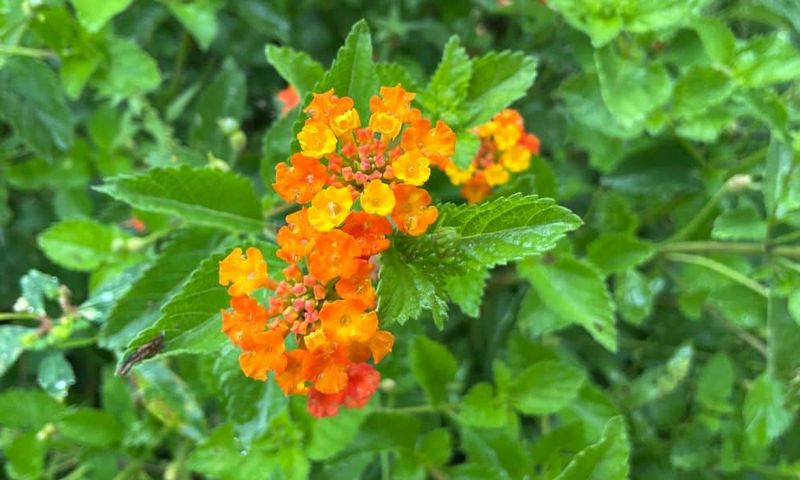
Color is one of the first things people notice about Texas lantana, and it does not disappoint. The flowers come in a mix of orange, yellow, and fiery red, often all on the same plant at the same time.
That combination creates a warm, energetic look that immediately draws the eye and adds serious personality to any outdoor space.
What makes the colors even more impressive is the way they change slightly as each flower matures. Young blooms tend to start out one shade, then shift into another as they age.
This natural color variation gives the plant a layered, almost painterly appearance that looks beautiful up close and stunning from the street.
Beyond the flowers themselves, the plant’s compact, mounding shape adds to its visual appeal. Texas lantana grows into a tidy, rounded form that fills in garden beds without looking messy or overgrown.
It works beautifully along borders, in front of taller shrubs, and near entryways where you want something that grabs attention right away.
Gardeners across Texas love using it as a focal point in mixed flower beds because its vivid colors complement so many other plants. It pairs especially well with purple salvias, soft ornamental grasses, and deep green foliage plants.
The contrast creates a look that feels both planned and effortlessly natural. Whether you are designing a formal landscape or a casual cottage garden, the bold, cheerful presence of Texas lantana brings an energy that few other plants can match in the Texas heat.
Why It Thrives In Texas Heat
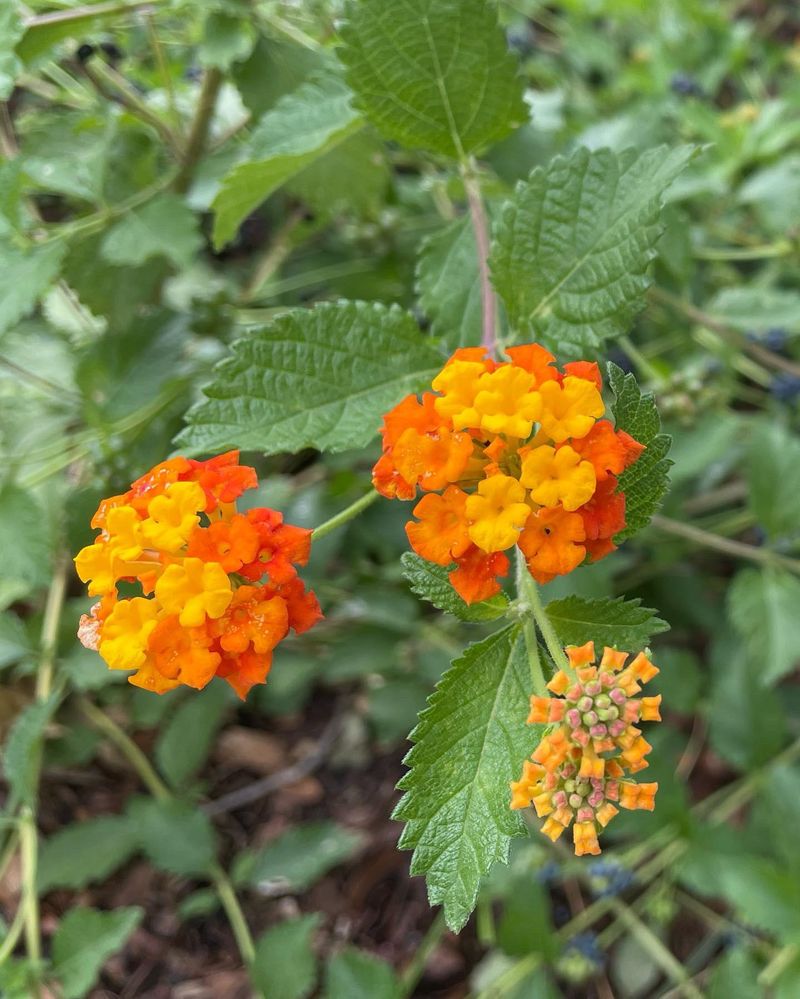
Most plants wave the white flag when Texas summer kicks in. Temperatures soar past 100 degrees, the sun beats down relentlessly, and rainfall becomes scarce for weeks at a time.
For many flowers, that kind of punishment is simply too much. Texas lantana, however, was practically built for these exact conditions.
The secret to its toughness lies in its roots. Texas lantana is native to the dry, rocky soils of central and south Texas, where it has adapted over thousands of years to handle extreme heat and very little water.
Its root system is deep and efficient, pulling moisture from the soil long after other plants have run dry.
Once established, Texas lantana is remarkably drought-tolerant. You do not need to water it every day or even every week during normal conditions.
It stores what it needs and keeps on blooming even when the ground feels bone-dry. That kind of resilience is a huge advantage for Texas homeowners who want a beautiful yard without a massive water bill.
Another impressive quality is that the heat actually encourages more blooms rather than fewer. While other flowering plants slow down and look tired by midsummer, Texas lantana hits its stride.
The warm temperatures seem to energize it, pushing out fresh flower clusters week after week. Gardeners in cities like Austin, San Antonio, and Houston have noticed that their lantana plants look their very best right in the middle of the hottest months.
That ability to perform when conditions are toughest is exactly why Texas lantana keeps winning fans all across the state.
Where It Works Best In The Landscape
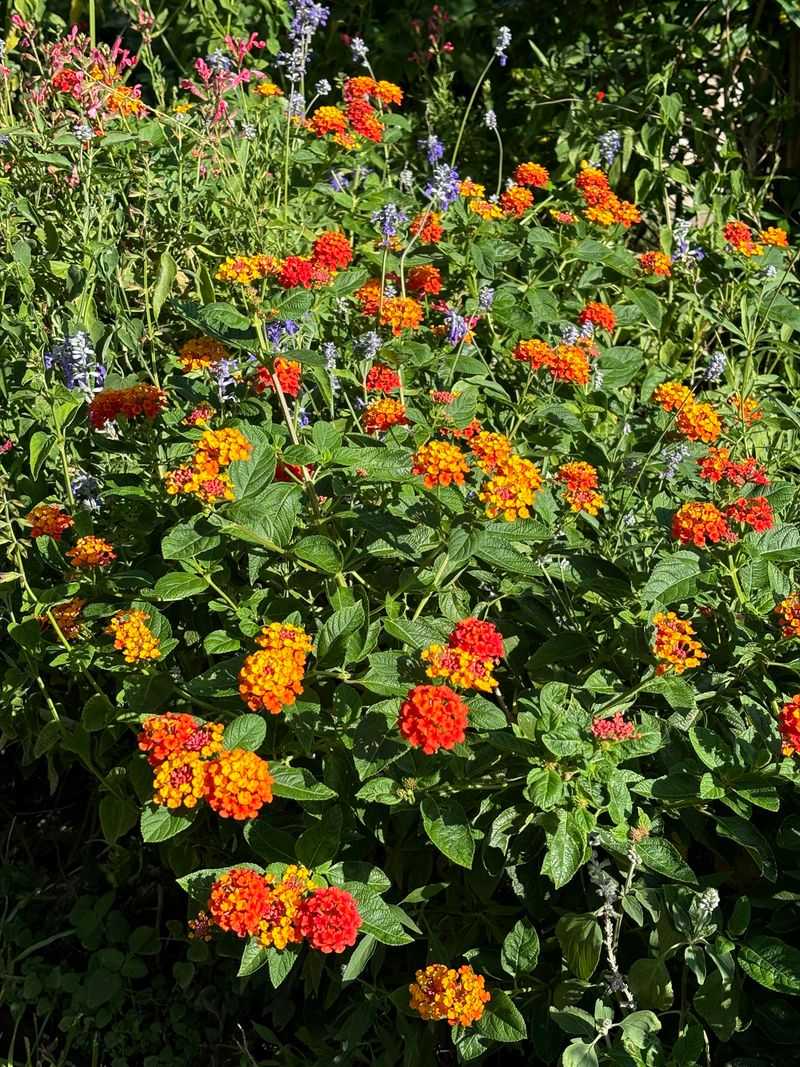
One of the best things about Texas lantana is how flexible it is when it comes to placement. It is not a picky plant that demands a perfect spot.
Give it full sun and decent drainage, and it will reward you with months of bold color no matter where you put it in your Texas yard.
Front yards are one of the most popular places to plant Texas lantana. Homeowners love placing it along walkways and driveways where the bright blooms greet visitors right from the start.
Mailbox beds are another favorite spot, since the compact, mounding habit of the plant fills those small areas beautifully without overflowing onto the lawn.
Rock gardens are a natural match for Texas lantana because both thrive in the same conditions. The plant’s love of heat, sun, and fast-draining soil makes it ideal alongside limestone rocks and gravel mulch.
Many Texas homeowners have replaced water-hungry grass patches with rock garden designs featuring lantana as the main color star.
Container gardening is another option worth exploring. Texas lantana grows well in large pots placed on sunny patios, porches, and decks.
Containers let you move the plant around to wherever you need a pop of color. Just make sure the pot has drainage holes, since soggy roots are one of the few things this tough plant does not handle well.
Whether you are working with a sprawling landscape or a small urban garden space, Texas lantana fits right in and delivers color that lasts all season long.
How To Grow And Care For Texas Lantana
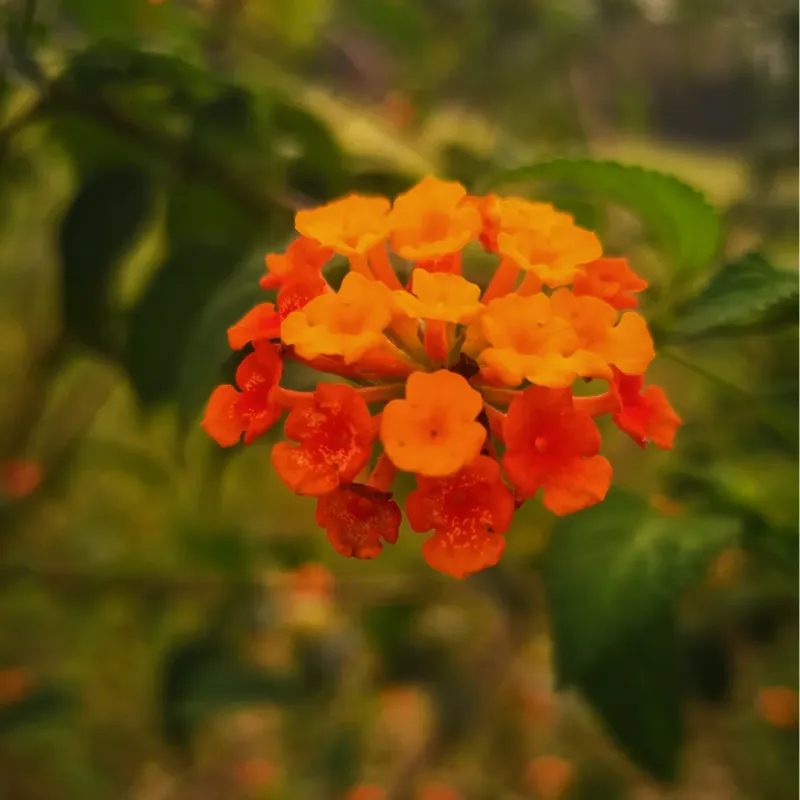
Getting Texas lantana off to a great start is simpler than most people expect. The number one rule is sunlight.
Plant it somewhere that gets at least six to eight hours of direct sun each day. Texas lantana that grows in too much shade tends to produce fewer flowers and can become stretched and leggy over time.
Soil preparation matters during the planting phase, but it does not have to be complicated. Texas lantana prefers well-drained soil and actually does better in slightly sandy or rocky ground than in heavy clay.
If your yard has clay-heavy soil, mixing in some coarse sand or planting on a slight slope can help improve drainage and set the plant up for success.
Watering is most important during the first few weeks after planting. New plants need regular moisture to establish strong roots.
Water deeply two or three times a week at first, then gradually reduce frequency as the plant settles in. Once established, Texas lantana needs very little supplemental water and can often survive on rainfall alone during most of the Texas growing season.
Fertilizing is not something this plant demands. A light application of a balanced fertilizer in early spring is plenty to encourage healthy growth.
Over-fertilizing actually causes the plant to produce more leaves than flowers, which defeats the whole purpose. Occasional light pruning can keep the shape tidy and encourage fresh blooms to form.
Beyond that, Texas lantana pretty much takes care of itself, making it a dream plant for busy homeowners all across Texas who want great results without endless upkeep.
Why It’s Becoming A Go-To Plant Across Texas
Something is shifting in the way Texas homeowners think about their gardens. People are moving away from high-maintenance plants that need constant watering, fertilizing, and fussing.
Instead, they want plants that look stunning without demanding all their free time. Texas lantana fits that mindset perfectly, and that is a big reason why it keeps showing up in more yards across the state every year.
Nurseries from Dallas to Corpus Christi have reported growing demand for Texas lantana in recent seasons. Gardeners who tried it once almost always come back for more.
The combination of low maintenance, incredible heat tolerance, and season-long color is genuinely hard to beat. For a state where summer feels like it lasts forever, having a plant that thrives in those conditions rather than suffering through them is a major advantage.
Water conservation is another factor pushing Texas lantana into the spotlight. Many Texas cities have water restrictions during summer months, and homeowners need plants that can handle reduced irrigation.
Texas lantana handles dry spells with ease, making it a smart, responsible choice for eco-conscious gardeners who still want a colorful yard.
Social media has also played a role in spreading the word. Photos of vibrant lantana beds popping up in Texas neighborhoods get shared widely, inspiring others to try the plant themselves.
Garden centers across Texas have responded by stocking it more heavily and promoting it as a reliable, proven performer.
All of these factors together have turned Texas lantana from a regional favorite into a genuine go-to plant for gardeners looking for beauty, toughness, and color all season long.