This Bushy-Tailed Digger Has Illinois Yards Full Of Hidden Stashes
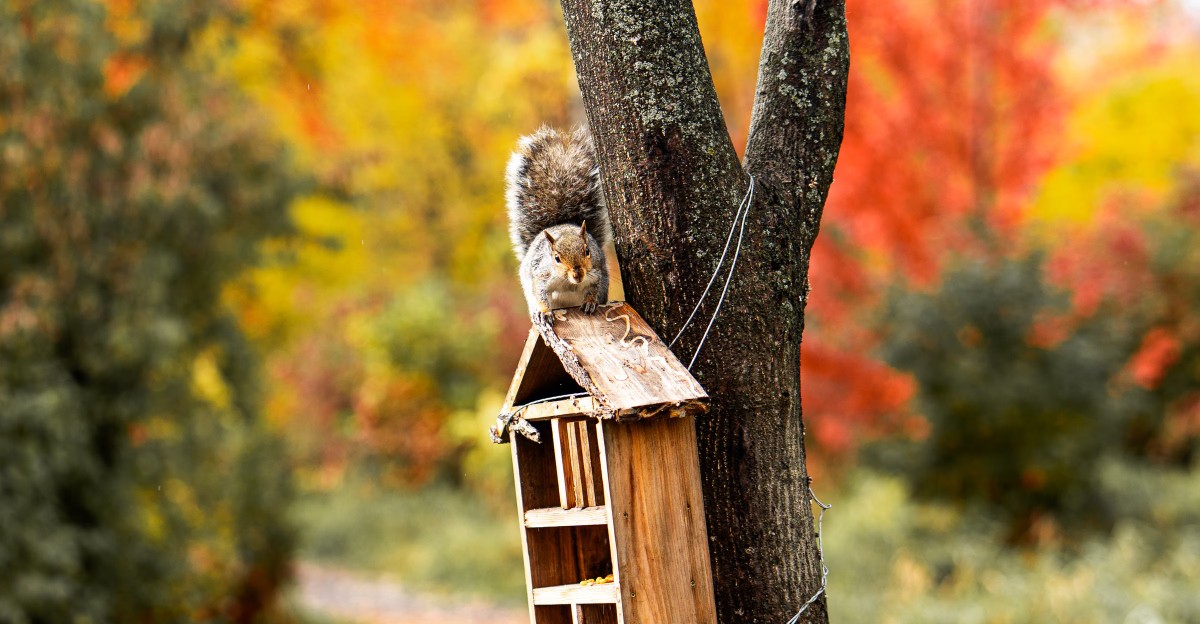
A single gray backyard visitor can bury thousands of nuts in one autumn, each in its own separate hole.
Researchers have found these animals remember many of their hiding spots, and they even pretend to bury food when they suspect someone is watching.
I found out the hard way last fall. My freshly planted tulip bed looked like a tiny golf course, dotted with neat little holes and scattered mulch. A few bulbs were gone, and an acorn sat right where one used to be.
You might notice the same thing across Illinois right now. Lawns, flower pots, and garden beds become pantries for a very busy neighbor with a fluffy tail and a serious plan for winter.
I am surprised how much strategy hides behind all that digging. Who decided your yard was the perfect place for a winter food bank, and can you share it with the rest of Illinois without losing your bulbs?
Those Little Holes in Your Lawn Belong to a Busy Squirrel With a Plan
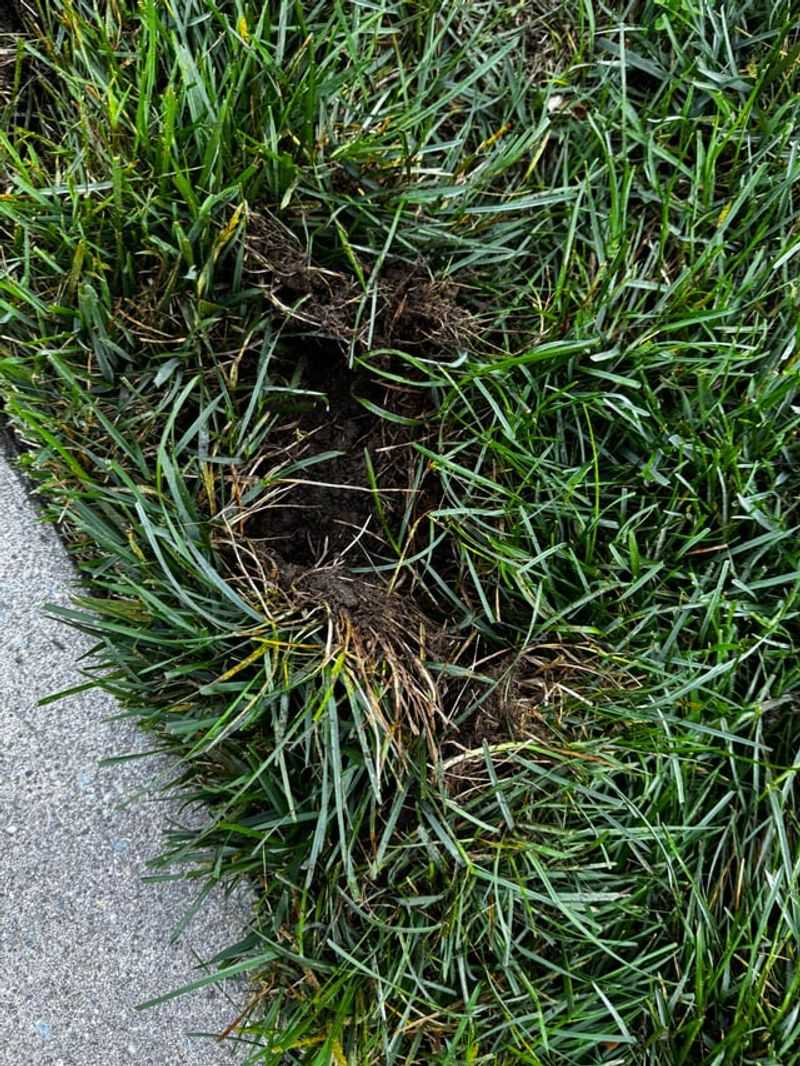
Nothing about those divots is random. Squirrels in Illinois practice something scientists call scatter hoarding, which means they bury food items one at a time in many different spots.
The two main diggers in our yards are the eastern gray squirrel and the larger, rusty-orange fox squirrel. Both get busy in late summer and fall, when acorns, hickory nuts, walnuts, and other tree seeds ripen and drop.
Spreading food across a wide area is a smart move. If one stash gets raided by a blue jay or another squirrel, the rest of the pantry stays safe. One hungry rival cannot clean out the whole supply.
Each hole is usually shallow, often just an inch or two deep. The squirrel digs quickly with its front paws, drops the nut, pushes soil back over it, and pats the spot down. Sometimes it even tucks a leaf or bit of grass on top.
You might see one squirrel make dozens of trips in a single morning. Watching closely can be fun, since each animal seems to have its own favorite zones.
So when your lawn looks pockmarked, think of it as a squirrel filling its cupboards. The work is serious business for a small animal facing a long Midwest winter.
Fox Squirrels and Gray Squirrels Use Smell and Memory to Find Buried Nuts
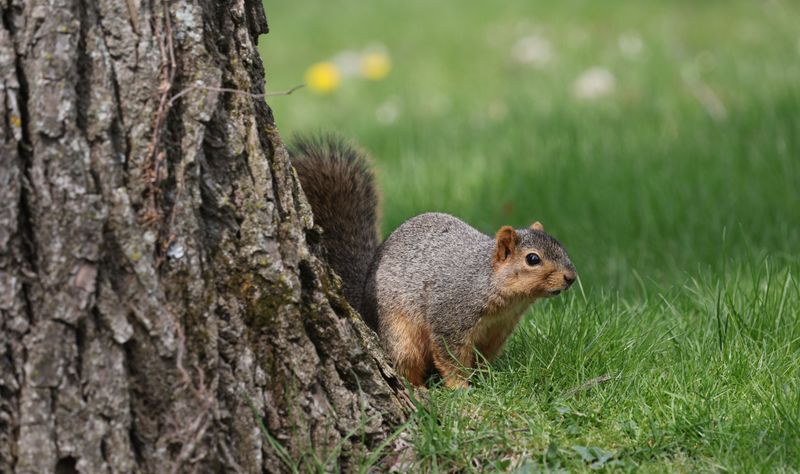
Ever wonder how a squirrel finds one nut under a blanket of snow? It uses a mix of spatial memory and a powerful sense of smell.
Studies on gray and fox squirrels show they remember the general areas where they cached food. Research from the University of California, Berkeley, found fox squirrels even sort nuts by type, almost like organizing a grocery shelf.
That trick likely helps them remember what is buried where. Once a squirrel reaches the right neighborhood, its nose takes over. It can sniff out buried food through soil and even a few inches of snow.
That explains why you sometimes spot squirrels digging in a snowy yard and pulling up a snack.
Here is a quirky bit. Squirrels sometimes perform fake burials, digging a hole and covering it without dropping anything inside. Scientists believe this fools watching thieves, including other squirrels and birds.
Their memory is impressive, but it is not perfect. Plenty of buried nuts are left behind, and that detail matters more than you might expect for our trees.
The next time you see a squirrel pause, sniff, and dig, you are watching a winter treasure hunt powered by brainpower and a very busy nose.
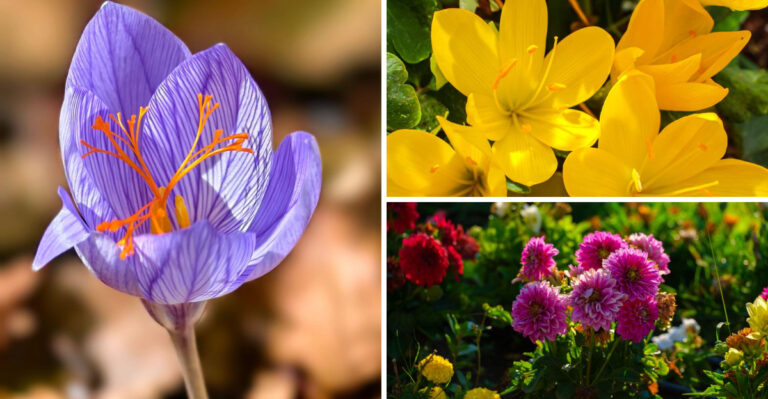
Your Tulip and Crocus Bulbs Look Like Snacks to Hungry Squirrels
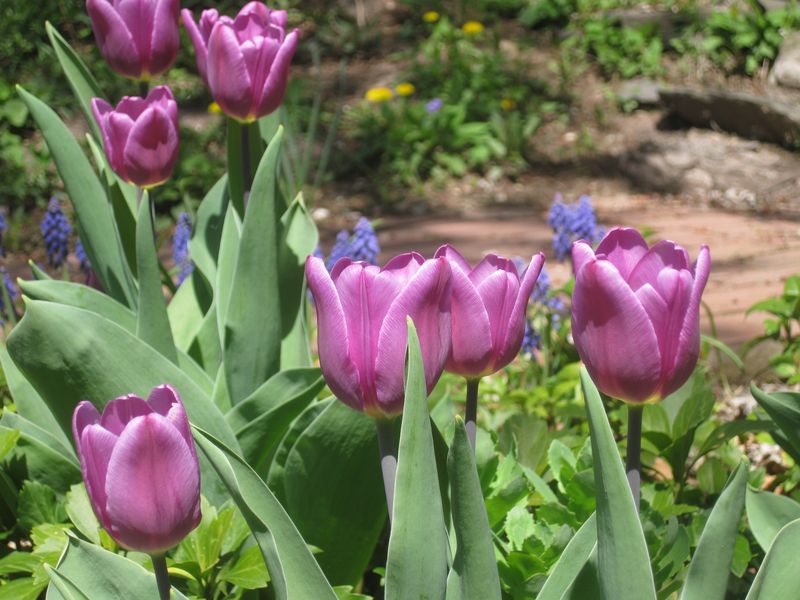
My heart sank the morning I found papery tulip skins scattered across the mulch. A squirrel had found my fall planting before winter did.
Freshly planted bulbs are an easy target for two reasons. The soil is loose and soft, which makes digging simple.
And bulbs like tulips and crocus are tasty, so a squirrel checking the spot often finds a free meal.
Sometimes squirrels do not even eat the bulb. They might simply dig in the soft soil to bury their own acorn, tossing your bulb aside in the process. Either way, the result looks the same to a frustrated gardener.
In Illinois, most spring bulbs go into the ground from late September through November, right when squirrels are caching hardest. That timing overlap explains a lot of the trouble.
A few smart habits help. Clean up bulb skins, papery bits, and packaging after planting, since those scraps can draw attention. Firm the soil well and water the bed so it feels less fluffy.
Planting bulbs at their full recommended depth also helps. Deeper bulbs are harder to reach, and a well-settled bed tends to look much less inviting to a curious digger.
Chicken Wire Over Bulb Beds Stops Most Squirrel Digging
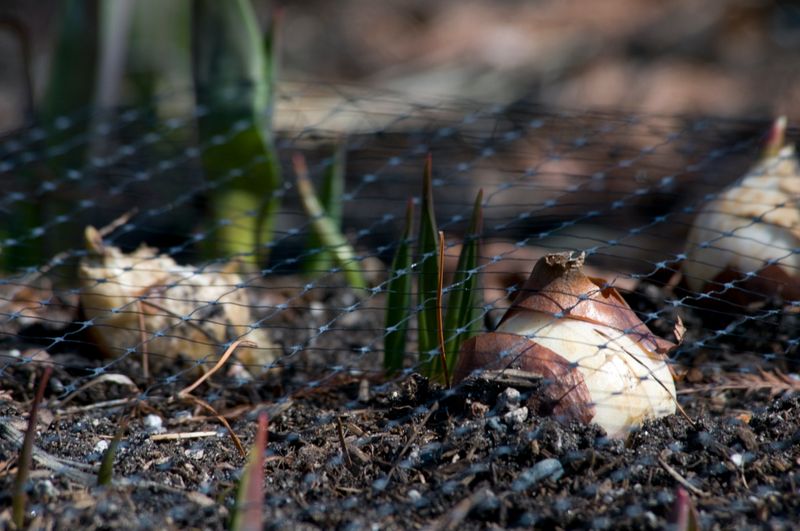
After I tested a simple wire barrier, my bulb losses dropped dramatically. University extension experts recommend this method, and it is cheap and easy.
For small beds, lay chicken wire or hardware cloth flat over the soil after planting. Pin the edges down with landscape staples or a few bricks, then cover the wire with a thin layer of mulch to hide it. Squirrels hit the mesh and give up.
Spring shoots can grow right through one-inch openings. Just check in early spring and lift the wire if any stems get tangled.
For your most treasured bulbs, try a wire cage. Dig the planting hole, line the bottom and sides with hardware cloth, set the bulbs in place, and fold more wire over the top before backfilling with soil. This also protects against voles.
Container gardeners can cut a circle of mesh to fit inside the pot rim. It works nicely on patio pots, where squirrels love to dig in loose potting mix.
Wear gloves when cutting wire, since the edges can be sharp. A pair of tin snips makes the job much easier, and leftover pieces can be saved for next fall.
Daffodils and Alliums Are Bulbs Squirrels Usually Leave Alone
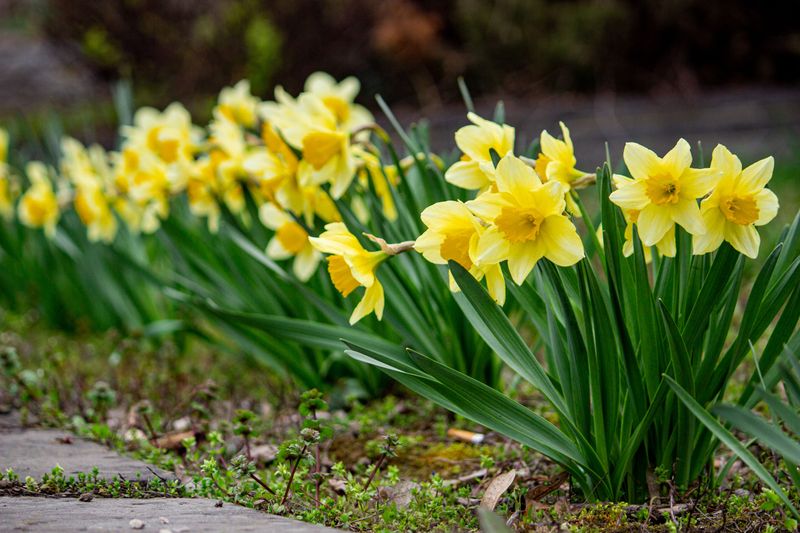
Some flowers come with built-in protection. Daffodils contain compounds that make them bitter and toxic to many animals, so squirrels rarely bother them.
Alliums, the ornamental onion relatives with globe-shaped blooms, have a strong oniony smell that squirrels mostly avoid. Snowdrops, grape hyacinths, and fritillaria are other good picks that tend to survive the digging season.
I love mixing these tough bulbs around the edges of a bed. Planting daffodils near tulips will not guarantee safety for the tulips, but a varied planting means you will still get a cheerful spring show.
Native spring bloomers are worth a look too. Plants like Virginia bluebells and wild geranium support local pollinators and fit well in Illinois gardens.
Check that any bulb you buy is not invasive, and skip plants like Spanish bluebells in areas where they may spread.
Fall is the right time to plant most spring bulbs here, once soil cools but before it freezes. In northern Illinois that often means October, while southern parts of the state may stretch into November.
Choosing bulbs squirrels dislike is one of the easiest ways to stop the digging drama before it starts. Sometimes the best defense is simply a smarter shopping list.
Rocks, Gravel, and Pine Cones Make Garden Soil Tough for Little Paws
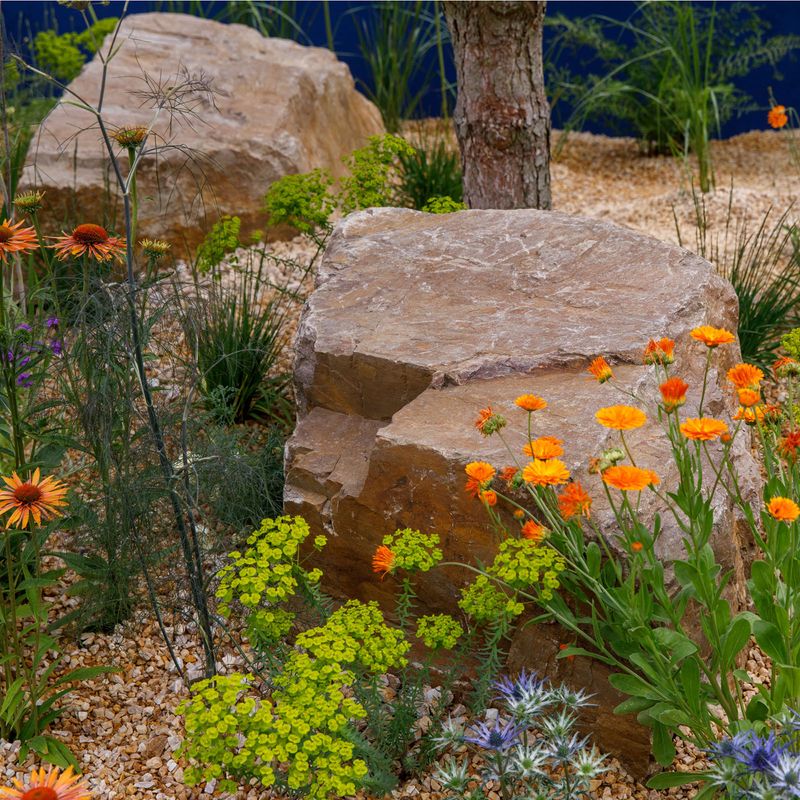
Squirrels prefer soft, easy soil. Make the surface a little rougher, and many will move on to simpler digging spots.
A layer of gravel or small river rocks over a planting area can discourage digging. Larger flat stones placed around the base of young plants work too. They also help hold moisture in the soil, which is a nice bonus.
Some gardeners scatter pine cones or lay thin sticks crisscrossed over beds. Others poke short bamboo skewers or chopsticks into the soil a few inches apart. These obstacles make it awkward for a squirrel to dig a neat hole.
Fresh fluffy mulch can actually attract digging, so let mulch settle or water it in after spreading. Packed soil sends a less tempting message.
Repellent sprays with capsaicin or strong scents can help for short periods, but rain washes many of them away. Follow label directions, and reapply after storms.
Mix and match these tactics. One clever layer of rocks around your favorite hostas, plus wire over new bulbs, can change how much damage you see. A little creativity goes a long way when you share your yard with determined diggers.
Bird Feeders and Fallen Walnuts Turn Your Yard Into a Squirrel Buffet
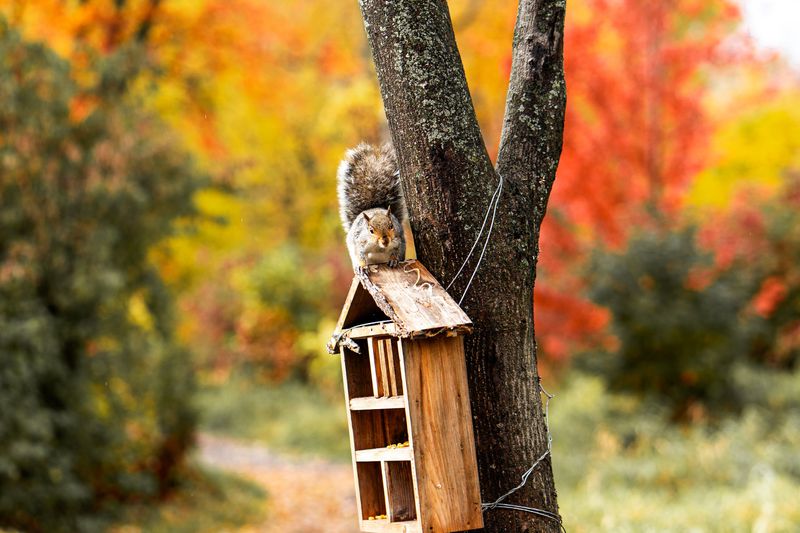
Squirrels go where the food is easiest. If your yard serves a steady menu, expect plenty of furry visitors and plenty of buried leftovers.
Bird feeders are the biggest magnet. Spilled sunflower seeds and corn draw squirrels in, and some of that bounty ends up buried in your flower beds. Try safflower seed or nyjer, which many birds enjoy but squirrels usually skip.
Placement matters too. Mount feeders on a pole with a baffle, about five feet off the ground and roughly ten feet from trees, fences, or roofs. Squirrels are amazing jumpers, so distance is key.
Nut trees add to the party. Oaks, hickories, and black walnuts are common across Illinois, and their fall crop fuels a lot of caching. Raking up fallen nuts regularly reduces the supply in your yard.
Pet food left outside and unsecured compost can attract squirrels as well. Keep bins closed and bring dishes indoors.
You will not make your yard squirrel-free, and that is fine. The goal is simply to make your garden less of an all-you-can-eat stop, so your beds stop doubling as storage.
Forgotten Acorns Help Plant the Next Generation of Illinois Oak Trees
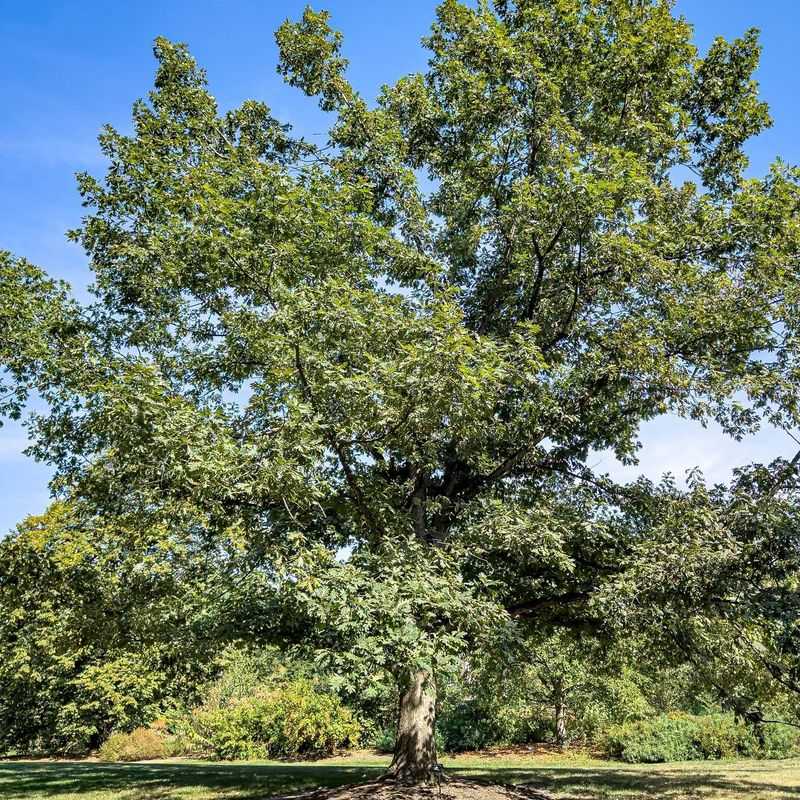
Those surprise oak seedlings popping up in your flower beds each spring? You can thank a squirrel with a spotty memory.
Many buried nuts are never recovered. Those forgotten acorns and hickory nuts can sprout and grow into new trees, which makes squirrels important seed planters for forests and parks. Oaks, a keystone tree in Illinois, benefit greatly from this habit.
Pull unwanted seedlings while they are small, since young taproots grow deep fast. A sprout in the wrong spot is easy to remove in spring and much harder later. Remember the legal side too. Squirrels are regulated game animals in Illinois.
Check current Illinois Department of Natural Resources rules before trapping, or hire a licensed wildlife control operator.
Relocating squirrels yourself may not be allowed under Illinois rules, and it rarely solves the problem anyway.
Your best next steps are simple. Protect bulbs with wire, choose plants squirrels dislike, tidy up food sources, and accept a little digging as part of fall.
I have come to enjoy watching these busy planters at work. A few holes in the lawn seem a fair trade for the oaks they help grow.