This Common Florida Backyard Feature Is Attracting More Wildlife Than Feeders
You may have noticed it happening in your neighborhood. One yard seems calm and quiet, while another suddenly feels alive.
Butterflies drift across flowers, cardinals hop between branches, and bees crowd blooms that weren’t there last season. It doesn’t come from expensive feeders or special birdseed.
It starts with a simple change more Florida homeowners are making in their own backyards. Across the state, traditional lawns are slowly giving way to more natural spaces filled with native plants.
These yards don’t just look different. They function differently.
They provide food, shelter, and safe places for wildlife to raise young. As a result, birds stay longer, pollinators return in greater numbers, and species that once skipped over suburban neighborhoods are starting to move back in.
What makes this shift even more interesting is how quickly it works. Many homeowners report seeing new wildlife activity within weeks of planting.
The change doesn’t require major renovations or large budgets. It simply means working with Florida’s natural landscape instead of fighting against it.
Why Feeders Are No Longer Enough
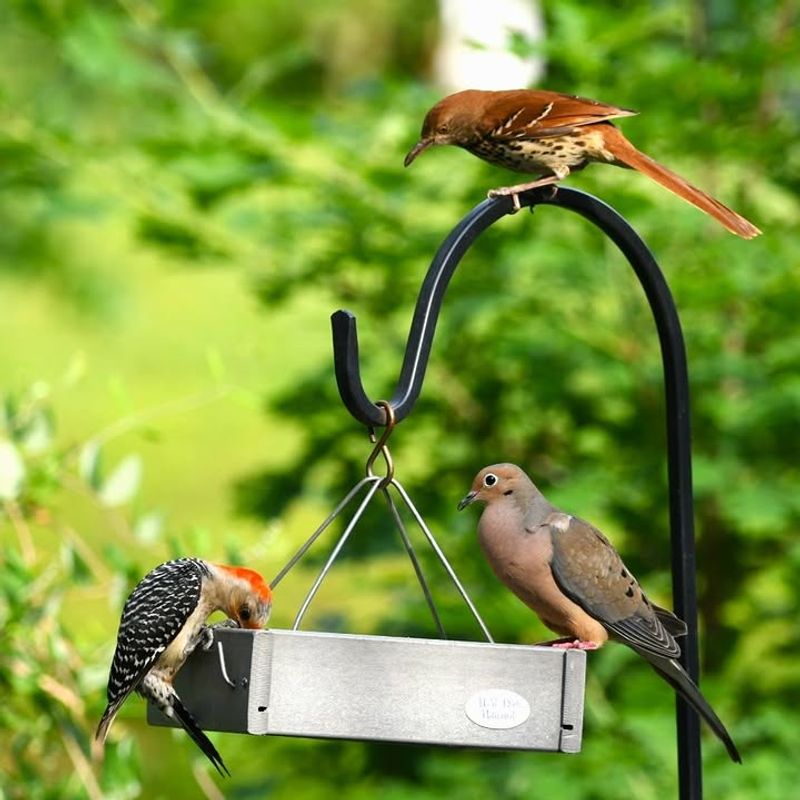
Feeders have their place, but they only solve part of the puzzle when it comes to supporting Florida wildlife. Birds need more than seed; they need shelter from afternoon storms, safe nesting spots, and natural food sources that feeders simply can’t replicate.
A hummingbird feeder might bring a ruby-throated visitor for a few seconds, but a native coral honeysuckle vine keeps them coming back all season long.
Feeders also require constant maintenance, especially in Florida’s heat and humidity. Mold grows quickly, seed spoils faster than you’d expect, and sugar water ferments in just a day or two during summer.
When you rely solely on feeders, you’re committing to a weekly chore that wildlife doesn’t actually need if better options exist nearby.
What’s more, feeders attract only a narrow slice of the wildlife community. Seed feeders bring finches and sparrows, but they do nothing for butterflies, native bees, or the warblers that prefer insects over seeds.
Your backyard has the potential to support dozens of species, but feeders alone will never unlock that diversity.
University of Florida IFAS Extension guidance emphasizes that habitat-based approaches provide broader, longer-term benefits for wildlife than feeding stations alone. Birds that forage naturally develop stronger immune systems and better survival skills than those dependent on human-provided food.
What This Backyard Feature Really Is
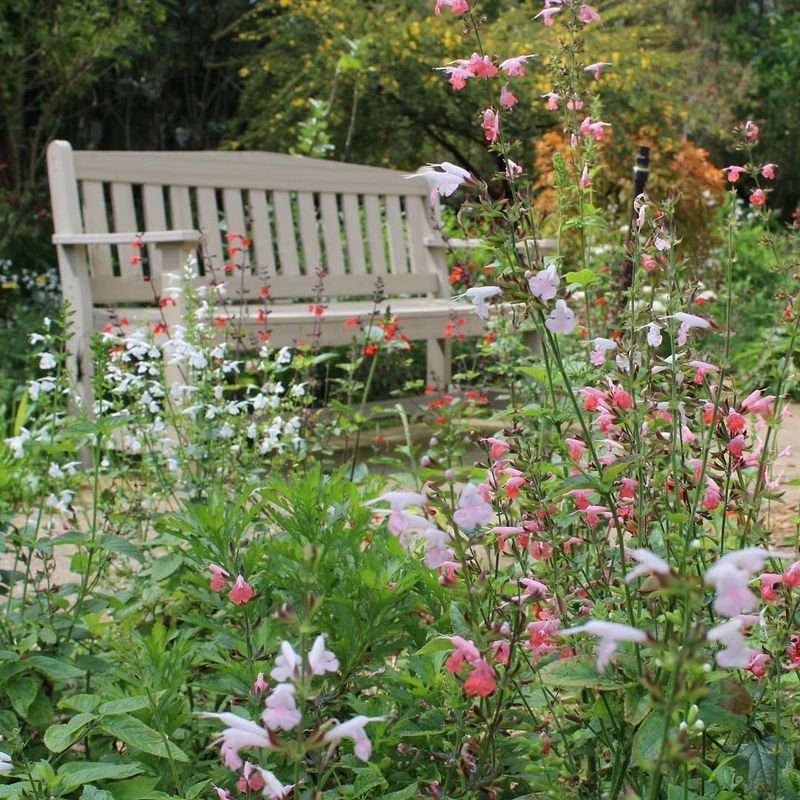
The feature transforming Florida backyards isn’t a product you buy or a structure you build. It’s a habitat zone—a dedicated area where native plants grow in clusters, providing food, shelter, and nesting materials for local wildlife.
Think of it as a miniature version of the natural Florida landscape that existed before lawns and ornamental shrubs became the standard.
These habitat zones can be as small as a corner bed or as large as half your yard. The key is plant diversity: grasses, wildflowers, shrubs, and small trees working together to create layers of vegetation.
This layering mimics natural Florida ecosystems and gives different species the specific resources they need at various heights and times of year.
You’re not creating a wild tangle or an unkempt mess. Florida-Friendly Landscaping principles encourage intentional design that looks attractive while functioning ecologically.
A well-planned habitat zone has visual appeal with seasonal blooms, interesting textures, and movement from grasses swaying in the breeze.
Audubon Florida recommends starting with at least seventy percent native plants in these zones.
Natives have co-evolved with Florida wildlife over thousands of years, so they provide exactly what local species need, from the right nectar concentration for native bees to host plants for butterfly larvae.
Why Native Plants Attract More Wildlife
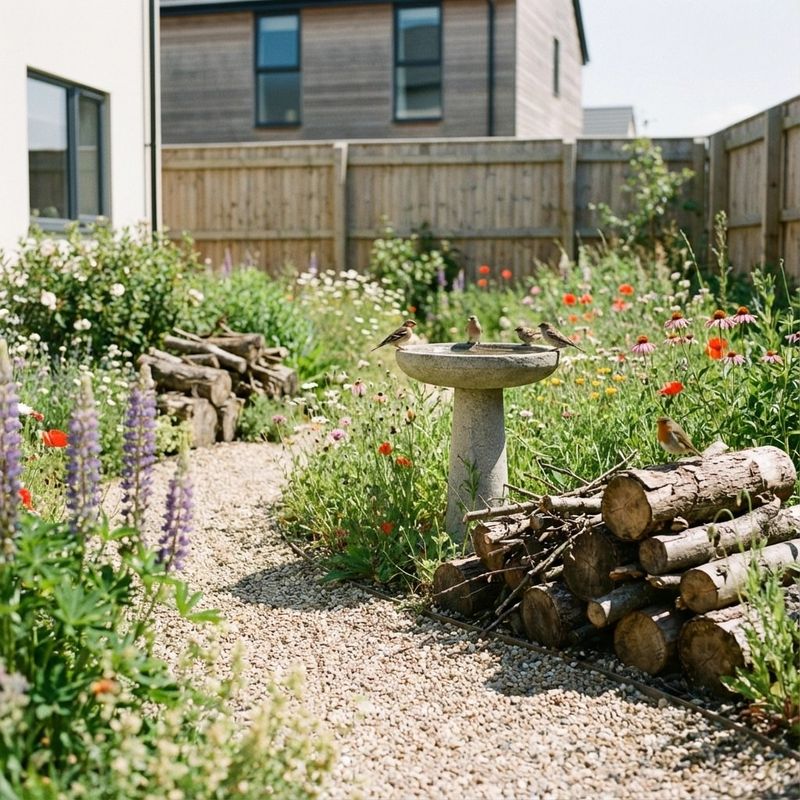
Native plants speak the language Florida wildlife understands. A painted lady butterfly can’t lay eggs on a non-native ornamental because its caterpillars won’t recognize the leaves as food.
But place a native passion vine in your yard, and gulf fritillaries will find it within days, sometimes within hours. This specificity is why native plants consistently outperform exotics when it comes to wildlife support.
Insects are the foundation of this system, and native plants support exponentially more insect diversity than non-natives.
Research from the University of Delaware found that native oak trees support over five hundred species of caterpillars, while common landscape trees from Asia support fewer than fifty.
Those caterpillars become food for baby birds: chickadees, warblers, and wrens all rely on them to raise their young.
Your native plant habitat also produces food at the right times. Beautyberry ripens just as migrating thrushes pass through Florida in fall.
Coontie produces seeds that support wildlife during nesting season, including species like Florida scrub-jays in suitable habitats. This timing isn’t coincidence; it’s the result of thousands of years of ecological relationships that artificial feeding can’t replicate.
Even the structure of native plants matters. Saw palmetto provides dense cover where ground-feeding towhees feel safe from hawks overhead.
Native grasses offer nesting material that birds instinctively recognize and prefer over synthetic alternatives.
How Florida Wildlife Uses Backyard Habitat
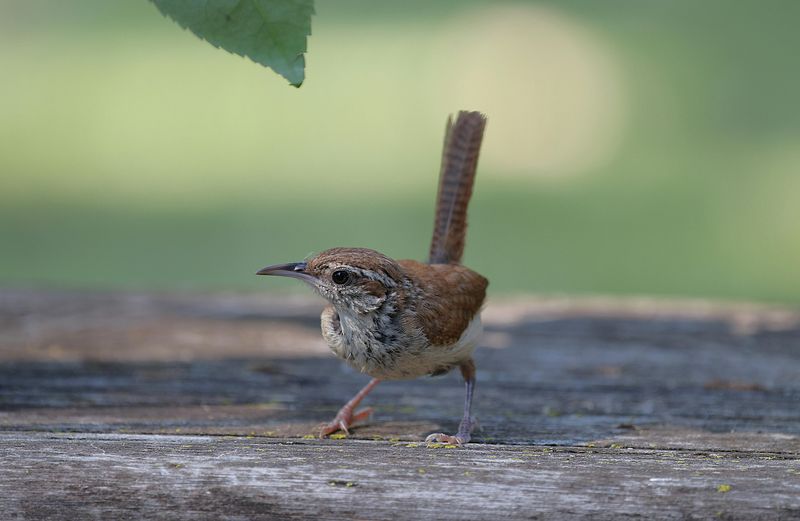
Wildlife doesn’t just visit habitat zones; they live in them. A Carolina wren might build her nest in the tangle of native coral honeysuckle, then spend weeks catching insects from nearby native plants to feed her chicks.
That same vine provides nectar for hummingbirds in spring and berries for mockingbirds in fall. One plant becomes a complete ecosystem supporting multiple species across seasons.
Watch your habitat zone closely and you’ll notice different species using different layers throughout the day. Early morning brings ground feeders like mourning doves scratching beneath native grasses.
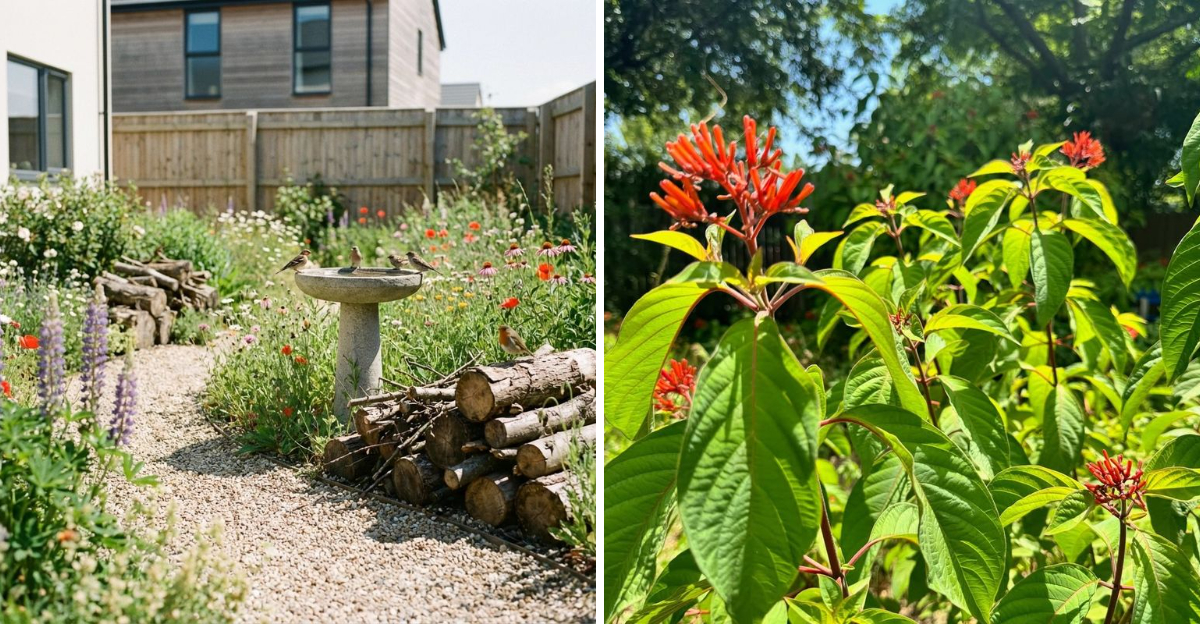
Midday heat sends lizards into the shade of low shrubs like firebush. Evening brings bats swooping through the open spaces above your plants, catching moths attracted by night-blooming natives.
Native bees and butterflies use these spaces differently than birds. They need host plants for reproduction, nectar sources within easy flight distance of each other, and bare ground for ground-nesting bee species.
Your habitat zone provides all three, creating a complete life cycle support system that a feeder never could.
Mammals benefit too, though you might not see them as often. Rabbits browse native grasses, raccoons forage for insects among leaf litter, and even bobcats may pass through larger or well-connected habitat areas while hunting.
Your small patch connects to a larger network of green spaces that wildlife uses to move safely through increasingly developed landscapes.
Seasonal Benefits Throughout The Year
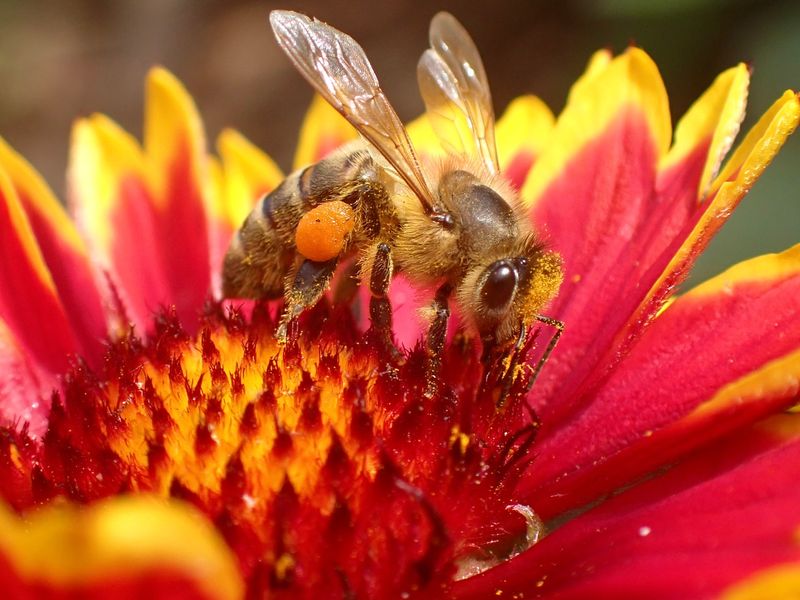
Florida’s year-round growing season means your habitat zone never stops producing. Winter brings migrating warblers and sparrows that spend months feeding on insects and seeds your native plants provide.
You’ll see palm warblers hopping through native grasses and white-throated sparrows scratching beneath beautyberry shrubs, behaviors you’d never witness at a seed feeder.
Spring explodes with nesting activity as residents like cardinals and blue jays build homes in native shrubs. Firebush blooms attract the first ruby-throated hummingbirds returning from Central America, while native wildflowers like blanket flower support emerging butterflies and native bees.
This is when you’ll notice the most dramatic increase in backyard activity compared to feeder-only yards.
Summer heat doesn’t slow things down, it just shifts the cast of characters. Zebra longwing butterflies patrol for passion vines, giant swallowtails seek out citrus and hercules club trees, and resident birds bring their fledglings to forage among the insects your natives support.
Even during afternoon thunderstorms, dense native vegetation provides shelter that keeps wildlife safe and comfortable.
Fall migration brings another wave of visitors. Thrushes gorge on beautyberry and elderberry fruits to fuel their journey south.
Painted buntings stop to rest in native grass cover. Your habitat zone becomes a critical refueling station that helps migrants survive their long journeys.
How North Florida Backyards Respond
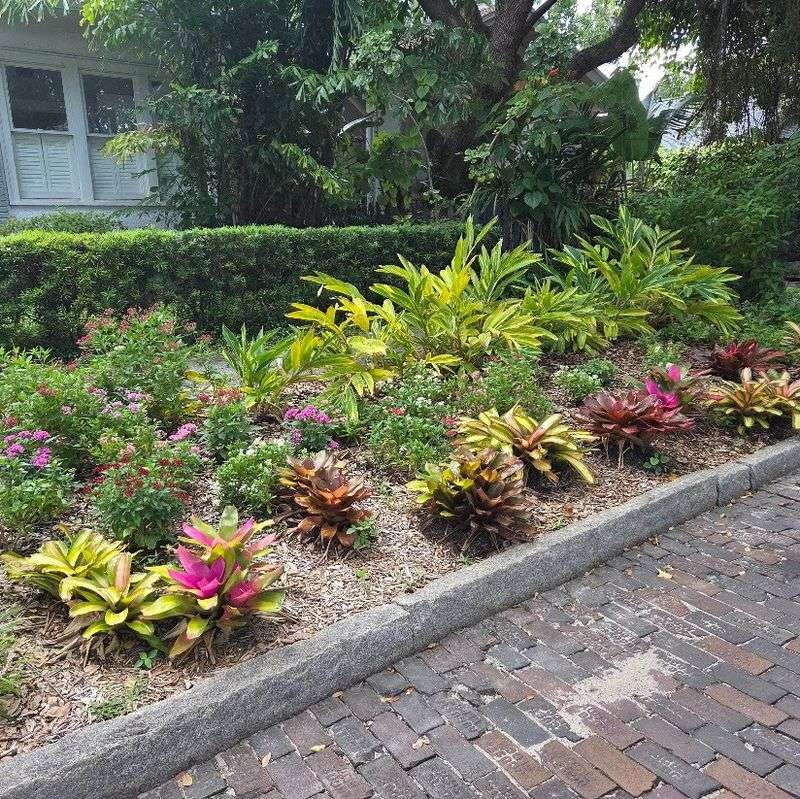
North Florida’s cooler winters and distinct seasons create unique opportunities for habitat zones.
Your native plants might go semi-dormant in January, but they’re still working. Seed heads from native grasses feed sparrows and finches, and bare branches provide perching spots where birds scan for insects in leaf litter below.
This seasonal rhythm feels natural because it matches the ecological patterns North Florida wildlife evolved with.
Native azaleas bloom in early spring across North Florida, providing nectar when few other sources exist. Pair them with native oakleaf hydrangea and you’ve created a shade-tolerant understory that supports spring migrants just arriving from the tropics.
These plants thrive in North Florida’s clay soils and occasional freezes, conditions that challenge many non-native alternatives.
Summer humidity in North Florida supports incredible insect diversity, which translates directly to bird activity in your habitat zone. Native Joe Pye weed and ironweed bloom tall in late summer, attracting swallowtail butterflies and providing seeds for goldfinches in fall.
These plants can handle North Florida’s occasional drought periods without the constant watering non-natives require.
University of Florida IFAS Extension recommendations for North Florida emphasize cold-hardy natives like beautyberry, yaupon holly, and native wax myrtle.
These shrubs provide year-round structure and produce berries that help resident birds survive those occasional hard freezes when insect availability drops dramatically.
What Works Best In Central Florida
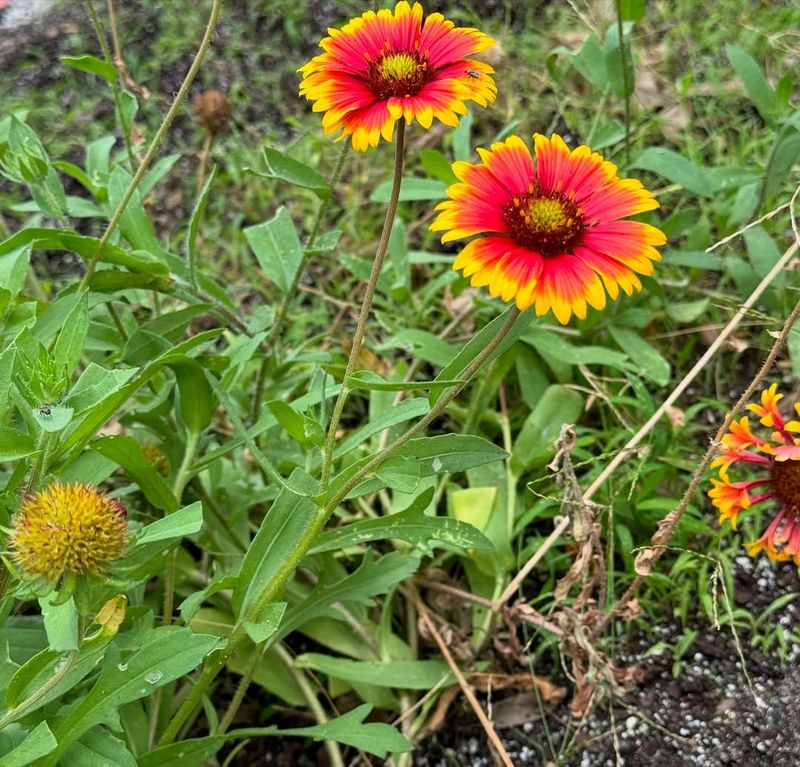
Central Florida sits in a transition zone where temperate and subtropical species overlap, giving you the widest plant palette in the state.
Your habitat zone can include both cold-hardy natives like beautyberry and tropical species like firebush, creating year-round blooms that support hummingbirds during migration and overwintering periods.
Sandy soils dominate much of Central Florida, which means native plants adapted to these conditions will thrive with minimal care. Coontie, gopher apple, and wiregrass all love well-drained sand and support specialized wildlife.
Coontie hosts the rare Atala butterfly, a species that nearly disappeared but is rebounding thanks to homeowners planting this native cycad in their yards.
Central Florida’s long growing season means your habitat zone produces multiple bloom cycles. Native salvia flowers in spring and again in fall, blanket flower blooms from March through November, and Spanish needles provide nectar even during summer’s hottest weeks.
This extended productivity keeps wildlife populations stable and well-fed throughout the year.
Water features work especially well in Central Florida habitat zones. A small recirculating fountain surrounded by native ferns and coontie creates a microhabitat that attracts species you might not otherwise see.
Warblers, vireos, and even painted buntings can visit these water sources, especially during spring and fall migration when thousands of birds pass through Central Florida’s urban corridors.
How South Florida Wildlife Behavior Differs
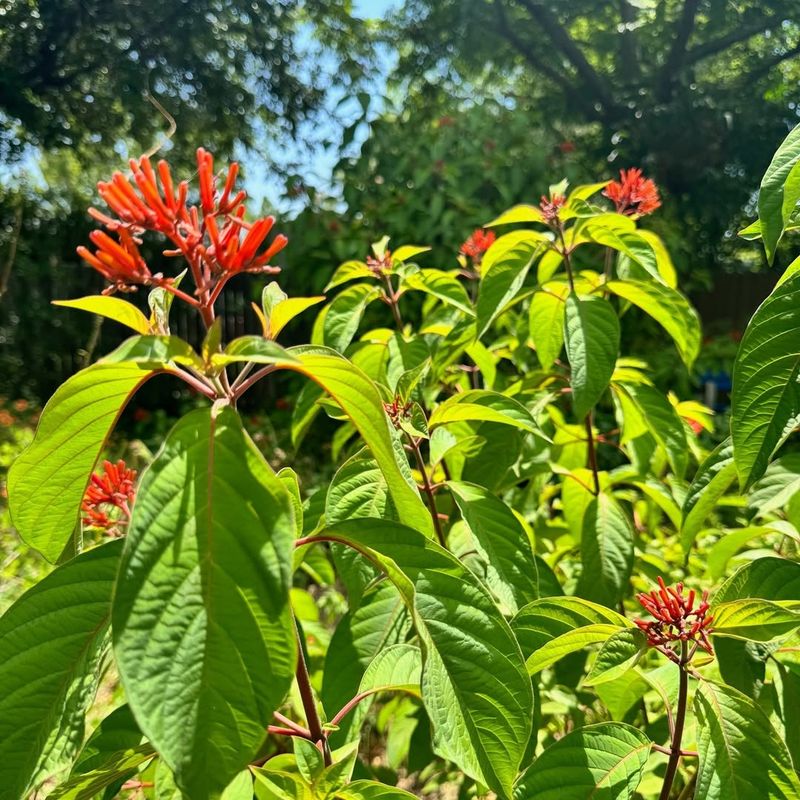
South Florida’s tropical climate creates wildlife patterns you won’t see farther north. Many species are year-round residents rather than migrants, which means your habitat zone supports the same birds, butterflies, and bees month after month.
This consistency allows you to develop deeper familiarity with individual animals. You might recognize the same gray catbird visiting your native stoppers every day for years.
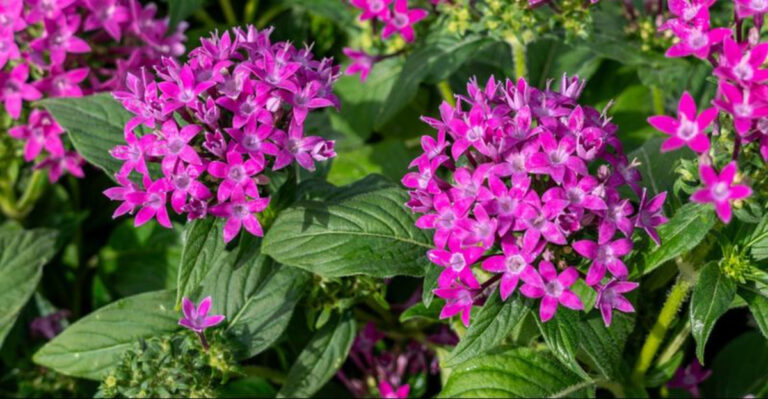
Native plant selection in South Florida leans heavily tropical. Firebush, coral honeysuckle, and native pentas bloom continuously, supporting resident hummingbirds and butterflies that never migrate.
Stoppers—Simpson’s stopper, Spanish stopper, and white stopper, produce berries that feed mockingbirds, catbirds, and robins throughout winter when northern yards are frozen solid.
South Florida’s hurricane season makes habitat zones especially valuable. Dense native vegetation provides shelter during summer storms that can devastate wildlife populations.
After a hurricane passes, your habitat zone becomes a critical refuge where displaced animals find food and cover while the broader landscape recovers.
Coastal South Florida habitats also support specialized species. Native sea grape and muhly grass tolerate salt spray and provide food for species adapted to coastal conditions.
If you’re near the coast, these plants attract birds and butterflies that might ignore inland gardens, creating opportunities to support unique wildlife communities that exist nowhere else in Florida.
What Homeowners Notice After Making The Change
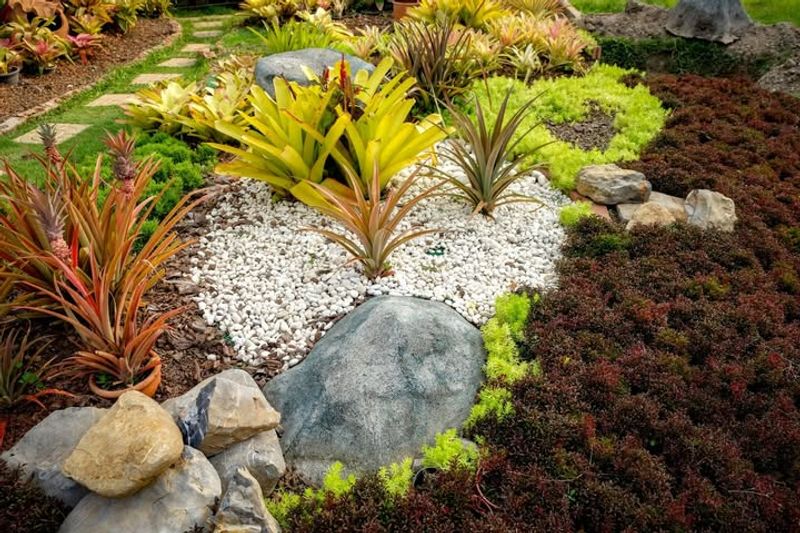
The first thing you’ll notice is sound. Your backyard becomes louder, not with traffic or neighbors, but with birdsong, insect hums, and rustling leaves as wildlife moves through your habitat zone.
Early mornings sound different when cardinals, wrens, and mockingbirds are all singing from your native shrubs instead of from distant trees.
Visual activity increases dramatically within weeks of planting natives. Butterflies appear first because they’re mobile and actively searching for host plants.
Then birds discover the insects your plants attract, and suddenly you’re seeing species you’ve never noticed before, warblers, vireos, and gnatcatchers that ignored your feeder but love foraging through native foliage.
You’ll spend more time outside, not because you’re maintaining feeders but because there’s always something interesting happening. A zebra longwing butterfly emerging from its chrysalis on a passion vine.
A family of wrens teaching their fledglings to hunt insects. Hummingbirds defending their favorite firebush from competitors.
These moments happen spontaneously in habitat zones but rarely at feeders.
Neighbors start asking questions. They notice the activity in your yard and want to know your secret.
This is how habitat zones spread through communities—one curious homeowner at a time, each one discovering that supporting Florida wildlife is easier, more effective, and more rewarding than they ever imagined possible.
Getting Started With Your First Habitat Zone
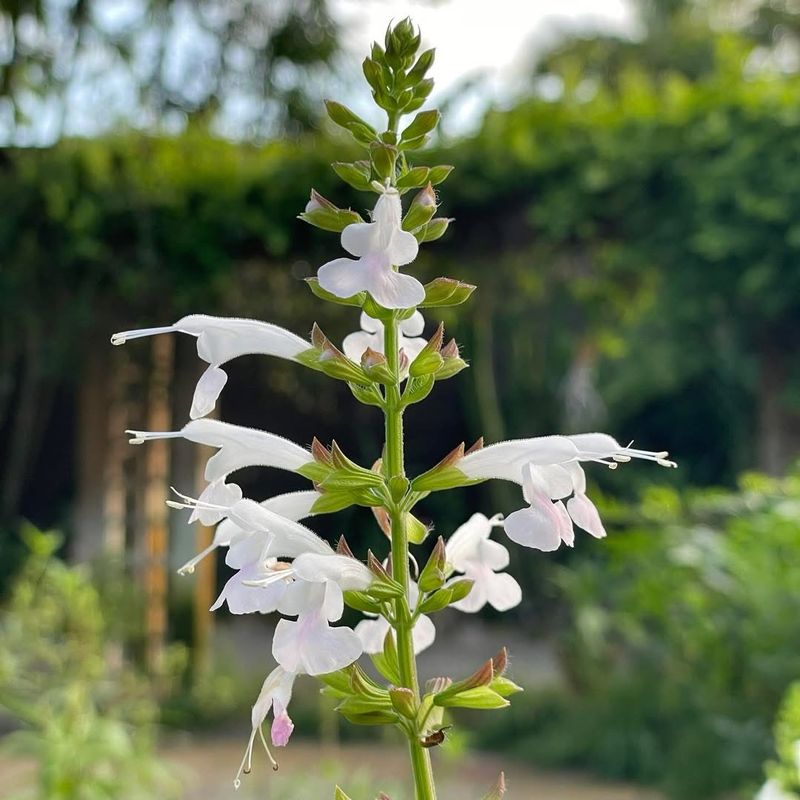
Start small and expand gradually. Choose a corner of your yard that gets at least six hours of sunlight—this gives you the widest range of native plant options.
A ten-by-ten-foot area is enough to make a measurable difference for wildlife while keeping the project manageable for a weekend of work.
Remove existing grass and weeds down to bare soil, then plant in clusters rather than rows. Group three to five plants of the same species together, which makes it easier for wildlife to find them and creates visual impact.
Mix heights and bloom times so something is always flowering and the zone looks intentional rather than random.
Choose beginner-friendly natives that establish quickly and require minimal care. Blanket flower, coontie, and firebush top the list for most Florida regions.
Add a native grass like muhly grass for texture and movement. Include at least one host plant for butterflies—passion vine for gulf fritillaries or milkweed for monarchs.
Water regularly for the first eight weeks while roots establish, then back off and let natural rainfall take over. Native plants evolved to handle Florida’s wet summers and dry springs without supplemental irrigation.
Mulch with natural materials like pine straw or shredded leaves to retain moisture and suppress weeds during establishment.
Document what you see with photos or a simple journal. You’ll be amazed how quickly wildlife responds to your efforts.
Maintaining Your Habitat Zone For Long-Term Success
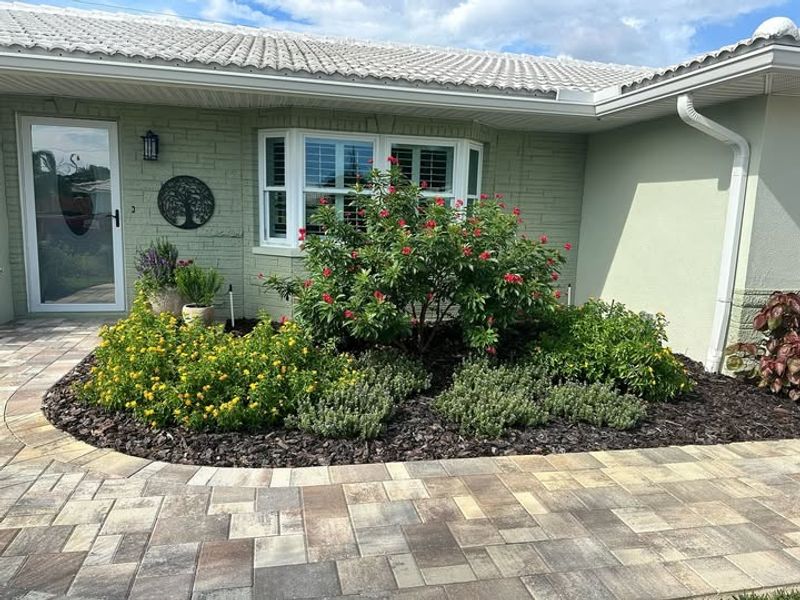
Maintenance looks different for habitat zones than for traditional landscapes. You’re not aiming for manicured perfection, you’re managing for wildlife benefit, which means leaving seed heads standing through winter, allowing leaf litter to accumulate in some areas, and resisting the urge to tidy everything up.
Prune native shrubs lightly and only when necessary, typically in late winter before spring growth begins. Avoid heavy pruning during nesting season from March through August when birds are actively raising young in your plants.
A few unruly branches are a small price to pay for successful nesting activity.
Weeds will appear, especially in the first year. Hand-pull invasive species like Caesar weed and Mexican petunia before they set seed.
These non-natives can quickly overtake your habitat zone and provide little value to wildlife. Stay persistent with weeding during year one, and by year two your natives will have filled in enough to suppress most weed growth naturally.
Resist fertilizers and pesticides completely. Native plants don’t need fertilizer once established; they evolved in Florida’s naturally low-nutrient soils.
Pesticides eliminate the insects that are the whole point of creating habitat in the first place. If you’re seeing chewed leaves on your plants, celebrate!
That means caterpillars are present, which means birds will bring their babies to your yard to feed.