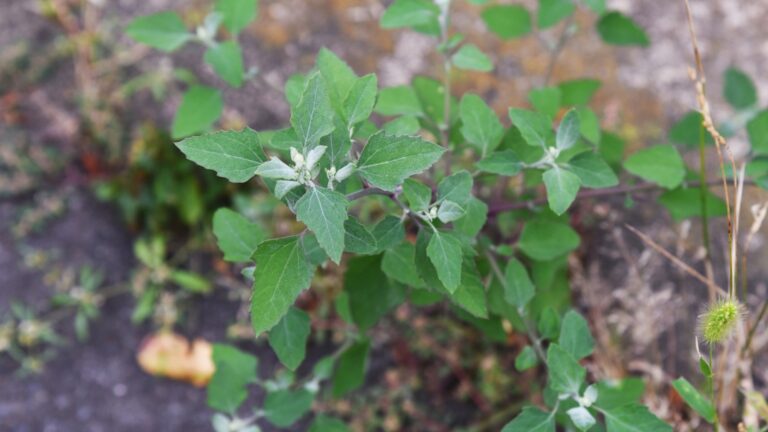
This Common Garden Weed Spreads Faster Than Most People Realize
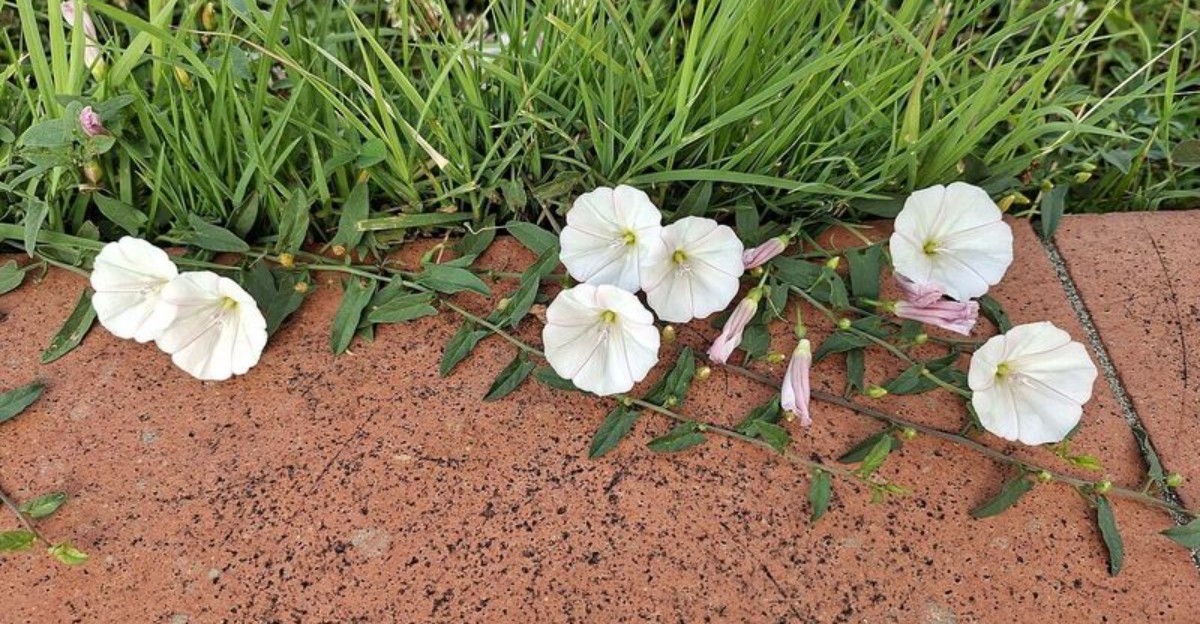
Something has been on the move through your garden beds since August, quietly and without asking. By the time you spot the first sign above ground, it has already claimed more ground than the leaves let on.
Neighbors trade the same regretful story across fences every fall, usually starting the same way. A patch that looked manageable back in June can quietly swallow an entire bed by September.
Pull it and it comes back thicker within days. Cut it at the soil line and three new shoots rise from ground you never even touched, each one acting like it was there first.
Your tomatoes have already noticed the new neighbor moving in. They are keeping their distance, and honestly, so should you.
Field Bindweed Behind The Sudden Takeover
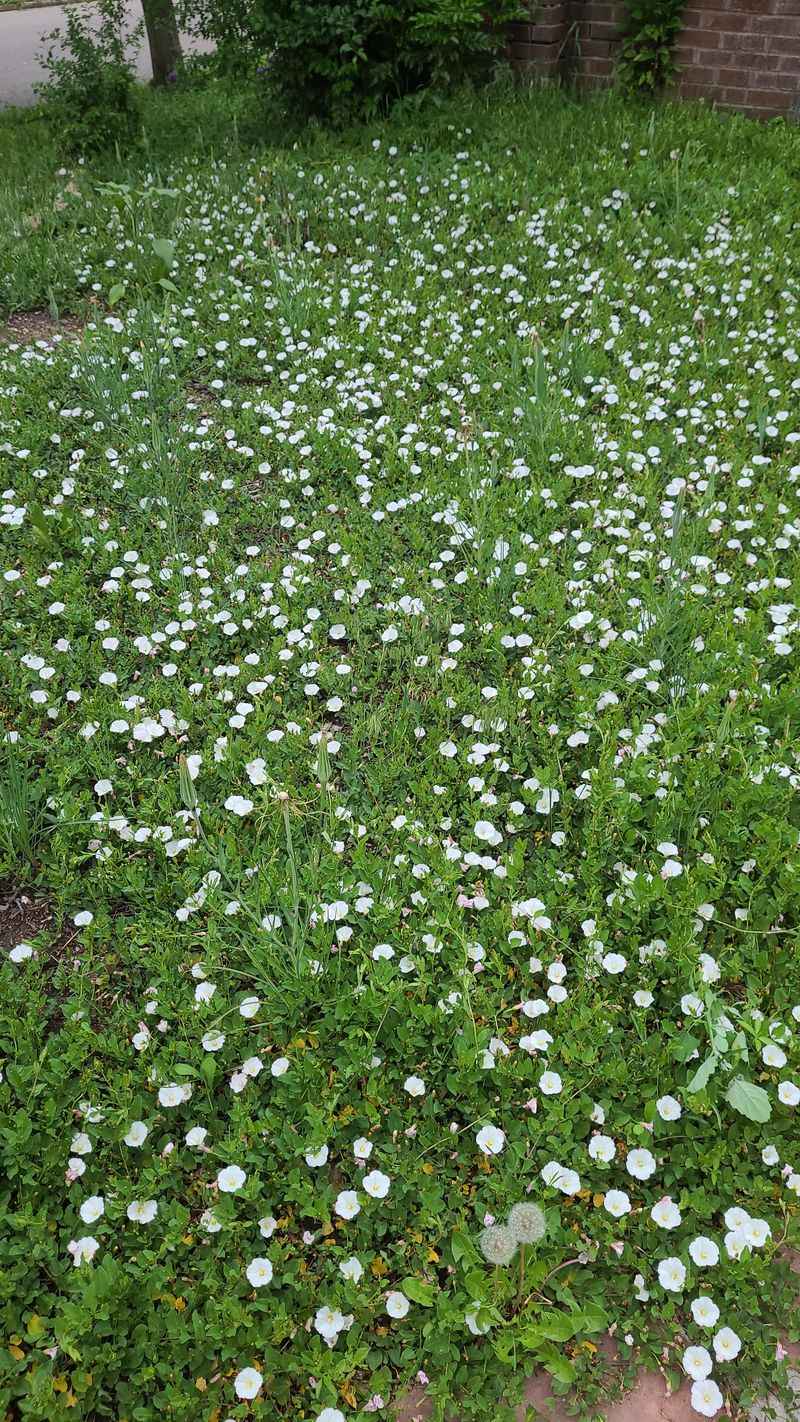
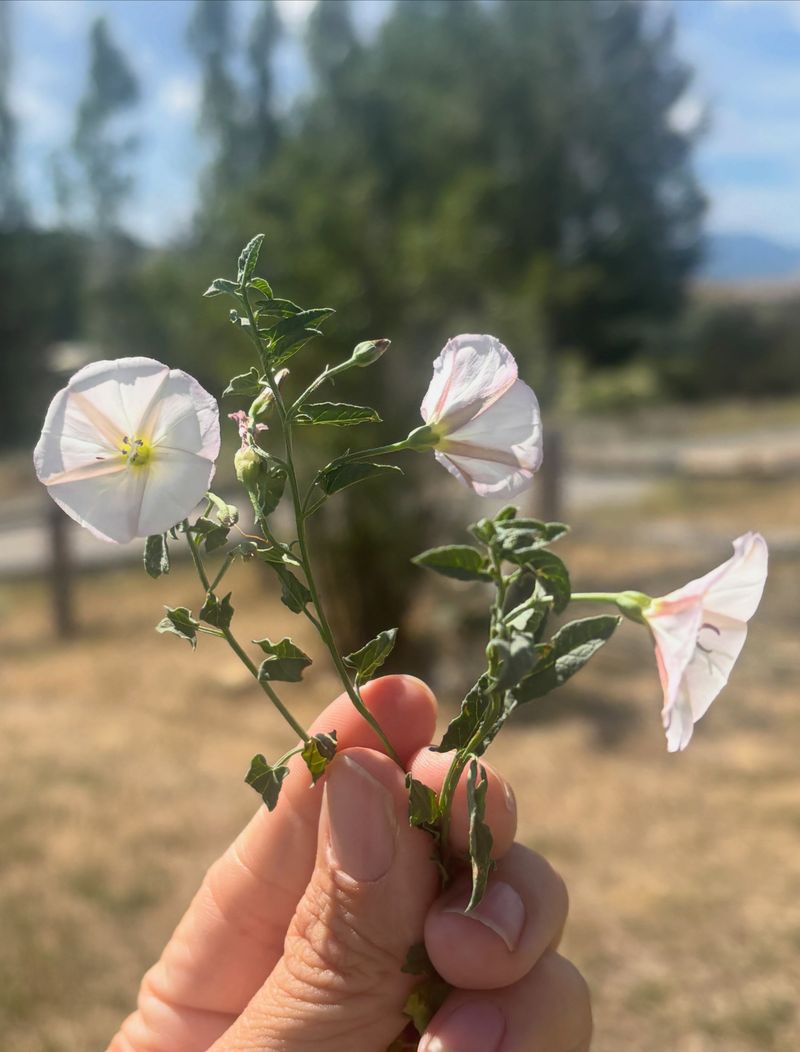
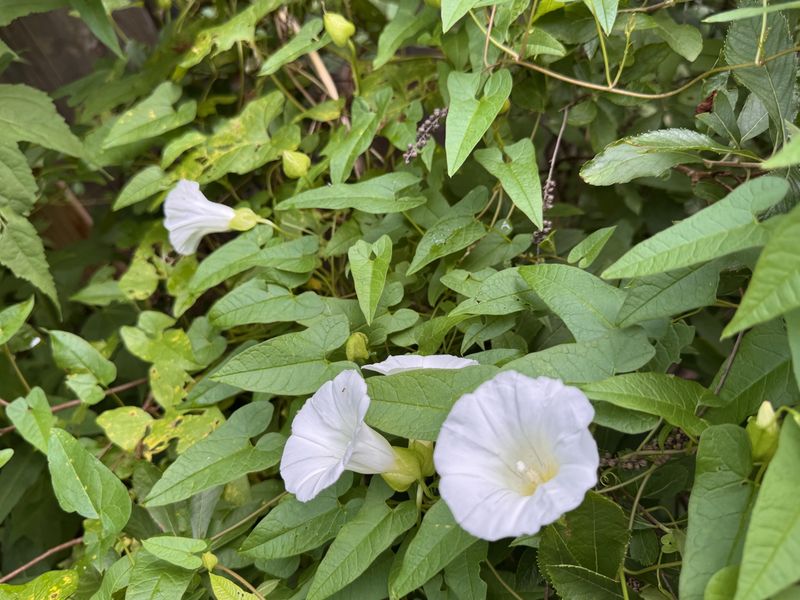
Those white trumpet flowers and arrow shaped leaves belong to field bindweed, a relative of morning glory. Gardeners sometimes welcome the blooms for a season, then wonder where the entire vegetable bed went.
A single plant can spread across ten feet of ground during one generous growing season. Its stems twist around tomato cages, fences, and anything else that stands still long enough.
Identification matters, because bindweed resembles harmless wild morning glory during a quick walk past the bed. Check the leaves, since bindweed foliage stays smooth with blunt lobes near the base.
Flowers open white or soft pink, roughly an inch wide, and close by late afternoon. Hedge bindweed, a bigger cousin, carries larger blooms and behaves with the same stubborn energy.
The speed catches people off guard because most of the plant sits below the soil. Above ground you see a vine, while below ground you have a sprawling supply network.
Bindweed arrived in North America during the 1700s, most likely mixed into imported crop seed. Two centuries later it grows in nearly every state, from wheat fields to raised beds.
Spotting it early gives you the single biggest advantage in this whole long process. One seedling pulled this week saves you many weekends of labor over the next years.
Walk your beds slowly and check near fence posts, compost piles, and gravel driveway edges. Those quiet corners are usually where new patches begin their slow motion takeover.
The Root Network That Powers Its Speed
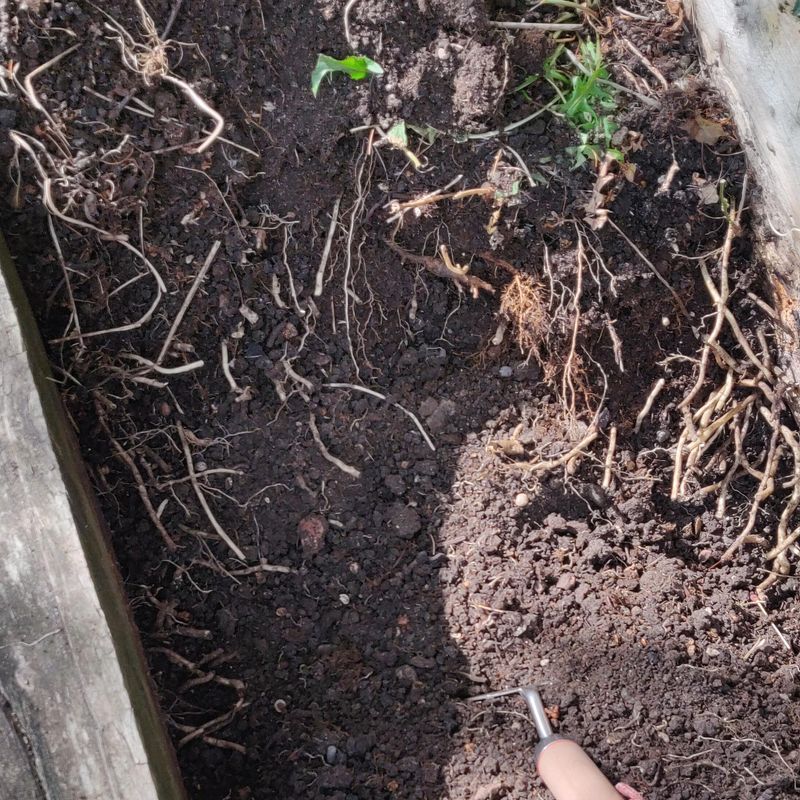
Underneath one bindweed plant sits a root system that can reach twenty feet into the ground. Most of the real action happens in the top two feet, where lateral roots run sideways.
Those side roots carry dormant buds, and every single bud can launch a brand new shoot. Chop a single root into five pieces and you may soon have five separate plants.
Gardeners call these underground stems rhizomes, and they store sugar like a well stocked pantry. Cut the top off and that pantry funds a replacement within a couple of weeks.
Seeds add a second layer of trouble that plenty of home gardeners quietly overlook. A mature plant produces hundreds of seeds, and those seeds stay viable in soil for decades.
Agricultural researchers have recorded bindweed seed sprouting after twenty years of quiet burial in soil. A patch cleared today can still surprise the gardener who buys your house someday.
Roots also travel under paths, driveways, and fence lines without asking anyone for permission. A neighbor’s untended patch can feed shoots that appear in your carrot row each spring.
Drought hardly slows it, since deep roots reach moisture that shallow vegetable roots cannot touch. That explains why bindweed looks fresh while your beans wilt during a hot August week.
Understanding this network shifts your strategy from quick pulling toward slow, steady, repeated pressure. Think of it less as a vine to remove and more as a battery that recharges underground.
September Timing That Works In Your Favor
Autumn flips a switch inside perennial weeds, and that switch happens to work in your favor. As days shorten, bindweed moves sugars downward to stock its roots for the coming winter.
Anything you apply to the leaves during this period travels along that same downhill route. Systemic herbicides such as glyphosate reach deeper into the root system in September than June.
Chemical free gardeners can use the same logic with repeated cutting and careful smothering. Removing leaves every fall stops the plant from refilling its underground savings account before winter.
Timing within the season matters as well, so target plants that still carry healthy green growth. Frost damaged foliage cannot move anything downward, and most of your effort goes to waste.
Most regions offer a useful window between early September and the first hard autumn freeze. Warm afternoons with decent moisture in the root zone give you the strongest movement.
Harvest season helps too, because clearing beds finally exposes vines you could not reach earlier. Once the tomatoes come out, bindweed hiding inside the cages has nowhere left to hide.
Fall work also protects spring, when bindweed sprouts well before most vegetable transplants go in. A weakened patch starts slower, which hands your seedlings a genuine head start.
Mark treated areas with flags or stakes so you can inspect the same spots in May. Memory fades over winter, and bindweed quietly counts on that more than you might expect.
The Tilling Mistake Most Gardeners Repeat
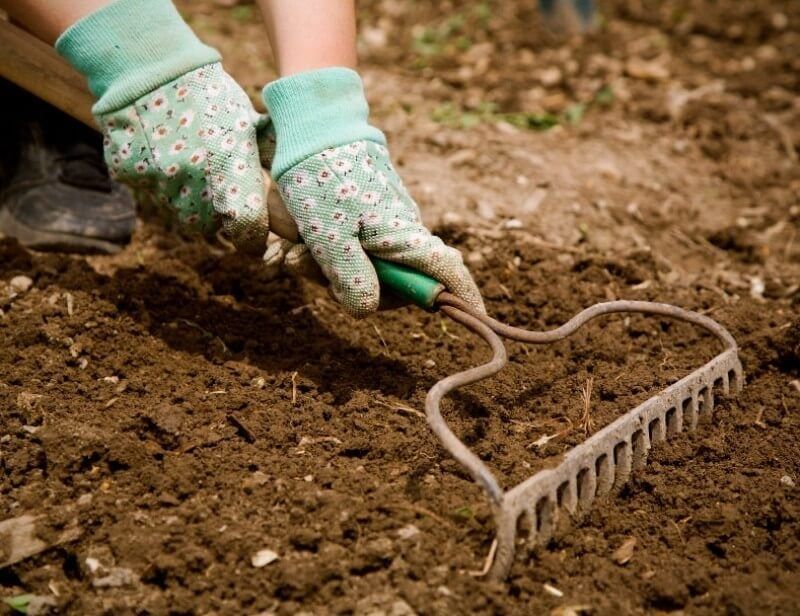
Nothing spreads bindweed faster than a rototiller pushed straight through an infested vegetable bed in spring. Spinning blades slice roots into hundreds of pieces, and most pieces carry a bud ready to sprout.
Researchers have measured shoot counts multiplying several times over after a single pass with tillage equipment. Gardeners walk away feeling productive, then meet a thicker, angrier patch about three weeks later.
Hand pulling carries a gentler version of the same problem, especially in dry, compacted soil. Stems snap at the soil line, leaving the roots untouched and mildly inconvenienced.
Another frequent misstep involves tossing armloads of pulled bindweed onto an ordinary backyard compost pile. Root fragments survive cool piles easily, then ride finished compost right back into your beds.
Plenty of gardeners spray once in spring, watch the leaves brown, and consider the job handled. Roots push fresh shoots through that same spot within a month, often in greater numbers.
Moving soil around is a quieter culprit that deserves far more suspicion than it gets. Free fill dirt, shared plant divisions, and secondhand pots frequently arrive with root fragments included.
Rinse the roots of gifted plants before planting, and hold questionable pots aside for one season. A few minutes of caution now beats several years of crawling around under your squash.
Skipping a single year is the last trap, because one relaxed summer rebuilds those root reserves. With this plant, steady consistency wins where short bursts of effort fall flat.
Patient Pressure On Established Patches
Picture an established bindweed patch as a bank account that you fully intend to overdraw. Every leaf you remove costs the plant energy it must withdraw from underground reserves.
Cutting shoots at soil level every two weeks through the season wears those roots down. It demands persistence, though most patches shrink noticeably by the second or third summer of work.
Smothering suits garden beds you can afford to take out of vegetable production for a year. Cardboard topped with six inches of mulch blocks light for a full twelve months.
Bindweed hunts for edges, so extend any covering at least two feet past the last shoot. Check monthly and cover any stems that sneak out along seams, corners, or torn spots.
For herbicide users, careful spot treatment in September beats broadcast spraying in almost every way. Paint or spray the leaves precisely, and keep any drift far away from nearby food crops.
Combining several methods usually outperforms relying on one favorite tactic through a long growing season. Mulch open ground, clip what appears, then treat regrowth once autumn movement runs downward.
Dense plant competition helps far more than most home gardeners expect it to. Vigorous cover crops such as winter rye shade the soil and slow emerging shoots down.
Plan on two or three seasons of steady attention for a mature, well fed patch. Progress appears as thinner stems, fewer flowers, and longer gaps between each new shoot.
Long Term Prevention For Clean Beds
Once a patch finally fades, prevention becomes the cheapest gardening habit in your entire routine. Bare soil invites new bindweed seedlings, so keep ground covered through fall and winter.
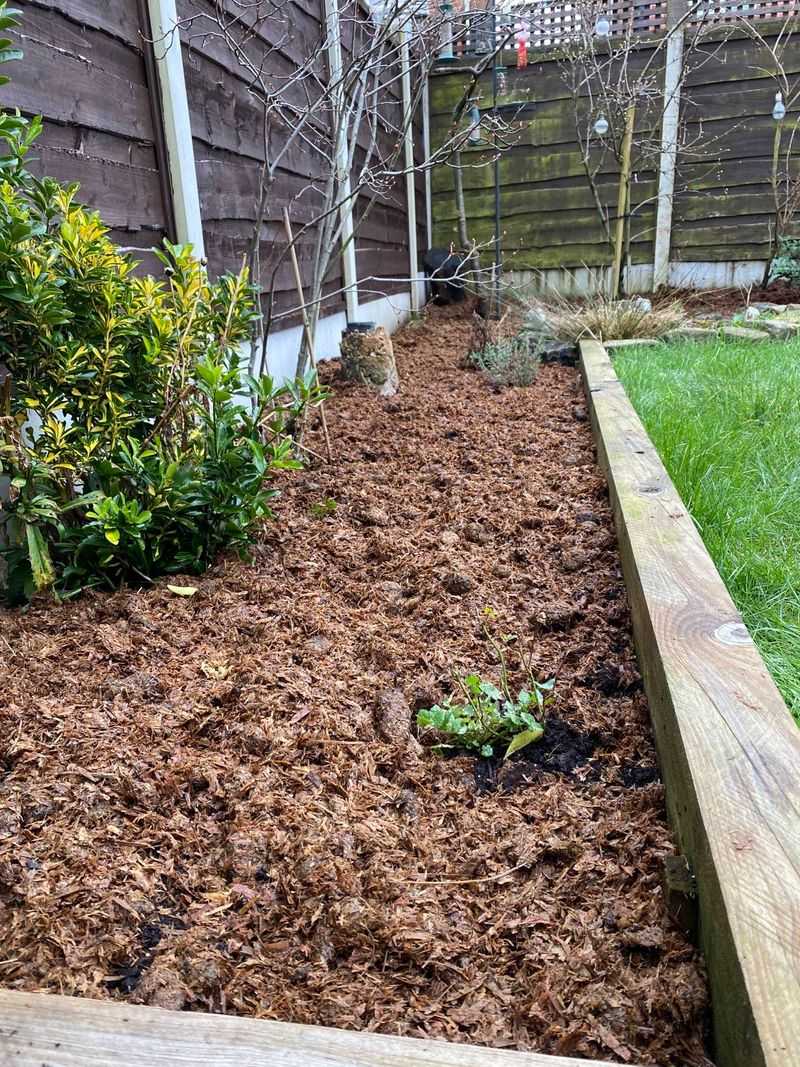
Mulch roughly three inches deep around vegetables and perennials, then refresh it each spring. Seedlings that cannot reach light give up long before building any useful root reserves.
Walk your fence lines, alley edges, and shed corners once a month during the season. Young bindweed slides out of moist soil easily during its first weeks above ground.
Flowers deserve special attention, since each bloom can set seed within a matter of days. Snip blossoms whenever you spot them, even if the roots must wait until September.
Clean your tools and boots after working in a weedy lot or a friend’s garden. Root fragments hitchhike in boot tread and on tiller tines without any trouble at all.
Inspect bagged soil, bulk compost, and nursery stock before any of it enters your yard. Good suppliers manage weeds carefully, though a two minute look still saves future headaches.
Neighbors matter too, so share what you learn with anyone sharing a fence with you. Bindweed does not respect property lines, and cooperation shrinks the problem for both yards.
Keep a simple notebook listing dates and locations for every patch you treat or cover. Written records beat guesswork when you plan your follow up work next September.
Bindweed rewards attention and punishes drifting focus, which makes it a surprisingly good teacher. Stay curious, stay stubborn, and your beds stay yours instead of its.