Have you met the White Rosebud geranium yet? Give it 4-6 hours of light, water when the topsoil dries, and deadhead for blooms all season
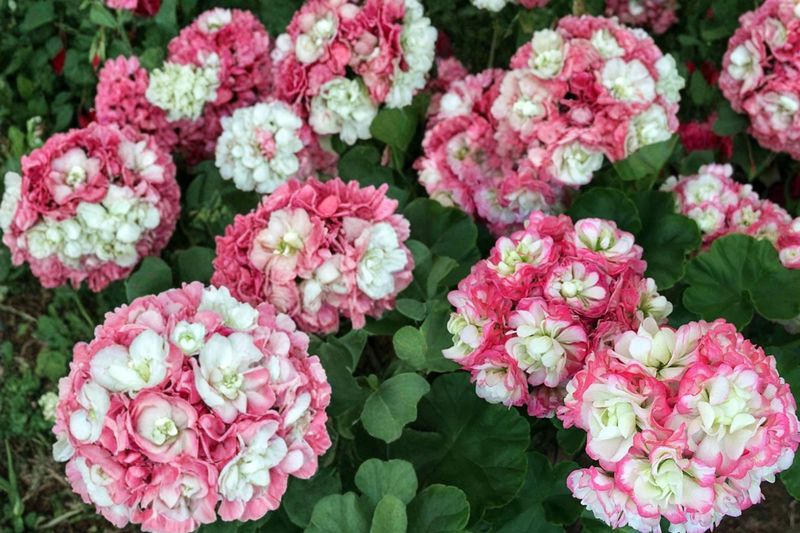
Something about the name “White Rosebud geranium” makes you want to clear a sunny spot on the porch and give it a home. Before you do, though, there is a small but important puzzle to sort out: the name belongs most firmly to a compact azalea, and the rosebud-form pelargonium that fits the container-garden picture carries some uncertainty about its origins.
Getting that identification right takes about two minutes and saves a whole season of mismatched care. Once you know what you have, the care routine is genuinely simple and very satisfying to follow.
First, verify which “White Rosebud” you bought
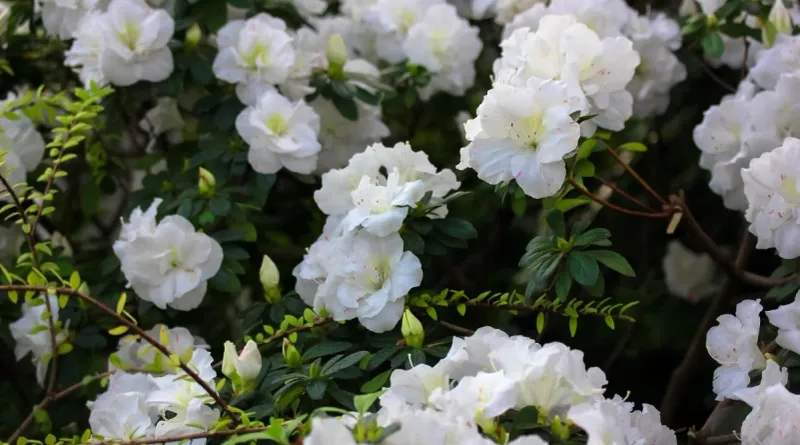
Sorting out a plant name before reaching for the watering can is not the most glamorous part of gardening, but it might be the most useful thing you do this season. “White Rosebud” is formally documented as a Kehr hybrid azalea: a compact evergreen shrub with white, double, rosebud-form flowers that blooms in May and tolerates temperatures down to at least -10 degrees Fahrenheit. The Azalea Society of America’s Kehr hybrid records list this plant clearly, and its care requirements, hardiness, and bloom season are entirely different from those of a tender container geranium.
A white rosebud-form pelargonium does exist in specialist collections. One specialist grower lists it under the name “White Rosebud” but notes that its origin is unknown, which makes it a weaker identification than a formal cultivar record.
To figure out which plant you actually brought home, check the nursery label first. Look at the foliage: azalea leaves are small, glossy, and evergreen on a woody shrub, while a pelargonium has soft, slightly fuzzy, often rounded or lobed leaves with a distinctive scent when rubbed.
If the plant arrived in a small plastic nursery pot alongside summer annuals, it is almost certainly a pelargonium.
One more thing worth knowing: the “geraniums” sold at most garden centers and grocery stores are botanically Pelargonium, not true Geranium cranesbills. The rest of this guide applies only to the container pelargonium, not to the azalea.
If you have the azalea, set this article aside and look up shrub care instead.
Check direct sun first for stronger flowering
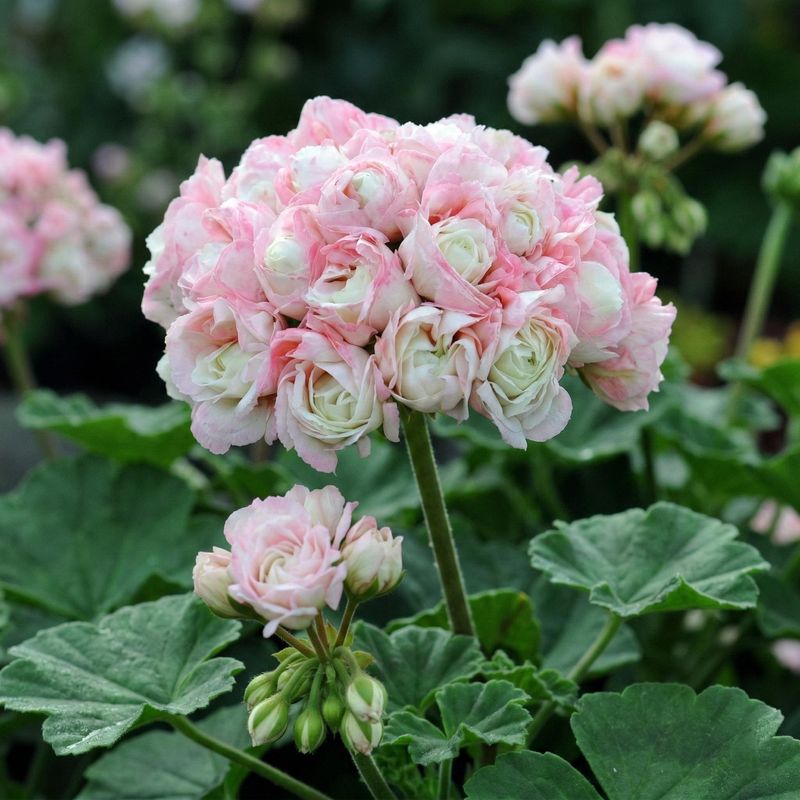
Light is the first number to check for better flowering on a rosebud pelargonium. Roughly four hours of direct sun per day may be enough to keep the plant alive and occasionally blooming, but most reliable care guidance points toward six or more hours as the target for consistent, strong flower production.
Four hours is a realistic lower threshold for the Pacific Northwest’s often-overcast spring, not the sweet spot to aim for.
For Oregon gardeners west of the Cascades, finding true direct sun can take some creative porch rearranging. South- and west-facing spots usually deliver the most reliable hours, especially from late spring through early fall.
A spot that looks bright to the human eye can still be short on actual direct sun if a roofline, fence, or large tree is blocking the sky for part of the day. Spending one afternoon counting actual sunny hours before moving the pot makes a real difference.
Your Oregon Garden Changes Every Week. Your Plan Should Too.
Gardening in Oregon changes quickly throughout the season. Every Friday you’ll receive a simple weekly plan showing exactly what to plant, prune, fertilize, harvest, and protect so you never miss the right timing.
UC Marin Master Gardener guidance on growing geraniums notes that some afternoon shade can be helpful during extreme heat, which is a useful qualifier for the occasional hot stretch the Willamette Valley sees in July and August. Large-flowered pelargoniums in particular can stall or drop buds when temperatures climb sharply.
Light matters a great deal, but it does not work alone. Moisture, nutrition, pot size, temperature, and the natural behavior of the specific cultivar all shape how freely the plant blooms.
Putting the pot in the sunniest available spot is the single most useful first move, and then the other variables fall into line around it.
Check the top one to two inches before watering
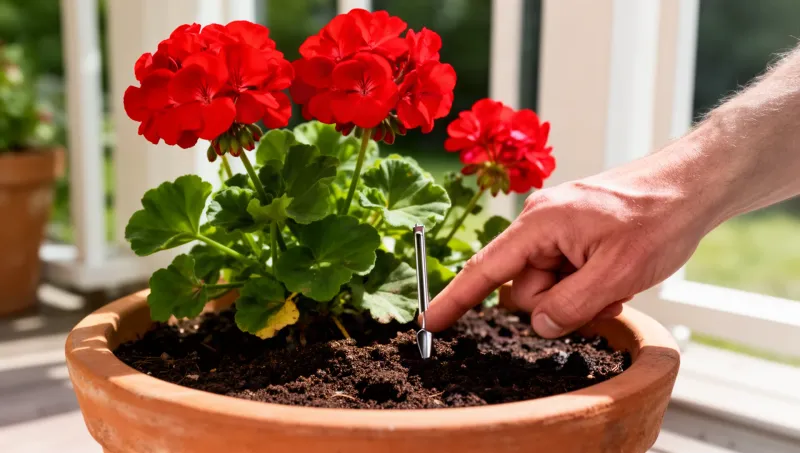
Watering a container pelargonium well comes down to a single repeatable check: press a finger into the potting mix and feel whether the top one to two inches have dried out. If that layer still feels damp or cool, leave the pot alone for another day.
When it has dried, water slowly and thoroughly until you see excess draining freely from the holes at the bottom of the pot.
No fixed schedule works reliably for a container plant. A small pot on a west-facing Oregon porch in July can dry out in a single afternoon, while the same plant in a large glazed pot on a shaded north wall might need water only once a week.
Wind, direct sun, pot material, potting mix composition, and the size of the root ball all change the interval. The soil is always a more honest guide than the calendar.
Pelargoniums tolerate a brief surface dry-down reasonably well, which is part of why the “let the topsoil dry” advice circulates. NC State’s Pelargonium x hybridum profile notes that these plants perform poorly in waterlogged soil but flower most freely with moderate, consistent moisture.
Repeatedly letting the entire root ball go bone-dry stresses the plant and can reduce bloom production over time.
Standing water in a saucer under the pot is worth removing promptly. Missouri Botanical Garden’s care notes caution that roots sitting in pooled water are vulnerable to rot, which can end the season abruptly.
Drain the saucer after each watering, or skip the saucer entirely and water the pot somewhere it can drain freely before returning it to its display spot.
Use drainage to prevent root and foliage problems
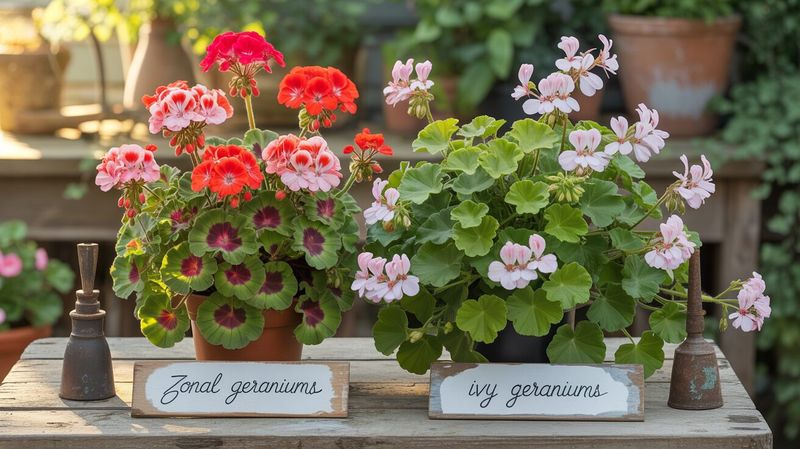
A good container setup does more work than most gardeners give it credit for. The pot needs drainage holes, full stop.
Without them, even careful watering accumulates at the root zone and creates the wet, airless conditions that root rots thrive in. Pot feet or a slightly elevated placement let excess water escape freely after each watering rather than pooling beneath the container.
OSU Extension’s container gardening basics specifically recommends containers with drainage holes and a well-drained potting mix for healthy root development.
The potting mix matters just as much as the pot itself. A standard all-purpose potting mix works for most pelargoniums, but a mix that has been sitting in a bag for two seasons and has compacted into a dense block is asking for trouble.
Fresh mix with a loose, open texture allows water to move through rather than sitting around the roots. Avoid garden soil in containers; it compacts quickly and drains poorly.
Foliage and spent flowers left wet on the plant create a different but equally real problem. Penn State Extension’s geranium disease guide identifies Botrytis gray mold, bacterial leaf spots, and root rots as the most common pelargonium disease problems, and all of them are encouraged by excess moisture on plant surfaces and decaying organic material.
In the Willamette Valley, where cool, damp weather can persist well into June, this is not a theoretical concern.
UC Statewide IPM’s geranium disease management guidance recommends watering at the soil line rather than overhead, removing fallen leaves and petals from the pot surface promptly, and spacing plants to allow air circulation. For a single container on an Oregon porch, that translates to a simple habit: water low, pick up fallen petals, and keep the foliage as dry as practical during cool, overcast stretches.
Deadhead the spent stalk to encourage more flowers
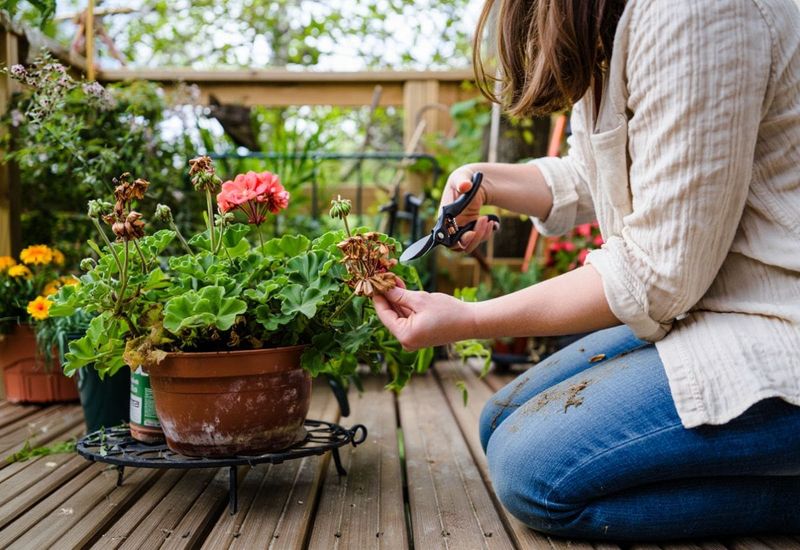
Deadheading a rosebud pelargonium is satisfying work, and it earns its keep. When a flower cluster finishes, the whole stalk that carried it should come off, traced down to where it meets the main stem.
Snapping or cutting just the flower head and leaving the stalk behind is a common shortcut that does not give the plant the same benefit.
Fallen petals and flower debris that land on the leaves or pool at the base of the pot deserve the same attention. Beyond the cosmetic benefit of a tidy plant, removing that material reduces the moist, decaying surface that Botrytis gray mold needs to get started.
In a cool Oregon spring or a wet September, that small cleanup habit is genuinely protective.
Missouri Botanical Garden’s pelargonium profile confirms that deadheading improves appearance and can encourage additional flowering cycles. That said, it cannot override the conditions that actually drive bloom production.
A plant sitting in too little light, struggling with root rot, or facing an early October cold snap is not going to respond to deadheading with a flush of new flowers.
Think of deadheading as removing one obstacle rather than guaranteeing an outcome. When light, water, drainage, and temperature are all in reasonable shape, keeping the plant tidy with regular deadheading gives each new flower stalk the best chance to develop fully.
Penn State’s geranium disease resource reinforces that removing spent and decaying material is a straightforward cultural practice that reduces disease pressure across the season.
Protect the tender pot before Oregon frost
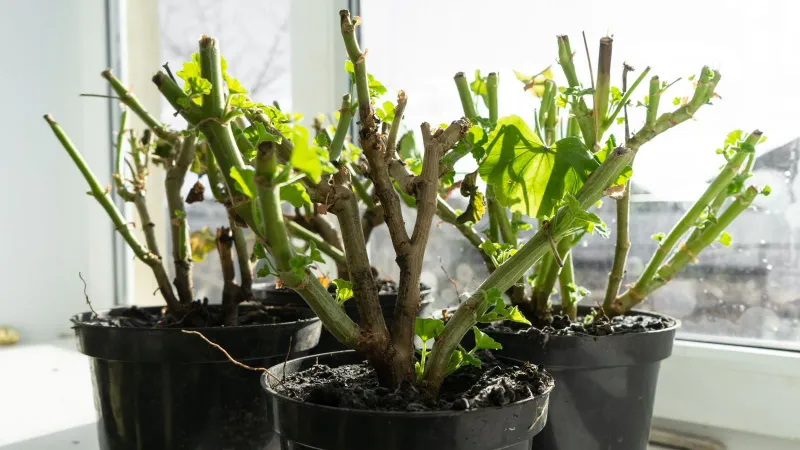
Pelargoniums are tender plants, and Oregon gardeners west of the Cascades should plan accordingly rather than assuming that a zone 8a or 9a label offers reliable winter protection. The Pacific Northwest Gardener’s Handbook from WSU Extension classifies tender geraniums as plants commonly grown as annuals in the region because frost can kill them, with survival possible only in unusually sheltered or protected conditions.
Zone labels describe average annual low temperatures, not the specific freezing night that catches an unprotected pot by surprise.
The practical move is straightforward: watch the forecast rather than the calendar. When temperatures are predicted to drop to freezing, bring the container indoors or into a frost-free garage, or cover it with frost cloth overnight.
The National Weather Service Portland office references April 1 through October 31 as the general agricultural growing season for northwest Oregon, which is useful planning context. Actual freezing events can and do occur outside those dates, particularly in the Willamette Valley’s shoulder months of March and November.
Cold temperatures do not have to reach a hard freeze to slow or stop flowering. As days shorten and temperatures drop through autumn, a pelargonium naturally produces fewer buds and smaller flower clusters regardless of how faithfully you deadhead.
Declining light hours in October and November compound the effect. Cornell’s geranium overwintering guidance describes bringing plants indoors before first frost as the standard method for keeping a pelargonium alive through winter, with a cool, bright window providing enough light to maintain the plant in a semi-dormant state until spring.
Overwintering a container pelargonium indoors is genuinely worth trying if the plant has done well and you want to carry it into next season. Move it before any frost damage occurs, cut it back modestly, reduce watering, and give it the brightest available window.
East-of-the-Cascades Oregon gardeners in colder zones should treat frost protection as an even more urgent priority from early September onward.
Match the pet warning to the confirmed plant
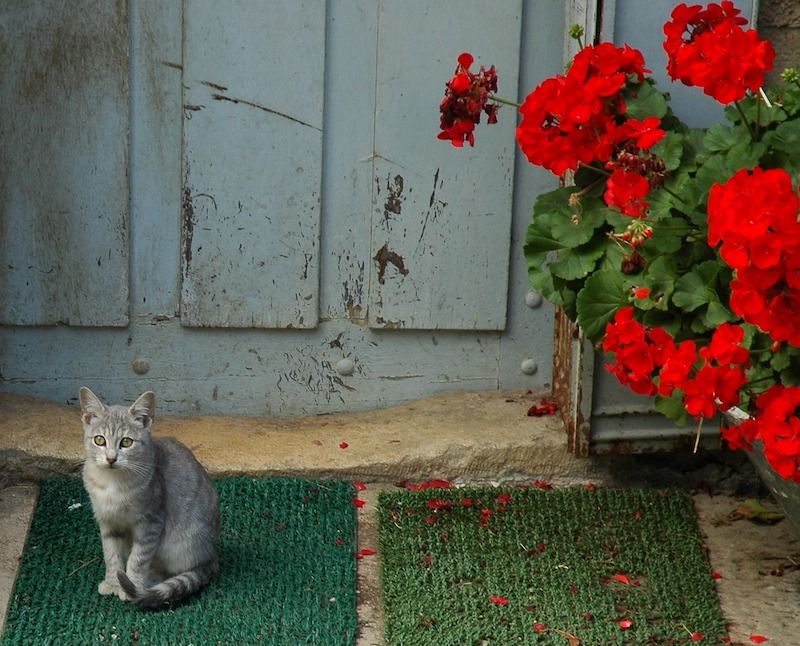
Pet safety is worth a specific mention here, with one important condition attached: the warning applies to a confirmed Pelargonium, not automatically to every plant sold under the name “White Rosebud.” If your plant turns out to be the azalea that the Azalea Society documents as the true ‘White Rosebud’ cultivar, or something else entirely sold under a loose trade name, the Pelargonium toxicity information does not apply to it directly. Verify the plant first, then apply the relevant safety guidance.
For a confirmed Pelargonium, the concern is real and worth acting on. ASPCA lists Pelargonium species as toxic to dogs, cats, and horses, with possible effects including vomiting, reduced appetite, depression, and skin irritation or dermatitis after contact or ingestion.
The rosebud-form pelargonium that a specialist grower lists as “White Rosebud” falls into the Pelargonium genus, so the warning applies if that is what you have.
Keeping the pot out of reach of curious chewers is the simplest preventive step. A high shelf, a hanging basket, or a spot behind a barrier works well for most households.
If a dog, cat, or horse does chew or ingest part of a confirmed Pelargonium, contact your veterinarian or a pet poison-control resource promptly rather than waiting to see whether symptoms develop.
The broader takeaway is that plant identification and pet safety go together. Knowing exactly what genus and species you are growing lets you look up the right toxicity information, choose the right placement, and give the right care, all from the same correct starting point.
Remember the three checks that matter most
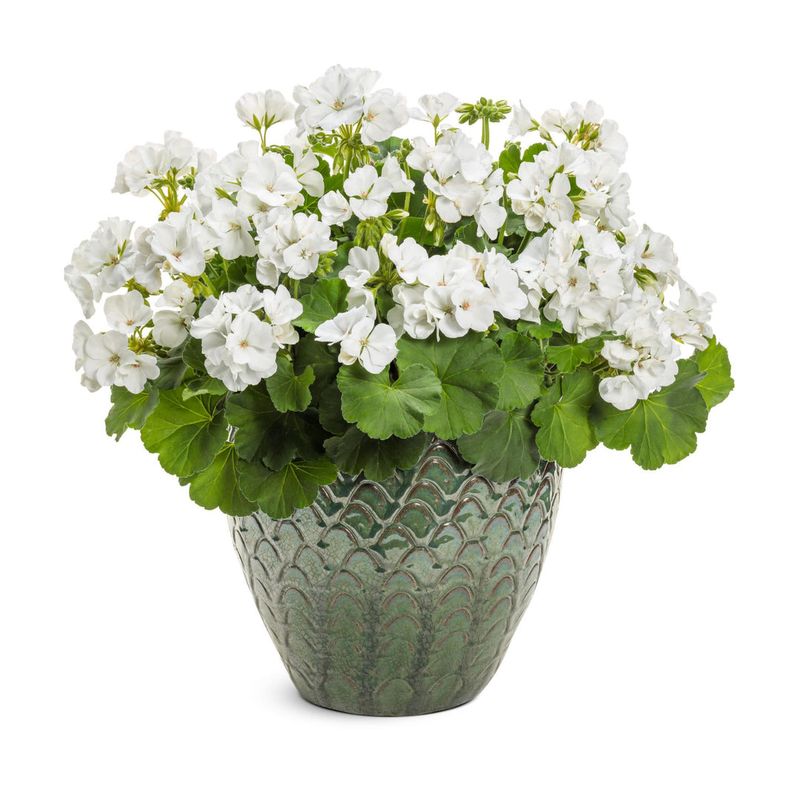
Caring for a rosebud pelargonium well comes down to three repeatable checks and two protective habits. Start with light: roughly four hours of direct sun per day is a possible lower threshold, while six or more hours generally supports stronger, more consistent flowering.
Iowa State Extension recommends at least six hours for optimum results, so aim for the sunnier end of what your site offers.
Next, check the top one to two inches of potting mix before reaching for the watering can. OSU Extension’s container gardening basics recommends watering thoroughly when that surface layer has dried, continuing until water drains freely from the pot.
The two protective habits follow naturally: remove each spent flower stalk at its base to encourage additional flowering, and move the container indoors or cover it before any freezing night arrives. The Pacific Northwest Gardener’s Handbook is clear that tender pelargoniums cannot be counted on to survive frost without protection, even west of the Cascades.
Repeated flowers through the growing season are genuinely possible with good care, but they remain conditional on light, temperature, drainage, plant health, and cultivar behavior rather than guaranteed by any single habit. Before any of this applies, go back to the beginning and confirm what you are actually growing: the azalea formally named ‘White Rosebud’ needs a completely different approach, and the pelargonium listed under that name by a specialist grower carries genuine uncertainty about its origins.
A plant that knows what it is tends to thrive; a gardener who knows the same thing tends to help it get there.