This Common March Habit Is Stressing Florida Plants
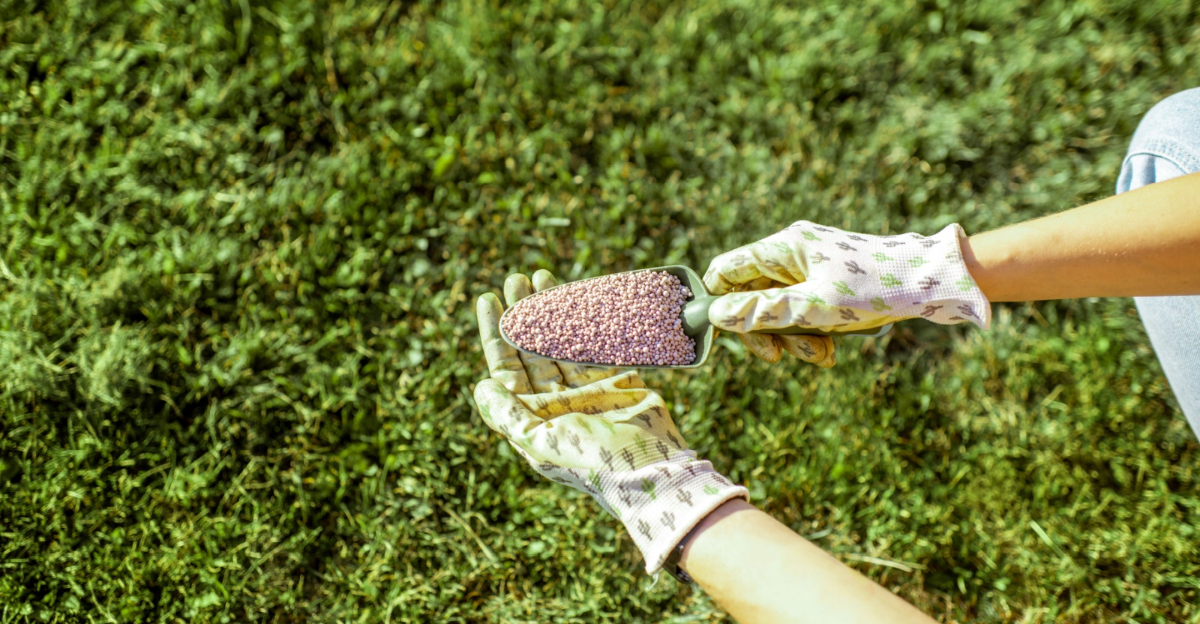
March in Florida feels like the perfect moment to boost everything in sight. New growth appears, lawns green up, and garden centers stack bags of fertilizer near the entrance like a seasonal ritual.
It seems logical to feed plants as soon as they wake up. More nutrients should mean faster growth, bigger blooms, and stronger shrubs.
That assumption causes quiet damage across Florida landscapes every spring. Fresh growth in March looks hungry, yet many plants already push tender shoots under rising temperatures.
A heavy dose of fertilizer at this stage can force weak, rapid growth that struggles under sudden heat, wind, and fluctuating moisture. Roots may not be ready.
Soil temperatures vary. Established shrubs and young plants react differently than expected.
One common March habit places unnecessary stress on otherwise healthy gardens.
1. Stop Fertilizing Just Because It Feels Like Spring
Warm March days make Floridians want to get outside and do something productive in the yard. Garden centers know this and stock their shelves early, creating the impression that now is the time to act.
Many homeowners grab fertilizer simply because it feels right, not because their plants actually need it yet.
Calendar-based fertilizing ignores what your plants are telling you. A sunny 80-degree day in early March does not mean your St. Augustine grass or azaleas are ready for a heavy feeding.
Florida’s climate can swing wildly, especially in North and Central Florida where late cold fronts still arrive through mid-March.
Emotional timing leads to mistakes. You might feel productive spreading fertilizer, but your plants may not be actively growing enough to use those nutrients.
The result is wasted product, potential runoff into waterways, and stressed plants that receive nitrogen before their root systems are ready to support new growth.
Pay attention to actual plant activity rather than your own eagerness. Look for consistent new growth, vibrant green color returning naturally, and steady warm temperatures over several weeks.
Let your landscape guide your fertilizing schedule instead of your calendar or your neighbors’ actions.
2. Understand How Florida Soil Temperatures Really Work
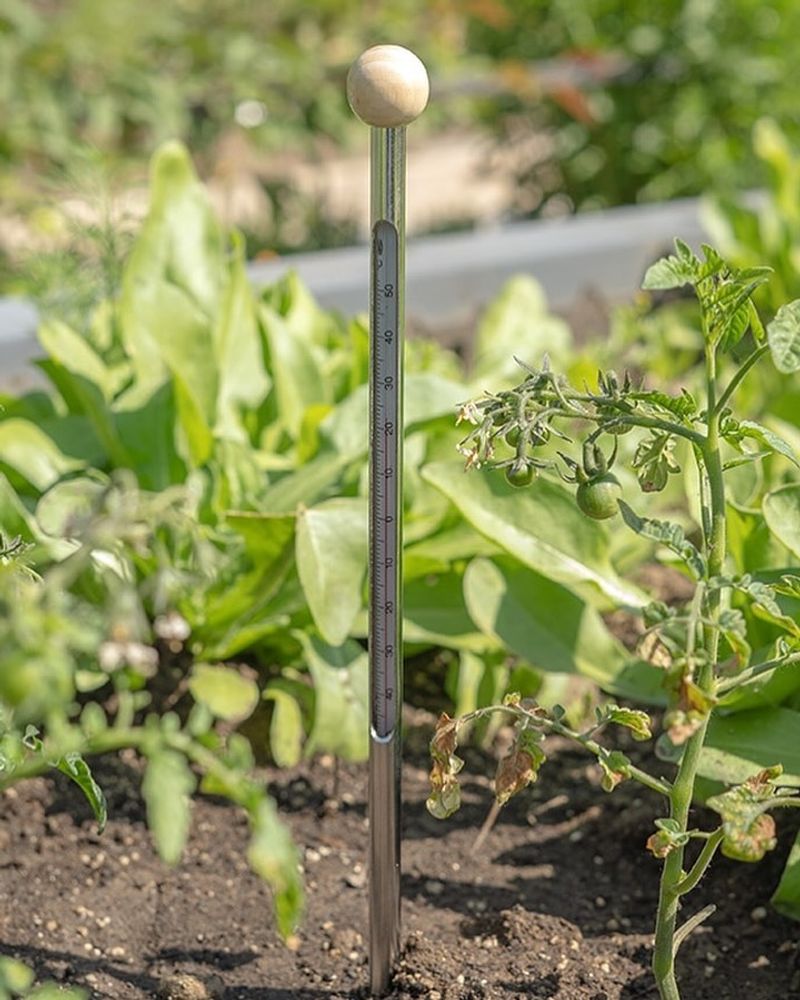
Air temperature and soil temperature are two different things. Your weather app might show 78 degrees, but six inches down where grass roots live, the soil could still be 60 degrees or cooler.
Roots need warm soil to actively absorb nutrients and support top growth.
Florida’s sandy soils warm and cool faster than heavier soils found in other states. This means temperature swings affect plant roots more dramatically here.
North Florida soils take longer to warm consistently in spring compared to South Florida, where soil temperatures stay warmer year-round.
Most warm-season grasses grown in Florida need soil temperatures consistently above 65 degrees before they begin active growth. Early March rarely provides that consistency in Central and North Florida.
Even a few warm days followed by a cold front can slow root activity again.
University of Florida IFAS Extension research shows that fertilizing before soil temperatures stabilize wastes nutrients. Sandy soil drains quickly, and without active roots to capture applied nitrogen and phosphorus, those nutrients leach through the soil or run off during spring rains.
Wait until soil warms reliably before feeding your lawn or landscape plants.
3. Avoid Forcing Tender Growth Too Early
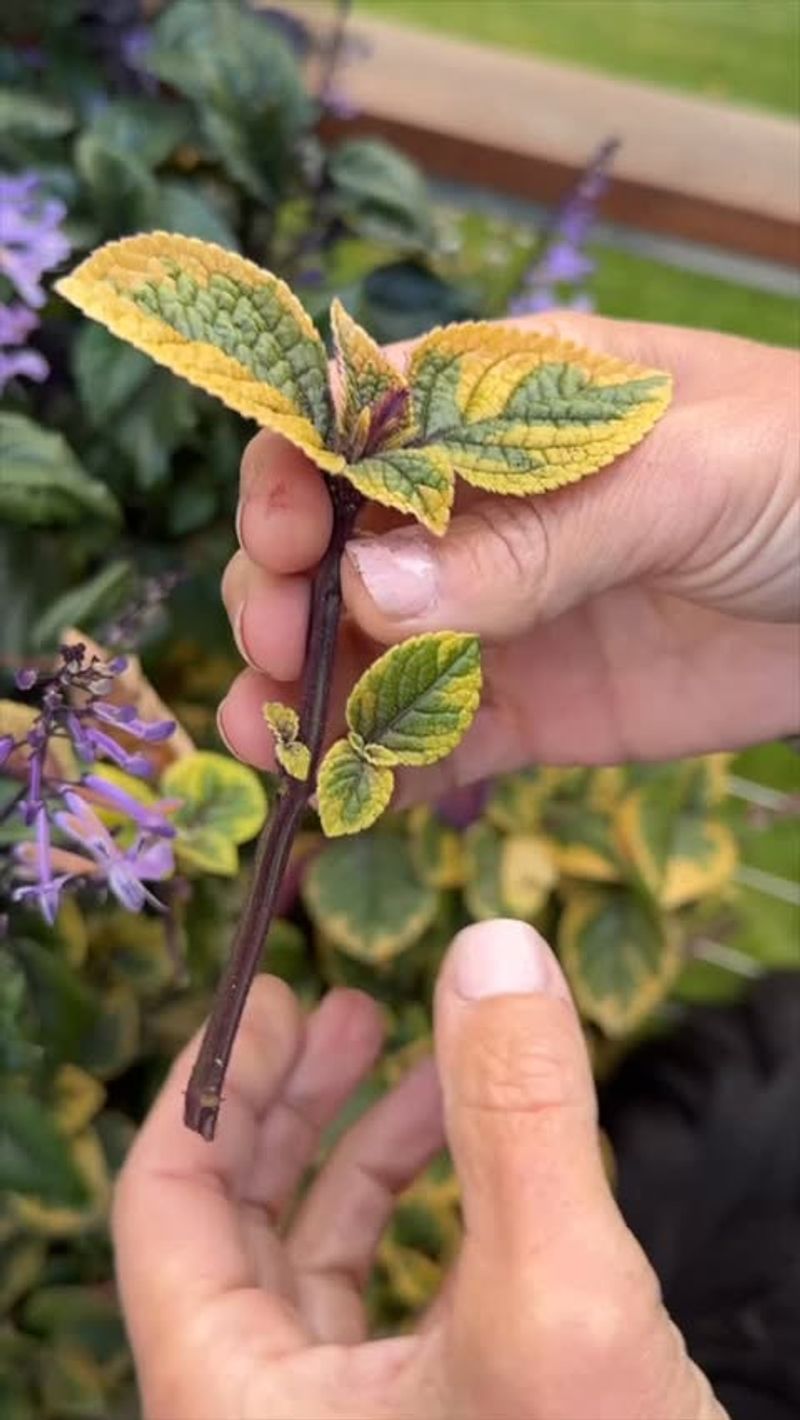
Nitrogen-rich fertilizers push plants to produce lush, soft new growth. That growth looks beautiful and green, making homeowners feel successful.
But tender new leaves and stems are vulnerable to damage, especially when late cold snaps arrive in March.
North and Central Florida regularly experience cold fronts through mid-March and sometimes into early April. A freeze or even a hard frost can damage or destroy soft new growth that fertilizer stimulated too early.
Plants then must use stored energy to recover and regrow, creating unnecessary stress.
Even without a freeze, tender growth is more susceptible to pests and diseases. Soft tissue attracts aphids, whiteflies, and other insects that feed on new foliage.
Fungal diseases also spread more easily on young, succulent growth that has not had time to harden off naturally.
Let your plants wake up gradually on their own schedule. Natural growth that emerges when conditions are truly right will be stronger and more resilient.
Save your fertilizer for when plants are actively growing and can harden off new tissue before any environmental stress arrives. Patience protects your landscape investment better than rushing.
4. Know The Difference Between Active Growth And Warm Days
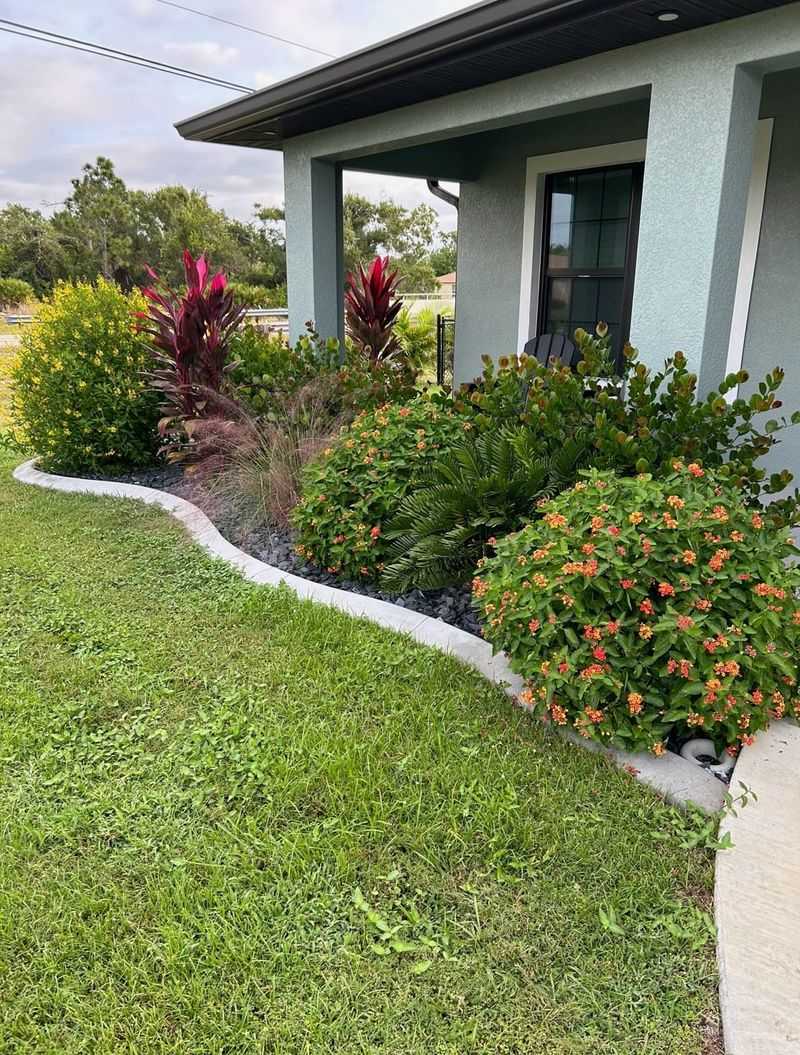
Green-up and active growth are not the same thing. Your lawn might start showing some color in early March as chlorophyll production increases with longer days and occasional warmth.
But that does not mean the grass is growing fast enough to need fertilizer yet.
Active growth means you are mowing regularly, new leaves are emerging steadily, and the plant is using energy and nutrients at a high rate. A few green blades appearing here and there is just the plant waking up slowly.
True active growth is obvious and consistent.
Walk your yard and observe closely. Bend down and look at individual grass plants or shrub branches.
Are new shoots appearing regularly? Is the canopy filling in?
Are you mowing weekly because growth is steady? These signs indicate readiness for fertilizer.
Many Florida homeowners fertilize at the first hint of green, thinking they are helping the plant along. Instead, they are adding nutrients the plant cannot yet use efficiently.
University of Florida IFAS Extension recommends waiting until you see clear, consistent growth patterns before applying fertilizer. Watch your plants, not your emotions or your neighbors’ schedules.
5. Wait Until Lawns Are Fully Growing Before Feeding
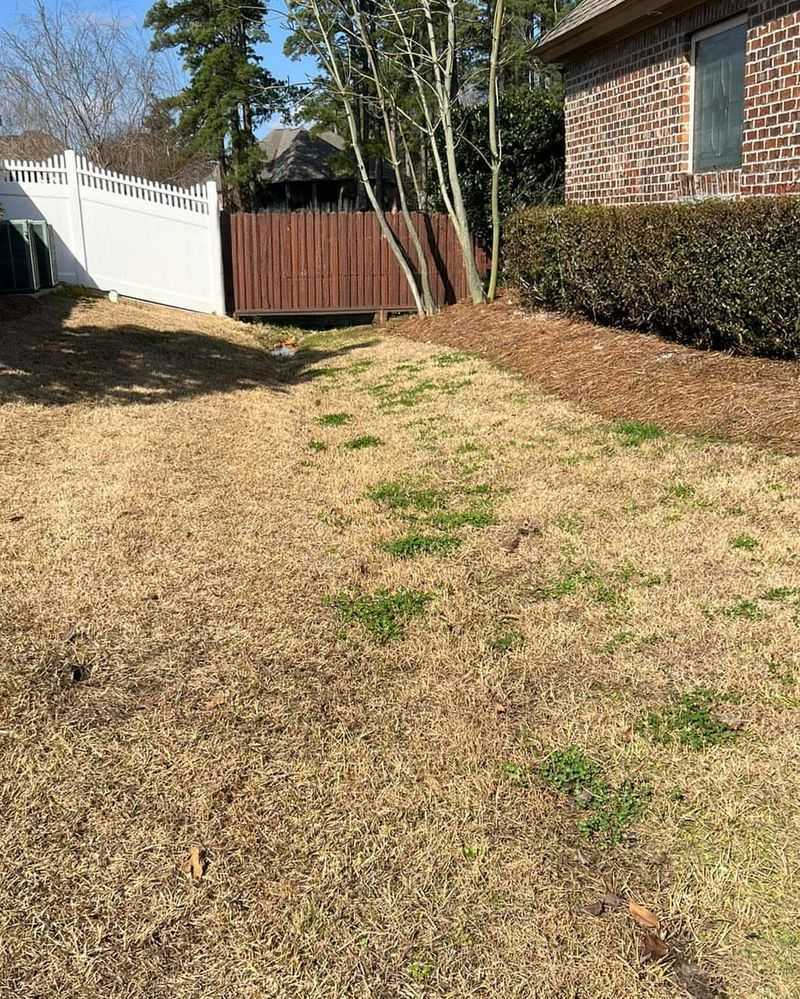
University of Florida IFAS Extension provides clear guidelines for fertilizing warm-season turfgrasses like St. Augustine, Bahia, Zoysia, and Bermuda. These grasses should not receive fertilizer until they are fully out of dormancy and growing vigorously.
For most of Florida, that means late March at the earliest in South Florida, April in Central Florida, and sometimes not until May in North Florida.
Fertilizing dormant or barely awake grass creates problems. Excess nitrogen can encourage disease pressure, especially gray leaf spot and brown patch, which thrive in cool, moist conditions.
Early spring in Florida often brings heavy dews and occasional rain, creating perfect conditions for fungal diseases on fertilized turf.
Timing your first lawn feeding correctly improves turf health all season. Grass that begins growing naturally and then receives nutrients when roots are active develops deeper root systems and better drought tolerance.
Rushed fertilization produces shallow roots and weak plants that struggle through Florida’s summer heat.
Check your specific grass type and your region’s recommendations. South Florida homeowners might fertilize in late March if growth is strong, while North Florida lawns may not need feeding until late April.
Let growth patterns, not the calendar, guide your decision.
6. Test Your Soil Before Adding Anything
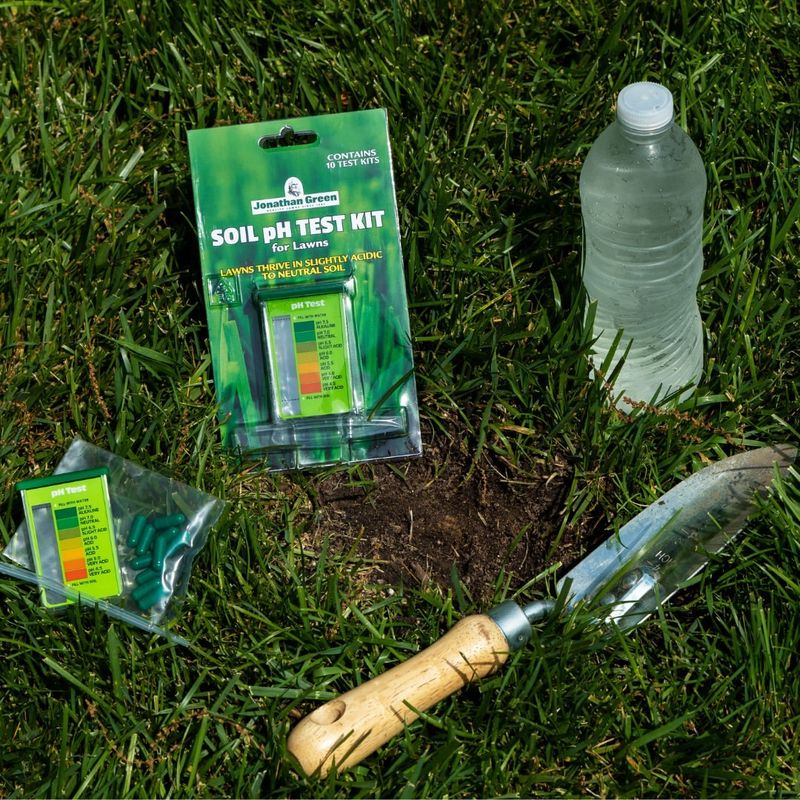
Many Florida homeowners fertilize without knowing what their soil actually needs. Sandy soils do not hold nutrients well, but that does not mean every nutrient is deficient.
Soil testing reveals pH levels, nutrient availability, and specific deficiencies so you can apply only what your plants need.
University of Florida IFAS Extension offers affordable soil testing services through county extension offices. A basic test costs around ten to fifteen dollars and provides detailed results with fertilizer recommendations tailored to Florida conditions.
Testing every two to three years helps you avoid over-application and environmental harm.
Over-fertilizing is expensive and environmentally damaging. Excess nitrogen and phosphorus wash through sandy soil quickly, entering groundwater and nearby lakes, rivers, and coastal waters.
Algae blooms and water quality problems across Florida are partly caused by unnecessary landscape fertilization.
Responsible fertilizing starts with information. Test your soil in late winter or early spring before you buy any fertilizer.
You might discover your lawn needs less than you thought, or that a specific micronutrient is missing. Targeted applications save money, protect Florida’s water resources, and grow healthier plants.
Knowledge beats guessing every time.
7. Use The Right Fertilizer At The Right Time
Not all fertilizers work the same way. Quick-release nitrogen fertilizers provide an immediate green-up but also leach rapidly through Florida’s sandy soil.
Slow-release or controlled-release nitrogen products feed plants gradually over weeks or months, reducing waste and environmental impact.
University of Florida IFAS Extension recommends using fertilizers with at least 50 percent slow-release nitrogen for Florida lawns and landscapes. These products cost more upfront but perform better in sandy soil conditions.
They provide steady nutrition without the boom-and-bust cycle of fast-release products.
Application rates matter as much as product choice. More is not better when it comes to fertilizing Florida plants.
Turfgrass typically needs no more than one pound of nitrogen per 1,000 square feet per application, and total annual nitrogen should stay within recommended limits for your grass type.
Read product labels carefully and follow instructions exactly. Measure your lawn area so you know how much fertilizer to apply.
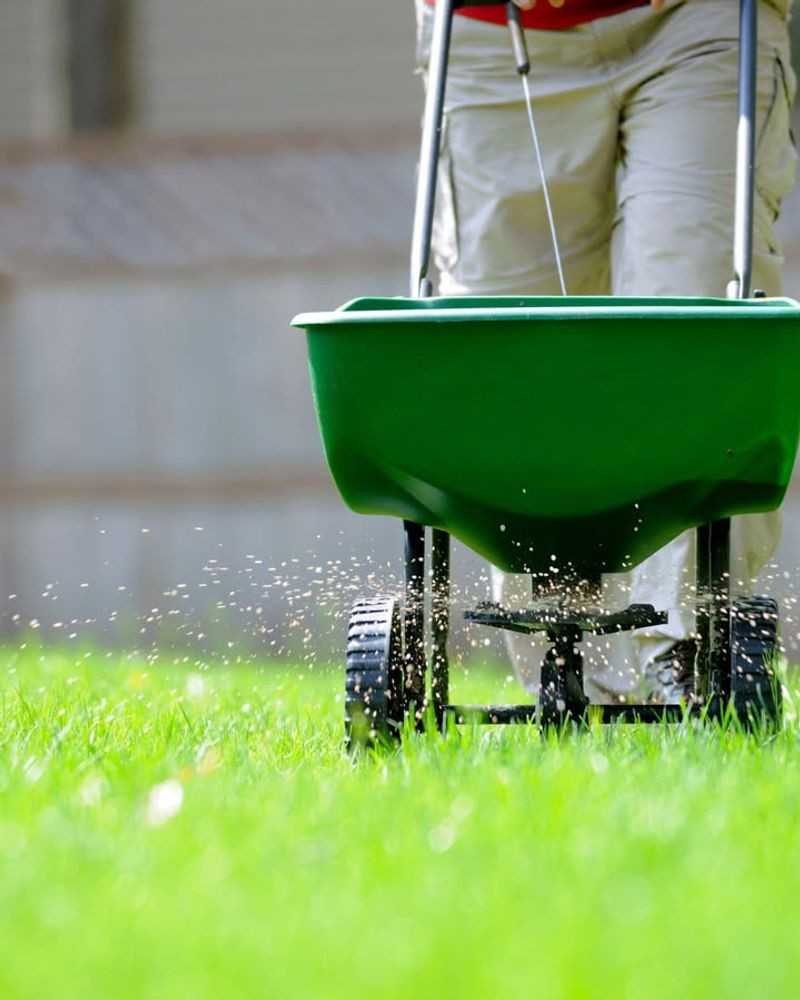
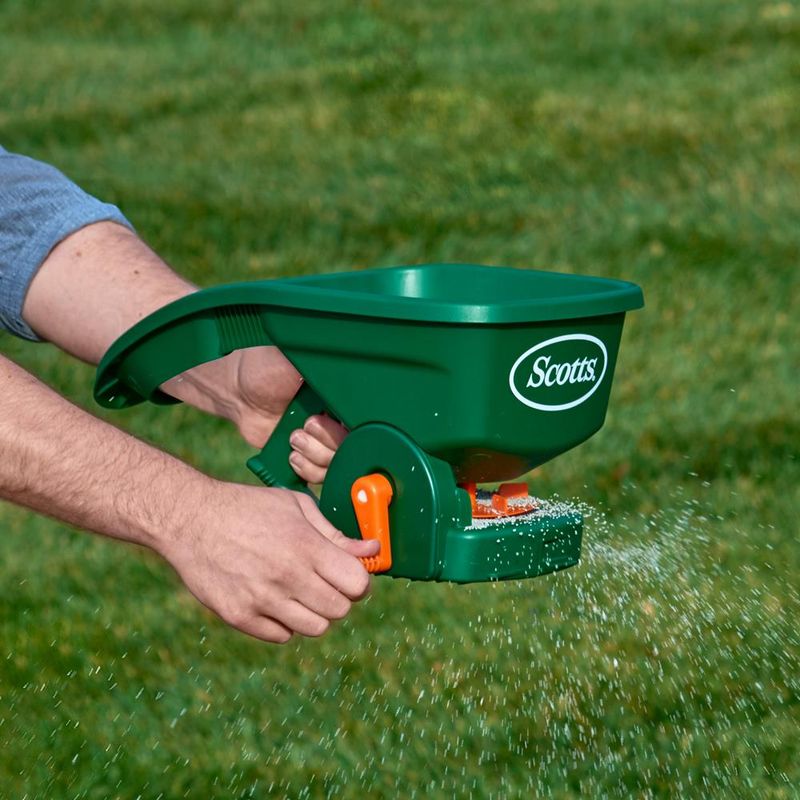
Use a calibrated spreader to ensure even distribution. Over-application wastes money, harms plants, and pollutes waterways.
The right product applied correctly at the right time produces healthy growth without stress or environmental damage.
8. Follow Regional Timing Across North Central And South Florida
Florida is not one uniform climate. South Florida enjoys warm temperatures year-round and rarely experiences frost.
Central Florida has a true but short winter with occasional freezes. North Florida can see hard freezes and longer cool periods that keep plants dormant well into spring.
March means different things depending on where you live. South Florida gardeners might safely fertilize lawns and landscapes by late March if growth is strong and consistent.
Central Florida should usually wait until early to mid-April. North Florida often needs to hold off until late April or even early May.
Local fertilizer ordinances also affect timing. Many Florida counties and cities restrict fertilizer application during summer rainy months to protect water quality.
Some ordinances include spring restrictions as well. Check your local regulations before applying any fertilizer to avoid fines and environmental harm.
University of Florida IFAS Extension county offices provide region-specific guidance. Contact your local extension agent for advice tailored to your area’s climate, soil, and plant types.
What works in Fort Myers will not work in Tallahassee. Respect regional differences and adjust your fertilizing schedule accordingly for the healthiest landscape possible.