The Pruning Mistake Gardeners Keep Making That Costs Clematis Their Blooms
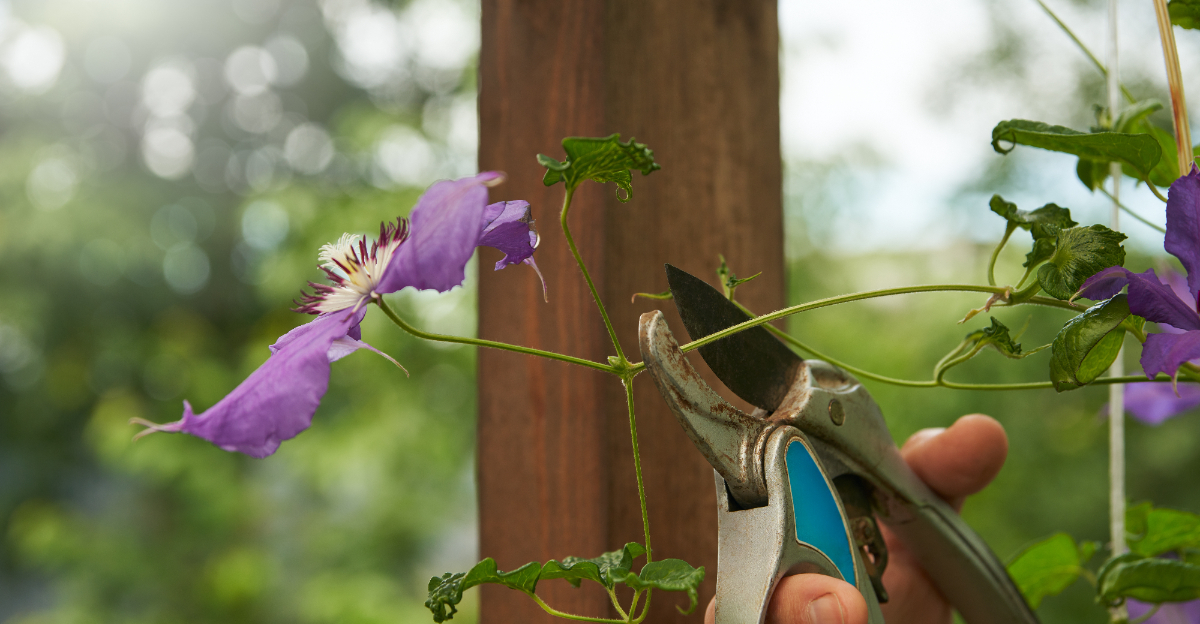
Your clematis bloomed beautifully last year, then went completely silent this spring. You assumed something obvious went wrong with watering or soil.
Actually, timing changed your blooms long before summer ever arrived. Gardeners everywhere make this exact mistake every single year.
Nobody tells you that pruning groups determine everything. Cutting at the wrong moment removes buds already quietly forming.
Vines respond to impatience without warning, and your flowers bear the consequence. Winter weather makes this timing puzzle even trickier.
Pruning too early removes flowers before they even open. Late cuts erase next year’s entire flowering display.
Knowing which pruning group your vine belongs to changes everything. Skipping that step guarantees disappointment every single spring.
Confusion affects blooms faster than any pest, disease, or weather ever could. Momentum favors gardeners who cut with precision, not guesswork. A single wrong snip costs you an entire season of vivid, hard-earned garden color.
What Happens When You Prune Clematis At The Wrong Time
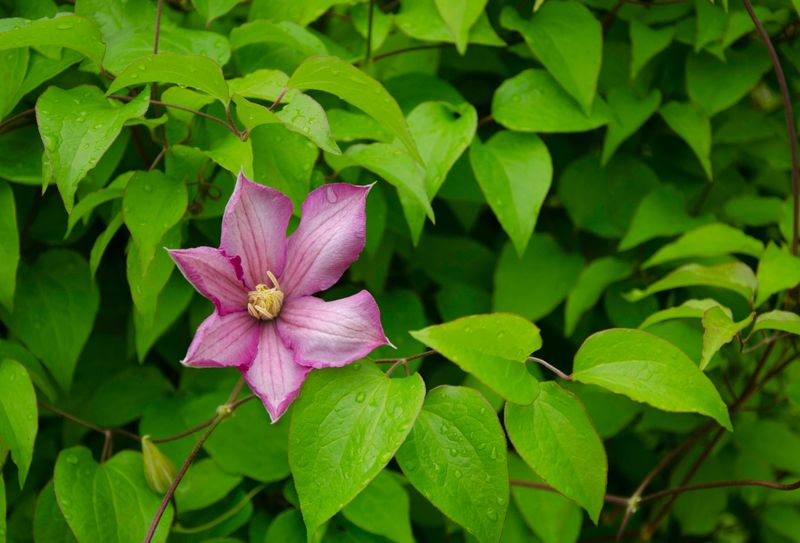
Bare stems where blooms should be is a common frustration. An empty trellis often indicates mistimed pruning affected that season’s flowers.
Clematis is one of the most rewarding climbing plants you can grow. But it has a strict relationship with timing, and ignoring that relationship has real consequences.
When you prune at the wrong moment, you remove the very stems that carry next season’s buds. The plant doesn’t get a chance to bloom because its flowering wood is already gone.
Some clematis varieties bloom on old wood from last year. Others bloom on fresh new growth from this year. Cut the wrong stems at the wrong time, and you’ve interrupted the bloom cycle entirely.
This pruning habit is a frequent cause of sparse clematis growth in home gardens. The good news is that the fix is simpler than you’d expect.
Timing is everything with these vines. Prune too early in fall and you strip away next spring’s flowers. Prune too late in spring and you interrupt summer blooms already forming.
The plant itself isn’t fragile. Clematis is actually quite tough and resilient once established. The problem is purely about when the shears come out, not how hard you cut.
Understanding your vine’s bloom schedule changes everything. Once you match your pruning window to your specific plant, you significantly reduce the risk of bare stems.
The Three Clematis Pruning Groups Explained
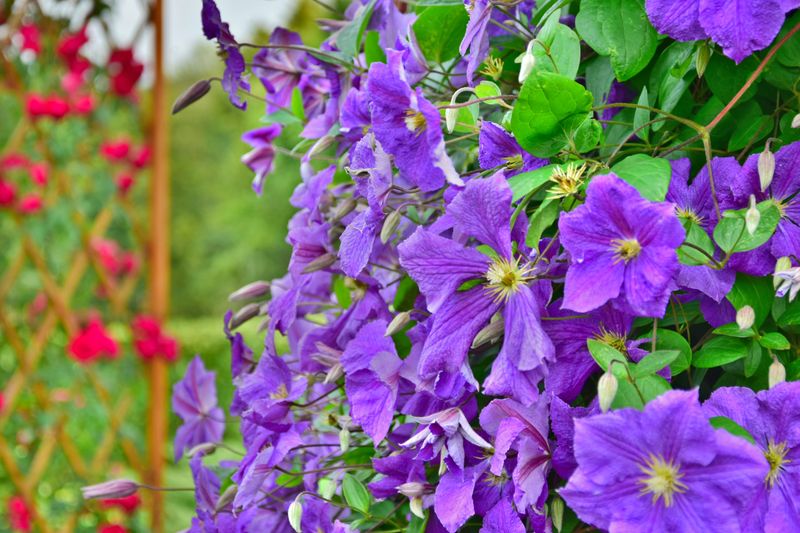
Not all clematis vines play by the same rules. Horticulturalists have sorted them into three distinct pruning groups, and knowing yours is the game changer.
Group 1 clematis blooms in late winter or very early spring. These plants flower on old wood, meaning stems that grew the previous year carry the buds.
Never cut Group 1 varieties hard in fall or early spring. Doing so removes exactly the wood that’s about to burst into color. Light tidying after bloom is all they need.
Group 2 clematis is the trickiest of the three. These large flowered hybrids bloom twice, once in late spring on old wood and again in late summer on new growth.
For Group 2, light pruning in late winter keeps the plant tidy without sacrificing early blooms. A second, light trim after the first flush encourages that beautiful second wave of flowers.
Group 3 clematis is the most forgiving and the most misunderstood. These varieties bloom only on new growth produced in the current season, so cutting them hard in late winter actually helps them perform.
Viticella and Jackmannii types fall into Group 3. Cutting them back to roughly 12 to 18 inches in late winter typically encourages vigorous new stems and blooms by midsummer.
This pruning habit is a frequent cause of clematis looking bare when all three groups get treated the same way. Each group needs its own specific approach to thrive season after season.
How To Identify Your Clematis’s Pruning Group
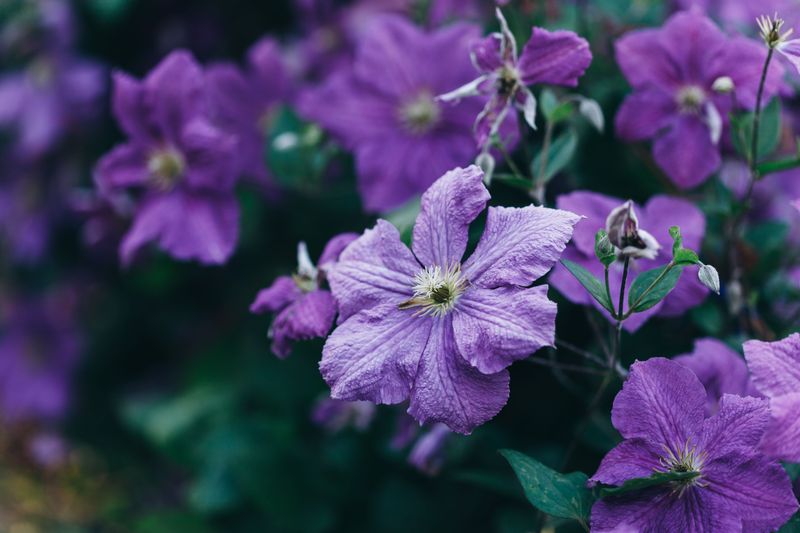
You don’t need a botany degree to figure this out. A few simple clues from your plant will point you straight to the right pruning group.
Start by watching when your clematis blooms for the first time each season. Early spring bloomers, before June, almost always fall into Group 1 and need minimal pruning.
If your vine flowers in late spring on stems that look woody and established, you’re likely dealing with a Group 2 variety. These are the big, showy hybrids like ‘Nelly Moser’ and ‘The President.’
Group 3 plants tend to bloom from midsummer onward on stems that look fresh and green. The flowers appear at the tips of new growth, not along older woody sections.
Check your plant’s original tag or label if you still have it. Most nurseries include the pruning group right on the label, often marked simply as P1, P2, or P3.
No tag? Search the variety name online. An image search combined with the bloom time description can help narrow down your group.
Another trick is to look at your vine in early spring before any cuts. If you see fat, swelling buds along last year’s stems, those stems are precious and should stay put for now.
Bare, dormant looking stems with no buds in early spring usually belong to Group 3 plants. Those are safe, and encouraged, to cut back hard without losing a single bloom this season.
Signs Your Clematis Was Pruned Incorrectly
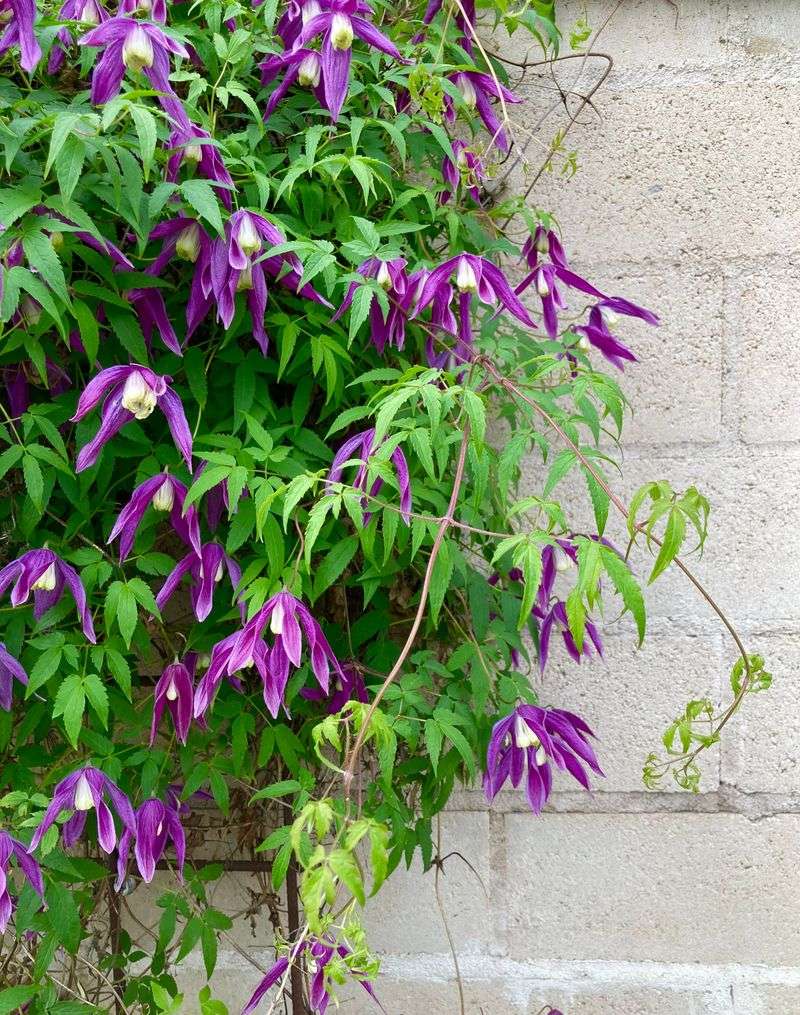
Your plant shows visible signs when something is wrong. When clematis gets pruned at the wrong time, it shows some clear warning signs worth paying attention to.
The most obvious sign is a vine that leafs out beautifully but never produces a single flower. Lush green growth with no blooms almost always points to removed flower buds.
If your Group 1 or Group 2 clematis was cut hard in late winter, the blooming wood is gone. The plant redirects energy into producing new stems, but those stems won’t carry flowers until next year.
Another telltale sign is blooming only at the very top of the vine. This happens when lower stems were cut away but upper growth survived. The plant can only bloom where buds remain intact.
Sparse, patchy flowering instead of full coverage is also a red flag. Inconsistent cuts across the vine leave some sections blooming while others sit bare and leafless all season.
A Group 3 clematis that wasn’t cut back hard enough shows a different problem. It produces flowers only at the very tips of long, leggy stems with a bare, woody base below.
Yellowing leaves combined with no blooms can signal stress from improper pruning combined with root disturbance. Avoid digging near the base when making cuts to prevent compounding the damage.
Recognizing these signs early gives you a roadmap for recovery. Knowing what went wrong is the first step toward fixing it before another season slips away.
How To Fix A Bare, Flowerless Clematis
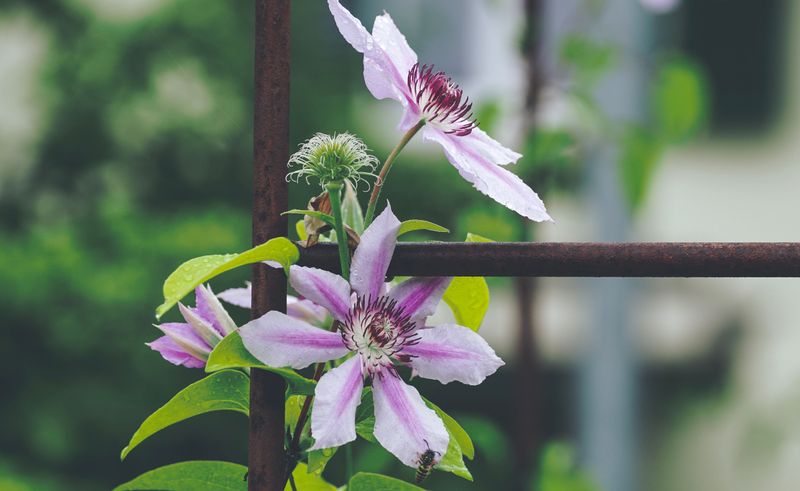
A flowerless clematis can often be corrected. With the right approach, most vines can recover within a growing season or two, depending on the plant’s age and health.
First, resist the urge to prune again immediately. Cutting a struggling plant a second time can set it back further and significantly delay recovery.
For Group 1 and Group 2 varieties that were over pruned, patience is your best tool. Let the plant grow freely through the current season without touching it at all.
By allowing undisturbed growth, the vine rebuilds its flowering wood. Next spring, those stems will carry the buds that were stripped away this time around.
Group 3 plants that were under pruned and look leggy can be cut back hard right now if it’s still late winter or very early spring. Fresh cuts stimulate vigorous new growth fast.
Feed your recovering clematis a balanced fertilizer in early spring. A formula higher in potassium supports stronger stems and more abundant blooms over the coming season.
Water consistently at the base of the plant, not on the foliage. Deep, consistent watering encourages roots to grow deeper and support faster recovery above ground.
Mulch around the base to keep roots cool and moist. Clematis roots prefer shade while the vine itself reaches for sun, so a thick layer of mulch helps balance both needs.
Stay consistent with care, and your clematis can reward you with a strong comeback that makes this season’s bare stems a distant memory.
Pruning Schedule To Prevent This Mistake In The Future
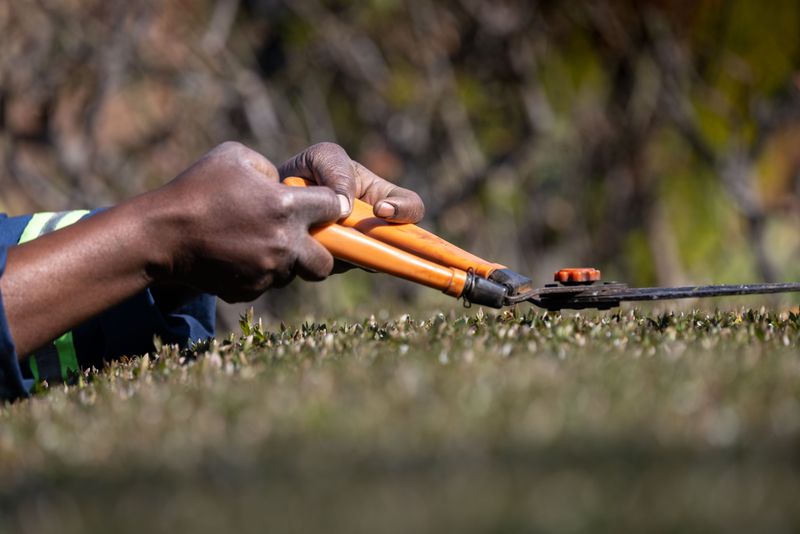
Prevention is generally easier than recovery. Building a simple pruning schedule into your gardening routine helps keep this pruning habit from leaving clematis bare again.
For Group 1 clematis, mark your calendar for right after the blooms fade in early spring. That’s your window, and it closes quickly once summer growth kicks in.
Group 2 plants get two light pruning sessions per year. The first happens in late winter, removing only damaged or weak stems. The second follows the early summer flush of flowers.
Group 3 varieties need their annual hard cut in late winter, with exact timing depending on your climate zone. Set a phone reminder so you don’t miss it.
Keep a garden journal or snap a quick photo of your clematis label before it fades. Having the variety name on hand makes it easy to double check the pruning group each year.
Clean your pruning shears before each session with a quick wipe of rubbing alcohol. Sharp, clean cuts reduce the chance of disease entering fresh wounds on the vine.
Avoid the temptation to tidy up clematis in fall just because it looks messy. Fall cuts on the wrong variety remove next spring’s buds and repeat the same pruning mistake.
Sharing this schedule with anyone who helps in your garden prevents accidental cuts during cleanup days. A quick note on the trellis itself can save an entire season of blooms.
Stick to this routine, and this schedule can help reduce the risk of bare, flowerless clematis in the future.