This Common Yard Habit Is Quietly Turning Your Yard Into A Chipmunk Magnet
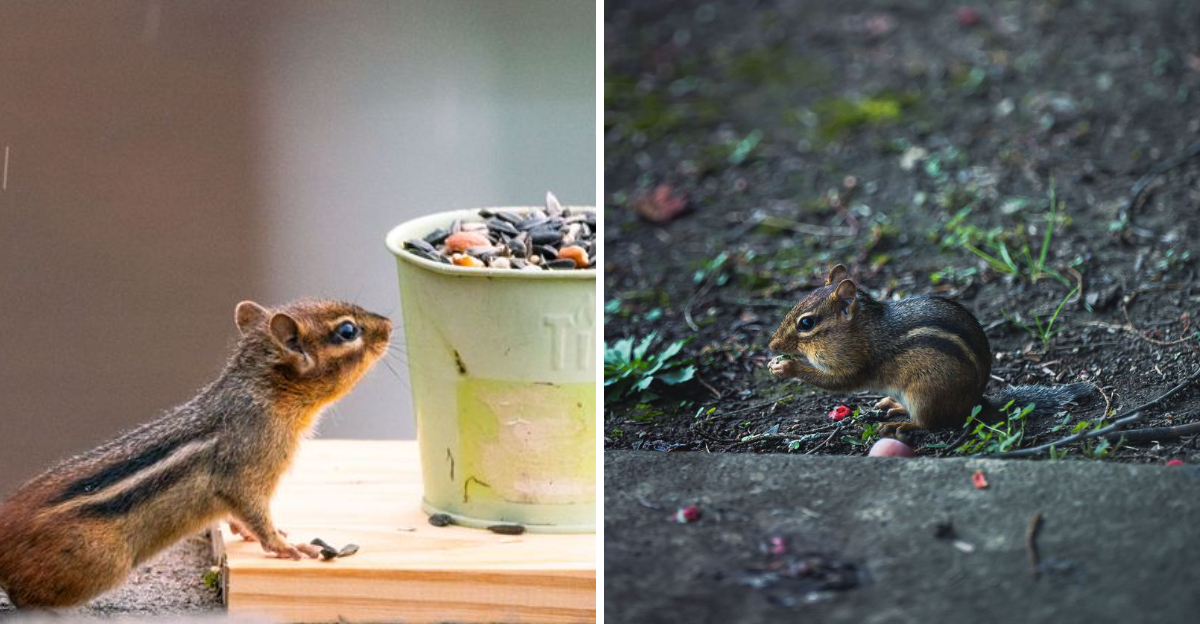
You could be creating a chipmunk hotspot without realizing it. Something ordinary in your landscaping sends out a clear signal. Certain yards hide more inviting spots than you might think.
Birdseed scattered near your steps acts like an easy, reliable food source. Loose stone edging creates perfect cover close to your foundation. Woodpiles pressed against your walls become convenient chipmunk shelters.
Overgrown shrubs let them approach your home completely unseen. Compost left uncovered makes nightly visitors more likely.
Cracks near your foundation turn into convenient tunnel entrances. Bird feeders spill far more seed than you ever expect. Cluttered gardens give your yard endless hiding spots.
Every small detail you overlook adds up faster than you think. Your yard might already be sending an open invitation nearby.
Nothing about your yard announces this problem with obvious signs. Spot these clues early, and your yard quickly stops being a chipmunk’s favorite hideout.
The Surprising Yard Habit That Draws Chipmunks In
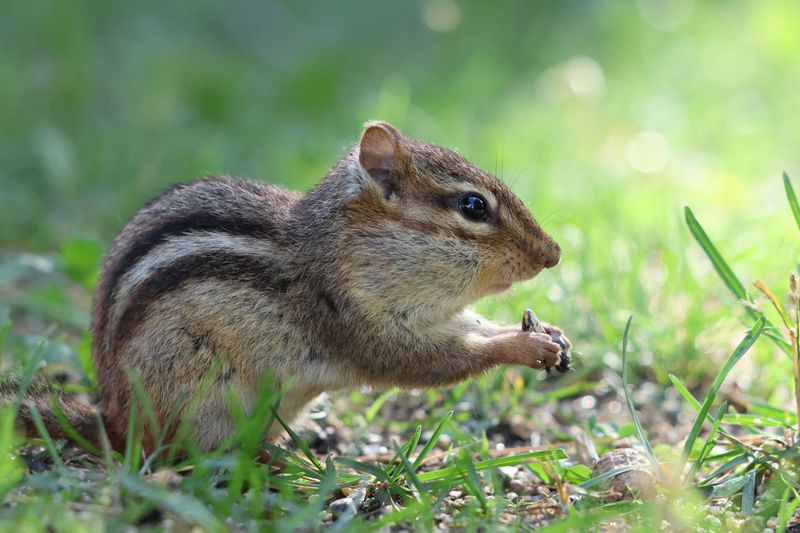
Most people blame bushes first. The bigger issue is often food landing on the ground every single day.
Chipmunks notice easy meals fast. They follow scent, sound, and routine better than many homeowners expect.
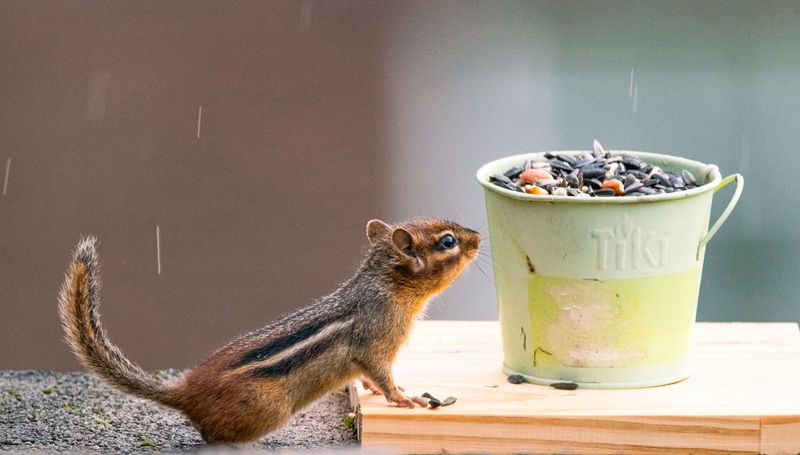
Seeds under feeders act like a dinner bell. Cracked corn, sunflower bits, and nut pieces keep tiny foragers coming back.
Once snacks appear often, they explore nearby cover. Mulch beds, rock borders, and woodpiles suddenly seem safe and useful.
That pattern turns a calm space busy. A single feeding spot can support repeat visits from several curious animals.
Backyards feel predictable to chipmunks. Predictable places help them gather food without crossing open ground for long.
Spilled feed also attracts squirrels and birds. More activity means more dropped pieces, which creates an even bigger buffet.
Under decks and steps, burrows may follow. Soft soil near steady food gives them a smart place to settle.
Many families never connect the dots. They refill feeders faithfully while wondering why tunnels keep showing up nearby.
Small changes matter more than big ones. Cleaner feeding habits can break the cycle before nests become established.
Try seed catchers beneath hanging stations. Sweep leftovers often, and choose blends with fewer filler pieces. Placement matters as much as cleanup.
Keep feeding areas farther from dense cover and loose foundations. Watch your yard at sunrise. That quiet hour often reveals exactly where the traffic begins.
If visits slow after cleanup, you found it. Food access was likely the hidden reason chipmunks stayed interested. Yard care is not only mowing. Daily habits can shape who treats your property like home.
When leftovers disappear, the whole place feels far less inviting to chipmunks. That is the shift you want.
Why Bird Feeders Are A Bigger Attractant Than You Think
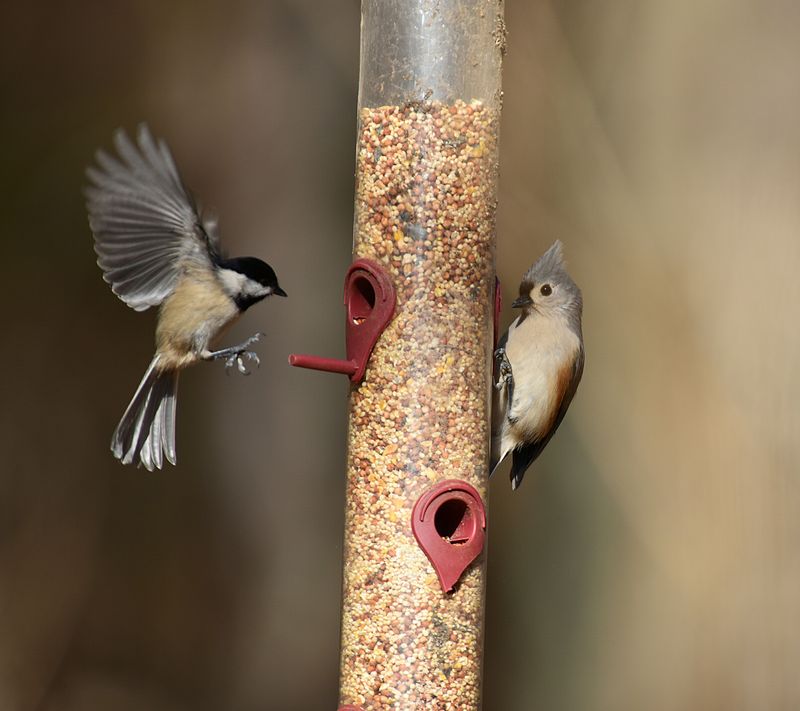
Bird feeders seem harmless at first. Then the ground below starts collecting spilled seed. Chipmunks love food that requires little effort. Feeders provide that gift day after day, often in the same spot.
Sunflower seeds are a favorite prize. They are rich, easy to carry, and simple to stash underground.
Mixed blends can be even worse. Millet, cracked corn, and peanuts create options for almost every backyard visitor.
Hulls and scraps spread beyond the pole. Wind, rain, and pecking birds scatter bits into nearby beds.
That wider mess expands the feeding zone. One hanging feeder can influence a surprisingly large patch of yard.
Children may love seeing birds gather. Chipmunks notice that crowd and learn food is dropping from above.
Soon, they start waiting nearby each morning. That routine saves energy and lowers risk from predators.
Feeders near shrubs make things easier. Animals can dart out, grab food, and disappear in seconds.
Homes with multiple stations raise the stakes. More poles usually mean more waste and more repeat traffic.
Try better timing if you enjoy feeding birds. Offer smaller amounts instead of keeping feeders packed all week.
Choose no-mess seed when possible. That option costs more, but it leaves less temptation below.
Rake under feeding areas every few days. A quick cleanup can reduce smells and visible leftovers.
Move stations away from porches and foundations. Distance makes settling nearby less appealing for burrowing guests.
People often think the feeder itself is the attraction. The real lure is the steady rain of free calories.
Once you control the spill, your bird corner stops drawing chipmunks in. That changes everything.
Other Common Mistakes That Invite Chipmunks To Your Yard
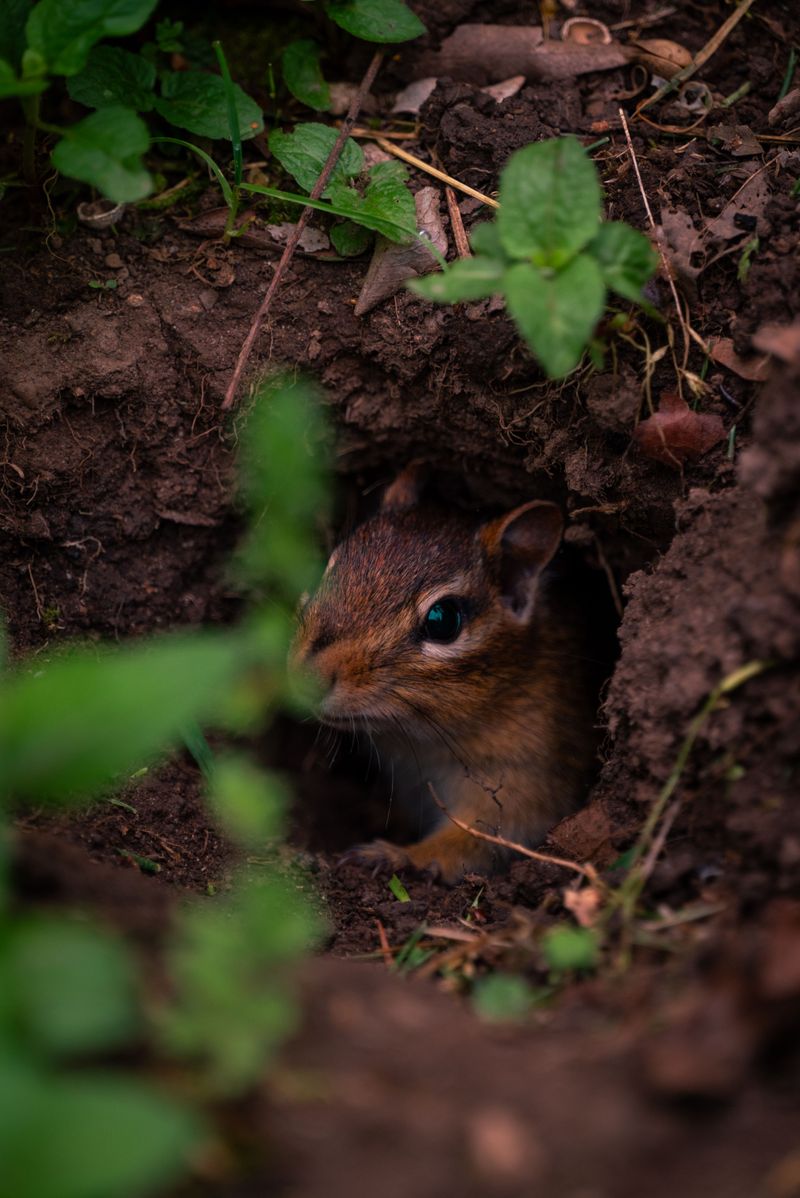
Food is only part of the story. Shelter mistakes can make a backyard feel safe enough for staying.
Woodpiles are a classic example. They offer hiding spaces, shade, and easy escape routes from danger.
Thick groundcover creates similar comfort. Low plants let small animals move unseen between feeding spots and burrow sites.
Rock walls also cause trouble sometimes. Gaps between stones become handy travel lanes and temporary hiding places.
Fallen acorns and nuts add another draw. Untouched tree litter can keep snack seekers busy for days.
Compost piles may tempt them as well. Seeds, fruit scraps, and warmth create a cozy corner.
Pet food left outside sends a strong signal. Even a small bowl on a porch can attract repeat visitors.
Messy edges around sheds deserve attention too. Loose boards, weeds, and stored pots create perfect cover.
Water matters more than people think. Dripping spigots or birdbaths help wildlife stay comfortable during hot weeks.
None of these features seem dramatic alone. Together, they create food, cover, and moisture in one compact area.
That mix supports longer visits. Longer visits make tunneling and nesting much more likely over time.
Start with easy fixes first. Stack firewood higher, trim low plants, and remove fallen nuts often.
Keep compost sealed if possible. Store pet food indoors, and fix leaks before dry weather arrives.
Clear a little open space near walls. Chipmunks prefer routes where cover sits close by. Look at your yard like a hiding animal. Safe shortcuts and free snacks stand out right away.
When those comforts disappear, your space feels less welcoming. That simple reset can prevent bigger headaches later.
How To Tell If Chipmunks Have Already Moved In
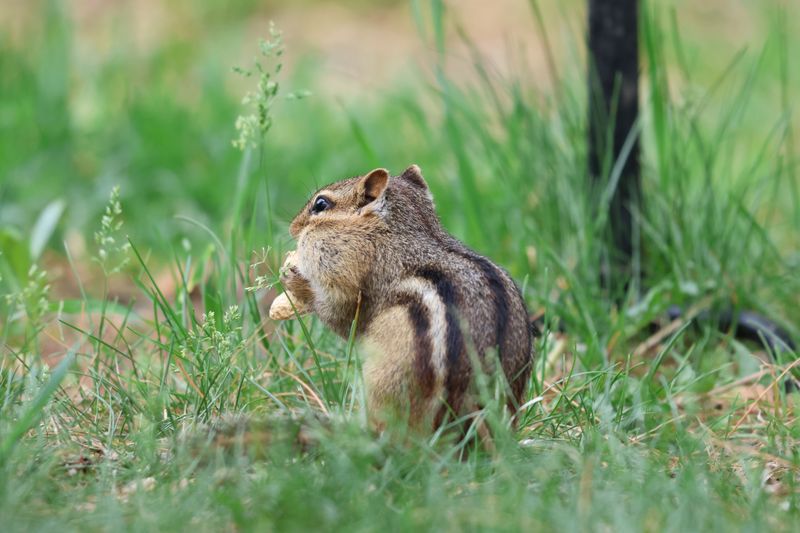
Sometimes the clues are tiny. A small hole near steps can be the first quiet warning. Chipmunk burrow openings usually look neat. You may see little dirt spread lightly, or hardly any mound.
Mulch can reveal traffic quickly. Narrow paths appear where repeated movement presses the surface down. Listen during calm morning hours. Short chirps and quick rustling sounds often give them away.
Garden beds may show fresh digging. Bulbs, seedlings, or roots can get disturbed during food searches. Seed shells under shrubs are another hint. Hidden eating spots often sit close to safe cover.
Watch the base of decks carefully. Openings near supports may lead to tunnels under protected structures.
Stone borders can hide entrances too. A chipmunk may disappear there before you fully notice movement.
Fruit disappears faster when residents settle in. Strawberries and tomatoes sometimes show little bites or missing pieces. Pets may spot activity before people do. Dogs often sniff one area again and again.
Do not assume one sighting means trouble. Regular appearances, paired with holes, usually tell the clearer story.
Use a simple notebook for a week. Record times, locations, and what food sources seem nearby.
That pattern helps you respond smarter. You can target cleanup and trimming where activity is strongest.
A flashlight check at dawn can help. Early light makes movement and tunnel openings easier to spot.
The sooner you recognize the signs, the easier control becomes. Waiting gives burrow systems time to expand.
Once tracks, holes, and feeding scraps line up, chipmunks may already have settled in. Catch it early.
Simple Changes To Make Your Yard Less Appealing To Chipmunks
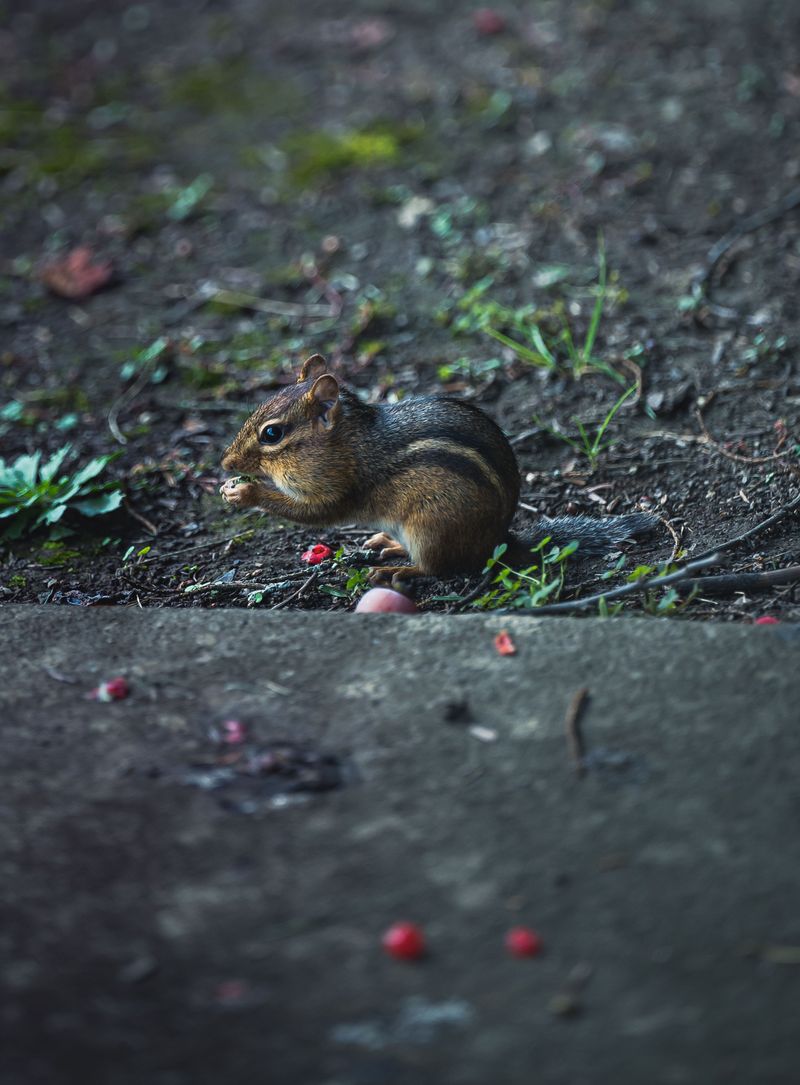
Good news comes fast here. Small fixes can change your yard without ruining its charm. Start where food drops most often. Clean under feeders, grills, and outdoor eating spots every few days.
Switch to no-mess birdseed if possible. Less waste on the ground means fewer rewards for hungry visitors.
Move feeders away from dense cover. Open space makes quick dashes feel riskier for small animals. Trim shrubs so lower branches sit higher. That creates fewer hidden routes near the soil.
Raise firewood off the ground on racks. Airflow improves, and hiding spaces become less cozy.
Use sealed containers for seed and pet food. Smells travel farther than most people realize. Pick up fallen nuts and fruit quickly. Backyard snacks should not sit out like a free lunch.
Cover compost with a secure lid. Keep tempting scraps buried well beneath dry leaves or yard waste.
Check for dripping hoses and faucets. Dry corners feel less comfortable during warm months.
Simple barriers can help around beds. Hardware cloth under bulbs may protect favorite planting areas.
Watch mulch depth near foundations too. Thick layers can hide entrances and support tunneling behavior. Choose gravel in problem spots if needed. It offers less cover than fluffy organic mulch.
None of these steps are fancy. They work because they remove comfort, food, and easy shelter. Try two or three changes first. Then observe which areas grow quieter over the next week.
That steady progress matters more than perfection. Each smart adjustment makes your space less appealing to chipmunks.
Long-Term Prevention Tips To Keep Chipmunks Away
Quick fixes help today. Long-term habits keep the same problem from sneaking back next season.
Think in routines, not one-time chores. Wildlife notices patterns, and prevention works best the same way.
Set a weekly cleanup schedule. Seed spills, fallen fruit, and yard clutter should never linger long.
Check foundations every month for holes. Small openings near steps or porches deserve fast attention.
Refresh trimming before growth gets dense. Clear sight lines make many spaces feel less secure.
Rotate feeder locations when possible. That prevents one patch of ground from becoming a permanent feeding zone.
Use trays or catchers under stations year-round. They reduce waste and make cleanup much easier.
Store garden supplies neatly after each project. Empty pots and loose boards can become shelter quickly.
Talk with neighbors if activity spreads across property lines. Shared habits often shape local wildlife patterns.
Season changes matter too. Spring planting and fall nut drop can increase visits if you relax maintenance.
Pay attention after storms as well. Fallen branches and scattered seed create sudden opportunities. If burrows keep appearing, call a local expert. Repeated activity may need a stronger plan.
Choose humane, prevention-first solutions whenever possible. The goal is discouragement, not unwanted conflict. Keep notes on what works each month. That record saves time when patterns repeat next year.
A calm yard usually comes from consistency. Little actions done often beat big efforts done once. Stay steady, and results tend to follow. Your space can stop attracting chipmunks for good.