This Fall Step Is What Makes Hydrangeas Bloom Again
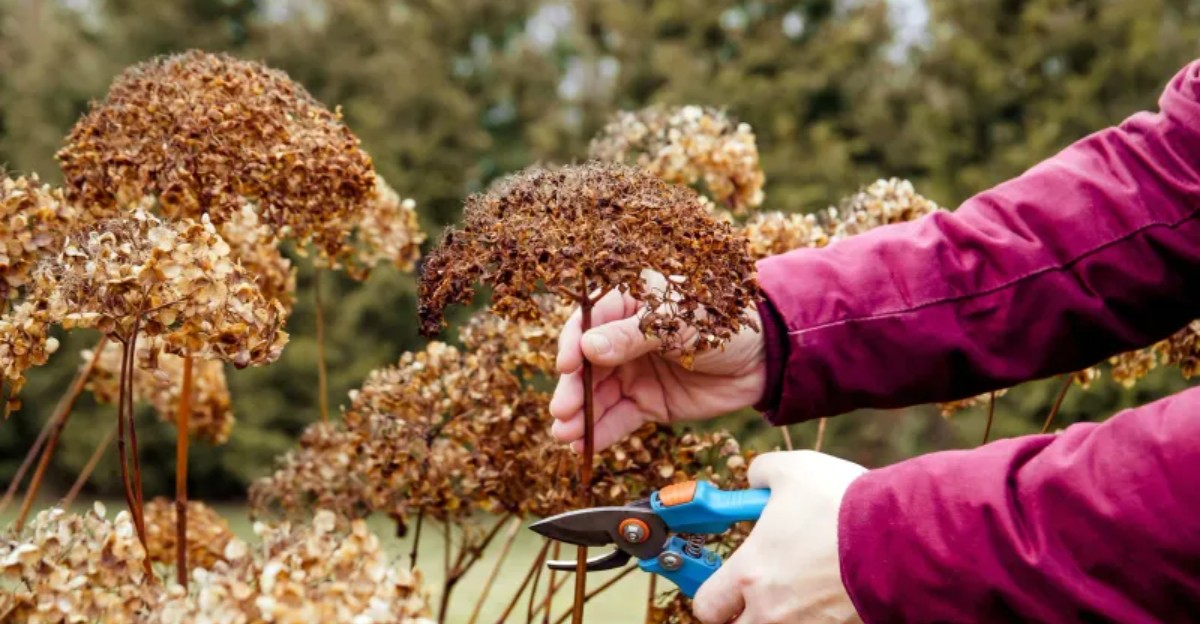
Early September air carries that cooled-down smell, like rain on warm pavement mixed with petals past their prime. Out in the yard, the big summer show is winding down, and every shrub looks a little rumpled and tired.
Most of us reach for the pruners right about now, because neat feels like progress after a long, sticky season. That satisfying snip, though, can quietly cost you the color you were counting on next June.
Here is the twist that trips up even careful gardeners. Next summer’s flowers are already being built, right now, inside the stems that look finished for the year.
Give those weary stems a little respect this month, and the yard pays you back the moment the heat returns. Patience, it turns out, smells a lot like autumn leaves and fresh mulch.
The Autumn Habit That Saves Next Season’s Flower Buds

Somewhere between late August and the end of September, while the garden looks like it is coasting to the finish line, a quiet handoff happens. Bigleaf and oakleaf hydrangeas finish forming the flower buds they plan to open the following summer, and those buds ride out winter on stems that already look spent.
That single fact changes everything about autumn care. The stems you are tempted to shorten are not leftovers, they are next year’s bouquet in storage. Trim them away, and the shrub leafs out beautifully in spring with almost nothing at the tips.
So the real step is mostly restraint paired with insulation. Leave the woody stems and faded flower heads standing, then tuck a few inches of shredded bark or chopped leaves over the root zone once the soil cools down.
Those old blooms are more than decoration. They work like tiny umbrellas, catching snow and shielding the buds below from drying wind and odd warm spells that coax a plant into waking too soon.
Gardeners who switch to this approach usually spot the difference within one season. Instead of a leafy green mound, they get the heavy, nodding heads that made them fall for the plant at the nursery.
Panicle and smooth types follow different rules, since they flower on fresh growth. Even those appreciate a mulched, undisturbed autumn, so when you are unsure which shrub you own, leaving it standing until spring costs you nothing at all.
Bud Set Timing From Late Summer Into Early Fall

Timing is where plenty of good intentions go sideways. Flower buds for next summer take shape roughly from mid-August through September, once days shorten and nights cool, so anything you do to the stems after that point becomes a gamble.
September is a fine month for watching rather than cutting. Keep the soil evenly moist, because a shrub that goes thirsty while setting buds tends to set fewer of them.
Fertilizer runs on the same clock. Feeding wraps up by late summer, since a shot of nitrogen in autumn pushes soft new shoots that are poorly prepared for cold nights.
Mulch has its own moment, and it lands later than most people expect. Wait until the soil has cooled and the shrub has dropped its leaves, usually after the first light frost, then spread your layer so it holds that chill rather than trapping leftover summer warmth.
Early mulching can keep roots cozy enough to encourage growth with no time to toughen up. Mulching after the ground freezes solid misses the point of steady soil temperature.
Northern gardeners often spread mulch in early to mid November, while milder regions can wait until December. Watch the forecast instead of the calendar and you will land in the right window.
One more timing note is worth keeping in your back pocket. If a storm snaps a stem in October, trim just that break and leave the healthy wood standing where it is.
The Pruning Mistake Most Gardeners Make In Fall

Picture the scene: pruners in hand, the shrub looking tired and twiggy, and a strong urge to make things neat before winter arrives. That tidy-up is the most common reason a healthy plant spends the next summer as a green mound with no color.
Old-wood bloomers carry their buds on stems grown the previous year. Cutting those stems low in autumn removes the buds along with the mess, and no amount of spring feeding brings them back.
Clipping off faded flower heads causes trouble too, when the blades go too low. Each cut below the top pair of plump side buds takes future flowers with it, which makes that job safer in spring.
Identifying your shrub helps more than any general rule. Mophead and lacecap types with rounded blue or pink heads, along with oakleaf types and their lobed leaves, hold buds on old wood.
Cone-shaped white panicles and classic round white smooth types flower on fresh growth, so they tolerate a late-winter haircut. Even for those, autumn cutting offers nothing that a March trim cannot do better.
Another quiet misstep is raking the bed down to bare soil. Stripping every leaf away leaves the crown exposed, and shredded fallen leaves happen to be excellent free insulation.
When the itch to prune hits in October, set the tools down and pull weeds instead. Your hands stay busy, and next summer’s flowers stay right where the plant put them.
A Mulch Blanket And A Long Drink Before Frost

Think of mulch as a blanket for the soil rather than for the plant. A layer two to four inches deep over the root zone steadies soil temperature, which keeps the ground from thawing and refreezing and shoving shallow roots around.
Shredded bark, pine straw, and chopped autumn leaves all do the job well. Chopped leaves are the budget favorite, and running a mower over a loose pile turns them into perfect confetti in about five minutes.
Spread the layer out toward the drip line, then pull it back an inch or two from the woody base. Mulch packed against stems holds moisture where you least want it and invites rot and curious rodents.
Water matters just as much, and folks forget it once the air turns crisp. Give the shrub a long, slow soaking every week or two through autumn, right up until the ground firms with cold.
Roots keep growing in cool soil long after leaves drop, and a well-hydrated shrub handles winter wind far better. Dry soil combined with frozen gusts is what wears buds down fastest.
Skip the fertilizer and rich compost topping for now. Save that nutrient boost for spring, when fresh growth can put it to work.
Come April, rake the mulch back slightly so the soil warms, and leave the rest in place as a moisture keeper. One blanket, two seasons of benefit.
Fuller Heads And Stronger Stems Next Summer

Here comes the payoff, and it arrives right on schedule. Shrubs that keep their stems and stay mulched wake up in spring with plump buds along the whole length of the wood, not just near the ground.
Buds low on the plant make it through most winters because snow and mulch shield them. The ones higher up are the generous producers, opening those large heads that lean over walkways and fill a vase in one snip.
The difference shows up by late April or early May. Leaves push from tight buds all the way up the stems, and short flower stalks follow within a few weeks.
Bloom count often jumps in a way that genuinely surprises people. A shrub that produced only a few blooms one summer can produce noticeably more the next, on stems sturdy enough to hold them upright.
Color looks richer too, since a well-rooted plant moves water and nutrients efficiently. Flowers hold their shape through July heat instead of flopping by lunchtime.
There is a bonus in the second and third year of this routine. Untouched old wood thickens, the shrub builds a stronger frame, and flowering turns reliable rather than a yearly guessing game.
Even a rough winter feels less discouraging once the habit is in place. A few tip buds may fade, yet the rest of each stem still carries enough promise for a show worth photographing.
Wind Screens And Steady Habits For Future Seasons

Wind does more harm to flower buds than cold on its own, which catches many gardeners off guard. Dry winter gusts pull moisture straight out of the stems while frozen soil offers no way to refill.
A simple screen solves most of it. Three or four stakes set around the shrub with burlap wrapped loosely between them slows the wind without sealing the plant inside a bag.
Some gardeners fill that burlap ring with shredded leaves for extra cushioning, especially in zone 5 and colder. Take the whole setup down in early spring, once hard freezes start tapering off.
Where you plant prevents most of these headaches from the start. A spot with morning sun, afternoon shade, and shelter on the north or west side of a building gives buds a much calmer winter.
Variety choice is the other long game. Reblooming selections flower on both old and new wood, so a harsh season trims your display rather than canceling it. Ask a local nursery which ones perform in your area, since bud hardiness varies more than flower color does.
Build a rhythm and the whole thing runs on autopilot. Water through autumn, mulch after leaf drop, screen when wind is fierce, and prune lightly in spring once buds swell.
Jot a note in your phone about which shrub you own and when you last cut it. Future you, standing in the September garden with pruners, will appreciate the nudge.