This Graceful Garden Visitor Can Cost You Thousands If You Handle It The Wrong Way In Louisiana
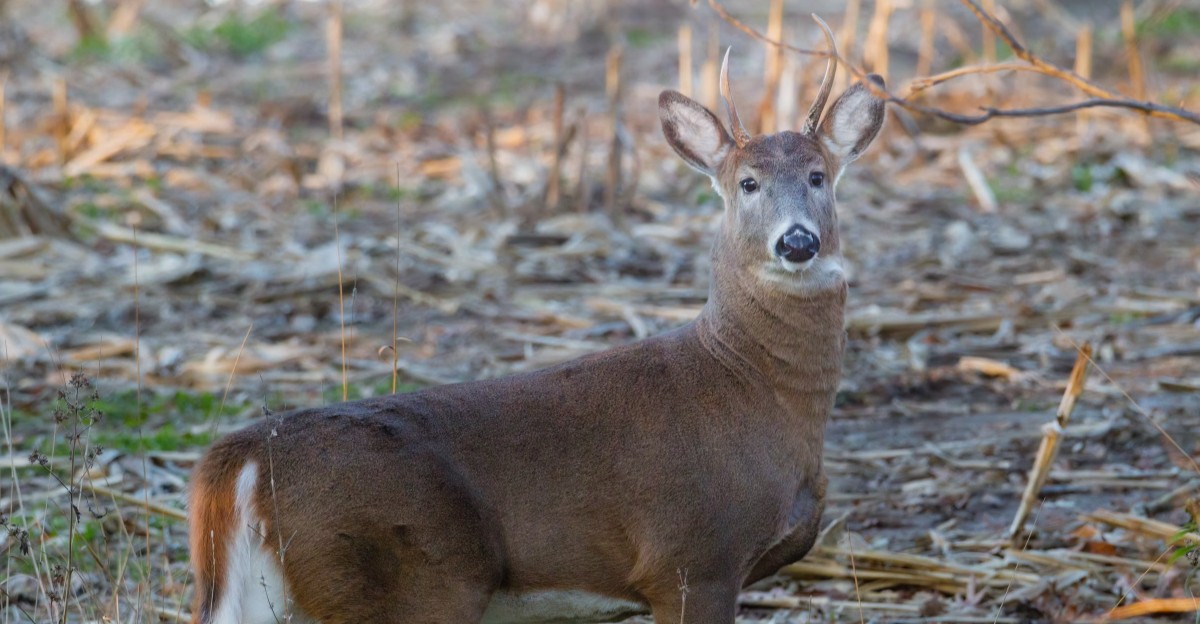
A single hungry visitor can eat six to ten pounds of greenery in one day. I learned that number after finding my hostas chewed to stubs and my rosebuds snapped off with ragged, torn edges.
The culprit moves like a ballet dancer and leaps fences most folks would call tall. It slips into Louisiana yards at dusk, browses quietly, and leaves before your porch light even clicks on.
Across Louisiana, gardeners spend real money replacing shrubs, buying sprays that wash away, and building barriers that fail.
Some even try shortcuts that break wildlife rules or put pets at risk. I skipped a few of those mistakes, and I fell right into others.
You might notice the clues already. A nibbled tomato, a hoofprint in soft mulch, a bare spot where pansies grew last week. The thief is a white-tailed deer, and the right defense will end the raids for good.
Those Torn Leaf Edges Point to a Hooved Night Visitor

Ragged, shredded leaf tips tell a story most gardeners miss at first. White-tailed deer have no upper front teeth, so they grip and tear plants instead of snipping them clean.
Rabbits leave sharp, angled cuts low to the ground. Deer damage usually shows up higher, often from knee height to about six feet, with torn edges and missing buds. Look for heart-shaped hoofprints in soft soil and small, pellet-shaped droppings nearby.
Deer are browsers, which means they nibble a little here and a lot there. One adult can eat 6 to 10 pounds of plant material daily, according to wildlife experts. That appetite explains how a whole bed of hostas or impatiens can disappear overnight.
Timing matters too. Deer feed most around dawn and dusk, so damage often appears by morning with no visitor in sight. A trail camera is a cheap and fun way to confirm who is sneaking in.
Knowing the real culprit saves you money right away. Too many folks buy rabbit fencing or squirrel spray first, then wonder why nothing changes.
Once you see the signs of deer, you can pick tools that match the problem and skip the wasted dollars.
A Tall Deer Fence Beats Every Spray on the Shelf

Fencing is the one fix that wildlife specialists rank above everything else. Sprays and gadgets help, but a well-built barrier keeps deer out night after night.
An 8-foot fence is the common standard, since healthy deer can clear shorter ones with ease. In spots with heavy deer traffic, some experts suggest even taller barriers.
Black polypropylene mesh is lighter and cheaper than woven wire, and it blends into the yard better. Deer also struggle with depth perception. That weakness opens up clever, lower options.
Two fences about 4 to 5 feet tall, set 3 to 5 feet apart, make deer unsure where to land. A fence slanted outward at roughly 45 degrees works on the same idea.
The bottom deserves just as much care as the top. Deer will push under loose mesh, so stake it tight to the ground every few feet.
Yes, a solid fence costs money upfront. Still, compare that bill to replacing shrubs, fruit trees, and seasonal flowers year after year.
Many gardeners find the fence pays for itself in just a couple of seasons, especially around vegetable plots and young orchards.
Handling Nuisance Deer Yourself Can Land You in Legal Trouble
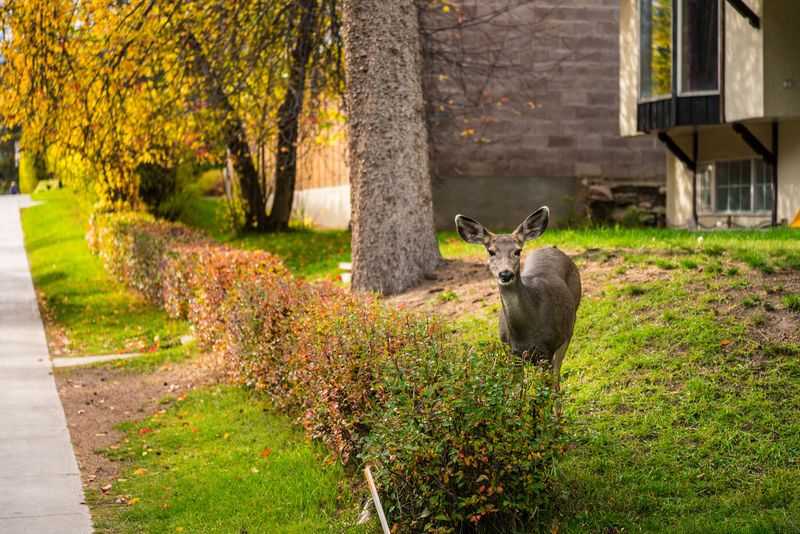
Plenty of frustrated homeowners consider taking matters into their own hands. That impulse is where the real cost can creep in, well beyond a few lost plants.
White-tailed deer are regulated game animals in Louisiana. Taking one outside legal hunting seasons, without proper licenses, or in violation of local firearm rules can bring fines, court costs, and seized equipment.
Many towns and parishes also ban discharging weapons within city limits. Homeowners often expect the state to haul deer away.
The Louisiana Department of Wildlife and Fisheries generally does not remove deer from neighborhoods, and licensed nuisance wildlife operators typically do not handle them either.
Special depredation permits are mostly reserved for serious damage to commercial crops and orchards, not backyard flowerbeds.
Feeding deer can create its own mess. Corn piles draw more animals, raise disease risks, and teach deer that your yard is a reliable snack bar.
Check current LDWF rules before putting out any bait. Before you act, call your parish office or LDWF with questions. A quick phone call costs nothing. Guessing wrong about wildlife law can cost far more than a fence ever would.
Repellent Sprays Only Work When You Keep Them Fresh

My first bottle of repellent worked like magic for about nine days. Then a summer thunderstorm rolled through, and the deer were back by breakfast.
Repellents fall into two main groups. Odor types, often made with putrescent egg or garlic, smell bad enough to warn deer away.
Taste types make leaves bitter or spicy once a deer takes a bite. Egg-based products tend to score well in university trials.
Louisiana rain is the big challenge. Heavy downpours and high humidity wear products down fast, so reapply after storms and every couple of weeks during growing season. Spray new growth too, since fresh leaves are untreated and extra tempting.
Deer can grow used to one scent over time. Switching between two or three products with different active ingredients keeps them wary.
Start spraying before damage begins, because breaking an established feeding habit is much harder.
Read the label every time, especially near vegetables and herbs. Some products are not meant for edible crops.
Used wisely, sprays shine for small beds, container plants, and spots where a fence would look out of place.
Rosemary, Lantana, and Salvia Rarely Tempt Hungry Deer
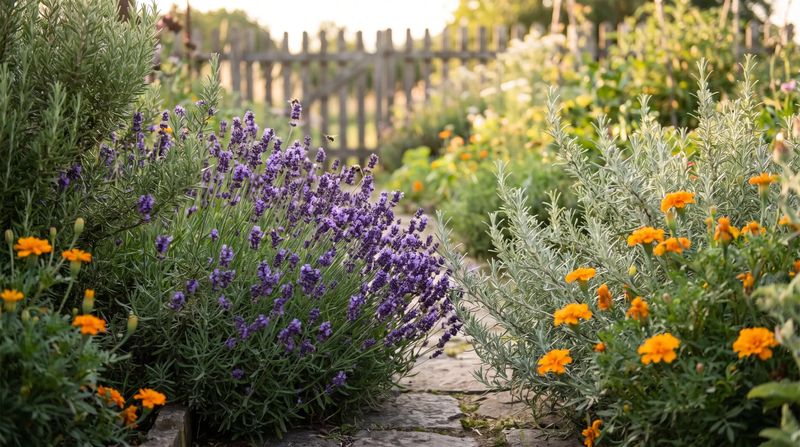
Smart plant choices can do a surprising amount of quiet work. Deer tend to skip plants with fuzzy leaves, strong scents, spiny textures, or bitter sap.
The LSU AgCenter points Louisiana gardeners toward options like lantana, salvia, vitex, marigolds, gardenias, crape myrtles, and Louisiana irises. Several of these appear on the Louisiana Super Plants list, so they already handle local heat and humidity well.
Rosemary, lamb’s ear, holly, boxwood, and ornamental grasses also earn regular praise. One caution about a popular choice. Nandina often shows up on deer-resistant lists, but it spreads aggressively in the Southeast and its berries can harm birds.
Choose native yaupon holly or beautyberry instead. No plant is truly deer-proof. During droughts or lean winters, hungry deer will sample things they normally ignore.
Young transplants are also more at risk than established plants. A neat trick is layering. Place tough, scented plants along the outer edges of beds and keep favorites like roses and hostas near the house.
Deer browsing the edge often meet strong smells first and wander off before reaching your treasures.
Hostas, Roses, and Daylilies Are Basically Deer Candy
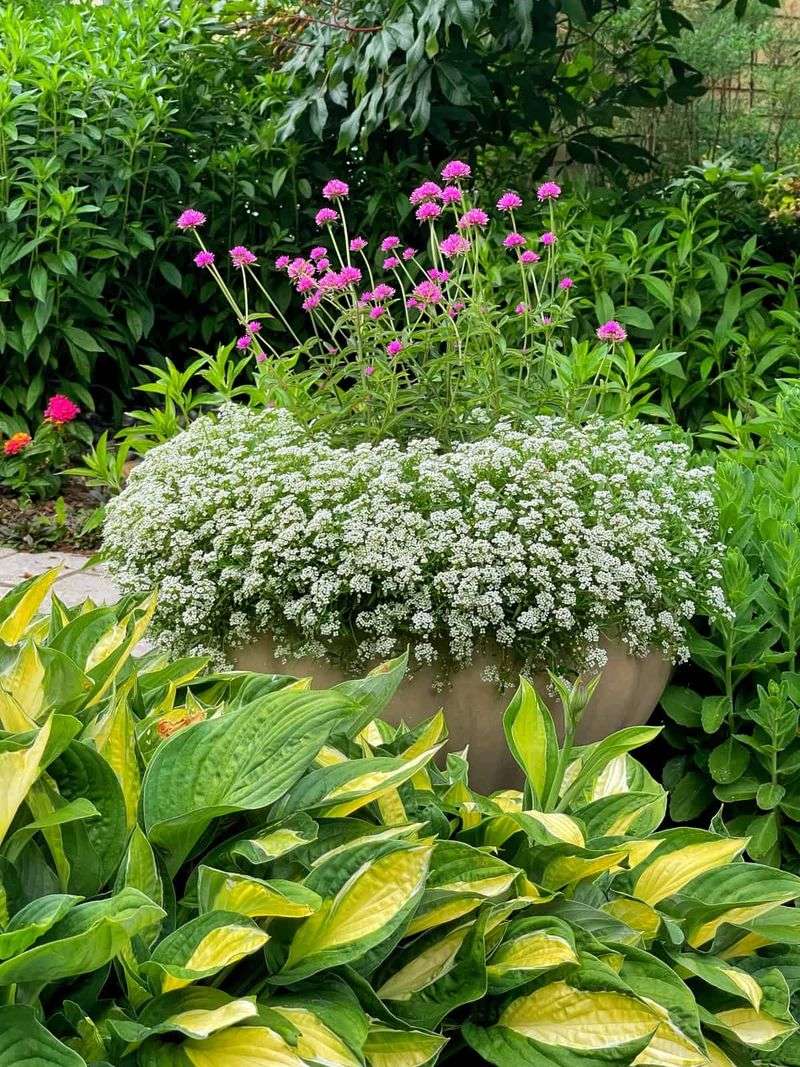
Some plants practically ring a dinner bell. Deer love tender, juicy leaves and soft flower buds, and many classic Southern ornamentals fit that description perfectly.
Hostas top almost every list of deer favorites. Roses, daylilies, impatiens, pansies, azalea buds, and hydrangeas also get hit often.
In the vegetable patch, beans, peas, sweet potato vines, lettuce, and young tomato plants draw constant attention. Fruit trees take a beating too, especially fresh shoots and low-hanging fruit.
Bucks add another kind of damage in fall. They rub their antlers against young tree trunks, stripping bark and sometimes leaving trees too weak to recover.
Wrapping trunks or adding a cage of wire mesh helps. Not ready to give up your favorites? You do not have to.
Group high-risk plants together so one fence, cage, or spray routine protects them all. Containers on a deck or porch close to the house also get bothered less.
Keep a simple notebook of what gets eaten each season. After a year, you will know exactly which plants need guarding and which ones you can leave alone. That record helps you spend money only where it counts.
Motion Sprinklers and a Watchful Dog Keep Deer Guessing
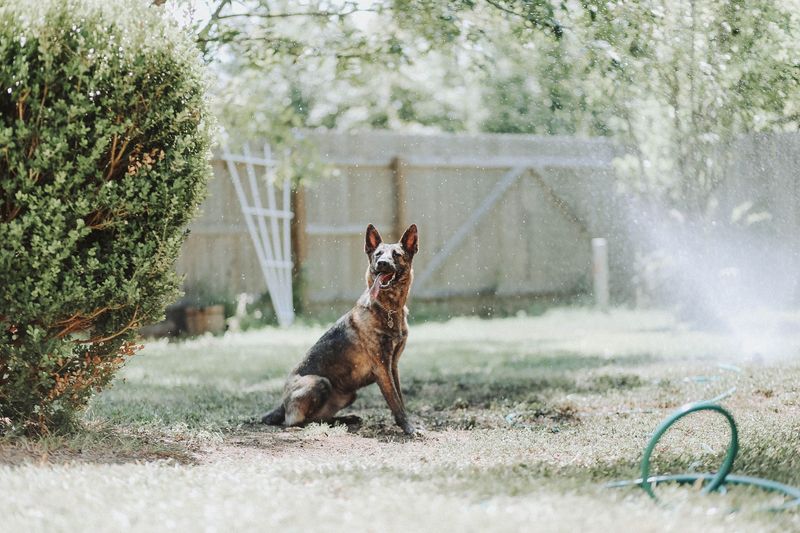
Nothing sends a deer bounding off quite like a sudden blast of cold water. Motion-activated sprinklers catch them by surprise and use only a small burst each time.
Surprise is the secret, though. Deer are smart and adapt fast, so move sprinklers, lights, or noise devices every week or two. Mixing tactics works better than relying on one gadget for months.
A dog that spends time outdoors can be a strong helper. Its scent, barking, and patrols make deer nervous about lingering. Many local leash laws apply, so a fenced yard keeps your pup safe and legal.
Skip the old home remedies that cause harm. Mothballs are pesticides that are illegal to use outdoors this way, and they can sicken kids, pets, and wildlife. Homemade traps and poisons are also unsafe and often against the law.
Soap bars, hair clippings, and shiny pinwheels have mixed results at best. They might buy a week or two before deer ignore them.
Treat these as short-term extras rather than real protection, and pair them with sturdier steps like fencing or proven repellents for lasting results.
A Layered Plan Lets You Enjoy Deer Without Losing Your Garden

Watching a doe and her fawn step out of the woods at sunrise is a real Louisiana treat. The trick is keeping that lovely moment from turning into an expensive one.
The best results come from stacking simple steps. Fence the plants you value most, spray the ones you cannot fence, and fill open beds with tough, scented plants. Add a moving sprinkler or two during peak seasons.
Pay attention to the calendar. Pressure often rises in late winter and early spring when wild food runs thin, and again in fall during the rut. Start defenses early instead of reacting after damage appears.
Talk with your neighbors too. If one yard offers free snacks, deer will keep visiting the whole street. Shared fence lines and a no-feeding agreement can make a noticeable difference.
For local advice, your parish LSU AgCenter extension office is a fantastic, free resource. Agents can suggest plants for your region, from the sandy north to the soggy southern parishes.
With a smart plan, you protect your wallet, follow the rules, and still get to admire these graceful neighbors from your porch.