10 Invasive Shrubs To Avoid In California And What To Grow Instead
Some shrubs look like easy wins at the nursery, then turn into the plant version of regret once they start spreading, crowding out better choices, or causing headaches beyond your own fence line.
In California, that risk is even bigger because a shrub that seems pretty and harmless in one yard can behave very differently once it meets the state’s mild climate, dry summers, and fire-prone landscapes.
What starts as a quick landscaping decision can become a long-term problem for your garden and the space around it.
That is why more California gardeners are getting picky about what deserves a spot in the yard. Invasive shrubs do not just ask for maintenance.
They can escape cultivation, outcompete local plants, and make a landscape harder to manage over time. The good news is that skipping them does not mean settling for a boring garden.
There are plenty of better-looking, better-behaved alternatives that bring color, structure, privacy, and pollinator value without the baggage. Sometimes the smartest planting choice is the one that saves you trouble before it even starts.
1. French Broom
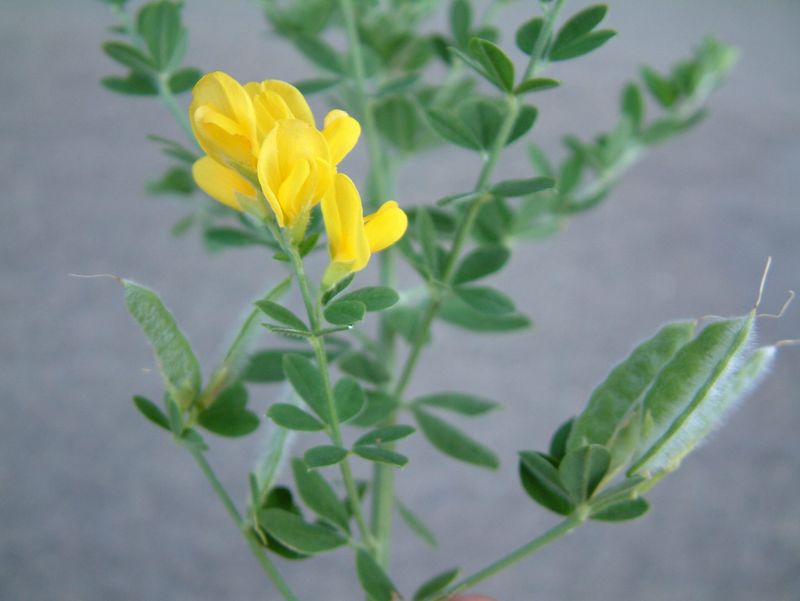
Few plants have caused as much trouble in California as French Broom. Originally from the Mediterranean region, this shrub was brought over as an ornamental plant, and it did not take long before it started spreading everywhere.
It thrives in disturbed areas like roadsides, hillsides, and open fields across the state.
French Broom grows incredibly fast and produces thousands of seeds every year. Those seeds can stay in the soil for decades, making it very hard to get rid of once it takes hold.
It also fixes nitrogen in the soil, which actually changes the soil chemistry and makes it harder for native plants to grow back.
Because it grows so thick and dries out completely in summer, French Broom is also a serious fire hazard in California. A great native alternative is Coyote Brush (Baccharis pilularis).
It is drought-tolerant, fire-resistant, and supports dozens of native insects and birds. Another option is California Sagebrush (Artemisia californica), which smells amazing and provides excellent habitat for local wildlife.
Both plants are well-suited to California’s dry climate and are much safer choices for any yard or garden.
2. Scotch Broom
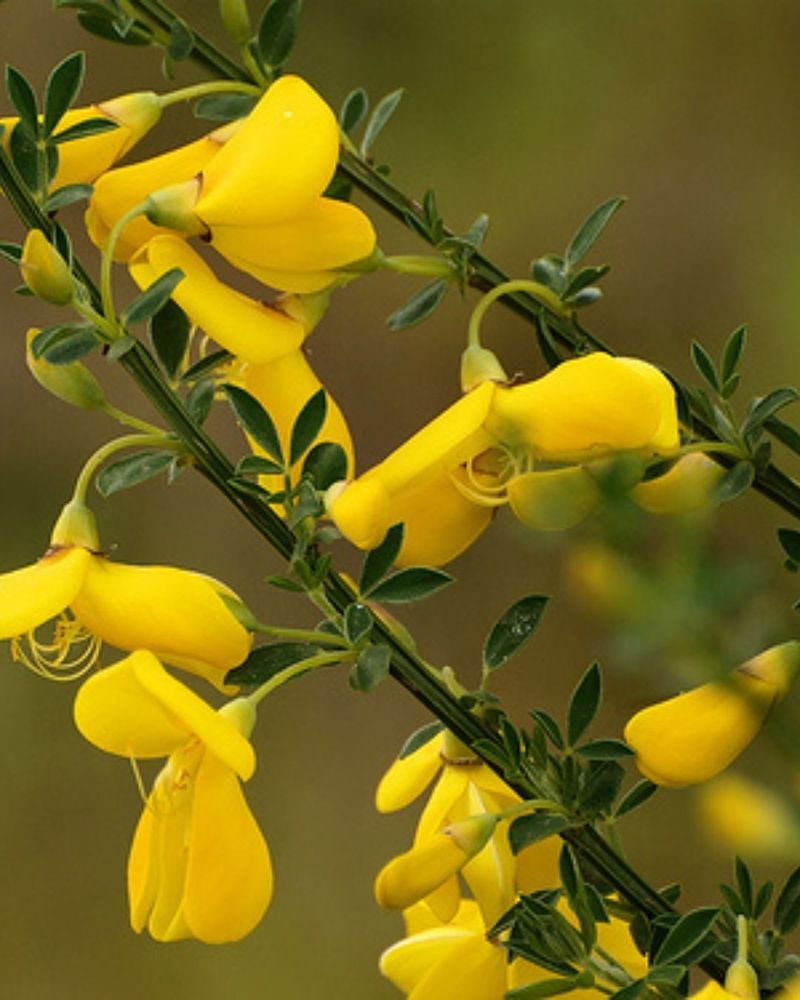
Walk along almost any California highway in spring and you will likely spot Scotch Broom lighting up the roadside with bright yellow flowers. It looks pretty at first glance, but this plant is one of the most aggressive invaders in the state.
It spreads rapidly and takes over grasslands, forest edges, and open hillsides.
Scotch Broom was originally introduced from Europe, and it has been on California’s invasive species list for years. Like its relative French Broom, it alters soil chemistry by adding too much nitrogen.
This makes it very difficult for native grasses and wildflowers to compete and survive.
One single plant can produce up to 18,000 seeds per year, and those seeds can remain in the soil for more than 30 years. That is a staggering number.
Your California Garden Changes Every Week. Your Plan Should Too.
Gardening in California changes quickly throughout the season. Every Friday you’ll receive a simple weekly plan showing exactly what to plant, prune, fertilize, harvest, and protect so you never miss the right timing.
Instead of planting Scotch Broom, consider growing Blue Wild Rye (Elymus glaucus), a native grass that is graceful, easy to maintain, and great for erosion control. Bush Monkeyflower (Diplacus aurantiacus) is another fantastic option that brings color to the garden while feeding hummingbirds and native bees.
Both thrive beautifully across many parts of California.
3. Spanish Broom
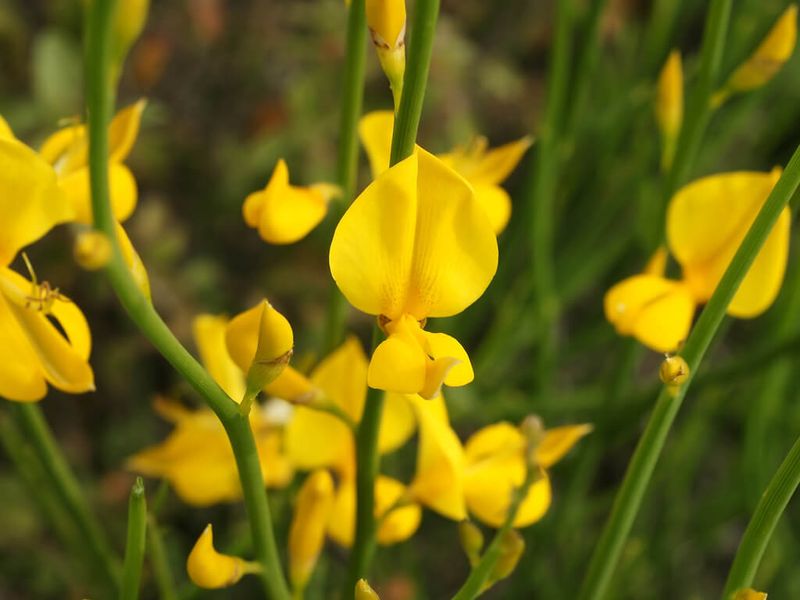
Spanish Broom has a certain charm to it, with its fragrant yellow flowers and slender, almost leafless green stems. But behind that pretty appearance is a plant that has been quietly taking over parts of California for decades.
It spreads quickly through disturbed soils and can form dense stands that push out everything else growing nearby.
What makes Spanish Broom especially tricky is how drought-tolerant it is. It handles California’s dry summers with ease, which means it just keeps growing while native plants struggle.
It also produces large amounts of seeds that spread easily by wind, water, and even on clothing or animal fur.
Spanish Broom is listed as a noxious weed in California, and for good reason. Removing it takes serious effort and often repeated visits over several years.
A much better choice for your California garden is Chaparral Pea (Pickeringia montana), a native shrub with stunning magenta flowers that blooms in late spring. Toyon (Heteromeles arbutifolia) is another excellent pick, offering beautiful white flowers in summer and bright red berries in winter that birds absolutely love.
Both are tough, native, and genuinely beautiful plants that belong in California landscapes.
4. Gorse
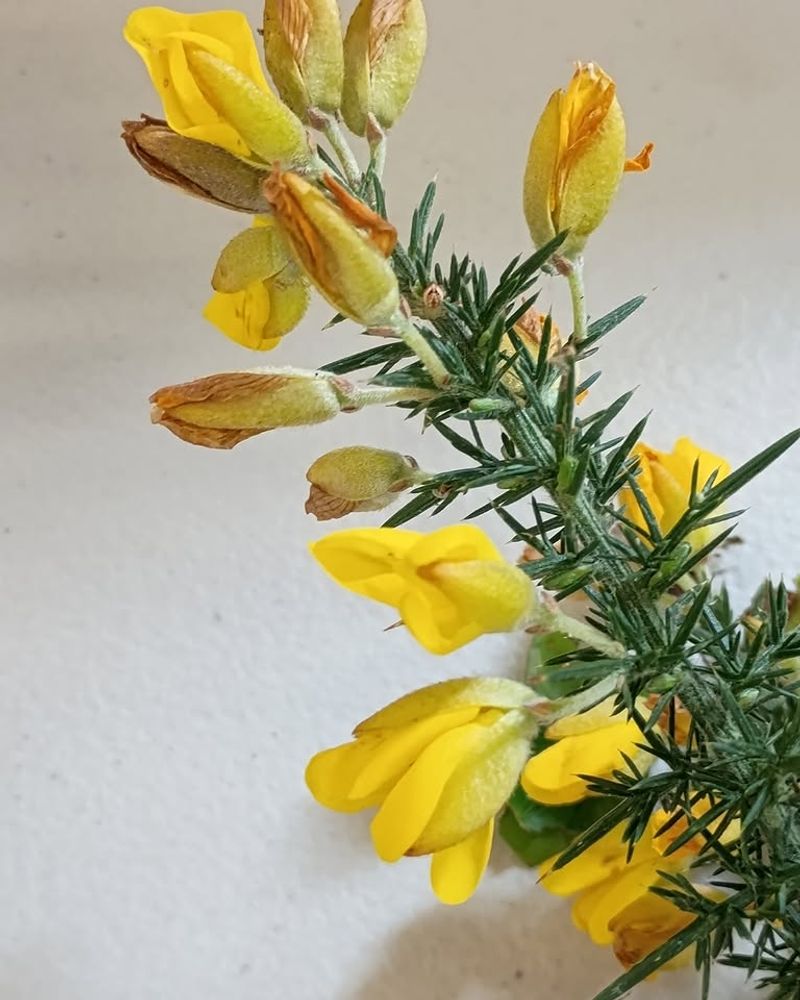
Sharp, stubborn, and nearly impossible to remove once established, Gorse is one of California’s most problematic invasive shrubs. Originally from Western Europe, it was introduced as a hedging plant and quickly proved that it had no intention of staying put.
Today it has spread across coastal areas, hillsides, and open ranges throughout the state.
Gorse is covered in incredibly sharp thorns that make it painful to handle and difficult to clear by hand. It also produces a thick layer of dead material underneath its canopy that burns extremely well, making it a serious fire risk in California’s already fire-prone landscape.
The seeds can survive in soil for up to 30 years, just like its broom relatives.
One interesting fact about Gorse is that its seeds actually pop open with a loud crack in hot weather, launching seeds several feet away. That clever little trick helps it spread fast in California’s warm summers.
Instead of Gorse, try planting Coffeeberry (Frangula californica), a tough native shrub that produces berries loved by birds and wildlife. Lemonade Berry (Rhus integrifolia) is another great native option, offering dense, attractive foliage and small red berries that wildlife enjoys throughout the year.
5. Silverleaf Cotoneaster
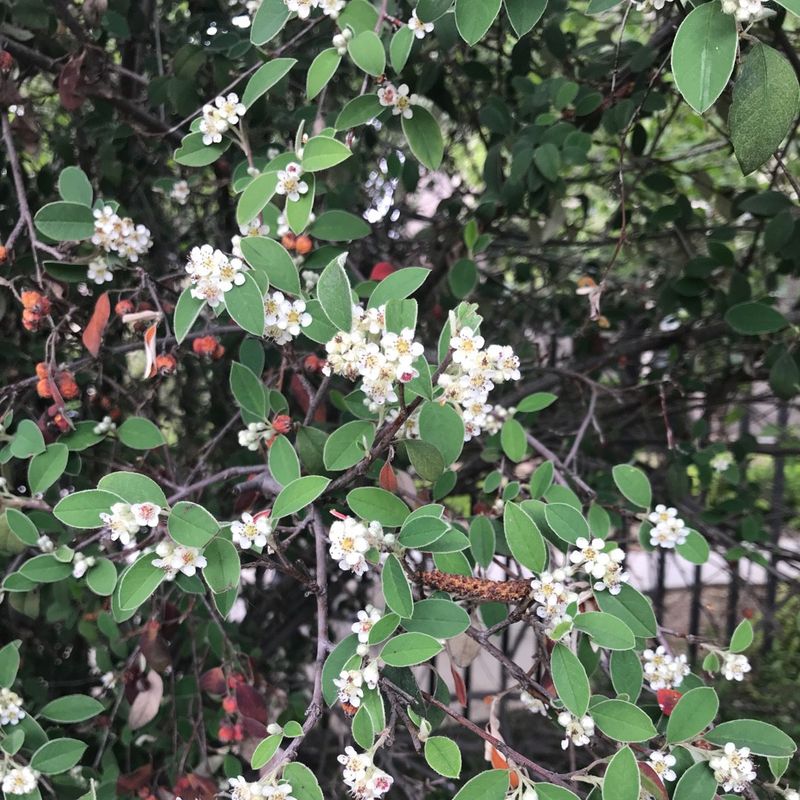
Silverleaf Cotoneaster looks like an innocent garden shrub, with its silvery leaves and clusters of small red berries. It was widely sold in nurseries for years as an ornamental plant, and many California homeowners still have it growing in their yards without realizing it is invasive.
Birds eat the berries and spread the seeds into wild areas, where the plant can quickly take over.
Once Silverleaf Cotoneaster gets established in a natural area, it forms dense thickets that shade out native plants and reduce habitat for local wildlife. It is especially problematic in coastal scrub and chaparral ecosystems, which are already under pressure from development and climate change in California.
Removing it takes persistence because it can resprout from the roots if not cleared completely. A wonderful native substitute is Hollyleaf Cherry (Prunus ilicifolia), a beautiful California native shrub that produces white flowers and dark purple fruits that birds love.
Another strong alternative is Sugar Bush (Rhus ovata), which is drought-tolerant, deer-resistant, and offers glossy green leaves year-round. Both plants blend naturally into California’s native landscapes and provide real ecological value without any of the invasive downsides that Silverleaf Cotoneaster brings.
6. Franchet’s Cotoneaster
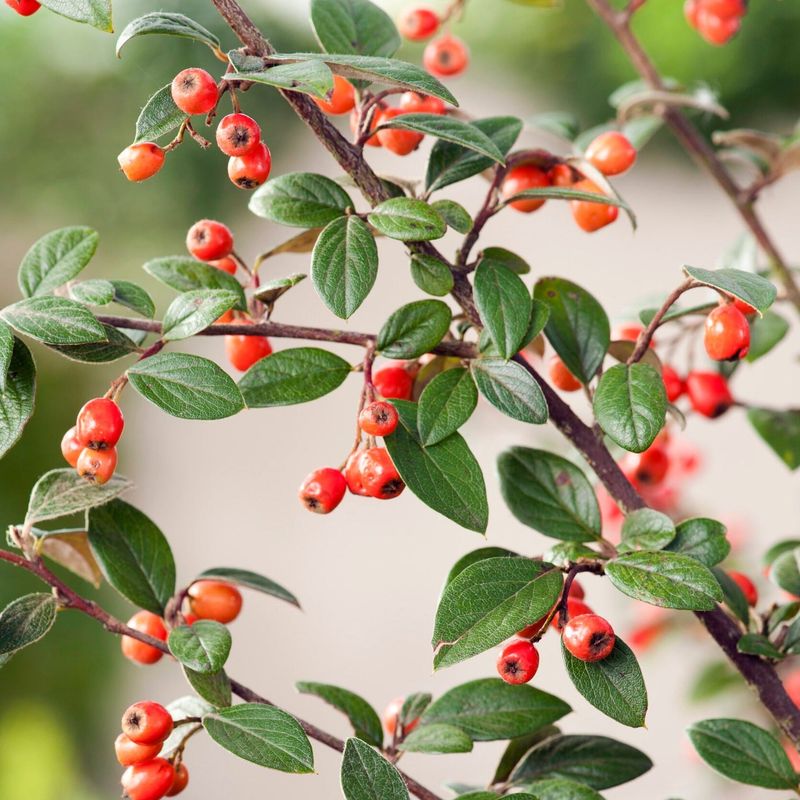
Graceful arching branches and clusters of orange-red berries make Franchet’s Cotoneaster look like a perfectly well-behaved garden shrub. The problem is that it is anything but well-behaved once it escapes into the wild.
Birds love the berries and carry the seeds into open spaces, chaparral, and coastal areas throughout California, where the plant spreads without any help from gardeners.
Franchet’s Cotoneaster is originally from China and was brought to California as a decorative landscape plant. It handles drought reasonably well and tolerates poor soils, which unfortunately makes it very good at surviving in wild areas where native plants are already under stress.
Dense populations of this shrub can significantly reduce biodiversity in natural habitats.
California’s Department of Food and Agriculture has flagged this plant as a concern, and many local conservation groups work hard to remove it from natural areas. A great native replacement is Flannel Bush (Fremontodendron californicum), which produces stunning golden-yellow flowers in spring and is incredibly drought-tolerant once established.
Pacific Wax Myrtle (Morella californica) is another solid choice, offering dense, fragrant foliage that works well as a hedge or screen while supporting native birds and insects in California gardens and yards.
7. Milkflower Cotoneaster
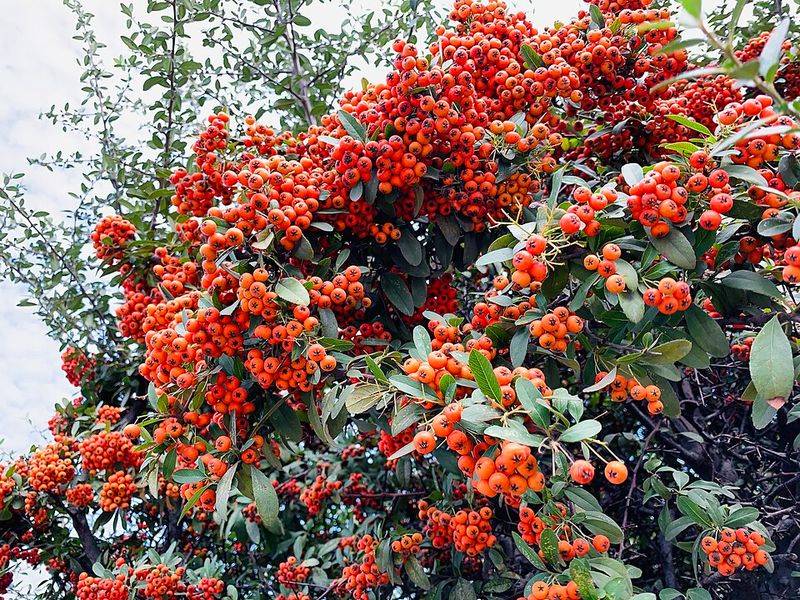
Among the three cotoneasters on this list, Milkflower Cotoneaster may be the least well-known, but it is just as problematic. Named for its small white flowers, this shrub spreads aggressively in California’s coastal and foothill regions.
Like its relatives, it relies on birds to carry its seeds far beyond garden fences and into sensitive natural areas.
Milkflower Cotoneaster forms dense, spreading colonies that block sunlight from reaching the ground. This shading effect prevents native seedlings from germinating and growing, which slowly but steadily reduces plant diversity in the areas it invades.
It is particularly disruptive in coastal sage scrub, a habitat that is already considered one of the most threatened ecosystems in all of California.
Getting rid of established plants requires careful, repeated effort over multiple seasons. Planting natives instead is a much smarter long-term strategy.
Island Bush Snapdragon (Galvezia speciosa) is a beautiful California native with tubular red flowers that hummingbirds adore. Sticky Monkeyflower (Diplacus aurantiacus) is another excellent choice that blooms in shades of orange, yellow, and red.
Both plants are low-maintenance, drought-tolerant, and perfectly suited to California’s climate, making them smart and beautiful alternatives for any home garden or landscape project.
8. Narrowleaf Firethorn
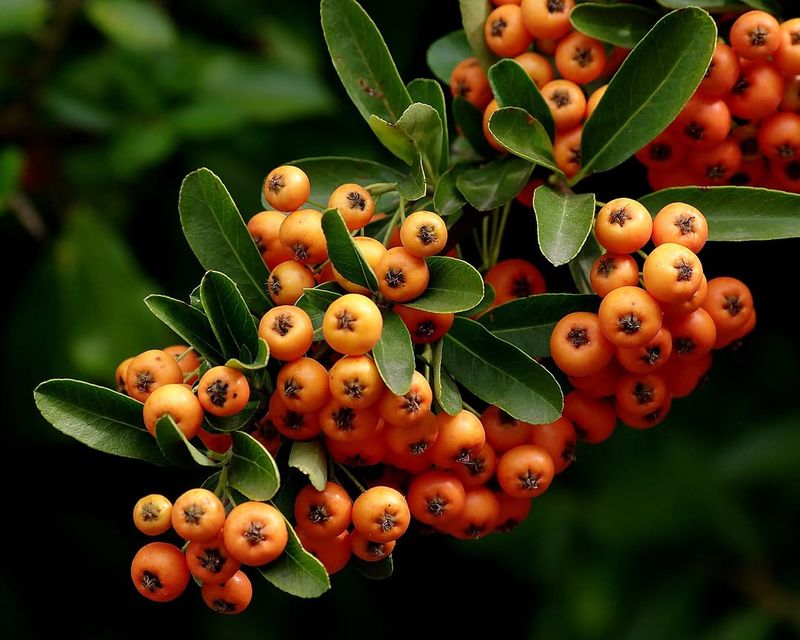
Bright orange-red berries and sharp thorns make Narrowleaf Firethorn one of the most recognizable shrubs in California neighborhoods. It has been used for decades as a security hedge because nothing gets through those thorns easily.
But that same toughness is exactly what makes it a problem when it escapes into the wild.
Birds feast on the berries and spread seeds into open fields, hillsides, and natural areas across California. Once it gets established outside gardens, Narrowleaf Firethorn forms impenetrable thickets that crowd out native shrubs and grasses.
It is especially aggressive in disturbed areas and along stream banks, where native riparian vegetation is already vulnerable.
Here is a fun fact: Narrowleaf Firethorn is in the rose family, which explains those vicious thorns. If you love the look of berries in your garden, consider planting Toyon (Heteromeles arbutifolia) instead.
Toyon is California’s own native holly-like shrub, producing clusters of bright red berries in winter that feed dozens of bird species. It is so beloved that it is said to have inspired the name Hollywood.
Another great choice is California Wild Rose (Rosa californica), which offers fragrant pink flowers and red rose hips that wildlife enjoys throughout the cooler months.
9. Ngaio (Myoporum laetum)
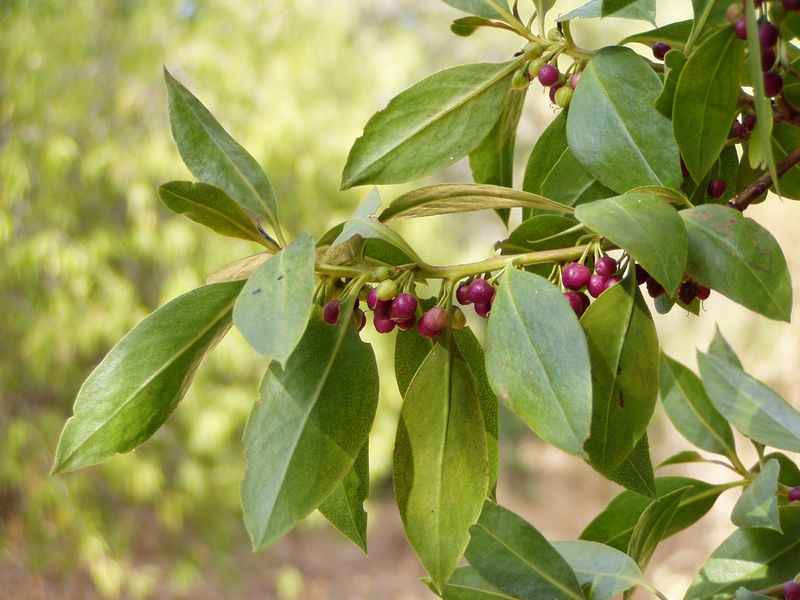
Originally from New Zealand, Ngaio was planted along California’s coast for decades as a windbreak and ornamental screen. It grows fast, tolerates salt spray, and handles poor soils without complaint.
On paper it sounds like a perfect coastal plant. But Ngaio has become a serious invader along California’s coastline, crowding out native plants in some of the state’s most sensitive habitats.
Ngaio spreads through bird-dispersed seeds and can form dense monocultures along coastal bluffs and dunes. These areas are home to rare and endangered native plants, including several species found nowhere else in the world.
When Ngaio takes over, those rare species lose the space and sunlight they need to survive.
Coastal California communities and conservation organizations have been working to remove Ngaio from natural areas for years. If you live near the coast and want a fast-growing, wind-tolerant screen, try Lemonade Berry (Rhus integrifolia) or Catalina Cherry (Prunus lyonii) instead.
Both are California natives that handle coastal conditions beautifully. Coyote Brush (Baccharis pilularis) is another reliable coastal native that grows quickly, supports native pollinators, and does not threaten the surrounding natural environment the way Ngaio does in California landscapes.
10. Saltcedar Tamarisk
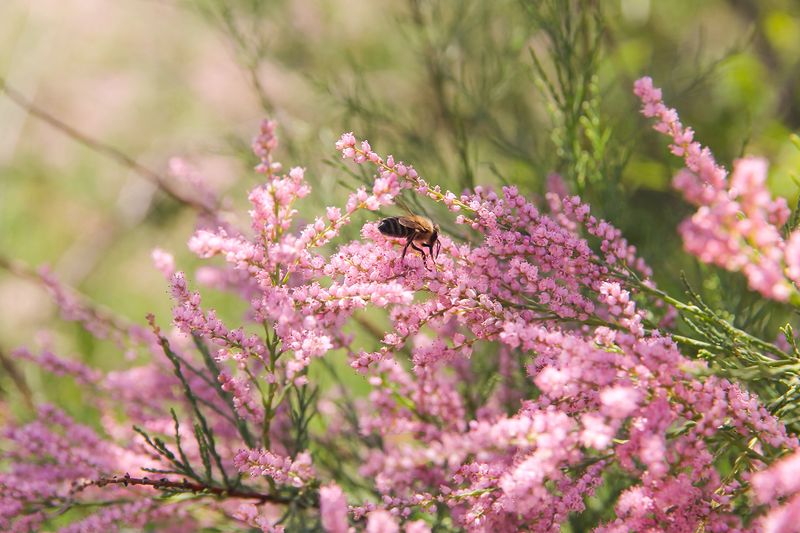
Along California’s rivers, streams, and desert washes, Saltcedar Tamarisk has become one of the most damaging invasive shrubs in the entire state.
Brought from Asia and Europe as an ornamental and erosion-control plant, it quickly took over riparian zones from the Colorado River to the Central Valley.
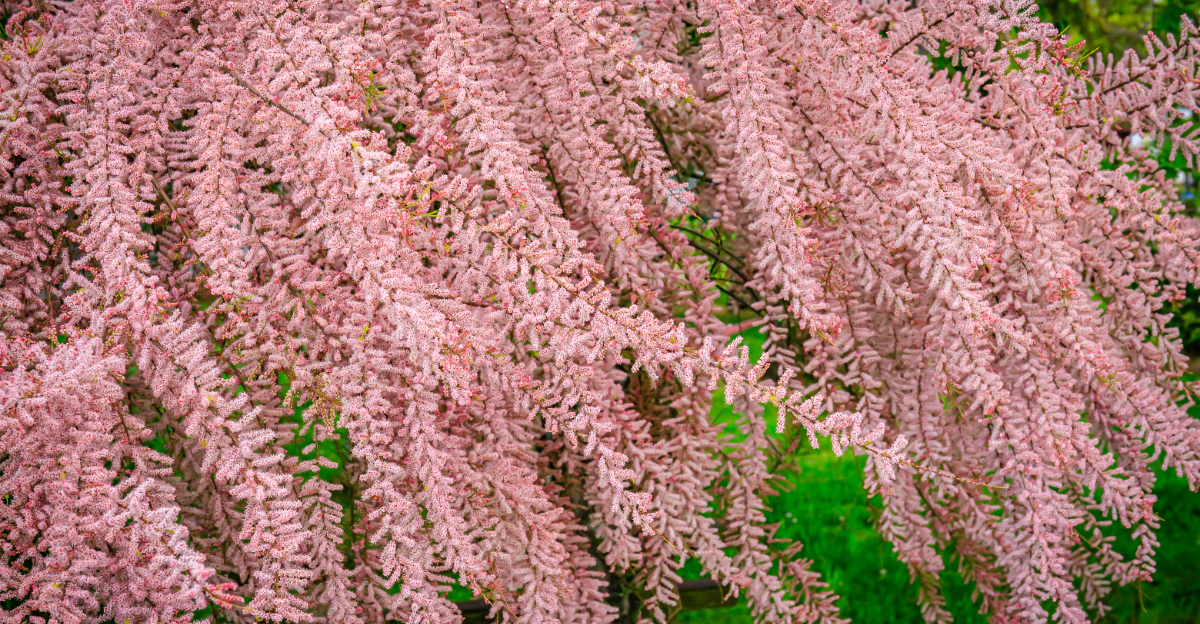
Its feathery pink flowers are pretty, but the damage it causes is severe.
Saltcedar Tamarisk drinks an enormous amount of water, up to 200 gallons per day for a mature plant. In a state where water is precious, that is a serious problem.
It also deposits salt from its leaves onto the soil, making conditions too salty for most native plants to grow nearby. This dramatically changes the ecology of riverside habitats across California.
Removing Saltcedar Tamarisk is a major conservation effort across the western United States. If you have a property near water in California, consider planting native riparian shrubs instead.
Mulefat (Baccharis salicifolia) is a fantastic native option for wet or seasonally flooded areas. Arroyo Willow (Salix lasiolepis) is another excellent choice that stabilizes stream banks naturally while providing critical habitat for birds, insects, and amphibians that depend on California’s riparian ecosystems to thrive year-round.