This Iconic Plant Is Found In Nearly Every Florida Landscape
You pass this tree almost every day, yet most people never stop to notice it. It towers above quiet neighborhoods, stands strong along highways, and holds its ground through blazing heat, heavy storms, and salty coastal winds that wear down many other plants.
For generations, Floridians trusted this tree for its strength, reliability, and natural beauty. Landscapers plant it again and again because it thrives with little care.
Homeowners value its clean look and lasting presence. Wildlife finds shelter high within its crown, adding life to yards and streets across the state.
This tree does more than decorate the landscape. It tells a story of survival, adaptation, and deep roots in Florida’s natural history.
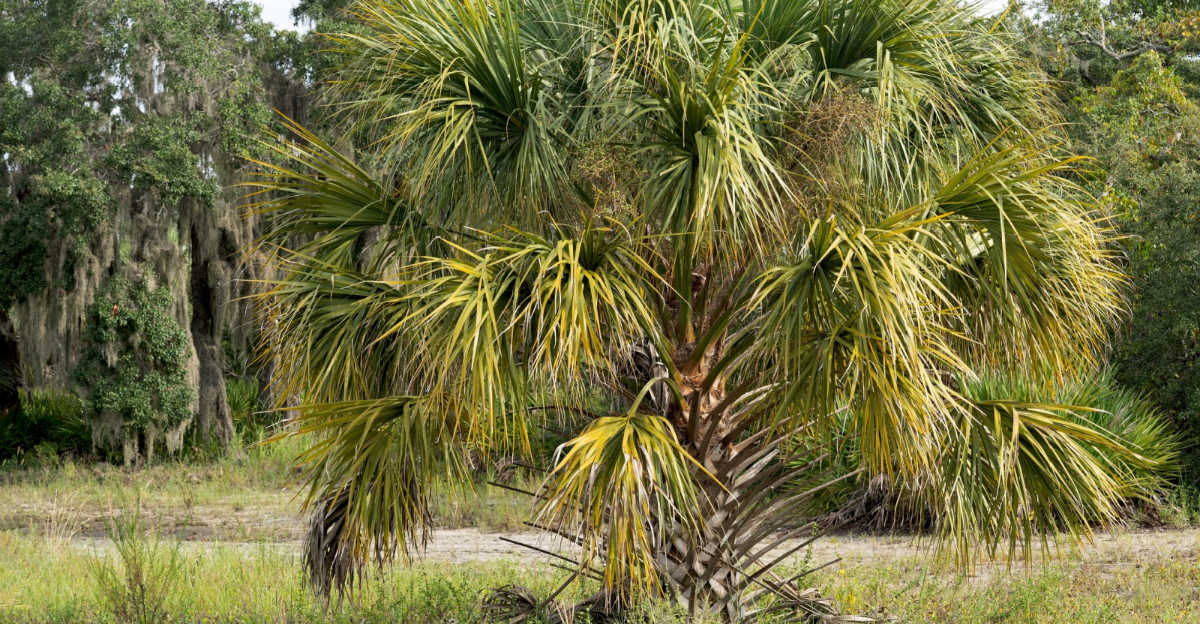
From the Panhandle to the Keys, one native species rises above the rest as a true symbol of the Sunshine State. That tree is the iconic cabbage palm, Florida’s official state tree.
1. Cabbage Palms Became A Landscape Staple Across Florida
Cabbage palms didn’t just appear in Florida yards overnight. Their journey from wild forests to beloved landscape plants took decades of observation and appreciation.
Early settlers noticed these palms thriving in swamps, hammocks, and coastal areas where other plants struggled.
Landscape architects in the mid-1900s started recommending cabbage palms for public spaces and private properties. They recognized that this native species could withstand Florida’s toughest weather without constant attention.
As suburbs expanded across the state, developers planted thousands of these palms along new streets and in freshly built neighborhoods.
The palm’s reliability made it a go-to choice for anyone designing outdoor spaces. Unlike imported species that needed special soil or frequent watering, cabbage palms simply grew wherever they were planted.
Homeowners appreciated not having to fuss over their yard’s centerpiece tree.
Cities from Jacksonville to Miami adopted cabbage palms as their signature street tree. Parks departments loved how these palms created shade without dropping messy fruits or flowers.
Commercial properties used them to create that classic Florida look without hiring expensive maintenance crews.
Today, you’ll find cabbage palms in nearly every type of landscape setting. They grace the entrances to shopping centers, line residential streets, stand as focal points in gardens, and fill out natural areas.
Their widespread presence reflects decades of proven performance and genuine appreciation from Floridians who understand what works in their unique environment.
2. The Native Palm That Defines Florida Landscapes
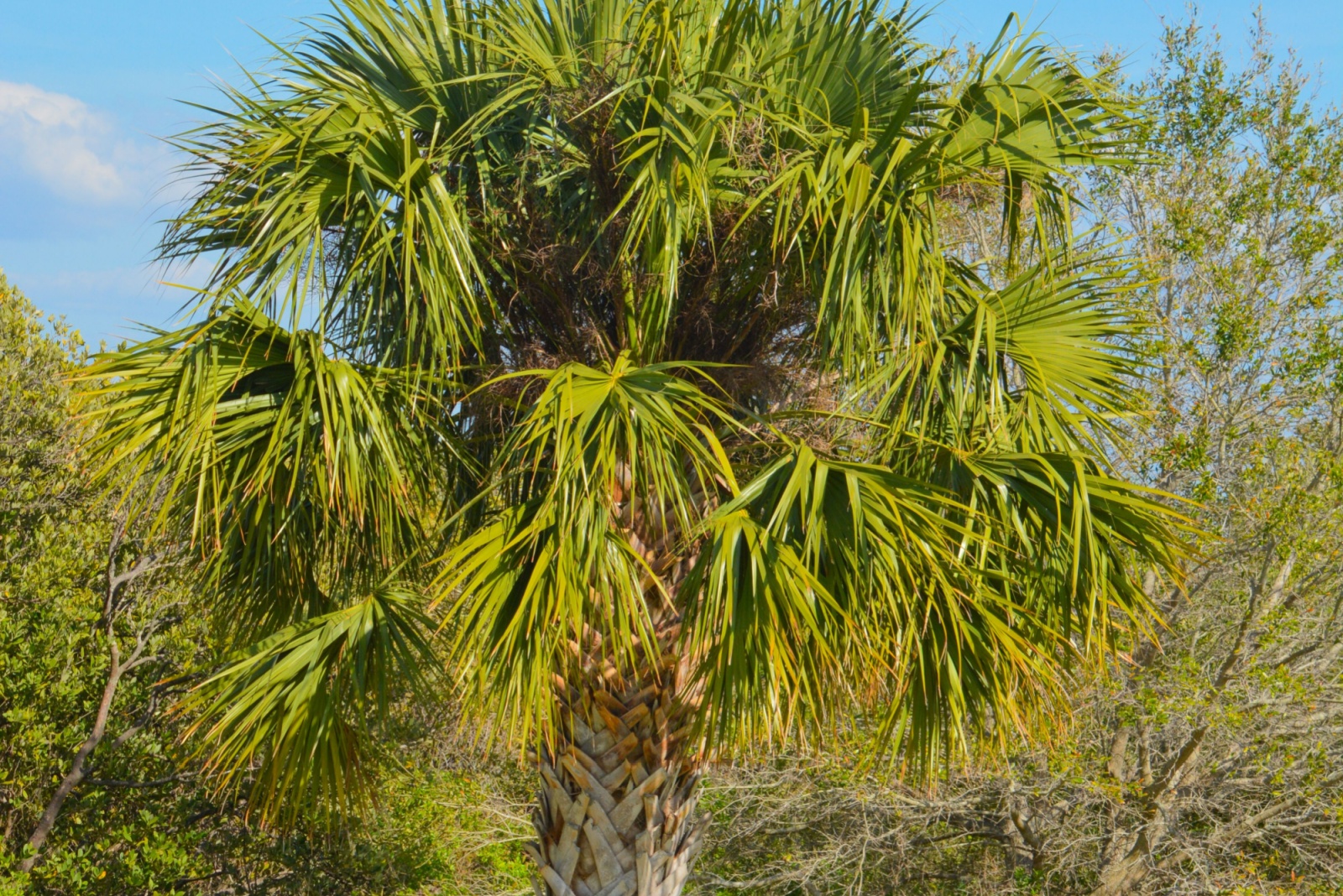
Native plants carry a special advantage that imported species simply cannot match. Cabbage palms evolved over thousands of years in Florida’s climate, developing traits that help them flourish in conditions that challenge other trees.
Their deep root systems tap into water sources during dry spells while also anchoring them firmly against hurricane-force winds.
Being native means these palms support local wildlife in ways that exotic plants cannot. Birds nest in their crown of fronds, finding protection from predators and weather.
Insects that evolved alongside cabbage palms feed on their flowers and leaves, which in turn supports the birds, lizards, and other creatures that eat those insects.
Florida’s official state tree designation recognizes the cabbage palm’s deep connection to the region’s identity. This honor reflects both its ecological importance and its cultural significance.
Generations of Floridians have grown up with these palms as constant companions in their outdoor spaces.
The palm’s adaptability across Florida’s diverse regions makes it truly remarkable. It grows just as well in the clay soils of North Florida as it does in the sandy ground near the coast.
Whether planted in full sun or partial shade, in wet areas or dry spots, cabbage palms adjust and thrive.
Choosing native plants like cabbage palms helps preserve Florida’s natural character. As development continues across the state, maintaining connections to native vegetation becomes increasingly important for both environmental health and aesthetic authenticity.
3. Why Nearly Every Florida Yard Has One
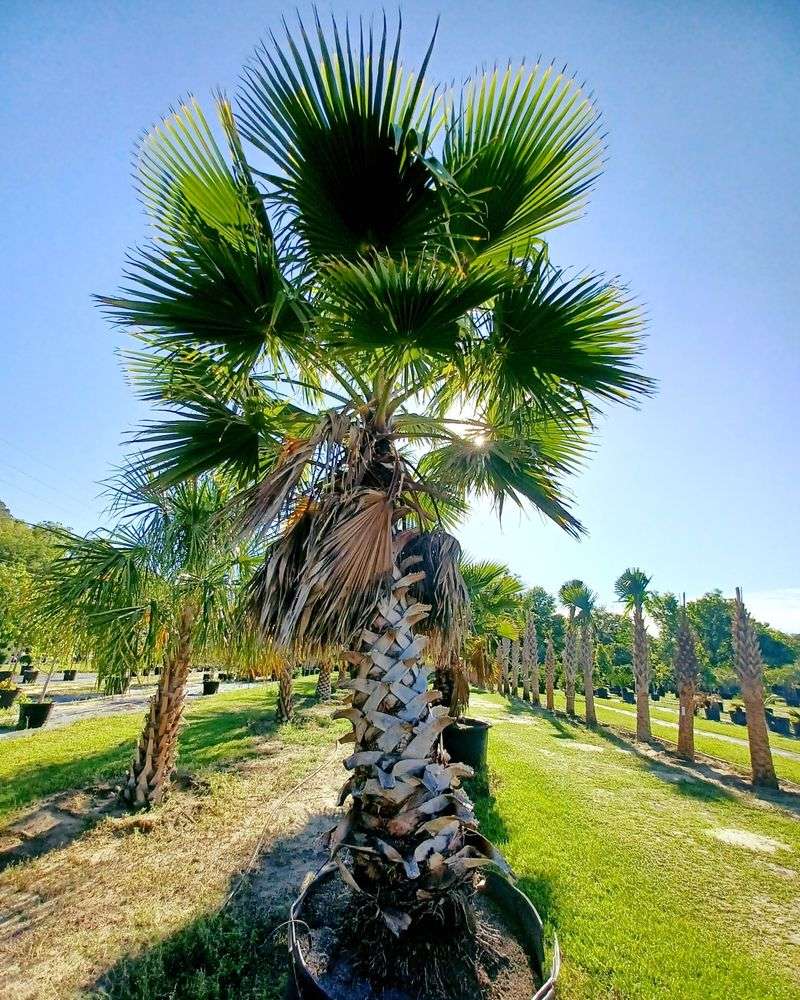
Popularity often follows practicality, and cabbage palms deliver both in abundance. Homeowners across Florida choose these palms because they solve multiple landscaping challenges at once.
They provide height and visual interest without requiring the constant pruning that broadleaf trees demand.
Cost plays a significant role in their widespread use. Nurseries throughout Florida grow cabbage palms in large quantities, making them affordable for any budget.
Installation is straightforward, and even large specimens transplant successfully when handled properly.
The palm’s growth rate satisfies impatient homeowners while not overwhelming small spaces. Young palms establish quickly, showing visible growth within their first year.
Mature specimens grow slowly enough that they won’t suddenly dominate a yard or interfere with power lines.
Homeowners associations often approve cabbage palms even when they restrict other tree species. Their clean appearance and predictable growth pattern make them acceptable in neighborhoods with strict landscaping rules.
They don’t drop large branches, produce messy fruits, or create extensive surface roots that crack sidewalks.
Real estate agents recognize that properties with established cabbage palms often sell faster than those without them. These palms create instant curb appeal and signal to buyers that a home has that authentic Florida character.
They represent an investment that adds value while requiring minimal ongoing expense.
New residents moving to Florida frequently plant cabbage palms as one of their first landscaping projects. It’s a way to embrace their new home state and create that classic tropical look they imagined before moving south.
4. Built For Heat Wind And Coastal Conditions
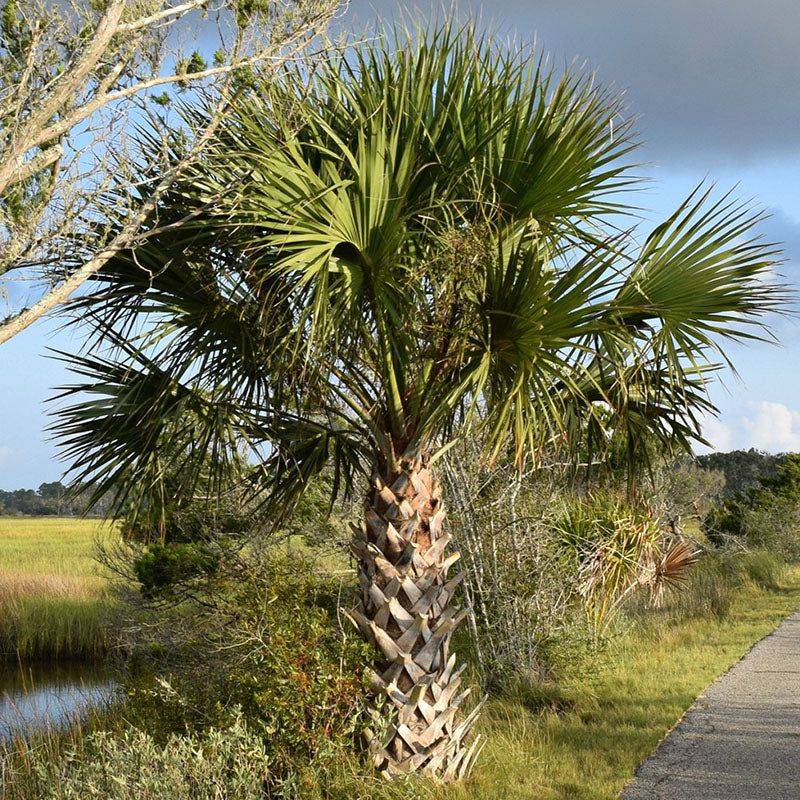
Florida’s climate tests every plant that grows here. Summer temperatures soar into the 90s for months at a time.
Humidity hangs heavy in the air, creating conditions where fungal diseases thrive. Yet cabbage palms handle these challenges without showing stress.
Their fan-shaped fronds are engineered by nature to handle strong winds. Unlike the pinnate fronds of some palm species that shred in storms, cabbage palm leaves flex and bend without tearing apart.
The fronds’ flexible petioles allow them to fold back during hurricanes, reducing wind resistance and preventing the entire tree from toppling.
Salt tolerance sets cabbage palms apart from many other landscape trees. Coastal properties face constant exposure to salt spray from ocean breezes.
Most plants develop brown, burned foliage when exposed to salt, but cabbage palms tolerate these conditions naturally. They grow right up to the beach in many locations, thriving where other species would struggle.
Drought resistance becomes crucial during Florida’s dry season. While young cabbage palms benefit from occasional watering, established trees can survive extended periods without rain.
Their roots explore deep into the soil, finding moisture that surface-rooting plants cannot access.
Florida’s intense summer sun doesn’t faze these palms. They’ve adapted to receive full, direct sunlight for hours each day without suffering leaf burn.
This sun tolerance means they can be planted in open, exposed locations where shade trees would struggle until they mature.
These combined tolerances explain why cabbage palms succeed across such varied Florida landscapes from inland properties to beachfront estates.
5. Low Maintenance Beauty That Lasts For Decades
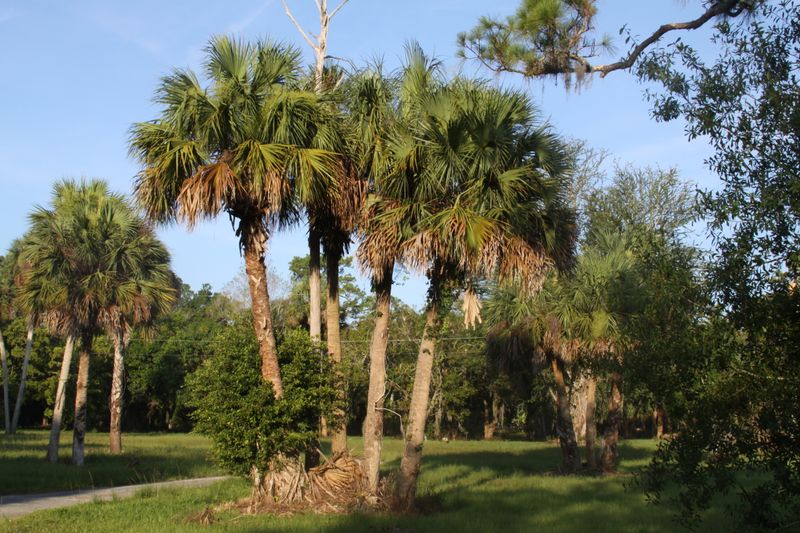
Busy homeowners appreciate plants that look great without demanding constant attention. Cabbage palms fit this description perfectly, requiring only occasional care once they’re established.
Unlike high-maintenance landscape plants that need weekly feeding, pruning, and pest control, these palms mostly take care of themselves.
Fertilizing cabbage palms is optional rather than necessary. They grow well in Florida’s native soils without supplemental nutrients.
Homeowners who want to encourage faster growth can apply palm fertilizer once or twice yearly, but those who skip feeding entirely will still have healthy, attractive trees.
Pruning requirements are minimal and straightforward. The only maintenance most cabbage palms need is removal of withered fronds that turn brown and hang down.
Some homeowners prefer the natural look of these hanging fronds, while others trim them away for a tidier appearance. Either approach works fine.
Pest problems rarely affect cabbage palms. While some palm species attract destructive insects or suffer from diseases, cabbage palms resist most common problems.
This natural resistance saves homeowners money on pesticides and eliminates worry about losing valuable landscape trees.
Watering established cabbage palms is unnecessary in most Florida locations. Rainfall provides enough moisture for these drought-tolerant trees.
Even during extended dry periods, mature specimens typically survive without supplemental irrigation.
The lifespan of cabbage palms extends far beyond most landscape plants. These trees can live for over a century when growing in favorable conditions.
Planting one means creating a legacy that future generations will enjoy, a living landmark that defines a property for decades to come.
6. From Wild Florida To Front Yard Favorite
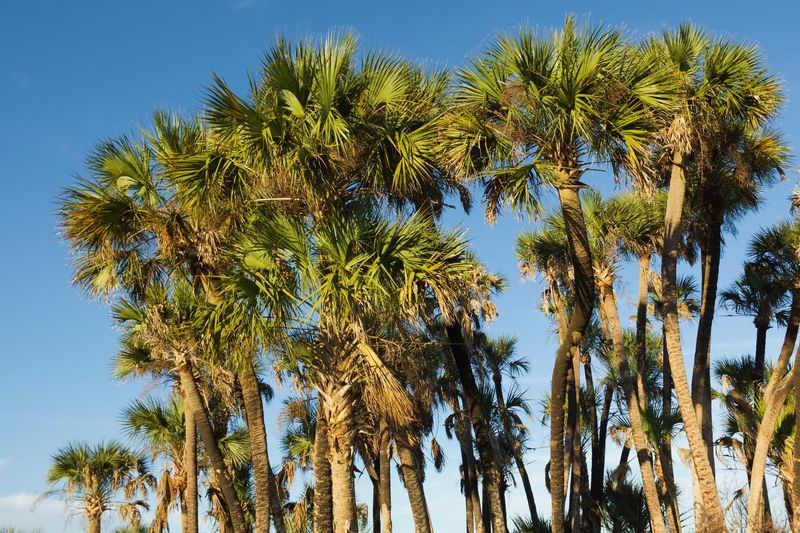
Understanding where cabbage palms grow naturally helps explain their success in cultivated landscapes. Wild populations thrive in Florida’s hammocks, swamps, and coastal forests.
These native habitats experience flooding, drought, storms, and intense competition from other plants, yet cabbage palms flourish there.
Early Florida residents harvested cabbage palms from wild areas for food and construction materials. The terminal bud, called the heart of palm, provided a nutritious vegetable.
The trunks served as pilings for docks and buildings because the wood resists rot in wet conditions. Fronds were woven into baskets, hats, and thatching for roofs.
As Florida developed, landscape professionals recognized that a plant succeeding in wild areas would likely perform well in yards and parks. They began transplanting wild cabbage palms to urban settings, where the trees adapted easily.
This successful transition from forest to front yard proved that cabbage palms were versatile enough for any landscape application.
Nurseries started growing cabbage palms from seed to meet increasing demand. Cultivation techniques improved, allowing growers to produce large quantities of uniform, healthy specimens.
Today, commercial palm farms across Florida grow millions of cabbage palms specifically for the landscape trade.
The connection between wild and cultivated cabbage palms remains strong. Many Florida homeowners appreciate knowing their landscape trees are the same species that pioneers encountered centuries ago.
This link to Florida’s natural heritage adds meaning beyond simple aesthetics, connecting modern yards to the state’s ecological past.
7. Where Cabbage Palms Fit Best In The Landscape
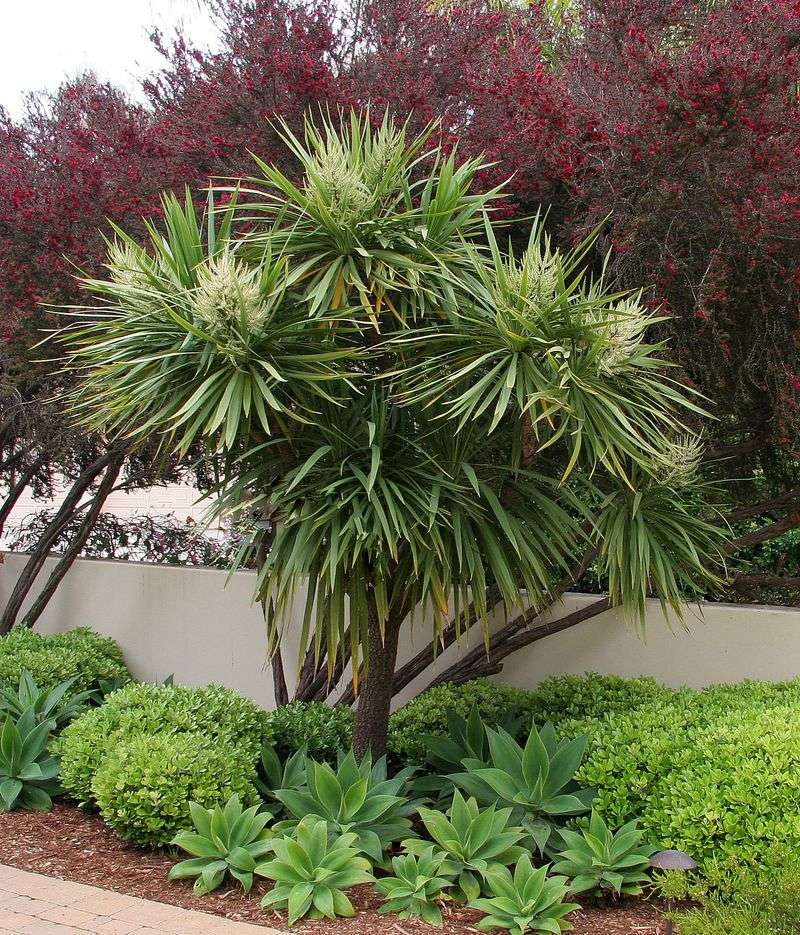
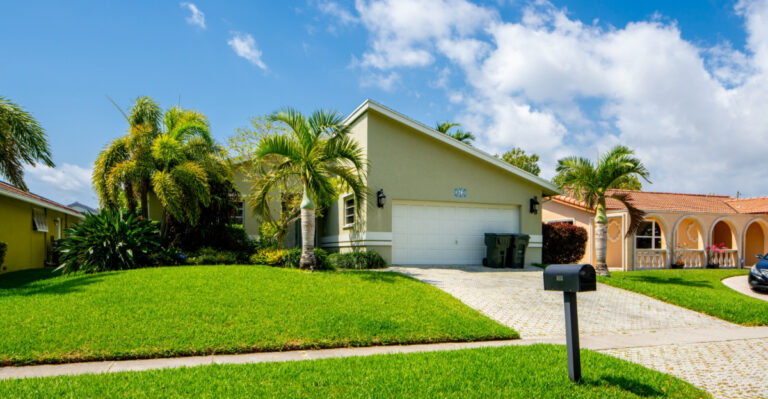
Strategic placement makes the difference between a palm that enhances your property and one that creates problems. Cabbage palms work well as single specimens in front yards, where their distinctive silhouette creates a focal point.
Their upright growth habit draws the eye upward, making properties appear larger and more impressive.
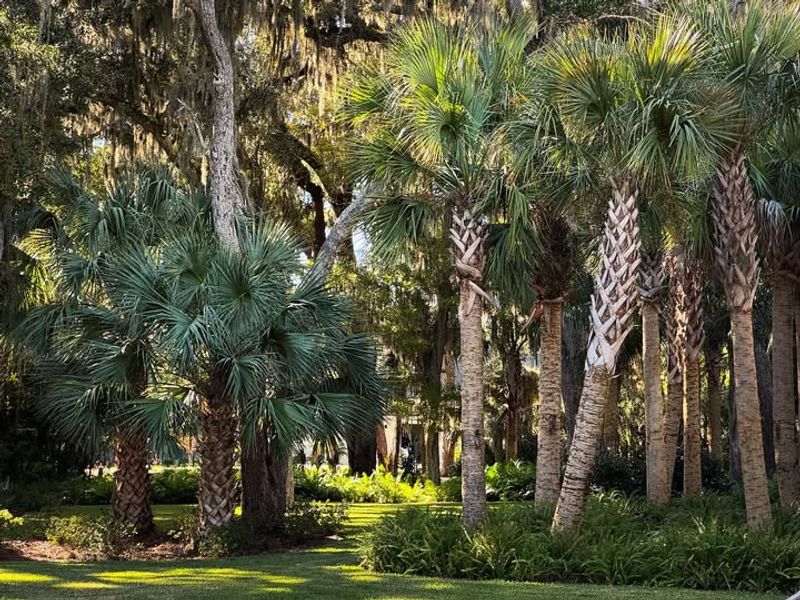
Grouping multiple cabbage palms creates dramatic impact in larger landscapes. Three or five palms planted together, with their trunks at slightly different angles, produces a natural grove effect.
This arrangement works especially well in parks, commercial properties, or spacious residential lots.
Lining driveways or property borders with evenly spaced cabbage palms creates a formal, elegant appearance. This application works for both residential and commercial properties, providing clear definition while maintaining an open, airy feeling.
The palms’ narrow canopy means they don’t block views or create dark, enclosed spaces.
Mixed plantings combine cabbage palms with other native Florida plants for ecological benefits and visual variety. Understory plants like coontie, beautyberry, and wild coffee grow well beneath cabbage palms, creating layered landscapes that support wildlife while looking naturally beautiful.
Avoid planting cabbage palms too close to buildings or power lines. While they grow slowly, mature specimens can reach 40 to 50 feet tall.
Planning for their eventual size prevents future conflicts with structures or utilities. Leave at least 15 feet between palms and buildings for best results.
Coastal properties benefit most from cabbage palms’ salt tolerance. Planting them as a first line of defense against ocean winds protects more sensitive plants growing behind them, creating microclimates where a wider variety of species can flourish.