This Invasive Ground Cover Is Quietly Eliminating Pennsylvania Native Wildflowers
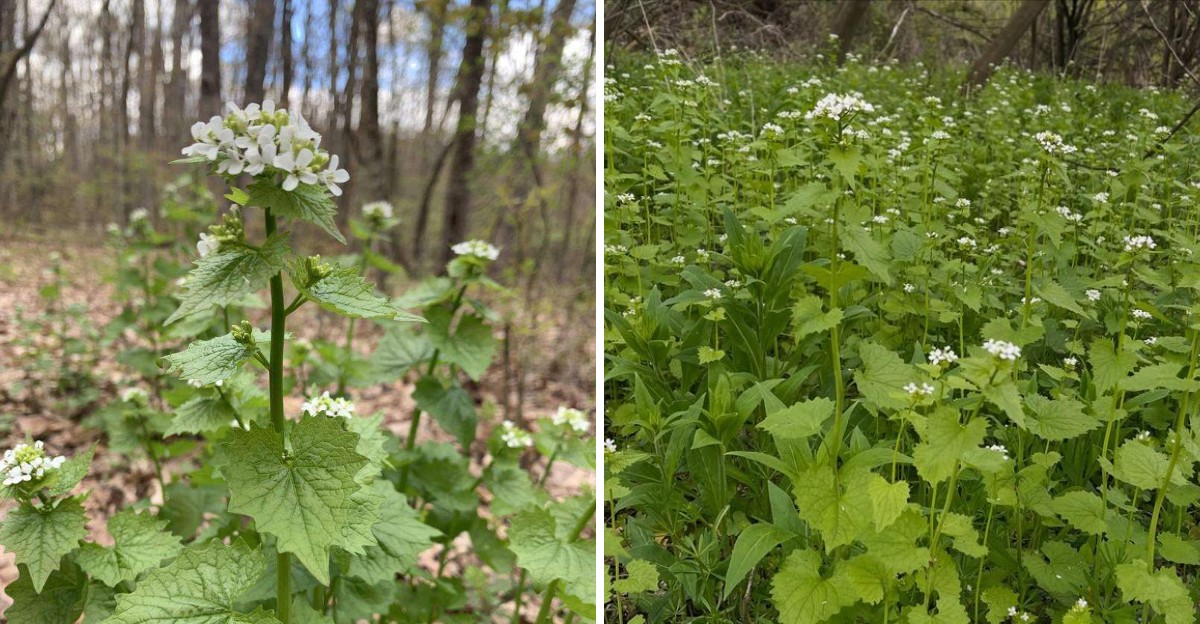
It looks harmless. In some yards it even looks intentional, spreading across the ground in a tidy carpet of green that most homeowners assume is doing no particular harm.
But this invasive ground cover is one of the most significant threats to Pennsylvania’s native wildflower communities, and the damage it’s doing along woodland edges and natural areas has been building quietly for years.
Native wildflowers cannot compete with it. Once it establishes, it spreads with a thoroughness that shuts out native spring ephemerals, woodland wildflowers, and low growing native plants that need open, uncompeted soil to survive.
The ecological loss extends to the insects, birds, and wildlife that depend on those wildflower communities.
It’s still being sold and planted in residential landscapes right now, which is exactly why more Pennsylvania homeowners need to know what it is and what it’s doing beyond their garden beds.
The Invasive Plant Taking Over Native Habitats
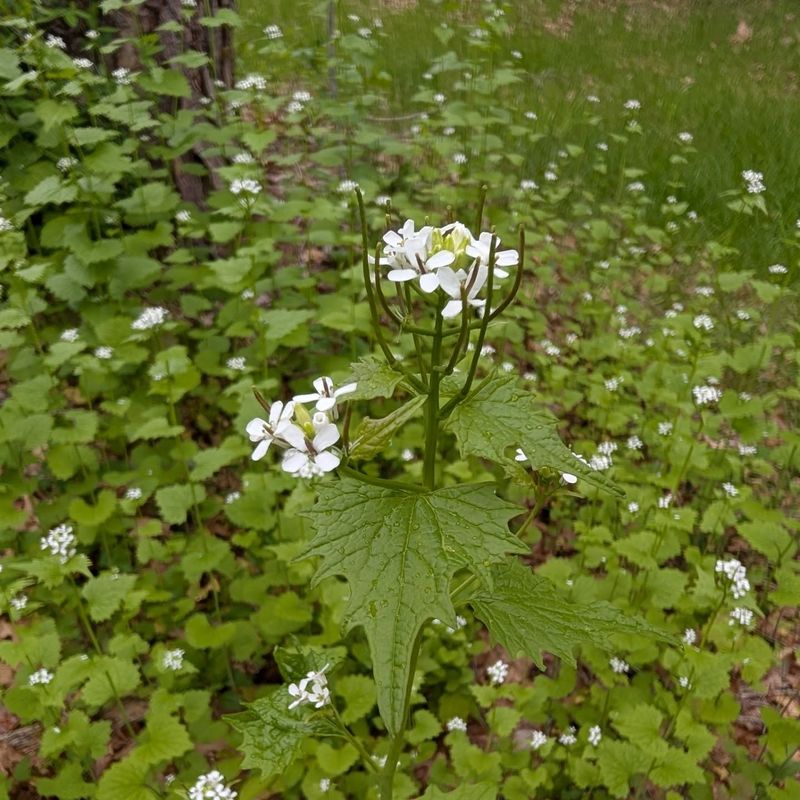
Meet the plant that many gardeners now consider one of the sneakiest troublemakers in Pennsylvania woodlands. Garlic mustard, known by its scientific name Alliaria petiolata, arrived from Europe long ago as a kitchen herb.
Settlers loved it because crushing the leaves gives off a strong garlic smell. That same plant escaped gardens and made itself at home in forests, parks, and backyards.
What makes it so aggressive is the way it grows in the shade where many other plants struggle. It sprouts early in spring, before native wildflowers get their turn to soak up sunlight.
In its first year, the plant stays low with rounded, wrinkled leaves. By the second year, it shoots up tall stalks topped with clusters of tiny white flowers.
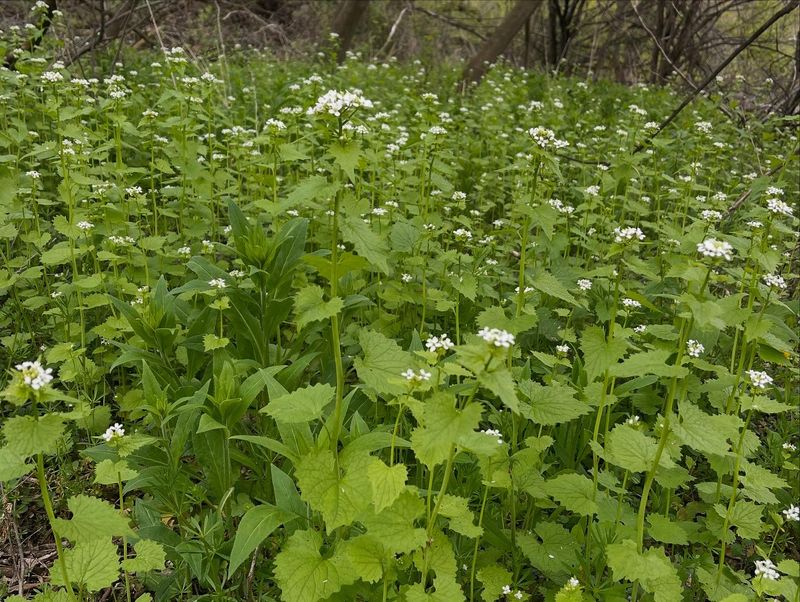
You can find it forming thick green carpets that cover the forest floor. Once it takes hold, it can spread across acres of land in just a few short years.
Because it grows so densely, native seedlings barely get a chance to grow. Trees, ferns, and wildflowers all lose ground to this pushy invader.
Land managers across Pennsylvania spend countless hours trying to control it. State parks even host volunteer events where people gather to pull it by hand.
The good news is that garlic mustard is easy to identify once you know the signs. Rubbing a leaf between your fingers and smelling garlic is a quick clue.
Understanding this plant is the first step toward protecting the forests we enjoy. The more people who recognize it, the better chance our native habitats have.
Why Garlic Mustard Threatens Native Wildflowers
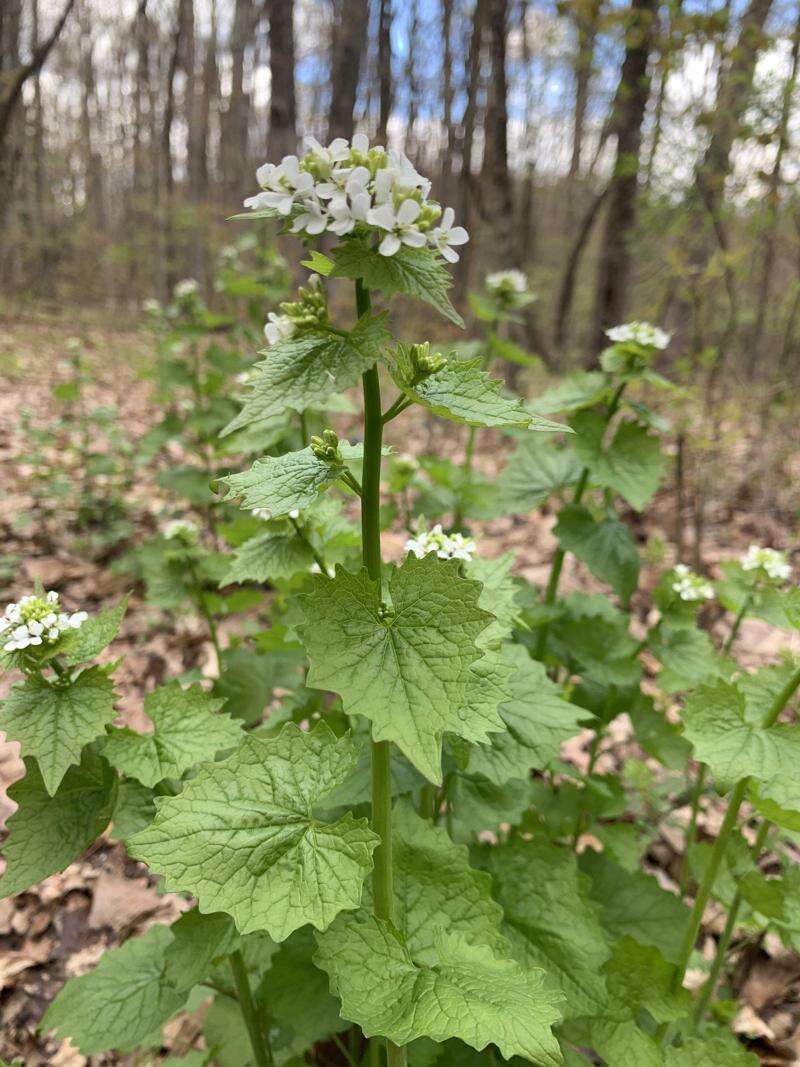
Picture a woodland floor bursting with trillium, bloodroot, and spring beauties in early April. Now imagine that same spot buried under a solid mat of garlic mustard.
That sad swap is happening in forests all over the state.
Native wildflowers need three main things to thrive: sunlight, water, and nutrients from the soil. Garlic mustard grabs all of these before other plants wake up from winter.
Its early start gives it a huge advantage. By the time delicate wildflowers begin to grow, the invader has already claimed the best spots.
Your Pennsylvania Garden Changes Every Week. Your Plan Should Too.
Gardening in Pennsylvania changes quickly throughout the season. Every Friday you’ll receive a simple weekly plan showing exactly what to plant, prune, fertilize, harvest, and protect so you never miss the right timing.
There is another hidden problem below the ground. Garlic mustard releases chemicals into the soil that harm helpful fungi.
Many native plants rely on these fungi to help their roots absorb water and food. When the fungi disappear, native seedlings weaken and fail to grow.
This means the damage lasts even after you remove the plant. The soil itself needs time to recover its natural balance.
Fewer wildflowers also mean fewer food sources for bees, butterflies, and other pollinators. Some native insects depend on specific plants that garlic mustard replaces.
When those plants vanish, the whole food web feels the ripple effect. Birds and small animals that eat those insects lose out too.
Over time, a diverse forest full of colorful blooms can turn into a plain green blanket. That loss of variety makes the ecosystem weaker and less healthy.
Protecting native wildflowers keeps our forests alive with color and buzzing with life. Every patch we save helps hold that beautiful balance together.
How Garlic Mustard Spreads So Quickly
One reason this plant is so hard to stop comes down to numbers. A single garlic mustard plant can produce hundreds or even thousands of seeds in one season.
Those seeds are small and light, so they travel easily. Wind, rain, and flowing water carry them into fresh territory.
People and animals help too, often without knowing it. Seeds cling to muddy boots, bike tires, deer hooves, and pet fur.
That is how garlic mustard hitches rides deep into forests and along popular trails. A quick walk can accidentally plant a whole new patch.
The seeds are also incredibly patient. They can rest in the soil for five years or more and still sprout later.
This means clearing an area once is not enough. New plants keep appearing from the seed bank hidden underground.
Garlic mustard also grows in both sunny and shady spots. Very few plants handle deep shade as well as this one does.
Because it can self-pollinate, even a single plant can start a brand new colony. It does not need a partner to make seeds.
Once established, it forms dense stands that keep expanding outward every year. Left alone, a small clump can cover a large area surprisingly fast.
Its two-year life cycle helps it stay persistent. First-year plants overwinter as green rosettes, ready to bloom the moment spring arrives.
All of these tricks combined make garlic mustard a champion at spreading. Knowing how it moves helps you stop it before it gets out of control.
Where Pennsylvania Gardeners Often Find It
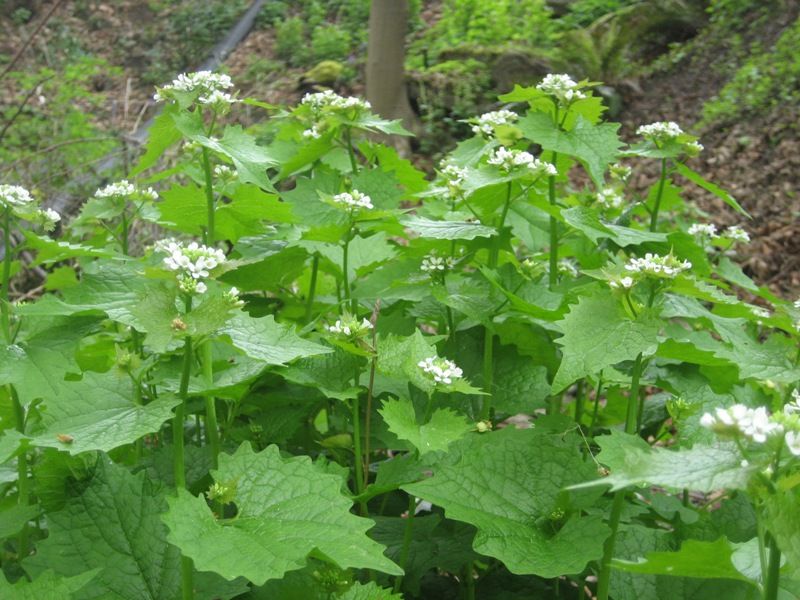
If you want to catch this invader early, it helps to know its favorite hiding spots. Garlic mustard loves the edges where sunlight meets shade.
Woodland borders are prime real estate for it. The soft light and rich soil there give the plant everything it needs.
Hiking trails are another hotspot worth checking. Foot traffic disturbs the soil and drops seeds along the path.
Look closely and you may spot it lining both sides of popular walking routes. It often forms neat green ribbons beside the trail.
Home gardens are not safe either, especially shady flower beds. Garlic mustard sneaks in among ornamental plants and blends right in.
Fence lines make a cozy home for it too. These spots rarely get mowed, so the plant grows tall and goes to seed unnoticed.
Any place with disturbed soil is basically an open invitation. Construction sites, new gardens, and freshly dug areas attract it quickly.
Stream banks and floodplains are common spots as well. Moving water drops seeds there and helps them settle in.
Even areas around driveways, sheds, and compost piles can harbor young plants. Seeds tucked in soil or yard waste sprout when conditions are right.
Shady spots under trees and along stone walls deserve a careful look. Garlic mustard often starts small in these overlooked corners.
Checking these areas each spring makes a big difference. Spotting a few plants early is much easier than fighting a giant patch later.
A quick walk around your yard with fresh eyes can reveal surprises. The sooner you find it, the sooner you can act.
How To Remove Garlic Mustard Without Spreading It
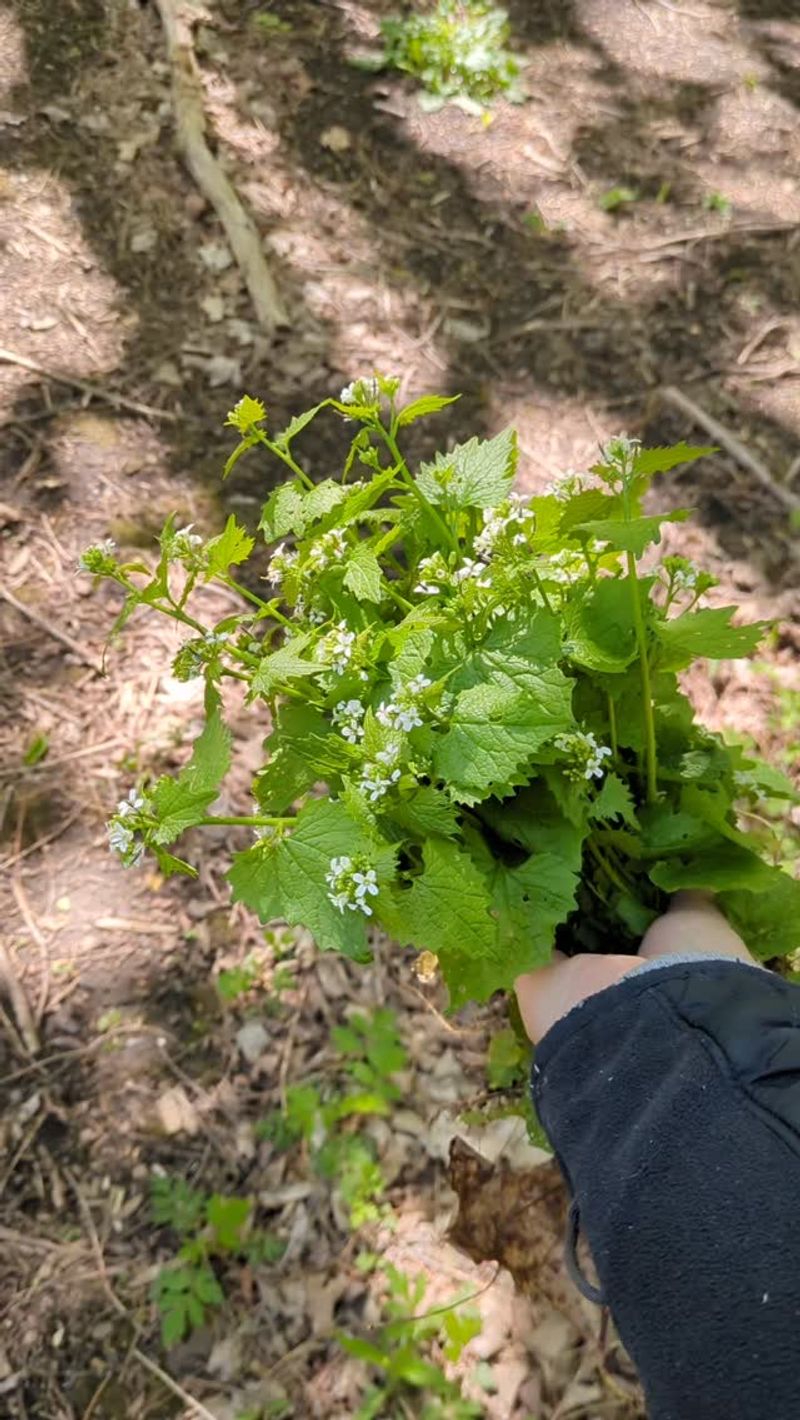
Rolling up your sleeves is honestly the best weapon against this plant. Hand pulling works great, especially in soft, moist soil.
Timing matters more than almost anything else. Pull the plants in spring before those white flowers turn into seeds.
Grab each plant low, near the base, and pull slowly. You want the whole root to come out so it cannot regrow.
The root has a small bend near the top that helps identify it. Getting that root out is the key to real success.
Never toss pulled plants into a compost pile or the woods. Even uprooted garlic mustard can still ripen and drop seeds.
Instead, seal the plants in sturdy trash bags. Let the bags sit in the sun for a few weeks, then throw them out with the garbage.
For large patches, cutting the flower stalks at ground level can help. This stops seeds from forming that season if pulling feels like too much.
Wear gloves and long sleeves to stay comfortable while you work. Bring a bucket or bag so nothing gets left behind.
Clean your boots and tools afterward to avoid carrying seeds elsewhere. A quick brush-off prevents accidental spreading to new spots.
Plan to return to the same area for several years. Because seeds linger in the soil, new plants will keep popping up.
Regular visits each spring slowly shrink the population. Patience and persistence really do pay off over time.
Getting neighbors or local groups involved makes the job easier and faster. Many hands turn a big chore into a quick afternoon.
Replace Garlic Mustard With Native Plants
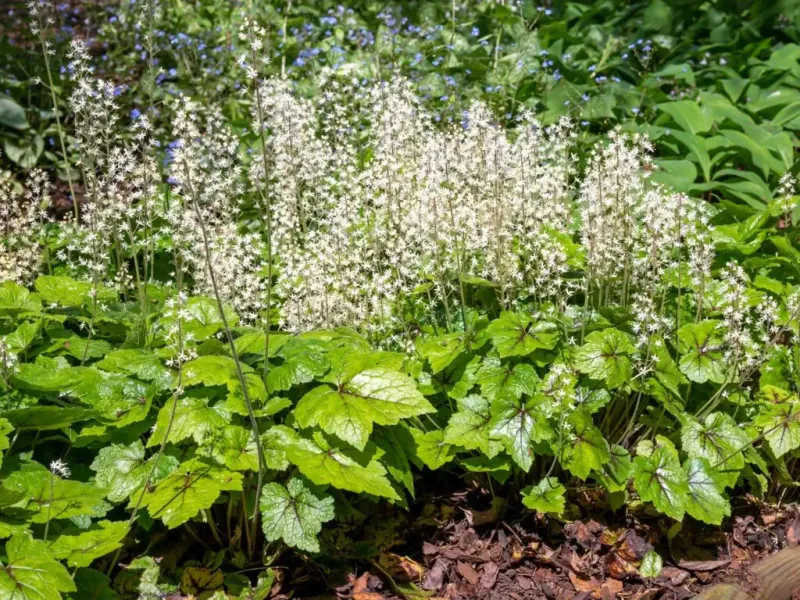
Pulling out the invader is only half the story. Once you clear a spot, filling it with native plants keeps garlic mustard from sneaking back.
Bare soil is basically a welcome mat for weeds. Covering it with good plants leaves no empty space for trouble to return.
Pennsylvania offers many wonderful native ground covers to choose from. Wild ginger, foamflower, and wild geranium all thrive in shady woodland spots.
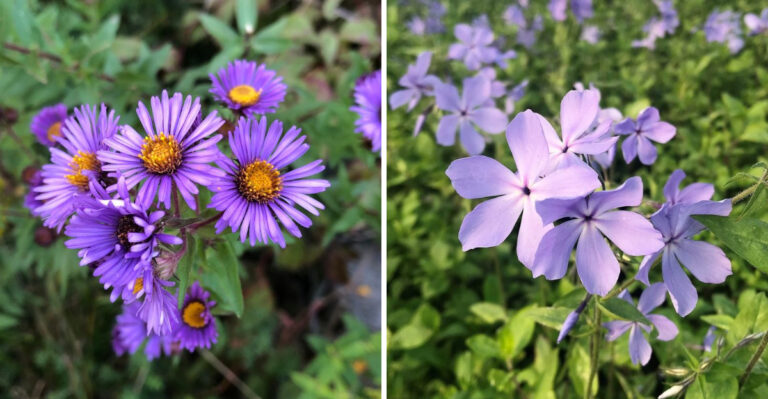
Woodland phlox brings lovely blue blooms in spring. Native violets spread nicely and support butterfly caterpillars too.
Ferns like Christmas fern add year-round greenery and texture. They fill space beautifully while asking for very little care.
These native plants do more than look pretty. Their roots partner with the helpful soil fungi that garlic mustard harms.
They also feed local bees, butterflies, and birds. A yard full of natives buzzes with life all season long.
Start small by planting a few natives in cleared areas. As they settle in, they will slowly fill the space and crowd out invaders.
Water new plants during their first year to help them get established. After that, most natives handle Pennsylvania weather on their own.
Local native plant sales and nurseries are great places to shop. Staff there can suggest species that match your soil and light.
Restoring a woodland patch feels incredibly rewarding. Watching wildflowers return where invaders once stood is a real treat.
Every native plant you add strengthens the whole ecosystem. Little by little, your efforts help bring Pennsylvania forests back to life.