6 November Lawn Mistakes That Leave Pennsylvania Yards Patchy By Spring
A Pennsylvania law now blocks homeowners from spreading lawn fertilizer between December 15 and the first of March. I laughed when I first read it, because my own lawn usually looks asleep long before that date.
Grass is not quite as sleepy as it looks, though, because roots keep working while the blades slow down. Penn State turf experts note that roots can keep growing in cool soil well after top growth fades.
You might notice the bare spots in April, yet many of them actually started with small choices made in November. I have to admit that I learned this the hard way, one sad brown patch at a time.
Some of these slipups look harmless, and a couple even feel like helpful chores on a chilly afternoon.
1. Matted Leaves Smothering The Lawn
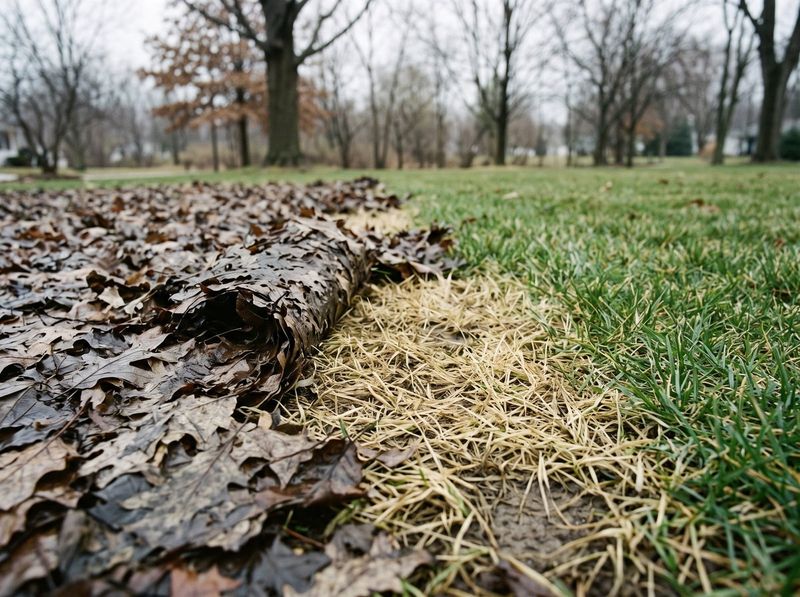
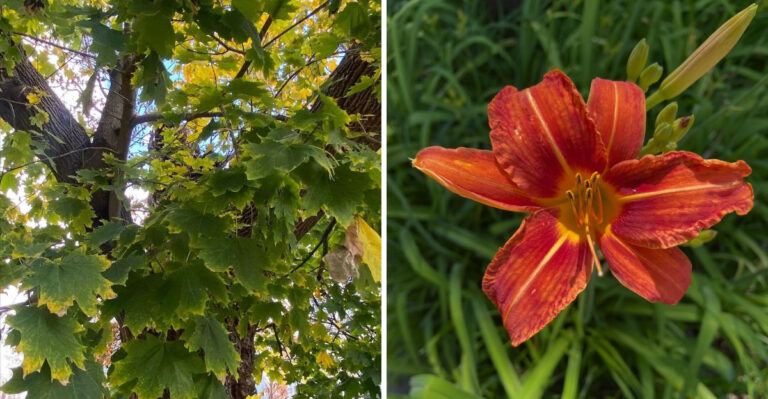
Nothing sounds cozier than crunchy oak leaves underfoot, but that golden carpet turns soggy and heavy surprisingly fast. Once the rain hits, those leaves press flat against the grass like a wet blanket nobody asked for.
Grass blades under that layer lose sunlight, so they cannot make the food they need before winter. Moisture also gets trapped near the crowns, and that damp, dark space invites trouble from hungry lawn fungi.
Snow mold is the usual culprit, and it shows up as round gray or pinkish patches once the snow melts. Gray snow mold and pink snow mold both love cool, wet turf hidden under leaves or lingering snow.
Personally, I think of leaf cleanup as letting the lawn breathe one last time before the cold arrives. You do not need to grab every single leaf, though, because a light scattering rarely causes problems.
Mulching mowers are a wonderful shortcut, chopping leaves into small flakes that settle down between the grass blades.
Research from several universities, including Michigan State, found that mulched leaves can return organic matter without harming turf.
Check that you can still see plenty of green after mowing over the leaves, which signals a safe amount. If the pile is thick enough to hide the grass, rake some into your compost bin or garden beds.
Keep up with leaf duty through November, since the late-dropping oaks often keep shedding after other trees finish.
Your spring self will thank you when those shady corners green up instead of looking matted and gray.
2. Mower Blades Set Too Low Or Too High
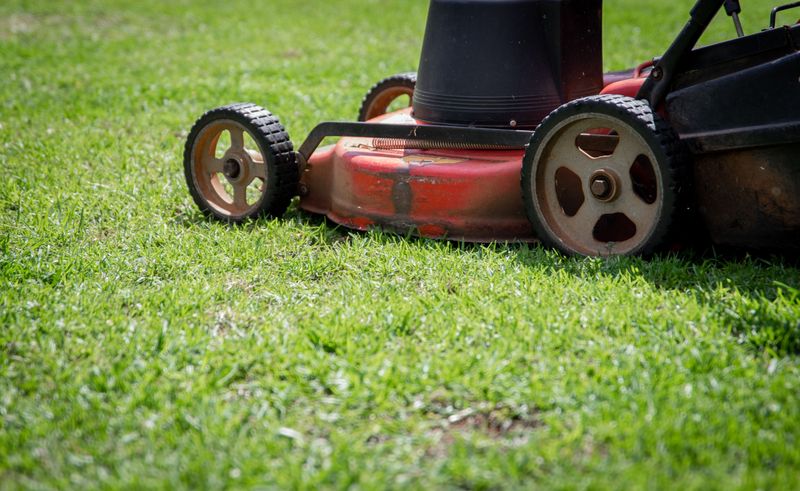
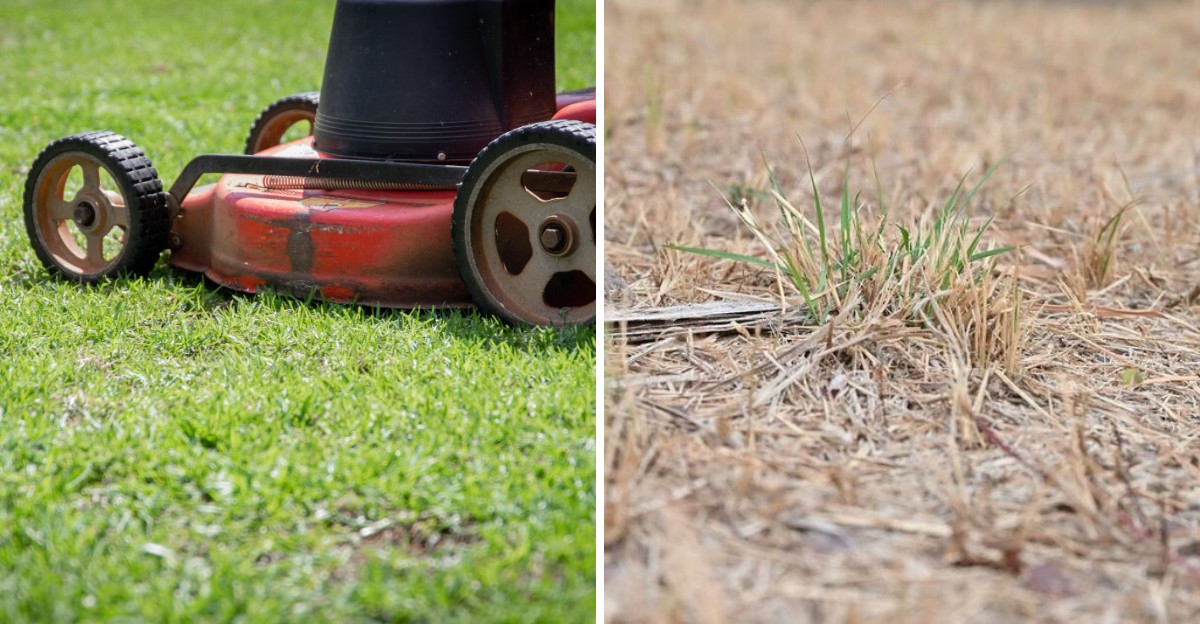
Scalping a lawn on the last mow of the year feels tidy, almost like giving it a crisp buzz cut. Unfortunately, grass that short loses much of the leaf area it uses to store energy for winter.
Each grass plant grows from a crown sitting right near the soil, and that crown needs some shelter. When you shave the blades down too far, cold winds and frost hit that tender growing point directly.
Going too tall causes headaches too, because long floppy blades fold over under snow and stay damp for weeks. That matted layer creates the same snug, moist hideout where snow mold likes to set up camp.
Penn State Extension generally suggests mowing cool-season lawns around two and a half to three and a half inches. For the final cuts, many turf experts lean toward the lower end of that range, around two and a half.
I like lowering the mower one notch at a time over the last few cuts instead of chopping suddenly.
Grass handles that gradual change much better, and you will rarely remove more than one third of each blade.
Keep mowing as long as the grass keeps growing, which often runs into November across much of the state.
Once growth stalls and daytime temperatures stay chilly, you can finally drain the gas and store the mower.
Sharpen the blade before that last session, too, because dull blades tear leaf tips and leave ragged brown edges. Clean cuts heal faster, and your lawn will head into winter looking neat instead of frayed and stressed.
3. Fertilizer Spread On Frozen Ground
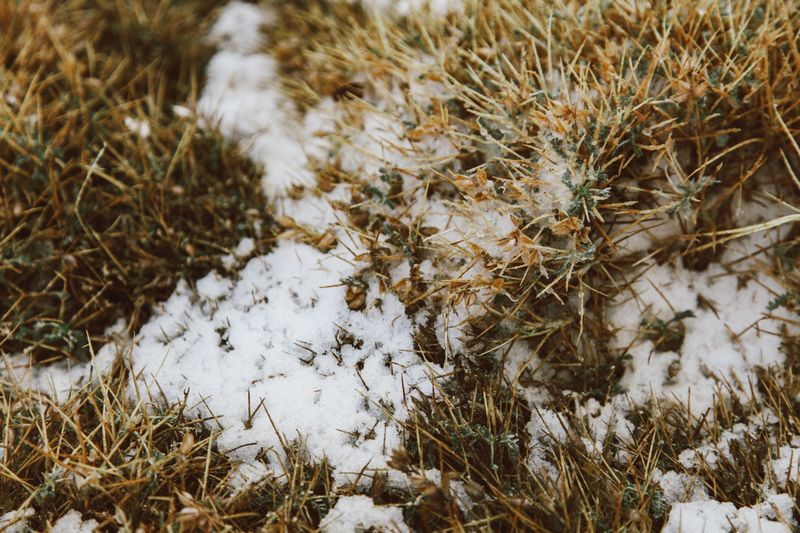
A bag of lawn food tucked in the garage can feel like unfinished business when the calendar flips to November. Before you grab the spreader, though, check both the weather forecast and the rules in your area.
Pennsylvania’s lawn fertilizer law bans applying fertilizer to turf between December 15 and March 1 each year.
The same law prohibits spreading it on frozen ground, since nutrients can wash into streams and the Chesapeake Bay.
Grass roots cannot absorb much once the soil freezes, so pellets mostly sit on top waiting for runoff. That means wasted money for you and a lawn that gets very little benefit from all your effort.
Timing matters a lot, and Penn State turf specialists consider early fall the most valuable feeding window for cool-season grass. A light application later in autumn can help too, as long as the grass is still green and growing.
Heavy doses of quick-release nitrogen late in the season can push soft new leaves that struggle in the cold. Those tender shoots are more likely to suffer frost injury and disease once winter settles across the yard.
What surprises me most is how many lawns skip the soil test, which costs little through Penn State Extension.
Results tell you whether your yard even needs phosphorus or lime, so you stop guessing at the store.
Sweep any stray granules off sidewalks and driveways back onto the grass after every application you make.
Those pellets wash into storm drains easily, so keeping them on the lawn helps your turf and local water.
4. Dandelions And Creeping Charlie Left Unchecked
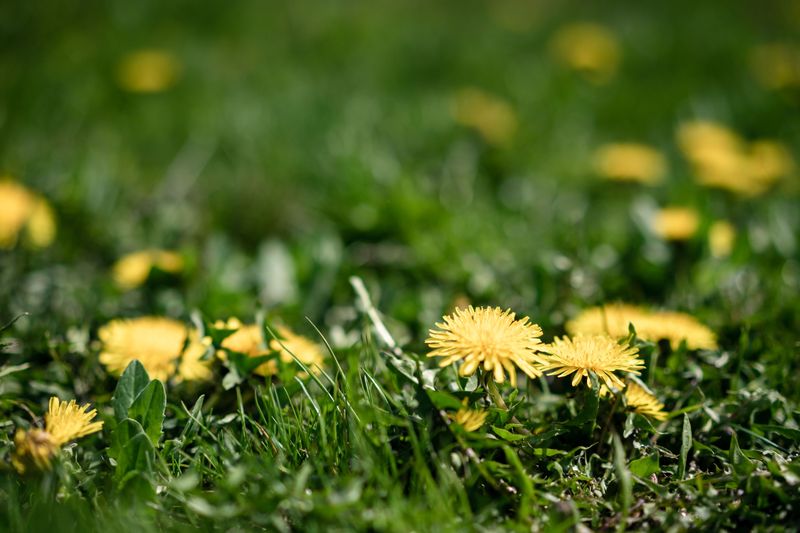
Dandelions look harmless in November, sitting flat and quiet like they have already packed their bags for winter. Underneath, those tough perennial weeds are busy sending sugars down into their roots to fuel a strong spring comeback.
That downward flow is exactly why fall is often the best time to control broadleaf weeds in lawns. Herbicides applied now tend to travel with those sugars, reaching deep roots that spring treatments often miss.
Creeping Charlie, also called ground ivy, is a famously stubborn lawn invader with scalloped leaves and square stems.
Many extension services recommend fall treatment for it, ideally after a light frost while the plant is still actively growing.
Weather matters here, because most weed products work best when daytime temperatures reach roughly fifty degrees or warmer.
Pick a mild, calm afternoon in early November, and skip days when rain is expected soon after spraying.
I believe spot treating is smarter than blanketing the whole yard, especially if weeds only pop up here and there. Read every label carefully, and keep kids and pets off treated areas for as long as the directions say.
Pulling by hand works well too, particularly after a soaking rain loosens the soil around those long taproots. A dandelion weeder with a forked tip can lift most of the root without tearing up nearby grass.
Skipping weed control now leaves open space for weeds to spread, and each spot crowds out healthy turf. Fewer weeds this fall mean fewer gaps next spring, giving your grass room to thicken up naturally.
5. Thirsty Grass Left Dry Before The Freeze
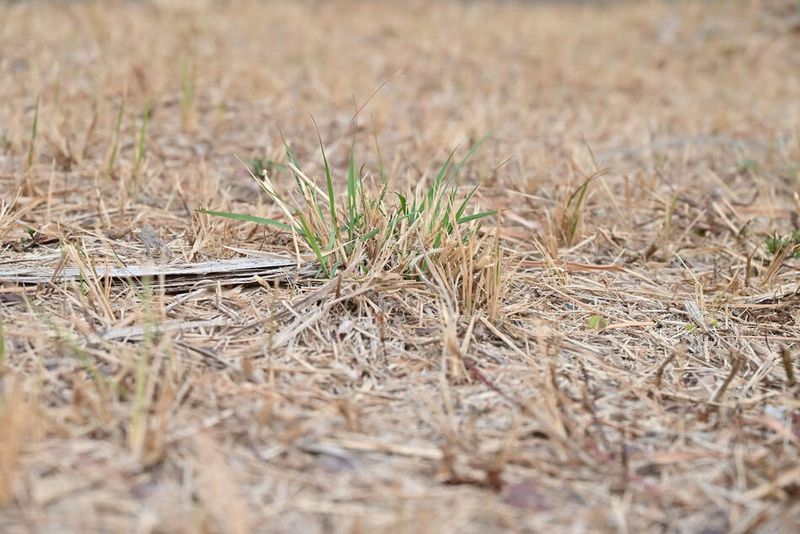
Coiling up the garden hose feels like a cheerful end-of-season ritual, right up there with storing patio cushions. Yet a dry November can leave grass roots heading into winter with far less moisture than they need.
Grass slows down in cool weather, but roots still take up water until the soil actually freezes.
Cold, dry winds can pull moisture from blades and crowns, which leads to a problem called winter desiccation.
You might notice desiccated areas in spring as straw-colored patches, often on exposed slopes or windy hilltop yards. Those spots tend to green up slowly, and sometimes the grass needs overseeding to fill back in.
Rainfall is usually enough in most autumns, so a quick check with a simple rain gauge saves guesswork. If several weeks pass without a good soaking, a deep watering on a mild day can help considerably.
Aim for about half an inch of water, then let the soil dry out a bit before watering again. Morning is the best time, because blades dry off during daylight instead of staying wet through a frosty night.
Overdoing it causes trouble too, since soggy soil and puddles create perfect conditions for snow mold and root stress.
Skip watering when the ground is frozen, because the water simply runs off or turns into slick ice.
Once you finish, drain the hose and shut off outdoor spigots so pipes do not crack in the freeze. Personally, I keep one hose handy in the garage until December, just in case a dry spell drags on.
6. Frosty Footprints Across The Front Lawn
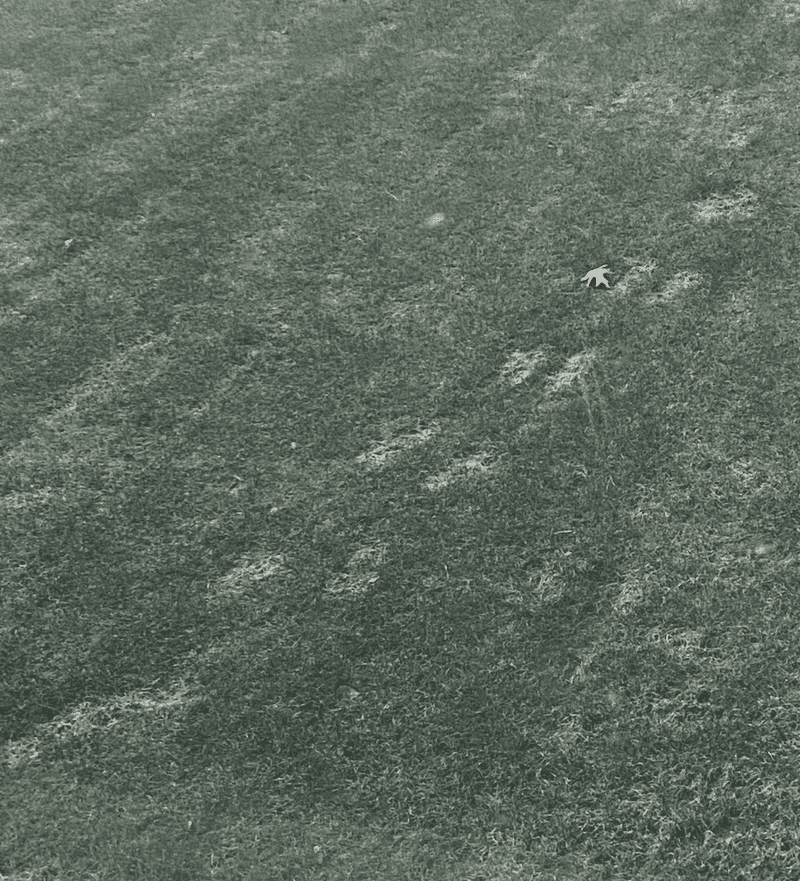
Frost-covered grass sparkles beautifully at sunrise, and the crunchy sound under your boots is oddly satisfying to hear. Sadly, those crisp little blades are full of ice crystals that make them stiff and easy to break.
Stepping on frozen grass can rupture the plant cells, and the damage often shows up as brown footprints. Those tracks may linger for a while, especially once growth slows and the lawn struggles to repair itself.
I have to admit my shortcut to the mailbox once left a trail of brown prints across the yard. Neighbors could follow my path for weeks, which was a little embarrassing and a great lesson in patience.
Waiting until the frost melts is the simplest fix, and that usually happens by mid-morning on sunny days. Use sidewalks or a stepping stone path during frosty mornings, and remind kids to skip the lawn shortcut.
Soggy soil brings a different problem, because wet ground packs down easily under feet or car tires. Compacted soil squeezes out air pockets, making it harder for roots to grow and for water to soak in.
Parking on the lawn during holiday gatherings is a common culprit, leaving deep ruts that stay muddy for months. Lay down plywood or direct guests to the street if extra parking is needed when the yard is wet.
If compacted spots already exist, core aeration next fall can loosen the soil and help grass spread back in.
For now, keeping traffic light gives your lawn the quiet rest it needs to bounce back strong in spring.