This Invasive Vine Is Quietly Choking Pennsylvania Trees
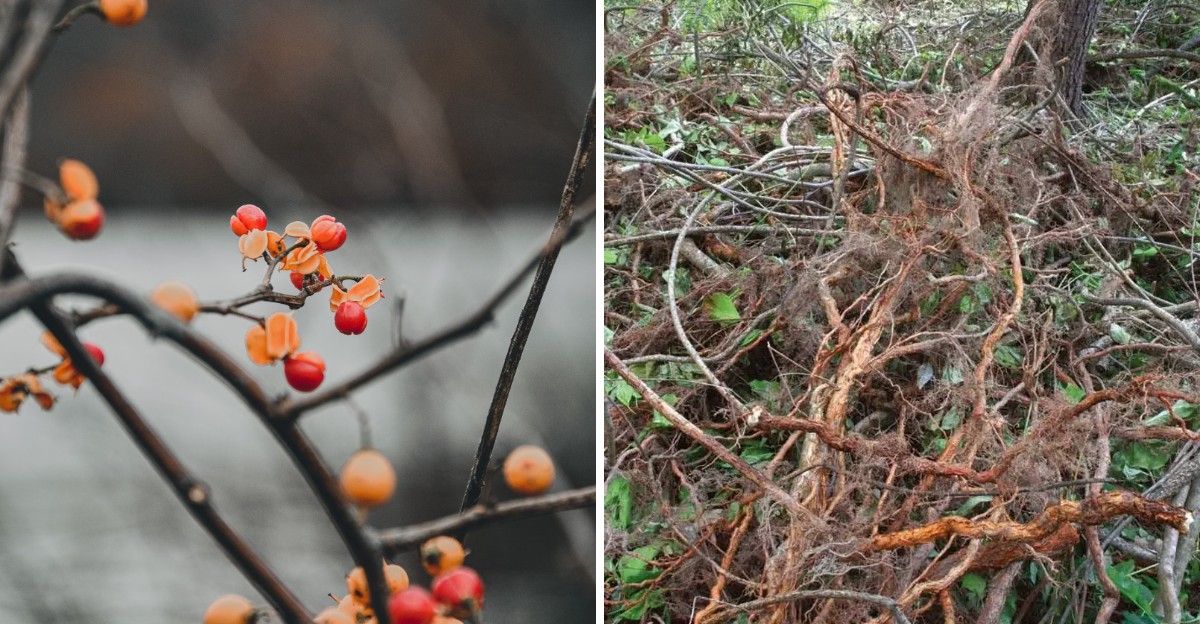
Some of the prettiest berries in the fall woods are tied to a slow squeeze on the trees they climb. Those cheerful orange and red clusters look like nature’s own holiday decor.
I used to admire them on walks without a second thought. Then I learned this woody climber arrived from East Asia in the 1860s as a garden ornament. Folks planted it on purpose, and it escaped into the wild.
Today it twists around trunks across Pennsylvania like a tight rope. It can climb about 60 feet high and grow stems thicker than a soda can. Over time, that grip pinches a tree’s ability to move water and food.
Take a closer look at the vines along your fence line or woodland edge this month. Are those bright berries strung along the whole stem, or only at the tips? That small detail could tell you a lot.
That Twisting Vine On Your Oak Trunk Is Hiding A Slow Squeeze
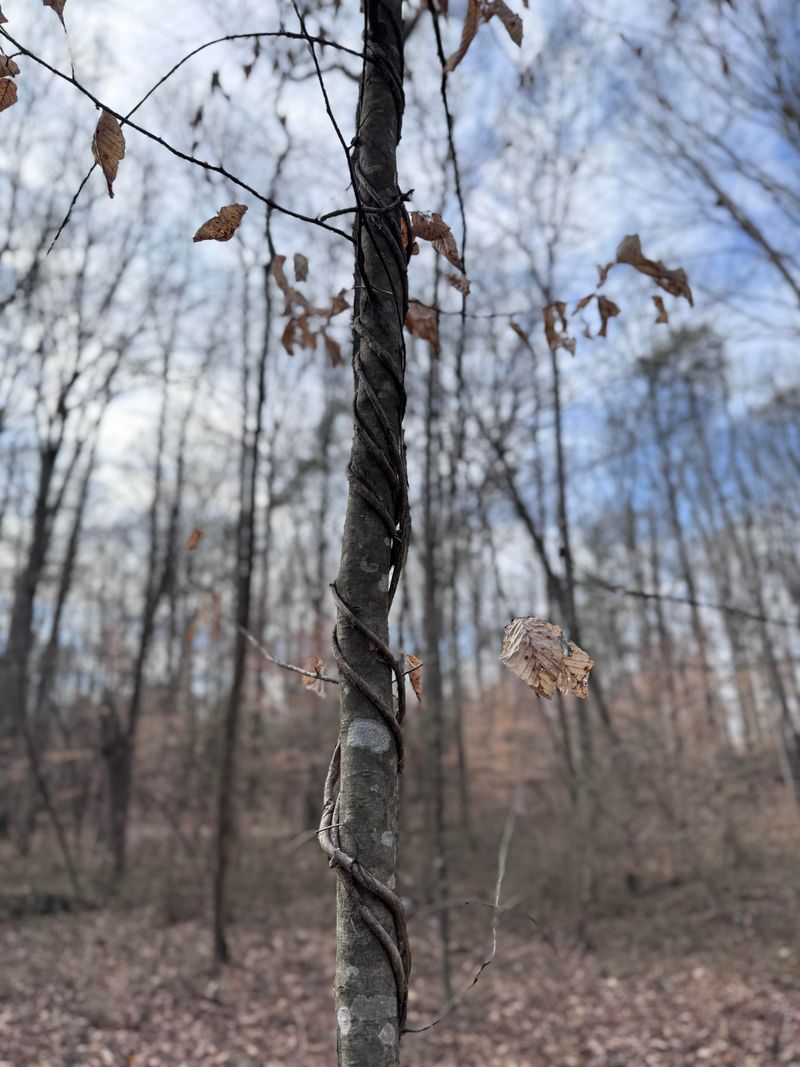
Oriental bittersweet, known to scientists as Celastrus orbiculatus, is the vine behind the trouble. It is a tough, woody climber from eastern Asia that now grows in woods, hedgerows, and backyards across Pennsylvania.
Most climbing plants just hitch a ride upward. This one wraps itself around trunks and branches in tight spirals, much like a garden hose coiled around a pole. As the tree grows wider each year, the vine refuses to loosen up.
Foresters call this girdling. Under the bark, a tree carries water up from its roots and sends sugars down from its leaves. When a vine squeezes that layer, the flow gets pinched, and the tree slowly loses strength.
I find the scale of it surprising. Stems can top 10 inches thick, and the vine can reach 60 feet into the canopy. Old trunks sometimes show deep, corkscrew grooves where the vine pressed in for years.
None of this happens overnight, which is why it feels so quiet. A tree can look fine for seasons while the grip tightens. Catching it early gives your trees a much better shot at bouncing back.
Orange Berries Lined Up Along The Stem Give Bittersweet Away
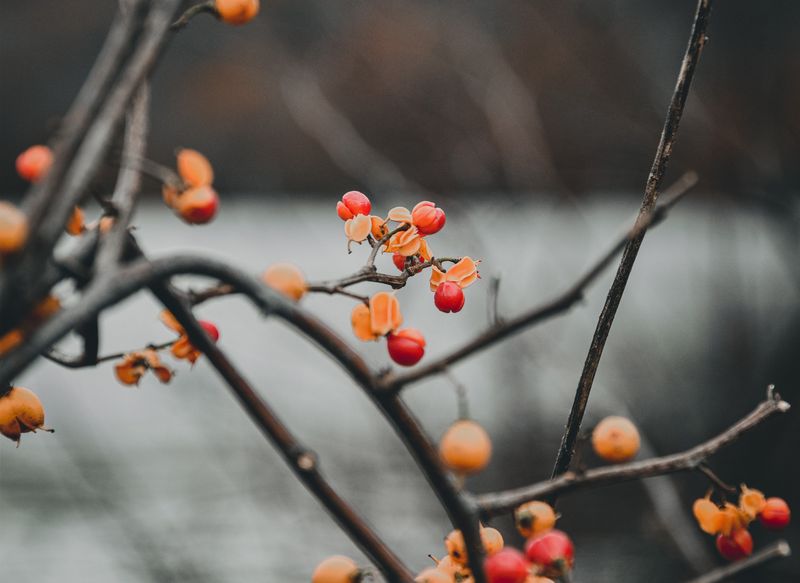
Fall is honestly the easiest time to spot this vine. Once the yellow-orange husks split open, bright red berries pop out like tiny lanterns, and they hang on well into winter.
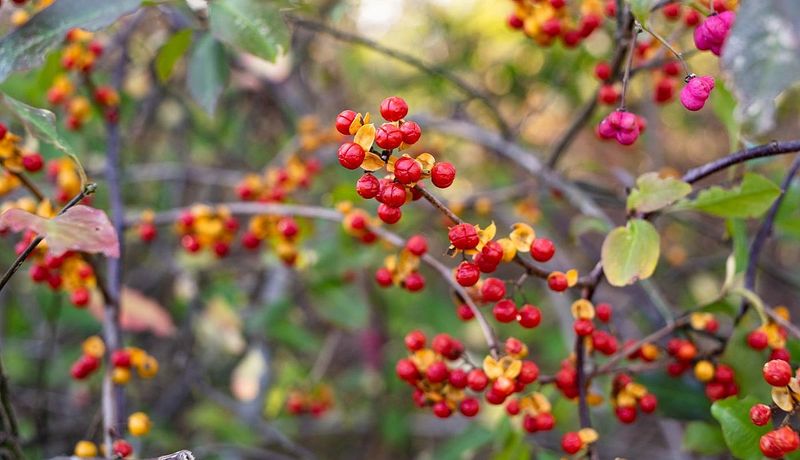
Look at where they grow. On Oriental bittersweet, the berry clusters sit along the length of the stem, tucked at the base of each leaf. That spread-out pattern is one of your best clues.
Leaves help too. They are glossy, finely toothed, and about 2 to 4 inches long, ranging from nearly round to oval. In late summer or early fall they turn bright yellow, often before nearby trees change color.
The stems tell their own story. Young shoots are bright green, while older wood turns light brown with a cracked, net-like bark. You will not find tendrils, sticky pads, or little aerial roots, since the vine climbs only by twisting.
Pull up a small seedling and you might gasp a little. The roots are a vivid orange, almost like a carrot. That color is a handy confirmation when leaves alone leave you guessing.
Snap a photo of any suspect vine. Comparing it later with an extension guide makes identification much less stressful.
Cut A Window In The Vine Before You Do Anything Else
Grab your loppers or a pruning saw, because this step brings fast relief. For big vines already climbing a tree, make two cuts. Place one near the ground and another a few feet higher.
That gap works like a window. It separates the upper vine from its roots, so the part stuck in the tree slowly withers and breaks down over time. The tree gets breathing room without any risky pulling.
Resist the urge to yank the vine out of the branches. Large vines can tear bark or bring limbs crashing down on you. Let the cut sections dry out and loosen on their own.
Smaller plants are a different story. Seedlings and young vines can be pulled by hand, especially in spring when the soil is soft and moist. Try to get as much of that orange root as you can.
Plan on coming back, though. Cut stumps and roots often send up fresh shoots with surprising energy. A quick check every few months keeps those sprouts from rebuilding the problem.
Late fall and winter work nicely for this chore. With leaves gone, the vines are easy to see and follow.
Stubborn Bittersweet Roots Often Need A Follow-Up Treatment
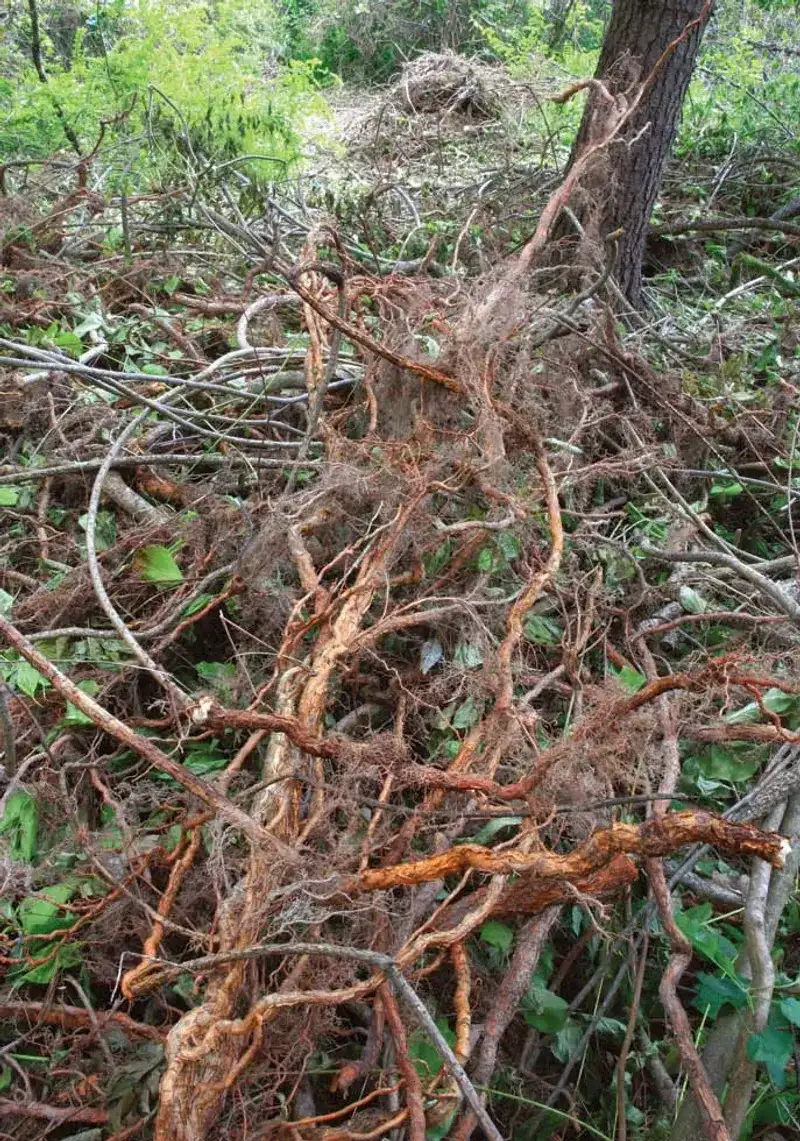
Cutting alone rarely finishes the job. Oriental bittersweet has a big network of roots, and it can push up new shoots from them again and again. Penn State Extension notes that control often takes several years.
Many land managers use a cut-stump treatment. Right after cutting, a systemic herbicide such as glyphosate or triclopyr is painted onto the fresh stump. Speed matters here, since the cut surface takes it in best within minutes.
Timing makes a difference too. Spring is a poor choice, because rising sap can push the product back out instead of carrying it down. Summer, fall, and mild winter days usually work better.
Patches of low regrowth can be handled with a leaf spray. In Pennsylvania, late season, from about July onward, is often recommended so the plant moves the herbicide toward its roots. Some guides find a glyphosate and triclopyr mix works better than either alone.
Read the label every time and follow it exactly. Wear gloves, eye protection, and long sleeves. Keep sprays off nearby plants you love.
If chemicals are not your thing, repeated cutting of new sprouts can wear the roots down. It just takes more patience.
Heavy Vines In The Treetops Can Snap Branches Under Snow
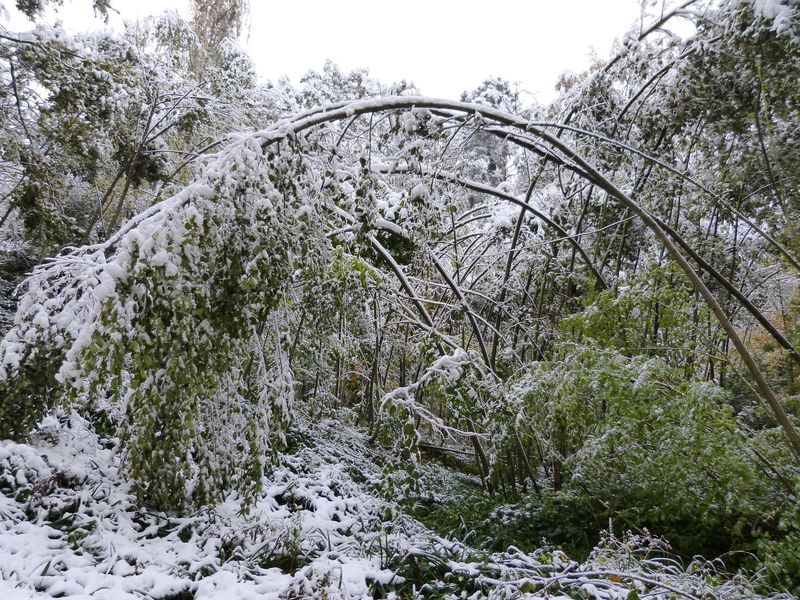
Winter storms reveal a sneaky side of this vine. Once it reaches the canopy, it forms a thick, tangled mat. Add wet snow or ice, and that extra load can snap limbs or even topple a whole tree.
Shade is another quiet problem. Dense bittersweet leaves can cover a tree’s own foliage and block the sunlight it needs to make food. A shaded tree slowly weakens and becomes more open to other stress.
The vine also spreads in two clever ways. Birds and small mammals eat the berries and drop seeds far away, so new plants show up in surprising spots. Underground, roots send up fresh shoots called suckers.
That combination explains why one vine becomes a thicket so fast. A fence corner with a single plant can turn into a wall of tangles within a few seasons.
Falling branches are a real safety concern near homes, driveways, and power lines. If a heavily covered tree leans over something important, call a certified arborist.
They can judge the risk and remove vines safely from tall limbs. Personally, I check my trees after every big storm. A cracked limb tangled in vines is a clear signal to act.
American Bittersweet Deserves A Spot In Your Garden
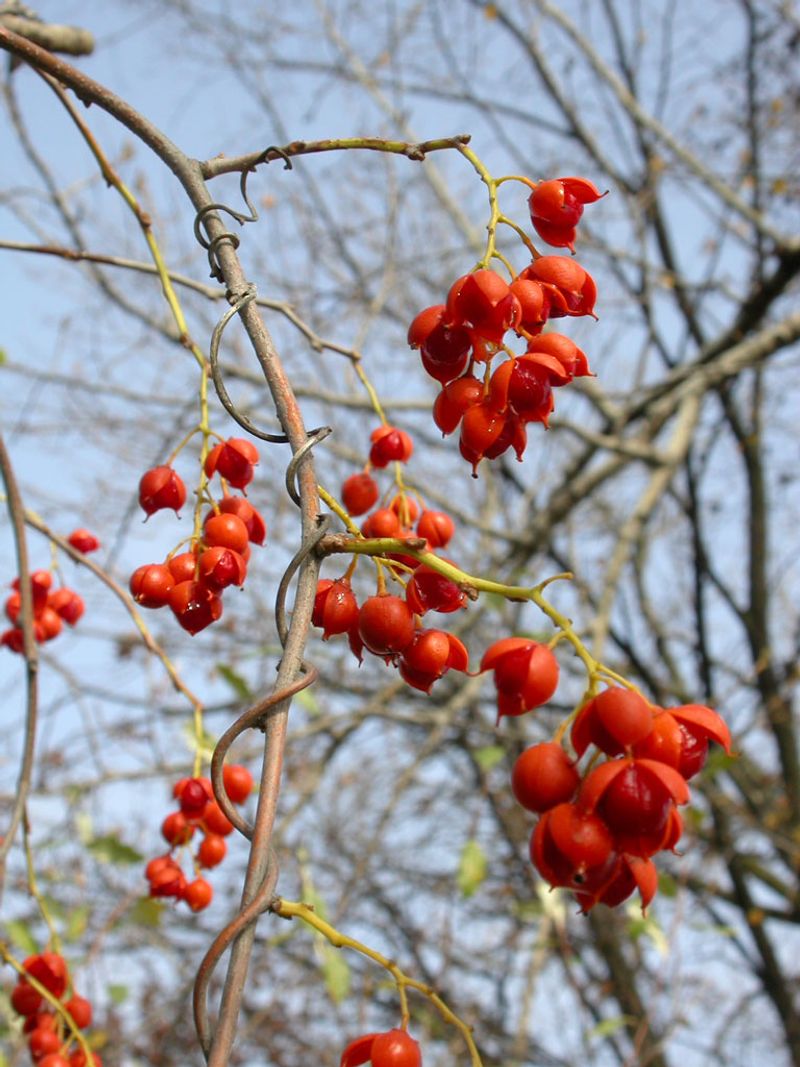
Not every bittersweet is a troublemaker. Pennsylvania also has a native cousin, American bittersweet, or Celastrus scandens. It supports local wildlife and plays nicely with native plants.
Telling them apart comes down to where the fruit sits. American bittersweet carries its flowers and orange-red berries in clusters at the very ends of its branches. The invasive kind scatters fruit all along the stem at each leaf base.
Native berry husks also tend to be orange, while the invader’s husks lean yellow. Leaves on the native are usually longer and more pointed. These clues together make a pretty reliable checklist.
Getting this right truly matters. The native species has become less common in many areas. Removing it by mistake hurts a plant that already needs help.
Here is a twist that surprised me. The two species can cross and form hybrids, which muddies the native gene pool. That is another reason to clear the invader near any native vines.
Be careful with fall wreaths and craft decorations too. Many store-bought bittersweet stems are the invasive kind, and tossed berries can sprout in your compost. Bag them in the trash instead.
Native Vines And Regular Yard Walks Keep Your Trees Safe
Prevention beats a multi-year cleanup every time. A quick walk along your fence lines, woodland edges, and hedges a few times a year can catch seedlings while they are still easy to pull.
Keep in mind the law is on your side. Oriental bittersweet is listed as a noxious weed in Pennsylvania, so selling, spreading, or planting it is not allowed. If a nursery or neighbor offers cuttings, politely say no.
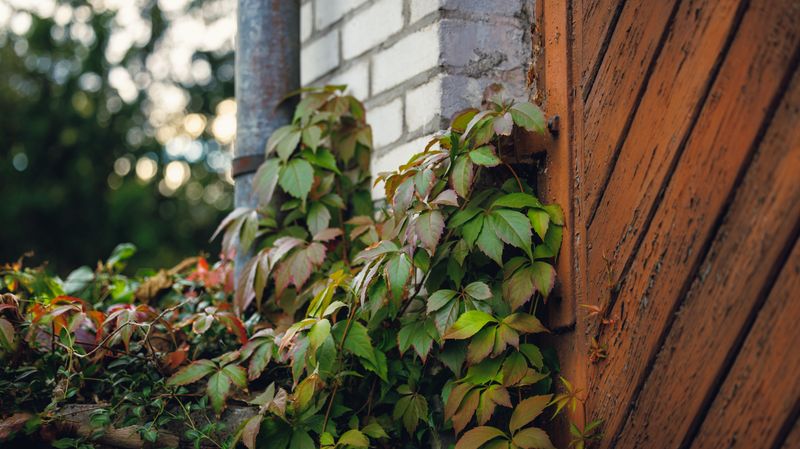
Got a bare trellis or fence craving some color? Native vines fill that role beautifully. Virginia creeper brings brilliant red fall leaves, and red honeysuckle offers bright tubular flowers that hummingbirds adore.
American bittersweet is another lovely choice for sunny spots. Just give it a fence or arbor rather than a favorite tree. Even native vines can get heavy when they climb trunks.
Natives feed caterpillars, birds, and pollinators that evolved alongside them. Your yard becomes a small refuge instead of a launching pad for invaders.
Talk with neighbors, too. Birds carry seeds across property lines, so teamwork makes a real difference. One shared cleanup weekend can protect a whole block of trees for years to come.