The Smells That Keep Squirrels And Chipmunks Out Of Pennsylvania Gardens
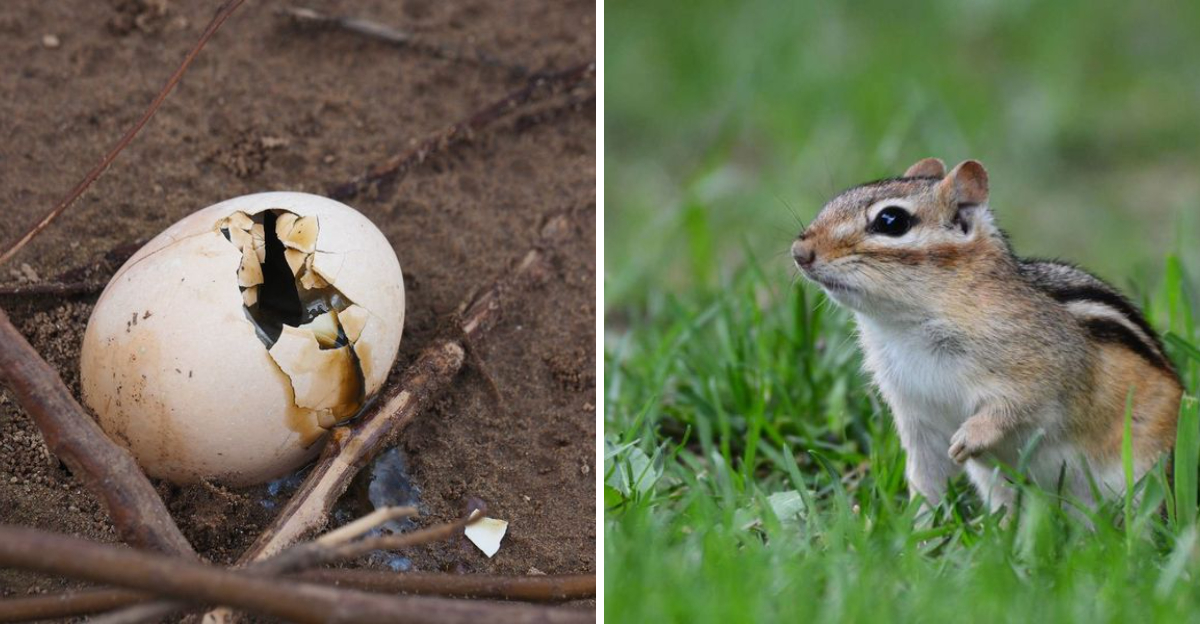
Squirrels and chipmunks are charming right up until they’re not. The moment they start digging up bulbs, raiding bird feeders, and tunneling through carefully tended garden beds, the charm wears off fast.
Most Pennsylvania gardeners have tried the obvious solutions. Cages, netting, motion activated sprinklers.
These work with varying degrees of success and require ongoing effort that gets old quickly. But there’s a simpler approach that a lot of gardeners overlook entirely.
Squirrels and chipmunks have highly sensitive noses, and there are specific smells they find genuinely intolerable. When those smells are present in and around your garden, these animals tend to go looking for easier territory elsewhere.
No traps, no barriers, no constant reinstalling of protective hardware. Just scents doing quiet work in the background.
Some of these smell deterrents come from plants you could be growing anyway. Others are simple household items applied strategically around the garden.
Here’s exactly which smells keep squirrels and chipmunks away from Pennsylvania gardens and how to use them effectively.
1. Hot-Pepper Or Capsaicin Repellents
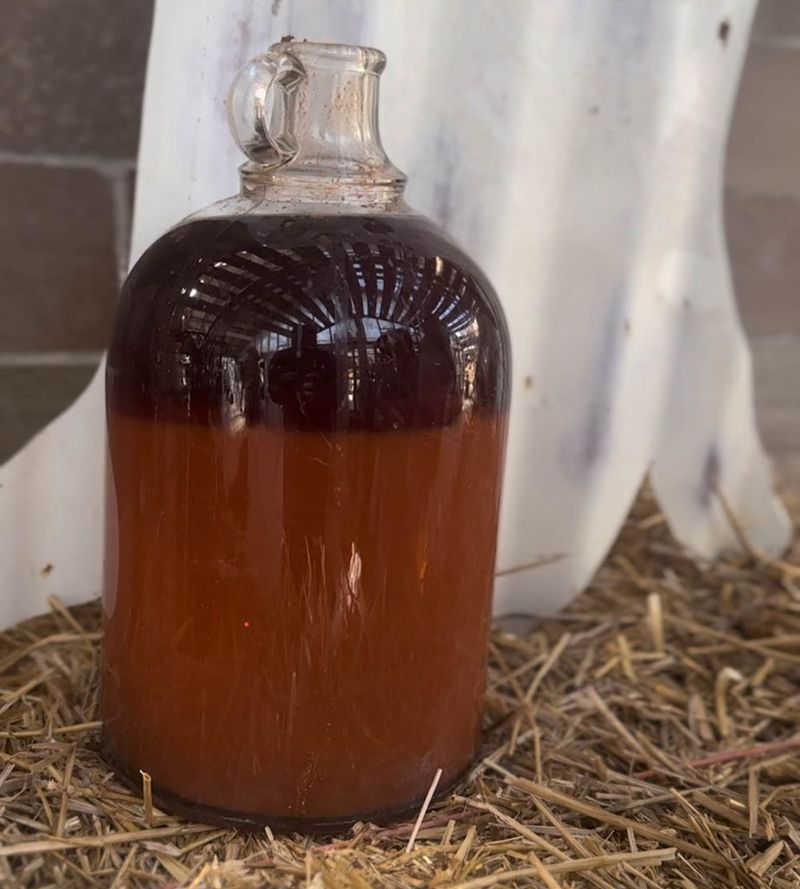
Squirrels and chipmunks have incredibly sensitive noses, and capsaicin is basically their worst nightmare. Capsaicin is the natural compound found in hot peppers that makes them spicy.
When these small animals sniff or taste anything treated with it, they get an intense burning sensation that sends them scrambling away fast.
Capsaicin works by creating a powerful odor-and-taste barrier around your plants, bulbs, and seeds. You can find commercial sprays and granules at most garden centers that are specifically labeled for squirrel and chipmunk control.
Penn State Extension even lists capsaicin-based products as a recommended option for managing squirrel problems in home gardens.
One important thing to remember is that homemade pepper dust can be risky. It can irritate your own eyes, skin, and even your pets if they wander through treated areas. Stick with a commercial product that has clear usage instructions on the label.
If you are protecting edible crops like vegetables or herbs, read the label carefully before spraying. Some products have restrictions about being applied directly to food plants. Always follow those guidelines to keep your harvest safe.
Rain and watering can wash away the capsaicin, so reapplication is often needed after wet weather. Try to spray in the early morning so the product has time to dry before evening activity picks up.
With consistent use, capsaicin repellents can make your garden a much less attractive place for hungry critters looking for an easy snack.
2. Putrescent Egg Solids
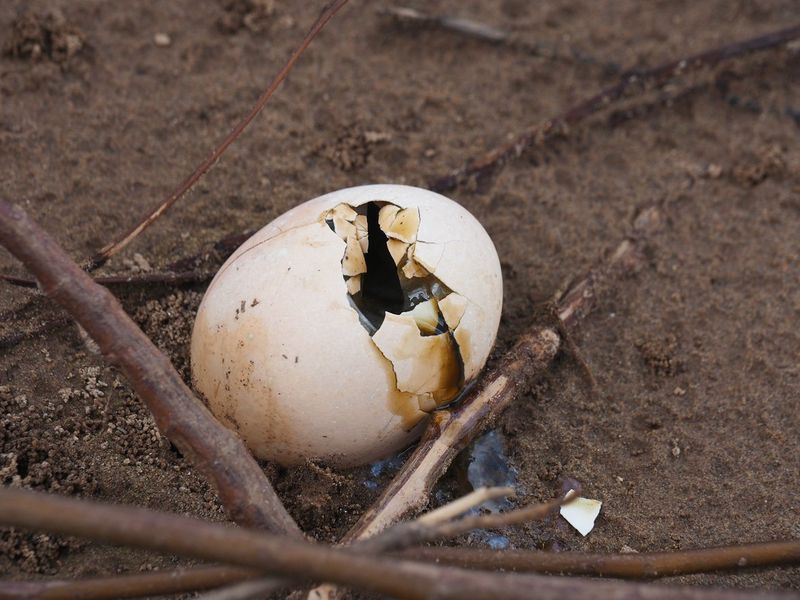
Imagine cracking open an egg that has been sitting in the sun for days. That horrible sulfurous smell is enough to make anyone walk away quickly.
For squirrels and chipmunks, that same smell is a powerful signal to stay far away from your garden.
Putrescent egg solids are made from decomposed eggs, and they are a key ingredient in many EPA-approved animal repellents.
These products are specifically designed to discourage tree squirrels and chipmunks from chewing on ornamental plants, digging up bulbs, and raiding seedlings.
Your Pennsylvania Garden Changes Every Week. Your Plan Should Too.
Gardening in Pennsylvania changes quickly throughout the season. Every Friday you’ll receive a simple weekly plan showing exactly what to plant, prune, fertilize, harvest, and protect so you never miss the right timing.
The smell mimics rotting organic matter, which tells small animals that something is wrong in the area.
Many of the best commercial formulas combine putrescent egg solids with capsaicin and garlic oil to create a triple-threat repellent. This combination hits the animals with multiple unpleasant smells at once, making your garden even less appealing.
Products like Liquid Fence and Bobbex are popular choices that use this kind of blended formula.
Keep in mind that some of these products should not be sprayed directly on edible crops. Always check the label before applying near your vegetable garden or fruit trees.
Using the product on ornamental beds, flower borders, and around newly planted bulbs is generally safe and very effective.
Reapply after heavy rain since moisture breaks down the scent barrier over time. The smell fades quickly for humans outdoors, but squirrels and chipmunks can still detect it long after you stop noticing it.
That lingering scent is exactly what keeps them from coming back to your garden beds.
3. Ammonium-Soap Repellents
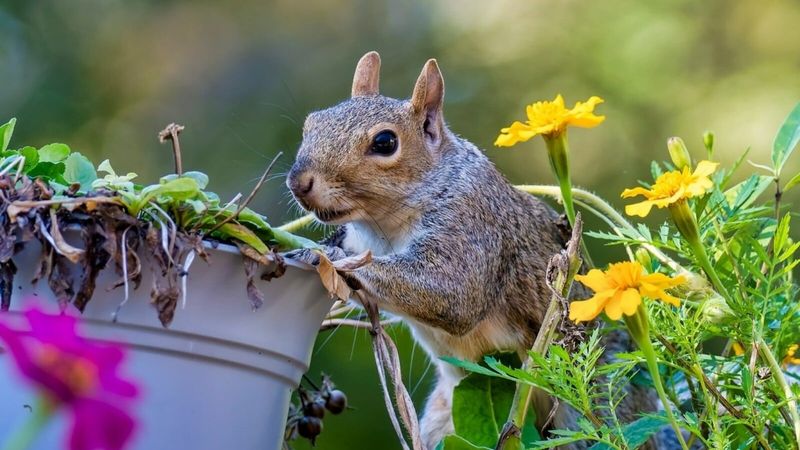
At first glance, soap might not sound like a powerful weapon against garden pests. But ammonium soaps of higher fatty acids are a surprisingly effective tool for protecting bulbs, seeds, and foliage from chipmunks and squirrels.
These compounds create an unpleasant contact barrier that animals find deeply off-putting when they sniff or taste treated surfaces.
Unlike some repellents that work purely by smell from a distance, ammonium-soap products work mostly through direct contact.
When a chipmunk nibbles on a treated plant or digs through treated soil, it gets an unpleasant experience that discourages further investigation.
Over time, repeated negative experiences can train the animal to avoid your garden entirely.
Several commercial products use ammonium soaps as an active ingredient, often blended with other repellents for added effectiveness.
These products are generally considered lower in toxicity to humans and pets compared to stronger pesticide options. However, that does not mean you should apply them carelessly.
Always follow the product label instructions for application rates and timing. Some formulas should not be applied during hot afternoon sun because they can cause leaf burn on sensitive plants.
Early morning or evening applications tend to work best for both plant safety and scent longevity.
Ammonium-soap repellents work especially well when applied around newly planted bulb beds in the fall, which is exactly when chipmunks and squirrels are most active in Pennsylvania gardens.
Pair them with a layer of hardware cloth or wire mesh over your bulb beds for maximum protection through the winter months when hungry animals are searching for buried food.
4. Concentrated Garlic Oil
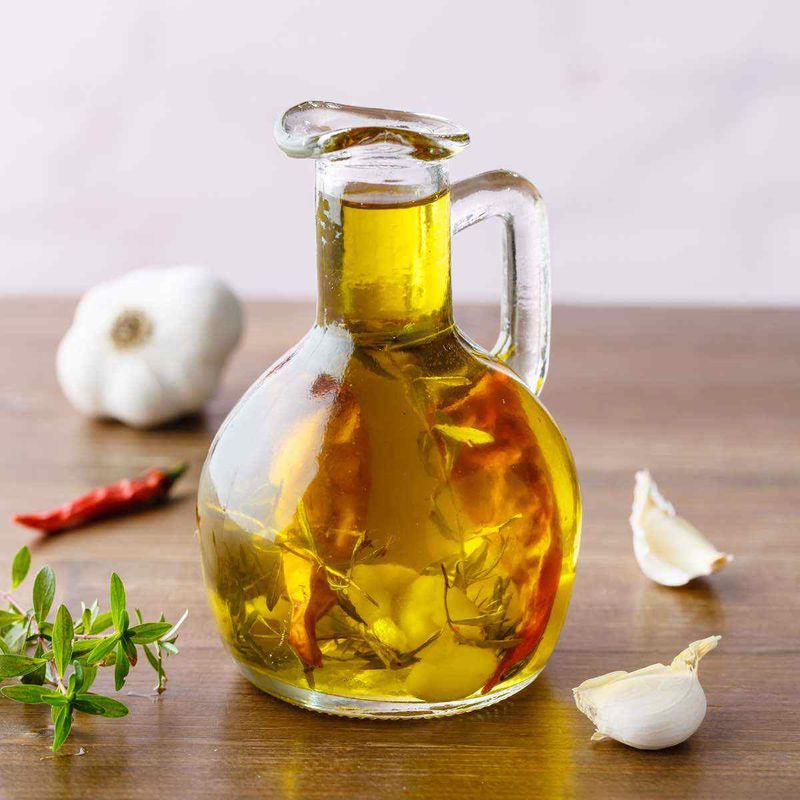
Garlic has been used for centuries to flavor food, but it turns out squirrels and chipmunks absolutely cannot stand it.
The sharp, pungent odor of concentrated garlic oil is overwhelming to small animals with sensitive noses. Even a small amount can make an entire garden bed smell like a place worth avoiding.
Garlic oil is included in several EPA-registered squirrel repellent blends, and for good reason. It works well when combined with other active ingredients like capsaicin and putrescent egg solids to create a broad-spectrum scent barrier.
The oil clings to plant surfaces and soil, giving it a longer-lasting effect than some other natural repellents.
You might be tempted to crush fresh garlic and mix it with water to make your own spray. While that sounds like a simple solution, homemade garlic mixtures are unpredictable.
The concentration varies every time, some plants may react badly to raw garlic juice, and the effectiveness is hard to measure.
Choosing a labeled commercial product is a smarter move. These formulas are tested for plant safety and animal deterrence, so you know exactly what you are getting.
Many are available at hardware stores, garden centers, and online retailers across Pennsylvania.
Apply garlic oil-based repellents around the edges of your garden beds and on any areas where you have noticed digging or chewing activity. Reapply every week or after rainfall to maintain the scent barrier.
Over time, consistent application can train squirrels and chipmunks to simply skip your garden and look for easier pickings elsewhere in the neighborhood.
5. Fox Or Coyote Urine
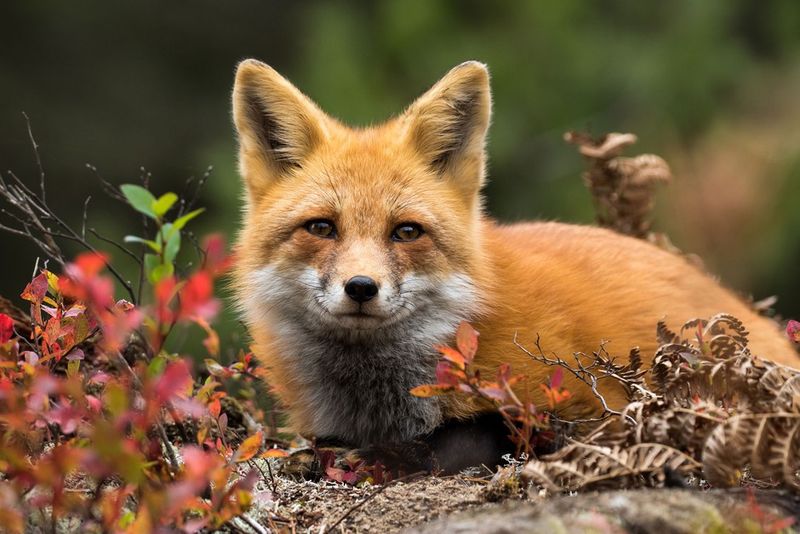
Nothing makes a small animal freeze in its tracks quite like the scent of a predator nearby. Fox and coyote urine products tap into a very old survival instinct that squirrels and chipmunks carry with them every day.
When they catch a whiff of predator odor, their first instinct is to get out of that area as quickly as possible.
Commercial predator urine products are available at many outdoor and garden stores. They typically come as liquids that you spray around the perimeter of your garden, or as granules you scatter along garden borders.
The goal is to make your garden smell like a place where predators regularly pass through, which signals danger to smaller animals.
Results with predator urine can be mixed, and it is worth being honest about that. Squirrels and chipmunks are smart.
If they keep visiting an area that smells like a fox but never actually encounter one, they eventually figure out that the scent is not a real threat. This process is called habituation, and it can reduce the effectiveness of the product over time.
To slow down habituation, try rotating predator urine with other types of repellents throughout the season.
Moving the application spots around your yard can also help keep the animals guessing. Always use products that are clearly labeled for outdoor wildlife deterrence.
Predator urine tends to break down quickly in rain and sunlight, so frequent reapplication is necessary. Pair it with physical barriers like hardware cloth around bulb beds for better long-term results in your Pennsylvania garden.
6. Thiram-Based Repellents
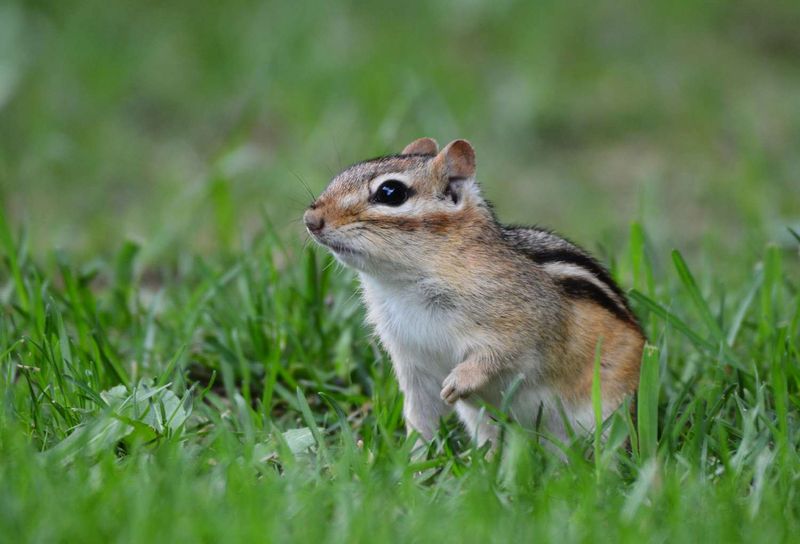
Thiram has a long history in agriculture as both a fungicide and a taste repellent, and it is one of the more regulated options on this list.
Unlike the natural smells of garlic or hot pepper, thiram is a synthetic chemical compound that requires careful handling and strict label compliance.
Pennsylvania gardeners should treat it with the same respect they would give any regulated pesticide.
As a repellent, thiram is typically used on certain seeds and ornamental plant materials to discourage squirrels and chipmunks from digging them up.
The bitter, sulfurous taste and smell are deeply unpleasant to small animals, and even a brief encounter with a treated surface is usually enough to send them looking elsewhere.
One of the most important things to understand about thiram is that it is absolutely not a DIY project. Creating homemade thiram mixtures is dangerous and illegal without proper licensing.
You must use only products that are commercially formulated, properly labeled, and registered for the specific use you have in mind.
Applying thiram to food crops is generally not allowed unless the specific product label explicitly permits it.
For ornamental gardens, flower beds, and non-edible plantings, thiram-based repellents can be a legitimate and useful tool when applied correctly. Always wear gloves and follow all safety precautions listed on the label.
If you are unsure whether a thiram product is appropriate for your situation, contact your local Penn State Extension office for guidance.
They can help you choose the safest and most effective registered option for protecting your specific Pennsylvania garden from squirrels and chipmunks.
7. Bitrex Or Denatonium-Based Products
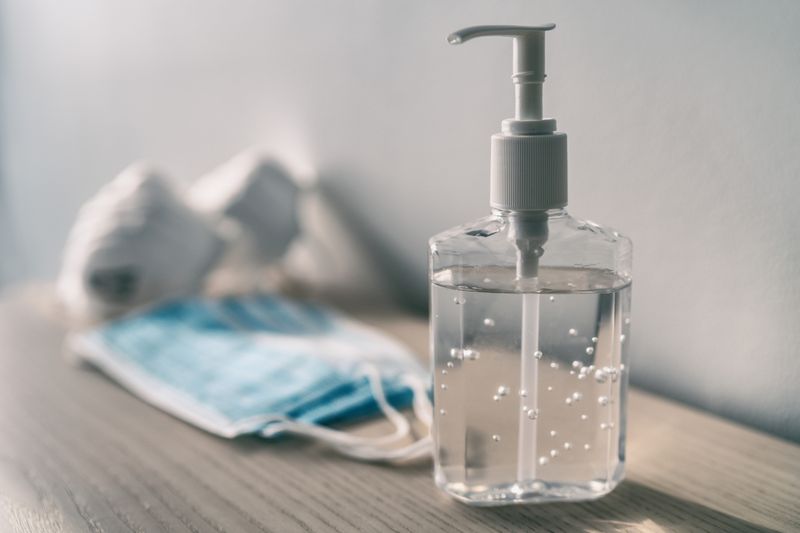
Bitrex holds the Guinness World Record as the most bitter substance ever discovered, and that extreme bitterness is exactly what makes it useful in the garden.
Also known as denatonium, this compound is added to some repellent products to discourage chipmunks and squirrels from chewing on bulbs, seeds, and plant foliage.
Just a tiny amount is enough to produce a reaction that most animals find completely unbearable.
Unlike predator urine or garlic oil, Bitrex does not work primarily as a distant odor barrier. Animals need to actually investigate or mouth a treated surface before the bitterness kicks in.
That makes it more accurate to call it a taste deterrent rather than a scent repellent, though the two often work together in blended commercial products.
The good news is that Bitrex is considered very low in toxicity to humans, pets, and wildlife. It is used in many household products specifically to prevent accidental ingestion, which speaks to its safety profile.
For gardeners with curious pets or children nearby, that is a meaningful advantage over harsher chemical options.
To get the best results from a Bitrex-based product, apply it directly to bulbs before planting and to the surface of the soil around your most vulnerable plants.
Reapply after rain since moisture washes the coating away over time. Consistent application through the fall planting season gives you the strongest protection.
Always choose a product that is clearly labeled for use on plants and nuisance wildlife. Mixing your own denatonium solutions at home is not recommended since concentration control is critical to both safety and effectiveness in a Pennsylvania garden setting.