This Is Exactly When You Should Stop Pruning In Your Florida Garden
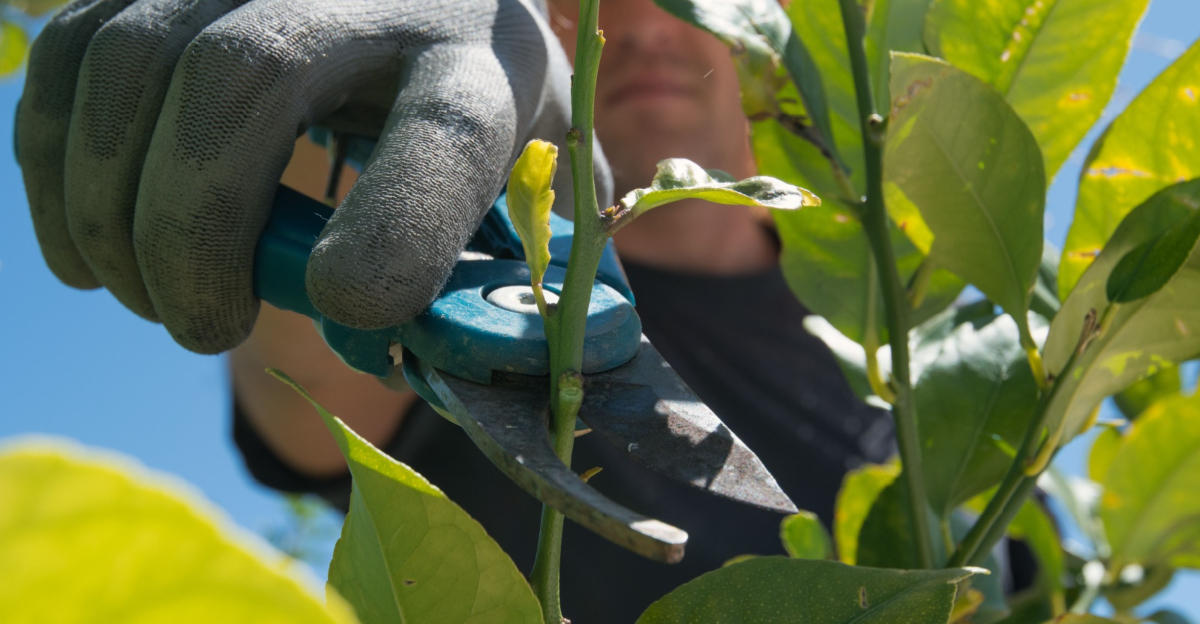
Every Florida gardener has been there: When do you stop pruning? Cut too late, and you risk stressing your plants, overcrowding, or even inviting disease.
Cut too early, and you stunt their growth, setting them back for weeks. With Florida’s unpredictable weather, it’s not just about when to start, it’s about when to stop.
That’s the game-changer for a garden that doesn’t just survive, but thrives. It’s easy to think more pruning equals better results, but that’s a trap.
Over-pruning at the wrong time weakens your plants, messes with blooms, and leaves them struggling to recover.
Stop pruning at the perfect moment, and you’ll get stronger plants, more vibrant blooms, and a garden that flourishes all year long.
1. Stop Pruning Before New Spring Growth Begins In Florida
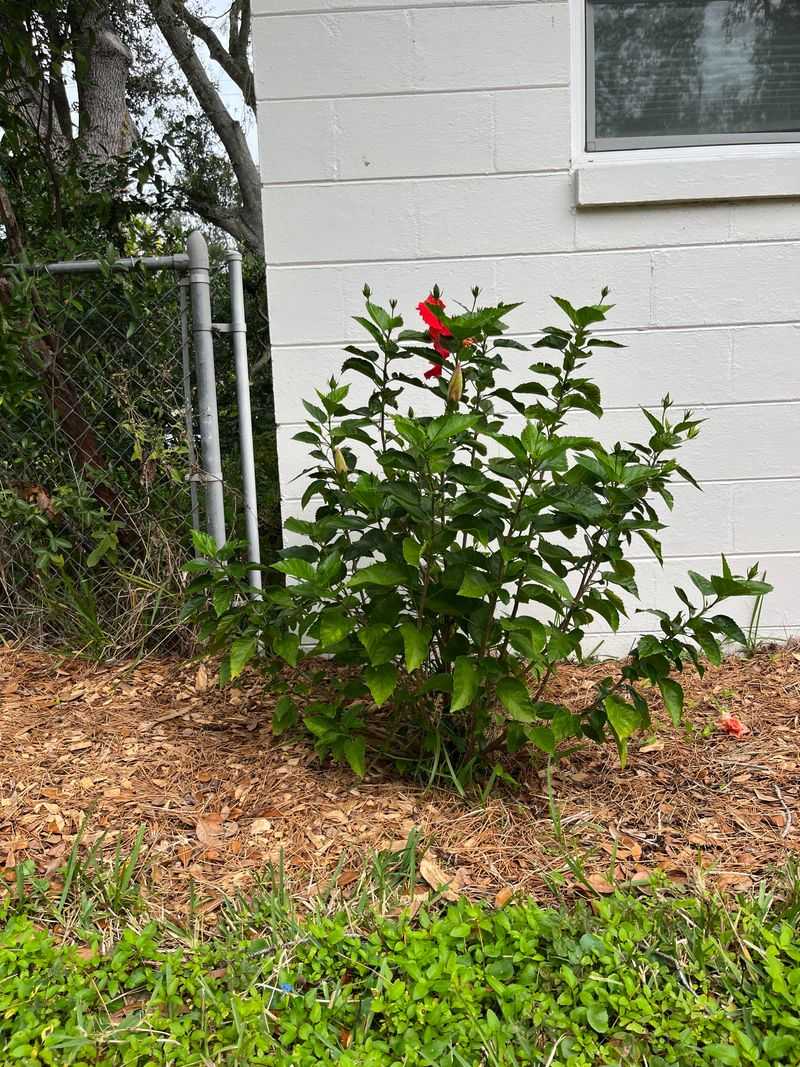
Picture this: you head outside on a warm February morning, pruning shears in hand, ready to tidy up your garden. But wait, in Florida, that could be a big mistake.
The University of Florida IFAS Extension warns that cutting plants just before new spring growth kicks in can remove the very buds your plants have been preparing all winter.
Florida’s spring transition typically starts earlier than most people expect. By late January or early February, many plants in the Sunshine State are already gearing up for active growth.
Pruning during this window strips away energy-rich tissue that the plant needs to push out new leaves, stems, and flowers.
The safest approach is to finish any major pruning by mid-January at the latest. After that, your plants need those stored nutrients to fuel their spring surge.
IFAS research consistently shows that late winter pruning disrupts the hormonal signals that trigger healthy new growth. Giving your garden a hands-off period before spring arrives is one of the simplest and most effective things you can do for long-term plant health in Florida’s subtropical environment.
2. Use Florida’s Seasonal Cues To Schedule Pruning Safely
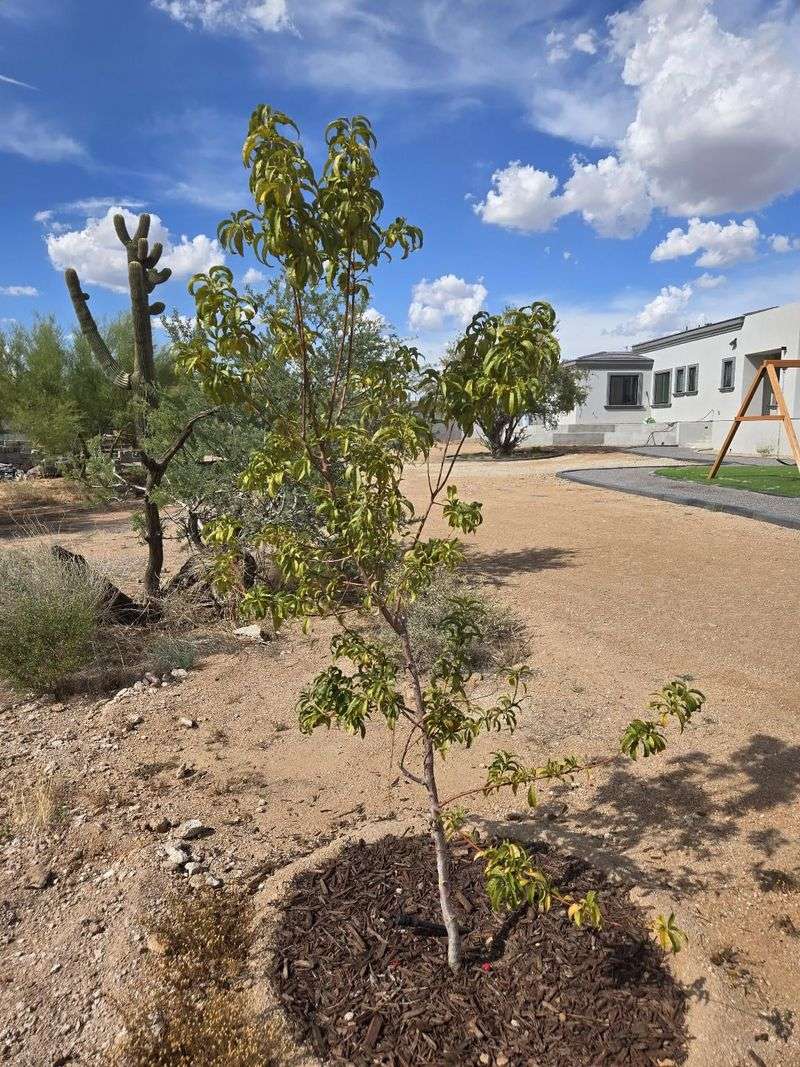
Florida doesn’t follow the same four-season script as the rest of the country, so gardeners here need to tune into different signals. Instead of watching for snowmelt or frost dates, Florida gardeners should pay attention to rising nighttime temperatures, longer daylight hours, and shifts in soil moisture.
These cues tell you when plants are waking up and when pruning should stop.
According to IFAS, soil temperature is one of the most reliable indicators of plant activity in Florida. When soil temps consistently rise above 65 degrees Fahrenheit, root activity increases and plants begin pushing energy upward.
That’s your signal to set the pruners aside and let growth happen naturally.
Daylight also plays a bigger role than most gardeners realize. As days grow longer heading into spring, plants respond by ramping up their metabolic activity.
Cutting back during this surge forces the plant to spend energy healing wounds instead of growing. Watching these natural seasonal cues, rather than relying on a fixed calendar date, gives Florida gardeners a smarter, more reliable way to schedule their pruning and protect their plants from unnecessary stress.
3. Adjust Pruning Timing For North Florida Versus South Florida
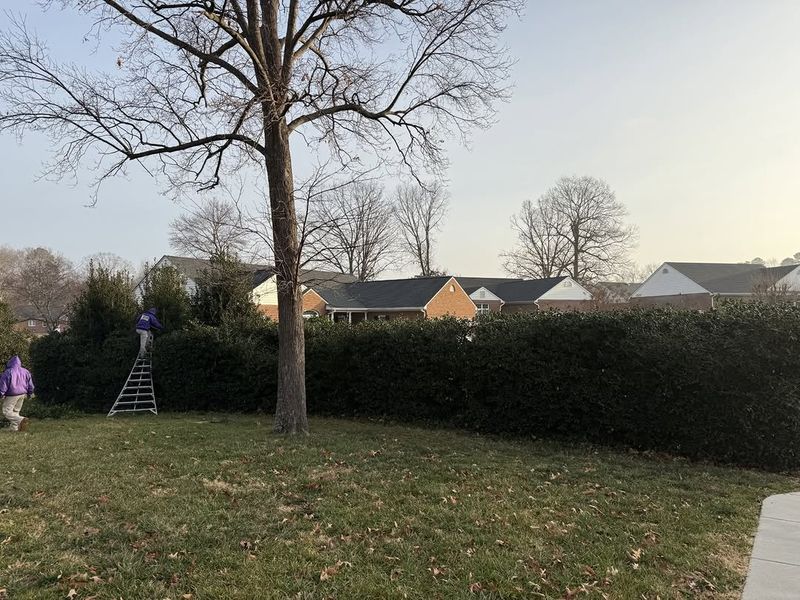
One of the most overlooked facts about Florida gardening is that the state is actually home to two very different climates. North Florida, places like Tallahassee, Jacksonville, and Gainesville, experiences genuine winters with occasional frosts and freezes.
South Florida, including Miami and Fort Lauderdale, stays warm nearly year-round with minimal cold snaps.
This regional difference has a direct impact on when you should stop pruning. In North Florida, IFAS recommends wrapping up heavy pruning by late January or early February, before the last frost window closes and spring growth begins.
Pruning too late risks exposing tender new growth to a surprise cold snap, which can cause serious damage.
South Florida gardeners, on the other hand, operate on a more compressed schedule. Because frost is rarely a concern, plants in South Florida can begin their active growth cycle as early as January.
IFAS guidelines suggest that gardeners in South Florida should stop major pruning even earlier, closer to mid-January, to avoid cutting into the plant’s early growth cycle. Knowing which climate zone you’re gardening in is the first step to getting your pruning timing right every single year.
4. Know When To Pause Pruning For Flowering Shrubs And Ornamentals
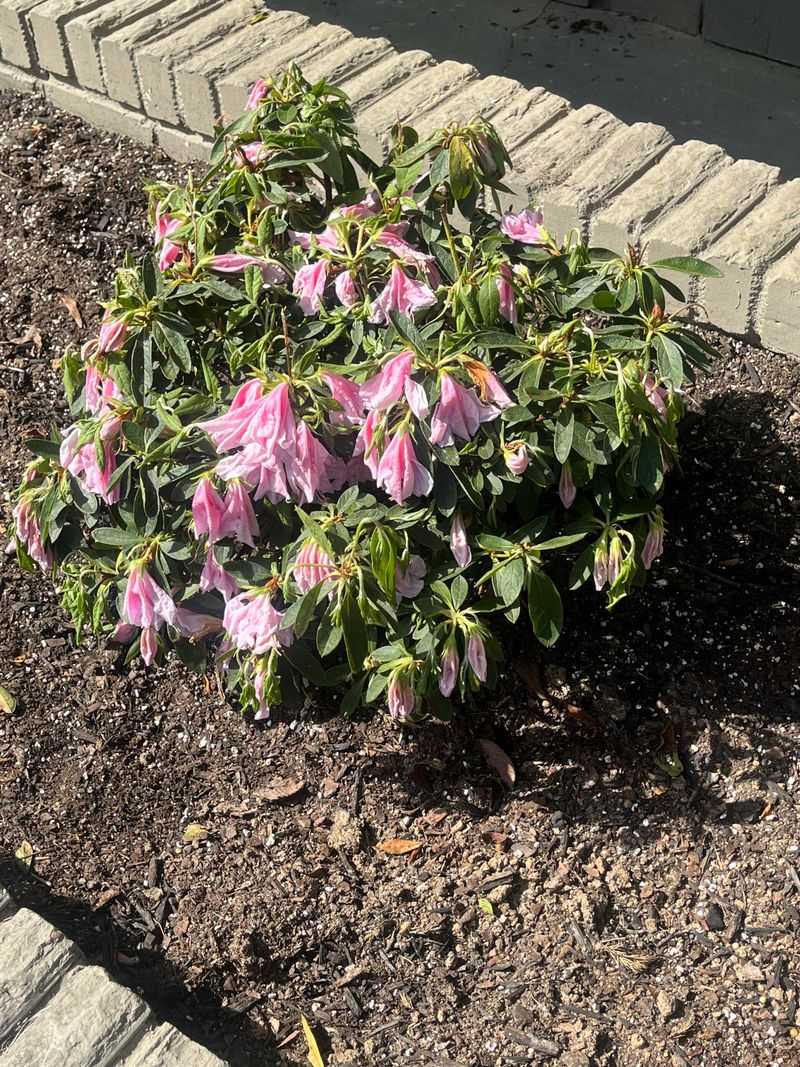
Azaleas and camellias are two of Florida’s most beloved flowering shrubs, and they both follow a very specific blooming timeline that pruning can easily disrupt. Many gardeners don’t realize that these plants set their flower buds months before they actually bloom.
Pruning at the wrong time can literally cut off next season’s flower show before it even gets started.
IFAS recommends pruning azaleas immediately after they finish blooming in spring, typically between March and May depending on your region. Waiting any longer risks cutting into the new buds that form on fresh summer growth.
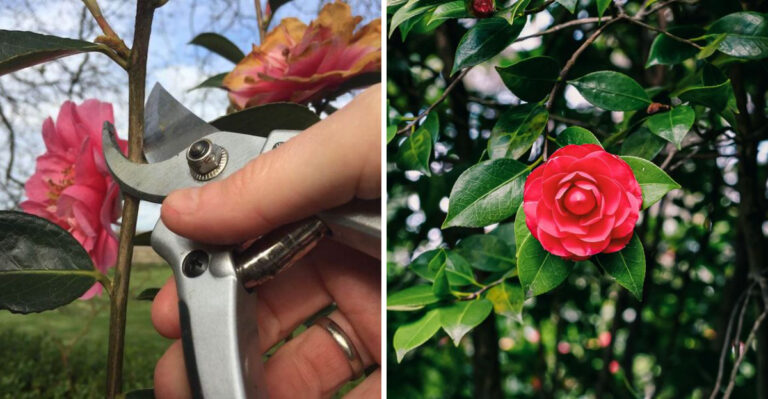
Camellias follow a similar rule: prune right after flowering ends, which usually happens in late winter or early spring in Florida.
For ornamentals in general, the key is understanding whether a plant blooms on old wood or new wood. Plants that bloom on old wood, meaning growth from the previous season, should never be pruned in late winter or early spring.
Doing so removes the wood that carries the blooms. IFAS extension publications are a fantastic resource for identifying which shrubs in your Florida garden fall into which category, helping you protect your flower displays season after season.
5. Hold Off On Pruning Fruit Trees During Active Shoot Growth
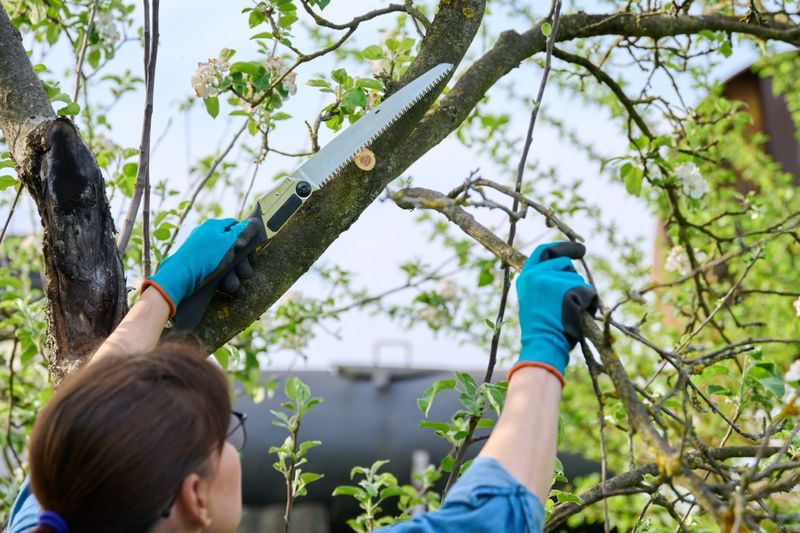
Florida’s fruit trees, citrus, mango, avocado, and lychee among them, have some of the most specific pruning needs of any plants in the home landscape. Getting the timing wrong doesn’t just slow growth; it can open the door to serious disease and pest problems that are hard to reverse.
The golden rule for fruit trees is simple: never prune during active shoot growth.
Active shoot growth in Florida typically begins in late winter and continues through spring and into early summer. During this phase, trees are channeling enormous amounts of energy into producing new leaves and branches.
IFAS researchers emphasize that pruning during this window creates wounds that are slow to heal, leaving trees vulnerable to fungal pathogens and boring insects that are especially active in Florida’s warm, humid conditions.
For citrus trees specifically, IFAS recommends completing any structural pruning in late winter before the spring flush begins – usually by February. Mangoes and avocados are best pruned right after harvest, when the tree is in a lower-energy state.
Matching your pruning schedule to the tree’s natural growth rhythm is the single most effective way to keep Florida fruit trees healthy, productive, and disease-resistant year after year.
6. Avoid Pruning During Florida’s Wettest Months To Prevent Disease
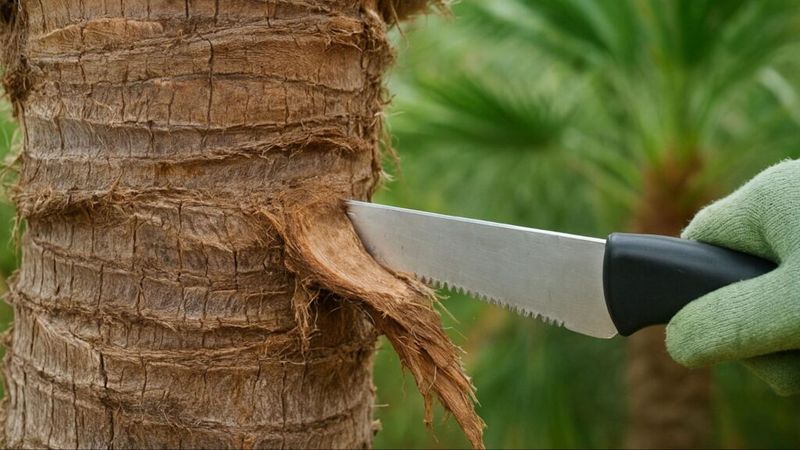
Florida’s rainy season runs from roughly June through September, and during these months the humidity and rainfall create near-perfect conditions for fungal diseases and bacterial infections to thrive. Every pruning cut you make is essentially an open wound on your plant, and in wet, steamy conditions, those wounds become easy entry points for pathogens.
IFAS strongly advises against major pruning during this period.
Fungal diseases like Phytophthora, powdery mildew, and various canker diseases are far more active during Florida’s summer months. When you prune in high humidity, spores can settle into fresh cuts almost immediately.
The warm temperatures speed up the spread of infection, and before long, a simple pruning session can turn into a serious disease problem that affects the whole plant.
If you absolutely must do some trimming during the rainy season, IFAS recommends using clean, sterilized tools and keeping cuts to a minimum. Avoid pruning right before or during rain events, when fungal spore counts in the air are at their highest.
The safest strategy is to save any significant pruning work for Florida’s drier months, typically October through May, when conditions are far less favorable for disease development and your plants can heal much more effectively.
7. Stop Major Cuts After Growth Starts And Save Light Shaping For Later
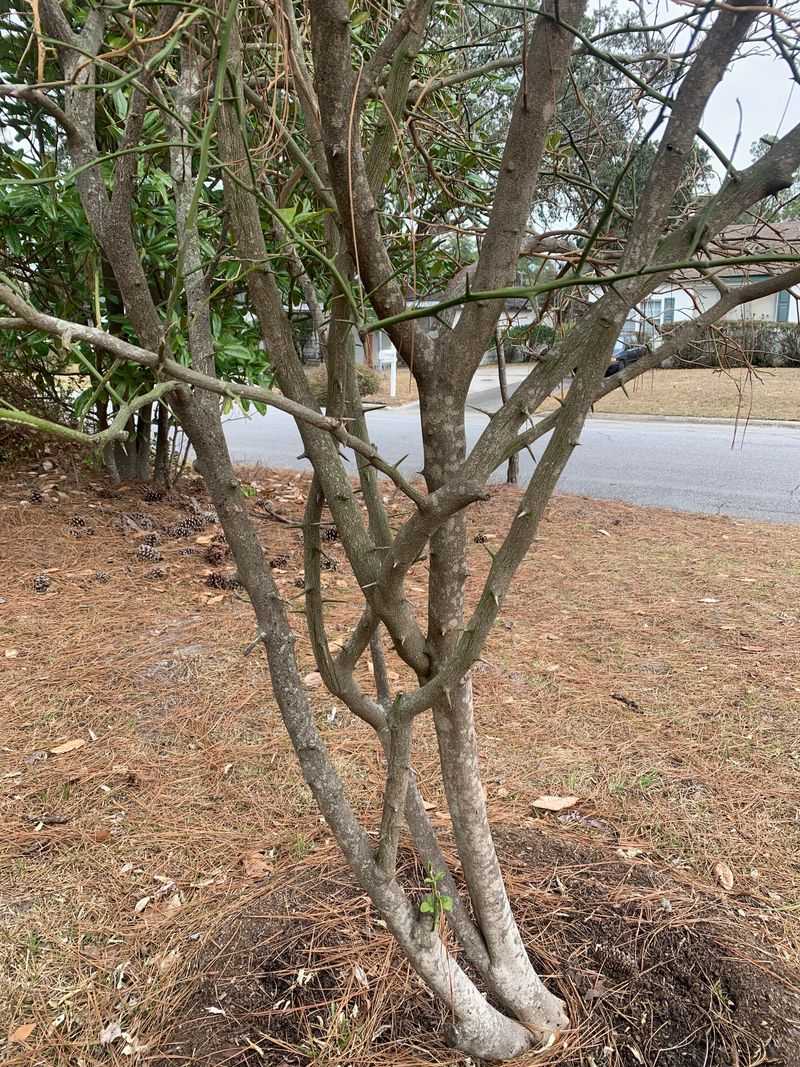
There’s a meaningful difference between grabbing your loppers for major structural cuts and doing a little light shaping with hand pruners. Once spring growth kicks off in Florida, major cuts should stop almost entirely, but light touch-ups can still happen safely if done with care.
Understanding this distinction can save your plants a lot of unnecessary stress.
Major cuts, removing large branches, cutting back to the main trunk, or reducing a plant’s overall size by more than a third, should be wrapped up before active growth begins. IFAS guidelines are clear that large wounds made after growth starts take much longer to compartmentalize, meaning the plant’s natural defense system struggles to seal the damage before pests and diseases move in.
Light shaping, on the other hand, involves removing withered tips, crossing branches, or spent blooms, cuts that are small enough for the plant to handle even during active growth. These minor trims can actually encourage bushier growth and keep your garden looking tidy through the growing season.
The key is knowing your limits: once you see new leaves and shoots pushing out, step back from the heavy work and save it for the right season. Your plants will reward that patience with stronger, healthier growth.
8. Match Pruning Practices To Plant Type For Best Results In Florida
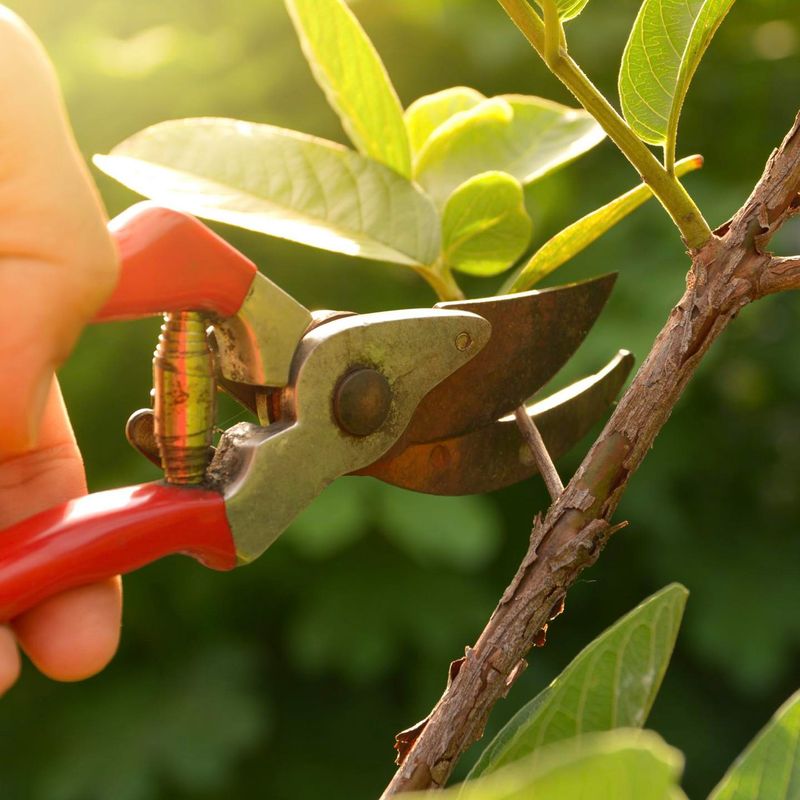
Not every plant in your Florida garden follows the same pruning calendar, and treating them all the same is one of the most common mistakes home gardeners make. Trees, shrubs, palms, and perennials each have their own biological rhythms, and aligning your pruning schedule with those rhythms is what separates a thriving Florida garden from one that constantly struggles.
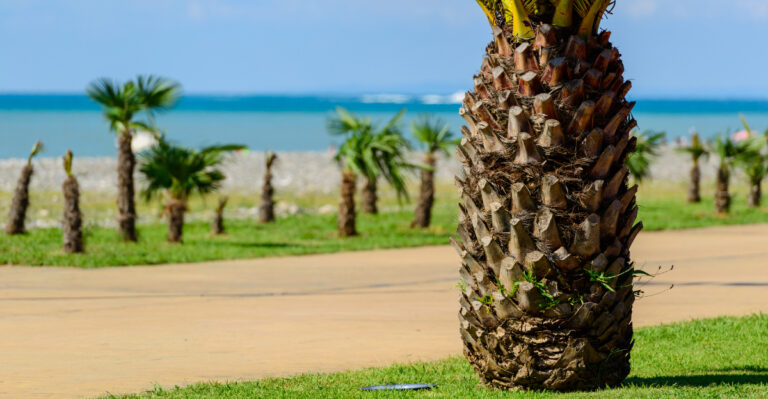
Palms, for example, should only have withered fronds removed – and only when they are fully brown. IFAS warns against the common practice of “hurricane cutting” palms, which removes too many fronds and stresses the tree significantly.
Perennials like pentas and salvia can be cut back more aggressively after flowering to encourage fresh blooms, but timing still matters.
Shrubs like ixora and bougainvillea thrive with light, frequent shaping during the growing season but should not receive heavy cuts during Florida’s rainy season or just before a cold snap. Trees need their major structural work done in late winter before spring growth begins.
IFAS extension resources offer plant-specific pruning guides for dozens of Florida-friendly species, making it easy to build a customized pruning calendar for your exact landscape. Taking a plant-by-plant approach is the most reliable path to a healthy, beautiful Florida garden all year long.