This Is How Florida Homeowners Are Keeping Orchids Blooming This Winter
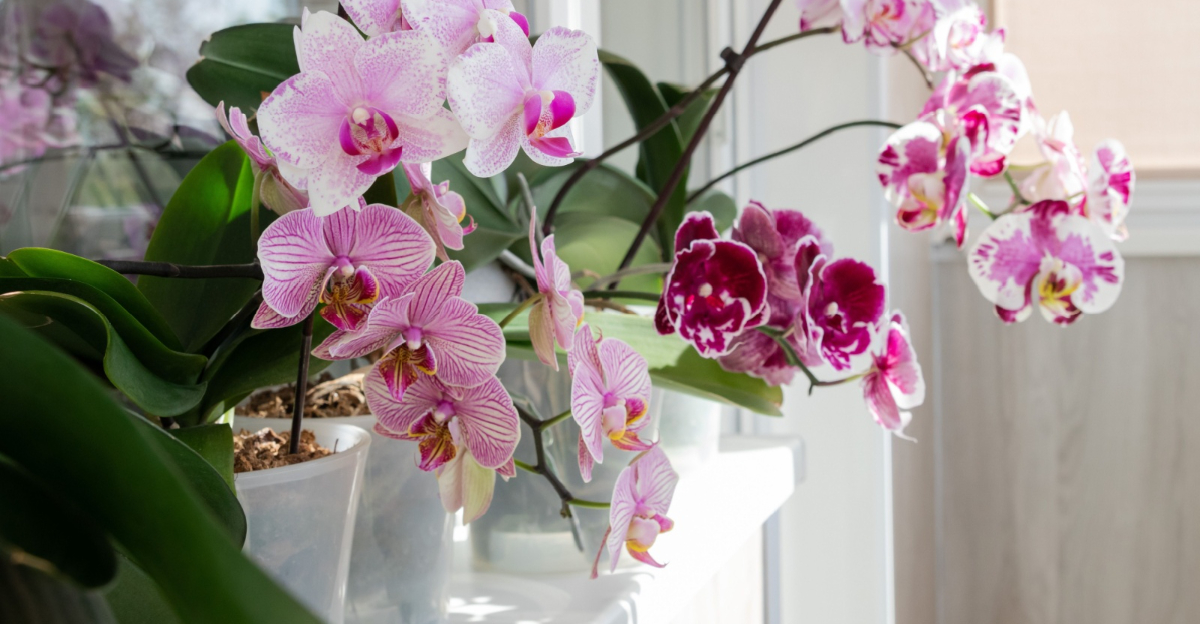
All over Florida, people are spotting fresh spikes and surprise blooms popping up right in the middle of the cool season. Some growers are thrilled.
Others are staring at their plants thinking, why not mine? Maybe you have that one orchid that suddenly decided to wake up, or one that looks perfect but refuses to do anything.
Happens to all of us. Florida winters can be weird for orchids.
Not cold enough to rest, not warm enough to grow fast, yet some plants absolutely love it. The funny part is most blooming orchids are not getting special treatment.
No fancy setup, no complicated routine. Just small everyday habits that make a quiet difference over time.
So, do you really want your orchids blooming all winter in your Florida home, or are you okay waiting and hoping every year? For many growers, a few simple adjustments turned winter blooms into the new normal.
1. Bright Light Makes Winter Blooms Possible
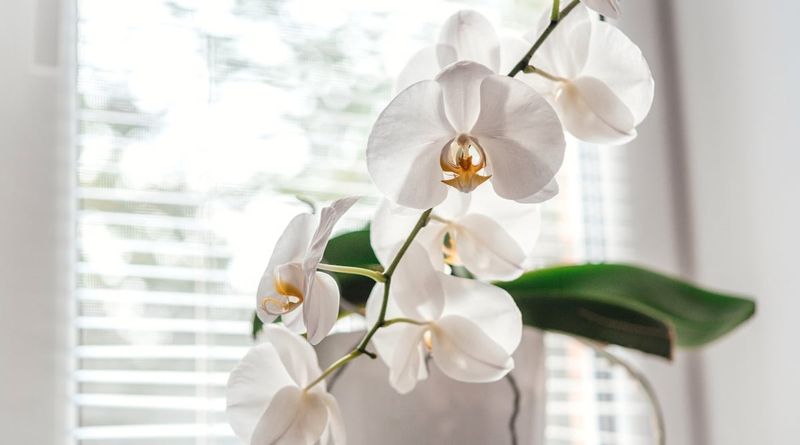
Natural light becomes more precious during winter months, even in sunny Florida. Orchids depend on adequate brightness to trigger and sustain blooming, making light management absolutely essential for winter flower production.
Most orchid varieties need bright indirect light for at least six to eight hours daily to develop healthy flower spikes and maintain vibrant blooms.
Window placement makes all the difference for Florida growers seeking winter orchid success. East-facing windows provide gentle morning sun without harsh afternoon heat, creating ideal conditions for Phalaenopsis and Paphiopedilum orchids.
South-facing windows offer the brightest light but may require sheer curtains to filter intensity during peak hours.
As days shorten in winter, Florida growers often move orchids closer to windows or rotate their position to maximize available light. Some enthusiasts supplement natural light with grow lights, especially for orchids placed in interior rooms away from windows.
Simple LED grow lights positioned twelve to eighteen inches above plants can extend effective daylight hours.
Monitoring leaf color helps growers adjust light levels appropriately. Healthy orchid leaves should appear medium green rather than dark forest green or yellowish.
Dark green leaves signal insufficient light, while yellowing or reddish tones indicate excessive brightness. Making small adjustments to plant placement throughout winter ensures orchids receive optimal light for continuous blooming without stress or damage to delicate foliage.
2. Watering Less But Smarter In Cooler Months
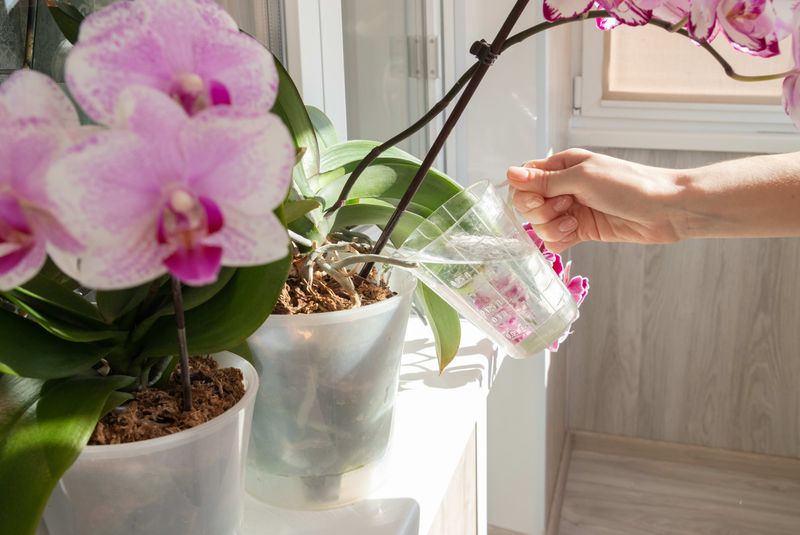
Cooler winter temperatures in Florida significantly slow orchid growth and water consumption. This seasonal shift requires homeowners to rethink their watering approach completely.
Orchids that needed weekly watering during summer may only require moisture every ten to fourteen days when temperatures drop and growth slows.
Root health depends entirely on proper hydration balance during winter months. Overwatering becomes the biggest threat to orchids in cooler weather because excess moisture lingers longer in pots and growing media.
Soggy conditions quickly lead to root rot, which prevents nutrient absorption and ultimately stops blooming.
Florida orchid growers check moisture levels before watering rather than following rigid schedules. Inserting a wooden skewer into the potting medium reveals whether the center remains damp or has dried sufficiently.
Lifting pots to gauge weight also helps determine watering needs, since lighter pots indicate dry media ready for water.
The watering technique itself matters as much as frequency during Florida winters. Thoroughly soaking orchids until water runs freely through drainage holes ensures roots receive adequate hydration without leaving plants sitting in standing water.
Many homeowners water orchids in the morning, allowing foliage to dry completely before cooler evening temperatures arrive. This timing reduces risk of fungal problems while ensuring roots absorb moisture efficiently throughout the day.
3. The Temperature Trick Orchids Secretly Love
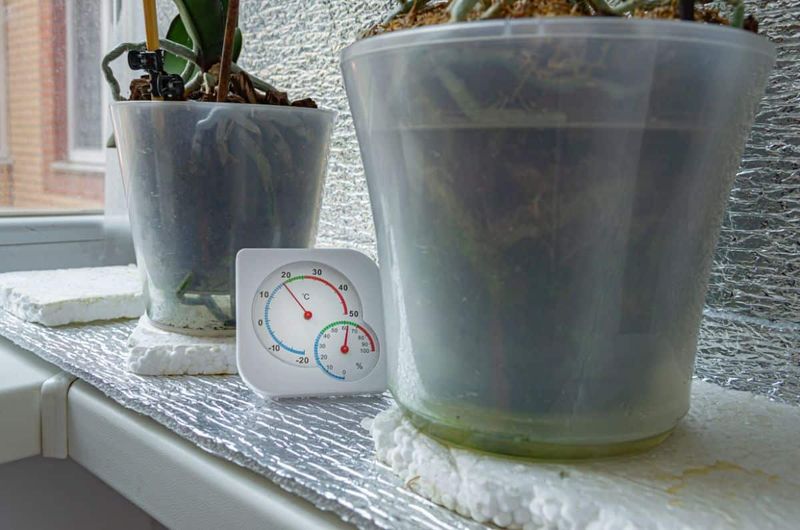
Temperature fluctuation holds the secret to triggering spectacular orchid blooms during winter. Orchids evolved in environments where daytime warmth gives way to cooler nights, and this natural rhythm signals plants to produce flowers.
Florida’s winter climate provides perfect conditions for creating this temperature differential that orchids crave.
Most orchids bloom best when nighttime temperatures drop ten to fifteen degrees below daytime highs. Florida homeowners take advantage of naturally cooler winter evenings, often placing orchids near windows where temperatures dip comfortably into the low sixties while daytime warmth reaches the mid-seventies.
This temperature swing mimics tropical mountain conditions where many orchid species originated.
Maintaining consistent temperature ranges throughout winter proves easier in Florida than in colder climates. Avoiding extreme temperature swings protects developing flower buds from stress that could cause bud blast, where buds yellow and drop before opening.
Keeping orchids away from heating vents, fireplaces, and drafty doors prevents sudden temperature changes.
Different orchid types prefer slightly different temperature ranges during Florida winters. Phalaenopsis orchids thrive with nighttime lows around sixty to sixty-five degrees, while Cattleyas tolerate slightly cooler nights.
Cymbidiums actually prefer cooler conditions and bloom beautifully when nights consistently reach the fifties. Understanding your specific orchid’s temperature preferences helps Florida growers position plants in appropriate locations throughout their homes for optimal winter flowering success.
4. Humidity Keeps Buds From Drying Out
Indoor air tends to dry out during winter months, even in naturally humid Florida. Heating systems and increased use of air conditioning for occasional cold snaps reduce ambient moisture levels that orchids need for healthy bud development.
Flower buds are particularly sensitive to dry air, often shriveling before opening if humidity drops too low.
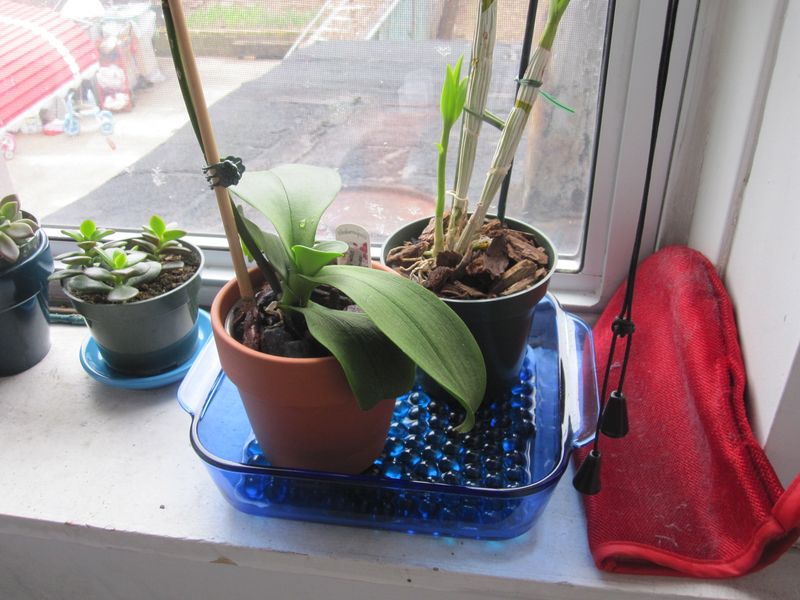
Florida growers combat dry indoor air using simple, effective humidity-boosting techniques. Humidity trays filled with pebbles and water create localized moisture zones around orchids without wetting roots directly.
As water evaporates from trays, it increases humidity in the immediate area surrounding plants, protecting delicate buds and flowers.
Grouping orchids together naturally raises humidity levels through collective transpiration. Multiple plants release moisture into the air simultaneously, creating a more humid microclimate that benefits all nearby orchids.
This strategy works especially well in Florida sunrooms or dedicated plant areas where several orchids share space.
Light misting provides temporary humidity boosts, though Florida growers exercise caution with this technique. Misting works best when done in morning hours, allowing foliage to dry completely before evening.
Avoid misting flowers directly, as moisture on petals can cause spotting or encourage fungal growth. Some homeowners place small humidifiers near orchid collections, maintaining ambient humidity around fifty to sixty percent.
Monitoring humidity with an inexpensive hygrometer helps Florida orchid enthusiasts maintain ideal conditions throughout winter months.
5. Why Airflow Matters More In Winter
Stagnant air creates perfect conditions for fungal diseases and bacterial problems that threaten orchid health during winter. Even though Florida enjoys mild winter weather, indoor conditions can trap moisture and reduce air movement around plants.
Good circulation becomes critical for preventing issues that damage leaves, roots, and developing flower spikes.
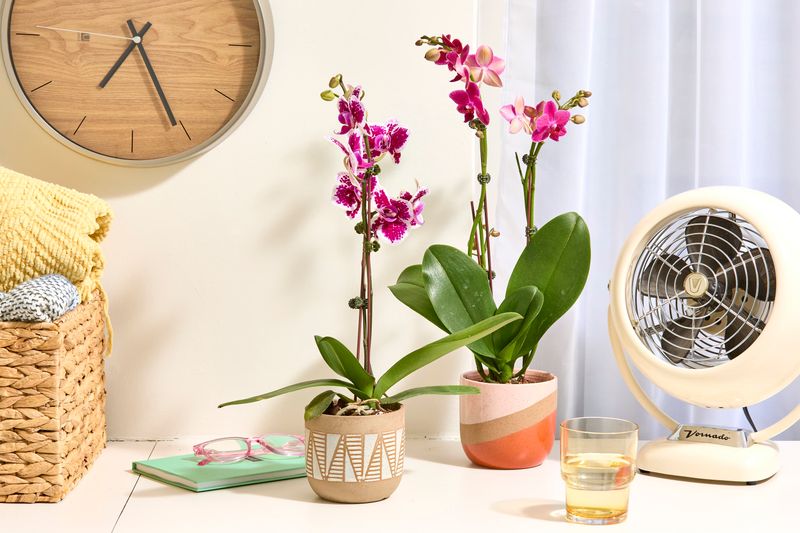
Florida orchid growers use gentle air movement to keep foliage dry and prevent pathogen growth. Small oscillating fans positioned to create indirect airflow work wonderfully without creating harsh drafts that stress plants.
The goal is subtle movement that mimics natural breezes rather than strong winds that could damage delicate flowers or dry out plants excessively.
Proper spacing between orchids improves natural air circulation and reduces disease risk. Crowding plants together limits airflow and creates pockets of stagnant, humid air where problems develop quickly.
Arranging orchids with adequate space between pots allows air to flow freely around all sides of each plant.
Opening windows occasionally during mild Florida winter days refreshes indoor air and provides natural ventilation. Even brief periods of fresh air circulation benefit orchids significantly, reducing buildup of ethylene gas and other compounds that can shorten bloom life.
Many Florida gardeners establish a routine of opening windows on pleasant mornings, allowing gentle breezes to flow through orchid growing areas. This simple practice, combined with strategic fan placement, keeps air moving consistently throughout winter months for healthier plants and longer-lasting flowers.
6. Feeding Orchids The Right Way During Dormancy
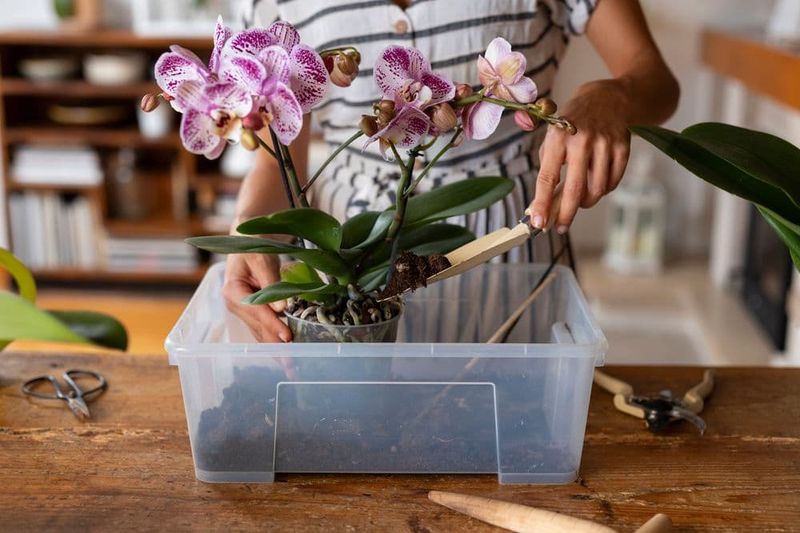
Winter feeding strategies differ dramatically from summer fertilizing routines for orchids in Florida. As growth slows during cooler months, orchids require significantly less nutrition than during active growing seasons.
Overfeeding during winter can actually damage plants and prevent blooming by forcing unwanted vegetative growth instead of flower production.
Florida orchid enthusiasts typically reduce fertilizer strength and frequency throughout winter months. Using a balanced orchid fertilizer diluted to quarter or half strength every three to four weeks provides adequate nutrition without overwhelming dormant or slowly growing plants.
This gentle feeding approach supports existing blooms and developing buds without pushing excessive leaf growth.
Timing fertilizer applications carefully maximizes benefits while minimizing risks during Florida winters. Many growers fertilize orchids right after watering, when roots are already moist and less susceptible to fertilizer burn.
Avoiding fertilizer application on completely dry roots prevents damage and ensures nutrients absorb properly into plant tissues.
Understanding bloom cycles helps Florida homeowners adjust feeding schedules appropriately. Orchids actively producing flower spikes benefit from slightly more frequent feeding than those in complete dormancy.
However, once flowers fully open, reducing or stopping fertilizer altogether helps blooms last longer. Some experienced Florida growers switch to a bloom-booster formula with higher phosphorus content when flower spikes first appear, then return to balanced fertilizer after blooming concludes.
This strategic approach to winter feeding keeps orchids healthy and flowering beautifully throughout the season.
7. Repotting Timing Can Save Your Winter Blooms
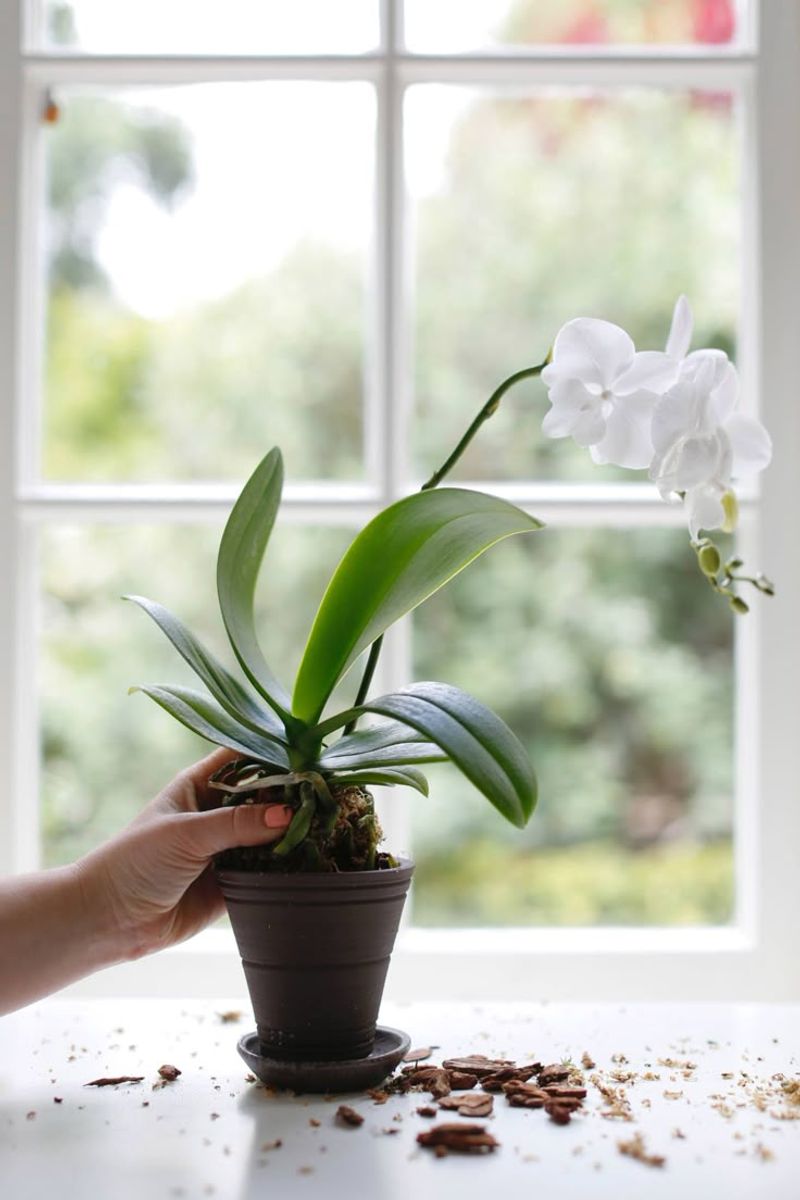
Repotting decisions during winter require careful consideration for Florida orchid growers. While fresh potting media and healthy roots are essential for long-term orchid success, disturbing plants during active blooming can cause buds to drop and flowers to fade prematurely.
Understanding when repotting helps versus when it harms makes all the difference for winter flower production.
Most Florida orchid enthusiasts avoid repotting during peak blooming periods unless absolutely necessary. Plants actively producing flowers direct energy toward maintaining those blooms, and root disturbance during this time causes stress that often results in shortened flowering periods.
Waiting until flowers fade naturally allows orchids to complete their bloom cycle before undergoing repotting stress.
However, certain situations warrant immediate repotting regardless of blooming status. Orchids with severely decomposed potting media, extensive root rot, or pest infestations require prompt attention even during Florida winters.
In these cases, carefully removing damaged roots and repotting into fresh media prevents more serious problems that would stop blooming entirely.
Checking root health regularly helps Florida homeowners time repotting appropriately. Healthy roots appear firm, white or green, and actively growing.
Dark, mushy, or hollow roots signal problems requiring intervention. Many experienced growers in Florida schedule repotting for late winter or early spring, after blooming concludes but before the vigorous spring growth period begins.
This timing allows orchids to establish in fresh media and develop strong root systems ready to support the next flowering cycle beautifully.
8. The Simple Routine That Keeps Orchids Flowering All Season
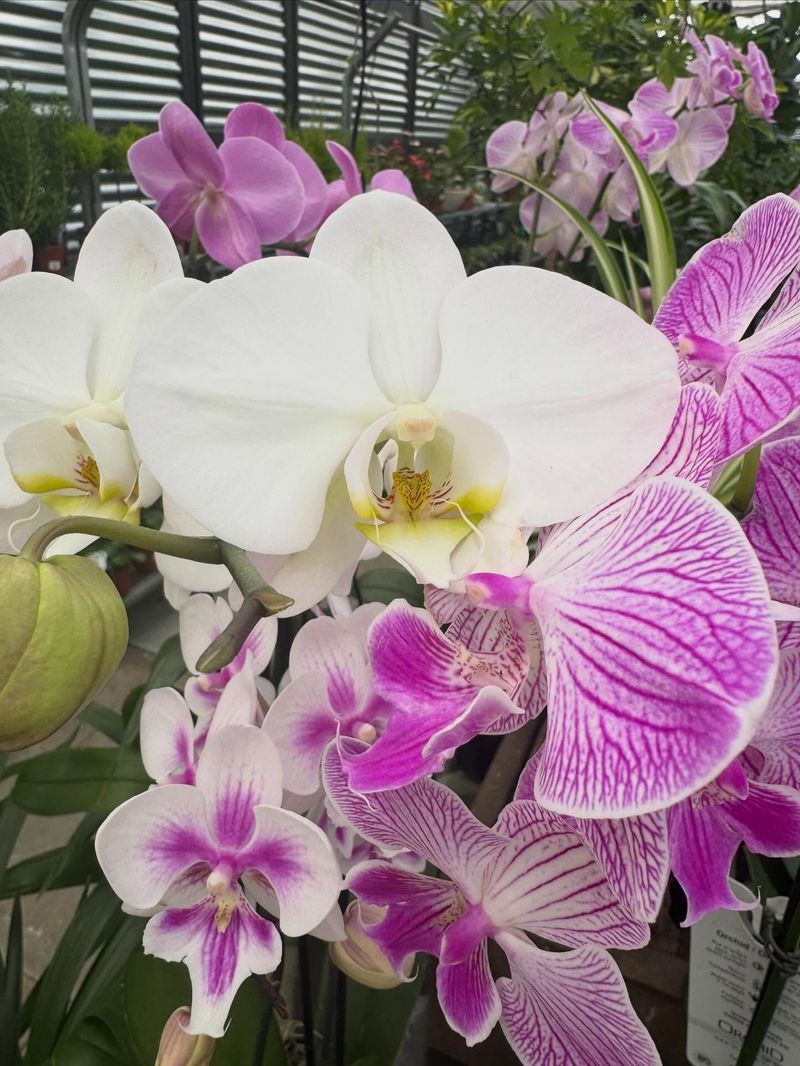
Successful winter orchid care in Florida comes down to establishing a consistent, manageable routine that addresses all essential needs. Combining proper lighting, appropriate watering, temperature management, humidity control, good airflow, and careful feeding creates an environment where orchids thrive and bloom continuously throughout cooler months.
The beauty of this approach lies in its simplicity and adaptability to individual home conditions.
Florida orchid growers who maintain blooming orchids all winter typically follow a weekly check-in routine. They assess light levels and adjust plant positions as needed, check potting media moisture before watering, and observe overall plant health for any concerning changes.
This regular attention catches potential problems early while ensuring orchids receive consistent care.
Keeping simple records helps Florida growers refine their orchid care over time. Noting watering dates, fertilizer applications, and bloom periods reveals patterns that guide future care decisions.
Many enthusiasts photograph their orchids regularly, creating visual records that document growth and flowering success throughout winter seasons.
The most successful Florida orchid growers emphasize patience and observation over complicated interventions. Orchids respond well to stable conditions and consistent care rather than frequent changes or excessive fussing.
By maintaining the fundamentals of light, water, temperature, humidity, airflow, and nutrition, homeowners create ideal conditions for spectacular winter blooms. This straightforward approach makes orchid growing accessible and rewarding, transforming homes throughout Florida into tropical showcases filled with gorgeous flowers all winter long.