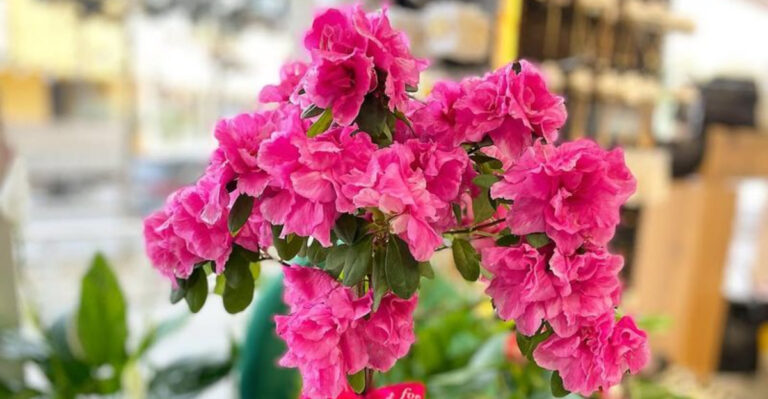
This Is How Gardeners Keep Their Orchids Healthy During February In Houston, Texas
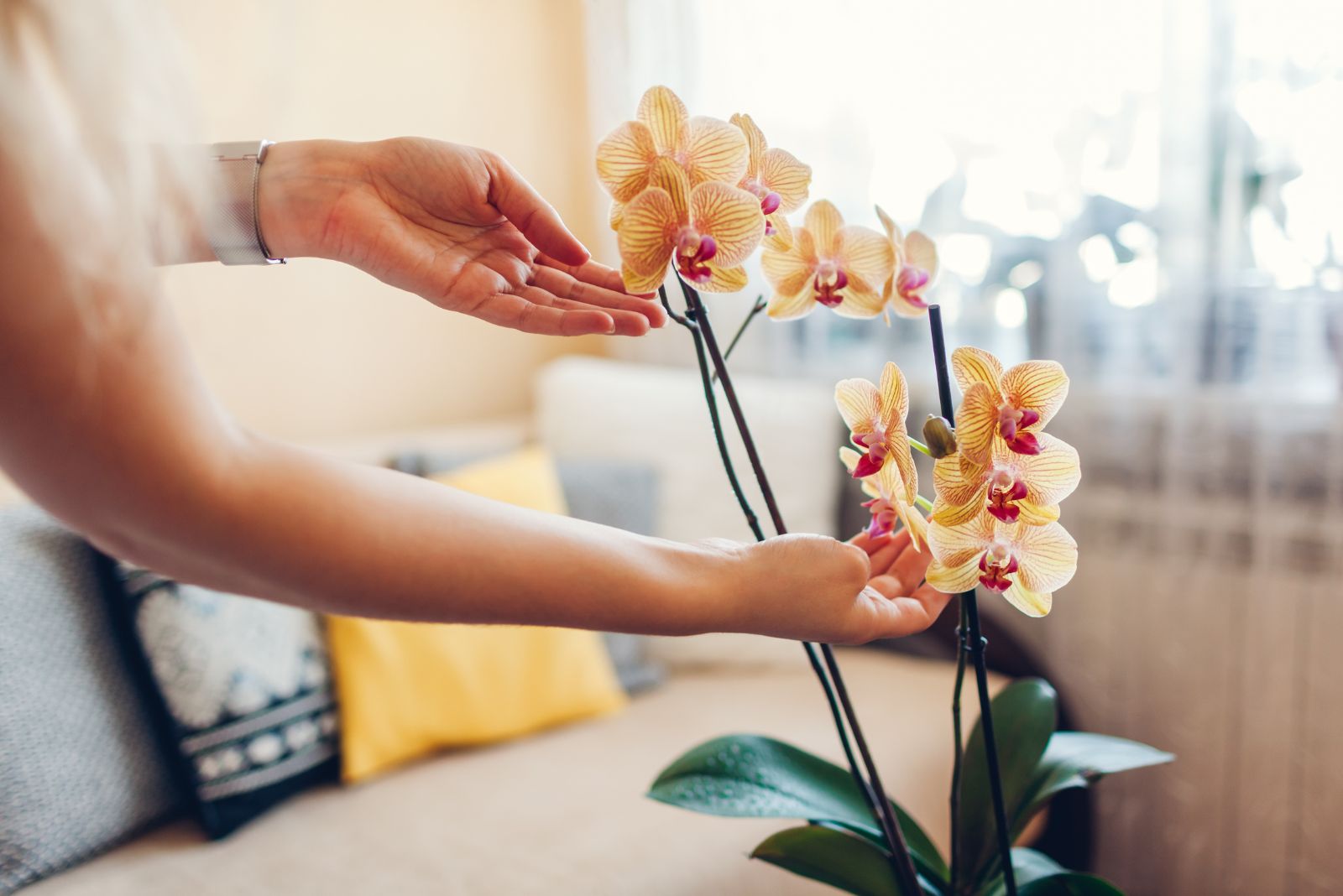
February can be a tricky month for orchids in Houston, Texas. Cooler nights, changing humidity, and shorter daylight hours can make these beautiful plants slow down or show signs of stress.
That’s why experienced Houston gardeners don’t treat winter care the same as the rest of the year. Small adjustments during this month can make a big difference in how healthy orchids look and how well they bloom later.
From light placement to watering habits, the right approach helps orchids stay strong even when the weather feels unpredictable. Many beginners think orchids are hard to care for, but the truth is they just need the right balance.
If you’ve ever struggled to keep your orchids looking fresh during late winter, you’re not alone. Let’s take a closer look at how Houston gardeners protect their orchids in February and keep them growing beautifully.
1. Monitor Indoor Temperature Fluctuations Carefully
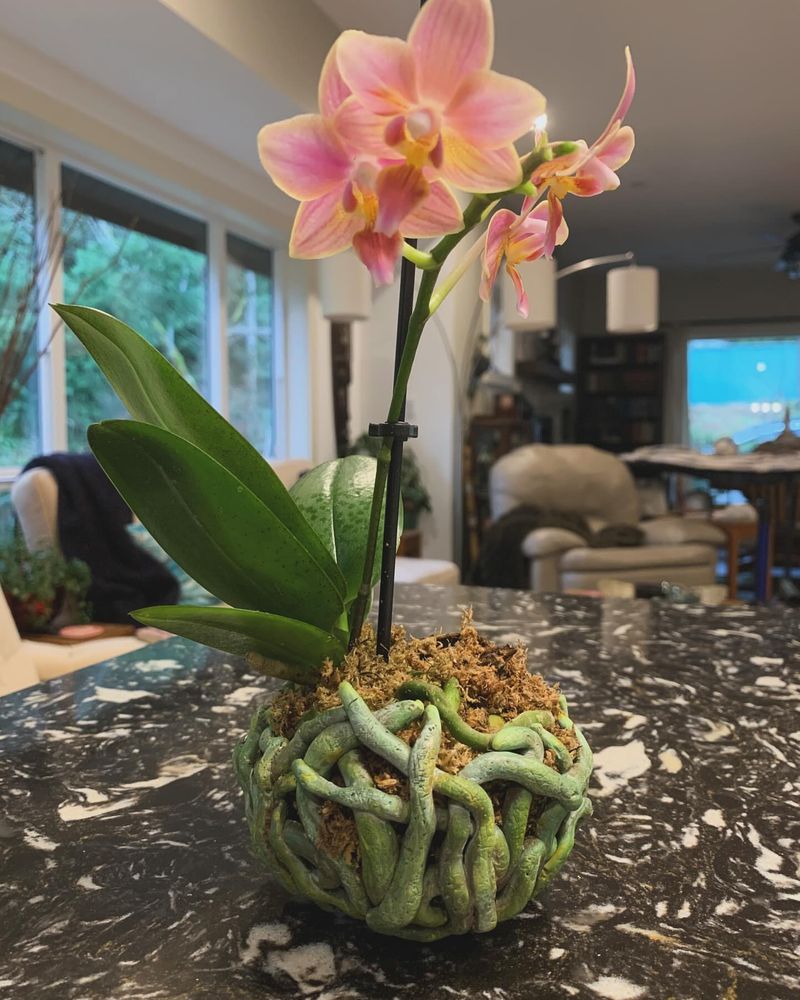
Temperature control makes all the difference for orchids during Houston’s February weather. Your home’s indoor climate can shift dramatically when heaters kick on and off throughout the day.
Orchids prefer steady temperatures between 60 and 80 degrees Fahrenheit, and sudden drops can shock their delicate systems.
Place a simple thermometer near your orchids to track what’s really happening in their environment. You might be surprised to discover cold spots near windows or hot zones above heating vents.
Houston homes often have temperature variations of 10 to 15 degrees between different rooms during February nights.
Moving your orchids away from drafty windows at night protects them from cold snaps. A spot that feels perfect during the day might become too chilly after sunset.
Consider relocating plants to interior walls or bathrooms where temperatures stay more consistent.
Heating vents pose another challenge for Houston orchid growers in February. The dry, hot air can quickly dehydrate orchid leaves and roots.
Keep your plants at least three feet away from any direct heat sources to prevent this damage.
Some Texas gardeners use small space heaters in plant rooms when temperatures drop below 55 degrees. This extra warmth prevents stress without overheating the entire house.
Just remember to maintain good air circulation around your orchids when using supplemental heat.
Night temperature drops of 10 to 15 degrees actually benefit many orchid varieties by encouraging flower spike development.
Houston’s natural February temperature patterns can work in your favor if you manage them correctly. The goal is steady, gradual changes rather than sudden extremes that shock your plants.
2. Adjust Watering Schedule For Winter Conditions
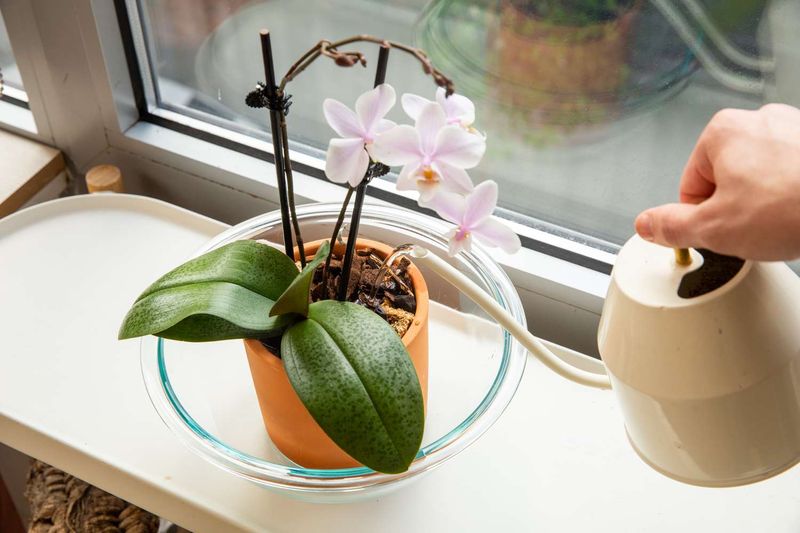
Water needs change dramatically for orchids during Houston’s February weather patterns. Your summer watering routine will cause root problems if you continue it into winter months. Orchids use less water when growth slows down and daylight hours remain shorter.
Check the potting medium by sticking your finger about an inch deep into the bark or moss. Only water when the medium feels dry at this depth, not just on the surface.
Houston’s February humidity levels can trick you into thinking your orchids need less water than they actually do.
Most orchids in Houston need watering about once every 7 to 10 days during February. This schedule varies based on your home’s heating system and indoor humidity levels. Plants near windows or in terracotta pots dry out faster than those in plastic containers.
Early morning watering gives orchid leaves time to dry before nighttime temperatures drop.
Wet foliage combined with cool February nights creates perfect conditions for fungal problems. Houston gardeners have learned this lesson through years of trial and error.
Ice cube watering has become popular, but many local experts recommend against it during February.
The extreme cold from ice can damage tender orchid roots even in our mild climate. Room temperature water works much better for maintaining healthy root systems.
Reduce watering frequency if you notice yellowing leaves or mushy roots appearing on your orchids. These signs indicate overwatering, which becomes more common when Houston gardeners forget to adjust their February routines.
Let the potting medium dry out completely between waterings to restore root health and prevent further damage to your beautiful plants.
3. Maximize Natural Light Without Causing Sunburn
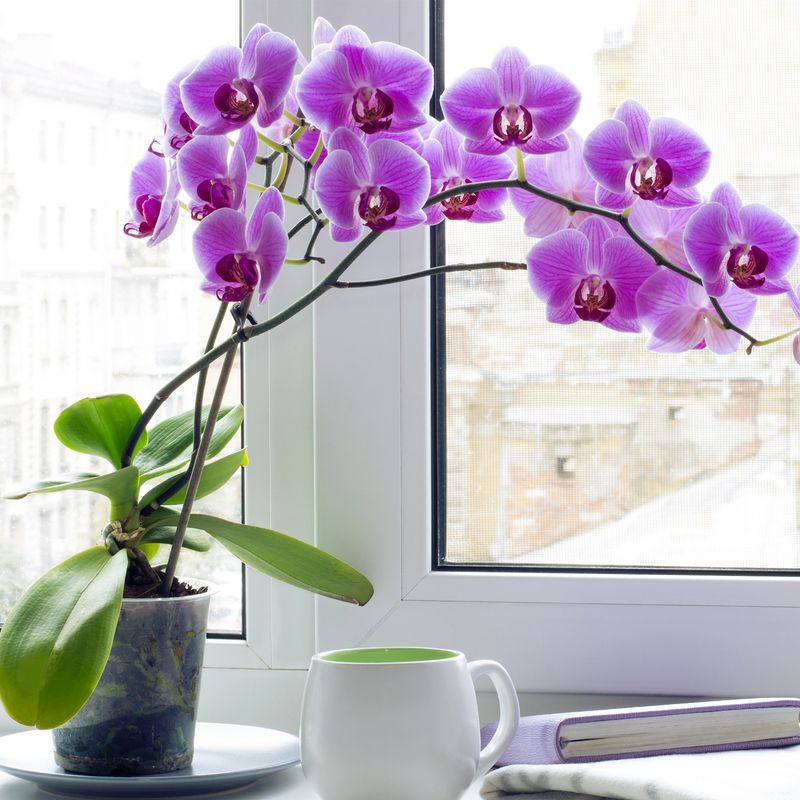
Light requirements become tricky for Houston orchid growers during February’s changing sun angles. Winter sunlight sits lower in the sky, creating different light patterns through your windows.
What worked perfectly in summer might now expose your orchids to too much direct sun or leave them in shadows.
South-facing windows provide the strongest light during Houston’s February days. Phalaenopsis orchids do well with bright, indirect light from these exposures. However, placing them directly against the glass can cause leaf burn even in winter months.
Sheer curtains work wonderfully for filtering intense afternoon sun while still providing adequate brightness. Houston’s February sun remains surprisingly strong between noon and 3 PM.
A thin white curtain creates perfect diffused light that orchids love without risking damage to their leaves.
East-facing windows offer gentle morning sun that most orchid varieties tolerate well year-round.
The cooler morning temperatures in Houston during February combine nicely with this softer light. Your orchids can soak up energy without overheating or getting scorched.
Rotate your orchid pots a quarter turn every week to ensure even light distribution. Plants naturally grow toward their light source, and this simple habit prevents lopsided development.
Houston gardeners who skip this step often end up with orchids that lean awkwardly toward windows.
Artificial grow lights become helpful when February brings several cloudy days in a row. Standard LED or fluorescent lights placed 12 to 18 inches above your orchids supplement natural light effectively.
Run these lights for 10 to 12 hours daily to maintain healthy growth patterns and prepare your plants for spring blooming.
4. Maintain Proper Humidity Levels Indoors
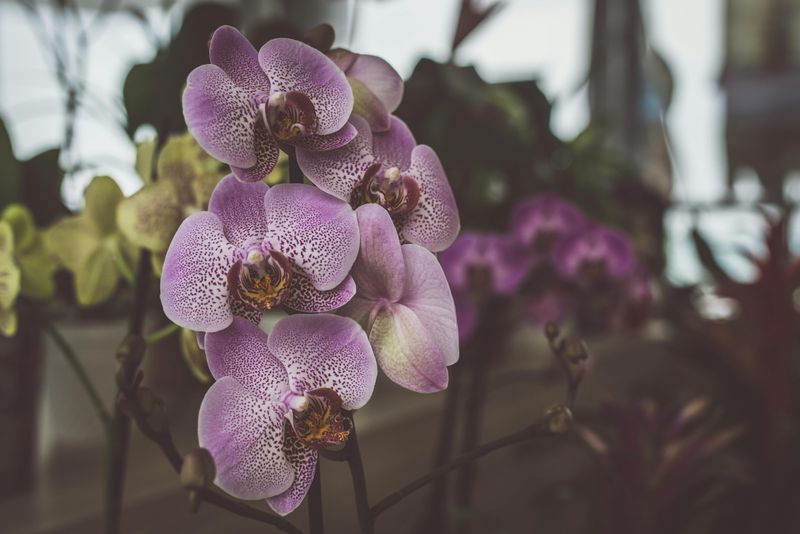
Humidity drops significantly in Houston homes during February when heating systems run regularly. Orchids naturally grow in tropical environments where moisture hangs heavy in the air.
Indoor heating can reduce humidity to 20 or 30 percent, while most orchids prefer 50 to 70 percent.
Grouping orchids together creates a microclimate where plants share moisture through transpiration. This natural process raises humidity in the immediate area without affecting your entire house.
Houston gardeners often cluster 5 to 10 orchids on a single table or plant stand for this benefit.
Humidity trays offer an affordable solution that works brilliantly in dry February conditions. Fill a shallow tray with pebbles and add water until it reaches just below the top of the stones.
Set your orchid pots on the pebbles, making sure the water doesn’t touch the bottom of the containers.
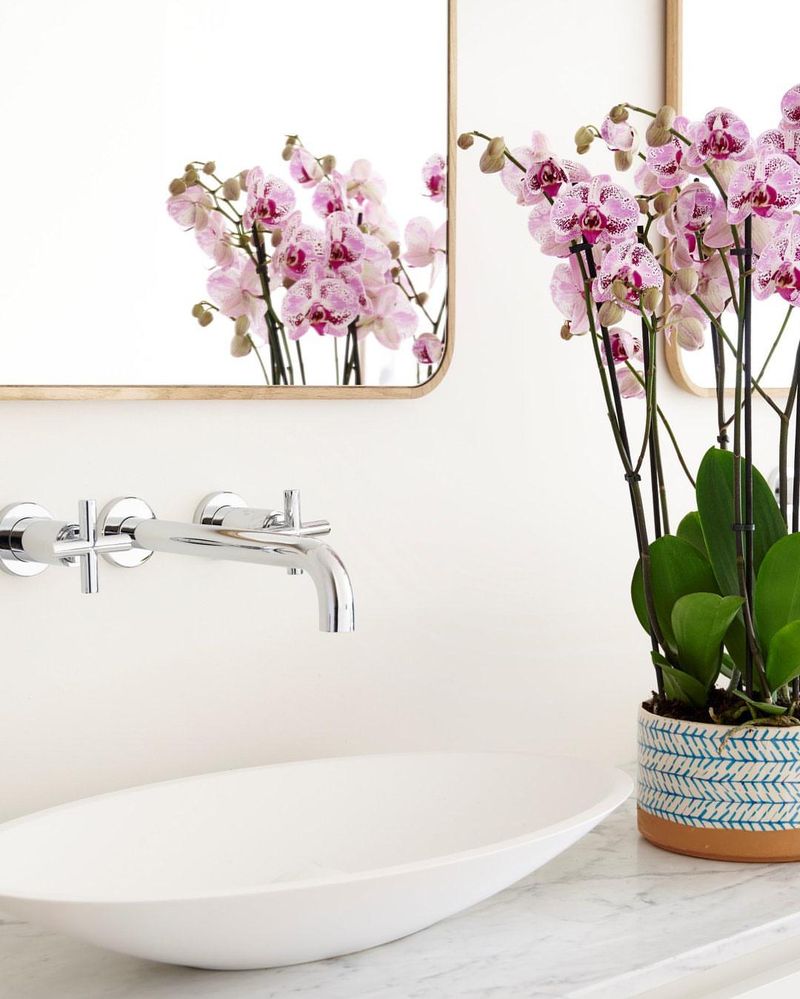
Bathrooms naturally maintain higher humidity levels than other rooms in Houston homes. Orchids thrive in these spaces as long as they receive adequate light from windows.
The steam from daily showers provides regular moisture boosts that orchids appreciate during dry winter months.
Small humidifiers designed for bedrooms work perfectly for orchid collections in Houston. Place the unit near your plants and run it during the day when heating systems are active.
Many local gardeners set timers so humidifiers operate for 6 to 8 hours daily during February.
Misting orchid leaves sounds helpful but actually provides minimal humidity benefits. The moisture evaporates within minutes and can cause spotting on flowers if done during cooler parts of the day.
Focus instead on raising ambient humidity through trays or humidifiers for lasting results that keep your Houston orchids healthy.
5. Reduce Fertilizer Application During Slower Growth
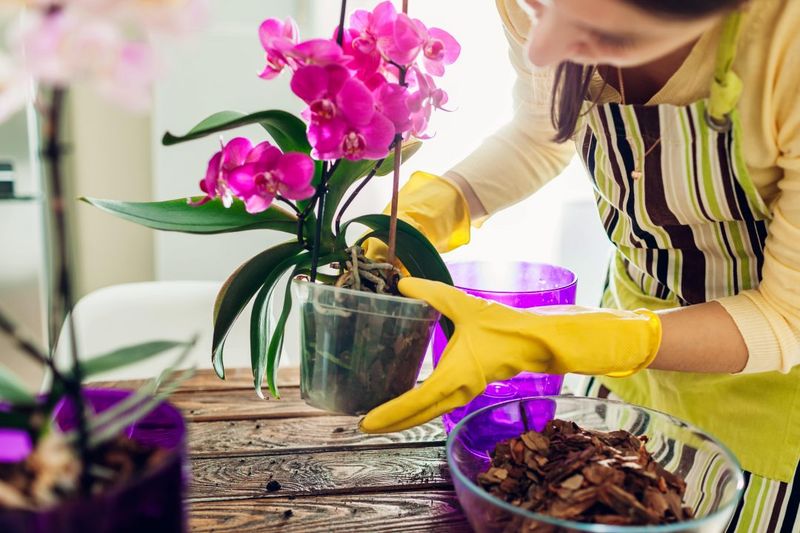
Fertilizer needs decrease substantially for orchids during Houston’s February growing conditions. Many orchids enter a rest period or slow their growth when daylight hours remain shorter.
Pushing fertilizer during this time can actually harm roots and create salt buildup in potting media.
Cut your regular fertilizer strength in half during February compared to spring and summer months. A balanced 20-20-20 formula diluted to quarter strength works well for most orchid varieties.
Houston tap water already contains minerals that contribute to your orchid’s nutrition, so less supplemental feeding is necessary.
Feed your orchids only once or twice during the entire month of February rather than weekly. This reduced schedule matches their slower metabolic rate and prevents nutrient overload.
Watch for white crusty deposits on pot rims or media surfaces, which indicate excessive fertilizer accumulation.
Some Houston orchid experts recommend skipping fertilizer completely during February. This approach works especially well if you fertilized regularly throughout fall and early winter.
Your orchids have stored enough nutrients to coast through this short rest period without any supplements.
Flush your orchid pots with plain water between fertilizer applications to wash away accumulated salts. Run water through the pot for several minutes, letting it drain completely before returning plants to their spots.
Houston’s hard water makes this flushing routine even more important for maintaining healthy roots.
Organic fertilizers like fish emulsion or seaweed extract provide gentler feeding options during February. These natural products release nutrients slowly and improve potting media quality over time.
Many local gardeners prefer organic options during winter months when orchids are more sensitive to chemical fertilizers and rapid nutrient changes in their growing environment.
6. Protect Plants From Unexpected Cold Snaps
Cold fronts can surprise Houston gardeners even during mild February periods. Temperatures occasionally dip into the 30s or low 40s overnight, especially during the first half of the month.
Orchids suffer damage when exposed to temperatures below 50 degrees for extended periods.
Watch local weather forecasts carefully throughout February for freeze warnings or cold front predictions. Houston meteorologists usually provide several days’ notice before significant temperature drops.
This advance warning gives you time to move orchids away from windows and exterior walls.
Bringing orchids into interior rooms creates a buffer against outdoor cold penetrating through windows.
Even a few feet of distance from glass can raise the temperature your plants experience by 5 to 10 degrees. Bathrooms, closets, and hallways often stay warmer than rooms with exterior walls.
Covering windows with blankets or towels on extremely cold February nights provides extra insulation.
This simple step prevents cold air from radiating through glass onto nearby orchid leaves. Remove the coverings in the morning so your plants receive normal daylight.
Some Houston gardeners wrap individual orchid pots in bubble wrap or towels during predicted freezes.
This insulation protects roots from temperature extremes while allowing leaves to remain exposed to air. Avoid covering flowers or foliage completely, as this can trap moisture and cause problems.
Space heaters offer emergency protection when February temperatures drop unexpectedly low in Houston. Set them to maintain room temperatures above 60 degrees rather than creating tropical heat.
Remember to keep heaters away from plants to prevent drying out leaves and always monitor them for safety during overnight operation.