This Is How Texas Gardeners Can Keep Squirrels Out Of Their Yards
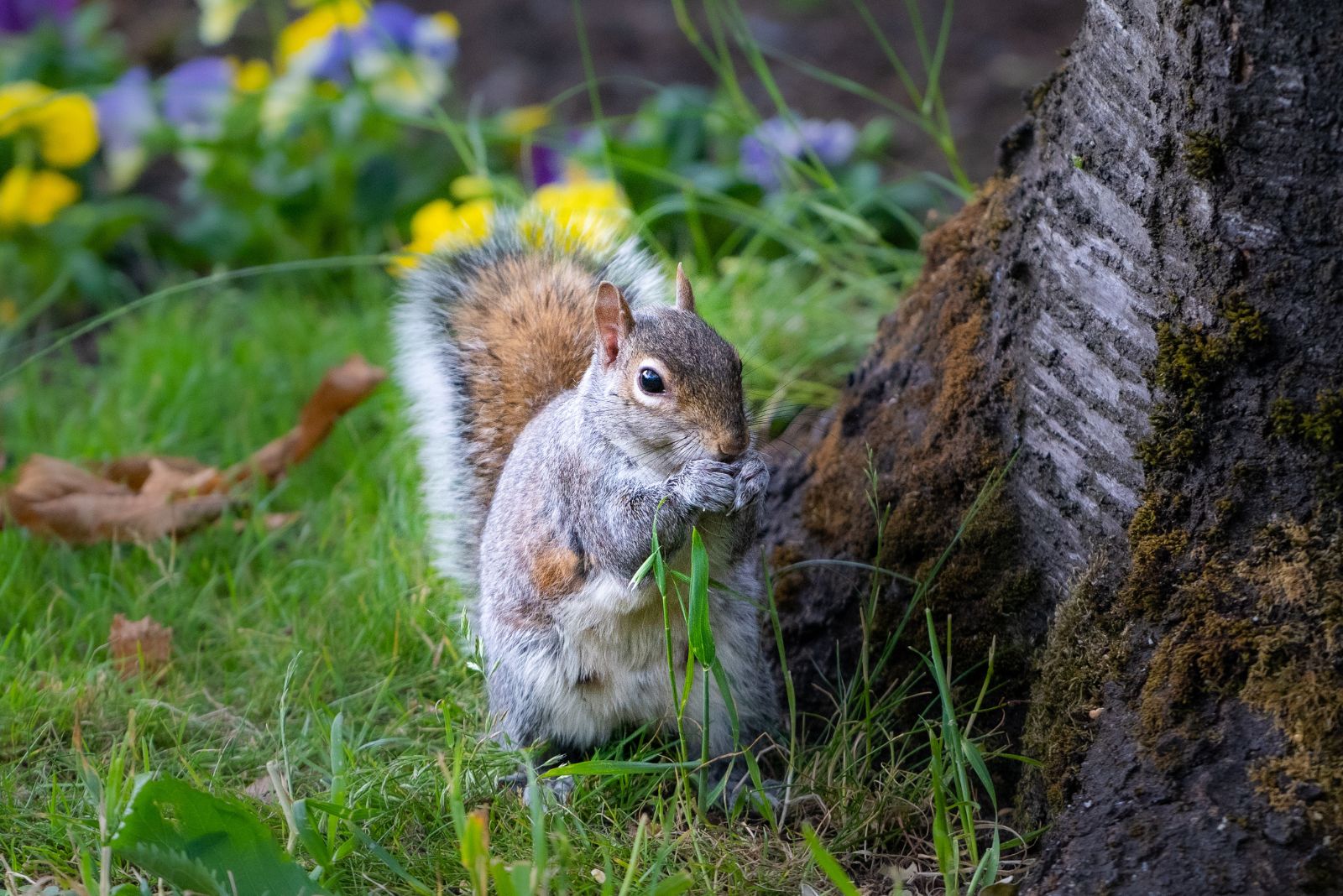
Ever wonder why your carefully tended garden suddenly shows signs of digging, missing sprouts, and scattered soil? One determined backyard visitor is often behind this frustrating damage.
Squirrels are clever, energetic, and always searching for easy meals, which makes gardens an irresistible target. They dig up bulbs, nibble on fruits and vegetables, and bury food in soft soil, leaving plants disturbed and beds looking untidy.
While they may seem harmless, their constant activity can quickly undo weeks of effort and slow your garden’s progress. The good news is that keeping them away does not require harsh solutions or constant work.
Simple, practical changes around your yard can make the space far less inviting and help protect vulnerable plants from repeated visits.
A thoughtful strategy allows you to enjoy a tidy, productive Texas garden while still appreciating the lively wildlife that shares your outdoor space.
1. Why Squirrels Can Be A Problem In Texas Gardens?
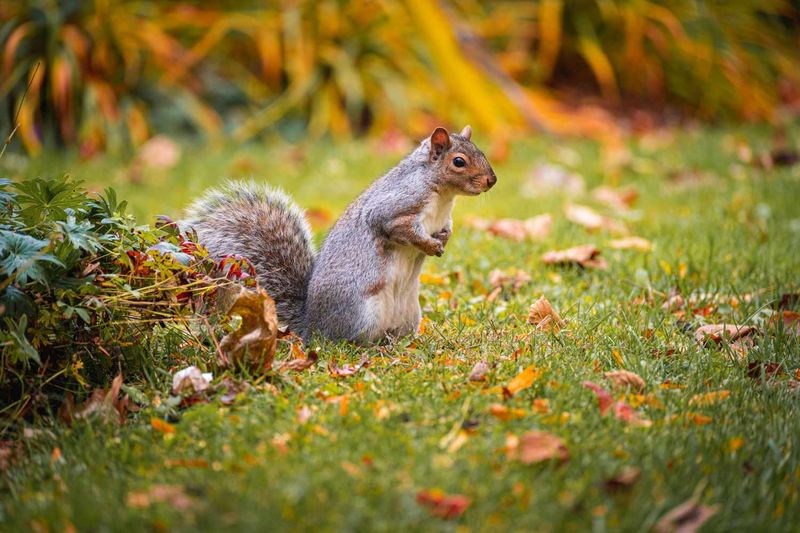
Squirrels become serious pests when they treat your Texas garden like an all-you-can-eat restaurant. These agile rodents dig up tulip and crocus bulbs just hours after planting, leaving frustrated gardeners to replant repeatedly.
They bite into ripening tomatoes, squash, and strawberries, ruining entire crops right before harvest time.
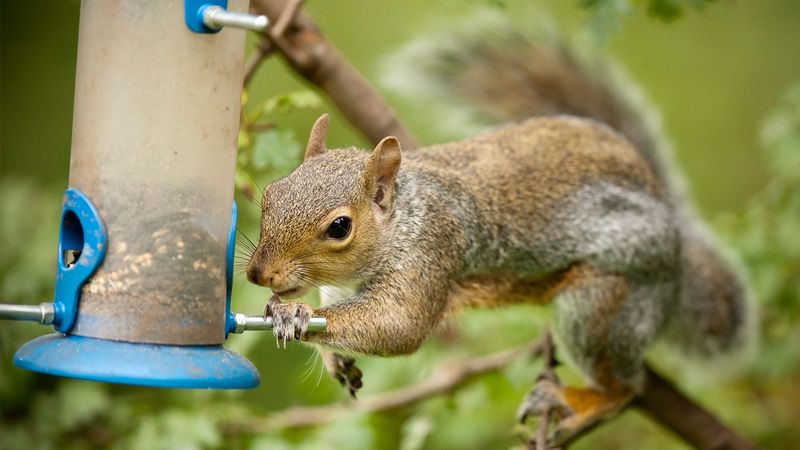
Bird feeders become prime targets as squirrels figure out clever ways to access seeds meant for feathered visitors. They chew through plastic containers, knock over feeders, and scare away the birds you actually want to attract.
The financial cost adds up quickly when you constantly replace damaged feeders and stolen seed.
Texas weather creates perfect conditions for year-round squirrel activity unlike northern states where winter slows them down.
Mild winters across most of Texas mean squirrels never truly hibernate or become less active.They continue foraging, digging, and causing garden destruction every single month.
These persistent animals also gnaw on wooden structures, irrigation lines, and outdoor furniture.
Their sharp teeth can damage garden hoses, drip irrigation tubing, and even electrical wiring in outdoor fixtures. What starts as minor nuisance behavior quickly escalates into expensive repairs.
Squirrels bury acorns and pecans throughout flower beds and lawns, creating unwanted oak and pecan seedlings everywhere. Young trees sprout in the middle of vegetable gardens and ornamental plantings.
Removing these volunteers becomes another tedious chore for already busy Texas gardeners.
Understanding why squirrels cause such widespread problems helps you develop effective strategies. Recognition of their destructive patterns makes prevention easier and more successful across Texas landscapes.
2. Remove Attractants
Cleaning up your yard regularly removes the main reasons squirrels visit in the first place. Fallen pecans, acorns, and fruit create an open invitation for hungry squirrels to explore your property.
Pick up these items daily during peak dropping seasons to eliminate easy food sources.
Bird seed scattered beneath feeders acts like a squirrel magnet drawing them closer to your garden areas.
Sweep or rake up spilled seeds frequently rather than letting them accumulate on the ground. Consider using seed catchers or trays beneath feeders to contain the mess.
Compost bins need secure lids that squirrels cannot pry open or knock over. These clever animals quickly learn that compost contains fruit scraps, vegetable peels, and other tasty treats.
Use bins with latching mechanisms or bungee cords to keep determined squirrels out. Garbage containers should have tight-fitting lids and stay closed until collection day.
Squirrels tear open trash bags searching for food scraps, creating messy situations throughout Texas neighborhoods. Store garbage in garages or sheds when possible until pickup time arrives.
Pet food left outdoors becomes another unintended squirrel attractant many homeowners overlook. Feed dogs and cats indoors or remove bowls immediately after pets finish eating.
Even small amounts of kibble left outside encourage squirrels to stick around your property.
Fruit trees require attention during harvest season when ripe produce starts falling to the ground. Collect fallen peaches, plums, figs, and citrus fruits before squirrels discover them.
Regular cleanup makes your Texas yard less appealing to these opportunistic feeders looking for convenient meals.
3. Protect Plants And Garden Beds
Wire mesh cages provide excellent protection for newly planted bulbs that squirrels love to dig up. Cut hardware cloth into squares and place them over planting areas, securing edges with landscape staples.
The mesh allows plants to grow through while blocking squirrel access to buried treasures below. Individual plant cages work well for protecting specific vegetables or flowers.
Create small enclosures using chicken wire or hardware cloth around tomato plants, pepper seedlings, and prized ornamental specimens. These barriers keep squirrels from reaching plants without harming the animals.
Raised garden beds elevate your vegetables above ground level, making access more difficult for squirrels. Build beds at least 24 inches tall using cedar or treated lumber that withstands Texas weather conditions.
The height advantage discourages some squirrels from attempting to climb up and investigate.
Container gardening offers another layer of protection for Texas gardeners dealing with persistent squirrels.
Large pots and planters placed on patios or decks create distance from ground-dwelling pests. Move containers around easily to find spots squirrels visit less frequently.
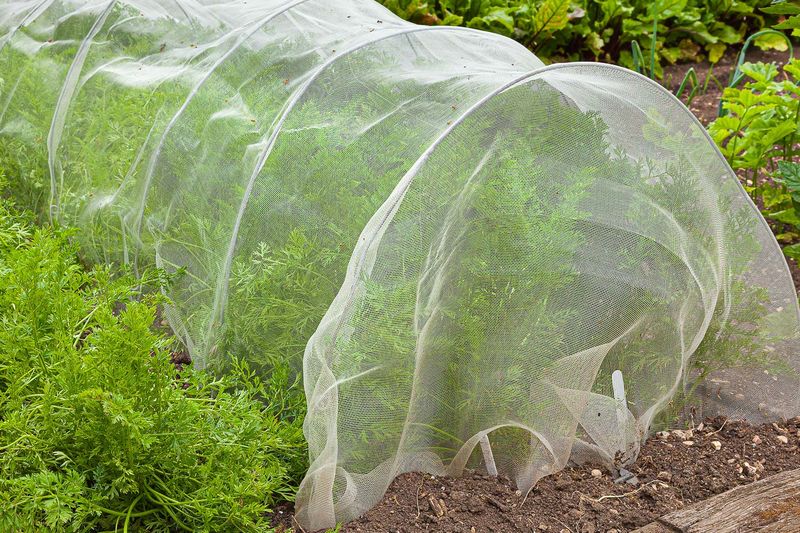
Row covers made from lightweight fabric protect seedlings during vulnerable early growth stages. Drape floating row covers over young plants and secure edges with soil or weights.
This method works especially well for leafy greens and tender seedlings squirrels find particularly appealing.
Mulching with uncomfortable materials discourages digging in specific garden areas. Spread crushed gravel, sharp-edged bark, or prickly holly leaves around vulnerable plants.
Squirrels prefer softer digging surfaces and often avoid these textured mulches throughout Texas gardens.
4. Use Physical Barriers
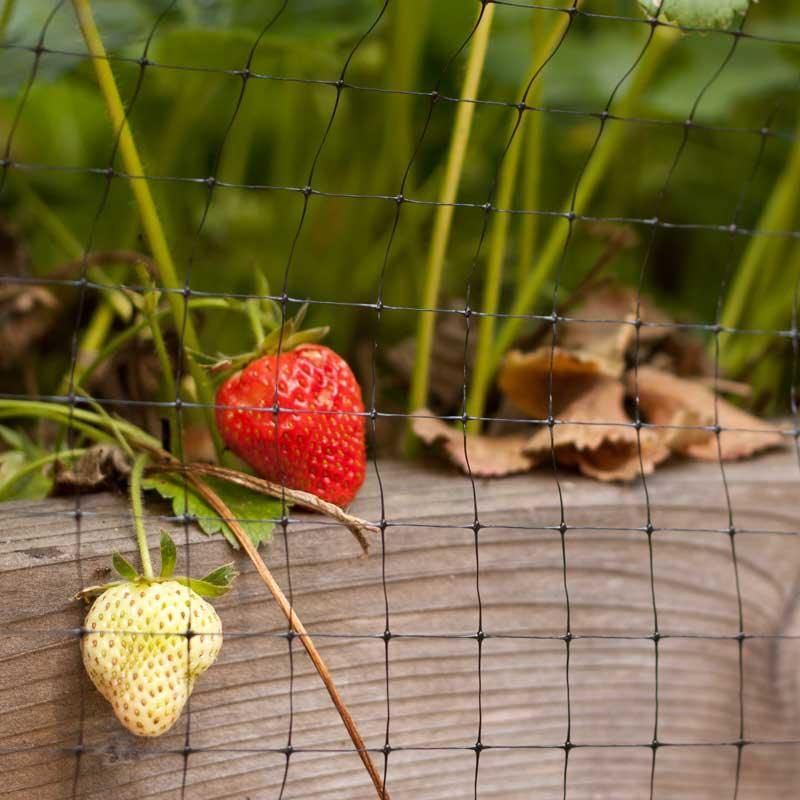
Netting draped over fruit trees prevents squirrels from accessing ripening peaches, plums, and figs. Use bird netting with small mesh openings that squirrels cannot squeeze through or tear easily.
Secure netting completely around tree canopies, leaving no gaps near the trunk where clever squirrels might enter.
Berry bushes benefit tremendously from protective netting during fruiting season across Texas. Blueberries, blackberries, and strawberries become prime targets once they start ripening.
Install support frames over berry patches, then drape netting over frames rather than directly on plants.
Garden fencing creates a perimeter barrier that keeps squirrels out of entire growing areas.
Install fencing at least 4 feet tall, burying the bottom 6 inches underground to prevent digging underneath. Squirrels can jump impressively high, so height matters when designing effective barriers.
Metal flashing wrapped around tree trunks stops squirrels from climbing to access bird feeders or fruit.
Cut aluminum flashing into bands at least 2 feet wide and secure them smoothly around trunks. Position flashing high enough that squirrels cannot jump over it from ground level.
Fence toppers add extra protection by making climbing over barriers nearly impossible. Attach angled extensions or rolling bars to the tops of existing fences.
These additions throw squirrels off balance when they attempt to scale fences into Texas gardens.
PVC pipe sleeves placed over shepherd hooks and feeder poles create slippery surfaces squirrels struggle to grip. Thread wide PVC pipes over metal poles before hanging feeders. Squirrels slide back down when they try climbing these smooth barriers.
5. Employ Deterrents
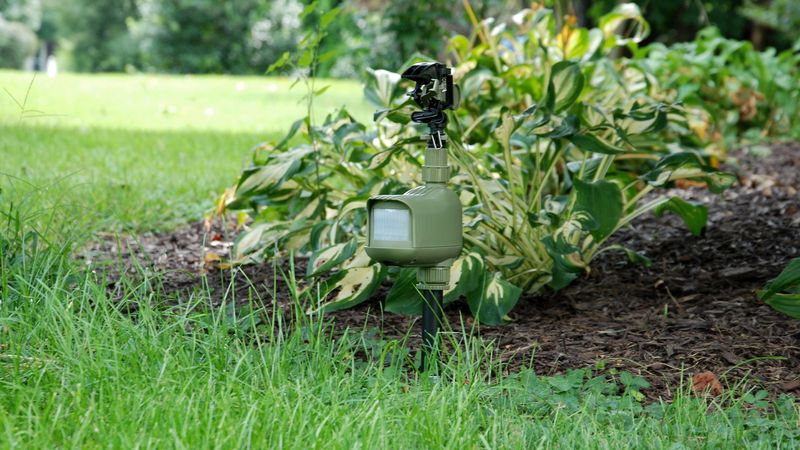
Motion-activated sprinklers startle squirrels with sudden water bursts whenever they enter protected areas. These devices use infrared sensors to detect movement and respond instantly with harmless water sprays.
Position sprinklers strategically around Texas gardens where squirrels cause the most damage.
The surprise factor makes motion sprinklers highly effective since squirrels learn to avoid areas where they repeatedly get soaked. Adjust sensitivity settings to prevent triggering from wind-blown branches or small birds.
Solar-powered models work great in sunny Texas locations without requiring electrical outlets.
Commercial squirrel repellents use scents and tastes that these animals find unpleasant without causing them harm. Spray liquid repellents on plants, garden beds, and areas where squirrels frequently visit.
Reapply products after rain or heavy watering to maintain effectiveness across Texas properties.
Homemade repellent recipes using cayenne pepper, garlic, and vinegar offer budget-friendly alternatives.
Mix these ingredients with water and spray around vulnerable plants and garden perimeters. The strong smells and spicy tastes discourage squirrels from nibbling and digging.
Decoy predators like fake owls and rubber snakes can fool squirrels temporarily into thinking danger lurks nearby. Place realistic-looking decoys in prominent positions where squirrels can easily spot them.
Move decoys every few days since smart squirrels eventually realize stationary objects pose no real threat.
Ultrasonic devices emit high-frequency sounds that supposedly bother squirrels while remaining inaudible to humans. Results vary widely with these products, and some Texas gardeners report limited success.
Combine ultrasonic devices with other deterrent methods rather than relying on them alone for squirrel control.
6. Maintain Bird Feeders Carefully
Squirrel-proof feeders feature weight-activated mechanisms that close feeding ports when heavy squirrels land on them. These clever designs allow lightweight birds to feed normally while blocking squirrel access completely.
Invest in quality metal feeders rather than plastic versions that squirrels chew through easily.
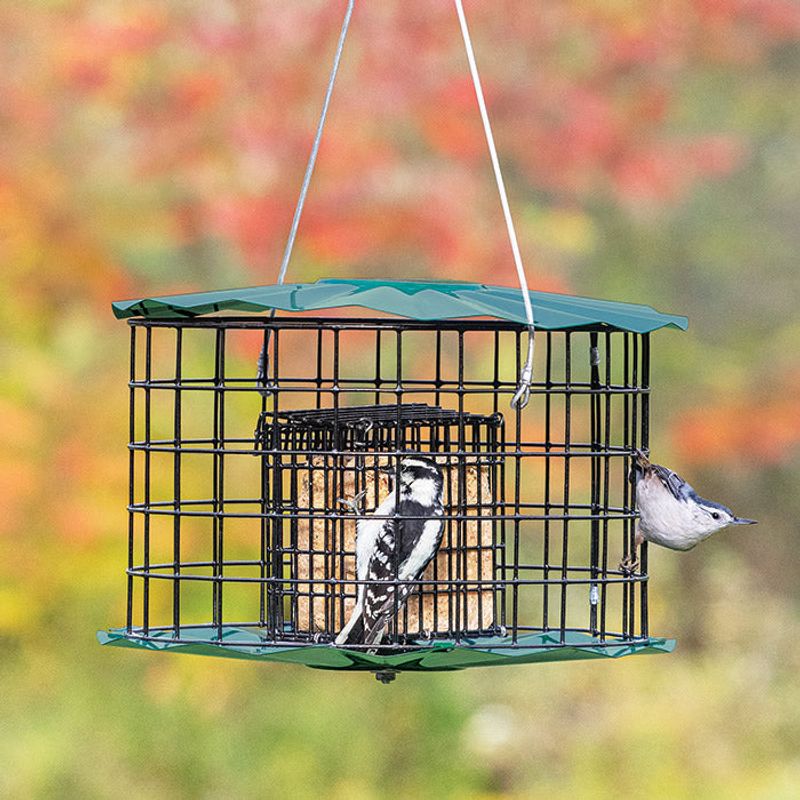
Cage-style feeders surround seed ports with metal bars spaced to admit small birds but exclude larger squirrels.
Cardinals, finches, and chickadees navigate the bars easily while frustrated squirrels stay outside. Choose powder-coated steel cages that resist rust in humid Texas climates.
Feeder placement makes enormous difference in preventing squirrel raids throughout Texas yards.
Position feeders at least 10 feet away from tree trunks, branches, fences, and structures squirrels use as launching pads. Remember that squirrels can leap horizontally up to 8 feet between surfaces.
Mounting feeders on tall, smooth poles creates additional obstacles for climbing squirrels. Use metal poles rather than wooden posts that provide better grip for sharp squirrel claws. Install baffles below feeders as extra insurance against determined climbers.
Baffle devices attach above or below feeders, creating dome-shaped or cylindrical barriers squirrels cannot navigate around.
Top-mounted baffles prevent squirrels from descending from above, while bottom baffles stop upward climbers. Combine both types for maximum protection in Texas gardens.
Switching to safflower seeds instead of sunflower seeds discourages squirrels since they dislike the bitter taste. Many desirable bird species including cardinals, chickadees, and titmice readily eat safflower.
This simple seed swap reduces squirrel interest while still attracting beautiful birds to Texas feeders.