This Is How To Make A Small Florida Yard Feel Bigger With Plants
A small Florida yard can feel boxed in, tight, and limiting, yet the right vision can flip that feeling completely. Space is not only about size, it is about perception.
Light, color, and natural form shape how wide or narrow a place appears to the eye.
Florida’s lush climate holds hidden potential, where growth, texture, and vibrancy can transform even the most compact outdoor area into something that feels open and expansive.
The change does not begin with construction or major expense, it begins with intention. A yard can shift from confined to airy, from flat to layered, from ordinary to immersive through thoughtful design.
The space remains the same in measurement, yet completely different in experience, setting the stage for a yard that feels larger, lighter, and full of life.
1. Use Layered Plant Heights
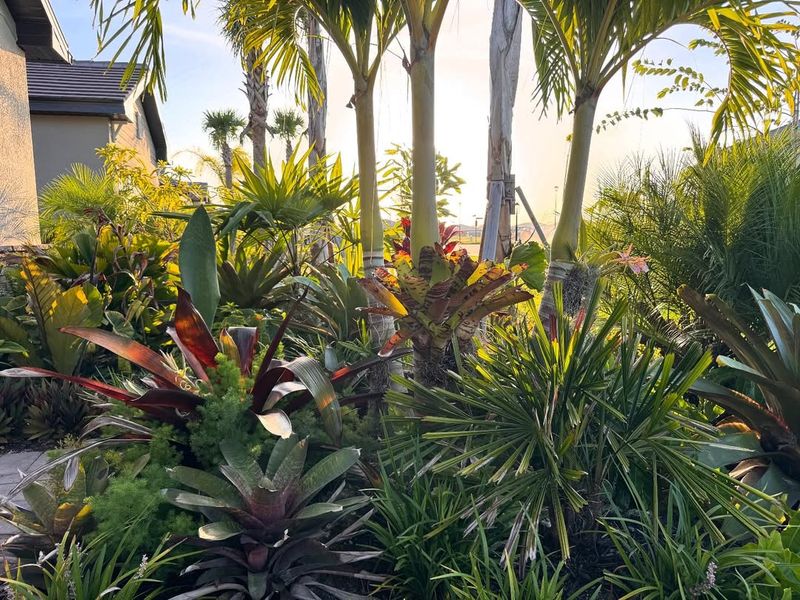
Arranging plants by height creates natural depth that tricks the eye into seeing more space than actually exists. When you place shorter plants near the front of beds and gradually increase height toward the back, your yard gains a sense of dimension and distance.
This layering technique works especially well in Florida, where fast-growing tropical plants reach their full size quickly in the warm, humid climate.
Start with low-growing groundcovers like beach sunflower or sunshine mimosa along walkways and borders. These plants stay under a foot tall and spread horizontally, creating a neat foreground without blocking views.
Move up to mid-height shrubs such as coontie or dwarf fakahatchee grass in the middle layer, reaching two to four feet. These provide visual interest without overwhelming the space.
For the back layer, choose taller specimens like firebush, simpson stopper, or small palms such as saw palmetto. These reach six to ten feet and create a natural backdrop that draws the eye upward and outward.
Avoid planting everything at the same height, which flattens your yard and makes it feel cramped. The graduated effect adds breathing room and makes borders appear deeper.
Of course, plant performance varies across North, Central, and South Florida, so choose varieties suited to your local climate and soil.
This approach also works along fence lines and property edges. By stacking heights, you create the illusion of a larger, more established landscape.
Florida’s sandy soil drains quickly, so group plants with similar water needs together within each layer. Mulch between layers helps retain moisture and keeps roots cool during hot summer months, supporting healthy growth across all height zones.
2. Create Depth With Curved Plant Beds
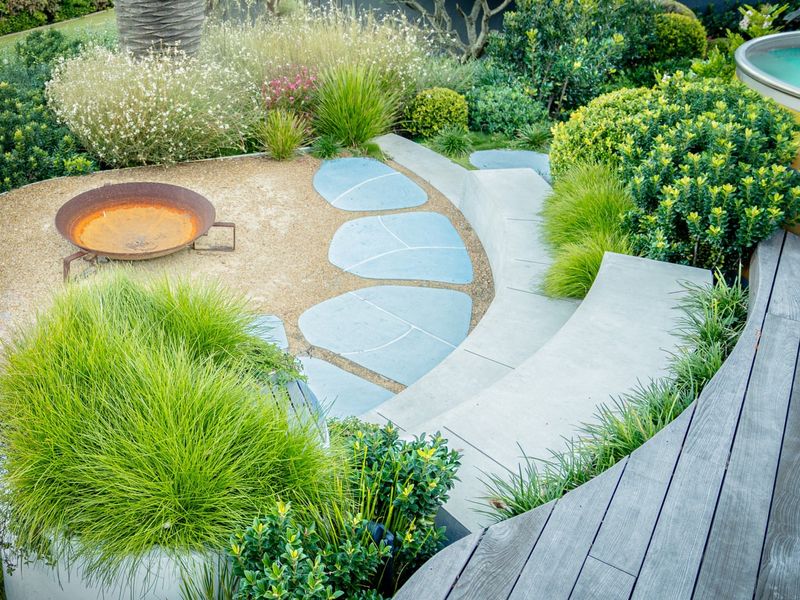
Straight lines and sharp corners make small yards feel boxy and confined. Curved planting beds do the opposite by guiding the eye along gentle, flowing paths that suggest more space beyond what you can immediately see.
This design strategy works beautifully in Florida landscapes where lush, informal plantings feel right at home in the subtropical setting.
When you shape beds with soft curves rather than rigid edges, you create mystery and movement. The eye naturally follows the curve, wondering what lies around the bend.
This visual journey makes your yard feel more expansive because it takes longer to mentally process the entire space. Even a simple S-curve along a fence line adds interest and depth.
Use native grasses like muhly grass or blue-eyed grass to emphasize curved edges. Their soft, flowing texture reinforces the organic shapes.
Tuck in flowering perennials such as blanket flower or beach verbena along the curves for seasonal color. These plants thrive in Florida’s heat and sandy conditions while maintaining the relaxed, natural feel that makes curves work.
Avoid creating curves that are too tight or complicated, which can look busy and actually shrink your space visually. Gentle, sweeping arcs work best.
Outline your planned curves with a garden hose before planting to see how they flow. Adjust until the shape feels natural and leads the eye smoothly through your yard.
This technique also helps break up rectangular lot lines that emphasize how small your property actually is.
3. Choose Light And Airy Greenery
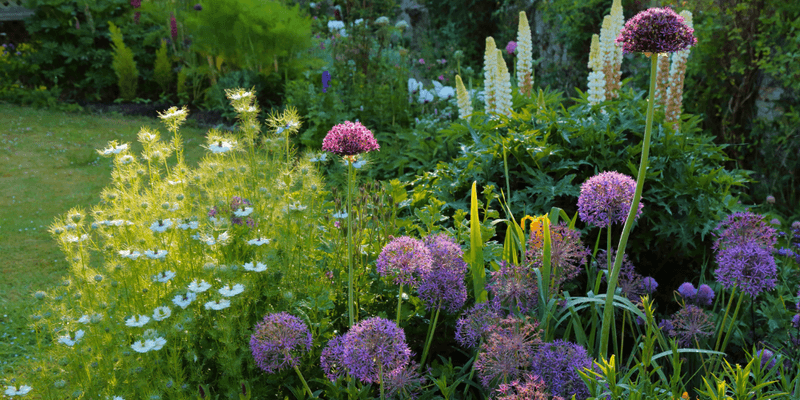
Heavy, dense foliage can make a small yard feel cluttered and closed in. Plants with fine, delicate leaves create the opposite effect by allowing light and air to filter through.
This openness makes your outdoor space feel less crowded and more breathable, especially important in Florida where bright sunshine and frequent afternoon showers are part of daily life.
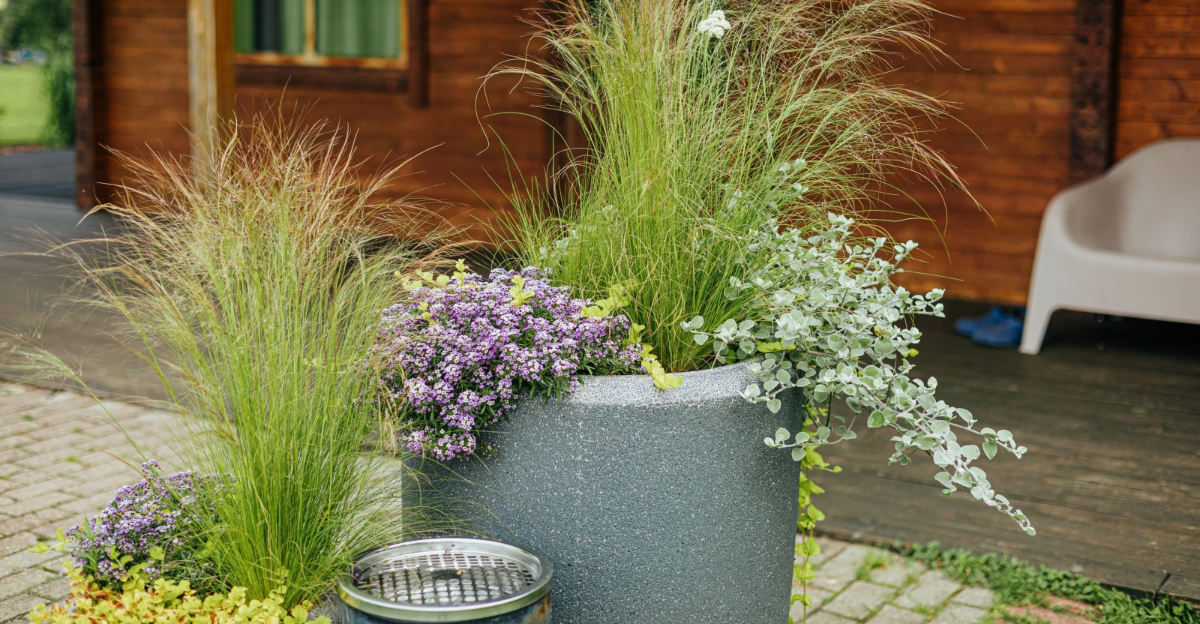
Ornamental grasses like fakahatchee grass or sand cordgrass offer wispy, fountain-like foliage that moves gracefully in the breeze. Their fine texture takes up visual space without creating solid barriers.
Native ferns such as sword fern or cinnamon fern add lacy, feathery fronds that feel light and tropical without overwhelming tight quarters.
Avoid planting too many broad-leafed shrubs with thick, chunky foliage. While plants like croton or ti plant add bold color, their heavy texture can make small areas feel cramped when overused.
Balance them with lighter companions that provide contrast. For instance, pair a single colorful croton with several clumps of slender grasses to keep the overall feel open.
Fine-textured plants also create better air circulation, which matters in humid Florida summers. Good airflow helps prevent fungal issues and keeps your yard feeling fresh rather than stuffy.
When selecting plants, run your hand through the foliage. If it feels delicate and airy, it will likely help your small yard feel more spacious.
Group several fine-textured varieties together for maximum impact while maintaining that essential sense of openness.
4. Grow Vertically With Wall And Fence Plants
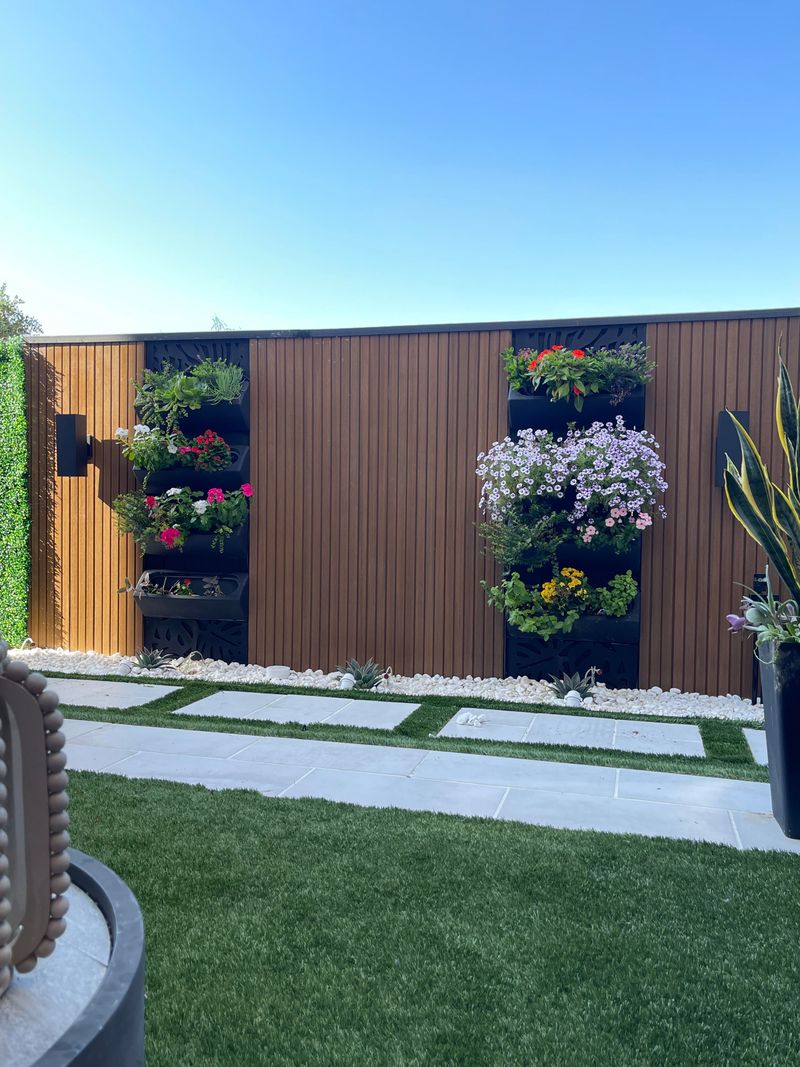
When ground space runs short, look up. Vertical planting transforms bare fences, walls, and structures into living green surfaces that expand your growing area without taking up precious square footage.
Florida’s year-round warmth supports vigorous climbers and wall plants that quickly cover vertical surfaces with lush foliage and flowers.
Native coral honeysuckle produces tubular red flowers that hummingbirds love while climbing gracefully up trellises and fences. This vine stays relatively manageable and won’t damage structures like some aggressive climbers.
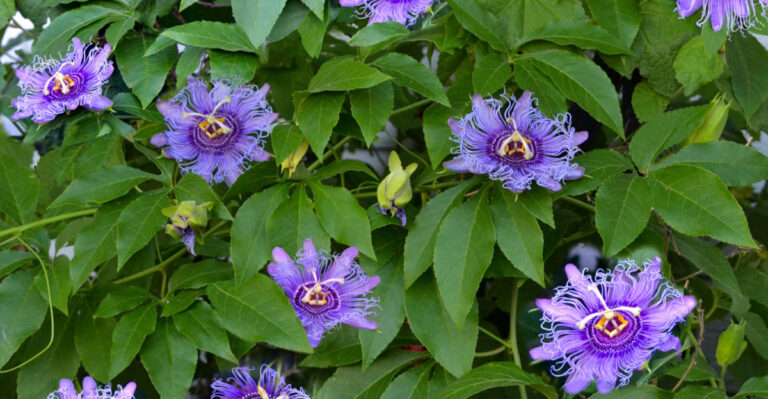
Passionflower vine offers exotic blooms and attracts butterflies, thriving in Florida’s heat while providing vertical interest. Both options work well on chain-link or wood fences that need softening.
For shaded walls, consider mounting containers with shade-loving ferns that cascade downward. Staghorn ferns attach directly to boards or grow in wall-mounted pots, creating living art that draws the eye upward.
This vertical approach makes your yard feel taller and more dimensional, countering the cramped feeling of limited ground space.
Avoid planting invasive vines like air potato or skunk vine, which spread aggressively and damage native ecosystems. Stick with well-behaved climbers that stay where you put them.
Install simple supports like wire grids or bamboo trellises before planting. Vertical plants need sturdy anchoring, especially during Florida’s summer thunderstorms and occasional tropical weather.
Water regularly during establishment since vertical surfaces dry out faster than ground-level beds, particularly on sunny walls that reflect heat.
5. Define Zones With Strategic Plant Placement
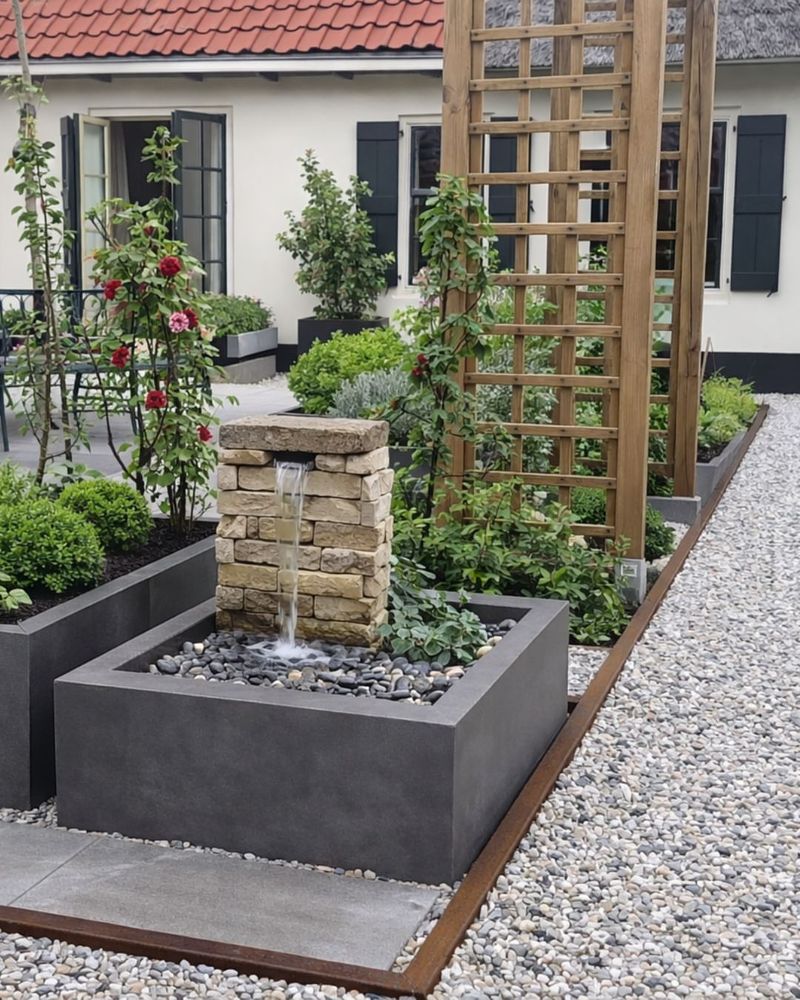
Breaking your small yard into distinct zones makes it feel more complex and interesting than one open, undefined space. When you create separate areas for different activities or purposes, each zone registers as its own mini-space, making the total area seem larger.
Plants work perfectly as natural dividers that separate without completely blocking views.
Use mid-height shrubs like firebush or wild coffee to define a seating area from a pathway or lawn section. These plants grow three to six feet tall, providing enough separation to create distinct spaces while remaining low enough to see over.
This maintains sight lines that prevent your yard from feeling chopped up or claustrophobic. Position plants in staggered groups rather than straight hedges for a more natural, flowing division.
Consider creating a small herb or vegetable zone separated by a low border of society garlic or ornamental pepper plants. This functional area becomes its own destination within your yard, adding purpose and visual interest.
Even a simple grouping of container plants can mark the boundary between zones without permanent commitment.
Each defined zone should serve a clear purpose, whether for dining, relaxing, gardening, or play. When your brain processes these distinct areas, it perceives more usable space overall.
Avoid creating too many tiny zones, which can feel fussy and actually reduce the sense of space. Three to four well-defined areas usually work best in small Florida yards.
Use Florida-friendly plants that tolerate your specific sun exposure and soil conditions for zone dividers that thrive with minimal maintenance.
6. Use Mirrors And Reflective Foliage
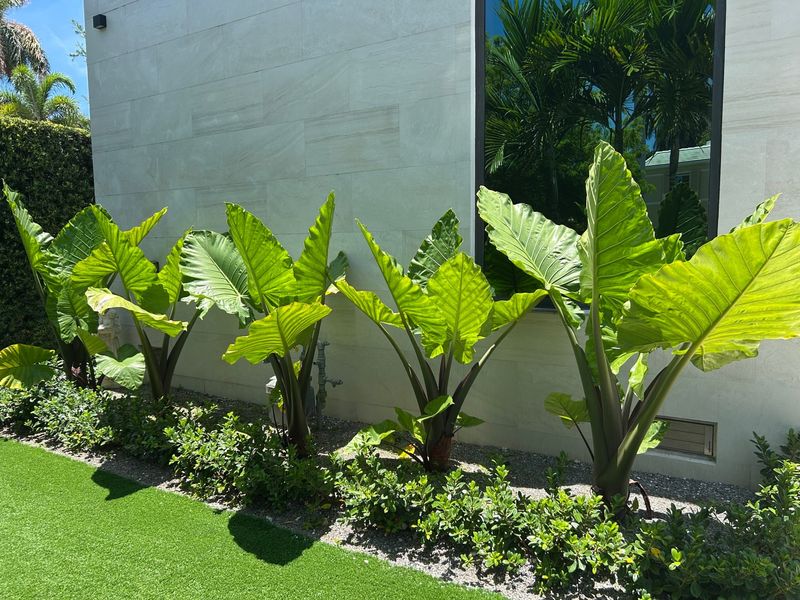
Reflective surfaces bounce light around your yard and create the illusion of doubled space through visual trickery. While actual mirrors require weatherproof materials and careful placement, you can achieve similar effects by choosing plants with naturally glossy, reflective foliage that catches and redirects sunlight.
This strategy works especially well in Florida where abundant sunshine provides plenty of light to reflect.
Wax myrtle features shiny green leaves that gleam in bright light, creating sparkle and movement throughout the day. Coontie offers thick, waxy fronds with a subtle sheen that reflects light without being overly flashy.
Both plants are native to Florida and thrive in various conditions from sun to partial shade, making them reliable choices for adding natural reflectivity.
For more dramatic reflection, consider placing a weather-resistant garden mirror on a fence or wall partially hidden by plantings. Position it to reflect a particularly attractive section of your yard or a view beyond your property line.
Frame the mirror with climbing jasmine or other soft foliage so it blends naturally rather than looking like an obvious trick. The reflection creates depth and makes your yard appear to extend farther than it actually does.
Avoid overdoing reflective elements, which can feel gimmicky or create glare problems in intense Florida sun. One or two well-placed mirrors or several groupings of glossy-leafed plants provide enough effect without overwhelming the space.
Clean mirrors periodically since Florida’s humidity and frequent rain can leave water spots that reduce reflectivity and ruin the illusion.
7. Stick To A Simple, Cohesive Plant Palette
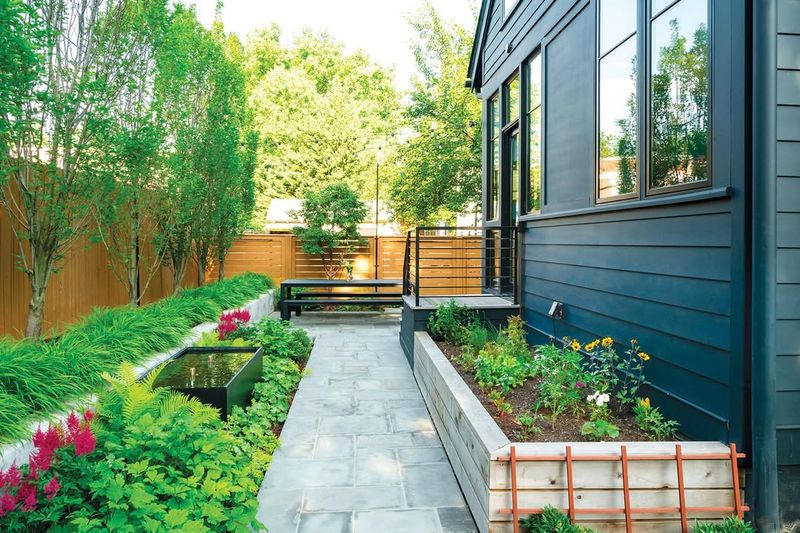
Too many different plant types create visual chaos that makes small spaces feel even more cramped and busy. A limited, coordinated plant palette brings unity and calm to your yard, allowing the eye to move smoothly through the space without stopping at every different specimen.
This cohesion tricks the brain into perceiving a larger, more thoughtfully designed area.
Select three to five plant varieties and repeat them throughout your yard in different groupings. For example, you might choose coontie for structure, blanket flower for color, muhly grass for texture, and a single palm variety for height.
Repeating these plants creates rhythm and flow that guides the eye naturally around the space. This approach also simplifies maintenance since you become familiar with each plant’s specific needs.
Limit your color scheme to two or three complementary shades plus green. A yard bursting with every color of the rainbow feels cluttered, while a focused palette appears intentional and sophisticated.
Consider silver foliage plants like beach sunflower paired with purple blooms from native salvia and yellow from coreopsis for a cohesive Florida-friendly combination.
Avoid the temptation to collect one of everything you see at the nursery. While variety seems exciting, restraint creates elegance and spaciousness in small yards.
Mass plantings of fewer varieties make stronger visual impact than scattered singles. This unified approach also tends to look more established and mature, even when plants are relatively young.
In Florida’s fast-growing conditions, your simplified palette will quickly fill in and create the lush, expansive feeling you want.