This Is How To Tell If Roots Survived Florida Cold Damage
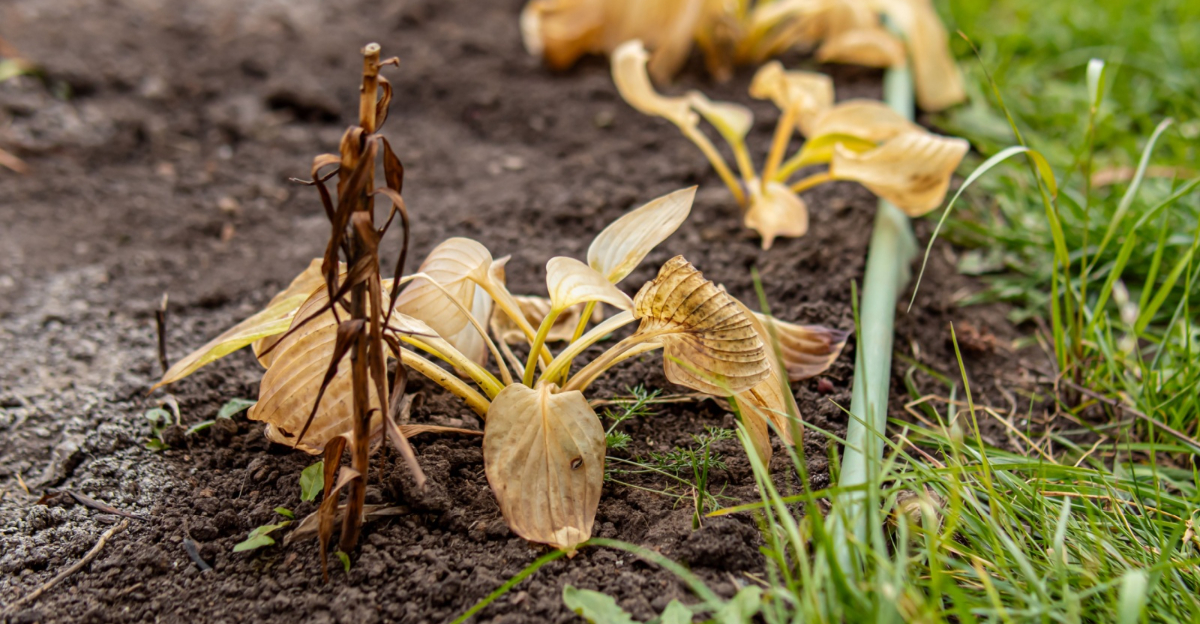
After a Florida cold snap, plants can look finished overnight. Leaves hang limp, stems weaken, and once vibrant growth seems gone.
Silence settles over the garden, yet the true story waits below the soil. Roots carry the final verdict.
Cold may scar everything above ground, but what lies beneath decides survival, recovery, or quiet decline. Some roots endure in stillness, holding life where no damage can be seen, while others fail out of sight.
The difference rarely shows right away, which makes this hidden layer so important. A closer look below the surface begins to reveal what the cold truly changed and what it did not.
Beneath the soil rests the plant’s real condition, its future, and the outcome no leaf or stem can fully explain after a Florida freeze passes.
1. Check For New Growth At The Base
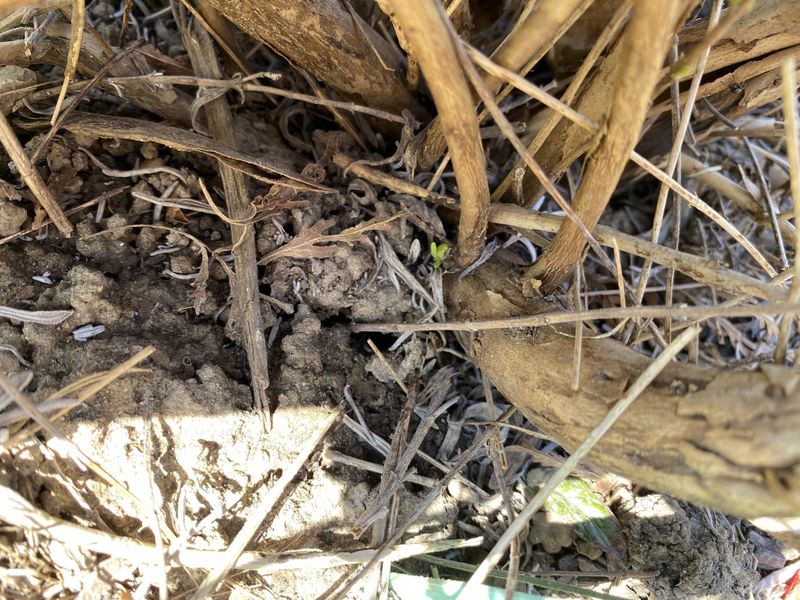
After a cold snap passes and soil temperatures begin climbing again, one of the most reliable indicators of root survival appears right at ground level. Fresh shoots pushing up from the base of a plant signal that the root system remains active and capable of supporting new growth.
These emerging stems often look different from the damaged tissue above them, appearing bright green and vigorous even when surrounded by brown foliage.
Root systems store energy reserves that allow plants to regenerate from the ground up, essentially starting over when the top portions sustain severe damage. This survival strategy is particularly common in herbaceous perennials, tropical shrubs, and ornamental grasses throughout Florida landscapes.
The new growth may appear weeks after the cold event, so resist the urge to remove plants too quickly.
When you spot these basal shoots, avoid cutting back the damaged stems immediately above them. The old growth provides some protection and nutrients as the plant redirects resources.
Allow the new shoots to develop several sets of leaves before making any pruning decisions. This patience gives the root system time to strengthen and ensures the plant establishes a solid foundation for recovery.
Many Florida gardeners are surprised by how completely a plant can regenerate from what initially looked like total devastation.
2. Look For Green Tissue Beneath The Bark
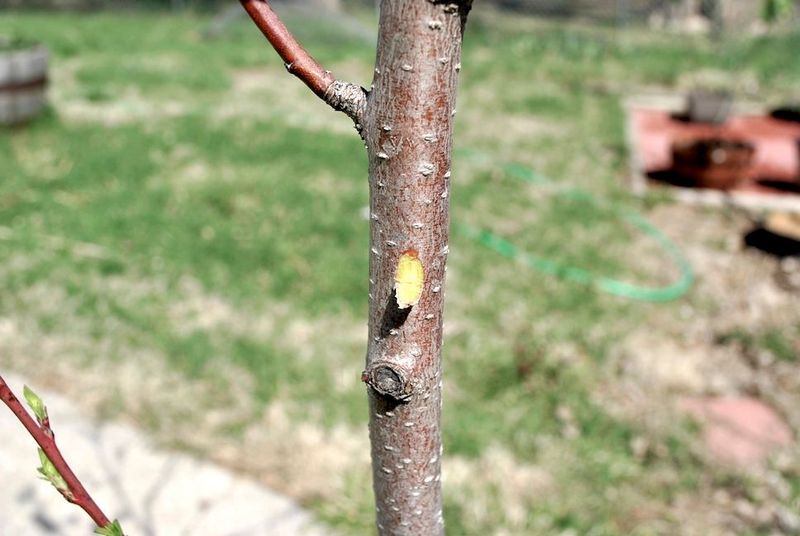
One of the oldest and most trusted methods for assessing plant survival involves a simple scratch test that reveals what’s happening just beneath the surface. Using your fingernail or a clean knife, gently scrape away a small section of bark on a stem or branch to expose the layer underneath.
The color you find tells you immediately whether that portion of the plant retains living tissue or has succumbed to cold damage.
Healthy, living stems display a bright green cambium layer just under the bark, indicating active water and nutrient transport. This green tissue means the vascular system remains functional and the plant can still support foliage and growth above that point.
Brown, tan, or gray tissue instead suggests the cells have been compromised and that section will not recover.
Start your scratch test near the base of the plant and work upward, checking multiple stems if possible. You may discover that lower portions remain viable while upper branches show brown tissue.
This information helps you determine where to prune and how much of the plant structure can regenerate. In Florida’s climate, many woody plants survive cold events at their base even when branch tips suffer damage.
The scratch test provides clear, immediate feedback without requiring you to wait weeks for visual signs of recovery.
3. Test Stem Flexibility Before Pruning
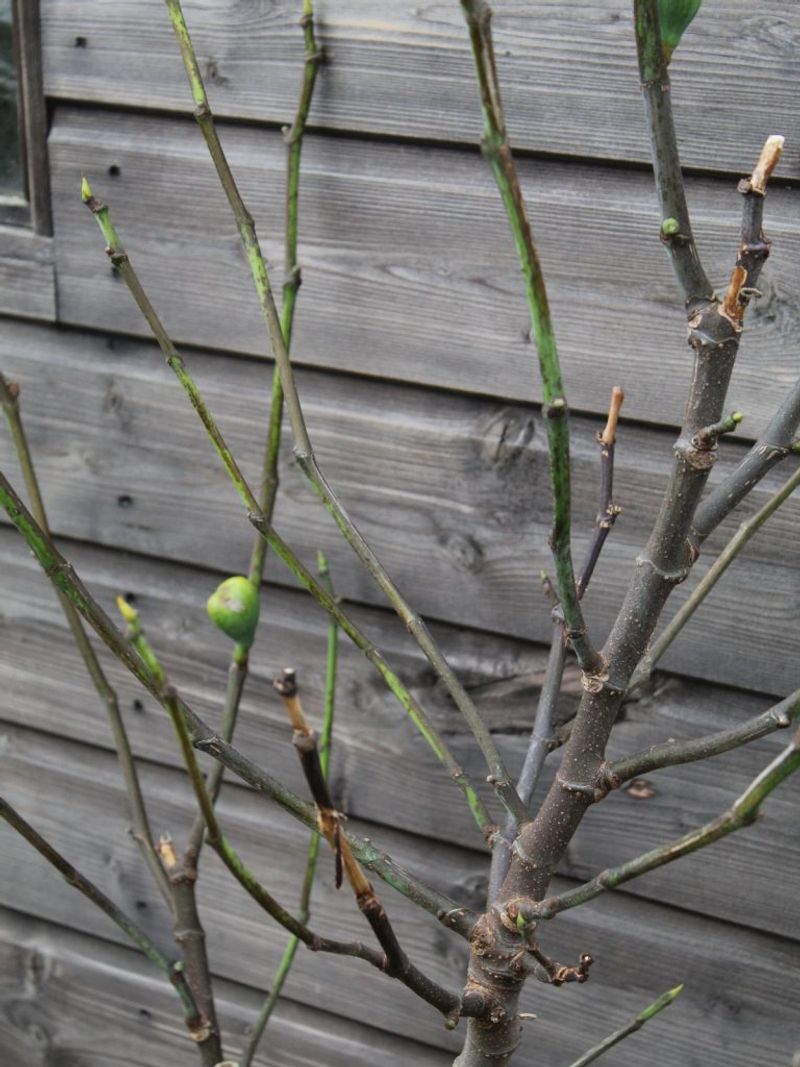
Before making any cuts to cold-damaged plants, a simple flexibility test can save you from removing branches that still have life in them. Living wood maintains a degree of bend and resilience even when leaves have browned and dropped.
Gently flex stems between your fingers, applying light pressure to gauge their response without breaking them unnecessarily.
Branches that remain somewhat pliable typically retain moisture and living cells within their structure, suggesting the vascular system continues functioning at least partially. These stems may look unappealing on the surface but possess the internal resources to push out new growth once conditions improve.
Brittle, snap-easily branches that break with minimal pressure have usually lost their moisture content and internal structure, indicating those sections will not recover.
This test works particularly well on woody shrubs, small trees, and semi-woody perennials common in Florida landscapes. The technique helps you identify exactly where living tissue ends and damaged tissue begins, guiding your pruning decisions with precision.
Remember that flexibility can vary by species and the severity of cold exposure, so test multiple branches to get an accurate picture. Some plants may show mixed results, with lower branches remaining flexible while upper portions have become brittle.
This variation is normal and simply shows you where the viable growth zone begins for that particular plant.
4. Watch For Late Spring Resprouting
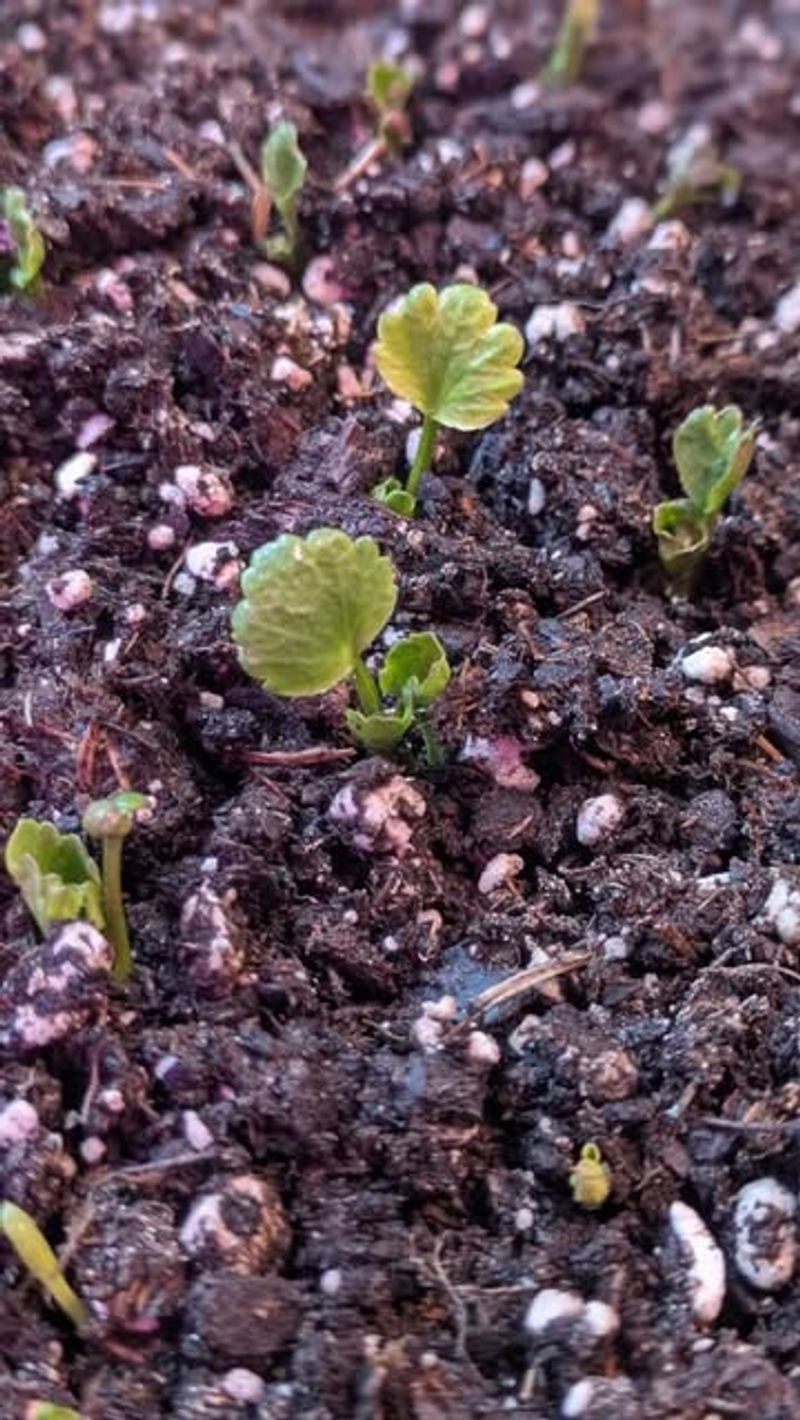
Some Florida plants operate on a slower recovery timeline than others, remaining dormant long after the cold event passes. These late responders can fool even experienced gardeners into thinking they’ve been lost, especially when neighboring plants have already leafed out and resumed normal growth.
Patience becomes your most valuable tool during this waiting period.
Soil temperature drives regrowth more than air temperature for many species, particularly tropical and subtropical plants that dominate Florida landscapes. Even when daytime air feels warm, soil several inches down may still be cool enough to keep roots in a holding pattern.
As spring progresses and the ground genuinely warms, these slow-recovering plants finally receive the signal to break dormancy and push out new growth.
Gingers, cannas, heliconias, and some palms may respond slowly if the central bud survived the cold. They may show absolutely no activity for eight to twelve weeks after a freeze, then suddenly explode with vigorous new shoots once conditions align.
Mark these plants with stakes or flags so you don’t accidentally disturb them during spring cleanup. Keep the root zone mulched and provide occasional water if rainfall is sparse.
The waiting game tests your patience, but the reward is often a plant that returns fuller and healthier than before, having used that dormant period to strengthen its root system underground.
5. Inspect The Crown For Living Buds
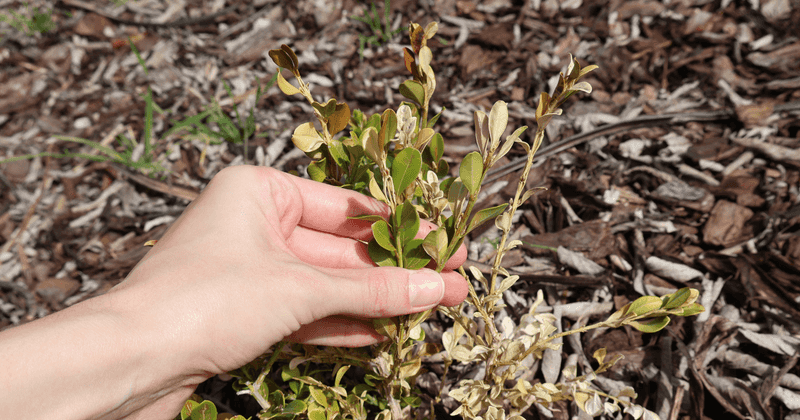
The crown area where stems meet roots represents a critical survival zone for many perennials and shrubs. This protected space just at or slightly below soil level often escapes the worst cold damage because the ground provides insulation that air cannot.
Carefully brush away mulch and inspect this region for signs of life, particularly small buds or swelling tissue that indicates active growth preparation.
Living buds at the crown may be tiny and easily overlooked, especially in the weeks immediately following a cold event. They often appear as small bumps or slightly swollen areas on the stem base, sometimes showing a hint of green or pink coloration.
These buds contain the genetic instructions and stored energy needed to generate entirely new stems, leaves, and eventually flowers. Their presence confirms the root system remains viable and capable of supporting regeneration.
Use your fingers to gently feel around the crown area, since some buds may be more easily detected by touch than sight. Avoid digging aggressively, as you could damage emerging tissue.
Many Florida gardeners discover that plants they assumed were lost actually possess multiple crown buds waiting for the right conditions to activate. This is especially common with herbaceous perennials, ornamental grasses, and plants that naturally regenerate from the base.
The crown inspection provides hope and direction, helping you distinguish between plants that need more time and those that genuinely won’t recover.
6. Check Roots Only If Decline Continues
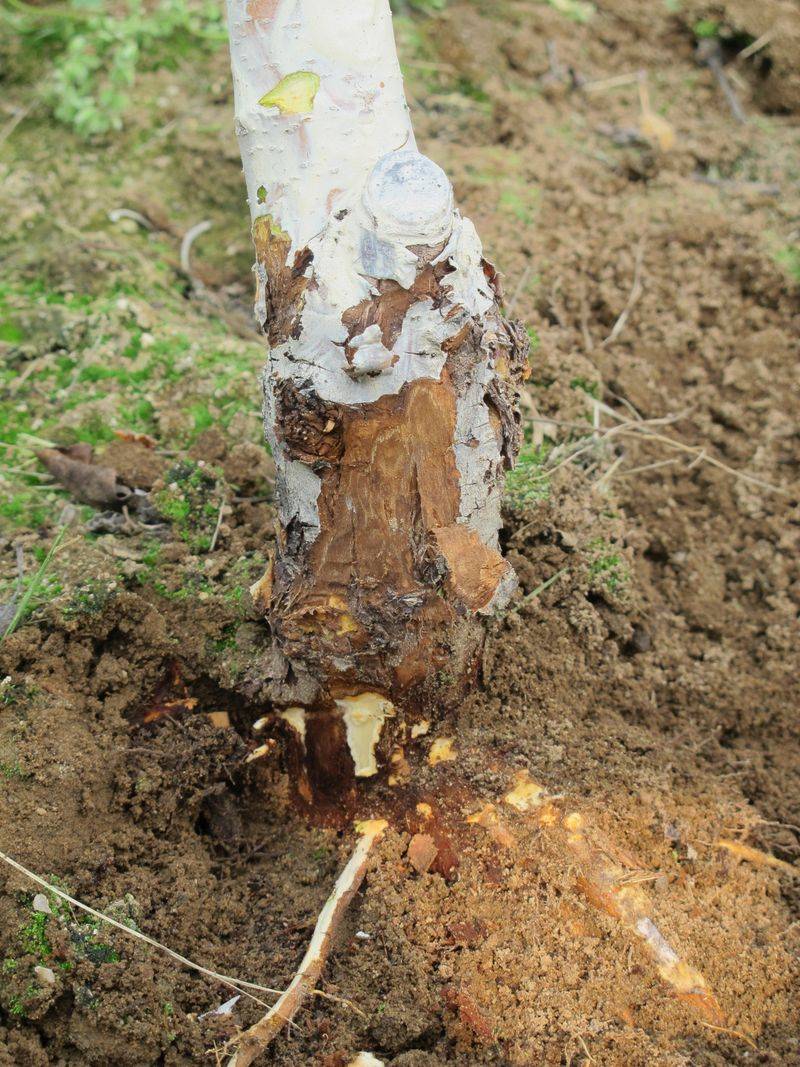
Most cold damage assessment can happen above ground without disturbing the root zone, but occasionally a plant shows concerning signs that warrant closer investigation. If weeks have passed with no improvement, if stems remain brittle throughout, or if the crown shows no bud activity despite warm temperatures, checking the roots themselves may provide final answers.
This step should be your last resort rather than your first action.
Carefully dig around the root ball, working slowly to avoid causing additional damage to potentially living tissue. Healthy roots appear firm to the touch and light to medium colored depending on species and show some flexibility when gently bent.
They should have a fresh, earthy smell rather than a sour or rotten odor. Compromised roots feel mushy, appear dark brown or black, and may slip away from the central root structure when handled.
If you find healthy roots despite damaged top growth, the plant still has recovery potential and should be left in place with proper care. Ensure good drainage, avoid overwatering, and maintain moderate moisture while the plant attempts to regenerate.
If roots show extensive damage throughout the system, removal becomes appropriate. Remember that root inspection is invasive and should only happen when other diagnostic methods have provided unclear results.
Florida’s sandy soils make this process easier than in clay-heavy regions, but the disruption still stresses plants trying to recover.
7. Look For Slow Signs Of Recovery
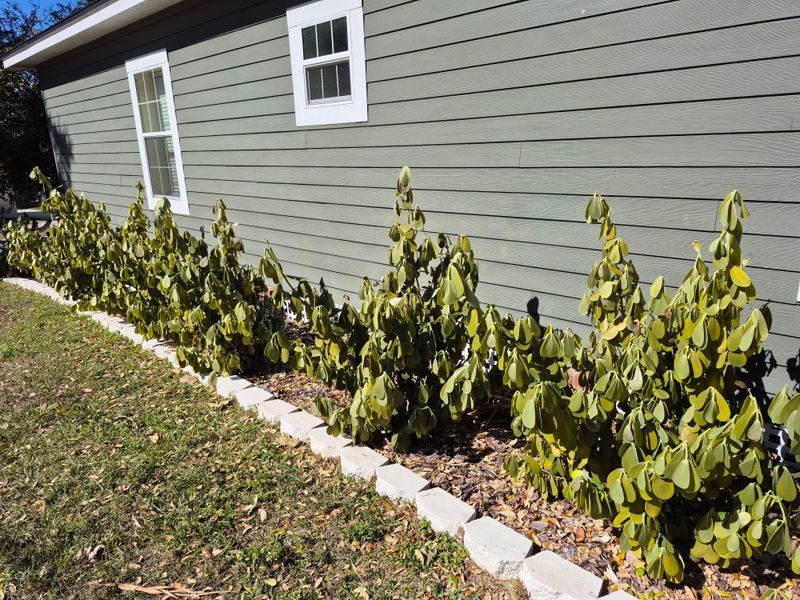
Recovery from cold damage rarely happens dramatically overnight. Instead, most Florida plants reveal their survival through subtle, gradual changes that require close observation to notice.
A bud that seems slightly larger than it did last week, a hint of green appearing along a previously brown stem, or a tiny unfurling leaf barely visible without close inspection all signal that internal processes have reactivated.
Train yourself to look for these micro-changes by photographing your damaged plants weekly and comparing images. What appears static to the naked eye often shows clear progress when viewed side-by-side over time.
These incremental improvements indicate the root system is functioning, moving water and nutrients upward, and supporting the energy-intensive process of generating new tissue.
Resist the urge to fertilize heavily or make drastic interventions when you spot these early recovery signs. The plant is already directing its resources appropriately, and excessive interference can actually slow progress.
Maintain consistent moisture, ensure adequate light reaches the plant, and simply allow the natural regeneration process to continue. Many Florida gardeners report that once these slow signs begin appearing, recovery accelerates noticeably within a few weeks.
The plant that showed only tiny buds in early April may be fully leafed out by late May.
Patience during the slow phase prevents premature removal of plants that would have completely recovered given adequate time.
8. Wait Before Removing The Plant
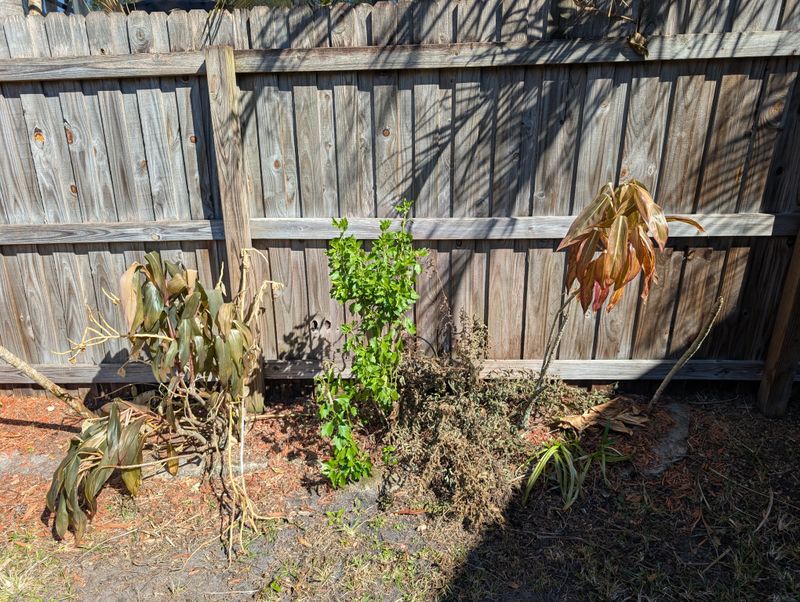
Perhaps the most valuable advice for Florida gardeners dealing with cold damage is simply to wait longer than feels comfortable. The impulse to clean up, restore order, and replace damaged plants runs strong, but acting too quickly results in discarding perfectly viable plants that needed more recovery time.
Establish a personal rule of waiting at least eight to twelve weeks after the last cold event before making final removal decisions.
During this waiting period, continue basic care including appropriate watering and maintaining mulch around the root zone. Avoid fertilizing until you see clear signs of new growth, as feeding dormant or stressed plants wastes resources and can even cause harm.
Mark plants you’re monitoring so you remember to check them regularly rather than forgetting they exist until cleanup time arrives.
Many Florida gardeners share stories of plants they nearly removed that eventually recovered completely, sometimes returning even more vigorous than before the cold damage occurred. This happens because the plant redirected energy into root development during the dormant phase, creating a stronger foundation for regrowth.
The patience you exercise now pays dividends in saved money, preserved landscape maturity, and the satisfaction of seeing a plant you nurtured back to health. Only after this extended waiting period, when you’ve applied all other diagnostic methods and seen absolutely no positive signs, should removal become your choice.
Florida’s growing season is long and forgiving, giving plants ample opportunity to demonstrate their survival capacity.