This Is One Of The Worst Invasive Plants In East Texas
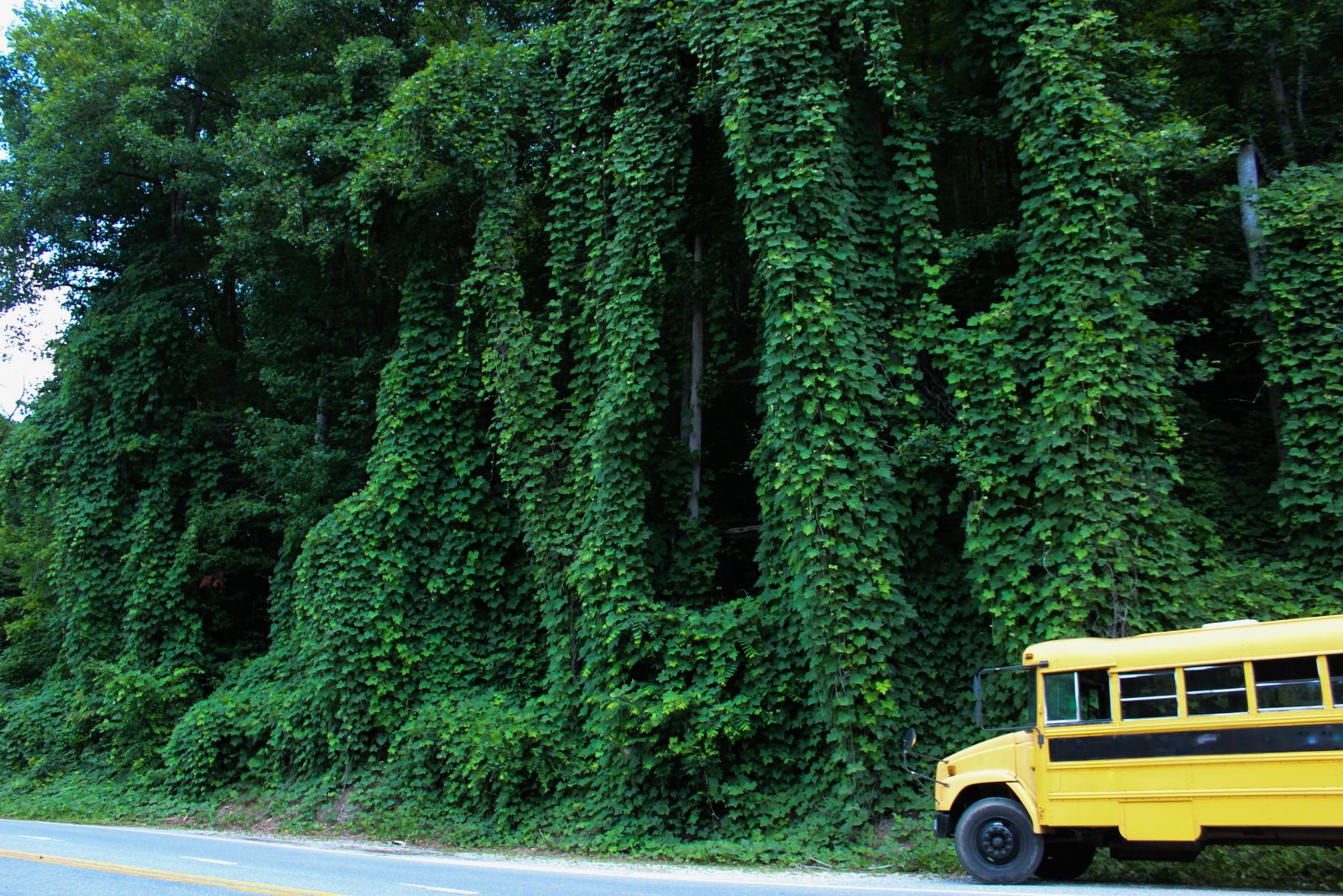
Have you ever watched a plant spread so fast it seemed to swallow everything in its path? In East Texas, one notorious invader is known for its aggressive growth and ability to overwhelm landscapes, trees, and even structures if left unchecked.
Kudzu has earned a reputation for climbing, creeping, and covering vast areas in a surprisingly short time, often outcompeting native plants for sunlight and space.
Once established, it can be extremely difficult to control, making early identification and action essential.
This fast growing vine thrives in warm, humid conditions and can quickly turn a manageable garden into a tangled, overgrown mess.
Understanding how it spreads and why it is so persistent helps gardeners and landowners protect their property and local ecosystems.
Recognizing this invasive threat early can make a major difference in keeping your East Texas landscape healthy, balanced, and under control.
1. What Is Kudzu And How Did It End Up In East Texas?
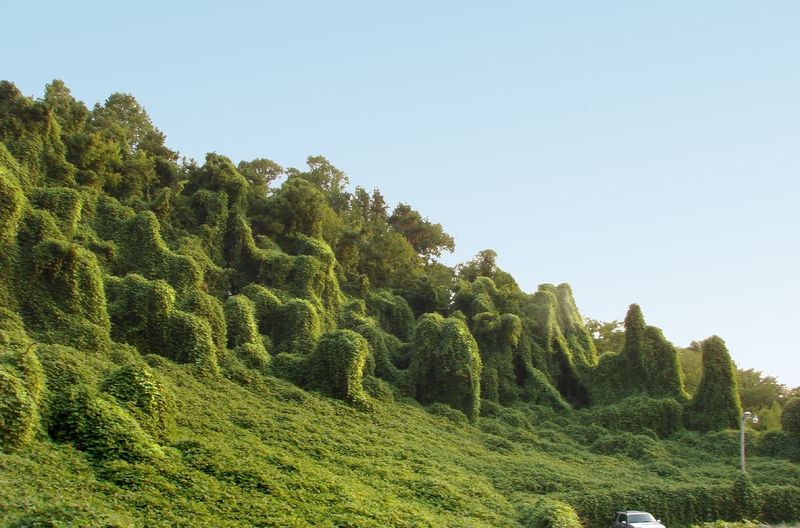
Kudzu, scientifically known as Pueraria montana var. lobata, is a climbing vine native to Asia. It features large, three-lobed leaves and purple flowers that smell like grapes.
The plant was first introduced to the United States in 1876 at the Philadelphia Centennial Exposition as an ornamental curiosity.
During the 1930s and 1940s, the U.S. government promoted kudzu planting across the South. Farmers received payments to plant it for erosion control on damaged land.
The Civilian Conservation Corps planted millions of kudzu seedlings throughout the Southeast. At the time, nobody understood how aggressive this vine would become.
Kudzu spread rapidly from its original planting sites across the southern states. Birds, water, and human activity helped carry seeds to new locations.
The vine moved along roadways, railroad tracks, and abandoned properties. By the 1950s, kudzu had already become a recognized problem in many areas.
East Texas provided ideal conditions for kudzu to thrive and expand. The region’s warm temperatures, abundant rainfall, and humid summers create perfect growing conditions.
Mild winters in East Texas allow the plant to survive and regrow each spring. The vine found plenty of disturbed land along highways and rural areas to colonize.
Today, kudzu infestations appear throughout East Texas counties. The plant continues spreading into new territories each year.
Climate patterns and land use changes help kudzu expand its range. East Texas communities now face the challenge of managing this persistent invader that shows no signs of slowing down.
2. How Fast Kudzu Grows And Why It’s So Dangerous?
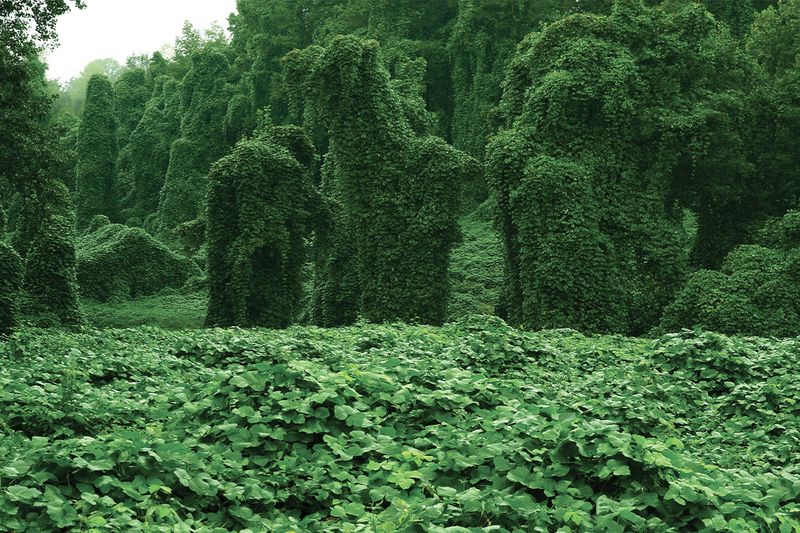
Kudzu earns its reputation as “the vine that ate the South” through incredible growth rates. During peak growing season, the vine can extend up to one foot per day.
A single kudzu plant can grow 60 feet in a single summer. This explosive growth allows kudzu to quickly dominate any area it invades.
The vine climbs over everything in its path without discrimination. Trees, shrubs, telephone poles, abandoned cars, and buildings all become covered in dense green foliage.
Kudzu uses other plants as scaffolding to reach sunlight. It wraps around tree trunks and spreads across entire canopies.
Once kudzu covers a tree, it blocks sunlight from reaching the leaves below. Native plants cannot photosynthesize properly when trapped under kudzu’s thick blanket.
The weight of kudzu vines can break branches and topple smaller trees. Forests become unrecognizable under layers of kudzu leaves.
Kudzu creates dense mats that completely alter the landscape. These mats can be several feet thick and cover acres of land.
Nothing grows underneath these suffocating layers. The vine eliminates plant diversity and creates biological deserts.
East Texas ecosystems suffer tremendously from kudzu invasions. Native wildlife loses food sources and habitat when kudzu takes over.
The vine disrupts natural forest succession and prevents regeneration. Once established, kudzu patches expand outward in all directions.
Property values decrease when kudzu infestations appear nearby. The plant’s aggressive nature makes it one of the most destructive invasive species in East Texas, threatening both natural areas and developed land throughout the region.
3. The Damage Kudzu Causes To Forests And Property
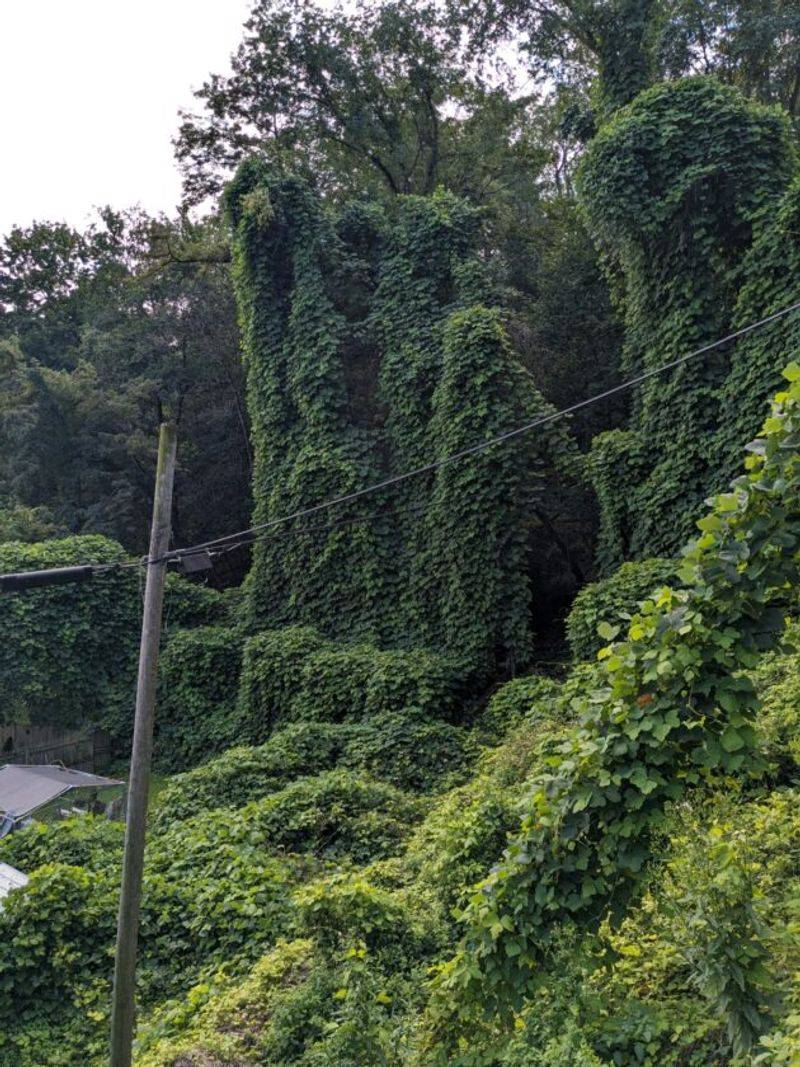
Forests throughout East Texas face severe threats from kudzu infestations. The vine climbs tall trees and spreads across their entire canopy structure.
Covered trees cannot perform photosynthesis effectively and gradually weaken. Over time, these trees become unhealthy and eventually perish from lack of sunlight and the physical burden of supporting heavy vines.
Property damage from kudzu extends beyond natural areas. The vine grows over fences, causing them to collapse under the weight.
Power lines become entangled, creating maintenance headaches and potential safety hazards. Abandoned buildings disappear under kudzu blankets within just a few seasons. Even occupied structures face risk if kudzu establishes nearby.
Biodiversity plummets in areas where kudzu dominates the landscape. Native plants that provide food and shelter for wildlife cannot compete.
Birds lose nesting sites when kudzu covers shrubs and small trees. Insects that depend on specific native plants disappear. The entire food web suffers when kudzu replaces diverse plant communities.
Economic impacts affect East Texas landowners and communities significantly. Timber value drops to zero when kudzu covers forested land.
Agricultural fields adjacent to kudzu patches require constant vigilance. Clearing kudzu from property costs thousands of dollars. Property taxes remain high even when land becomes unusable due to infestation.
Environmental restoration becomes extremely difficult after kudzu establishes. The vine changes soil chemistry and eliminates seed banks of native plants.
Years of effort are required to return land to a natural state. East Texas loses valuable forest resources and wildlife habitat with each acre that kudzu claims, making this invasive plant a serious economic and ecological concern.
4. Why East Texas Is Vulnerable?
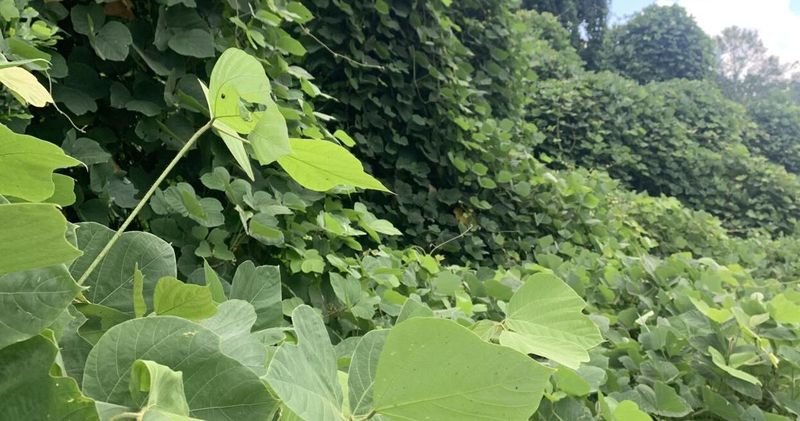
Geography and climate make East Texas particularly susceptible to kudzu invasion. Summer temperatures regularly climb into the 90s with high humidity levels.
These conditions mirror the plant’s native Asian habitat perfectly. Kudzu thrives when temperatures stay warm and moisture remains abundant throughout the growing season.
Winter temperatures in East Texas rarely drop low enough to seriously harm kudzu. The plant’s root crowns survive underground even during cold snaps.
Mild winters allow kudzu to maintain living tissue and bounce back quickly each spring. Northern states experience harder freezes that limit kudzu’s spread, but East Texas lacks this natural control.
Abandoned properties and neglected land provide ideal starting points for infestations. Rural areas of East Texas contain many forgotten homesteads and unused fields.
Roadside corridors along highways offer miles of undisturbed ground. These spaces allow kudzu to establish without interference before spreading to adjacent properties.
Climate change patterns benefit kudzu expansion across the region. Warmer average temperatures extend the growing season each year.
Increased rainfall events provide extra moisture for rapid growth. East Texas may see kudzu become even more problematic in coming decades as conditions continue shifting in the plant’s favor.
The combination of natural and human factors creates a perfect storm for kudzu. Once the vine gains a foothold, it spreads relentlessly across the landscape.
East Texas counties report new infestations regularly as the plant continues its march. Without coordinated management efforts, kudzu will claim more territory throughout the region.
Property owners must remain vigilant because environmental conditions strongly favor this aggressive invader in East Texas.
5. Why Kudzu Is So Hard To Control?
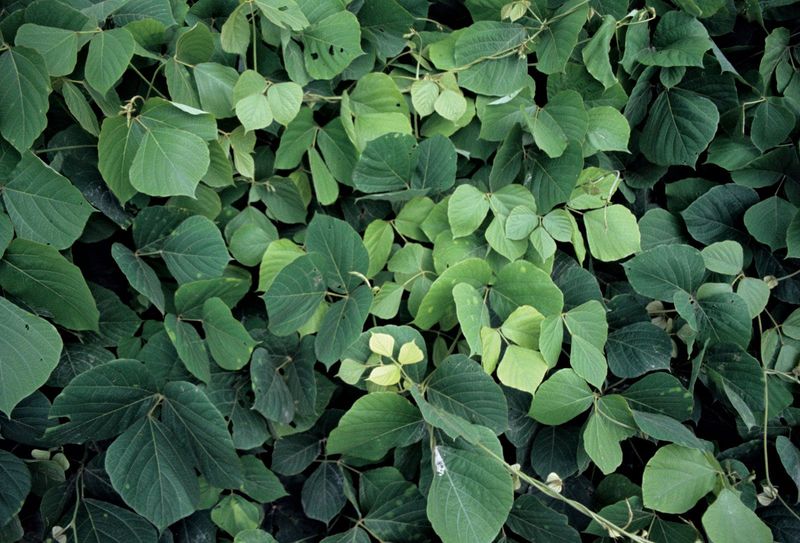
Underground root systems make kudzu incredibly difficult to eliminate permanently. The plant develops massive root crowns that can weigh hundreds of pounds.
These crowns store energy and nutrients deep below the surface. Even when vines are cut at ground level, the roots remain alive and ready to regrow.
Cutting kudzu vines provides only temporary relief from the problem. New shoots emerge from the root crown within days of cutting.
A single plant can produce dozens of new vines simultaneously. Without addressing the root system, cutting becomes an endless cycle of temporary control.
Chemical treatment requires careful planning and repeated applications. Herbicides must reach the root crown to be effective.
Timing applications correctly improves success rates significantly. However, even with proper herbicide use, kudzu often requires multiple treatments over several years. Some root crowns survive initial treatments and produce new growth.
Kudzu reproduces through multiple methods, complicating control efforts. The plant produces seeds in pods, though this is less common in the United States.
More problematic is vegetative reproduction, where vine fragments root wherever they touch soil. Each vine node can potentially start a new plant. Moving equipment through infested areas can spread kudzu unintentionally.
Long-term management demands sustained effort and resources. Property owners in East Texas often become discouraged by kudzu’s persistence.
Successful control programs require commitment spanning multiple growing seasons. Monitoring treated areas remains essential because new shoots can appear years after initial treatment.
The combination of aggressive growth, extensive root systems, and multiple reproduction methods makes kudzu one of the most challenging invasive plants to manage in East Texas.
6. What East Texas Property Owners Can Do?
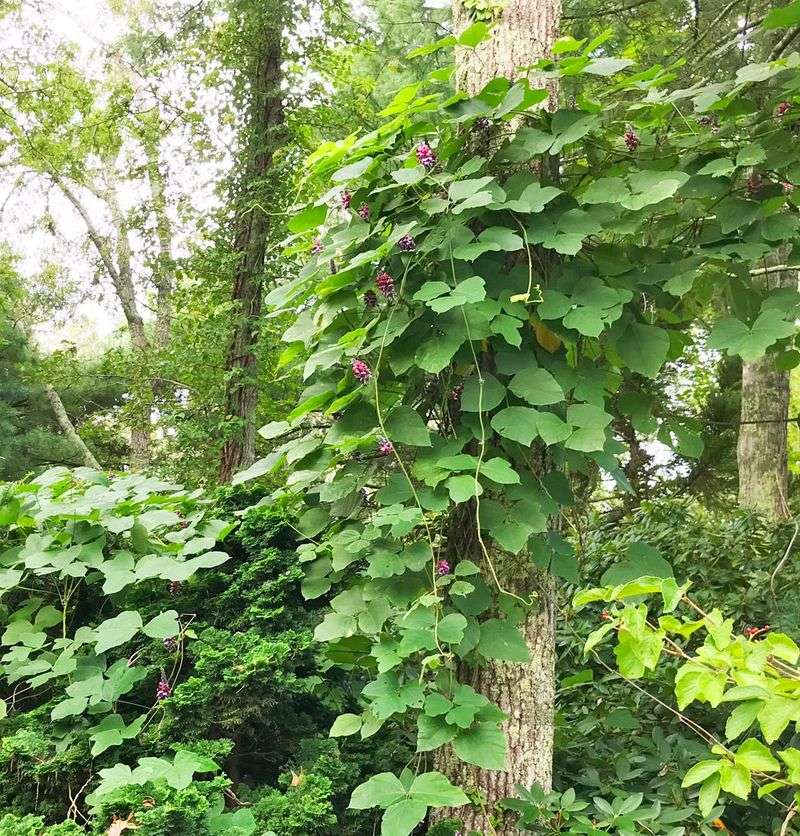
Early detection offers the best chance for successful kudzu control. Property owners should regularly inspect their land for new infestations.
Learning to identify kudzu’s distinctive three-lobed leaves is essential. Small patches are much easier to eliminate than established colonies. Catching kudzu early saves time, money, and prevents extensive damage.
Repeated cutting weakens kudzu over time but requires persistence. Cutting vines every two weeks during growing season depletes root reserves.
This method works best for small infestations or as part of a larger strategy. Property owners must commit to regular cutting for at least two full growing seasons.
Herbicide application can be effective when used correctly. Glyphosate-based products work well on kudzu when applied to fresh-cut stems or foliage.
Late summer and fall applications often produce better results. Always follow label directions and consider environmental impacts. Some East Texas property owners hire professionals for herbicide treatments.
Replanting native species helps prevent kudzu from returning. Establishing dense ground covers and native plants reduces available space for kudzu.
Native grasses, shrubs, and trees compete for resources and shade out new kudzu growth. Creating healthy ecosystems provides natural resistance to invasion.
Reporting large infestations helps communities coordinate control efforts. County extension offices and invasive species coordinators track kudzu locations.
Sharing information allows for regional management strategies. Some areas in East Texas have organized community kudzu removal events.
Working together produces better results than individual efforts alone. Property owners should document kudzu locations and communicate with neighbors about control methods.
Protecting East Texas from kudzu requires community awareness and sustained action.