This Is The Best Mowing Height For Florida Lawns In Winter
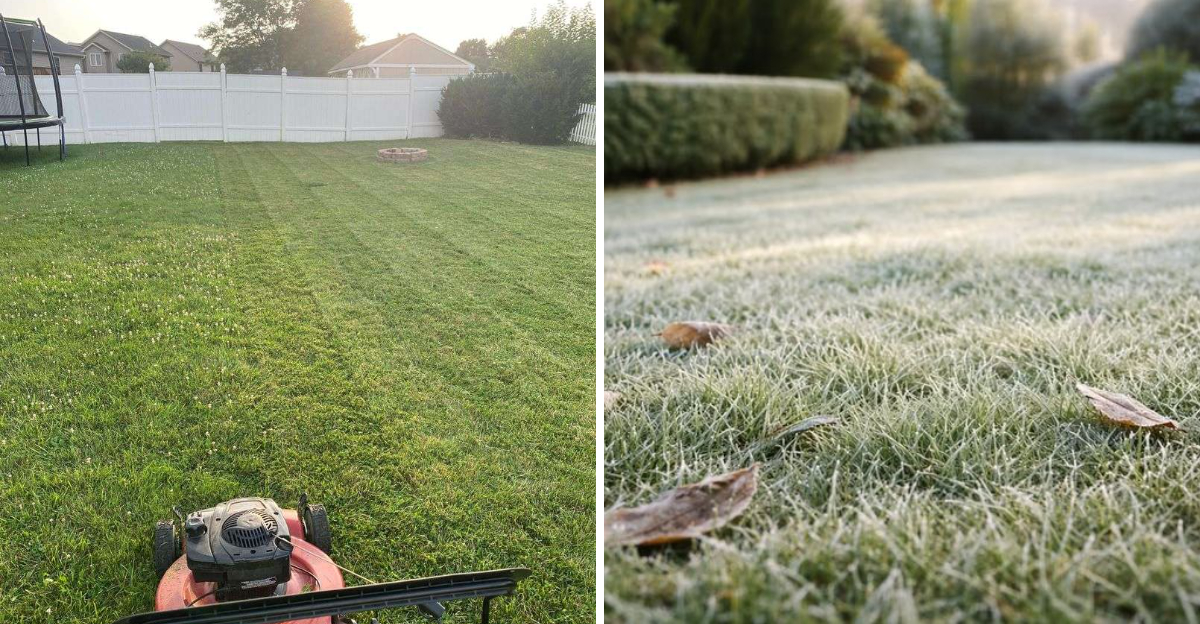
Florida winter might not bring snow, but it absolutely changes what your lawn needs. Most homeowners do not realize this until spring damage is already done.
One week your grass looks fine. The next it is thinning, patchy, or turning yellow no matter how much you water.
Sound familiar? The problem usually is not fertilizer or irrigation.
It is mowing height. Cooler temperatures slow grass growth, reduce recovery speed, and make your lawn far more sensitive to stress.
Keeping the same mower setting you used all summer can quietly weaken your turf without you noticing. On the other side, letting grass grow wild creates problems of its own.
The good news is that a simple mower adjustment can protect your lawn all winter and set you up for thicker, greener growth when warm weather returns.
Why Winter Mowing Height Matters
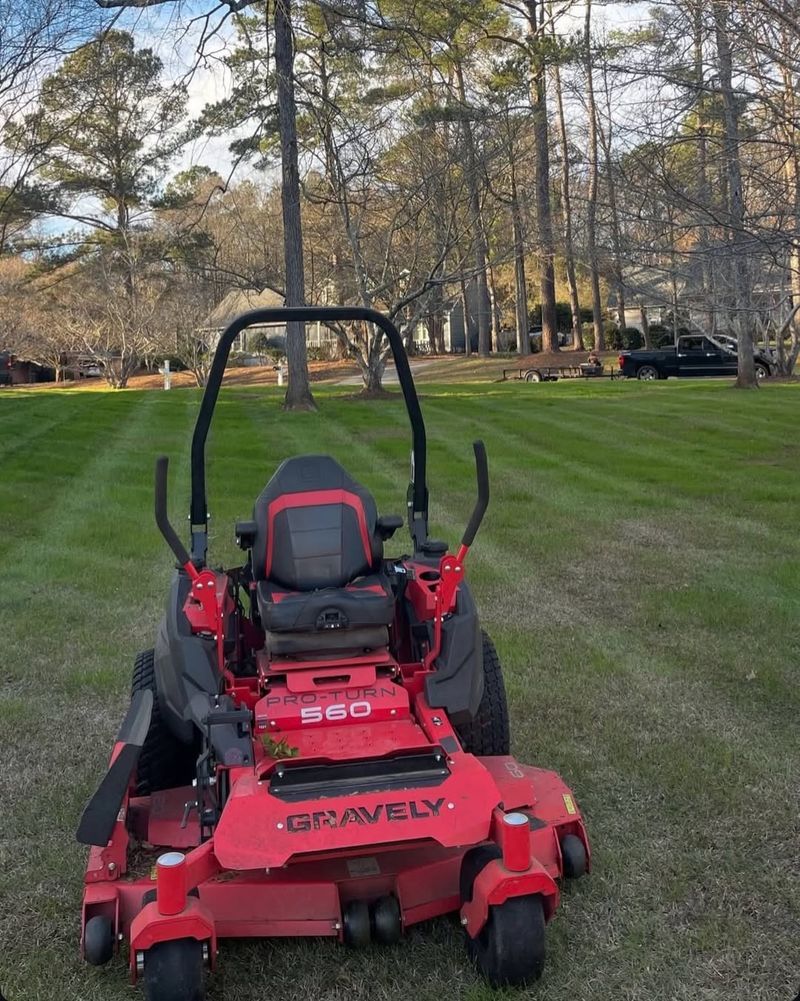
Your grass blade length directly controls how much sunlight your lawn can capture, and during winter, that sunlight becomes even more valuable. Cooler temperatures slow photosynthesis, making each leaf blade more important for producing energy that supports root health and recovery.
When you adjust mowing height for the season, you give your turf the best chance to stay vigorous through dormancy or slower growth.
Homeowners often assume grass behaves the same all year, but Florida winters bring subtle shifts that affect how turf responds to cutting. A lawn mowed too short in December loses its ability to store carbohydrates in the crown, weakening it before spring growth resumes.
Conversely, letting grass grow too tall invites disease pressure and makes the lawn look unkempt.
Proper winter mowing height balances aesthetics with plant health. You want enough leaf surface to fuel the roots without creating conditions that trap moisture or block air circulation.
This adjustment feels small, but it makes a noticeable difference in how your lawn looks and performs when warmer days arrive again.
What Happens When Grass Is Cut Too Short
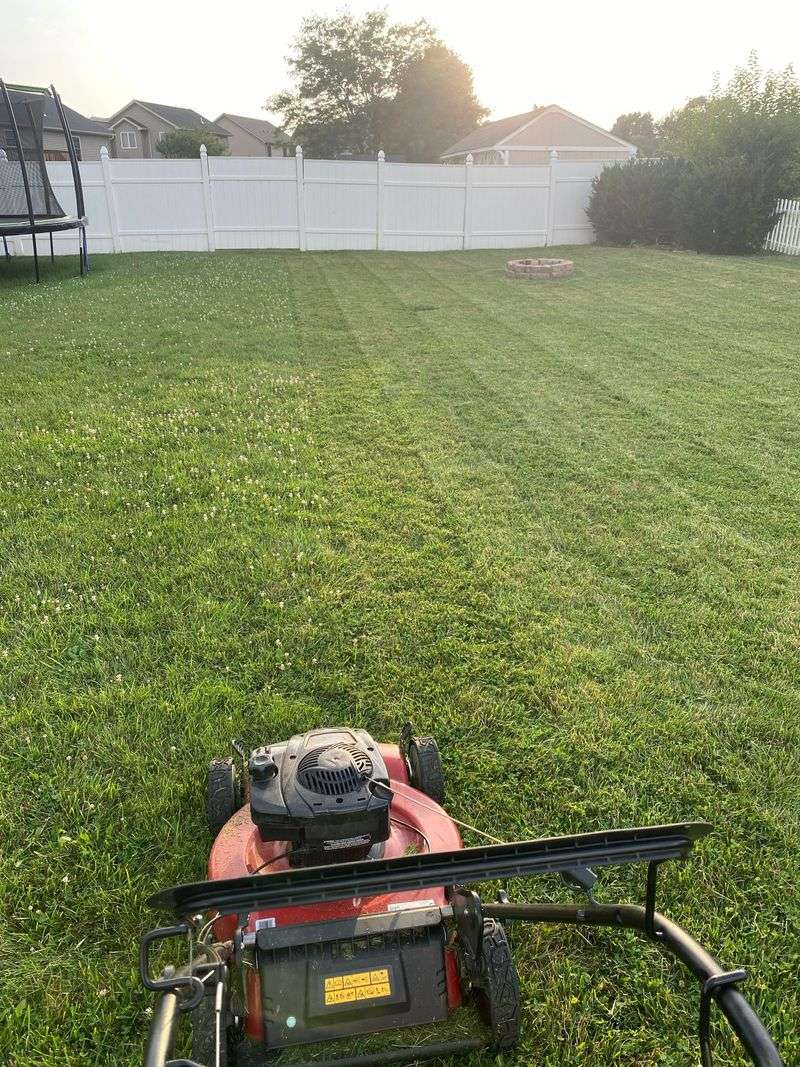
Scalping your lawn in winter removes too much leaf tissue, leaving the crown exposed to temperature swings and drying winds. Grass needs those blades to produce energy, and when you cut below the recommended height, you force the plant to use stored reserves just to survive.
This weakens root systems and makes recovery slower once spring warmth returns.
Short grass also loses its ability to shade the soil, which allows weed seeds to germinate more easily. You might notice bare patches or thinning areas where the turf struggles to maintain density.
Winter weeds like chickweed and henbit thrive in these conditions, taking advantage of the stressed turf and competing for nutrients.
Homeowners who scalp their lawns often think they are preparing for spring, but the opposite happens. The grass enters the growing season already stressed, with shallow roots and reduced vigor.
It takes longer to green up and fill in, and you may need extra fertilizer or irrigation to compensate for the damage done during winter mowing.
What Happens When Grass Is Left Too Tall
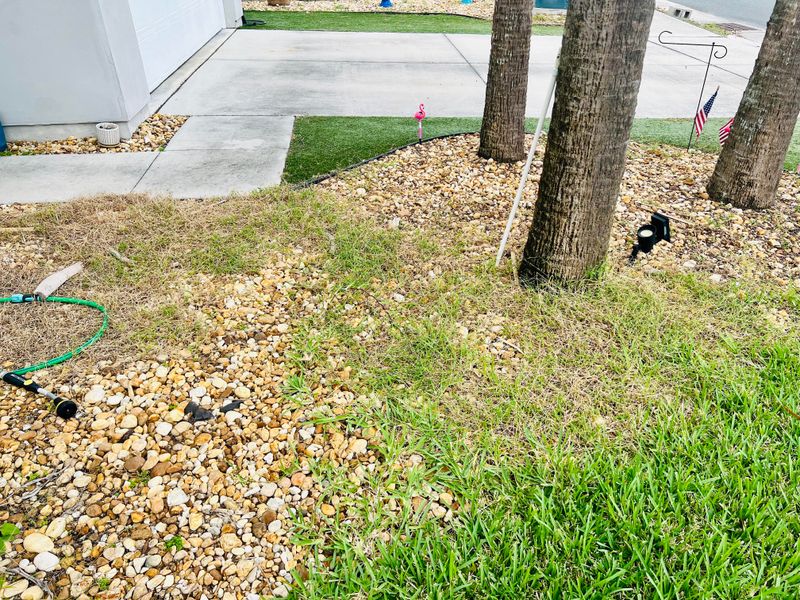
Letting your lawn grow unchecked during winter creates its own set of problems, even though growth slows down. Tall grass traps moisture near the soil surface, which increases humidity and encourages fungal diseases like brown patch and large patch.
These pathogens love cool, damp conditions, and overgrown turf gives them the perfect environment to spread.
Long blades also mat down under morning dew or light rain, blocking sunlight from reaching lower leaf tissue. This shading effect weakens the grass from the inside out, causing yellowing and thinning that you might not notice until spring.
Overgrown turf can shelter overwintering insects and create conditions that increase pest pressure when temperatures warm again in spring.
Mowing tall grass after weeks of neglect shocks the plant, removing too much tissue at once and stressing the crown. Your lawn looks ragged after that first cut, and it takes time to recover.
Regular mowing at the right height keeps the turf dense and healthy without creating the conditions that invite disease or pest pressure.
The Best Mowing Height For Common Florida Grasses
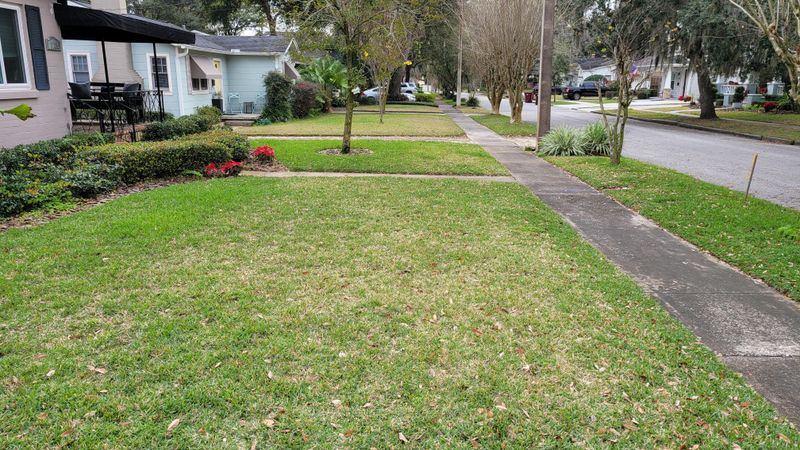
St. Augustine grass performs best at its standard recommended height of three and a half to four inches during winter, which protects the crown and maintains enough leaf surface for photosynthesis. This height keeps the lawn dense and discourages weed germination while allowing air circulation around the base of each plant.
If you cut lower, you risk scalping the uneven surface that St. Augustine naturally creates.
Bahia grass should be mowed at three to four inches in winter, slightly lower than St. Augustine but still tall enough to maintain vigor. Bermuda grass enters dormancy in North and Central Florida, so maintaining a height closer to two inches helps protect the crown while keeping the lawn tidy.
In South Florida, where Bermuda stays green, keep it at two inches for best appearance and health.
Zoysia grass does well at two to two and a half inches during winter for most varieties, offering a balance between density and disease resistance. Each grass type has unique growth habits, so adjusting your mower to match the variety in your yard ensures you are supporting the plant rather than stressing it during the cooler months.
How Winter Growth Speed Changes Mowing Frequency
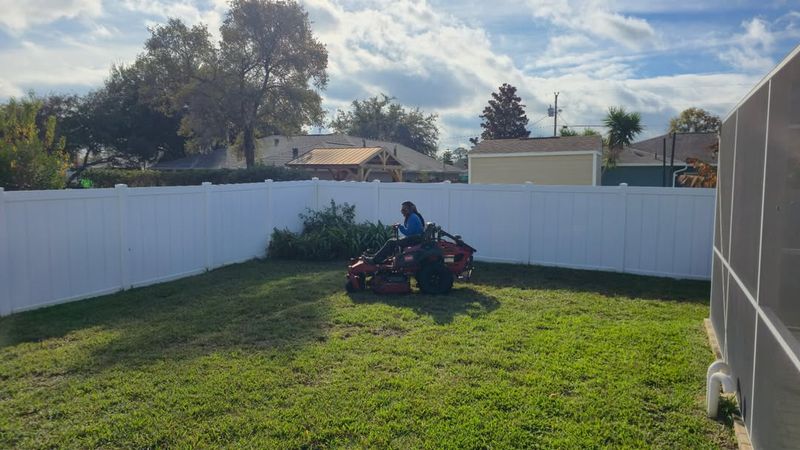
Grass growth slows dramatically in winter, especially in North Florida where temperatures frequently drop into the forties and fifties. You might go from mowing weekly in summer to mowing every two or three weeks during the coolest months.
This shift surprises homeowners who expect the same routine year-round, but turf simply does not grow as fast when temperatures fall below seventy degrees.
Central Florida lawns experience partial slowdowns, with growth continuing but at a reduced pace. You may still mow every ten days or so, depending on rainfall and temperature patterns.
South Florida grass keeps growing through winter, though not as vigorously as in summer, so your mowing schedule might only stretch to every week and a half.
Adjusting your frequency based on actual growth rather than a calendar date keeps your lawn healthier. Watch for the grass to grow about one third taller than your target height before mowing again.
This approach prevents you from cutting too often when growth is slow and ensures you are not removing too much tissue at once when you do mow.
How Weather Affects Cutting Height Decisions
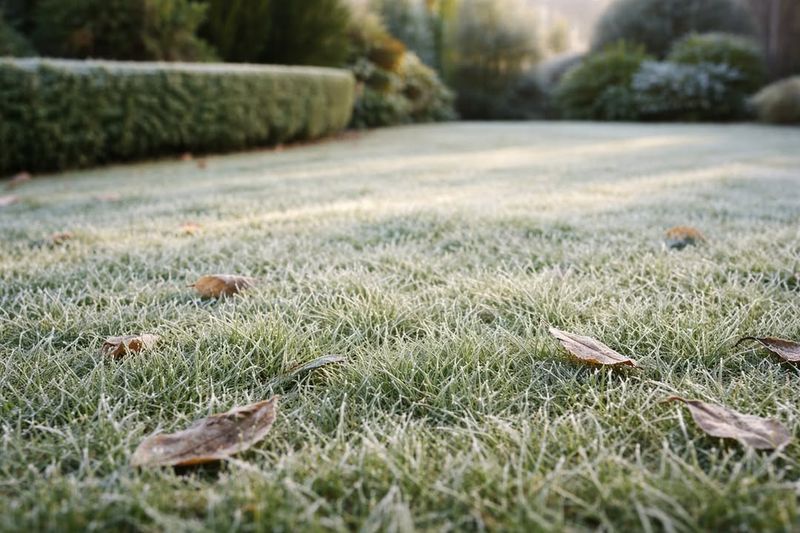
Cold fronts bring temporary freezes to North Florida, and mowing too low before a freeze exposes the crown to frost damage. If temperatures are forecast to drop into the thirties, delay mowing or raise your blade slightly to give the grass extra protection.
The additional leaf tissue acts as insulation, reducing the risk of injury to the plant.
Rainy periods increase disease pressure, so maintaining proper height becomes even more important when the lawn stays wet for days. Tall grass holds moisture longer, while grass cut too short loses its ability to dry quickly.
Aim for the middle of your recommended height range during wet weather to balance disease resistance with healthy growth.
Sunny, dry stretches allow you to mow closer to the lower end of the height range without stressing the turf. Grass recovers faster when conditions are favorable, so you have more flexibility in your cutting decisions.
Paying attention to the forecast and recent weather patterns helps you make smarter mowing choices that support your lawn through Florida winter variability.
Regional Differences In Florida Winter Mowing
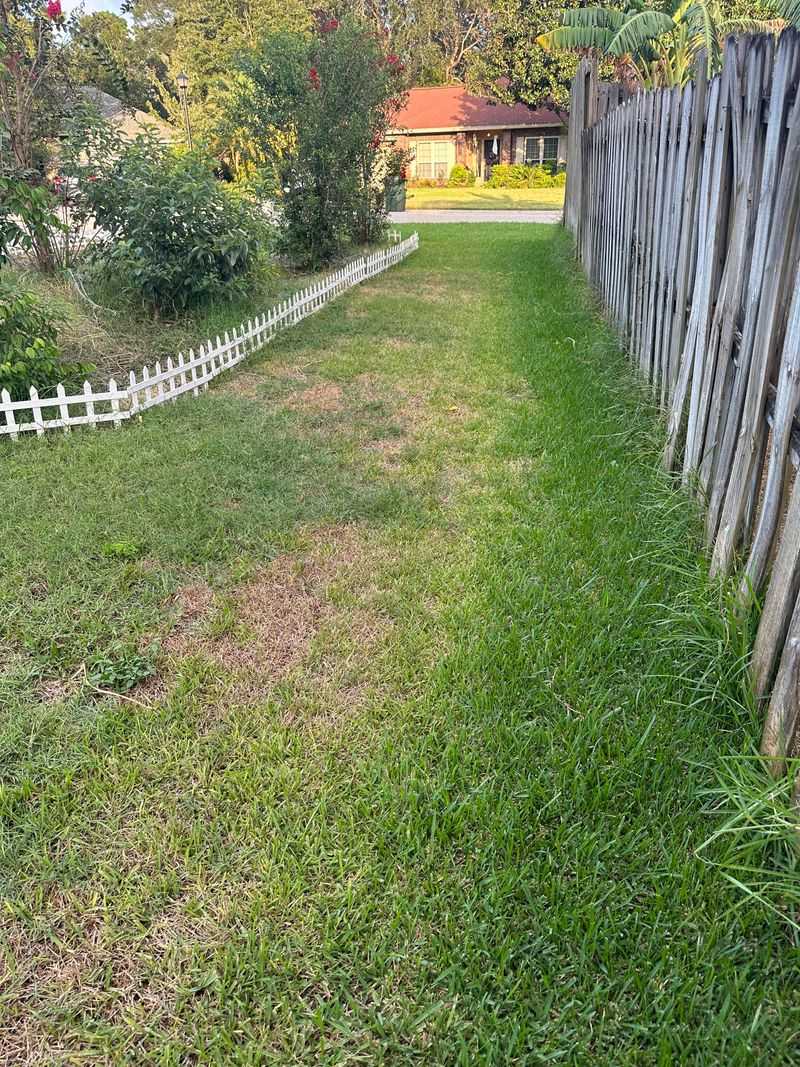
North Florida lawns go dormant or nearly dormant from December through February, turning tan or brown as the grass conserves energy. Mowing becomes less frequent, and you might only need to cut once or twice during the coldest months.
Keep your blade at the higher end of the recommended range to protect the crown from freeze damage and give the grass the best chance to green up quickly in spring.
Central Florida experiences partial dormancy, with grass staying green but growing very slowly. You will still mow regularly, but less often than in summer.
Adjust your height to match the slower growth rate and cooler temperatures, keeping the lawn looking neat without stressing the turf.
South Florida lawns stay green and growing all winter, though growth slows compared to summer. Your mowing schedule changes less dramatically, but you still benefit from raising your blade slightly to account for reduced vigor.
Regional differences mean there is no single rule for all of Florida, so understanding your local climate helps you tailor your mowing approach to what your lawn actually needs.
How To Adjust Your Mower For The Season
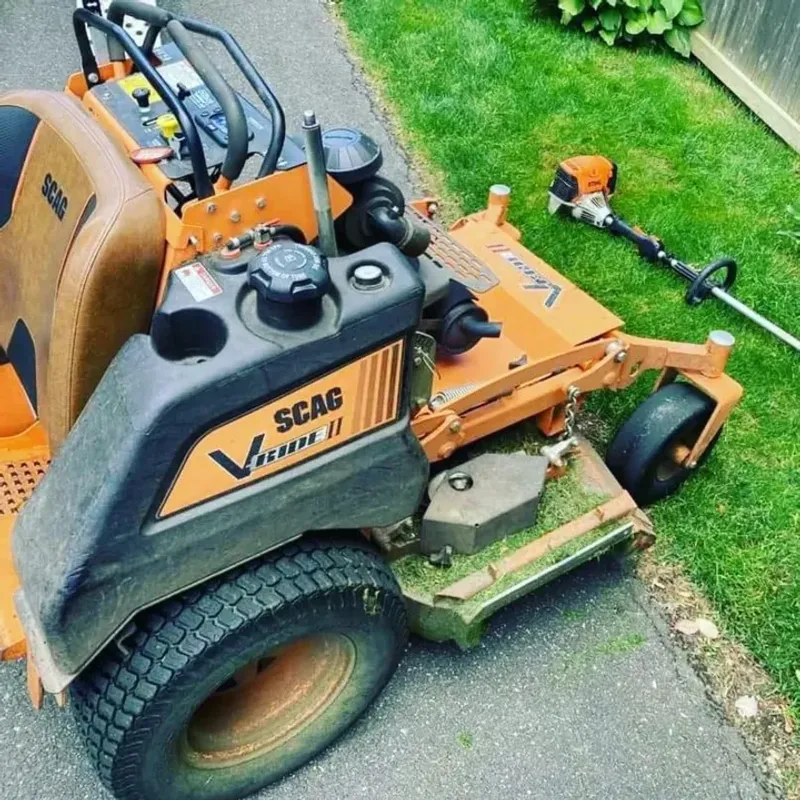
Most rotary mowers have a height adjustment lever near each wheel, and raising your cutting height takes just a minute or two. Check your owner’s manual to see which setting corresponds to your target height, then adjust all four wheels to the same level.
Uneven settings create a scalped appearance and stress the grass unevenly across your yard.
Reel mowers use a different adjustment mechanism, typically a knob or lever that raises or lowers the cutting bed. Make sure the blades are sharp before winter mowing begins, because dull blades tear grass rather than cutting cleanly.
Torn leaf tips turn brown and increase disease risk, which matters more during winter when grass recovers slowly.
Test your new height on a small section of lawn before mowing the entire yard. Walk behind the mower and check the cut to make sure it matches your expectations.
If the grass looks too short or too tall, adjust again before finishing. Taking a few extra minutes to set your mower correctly at the start of winter saves you from problems later and keeps your lawn looking its best all season.