This Is The Best Time To Prune Camellias In Florida For More Spring Blooms
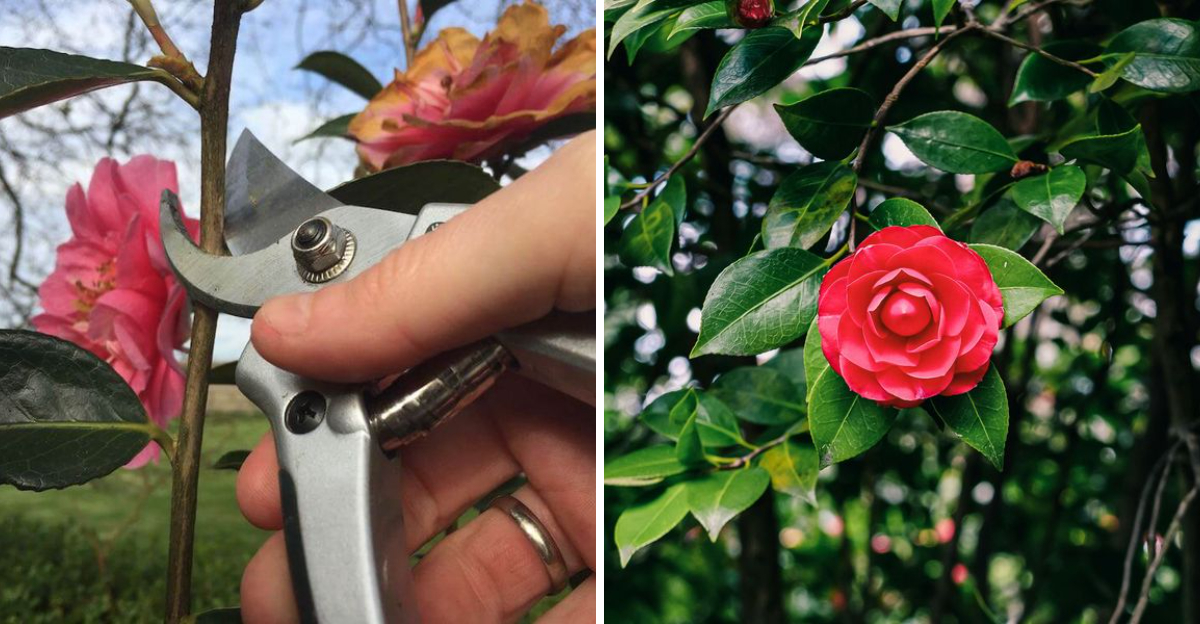
Camellias are gorgeous, but timing is everything if you want a yard full of blooms in spring. Prune too early, and you risk cutting off next season’s flowers.
Wait too long, and the plant gets unruly and crowded. Florida’s climate gives camellias a special rhythm, and understanding it can make all the difference.
Proper pruning encourages stronger growth, more blooms, and a healthier plant that stands out in your yard instead of blending in. Think about the spots where branches are crowded, flowers get shaded, or stems are weak.
A little careful trimming now sets your camellias up to shine when spring arrives. Do it right, and you’ll be rewarded with fuller, brighter flowers that make your garden pop.
This is the sweet spot in Florida’s calendar for pruning camellias, so your spring blooms are bigger, better, and impossible to ignore.
1. Let Camellia Blooms Finish Their Show Before You Prune
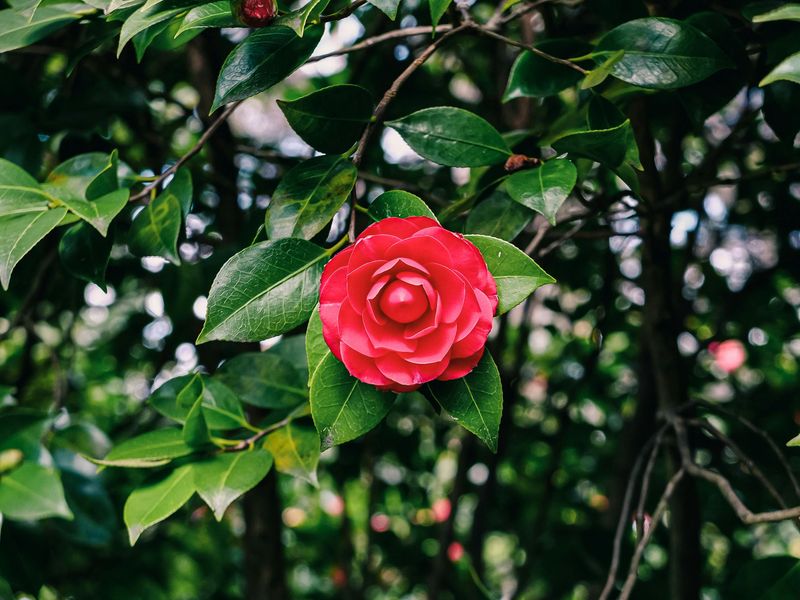
Walk out to your camellia shrub on a late February morning and you will likely notice petals scattered across the mulch below, with only a few blooms clinging to the branches. This natural signal tells you the flowering season is winding down, and your plant is preparing to shift its energy toward new growth.
Patience here pays off because every bloom that opens fully means the shrub has completed its natural cycle and is ready for pruning without stress.
Camellias bloom on old wood, which means the buds you see opening this winter formed on branches that grew last spring and summer. Most Florida camellias, including common japonica and sasanqua varieties, bloom on growth produced the previous season.
If you prune too early while flowers are still opening, you risk removing buds that were already set for the season. In North Florida, blooms often linger through early March, while Central and South Florida gardeners may see their last petals drop by mid-February.
Wait until you see mostly spent blooms and fresh green growth beginning to emerge at branch tips. This timing ensures you are not cutting away any remaining flower buds.
Your camellia will reward your patience with a stronger flush of new growth that will carry next season’s spectacular display.
2. Late Winter Signals Florida’s Camellia Pruning Sweet Spot
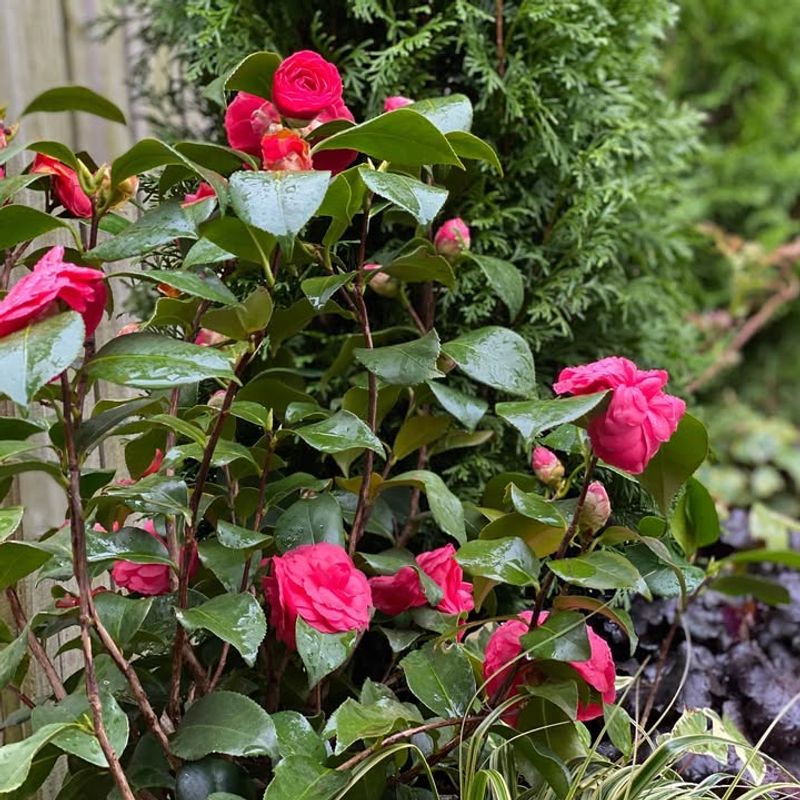
Picture your camellia shrub in late February, standing tall with a mix of fading blooms and tiny green shoots pushing out from branch tips.
This transition period marks Florida’s ideal pruning window, which begins immediately after blooming finishes and ends before heavy new growth and bud formation begin in spring.
North Florida gardeners usually start in early March, Central Florida in late February, and South Florida as early as mid-February when warmer temperatures accelerate growth cycles.
Why does this timing matter so much? Camellias set their flower buds later in spring and summer on the season’s new growth that matures after flowering ends.
If you prune too late in spring, you remove the branches where those buds would have formed, leaving you with fewer flowers next winter. If you prune too early while blooms are still opening, you waste the plant’s energy and potentially stress it during cooler weather.
Watch for that sweet spot when most petals have dropped and you start seeing fresh growth. Your shrub is telling you it is ready to redirect energy from flowering to growing new branches that will become next season’s bloom display.
3. Post-Bloom Pruning Sparks Bigger And Better Flower Displays
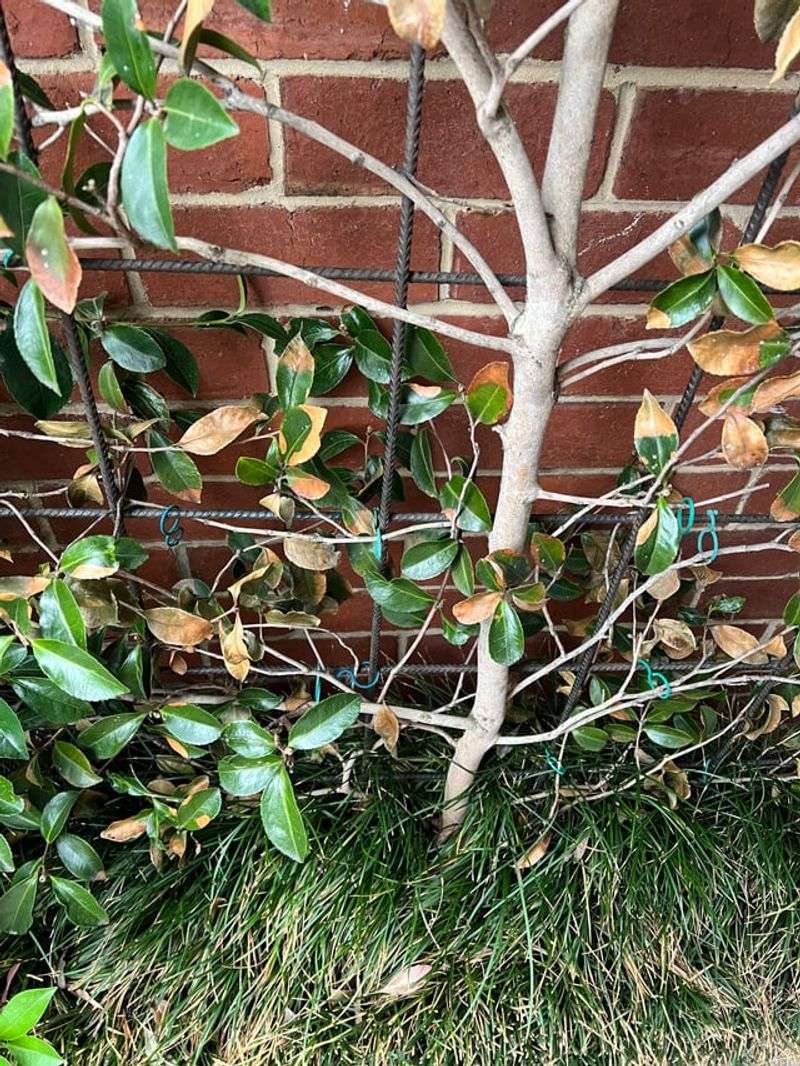
After your camellia finishes blooming, it enters a growth phase where light pruning can help improve plant structure and may improve next season’s flower production. When you remove spent blooms and trim back leggy branches right after flowering ends, you encourage the plant to push out multiple new shoots from each cut point.
Those fresh shoots will mature through spring and summer, developing the strong wood where next winter’s flower buds will form.
Think of post-bloom pruning as directing traffic for your plant’s energy. Instead of maintaining old, weak branches that produce fewer blooms, you are redirecting that energy into vigorous new growth.
Each well-placed cut can generate two or three new branches, multiplying your potential bloom sites for the following season. In Florida’s warm climate, camellias respond especially well to this strategic pruning, often producing noticeably fuller canopies within just a few months.
Focus your cuts on branches that bloomed this season but look thin or stretched out. Remove any crossing branches that crowd the center of the shrub.
This approach gives your camellia room to develop a balanced shape while maximizing the number of healthy branches that will carry blooms next winter.
4. This Quick Cutback Move Creates Fuller, Better-Shaped Plants
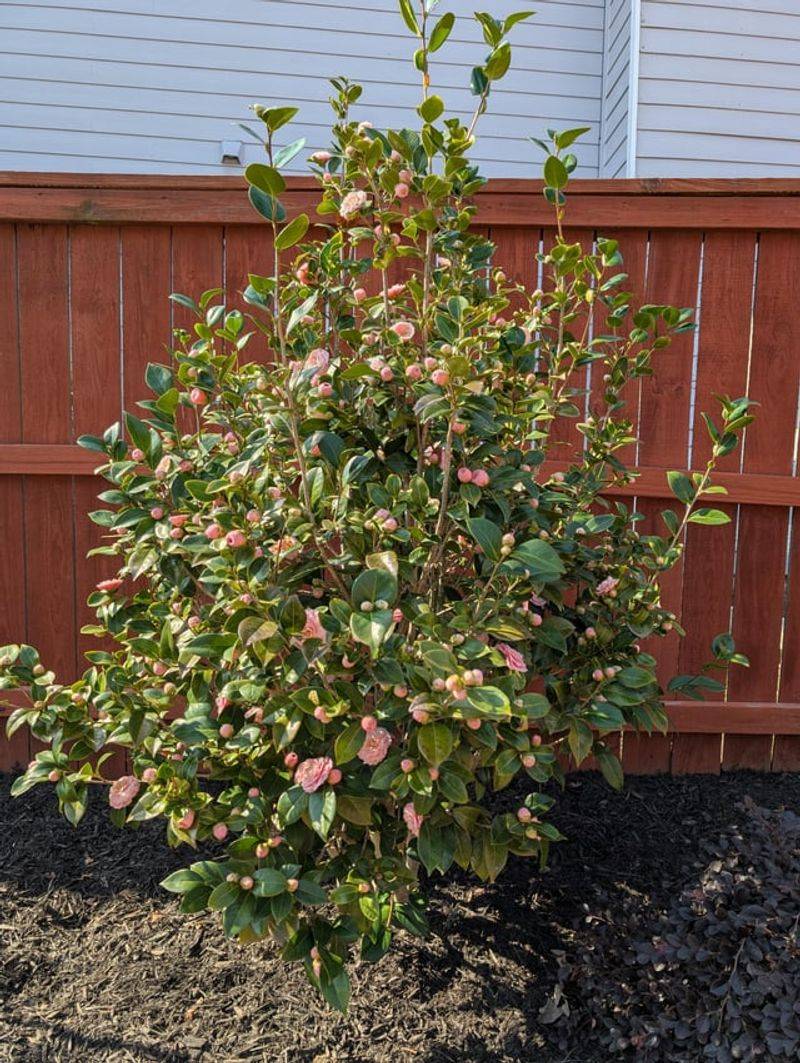
Stand back and look at your camellia’s overall shape once the blooms fade. You will probably notice some branches stretching out farther than others, creating an uneven appearance.
This is the perfect moment to make selective cutback moves that encourage a fuller, more balanced plant. By cutting back those long, leggy branches to just above a leaf node or side branch, you trigger the plant to send out multiple new shoots from that point, filling in sparse areas naturally.
In Florida’s growing conditions, camellias can become top-heavy or lopsided if left unpruned for several seasons. A quick cutback right after blooming corrects this tendency before it becomes a bigger problem.
Choose branches that extend well beyond the rest of the canopy and trim them back by no more than one-third of their length. Always cut just above a healthy bud or side branch that points in the direction you want new growth to fill in.
This technique works especially well for younger camellias that are still establishing their shape. Within weeks, you will see fresh green growth emerging from your cut points, creating a denser, more attractive shrub that will support more blooms across a better-distributed canopy next season.
5. Smart Trim Zones That Drive Strong New Growth
Your camellia has specific zones where pruning cuts will generate the strongest new growth and the most flower buds. Focus on trimming areas where you see healthy leaf nodes and side branches, because these spots contain dormant buds ready to activate once you make your cut.
Look for branches that grew last season and carried blooms this winter, then trace back to a point where you see a small bump or bud just above a set of leaves.
Avoid cutting into bare, woody sections without any visible buds or leaves, because these areas may not produce new growth as reliably. Instead, trim back to where you see active green tissue and healthy foliage.
This approach ensures your cuts stimulate the plant’s natural growth response. In Florida’s warm climate, camellias respond quickly to pruning in these smart trim zones, often pushing out new shoots within two to three weeks.
Pay special attention to the outer third of each branch, where most of this season’s blooms appeared. Trimming here encourages the plant to branch out rather than just growing longer in the same direction.
Use clean, sharp pruners to make smooth cuts at a slight angle just above a bud or leaf node, preventing water from pooling on the cut surface and reducing the risk of disease.
6. Easy Cleanup Steps That Speed Up Plant Recovery
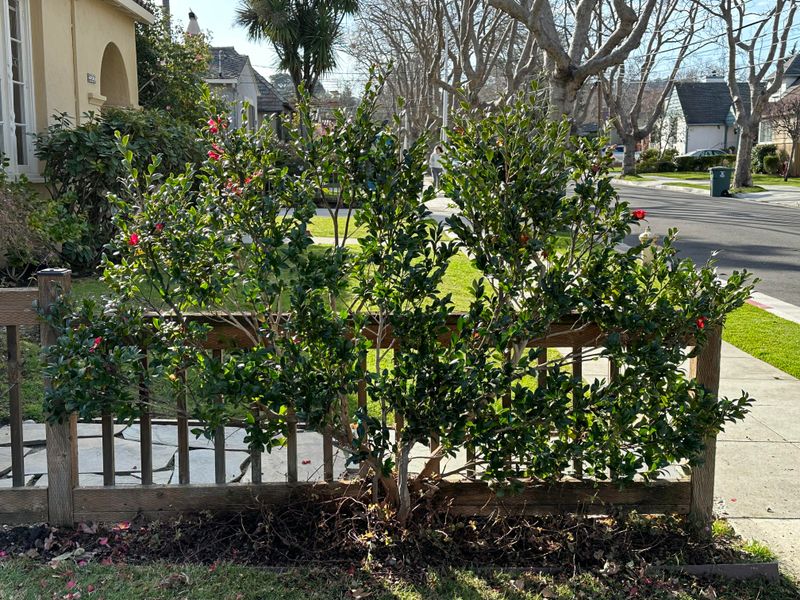
Once you finish pruning your camellia, take a few minutes for cleanup steps that help your plant recover faster and stay healthier through the growing season. Start by gathering all the cut branches, spent blooms, and fallen petals from around the base of the shrub.
This material can harbor fungal spores and pests that might reinfect your plant, so removing it reduces future problems. Bag up the debris and dispose of it rather than composting it if you noticed any signs of disease or insect damage.
Next, sanitize your pruning tools by wiping the blades with rubbing alcohol or a diluted bleach solution. This simple step prevents spreading diseases between plants in your garden.
Check the area around your camellia’s base and refresh the mulch layer if it has thinned out, maintaining about two to three inches of organic mulch to help retain moisture and regulate soil temperature as Florida’s weather warms up.
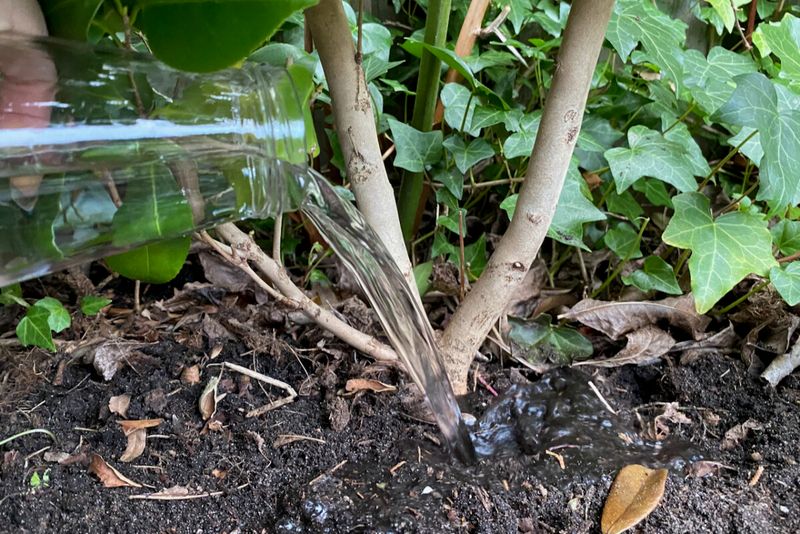
Finally, give your newly pruned camellia a deep watering to help it recover from the stress of pruning and support the flush of new growth that will soon emerge. Avoid fertilizing immediately after pruning.
Wait two to three weeks, or until new growth begins, before applying fertilizer.
7. Pruning Habits That Shrink Flower Potential
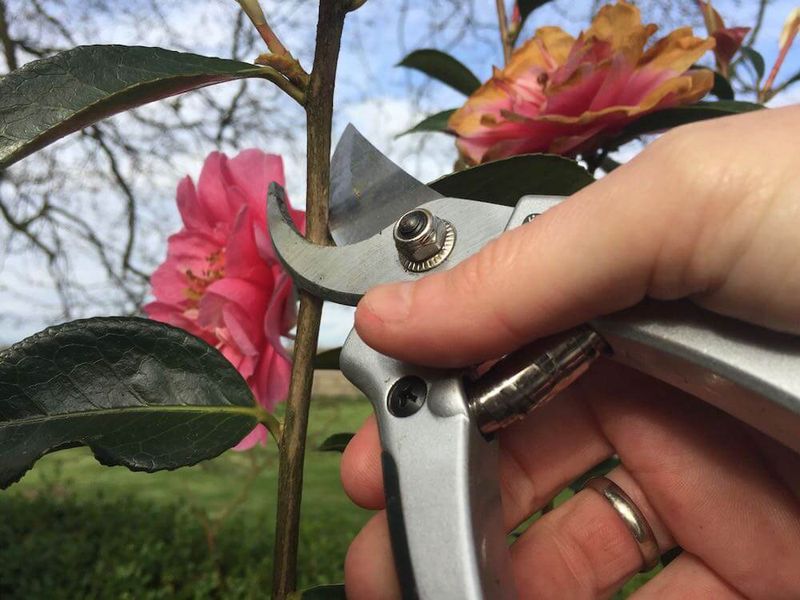
Some common pruning habits actually reduce the number of blooms your camellia will produce next season. One of the biggest mistakes is pruning too late in spring, after your plant has already started setting flower buds on the new growth.
If you wait until May or June in Florida, you will likely cut away branches that already have tiny developing buds, leaving you with a sparse bloom display next winter. Another problematic habit is removing too much growth at once, which stresses the plant and forces it to spend energy on recovery rather than producing strong new flowering wood.
Avoid the temptation to shape your camellia into tight, formal hedges by shearing the entire shrub. This approach removes the natural branching structure and cuts away many of the tips where flower buds would normally form.
Instead, use selective pruning that maintains the plant’s natural form while encouraging healthy branching. Also resist pruning during freezing weather or cold snaps, especially while the plant is actively blooming, because this can slow recovery and reduce vigor.
Finally, never use dull or dirty pruners, because ragged cuts and contaminated blades introduce disease and create wounds that heal slowly. Keep your tools sharp and clean for every pruning session to protect your plant’s health and flowering potential.
8. What Properly Pruned Camellias Look Like In Spring
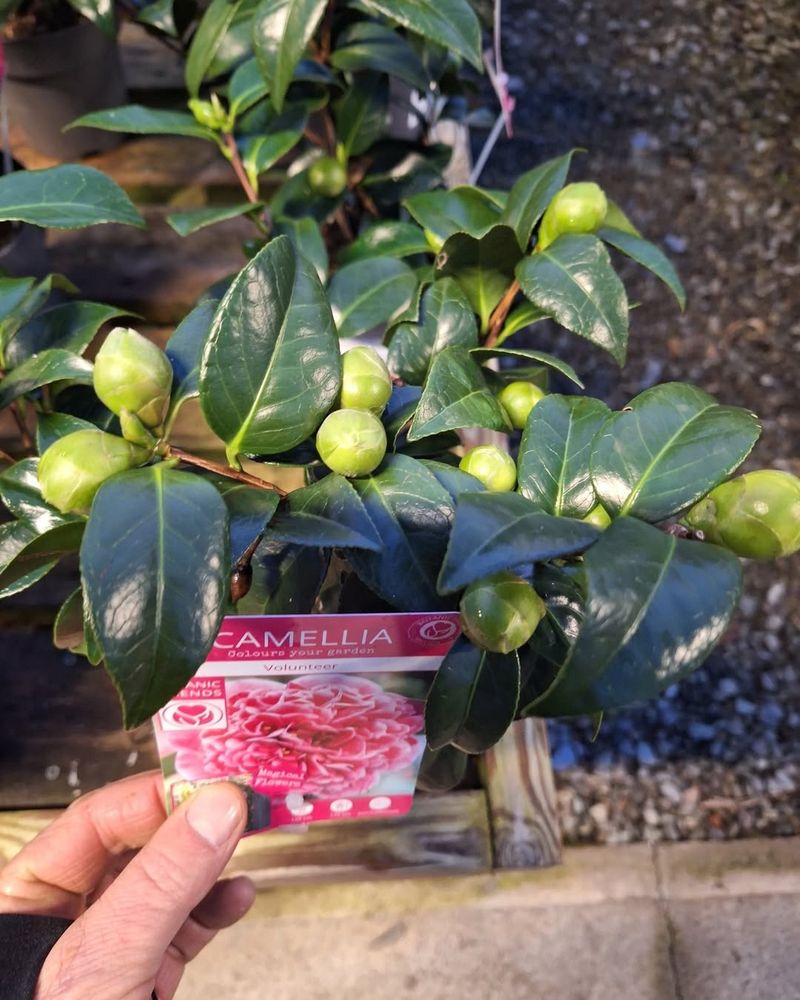
Walk out to your camellia a few weeks after pruning, and you will notice the transformation beginning. Properly pruned plants show clusters of fresh green shoots emerging from every cut point, creating a fuller appearance as new growth fills in the canopy.
The shrub looks balanced and healthy, with no long, awkward branches sticking out beyond the rest. You might also notice the plant looks slightly smaller than before pruning, but that compact shape will fill in quickly as spring progresses.
By late spring, your camellia should display dense foliage with multiple branches radiating from each pruning cut. This vigorous new growth is exactly what you want to see, because these branches will mature through summer and develop the flower buds that will open next winter.
In Florida’s warm climate, this growth phase happens rapidly, and by early summer your shrub will look lush and full, showing no signs of the pruning you did just months earlier.
As you watch this transformation unfold, you will understand why proper pruning timing matters so much. Your camellia has responded to your careful cuts by redirecting energy into strong new growth that will support an impressive bloom display when winter returns to your Florida garden.