This Is The Best Time To Trim Oak Trees In Florida
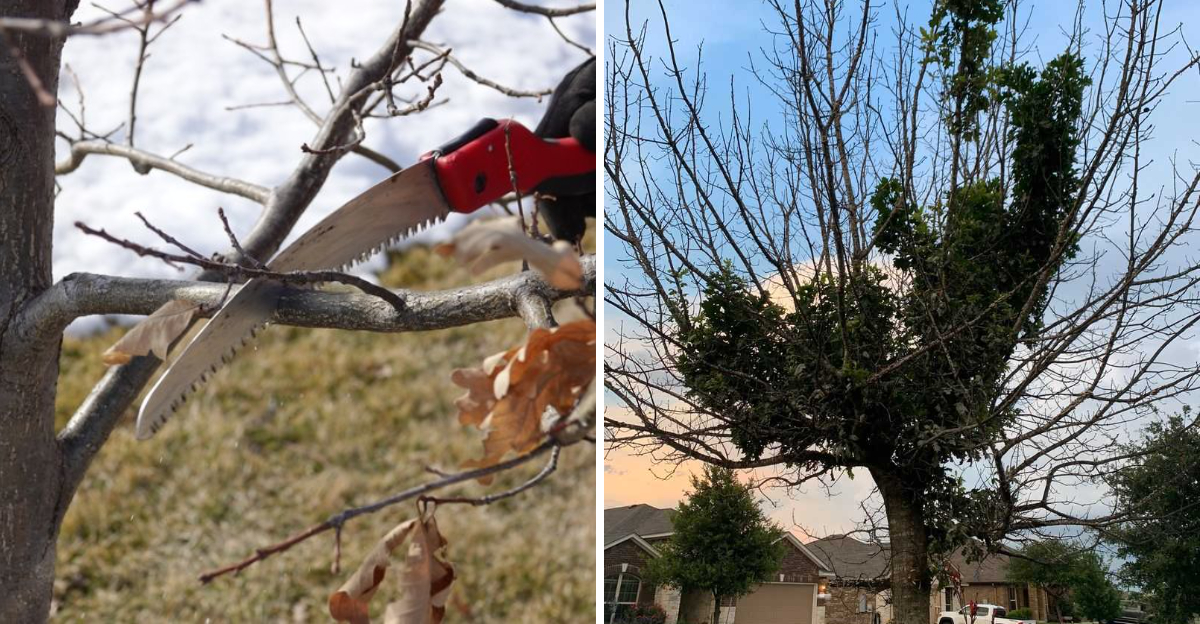
Florida oak trees do more than grow in backyards. They define neighborhoods, cool homes, shelter wildlife, and add real value to property.
One wrong cut at the wrong time of year can weaken an oak and open the door to pests and disease that take years to undo. Many homeowners trim trees when branches look overgrown or storms pass through, unaware that Florida’s heat, humidity, and insect activity make timing far more important here than in most parts of the country.
The difference between healthy growth and long-term damage often comes down to timing. The right pruning schedule protects structure, lowers disease risk, and speeds recovery.
Before you hire a crew or grab a saw, learn when Florida oaks should be trimmed to avoid expensive mistakes and protect trees that could outlive your home.
1. Why Timing Matters When Trimming Oak Trees
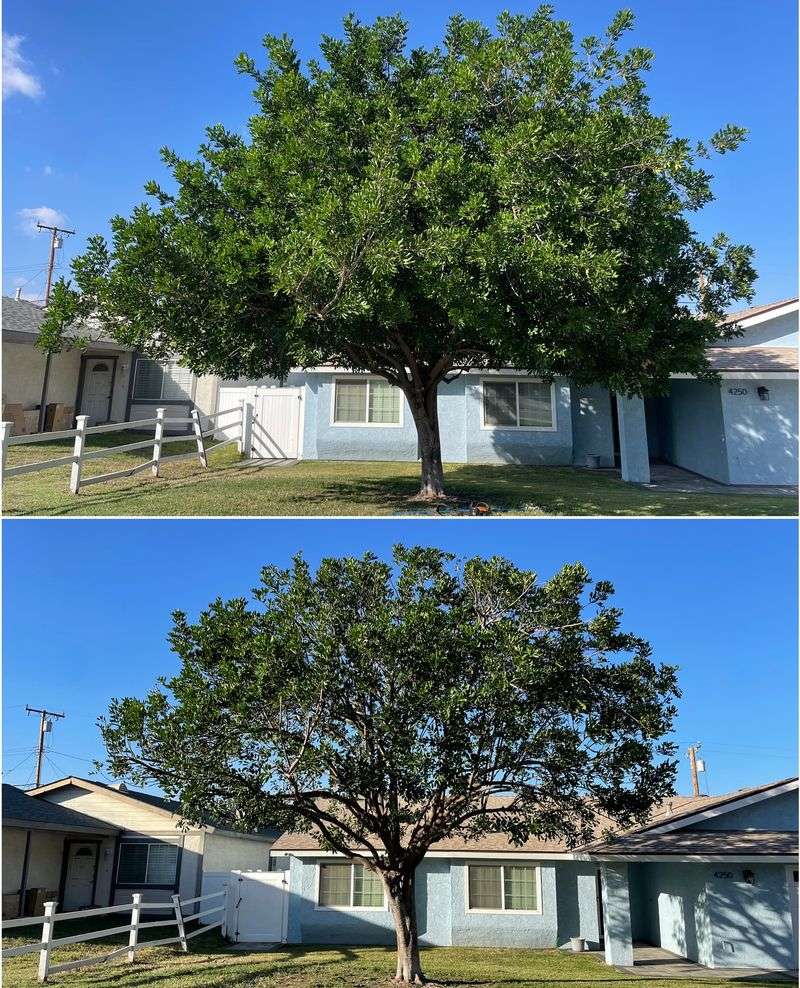
Oak trees in Florida face unique challenges that make pruning schedules more critical than in other regions. Our warm, humid climate creates perfect conditions for fungal spores and beetles that spread diseases through fresh pruning wounds.
When you cut into an oak’s bark, you essentially open a doorway that invites these threats inside.
The timing of your pruning work directly impacts how vulnerable your tree becomes to infection. Fresh cuts release sap and aromatic compounds that attract insects, particularly beetles that carry harmful pathogens.
During certain months, these disease-carrying insects are highly active and searching for wounded trees to colonize.
Temperature and humidity levels also affect how quickly pruning wounds seal themselves naturally. Florida’s seasonal weather patterns influence the tree’s ability to compartmentalize wounds and defend against invading organisms.
When you prune during the tree’s active growing season, it can respond faster by producing protective barrier tissues.
Beyond disease concerns, proper timing helps maintain the tree’s structural integrity and energy reserves. Pruning at the right moment supports healthy growth patterns and reduces stress on the tree.
Your oak needs time to recover before facing environmental challenges like hurricane season or winter dormancy periods.
2. The Best Season To Prune Oaks In Florida
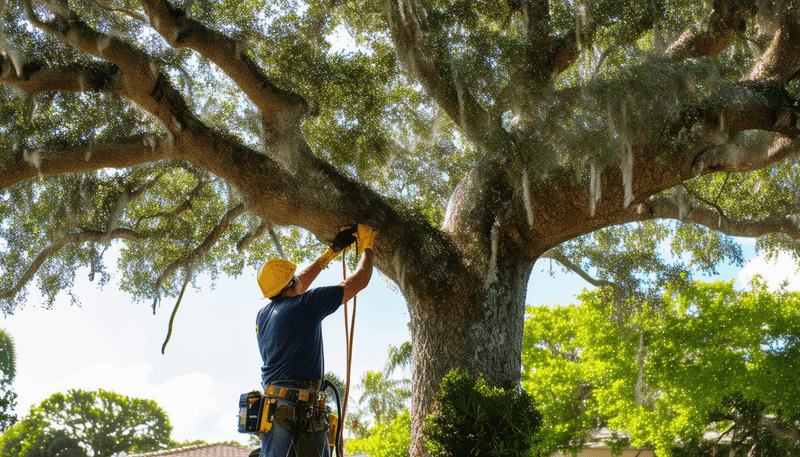
Winter stands out as the safest and most recommended time to prune oak trees throughout Florida. Specifically, the months between December and early March offer the lowest risk for pest activity and disease transmission.
During these cooler months, beetle activity is significantly reduced, lowering the chance that fresh pruning wounds attract disease-carrying insects.
Your oak tree also benefits from winter pruning because it’s in a semi-dormant state with reduced sap flow. This means wounds bleed less and begin sealing more efficiently.
The cooler, drier air of winter months helps cuts dry faster, creating conditions less favorable for fungal growth and bacterial infections.
Late winter pruning allows you to see the tree’s branch structure more clearly since deciduous oaks have dropped their leaves. You can better identify problem branches, crossing limbs, and structural issues that need attention.
This visibility helps you make smarter pruning decisions that improve the tree’s long-term form and stability.
Planning your oak maintenance during winter also means the tree has spring and summer ahead to recover and grow vigorously. The burst of growth that follows winter pruning helps the tree compartmentalize wounds effectively and restore its canopy.
Following this seasonal schedule aligns your care practices with the tree’s natural cycles and Florida’s pest activity patterns.
3. Why Summer And Fall Trimming Can Be Dangerous
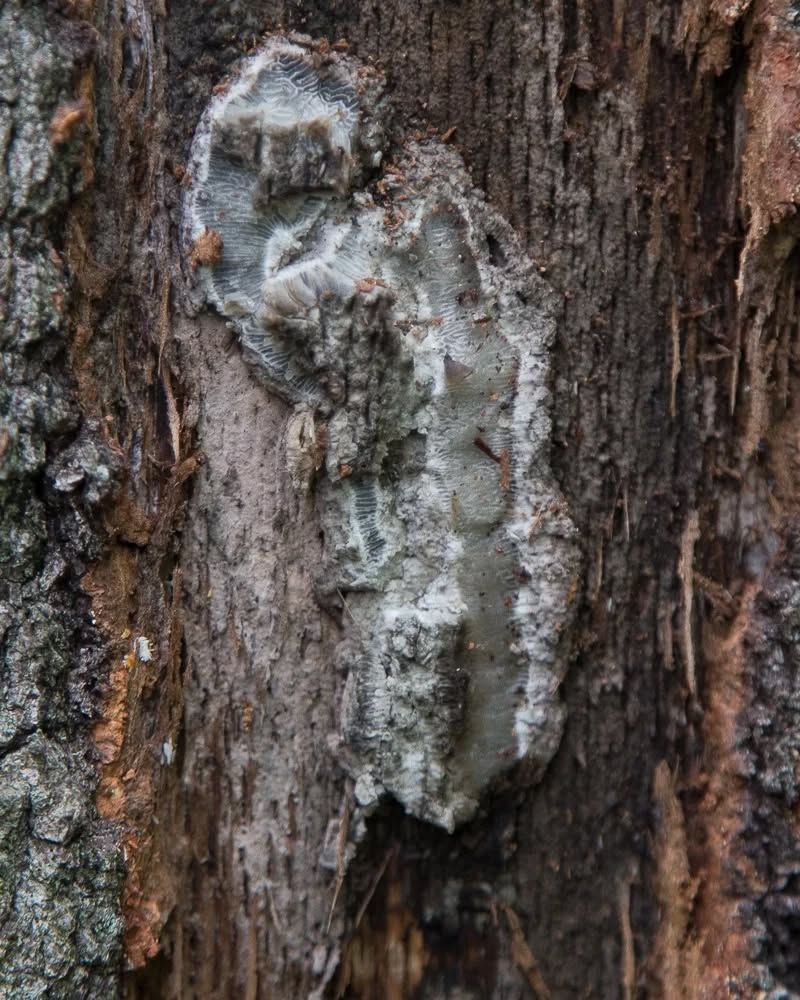
Major structural pruning during the warmer months from April through November can increase pest and disease risk, especially when large cuts are made. However, small maintenance pruning and safety-related trimming may still be done when necessary.
The primary concern during this period is the heightened activity of nitidulid beetles, tiny insects that feed on oak sap and carry devastating diseases from tree to tree. These beetles are most active when temperatures rise and are drawn to the scent of fresh pruning wounds.
Summer humidity creates another layer of risk by providing ideal conditions for fungal spores to germinate and colonize open wounds. The combination of heat, moisture, and insect activity forms a perfect storm for disease transmission.
Even small pruning cuts made during these months can become entry points for pathogens that spread rapidly through the tree’s vascular system.
Fall might seem like a reasonable alternative, but beetle activity often extends well into October and even November in South Florida. The insects remain active as long as temperatures stay warm, which happens frequently in our subtropical and tropical zones.
Waiting until winter arrives helps reduce beetle activity and lowers the chance that fresh pruning wounds attract disease-carrying insects.
Emergency situations sometimes require summer or fall pruning, such as storm-damaged branches that pose safety hazards. If emergency pruning is required during warm months, some arborists recommend applying pruning paint only to reduce insect attraction, not to speed healing.
Proper cut placement and clean tools remain more important than wound sealants.
4. How Oak Wilt Disease Affects Pruning Decisions
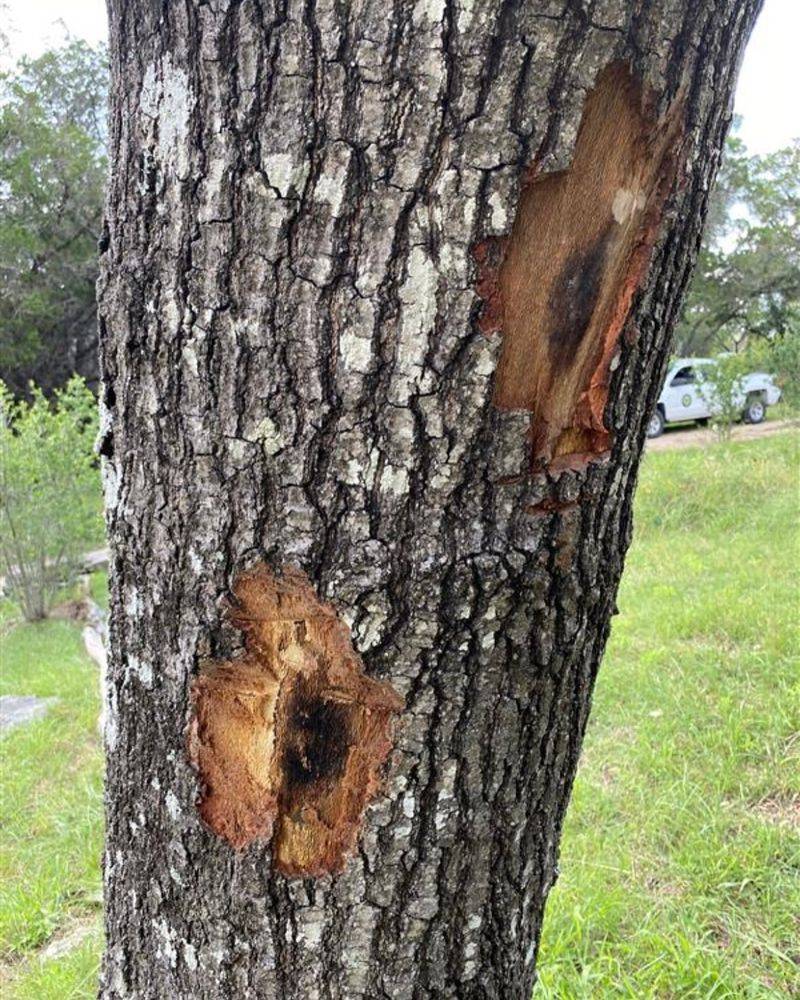
Oak wilt is a serious oak disease in parts of the United States. While it is not currently widespread in Florida, arborists still recommend winter pruning because sap-feeding beetles and other pathogens can spread diseases through fresh wounds.
This vascular disease is caused by a fungus that blocks water transport within the tree, causing rapid decline once established. The disease spreads primarily through root grafts between nearby oaks and through beetles that visit fresh wounds during warm months.
Red oaks and live oaks respond differently to oak wilt, but both species require careful pruning timing to minimize infection risk. The fungus produces spores that beetles pick up from infected trees and transport to healthy trees with fresh cuts.
Fresh pruning wounds made during peak beetle season increase the risk of introducing pathogens that can seriously damage or destroy an oak tree.
Understanding this disease transmission cycle explains why winter pruning guidelines exist in Florida. When beetles are not actively flying, the primary transmission route is effectively blocked.
Your pruning decisions should factor in local pest and disease activity, which can vary by region and season.
If oak wilt has been detected in your area, following strict winter-only pruning becomes even more critical. Some arborists recommend avoiding all non-essential pruning if oak wilt is present nearby.
Consulting with your local University of Florida Extension office provides current information about oak wilt activity and risk levels in your specific region.
5. What Happens If You Trim Oaks At The Wrong Time
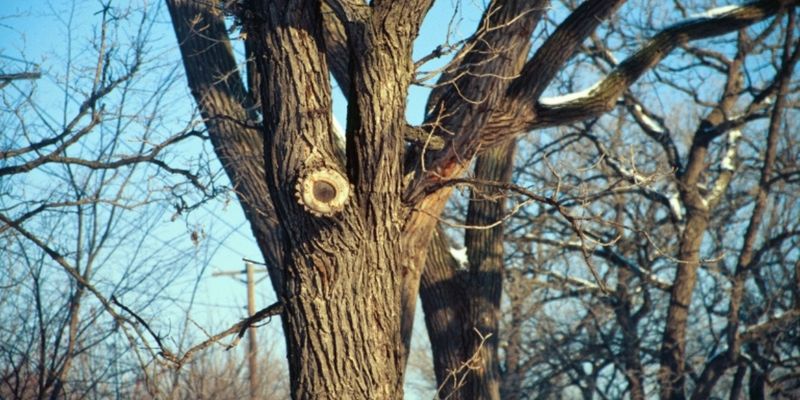
Pruning your oak during the wrong season exposes it to infection risks that can have lasting consequences for tree health. Fresh cuts made during warm months release aromatic compounds that attract beetles from considerable distances.
These insects land on the wound, feed on sap, and potentially deposit fungal spores they’re carrying from infected trees they visited previously.
Once pathogens enter through a pruning wound, they begin colonizing the tree’s vascular tissues and interrupting water and nutrient flow. Early symptoms might not appear for weeks or even months after the initial infection.
By the time you notice wilting leaves or discolored foliage, the disease may have spread extensively throughout the tree’s internal systems.
The financial impact of wrong-time pruning can be substantial if your oak becomes infected and requires intensive treatment or removal. Treatment options for established oak diseases are limited and often expensive.
Prevention through proper timing remains far more effective and affordable than attempting to save a compromised tree.
Wrong-season pruning also stresses the tree at times when it’s least equipped to respond effectively. Summer pruning removes foliage during the peak photosynthesis period, reducing the tree’s energy production.
Fall pruning can interfere with seasonal growth cycles and recovery, especially in North Florida where cooler temperatures can slow healing.
6. Signs Your Oak Tree Needs Pruning Now
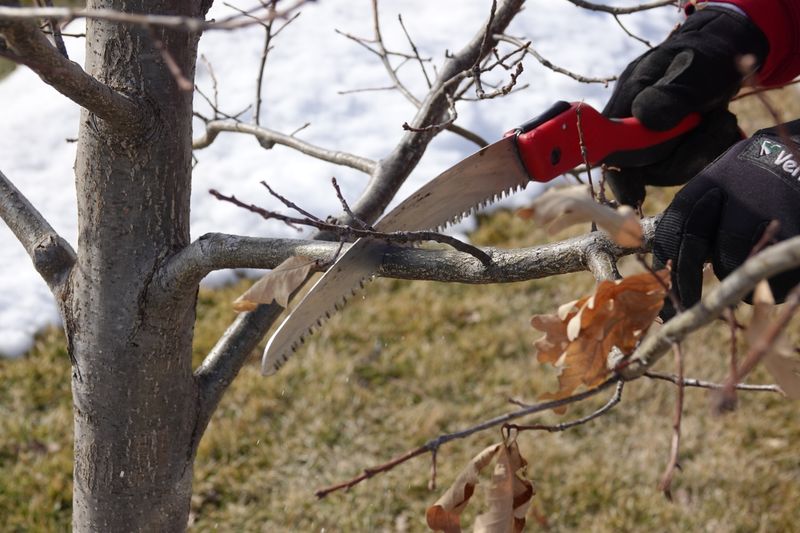
Certain situations warrant immediate pruning attention regardless of the season, particularly when safety concerns outweigh disease risk. Branches that have cracked or broken during storms pose hazards to people, vehicles, and structures below.
These damaged limbs should be removed promptly, even if it means pruning outside the ideal winter window.
Look for branches that hang dangerously over your home, driveway, or areas where people regularly gather. Limbs showing signs of decay, hollow sections, or significant lean require evaluation and possible removal before they fail unexpectedly.
Safety always takes priority. When pruning during high-risk months, clean cuts and proper technique are more important than wound treatments, though some arborists may use pruning paint to reduce insect attraction.
Crossing or rubbing branches create wounds where bark wears away, potentially inviting disease even without pruning. If you notice branches grinding against each other, plan to address them during the next winter pruning window.
These structural issues worsen over time and benefit from correction while the tree is still young enough to redirect growth patterns.
Suckers and water sprouts growing from the trunk or main branches drain energy from the tree’s productive growth. These fast-growing shoots can be removed year-round with minimal risk since they’re small and seal quickly.
However, major structural pruning should still wait for winter unless emergency conditions exist that require immediate action.
7. How To Safely Trim Oak Trees In Florida
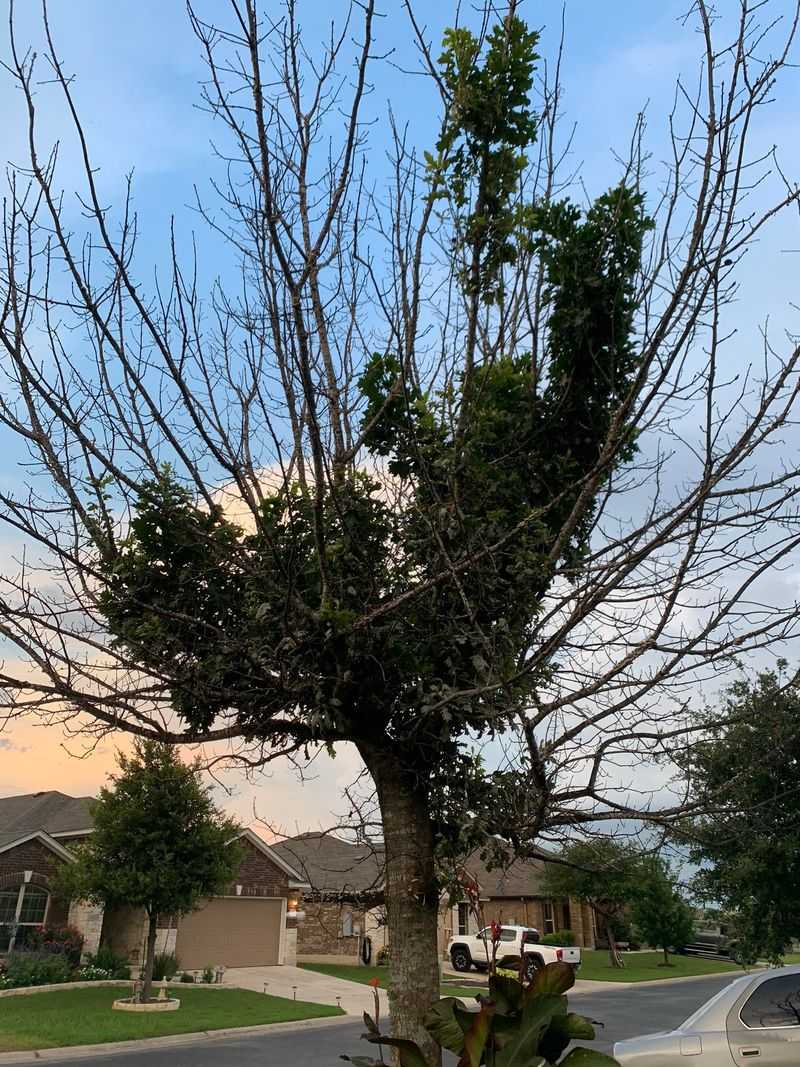
Safe oak pruning begins with using clean, sharp tools that make precise cuts without tearing bark or crushing wood tissue. Sterilize your pruning equipment between trees using a solution of one part bleach to nine parts water or rubbing alcohol.
This simple step prevents accidentally transferring diseases from one tree to another as you work through your landscape.
Make cuts just outside the branch collar, the slightly swollen area where the branch connects to the trunk or parent limb. This location allows the tree to seal the wound most efficiently using its natural defense mechanisms.
Avoid cutting flush with the trunk or leaving long stubs, as both practices interfere with proper wound closure.
For branches larger than three inches in diameter, use the three-cut method to prevent bark tearing. Make an undercut first about a foot from the final cut location, then saw from above to remove the branch weight.
Finally, make your finish cut just outside the branch collar on the now-lightened stub.
Research shows wound dressings do not speed healing. If pruning during high-risk months, some professionals use pruning paint only to reduce insect attraction, but proper pruning technique is far more important.
Always remove no more than twenty-five percent of the tree’s canopy in a single pruning session to avoid excessive stress.
8. When To Call A Professional Arborist
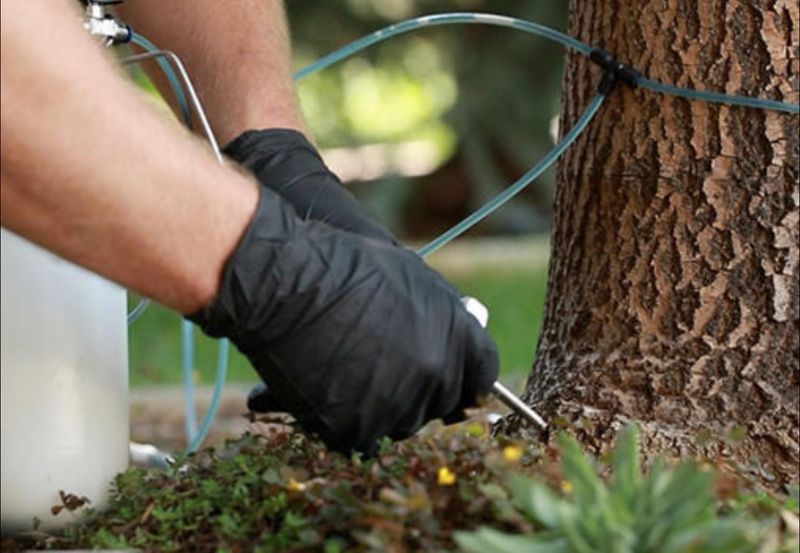
Large oak trees often require professional expertise and equipment that go beyond typical homeowner capabilities. Any branch higher than you can safely reach from the ground merits calling a certified arborist with proper climbing gear and insurance coverage.
Working from ladders near power lines or attempting to remove large limbs yourself creates serious injury risks that professionals are trained to manage.
Certified arborists possess specialized knowledge about Florida oak species, disease identification, and proper pruning techniques that preserve tree health. They can assess your oak’s overall condition, identify potential problems you might miss, and develop a comprehensive care plan.
Look for credentials from the International Society of Arboriculture, which indicates the arborist has met rigorous standards for tree care knowledge.
Complex situations like removing branches tangled in utility wires, addressing trees damaged by hurricanes, or treating suspected disease require professional intervention. Arborists carry liability insurance that protects you if accidents occur during tree work on your property.
This coverage becomes especially important when working near structures, vehicles, or other valuable property.
Schedule a consultation with a professional arborist if your oak shows symptoms you can’t identify or if you’re uncertain about the best approach to pruning. Many arborists offer free estimates and can educate you about your tree’s specific needs.
Building a relationship with a trusted tree care professional ensures your oak receives expert attention throughout its life.