This Is The Best Way To Water After Cold Damage In Florida (Most People Overdo It)

One cold night is all it takes to change the look of a Florida garden. Yesterday everything looked green and healthy.
This morning the leaves are brown, droopy, and a little alarming. Most gardeners react the same way in that moment.
The hose comes out almost automatically. When plants look stressed, watering feels like the obvious fix.
But after a cold snap, that instinct can actually work against you. Cold-stressed plants do not use water the same way they do during hot weather.
Roots slow down, damaged tissues struggle to move moisture, and soil that stays too wet can create new problems while the plant is already trying to recover. That is where a lot of Florida gardeners accidentally make things worse.
A slower, smarter approach to watering gives plants a much better chance to bounce back once temperatures begin to warm again.
1. Smart Watering Helps Florida Plants Bounce Back After Cold Damage
After a hard freeze moves through Florida, the instinct to water everything immediately is completely understandable. Plants look stressed, leaves droop, and the whole garden seems to be crying out for help.
But recovery after cold damage is more nuanced than simply soaking the soil.
Cold stress damages plant cell walls and disrupts the way plants absorb water and nutrients. Roots become less efficient at pulling moisture from the soil, which means waterlogged conditions can actually suffocate them at the worst possible time.
Proper hydration supports recovery, but moderation is absolutely key.
According to the University of Florida IFAS Extension, checking soil moisture before adding any water is the smartest first step after a freeze event. If the ground still holds moisture from recent rain or pre-freeze watering, adding more water right away can create conditions that lead to root stress and fungal problems.
Florida gardeners who water with intention rather than panic give their plants the best possible chance of bouncing back. A slow, steady approach that matches the plant’s actual needs rather than your worry level will always produce better results during the recovery period.
2. Too Much Water Can Slow Recovery

Grabbing the hose after a cold snap feels like the caring thing to do, but overwatering is one of the most damaging mistakes a Florida gardener can make during plant recovery. Saturated soil pushes oxygen out of the root zone, and roots that cannot breathe simply cannot function properly.
When roots are already stressed from cold temperatures, adding excess moisture creates the perfect environment for fungal pathogens and root rot. These problems can spread quickly in Florida’s warm, humid climate, turning a manageable situation into a much bigger one.
The University of Florida IFAS Extension specifically warns that overwatering can harm root systems of most plants recovering from cold stress. The goal after a freeze is to support the plant, not flood it.
Water only when the soil actually needs it, not on a schedule driven by worry.
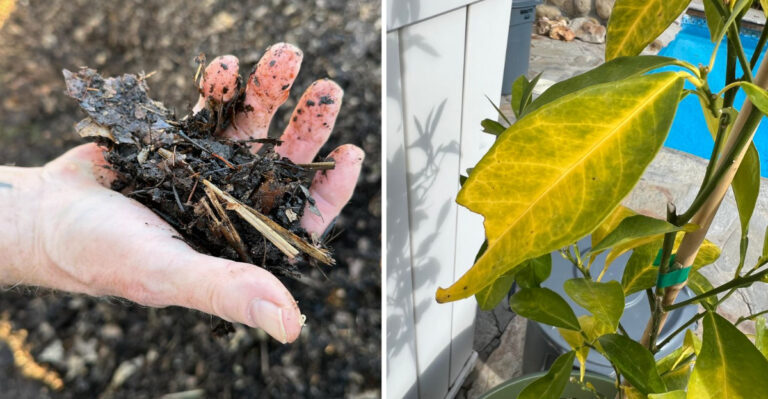
Signs of overwatering can look surprisingly similar to signs of cold damage, including yellowing leaves and wilting. This confusion leads many gardeners to add even more water, compounding the problem.
Trust the soil, not the appearance of the leaves, when deciding whether to water your cold-stressed Florida plants.
3. Let The Soil Breathe Before Watering Again

Soil health is about more than just moisture. After a cold event, the spaces between soil particles need to hold both water and air to keep roots functioning well.
When soil stays constantly wet, those air pockets disappear, and roots begin to struggle even in otherwise healthy plants.
Allowing soil to partially dry between watering sessions gives roots access to the oxygen they need to absorb nutrients and support new growth. This is especially important in Florida, where heavy clay or compacted soils can hold water much longer than sandy soils, making drainage a real concern.
Good drainage is not just a nice feature in a Florida garden, it is a necessity for plant recovery. Raised beds, amended soil, and proper slope can all help excess water move away from root zones quickly.
If your garden beds tend to stay soggy, consider improving drainage before the next cold season arrives.
Letting soil breathe between waterings is not neglect, it is good plant science. Roots that cycle through moist and slightly dry conditions actually develop stronger structures over time.
Giving cold-stressed plants that breathing room is one of the simplest ways to support a faster, healthier recovery.
4. Deep Watering Builds Stronger Roots

Shallow, frequent watering might seem helpful, but it actually trains roots to stay near the soil surface where they are more vulnerable to temperature extremes. Deep, less frequent watering encourages roots to grow downward in search of moisture, building a stronger and more resilient root system over time.
After cold damage, deep watering becomes even more valuable. Applying water slowly and allowing it to soak down several inches into the soil reaches the deeper root zones where recovery activity is happening.
Surface watering that evaporates quickly before reaching those deeper layers does very little good.
For most Florida landscape plants, watering deeply once or twice a week during recovery is far more effective than light daily watering. The goal is to wet the soil to a depth of at least six inches, which encourages roots to chase moisture downward and establish a deeper, more stable anchor in the ground.
Drip irrigation and soaker hoses are excellent tools for deep watering because they deliver moisture slowly and directly to the root zone. Florida gardeners who invest in these methods often see faster plant recovery and stronger overall growth throughout the season.
5. Always Check Soil Moisture Before Turning On The Hose

One of the easiest habits a Florida gardener can build is checking soil moisture before reaching for the hose. It takes about five seconds and can save a plant from unnecessary stress.
Simply push a finger or a wooden dowel about two inches into the soil near the plant’s base.
If the soil feels moist or the dowel comes out with damp soil clinging to it, watering can wait. If the soil feels dry and crumbly, it is time to water.
This simple check eliminates guesswork and prevents the overwatering cycle that many well-meaning gardeners fall into after a freeze.
Inexpensive soil moisture meters are also widely available and can give a more precise reading, especially useful for potted plants or areas with inconsistent drainage. Florida gardeners dealing with sandy soils may find that moisture disappears faster than expected, while those with clay-heavy beds may find moisture lingers much longer.
Building this quick check into your gardening routine costs nothing but a moment of attention. According to University of Florida IFAS Extension guidelines, assessing soil moisture before watering is the single most effective way to avoid overwatering cold-stressed plants and support a smooth, steady recovery.
6. Healthy Roots Are The Key To Faster Recovery

Above-ground damage from a freeze is easy to see, but the real recovery story happens underground. Root health determines how quickly a plant can push out new growth, absorb nutrients, and restore its energy reserves after a cold event.
Protecting roots during and after a freeze is one of the most impactful things a Florida gardener can do.
Roots that stay in well-drained, oxygen-rich soil have a much better chance of surviving cold stress and supporting new growth. Compacted, waterlogged, or nutrient-depleted soil makes root recovery slower and less reliable, even when the rest of the plant appears to be improving on the surface.
Avoiding heavy foot traffic over root zones during the recovery period is a simple but often overlooked step. Compacting soil around stressed plants restricts the air and water movement that roots depend on.
Florida gardeners can protect root zones by staying off garden beds and keeping heavy equipment away from landscape plants.
When roots are healthy and the soil environment supports them properly, plants can recover from cold damage with surprising speed. Focusing care on what is happening below the surface, rather than only treating visible symptoms above ground, leads to stronger and more lasting results throughout the Florida growing season.
7. Skip Fertilizer Until Fresh Growth Appears

After a freeze, it is tempting to give plants every possible advantage, and fertilizer seems like an obvious boost. But applying fertilizer to cold-stressed plants before new growth appears can actually make things worse.
Stressed roots are not equipped to process nutrients efficiently, and pushing fertilizer into damaged tissue can cause additional harm.
Nitrogen-heavy fertilizers are especially problematic after a cold event. They stimulate rapid new growth, which sounds positive but can be a problem if another cold snap is still possible.
Tender new growth is highly vulnerable to frost, and forcing it out too early can set a recovering plant back significantly.
The University of Florida IFAS Extension advises waiting until the danger of frost has clearly passed and visible new growth is emerging before applying any fertilizer. That fresh green growth is the plant’s own signal that it is ready to use nutrients productively and has moved past the most fragile stage of recovery.
Florida gardeners who exercise patience with fertilizer timing almost always see better long-term results. Once new growth is actively emerging, a light application of a balanced, slow-release fertilizer can support continued recovery without overwhelming a plant that is still rebuilding its strength from the inside out.
8. Mulch Helps Lock In Moisture And Protect Roots

Mulch might be the most underrated tool in a Florida gardener’s post-freeze recovery kit. A two to three inch layer of organic mulch spread around the base of plants does several important things at once: it conserves soil moisture, moderates soil temperature, and acts as a buffer between roots and air temperature fluctuations.
After cold damage, soil temperature stability is especially important. Mulch slows down the dramatic swings between warm days and cool nights that are common in Florida winters.
That stability gives roots a more consistent environment in which to begin the recovery process without additional stress from temperature extremes.
Organic mulches like pine bark, wood chips, or shredded leaves also break down slowly over time, adding organic matter to the soil and improving its structure. Better soil structure means better drainage and better aeration, both of which support root health during the weeks following a freeze event.
Keep mulch pulled back a few inches from the base of plant stems to avoid trapping moisture directly against the trunk or crown, which can encourage rot. Florida gardeners who use mulch consistently throughout the year often find their plants are better prepared to handle cold stress and bounce back more quickly when freezes do occur.