This Is The Biggest Fertilizer Mistake Floridians Make In April
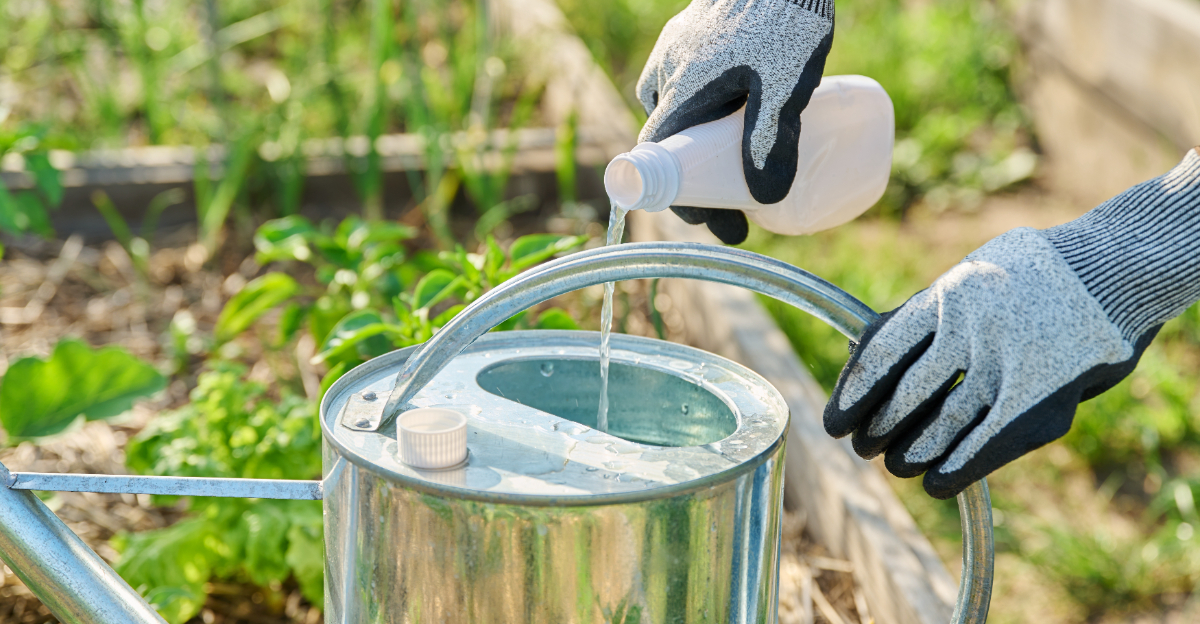
April hits Florida and suddenly everything starts growing at once, so you grab the fertilizer thinking you are about to give your garden a powerful boost. That one move can quietly throw your plants off track before the season even gets going.
It feels like the right call. New leaves are popping, lawns are greening up, and garden centers are stacked with bags promising faster growth and bigger results.
Florida’s climate moves fast, though, and plants respond just as quickly to what you give them. Too much fertilizer or the wrong timing can push soft, weak growth, stress roots, and even reduce flowering and fruit later on.
The tricky part is that everything can still look fine at first. Then the problems show up weeks later when it is harder to fix.
A small shift in how you fertilize in April can change how your entire garden performs through the heat ahead.
1. Fertilizing Too Early Can Do More Harm Than Good
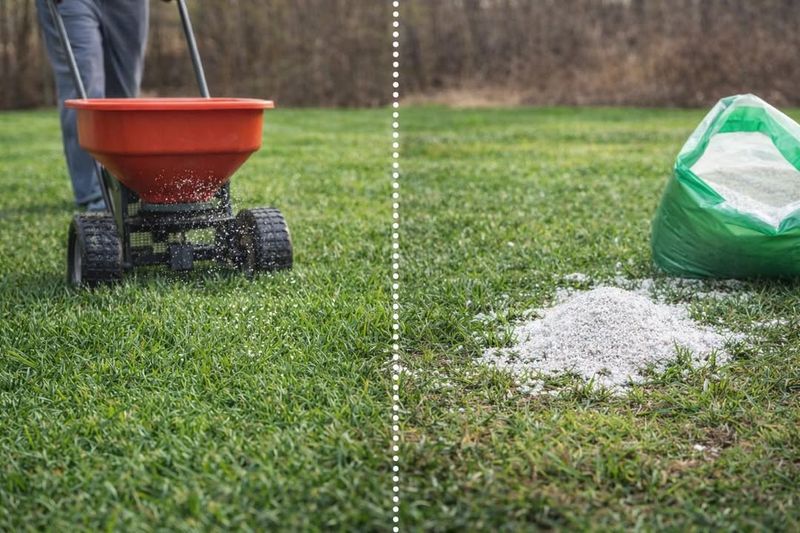
Picture this: you head out on a warm April morning, scoop up a bag of fertilizer, and spread it across your lawn feeling confident and productive. The problem is, your grass might not be ready for it yet.
Warm-season grasses like St. Augustine, Bermuda, and Zoysia are still waking up in early April, and feeding them before they hit full active growth can stress the plant rather than support it.
When fertilizer is applied too early, the roots are not yet actively absorbing nutrients at full capacity. Instead of being taken up by the grass, those nutrients sit in the soil or get washed away by rain.
Worse, a sudden flush of weak top growth can emerge before the roots are strong enough to support it.
According to the University of Florida IFAS Extension, fertilizing before consistent active growth begins often leads to poor results and wasted product. That early push of growth can look exciting at first, but it tends to be thin, pale, and vulnerable.
Waiting just a couple more weeks until your lawn is actively growing makes the whole process more effective and far less wasteful.
2. April Doesn’t Mean Every Plant Is Ready For Feeding
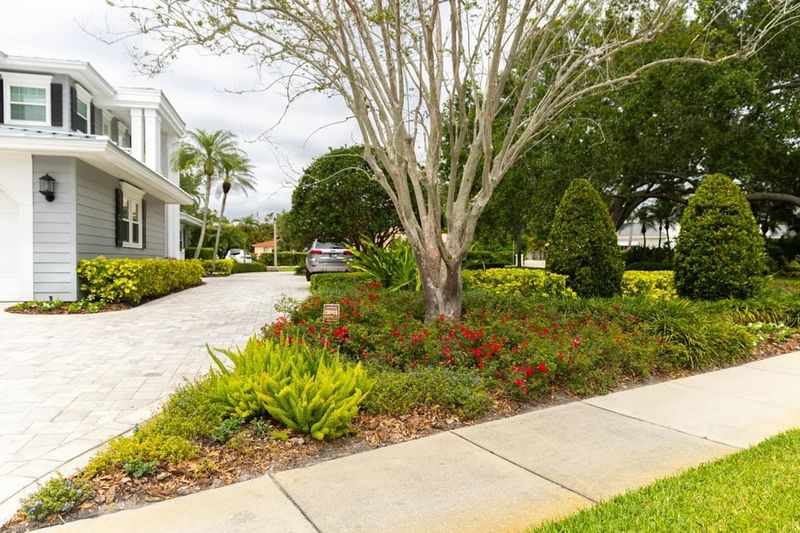
Not everything in your yard follows the same schedule. A common mistake Florida gardeners make is treating the whole landscape like one big project and fertilizing everything at once.
Palms, ornamental shrubs, flowering plants, and turfgrass all have different growth cycles, and lumping them together can lead to some plants being overfed while others are barely awake yet.
Palms, for example, are best fertilized in late spring through summer when they are actively growing and can actually use the nutrients.
Applying palm fertilizer too early in April, especially a slow-release blend, may not cause immediate harm, but it also will not deliver the benefits you are expecting.
Ornamental shrubs vary widely depending on the species, so checking what each plant actually needs before feeding is always the smarter move.
Florida-Friendly Landscaping guidelines recommend fertilizing plants only when they show signs of active growth, not based on a fixed date. Spending a few minutes walking your yard and observing what is actually pushing new growth will tell you far more than the calendar ever could.
A targeted approach saves money and keeps your plants genuinely healthy throughout the growing season ahead.
3. Warm Soil Matters More Than The Calendar
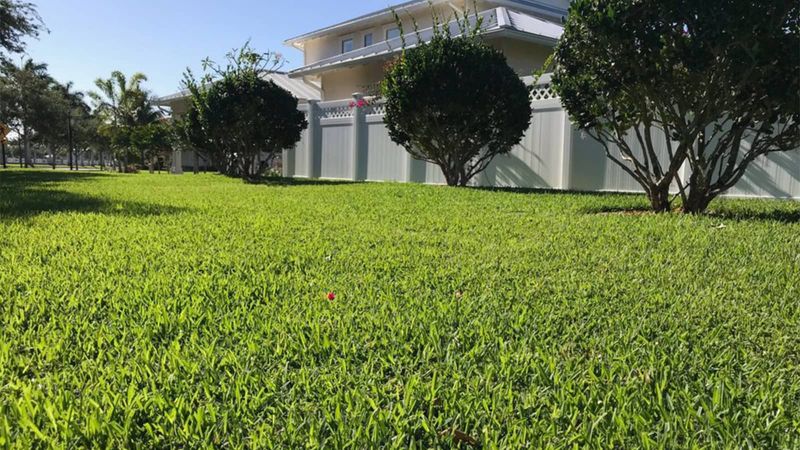
Most people fertilize by the date, not the dirt. But in Florida, soil temperature is one of the most reliable indicators of whether your lawn and plants are ready to receive nutrients.
Warm-season grasses begin meaningful root activity when soil temperatures consistently reach around 65 degrees Fahrenheit, and fertilizing before that threshold often means your product is going to waste.
Soil thermometers are inexpensive and genuinely useful tools for Florida gardeners. You can find them at most garden centers, and checking your soil temperature takes less than a minute.
In North Florida, soil temperatures in early April can still be lower than you might expect, especially after a cool stretch of nights. Central and South Florida tend to warm up faster, but even there, consistency matters more than a single warm day.
The University of Florida IFAS Extension consistently points to soil temperature as a key factor in fertilizing decisions for warm-season lawns.
Roots that are not yet fully active simply cannot absorb nutrients efficiently, which means you are spending money on fertilizer that either leaches away or sits unused.
Giving your soil a quick temperature check before you open that bag is one of the easiest ways to get better results this spring.
4. Overfeeding Pushes Weak Growth Before Heat Sets In
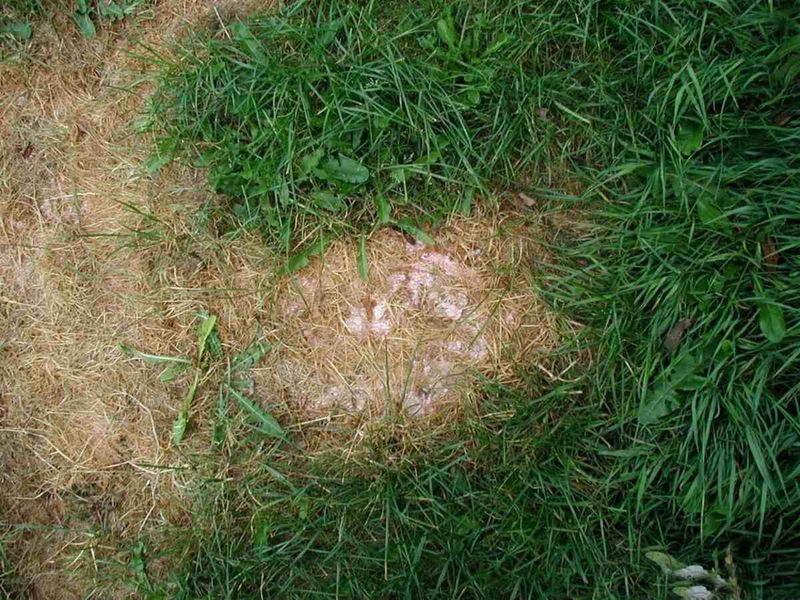
More fertilizer does not always mean more growth, at least not the kind you want. Applying too much nitrogen in early spring pushes rapid, lush-looking top growth before the plant has built a strong root system to support it.
That soft, fast-growing grass and those tender new leaves may look impressive for a week or two, but they are fragile and poorly equipped for what Florida summer brings.
Once the heat and humidity of late spring and summer arrive, that weak growth becomes a target for pests, fungal issues, and heat stress. The grass that looked so green in April can start struggling by June because its root system never had a chance to develop properly.
Overfertilized plants are essentially all show and no strength.
University of Florida IFAS research supports using conservative application rates and sticking to slow-release nitrogen sources to avoid this kind of rapid, unbalanced growth. Healthy, resilient Florida lawns are built from the roots up, not from a heavy feeding schedule.
Keeping your nitrogen rates moderate and well-timed gives your grass and ornamentals the foundation they need to handle the intense growing conditions that are just around the corner in the months ahead.
5. Lawns And Ornamentals Need Different Timing In Florida
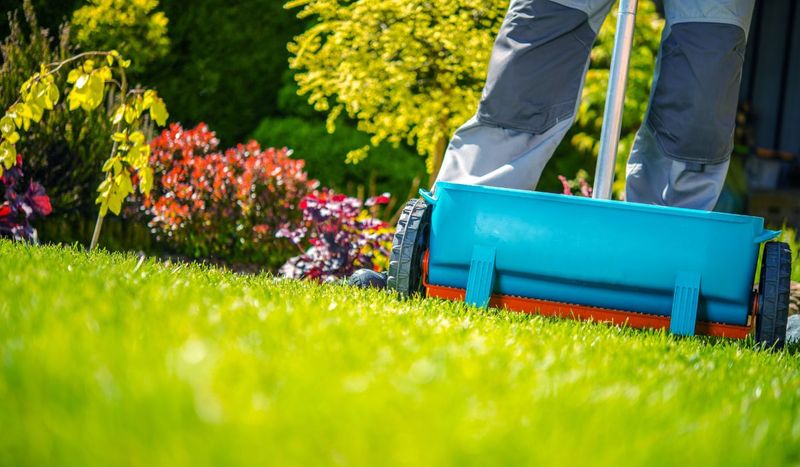
Treating your entire yard like one uniform growing system is a recipe for mixed results. Turfgrass and landscape ornamentals have genuinely different nutrient needs, root structures, and seasonal growth patterns.
Fertilizing them on the same schedule, with the same product, often means one group gets what it needs while the other gets something it was not ready for.
St. Augustine and other warm-season grasses typically benefit from a first feeding in spring once the lawn is actively growing and soil temps are steady. But many flowering shrubs, perennials, and tropical ornamentals common in Florida landscapes have their own timing windows.
Some may be pushing new growth in early April while others are still building energy in their root systems.
Florida-Friendly Landscaping guidelines emphasize using the right product for the right plant at the right time. A high-nitrogen lawn fertilizer is not appropriate for most flowering ornamentals, and a balanced shrub fertilizer will not deliver what your turfgrass actually needs.
Taking a few minutes to separate your fertilizing tasks by plant type, and checking specific recommendations for each, will produce noticeably better results across your entire yard rather than a one-size-fits-all approach that leaves some plants shortchanged.
6. Slow Release Fertilizer Is The Safer Choice This Month
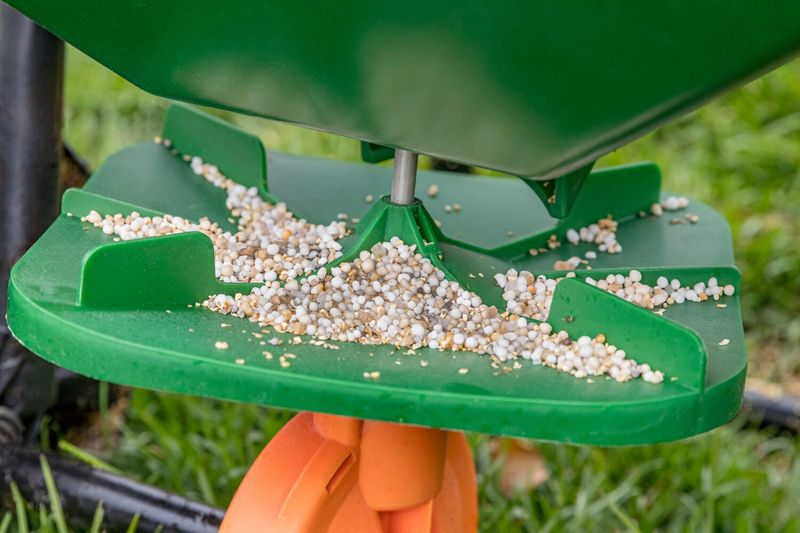
If you are going to fertilize in April, choosing the right type of product matters just as much as the timing. Slow-release fertilizers are widely recommended for Florida lawns and landscapes because they deliver nutrients gradually over weeks rather than all at once.
That steady feeding matches much better with how plants actually absorb nutrients during active growth.
Quick-release fertilizers dump a large dose of soluble nitrogen into the soil immediately. In Florida’s sandy, fast-draining soils, that nitrogen can leach below the root zone before your grass even has a chance to use it.
You end up paying for fertilizer that feeds your groundwater more than your lawn, which is both wasteful and environmentally problematic.
The University of Florida IFAS Extension specifically recommends using slow-release nitrogen sources for Florida lawns, noting that at least 30 percent of the nitrogen in any fertilizer applied to turf should come from slow-release sources.
Products labeled with terms like polymer-coated, sulfur-coated, or IBDU are common slow-release options.
Reading the fertilizer label before you buy is worth the extra two minutes. A quality slow-release product used at the right time delivers stronger, more consistent results than a fast-acting product applied too aggressively or too soon in the season.
7. Heavy Rain Can Wash Nutrients Away Faster Than You Think
Florida’s spring weather has a personality of its own. One day it is sunny and dry, the next you are dealing with a sudden downpour that drops an inch of rain in under an hour.
That unpredictability is exactly why fertilizer timing in April requires more thought than just picking a weekend and spreading product.
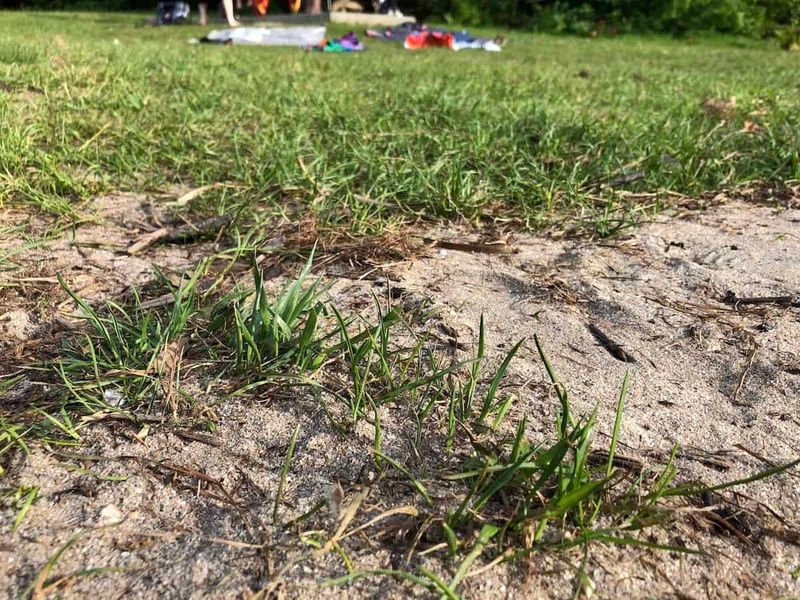
Florida soils are predominantly sandy, which means water moves through them quickly, taking soluble nutrients along for the ride.
When heavy rain follows a fertilizer application, nitrogen and phosphorus can leach below the root zone or run off into nearby storm drains, ditches, and water bodies.
This nutrient runoff contributes to algae blooms and water quality problems throughout the state.
Checking the weather forecast before you fertilize is a simple habit that makes a real difference. University of Florida IFAS guidelines suggest avoiding fertilizer applications when heavy rain is expected within 24 to 48 hours.
Applying fertilizer to dry grass right before irrigation or a light rain can actually help it absorb properly, but heavy downpours are a different story entirely.
Timing your application during a dry stretch, even a short one, protects your investment and keeps nutrients where your plants can actually reach them and use them effectively.
8. A Simple Timing Shift Leads To Stronger, Healthier Growth
Small adjustments to when and how you fertilize can produce noticeably better results by the time summer arrives.
Waiting until your lawn is actively growing, soil temps are consistently above 65 degrees Fahrenheit, and no major rain is in the forecast is not complicated, but it does require a little patience and observation.
That patience pays off in a yard that looks genuinely healthy rather than just temporarily green.
Pairing the right timing with a quality slow-release fertilizer and a soil test from your local UF IFAS Extension office gives you the clearest possible picture of what your yard actually needs.
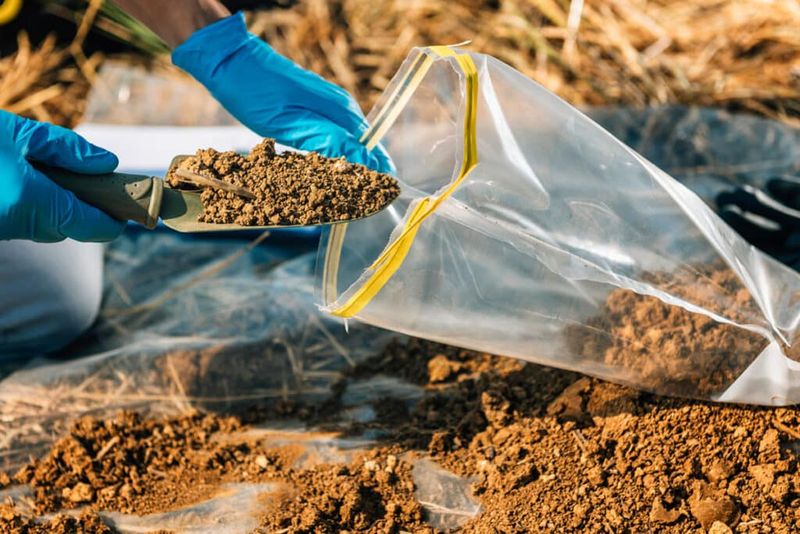
Soil tests are inexpensive and remove the guesswork entirely, showing you whether your soil is deficient in specific nutrients before you spend money on a product that may not address your real problem.
Also worth checking: your local county may have fertilizer ordinances that restrict application timing or nutrient content, especially near water bodies. Duval County and several others across Florida have passed these regulations to protect water quality.
Following local rules while applying smart timing principles puts you in the best possible position for a strong growing season. Your lawn, your wallet, and Florida’s waterways all benefit when you take a thoughtful, well-timed approach to spring fertilizing.