What To Plant In Austin, Texas Before Summer Heat Hits
In Austin, timing can make or break a garden. Spring gives you a nice little window when the weather is still workable, the soil is warming up, and plants have a chance to settle in before the real heat shows up.
Once summer starts flexing, though, gardening gets a lot tougher. Hot afternoons, dry stretches, and intense sun can wear down young plants fast, especially the ones that did not have enough time to get established.
That is why this part of the season matters so much. Planting now gives flowers, herbs, vegetables, and shrubs a better shot at putting down roots and building strength before temperatures climb.
It is also a smart way to set yourself up for a yard or garden that keeps looking good when everything around it starts feeling baked.
In a place like Austin, choosing the right plants before summer is not just about adding color or filling space. It is about giving your landscape a real advantage.
A little planning now can lead to a healthier, better-looking garden when the toughest weather arrives.
1. Okra
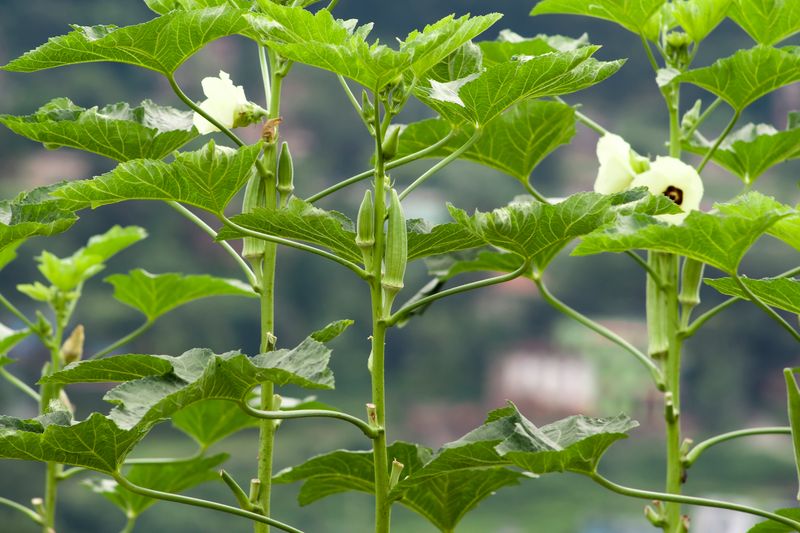
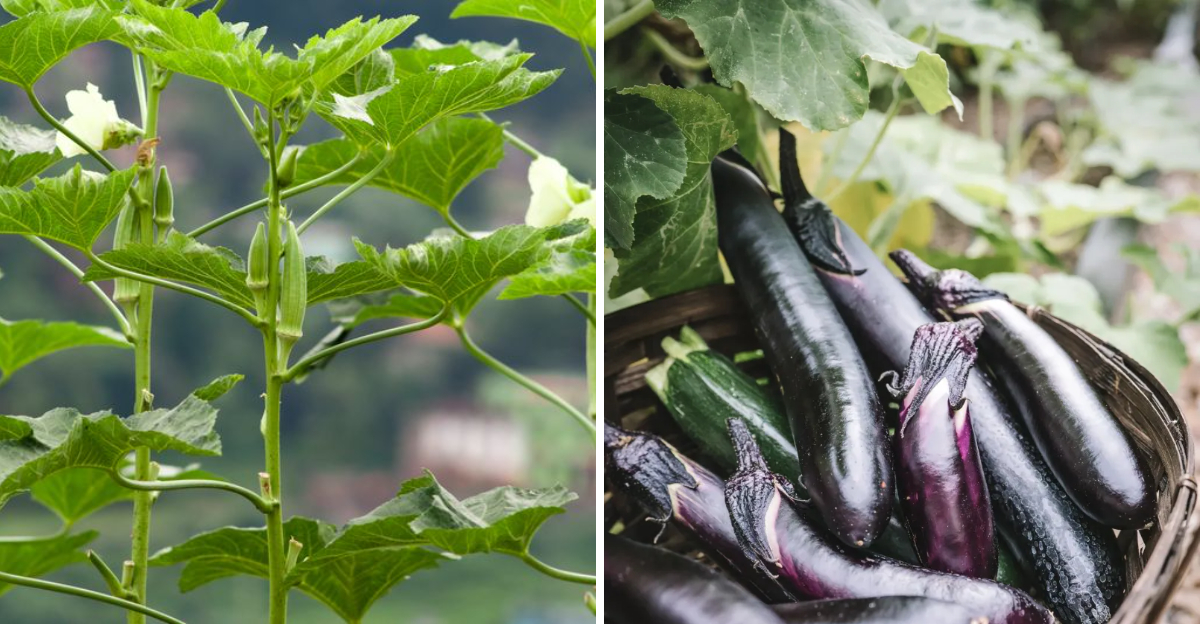
Few vegetables are as perfectly matched to Austin, Texas as okra. This Southern staple was practically made for hot, sunny climates, and Central Texas gives it exactly what it needs to thrive.
Plant it in spring before temperatures peak, and you will be rewarded with steady harvests all the way through summer.
Okra grows tall, sometimes reaching six feet or more, so give it plenty of space in your garden bed. It prefers well-drained soil and full sun, which Austin has in abundance.
Once the roots are established, okra handles the heat like a champ and does not need constant watering to keep going.
One thing many gardeners love about okra is how low-maintenance it is. You can plant seeds directly in the ground after the last frost, which in Austin usually falls in mid-February.
Soaking the seeds overnight before planting helps speed up germination. Harvest the pods when they are about three to four inches long for the best texture and flavor. If you let them grow too big, they get tough and fibrous fast.
Check your plants every day or two once they start producing, because okra grows quickly in warm weather.
Okra is also beautiful in the garden. Its creamy yellow flowers look almost like hibiscus blooms, which makes sense since they are in the same plant family. Growing okra in Austin is a win all around, from the pretty flowers to the delicious harvest.
2. Southern Peas (Black-Eyed Peas / Cowpeas)
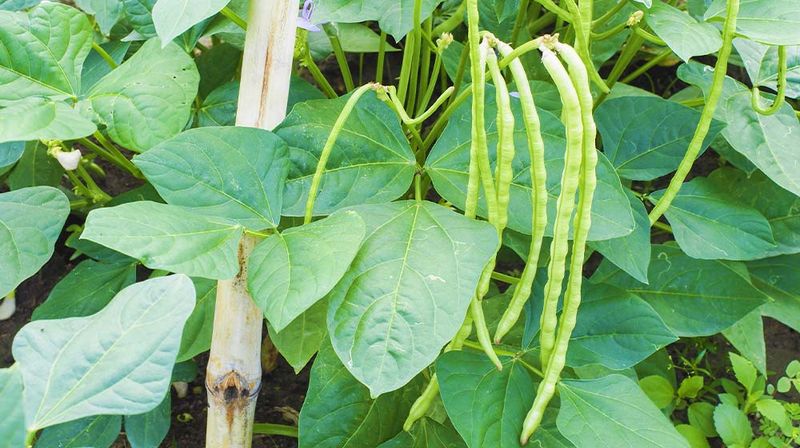
Southern peas go by many names, black-eyed peas, cowpeas, crowder peas, but they all share one big trait: they are incredibly tough.
If you are gardening in Austin, Texas and want something that will not flinch when the summer heat rolls in, southern peas belong in your garden.
Plant them in spring once the soil has warmed up, and they will be well-established by the time temperatures really climb. These legumes are both heat-tolerant and drought-tolerant, which is a rare and valuable combination for Central Texas gardeners.
Your Texas Garden Changes Every Week. Your Plan Should Too.
Gardening in Texas changes quickly throughout the season. Every Friday you’ll receive a simple weekly plan showing exactly what to plant, prune, fertilize, harvest, and protect so you never miss the right timing.
They thrive in poor soils where other vegetables would struggle, and they actually improve soil quality by fixing nitrogen as they grow.
Southern peas are also incredibly easy to grow. Direct sow seeds about an inch deep in well-drained soil with full sun exposure.
Austin’s long, warm season gives them plenty of time to produce multiple harvests before the garden winds down in fall.
Did you know that cowpeas have been grown in the American South for centuries? They were brought over from Africa and became a staple crop because of their ability to survive tough conditions.
That same resilience makes them a perfect fit for Austin gardens today. You can eat southern peas fresh, dried, or frozen. They are delicious cooked with a little smoked seasoning and pair well with rice or cornbread.
Growing your own in Austin means fresh, flavorful peas right from your backyard without much fuss at all.
3. Sweet Potatoes
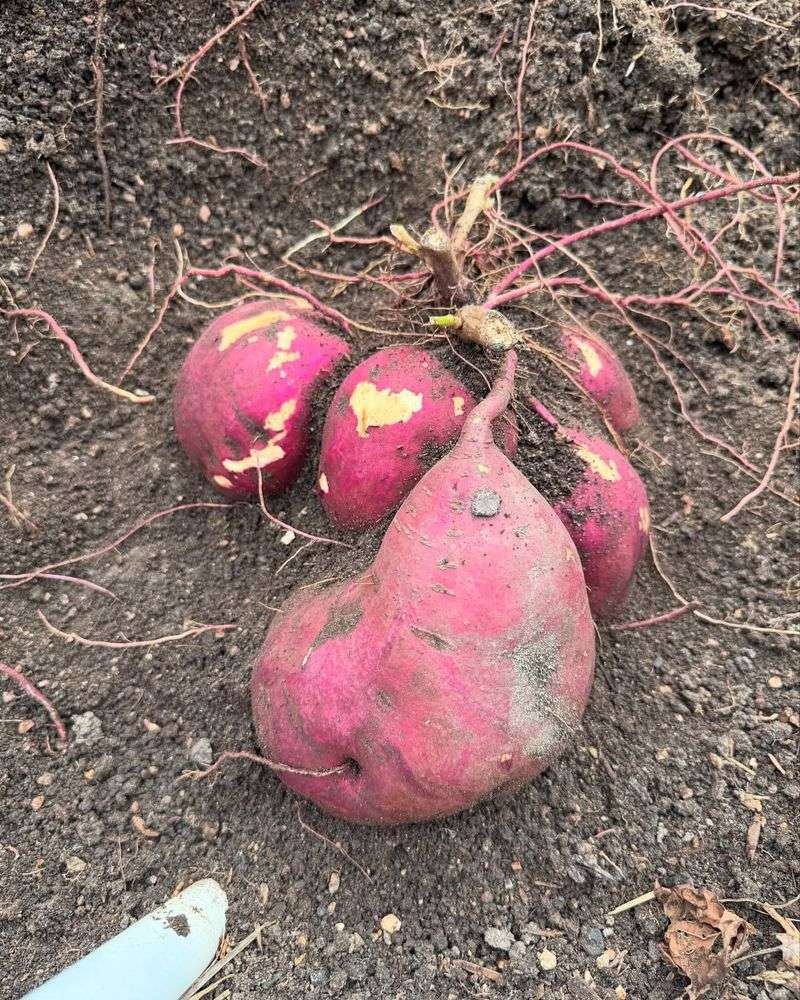
Sweet potatoes love long, hot summers, which makes Austin, Texas one of the best places in the country to grow them.
Plant your slips in spring, give them room to spread, and they will quietly work away underground all season long, building up those sweet, starchy roots you will harvest in fall.
A slip is just a small rooted cutting taken from a mature sweet potato. You can buy them from local garden centers or order them online in early spring.
Plant them about 12 to 18 inches apart in loose, well-drained soil with full sun. Austin’s sandy loam soil in many neighborhoods is actually ideal for root vegetables like these.
Once sweet potatoes are established, they are surprisingly drought-tolerant. Their sprawling vines cover the ground and help hold in moisture, which is a nice bonus during Austin’s dry summer stretches.
Water regularly for the first few weeks after planting, then you can back off a bit as the plants settle in.
Sweet potatoes need about 90 to 120 days to mature, so planting in spring gives them the full summer season to develop. Wait until the vines start to yellow in early fall before digging them up.
Handle them gently during harvest since the skins bruise easily when freshly dug. After harvesting, cure your sweet potatoes in a warm, humid spot for about 10 days. This process makes them sweeter and helps them store longer.
Growing sweet potatoes in Austin is one of the most rewarding garden projects you can take on.
4. Peppers (Hot And Sweet)
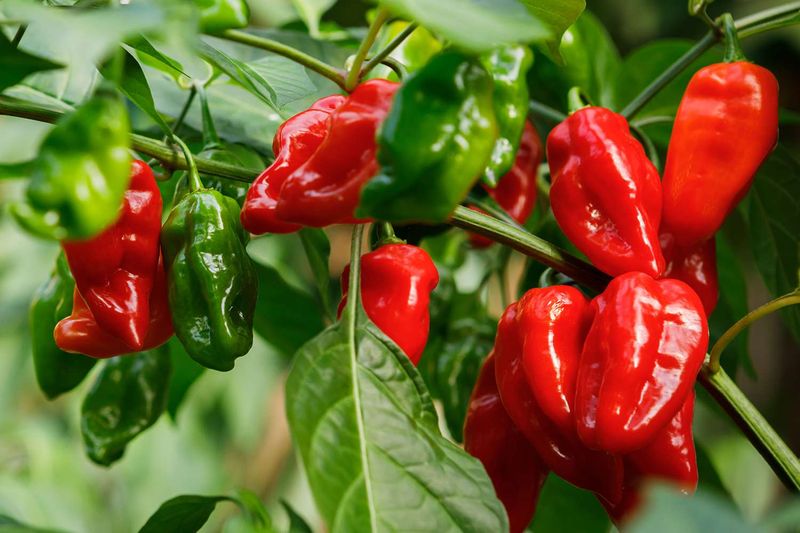
Peppers are one of those vegetables that seem like they were designed specifically for Austin, Texas. They love heat, they love sun, and they produce abundantly when conditions are right.
Getting your transplants in the ground in early spring is the smart move, giving them time to establish strong roots before the most intense summer temperatures arrive.
Both hot and sweet varieties do well in Austin’s climate. Bell peppers, banana peppers, jalapenos, serranos, and poblanos all thrive here.
If you enjoy spicy food, Austin’s heat will push those hot peppers to produce some seriously fiery pods. The hotter the summer, the hotter the pepper, and Austin summers are no joke.
Start with transplants rather than seeds if you want a head start. Set them out after the last frost date, usually mid-February in Austin.
Space them about 18 inches apart in fertile, well-drained soil with full sun. Adding compost to your planting hole gives them a nutritional boost right from the start.
Peppers need consistent moisture, especially while they are flowering and setting fruit. Inconsistent watering can cause the blossoms to drop before they turn into peppers.
Mulching around the base of each plant helps retain soil moisture and keeps roots cooler on the hottest days.
One fun fact: peppers are actually perennials in warm climates. In Austin, you can sometimes overwinter them indoors and replant them the following spring for an even bigger harvest.
That makes them one of the most cost-effective vegetables you can grow in your Central Texas garden.
5. Eggplant
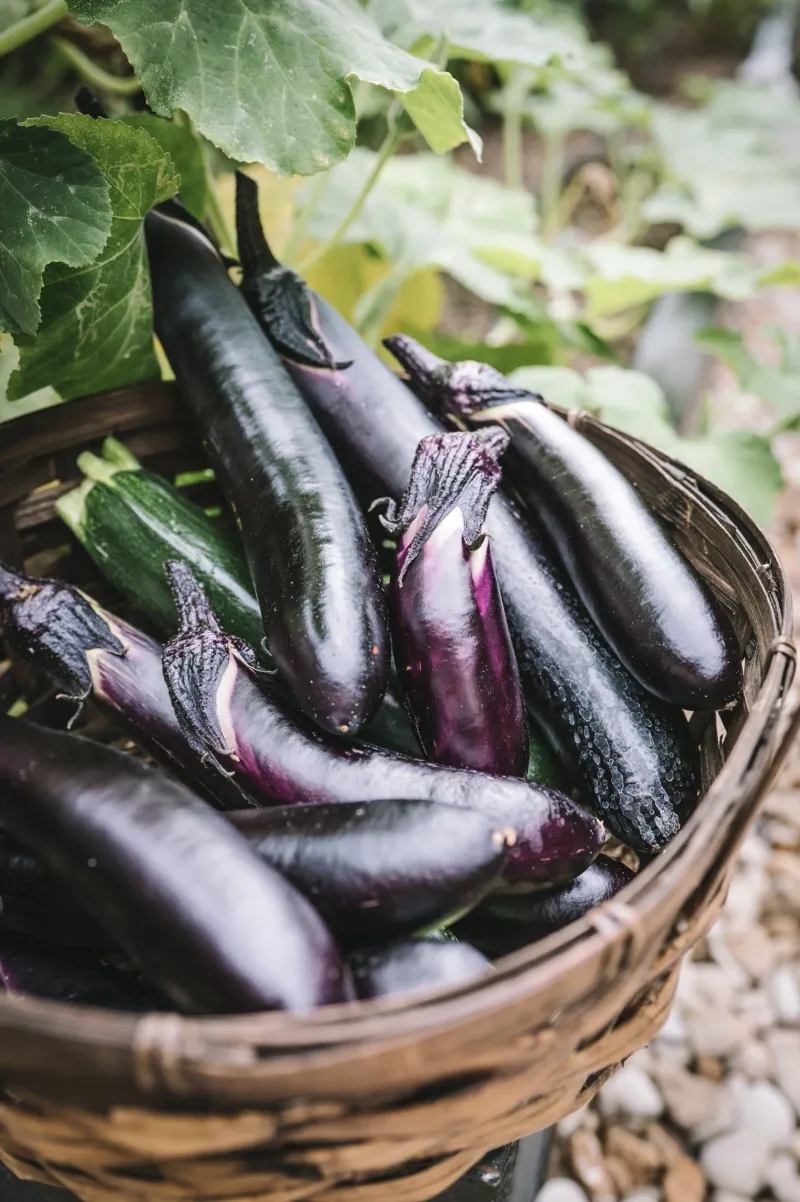
Eggplant is one of those vegetables that genuinely gets better the hotter it gets. In Austin, Texas, where summer temperatures regularly climb past 100 degrees, eggplant is right at home.
Plant your transplants in early spring so they have time to get their roots established before the real heat kicks in, and they will reward you with a generous harvest all summer long.
There are many varieties to try beyond the classic large purple globe eggplant. Japanese eggplants are long and slender with a mild flavor.
Italian varieties are smaller and perfect for roasting. All of them perform well in Austin’s climate, so picking a variety is mostly a matter of personal taste and how you plan to cook them.
Eggplants need full sun, at least eight hours a day, and warm soil to really take off. They are heavy feeders, meaning they benefit from regular fertilizing throughout the growing season.
A balanced vegetable fertilizer every few weeks keeps them productive when the heat is at its peak.
One challenge with eggplant in Austin is flea beetles. These tiny insects chew small holes in the leaves and can stress young plants.
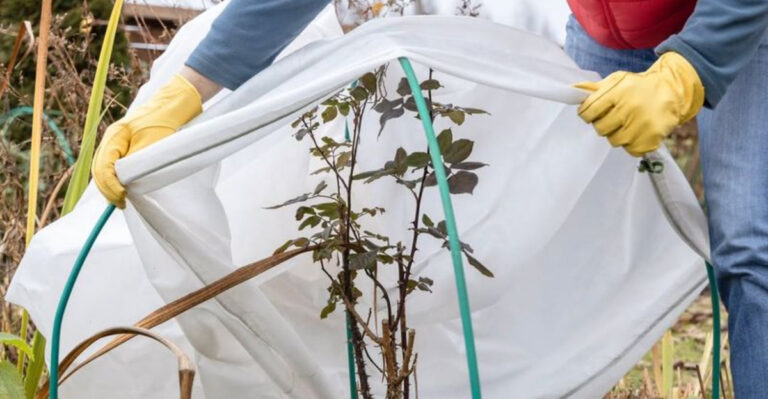
Row covers early in the season help protect transplants until they are big enough to handle some damage on their own.
Harvest eggplant while the skin is still shiny and firm. Once it turns dull, the fruit is past its prime and can taste bitter.
Regular harvesting also encourages the plant to keep producing, so check your plants every few days during peak season.
6. Zinnias
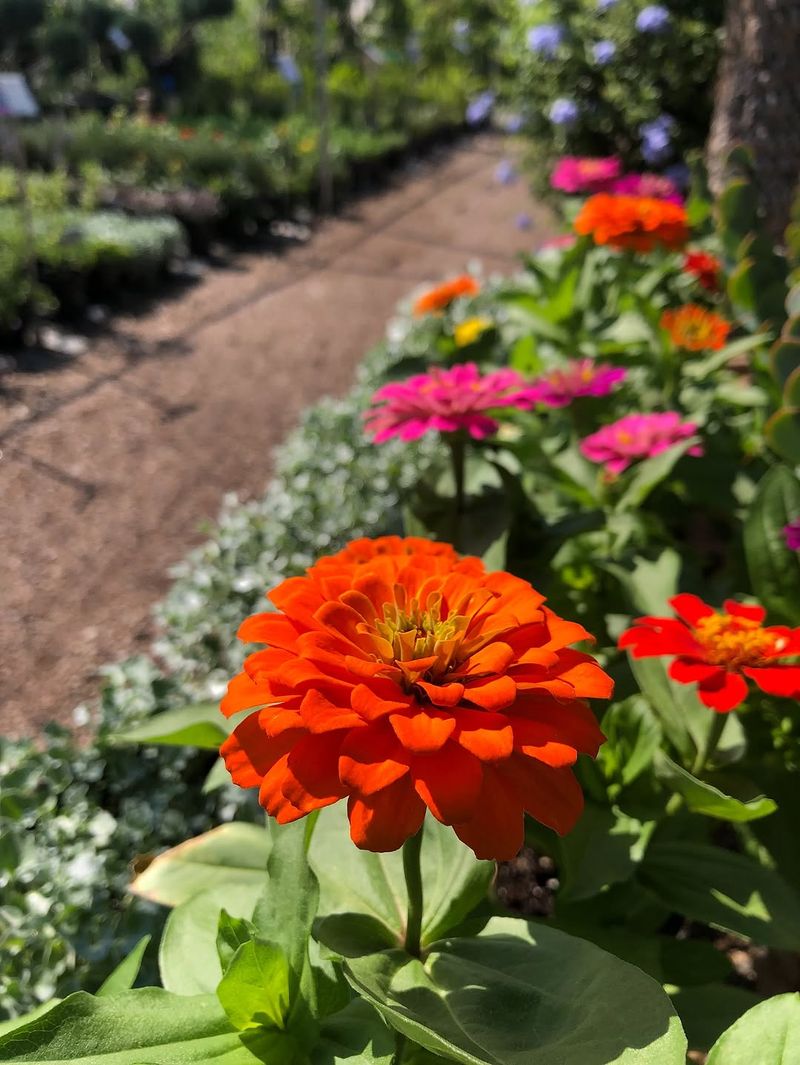
If you want your Austin garden to look like a painting all summer long, plant zinnias. These cheerful, fast-growing flowers are one of the easiest plants you can grow in Central Texas, and they absolutely love the heat.
Once the temperatures climb, zinnias just keep blooming and blooming without skipping a beat.
Zinnias grow from seed quickly, often blooming in as little as six to eight weeks after planting. You can direct sow them right in your garden bed after the last frost.
Just scatter the seeds, cover them lightly with soil, water them in, and step back. They are not fussy about soil quality as long as it drains well and gets plenty of sun.
Austin’s intense summer sun, which can stress many plants, is exactly what zinnias thrive on. They come in nearly every color imaginable, from deep crimson to bright orange to soft lavender.
Planting a mix of colors creates a stunning display that lasts from spring all the way through fall in the Austin area.
Zinnias are also fantastic for pollinators. Butterflies, bees, and even hummingbirds are drawn to their bright blooms.
If you want to support local wildlife while adding color to your yard, zinnias are a perfect choice for any Austin garden.
Deadheading, which means removing spent blooms, keeps the plants producing new flowers. Snip off faded flowers at the base of the stem every week or so.
The more you cut, the more they bloom, making zinnias one of the most generous plants you can grow in Austin all summer.
7. Basil
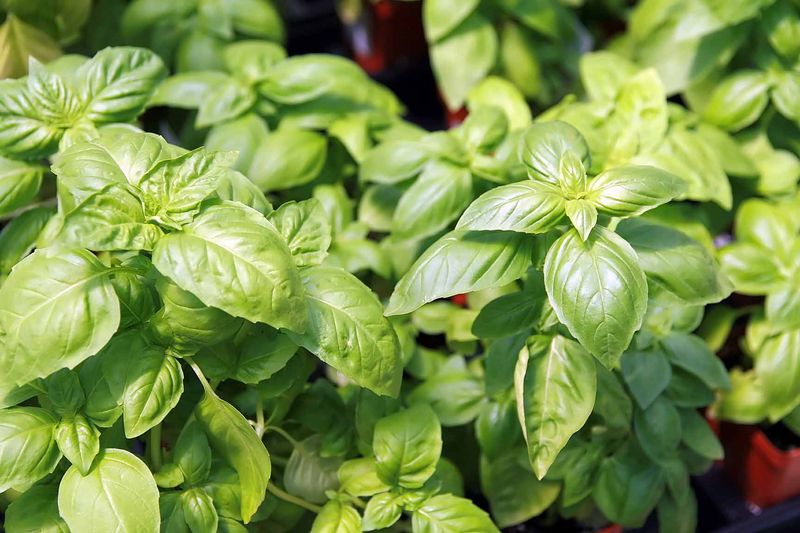
Walk past a basil plant on a warm Austin morning and the smell alone will make you want to cook something delicious.
Basil is one of the most popular herbs in the world, and it grows beautifully in Central Texas thanks to the warm temperatures and long growing season. Plant it in spring, keep it watered, and it will keep producing fresh leaves all summer long.
Basil loves warmth and hates cold. In Austin, the last frost usually passes by mid-February, so you can get transplants in the ground shortly after that.
Starting with nursery transplants rather than seeds gives you a faster harvest and a stronger start before the summer heat really builds up.
Plant basil in a sunny spot with well-drained soil. It does well in garden beds, raised beds, or containers on a sunny porch or patio.
If you are short on space, a large pot near your kitchen door is a practical and convenient option. You will always have fresh herbs just steps away from where you cook.
Pinching off the flower buds as they appear keeps the plant focused on producing leaves. Once basil goes to seed, the leaves can turn bitter and production slows down.
Regular pinching and harvesting actually encourages the plant to grow bushier and more productive throughout the Austin summer season.
Basil pairs naturally with tomatoes, but it is also wonderful in pesto, salads, sandwiches, and cocktails. Growing your own in Austin means fresher flavor than anything you will find at the grocery store, and it costs almost nothing to maintain once established.