This Is The Container Gardening Mistake Florida Homeowners Make Every Spring
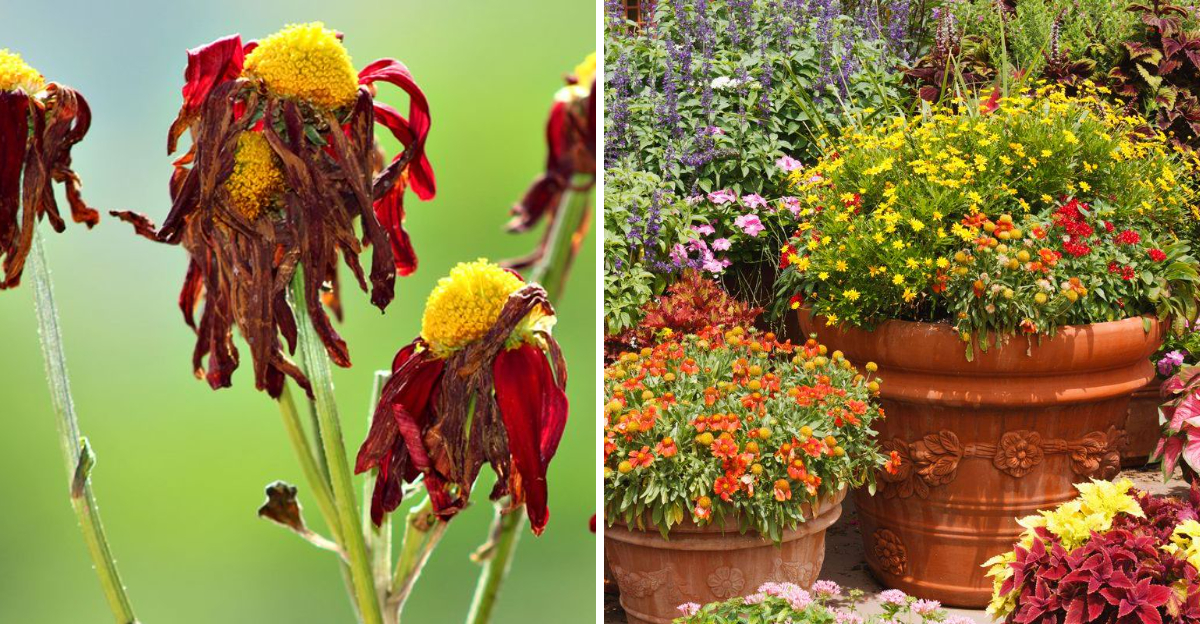
Spring in Florida brings a rush of planting energy, and containers often take center stage on patios, balconies, and entryways. Many homeowners jump in with fresh soil, colorful plants, and high hopes, yet one common mistake quietly sets everything back before the season even hits full stride.
Plants may start strong, then stall, fade, or struggle long before the heat peaks. The issue is not bad luck or a lack of effort.
It comes down to a simple oversight that impacts roots, moisture, and long-term growth. In a climate where heat and humidity push plants to their limits, small missteps show up fast.
Fixing this one habit can mean fuller growth, longer blooms, and containers that stay vibrant deep into the season. A few smart adjustments at the start can turn spring planting into a lasting success instead of a short-lived display.
1. Stop Planting Fragile Spring Annuals
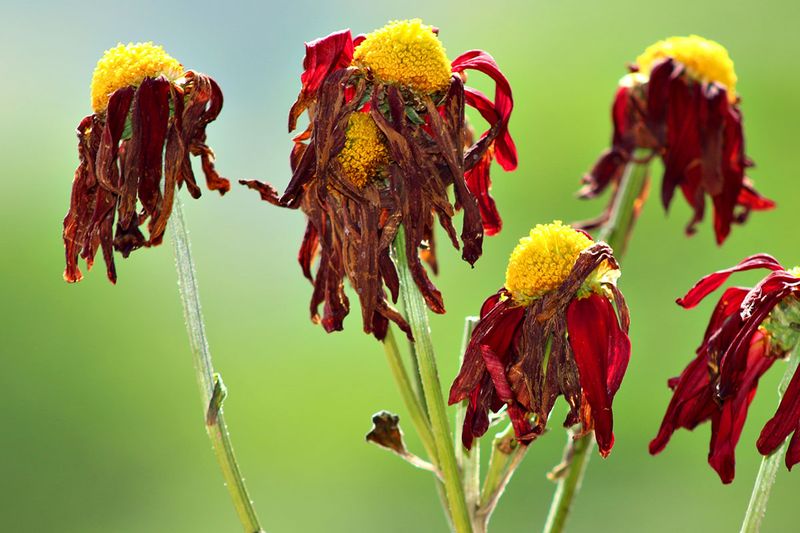
Picture this: you spent a Saturday morning carefully planting a gorgeous pot of pansies, only to watch them look miserable by Tuesday afternoon. Florida’s spring is not the gentle, breezy season that gardening magazines describe.
When nighttime temperatures stay above 70°F, which happens early and often in Florida, cool-weather annuals like pansies, snapdragons, and stocks begin to suffer almost immediately.
According to UF/IFAS Extension research, cool-season plants are designed to thrive when temperatures stay between 45°F and 65°F. Once Florida’s humidity kicks in and nights stay warm, these plants experience physiological stress that no amount of watering or fertilizing can reverse.
Their root systems struggle to absorb nutrients efficiently, their stems weaken, and their blooms shrink fast.
The hard truth is that most “spring” plants sold at garden centers are bred for northern climates. Florida’s version of spring lasts about six weeks before it turns into a full tropical summer.
Planting fragile cool-weather annuals in March might look beautiful for a moment, but that moment is shorter than most homeowners expect. Choosing the right plants from the start saves money, effort, and frustration every single season.
2. Plant For August Instead Of April
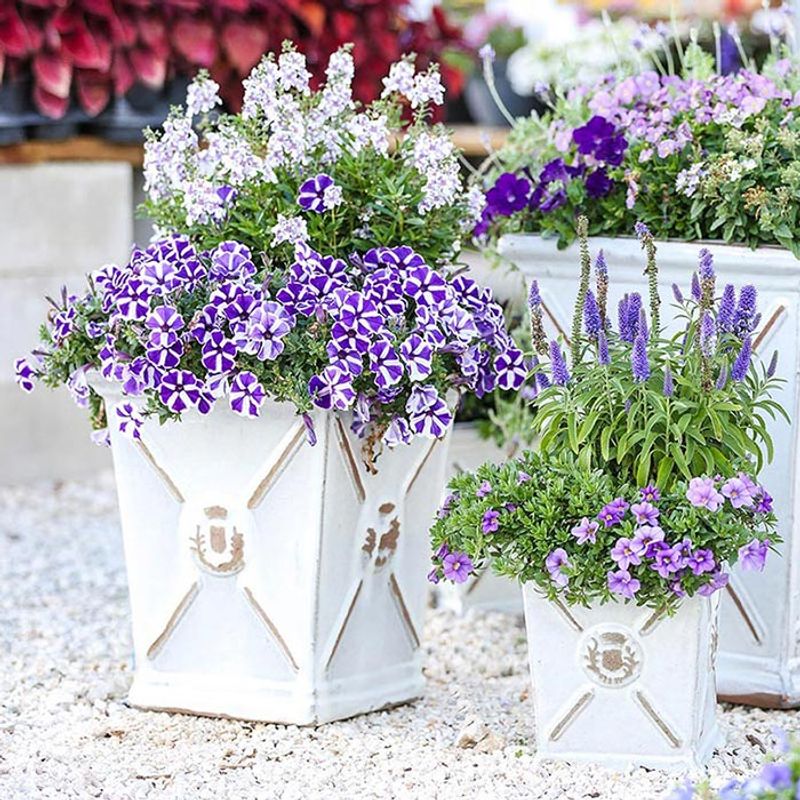
Shifting your mindset is the most powerful gardening tool you own. When you walk into a garden center in March, stop asking yourself, “Will this look good now?” and start asking, “Will this still be standing in August?” That one mental shift changes everything about how you shop and plan your containers.
Florida’s summer is a beast; high humidity, relentless UV rays, and afternoon downpours that would drown a lesser plant. A container garden built for April will completely collapse by July.
UF/IFAS Extension specialists consistently recommend selecting plants based on their summer performance rather than their spring showiness. The goal is a container that survives the humidity of July, not just the pleasant breeze of March.
Tropical plants, ornamental grasses, and heat-tolerant perennials are your best allies here. When you plant with August in mind, your containers actually look better in summer than they did in spring because the plants are truly in their element.
Many experienced Florida gardeners plant their main summer containers as early as February, giving roots time to establish before the heat peaks. Planning ahead is not just smart — it is the Florida way of gardening successfully.
3. Buy Summer Survivors, Not Spring Sacrifices
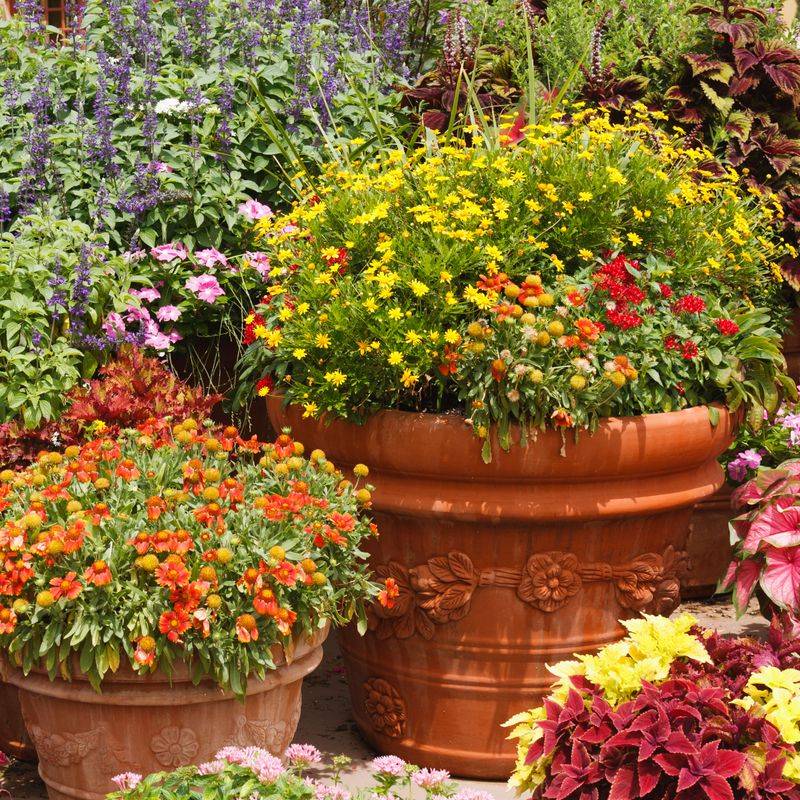
Walk into any big-box store in March and you will find shelves overflowing with impatiens, petunias, and lobelia, all gorgeous, all completely wrong for a Florida summer container. Retailers stock what sells visually, not necessarily what survives locally.
Knowing the difference between a spring sacrifice and a summer survivor can save you from repeating the same expensive mistake year after year.
Heat-loving plants are the real stars of Florida container gardening. Pentas, Vinca (Catharanthus roseus), Portulaca, Gaillardia, and Torenia are tough enough to handle relentless heat and humidity without flinching.
UF/IFAS Extension recommends these species specifically for Florida landscapes because their biology is built around warm, wet conditions. They absorb water efficiently even in saturated humidity and keep producing blooms when other plants have long since faded.
Ornamental sweet potato vine, caladiums, and coleus also make outstanding container companions in Florida’s summer heat. They bring texture and color without demanding the cool conditions that fragile annuals require.
A container packed with these survivors will still look vibrant in September, long after the pansies from the spring display have been composted. Choosing wisely at the nursery is the smartest investment a Florida gardener can make.
4. Evacuate The Melting Pansies Immediately
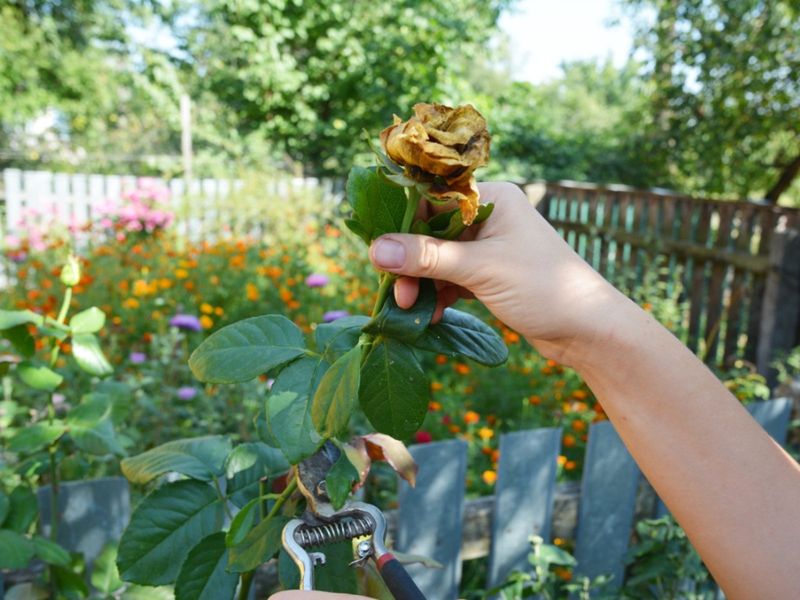
There is a window of opportunity every Florida spring that most homeowners miss entirely. The moment your cool-season plants start looking tired, yellowing leaves, shriveled blooms, leggy stems, that is your signal to act fast.
Leaving fading plants in containers is not just an eyesore; it is an open invitation for fungal problems that can linger all summer long.
Florida’s humidity creates the perfect environment for botrytis, powdery mildew, and root rot. Decomposing plant material sitting in a warm, moist container is practically a fungus incubator.
UF/IFAS plant pathologists note that removing spent plant material promptly is one of the most effective ways to prevent disease from spreading to your healthy summer plants. Do not wait until plants are completely gone, act when you first notice the decline.
Once you have cleared out the old plants, refresh your potting mix before adding new ones. Dump out the old soil, clean the container with a diluted bleach solution, and refill with fresh, high-quality potting mix.
This reset gives your summer plants the cleanest possible start. Think of it as a seasonal wardrobe swap for your containers, out with the wool sweaters, in with the linen shirts.
Timing this transition right makes the whole summer season more successful.
5. Choose Heat-Proof Gems Over Temporary Blooms
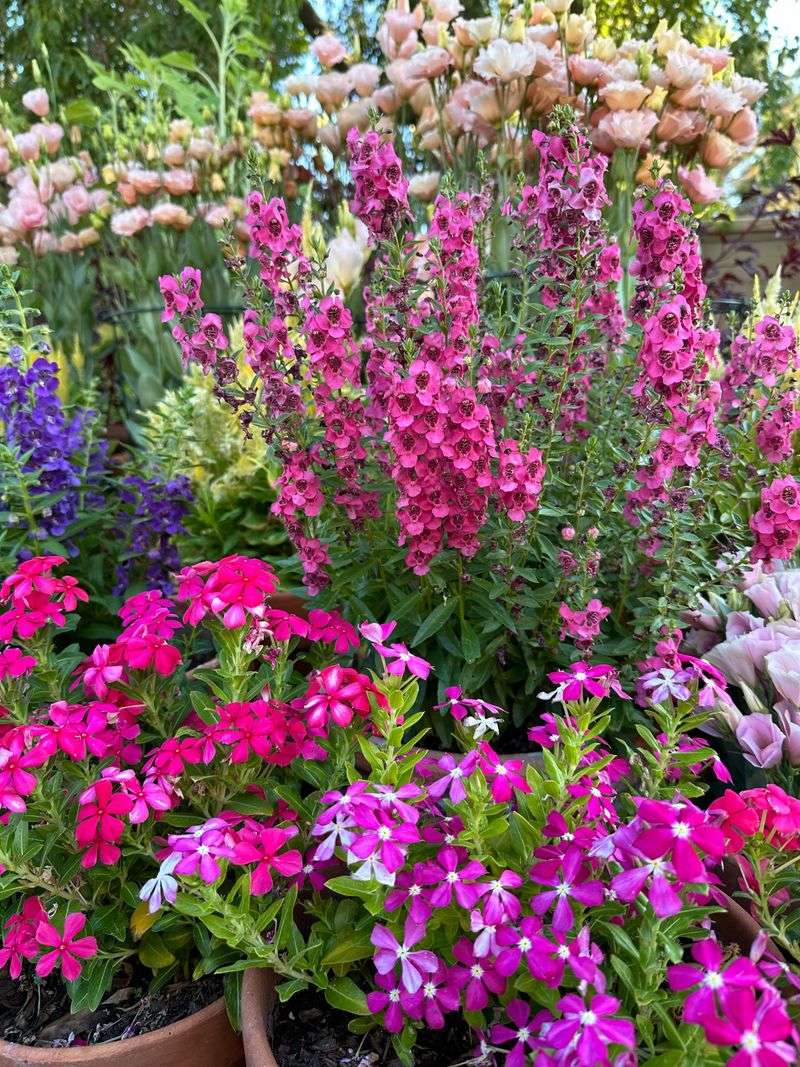
Some plants were practically engineered for Florida summers, and once you discover them, you will never go back to fighting with fragile spring annuals. Angelonia, sometimes called the summer snapdragon, is a perfect example.
It handles full sun, intense heat, and high humidity without missing a beat, producing spikes of purple, pink, and white blooms from spring straight through fall.
Pentas lanceolata is another Florida superstar. Its clusters of star-shaped flowers are irresistible to butterflies and hummingbirds, and it thrives in the exact conditions that destroy lesser plants.
Vinca (Catharanthus roseus) is practically legendary among Florida gardeners for its ability to keep blooming through relentless summer heat. UF/IFAS Extension officially recommends all three of these species for Florida’s heat zones because their cellular biology allows them to photosynthesize efficiently even under intense UV exposure.
Pineland lantana is another gem worth mentioning; a powerhouse of color that practically thrives on neglect in Florida’s heat. These plants do not just survive the summer; they genuinely perform better as temperatures climb.
Filling your containers with these heat-proof species means you spend less time replacing plants and more time actually enjoying your outdoor space. That is the kind of low-maintenance reward that every Florida gardener deserves.
6. Build A Garden That Defies The Humidity
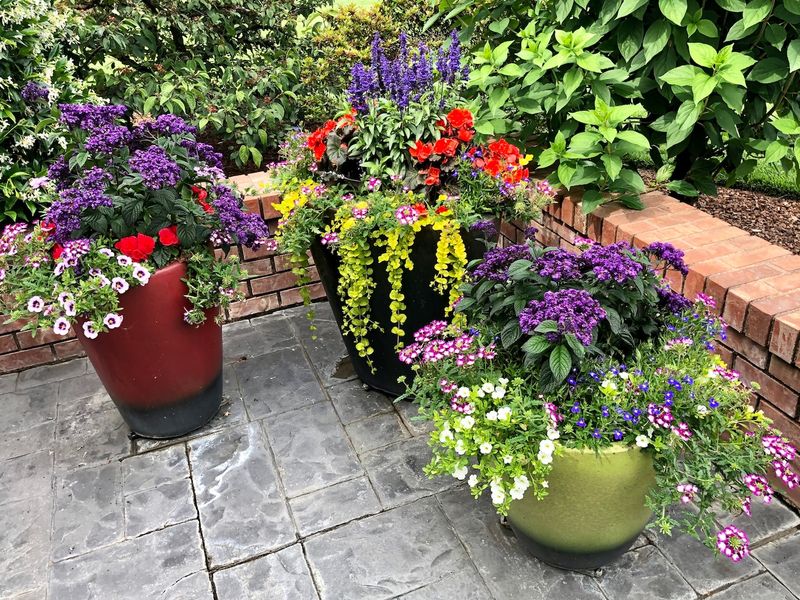
Humidity in Florida is not just uncomfortable for people, it is genuinely challenging for container plants too. When moisture lingers around foliage for extended periods, fungal diseases spread rapidly and root health suffers.
Building a container garden that respects Florida’s moisture levels requires thinking beyond plant selection and focusing on placement, spacing, and drainage.
Airflow is your secret weapon. Containers packed too tightly together trap humid air between plants, creating the exact microclimate that fungus and mildew love.
UF/IFAS Extension recommends leaving adequate space between containers so air can circulate freely around all sides of the plants. Elevating pots slightly off the ground using pot feet or a stand also improves drainage and prevents standing water from accumulating beneath containers.
Drainage holes are non-negotiable in Florida. Every container you own must have at least one, preferably several, drainage holes to allow excess water to escape after the afternoon thunderstorms that roll through almost daily from June through September.
Using a high-quality, fast-draining potting mix rather than garden soil also makes a significant difference. Fabric grow bags are gaining popularity among Florida container gardeners because they allow air pruning of roots and naturally prevent waterlogging.
Getting your setup right structurally means your plants have a fighting chance before the first summer storm arrives.
7. Ignore The Seasonal Displays At Big Box Stores
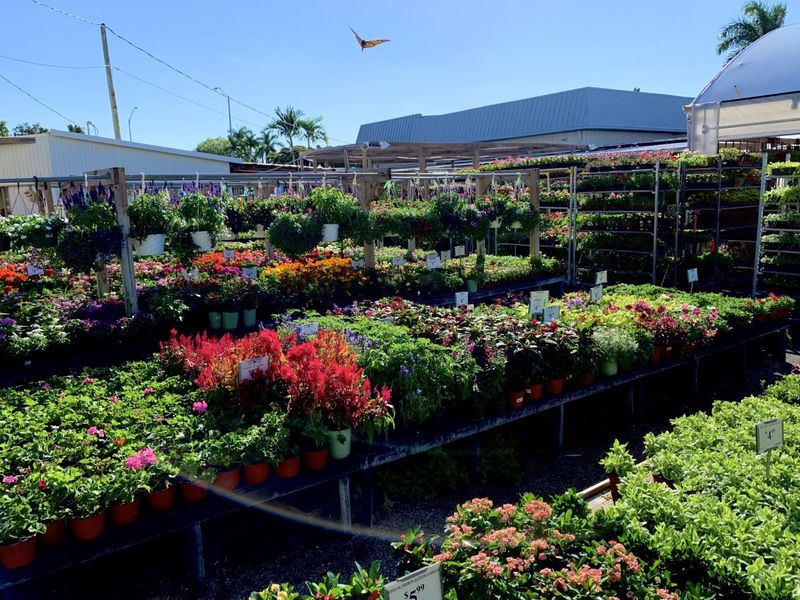
Big box garden centers are not your enemy, but their seasonal displays absolutely are. Every March, those stores light up with gorgeous trays of color, pansies, calibrachoa, snapdragons, and dianthus arranged like a painting.
They are stunning, they are affordable, and in Florida, most of them are completely wrong for what comes next. Retailers follow national buying calendars, not local climate realities.
The plants on those spring shelves were often grown in greenhouses in other states and shipped south right as Florida’s temperatures are already climbing past the comfort zone of cool-season species. Just because a plant is sitting on a shelf in a Florida garden center does not mean it is suited for a Florida summer.
UF/IFAS Extension specialists frequently remind homeowners that plant availability and plant suitability are two very different things.
A smarter approach is to shop at locally owned nurseries staffed by Florida-trained horticulturalists who stock plants based on what actually thrives in your specific region. Ask your local nursery staff which plants they personally grow in their own yards; that answer is almost always more reliable than any shelf display.
Spending a few extra dollars at a knowledgeable local nursery will save you from spending far more replacing plants that never had a chance in Florida’s summer heat.
8. Invest In Plants That Love The Heat
Long-term thinking is what separates a frustrated Florida gardener from a thriving one. Instead of spending money every spring on plants that will fade by June, redirecting that budget toward heat-loving perennials and tropical foliage plants delivers returns that last for years.
Think of it as an investment rather than a seasonal purchase.
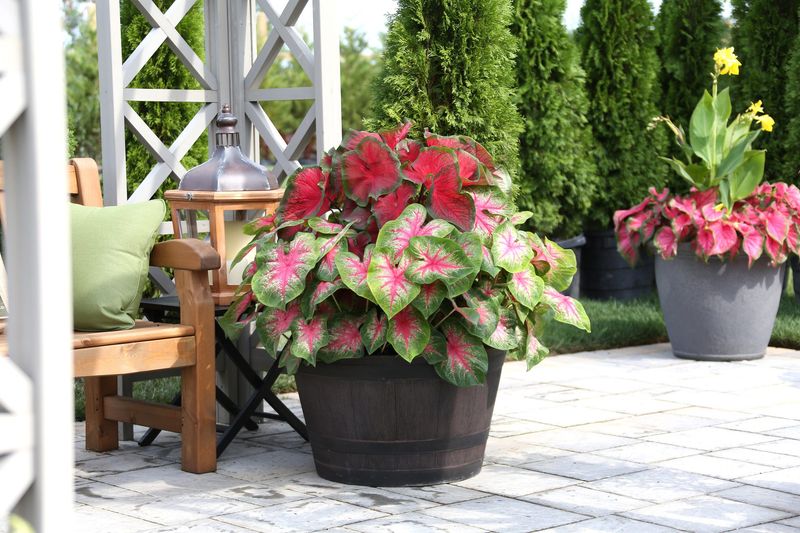
Caladiums bring dramatic color and texture to containers and genuinely love Florida’s warm, humid summers. Ornamental grasses like Muhly grass add movement and visual interest without demanding constant attention.
Bromeliads are practically bulletproof in Florida containers, thriving in heat and humidity while requiring minimal care. Crotons offer bold, multi-colored foliage that gets more vibrant as summer temperatures rise.
All of these plants are endorsed by UF/IFAS Extension as excellent performers in Florida’s heat zones.
The real magic happens when you combine a heat-loving bloomer like Pentas with a bold foliage plant like caladium and a trailing element like sweet potato vine. That combination looks spectacular from March through November with very little intervention.
Florida container gardening does not have to be a cycle of hope and disappointment every spring. Choosing plants that genuinely love the heat means your containers become a source of pride instead of a recurring frustration.
Plant smart once, and enjoy the rewards all season long.