This Is The March Lawn Mowing Height Trick Every Floridian Should Try
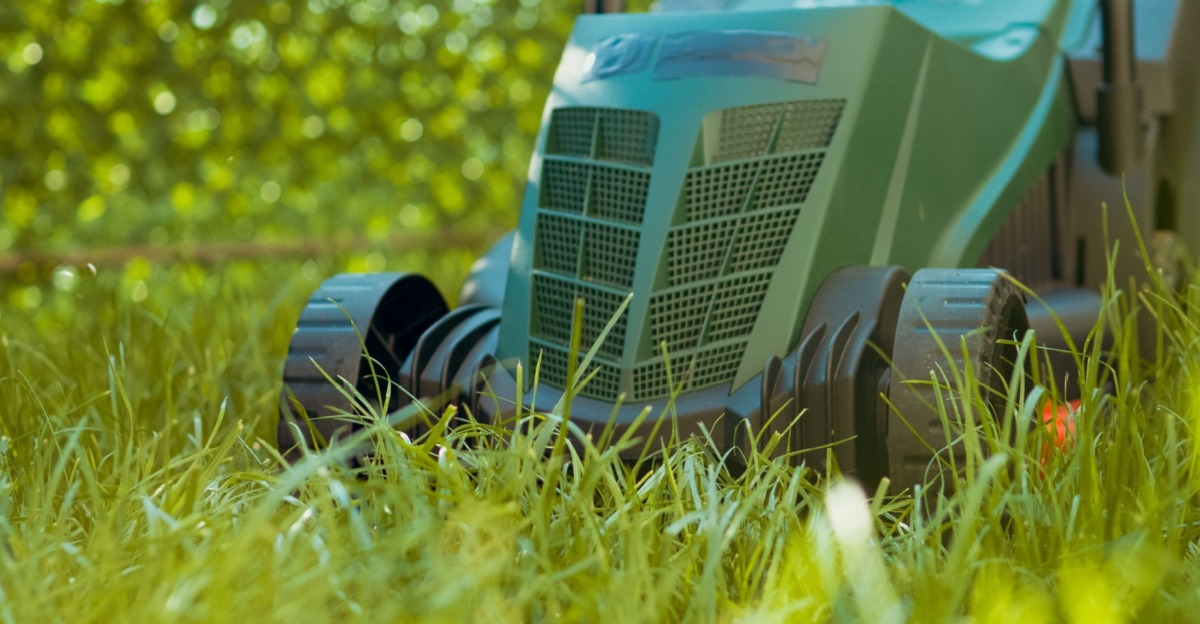
As the Florida sun begins to hold its heat and the morning dew lingers a little longer on the grass, March marks the official “wake-up call” for your lawn.
After months of winter dormancy, your St. Augustine, Bermuda, or Zoysia is hungry for growth, but before you reach for the pull-cord and drop the mower deck to its lowest setting, there is a strategic secret you need to know.
In Florida, the difference between a lush, emerald carpet and a patchy, weed-choked yard often comes down to a single adjustment: your mowing height.
Think of it as the “Goldilocks” of lawn care; cut too short and you’ll bake the roots, but get the height just right, and you’ll starve out the weeds before they even have a chance to sprout.
1. Raise Your Mower Height For Healthier Florida Grass
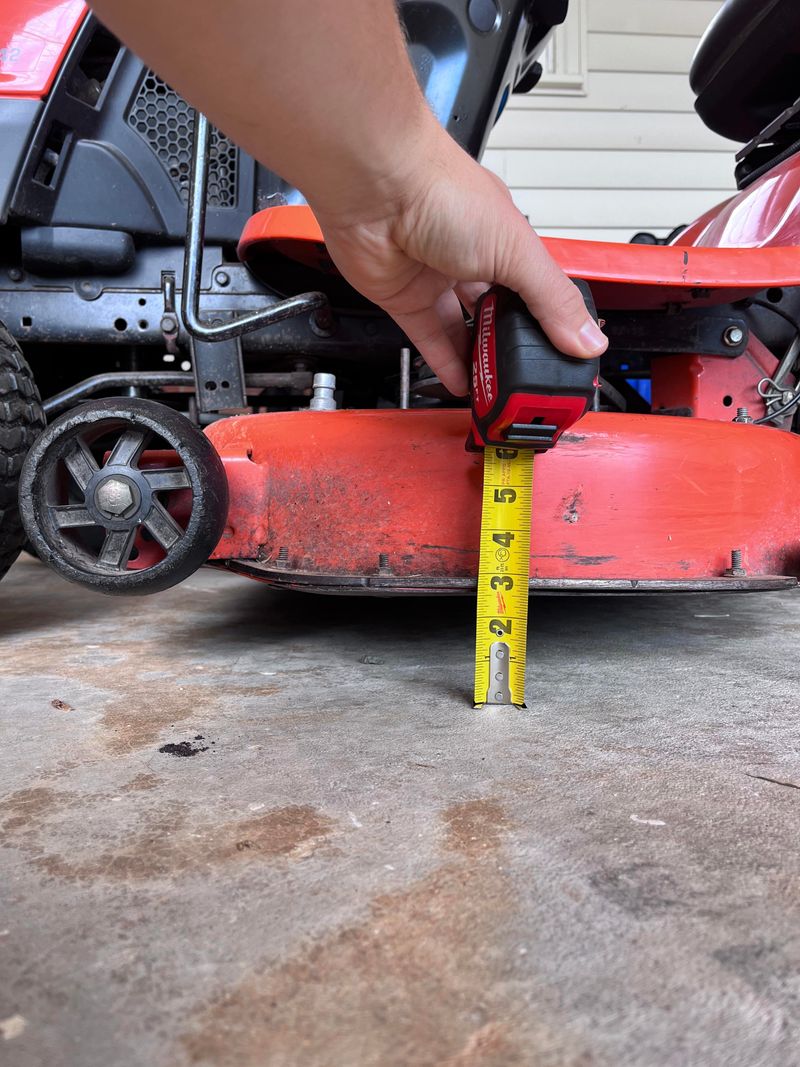
Picture your grass as a solar panel. The more leaf blade it has, the more sunlight it captures, and the stronger it grows.
That is exactly why raising your mower height slightly in March is the single best thing you can do for your Florida lawn right now.
As spring growth kicks in, taller grass shades the soil beneath it. This keeps soil temperatures cooler, slows moisture evaporation, and helps roots grow deeper into the ground.
Deeper roots mean your lawn handles Florida’s summer heat and dry spells far better than a short-cut lawn ever could.
According to University of Florida IFAS Extension turfgrass specialists, mowing too low is one of the most common mistakes Florida homeowners make. Raising your deck just half an inch to a full inch above your winter setting can dramatically improve turf density and root strength.
Taller grass also naturally crowds out weeds by blocking the sunlight weed seeds need to sprout. Starting this habit in March gives your lawn a head start that pays off for months to come.
2. Follow The One-Third Rule For Stronger Lawns
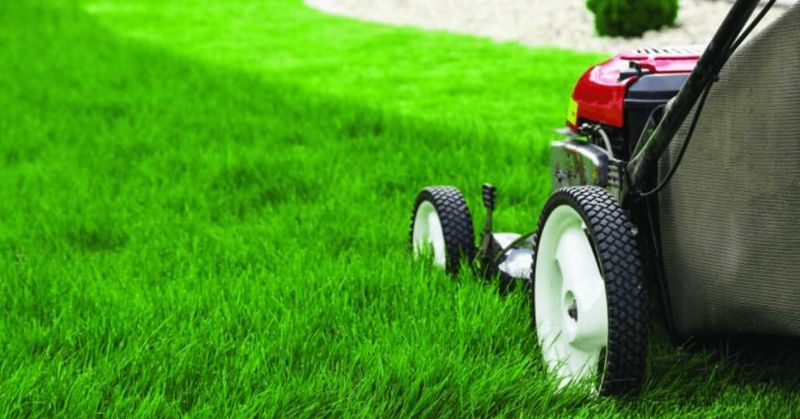
Cutting more than one-third of your grass blade in a single mow is one of those mistakes that looks harmless but causes real damage below the surface. Turf researchers have studied this for decades, and the conclusion is always the same: the one-third rule protects your lawn from unnecessary stress.
Here is how it works. If your target mowing height is three inches, you should never let the grass grow taller than four and a half inches before cutting.
Removing more than one-third of the blade forces the plant to use stored energy reserves to recover, leaving it weaker and more vulnerable to heat, pests, and drought.
University of Florida IFAS Extension specialists consistently recommend this rule for all Florida turfgrass types. In March, when grass is waking up from its slower winter pace and pushing into active growth, following this guideline is especially important.
Your lawn is rebuilding its root system and energy stores right now. Respecting the one-third rule during this period helps your grass build the strength it needs to stay dense and vibrant all spring and summer long without putting it under unnecessary strain.
3. Match Mowing Height To Your Grass Type
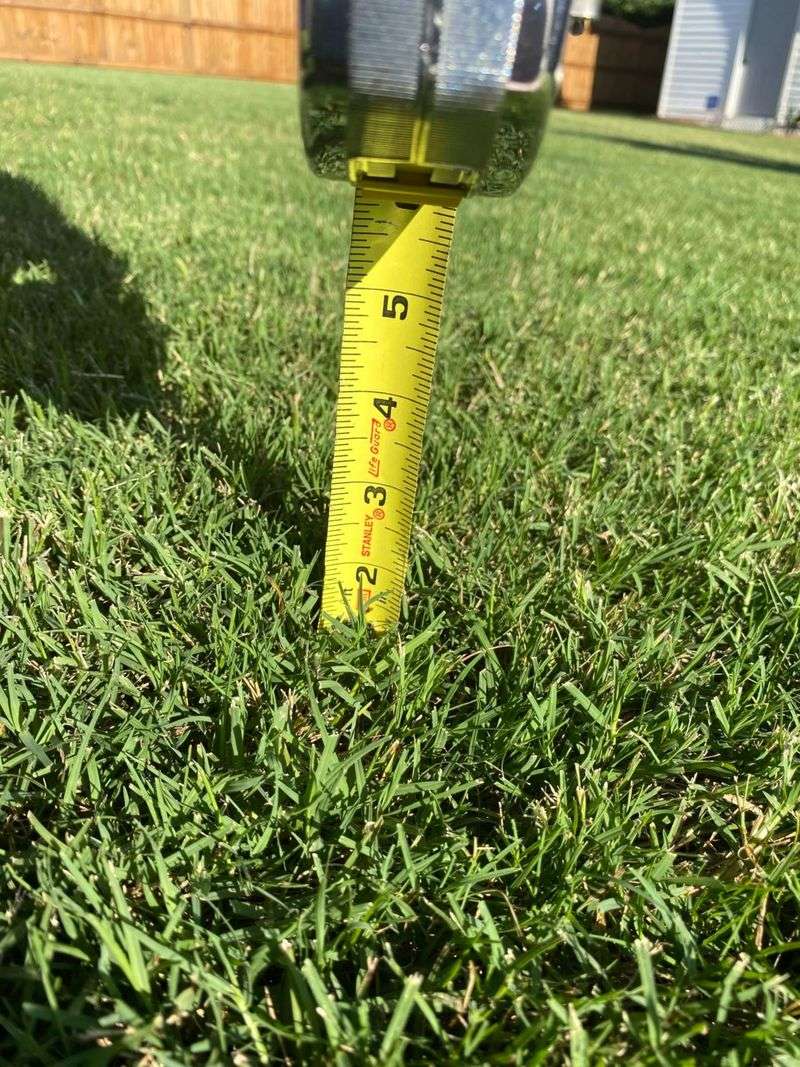
Not every Florida lawn is the same, and mowing heights are not one-size-fits-all. Cutting St. Augustinegrass to the same height as Bermudagrass would be a big mistake, and UF/IFAS Extension research makes the right targets very clear.
St. Augustinegrass, the most popular lawn grass across Florida, should be kept at 3.5 to 4 inches. This height supports deep roots and helps shade out weeds.
Bahiagrass, another common Florida choice known for its toughness, also prefers a taller cut of 3 to 4 inches, which encourages strong root development and drought tolerance.
Zoysiagrass performs best when kept between 1.5 and 2 inches, producing the dense, carpet-like look many homeowners love. Bermudagrass, often found on sports fields and some residential lawns, thrives at a much shorter 0.5 to 1.5 inches and requires more frequent mowing to stay healthy.
Centipedegrass should be maintained at 1.5 to 2 inches for best results. Checking which grass type you have before adjusting your mower deck in March ensures you are giving your specific lawn exactly what it needs to grow thick and strong throughout the season.
4. Let March Growth Guide Your Mowing Schedule
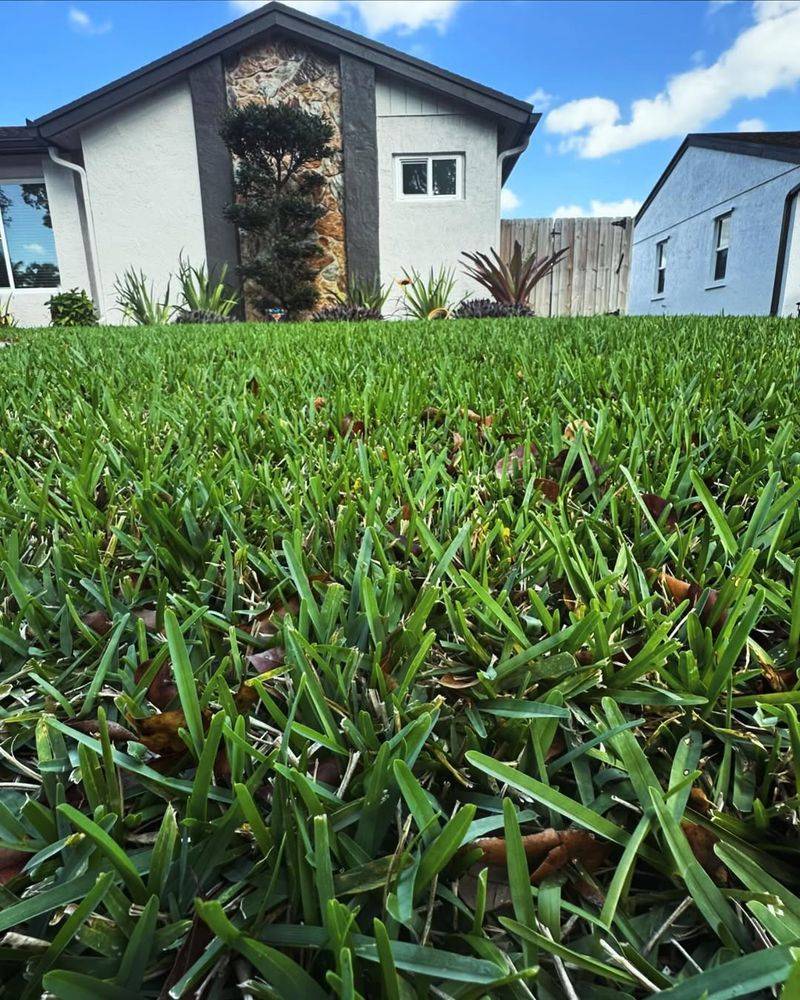
Something noticeable happens to Florida lawns in March: they start growing fast. As average daily temperatures climb into the 70s and daylight hours increase, warm-season grasses like St. Augustinegrass and Bermudagrass shift into active growth mode.
A lawn that needed mowing every two weeks in January may suddenly need attention every week or even more often.
Paying attention to how quickly your grass is growing is the smartest way to set your mowing schedule. Rather than mowing on a fixed calendar date, watch the actual grass height.
When it approaches that one-third threshold above your target height, it is time to mow. This approach keeps your lawn consistently healthy instead of swinging between too long and cut too short.
UF/IFAS Extension recommends adjusting mowing frequency based on growth rate rather than a rigid weekly schedule. In March, Bermudagrass may need cutting every three to five days during peak growth, while Bahiagrass might only need attention every ten to fourteen days.
Staying responsive to your lawn’s actual growth keeps stress low and turf quality high right through the busy spring growth season in Florida.
5. Leave Clippings To Feed Your Lawn Naturally
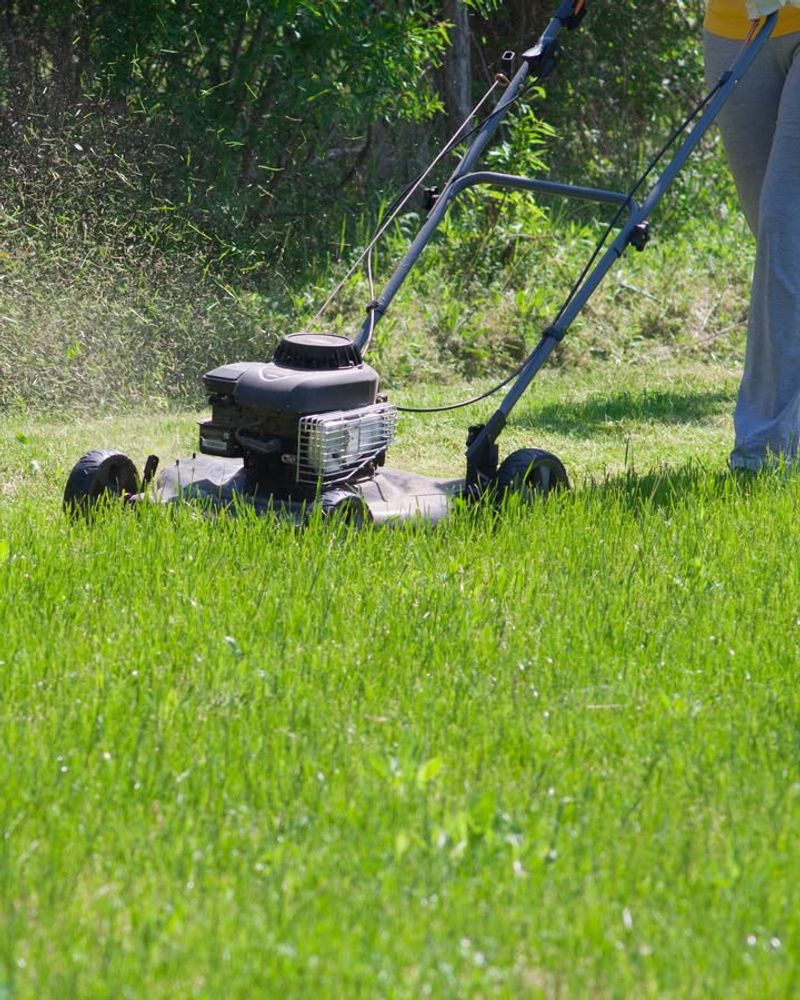
Bagging your grass clippings and hauling them to the curb every week feels tidy, but you might be throwing away free fertilizer. Grasscycling, the practice of leaving clippings on the lawn after mowing, is one of the easiest and most cost-effective lawn care habits a Florida homeowner can adopt.
Fresh grass clippings are roughly 80 to 85 percent water. As they break down quickly in Florida’s warm climate, they return nitrogen, potassium, and phosphorus directly into the soil.
UF/IFAS Extension research suggests that grasscycling can supply up to 25 percent of your lawn’s annual nitrogen needs, reducing how much fertilizer you need to purchase and apply throughout the year.
The key is following the one-third rule before grasscycling. Short clippings from a properly maintained lawn break down fast and do not create thatch buildup.
Long clippings from an overgrown lawn are a different story and can mat together, blocking sunlight and air from reaching the soil. Starting grasscycling in March, when growth picks up and fresh clippings are plentiful, gives your lawn a natural nutrient boost right when it needs energy most for strong spring development.
6. Sharpen Mower Blades Before Spring Growth Peaks
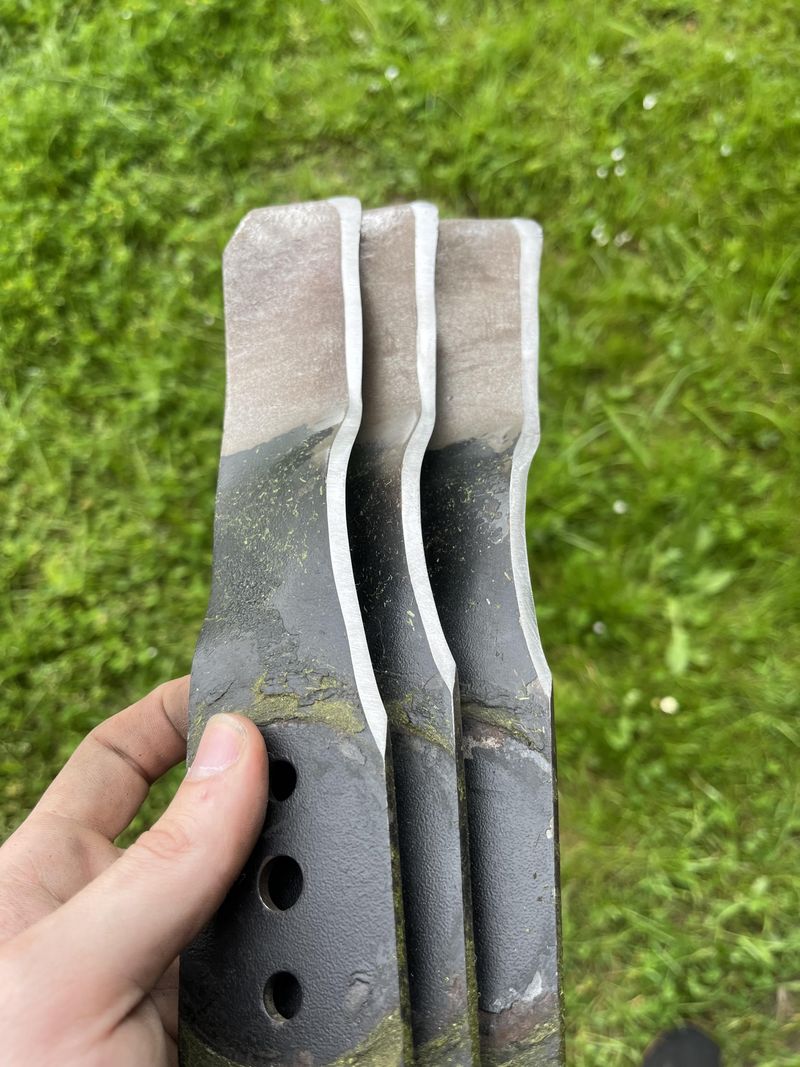
A dull mower blade does not cut grass. It tears it.
That ragged, shredded cut leaves thousands of tiny wounds across every blade of grass on your lawn, and those wounds turn brown, invite fungal disease, and slow recovery time significantly.
Sharp blades slice cleanly through grass, leaving a smooth, even tip that heals quickly and maintains a healthy green color. UF/IFAS Extension turfgrass specialists point out that clean cuts reduce water loss from the grass blade and lower the risk of turf diseases that thrive when grass tissue is damaged and exposed.
Before March growth really picks up speed, take time to inspect and sharpen your mower blade. For most Florida homeowners who mow weekly during the growing season, blades should be sharpened at least once or twice per season, with more frequent sharpening if you have a large lawn or mow over sandy soil.
Sandy Florida soils are notoriously hard on mower blades, dulling them faster than grass alone would. A sharp blade costs very little to maintain but pays off enormously in the health and appearance of your lawn all spring and summer long.
7. Avoid Scalping As Temperatures Begin To Rise
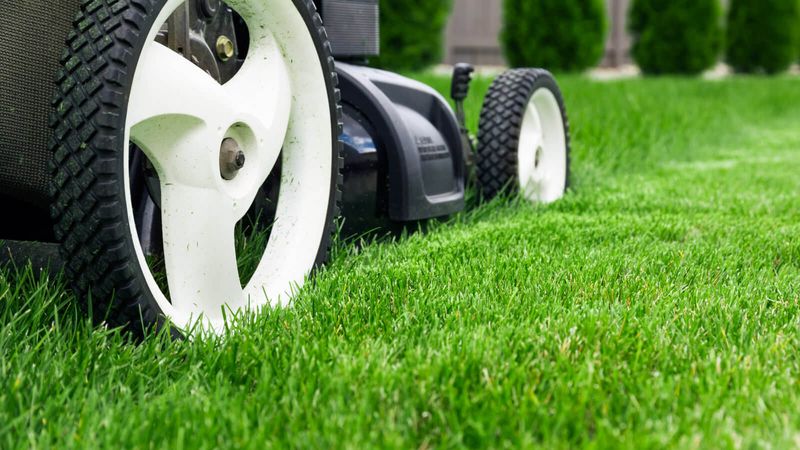
Scalping happens when a mower cuts grass so short that the brown stem tissue below the green leaf blade is exposed. It looks bad immediately, but the real problem runs much deeper than appearances.
A scalped lawn in March is a weakened lawn heading into one of Florida’s most demanding seasons.
When grass is cut too short, it loses most of its leaf surface area at once. Without enough blade left to capture sunlight, the plant cannot produce the energy it needs to recover and grow.
Root systems shrink, the lawn thins out, and weeds seize the opportunity to move into the bare, stressed areas. Florida’s warming March temperatures make recovery from scalping even harder, as heat stress compounds the damage.
UF/IFAS Extension consistently warns against scalping warm-season grasses, especially going into spring. Even well-meaning homeowners sometimes scalp their lawns in an attempt to remove winter growth or get a fresh start, but this approach backfires.
Keeping your mower deck at the correct height for your specific grass type, and never removing more than one-third of the blade at once, protects your lawn from scalping damage and keeps it growing thick and strong as Florida’s spring season unfolds.
8. Train Your Lawn For Thick Spring Growth
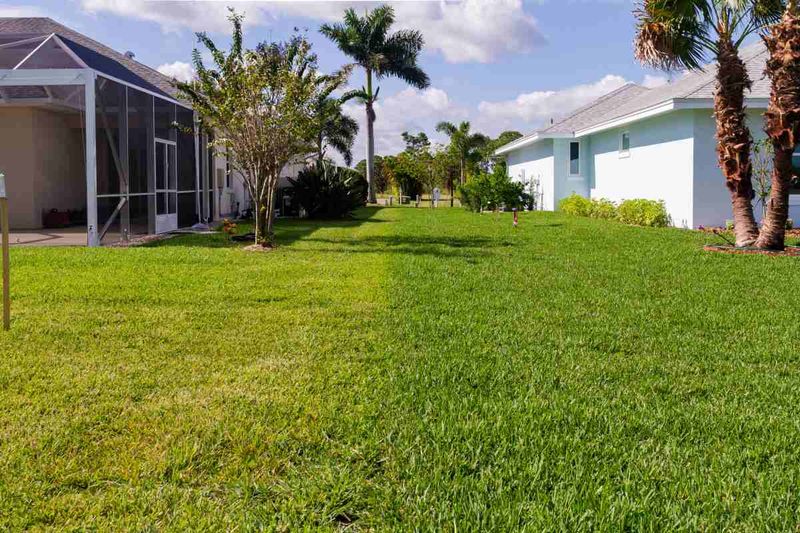
Consistent mowing habits in March do more than just keep your grass looking neat. They actually train your lawn to grow thicker and denser over time.
Each time you mow at the correct height and follow the one-third rule, you are encouraging the grass to spread laterally rather than shooting straight up, which fills in bare spots and creates a tighter, more uniform turf.
St. Augustinegrass spreads through above-ground runners called stolons. Regular, properly timed mowing encourages those stolons to branch out and fill gaps across the lawn.
Bermudagrass and Zoysiagrass spread through both stolons and underground rhizomes, and consistent mowing at the right height stimulates that lateral spread as well.
Building strong mowing habits in March sets the foundation for your lawn’s performance through April, May, and into the heat of a Florida summer. Lawns that are mowed correctly and consistently during early spring tend to be thicker, more resistant to weeds, and better able to handle drought stress when the dry season arrives.
Think of March as your lawn’s training camp. Get the habits right now, and your Florida yard will reward you with months of green, healthy, impressive growth that makes every mow feel worth it.