This Is The Most Powerful Plant You Can Grow Indoors In Pennsylvania
Every now and then a plant comes along that earns a reputation so strong it genuinely lives up to the hype. Not because of flashy blooms or dramatic foliage, but because of what it actually does for the space it lives in.
Pennsylvania homeowners who grow this particular plant indoors tend to become quietly evangelical about it, recommending it to anyone who will listen without being entirely able to explain why it hits differently than everything else on their windowsill.
The most powerful plant you can grow indoors in Pennsylvania earns that title across multiple categories at once.
Air quality, ease of care, resilience through the dry indoor winters that Pennsylvania homes are known for, and a track record that holds up under real conditions rather than just ideal ones. It’s not a gimmick and it’s not an exaggeration.
Whether you’re a seasoned indoor gardener or someone who has destroyed every plant they’ve ever owned, this one is worth your full attention.
Meet The Spider Plant (Why Everyone Loves It)
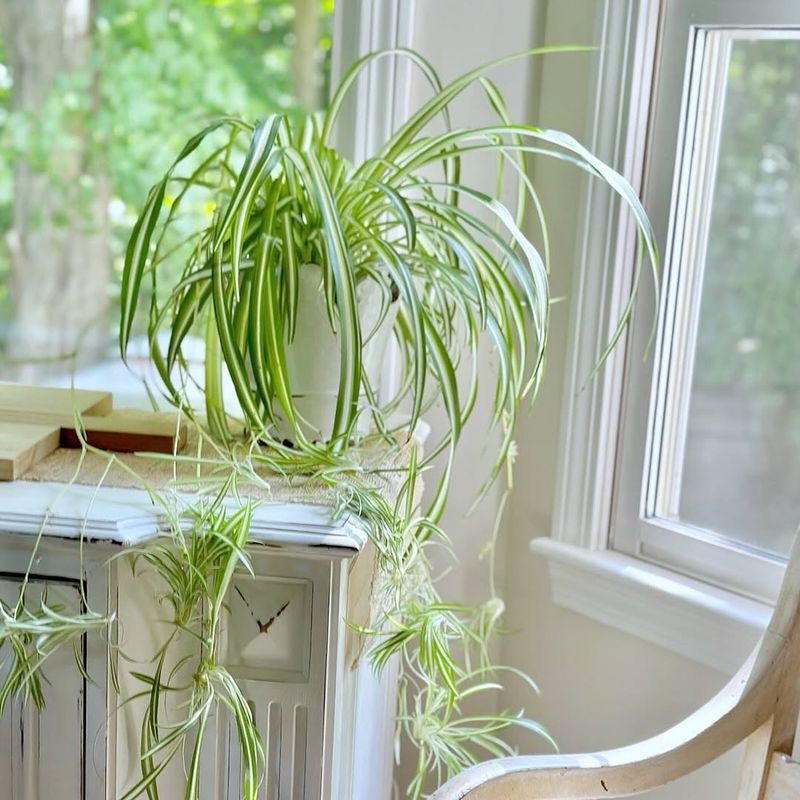
Walk into almost any home in Pennsylvania, and chances are you will spot a spider plant sitting happily on a shelf or hanging from a basket near a window.
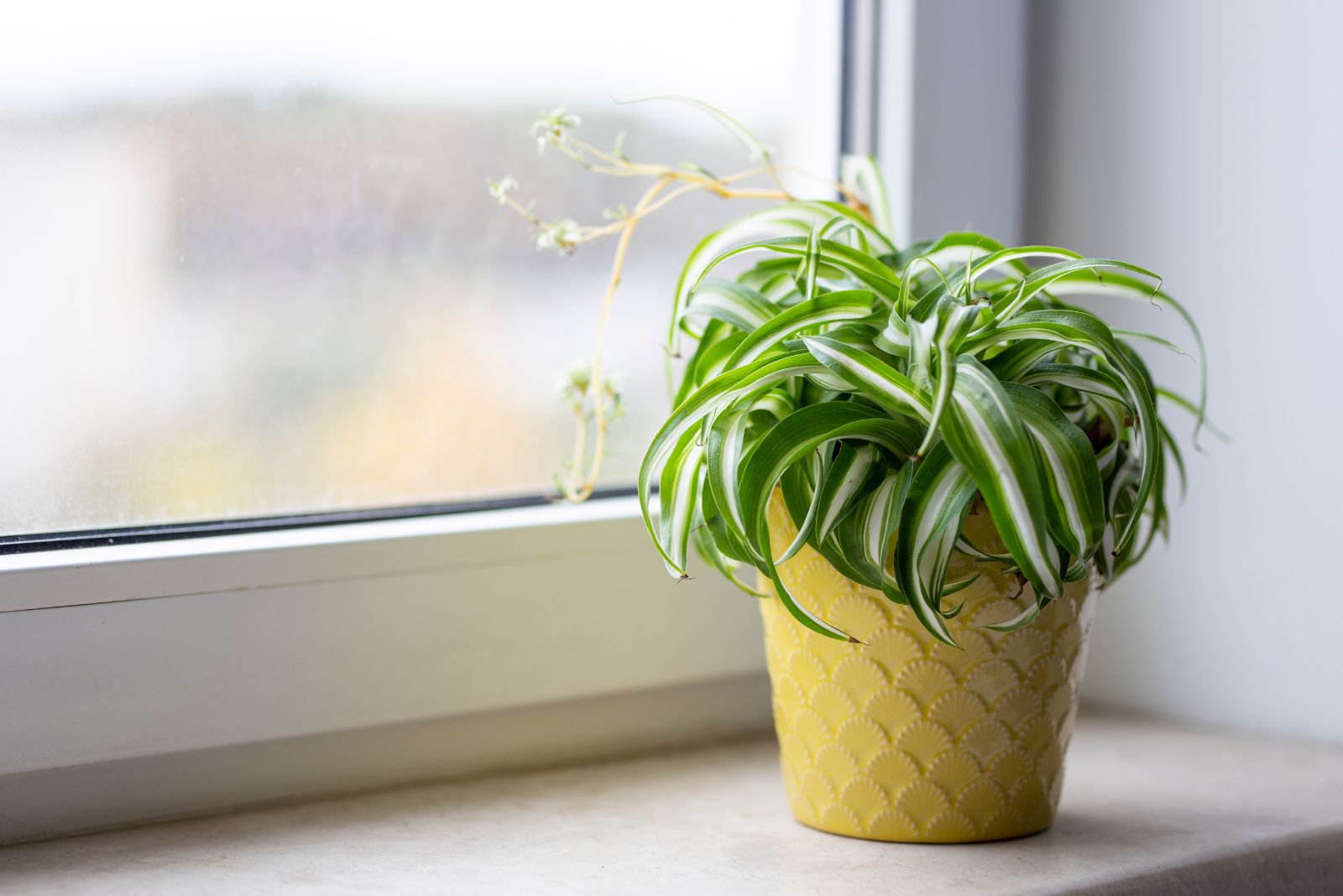
Officially known as Chlorophytum comosum, the spider plant has been a household favorite for decades, and it is easy to see why.
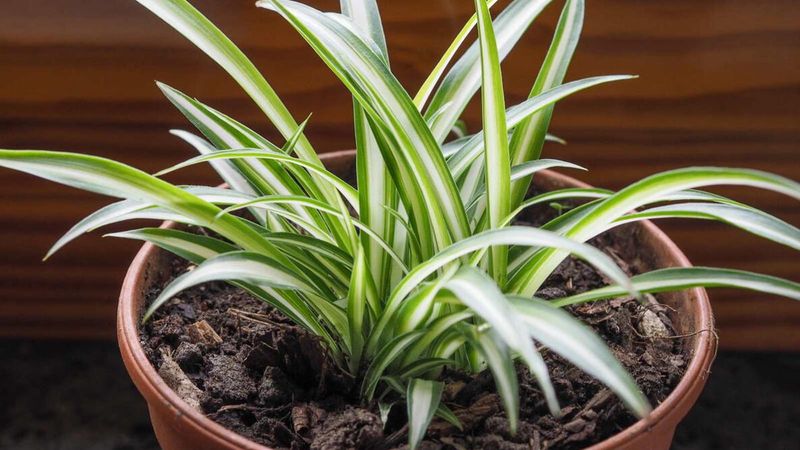
Its long, arching leaves striped in green and white give it a bold, lively look that instantly brightens up any room.
What really makes people fall in love with it are the little plantlets, often called “babies” or “spiderettes,” that dangle from the mother plant on thin, wiry stems. They look almost like tiny spiders hanging from a web, which is exactly how the plant got its quirky name.
These babies can grow into full plants on their own, which means one spider plant can eventually turn into many. Another reason everyone loves it is how forgiving it is. Forgot to water it for a week?
No problem. Placed it in a dim corner? It will still survive. The spider plant is one of the most beginner-friendly houseplants you can find, making it a top pick for people who are just starting out with indoor gardening.
It does not ask for much, but it gives back a lot in return. Whether you live in a small apartment in Allentown or a big house in the suburbs of Harrisburg, this plant will fit right in.
It is adaptable, cheerful, and surprisingly tough, which is exactly what Pennsylvania plant lovers need during those long, cold months indoors.
Why It Is Considered So Powerful
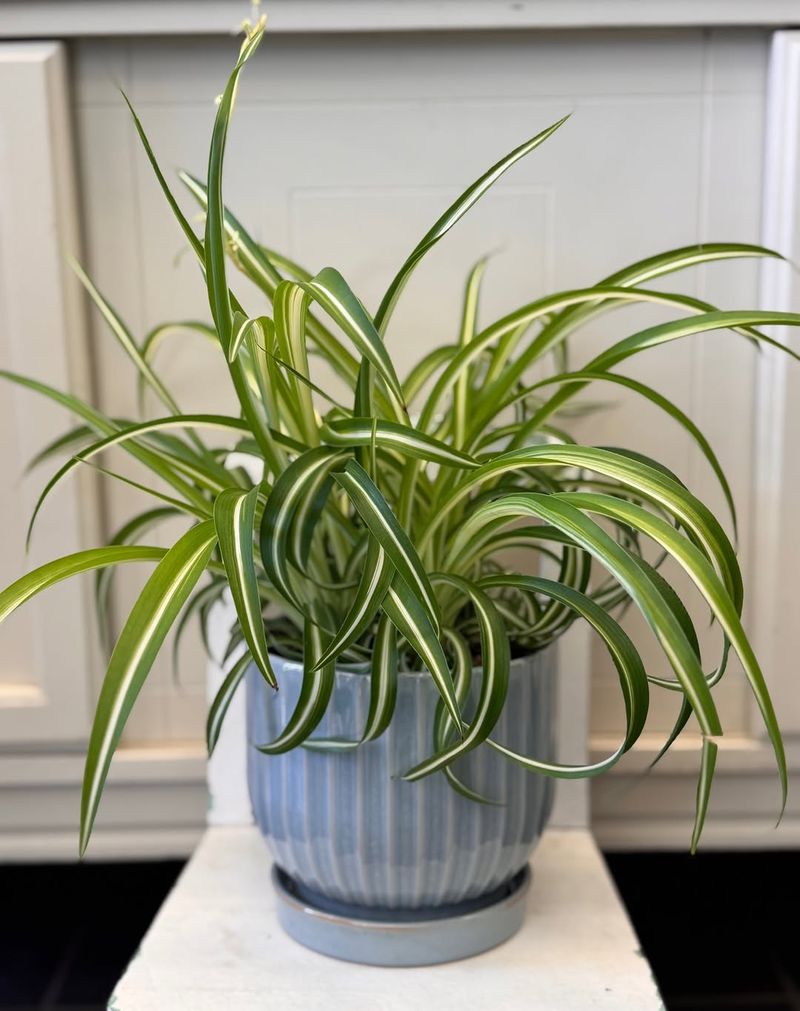
The word “powerful” might sound dramatic for a houseplant, but the spider plant truly earns that title in more ways than one. One of its most celebrated qualities is its ability to help improve indoor air quality.
Studies, including well-known research conducted by NASA, have suggested that spider plants can absorb certain airborne pollutants found in homes, like formaldehyde and xylene.
Your Pennsylvania Garden Changes Every Week. Your Plan Should Too.
Gardening in Pennsylvania changes quickly throughout the season. Every Friday you’ll receive a simple weekly plan showing exactly what to plant, prune, fertilize, harvest, and protect so you never miss the right timing.
While it is not a replacement for fresh air, having a few of these plants around your living space can make a real difference in how your home feels.
During Pennsylvania winters, when windows stay shut for months and heating systems run constantly, indoor air can get stale and dry. That is where the spider plant steps in.
It adds a touch of freshness to the environment and releases moisture into the air as it grows, which can help balance out that dry, overheated feeling that many Pennsylvania homes get from January through March.
Beyond air quality, the spider plant is powerful because of how fast it grows and reproduces. A single plant can produce dozens of baby plants within just one growing season.
That means you are not just buying one plant. You are investing in a source of endless free greenery.
You can fill every room in your home, give plants to neighbors, or even sell them at local plant swaps.
In a state like Pennsylvania, where winters can feel isolating, having a fast-growing, low-maintenance plant that keeps multiplying is genuinely uplifting. It is the kind of living decoration that keeps on giving all year long.
Why It Thrives Indoors In Pennsylvania
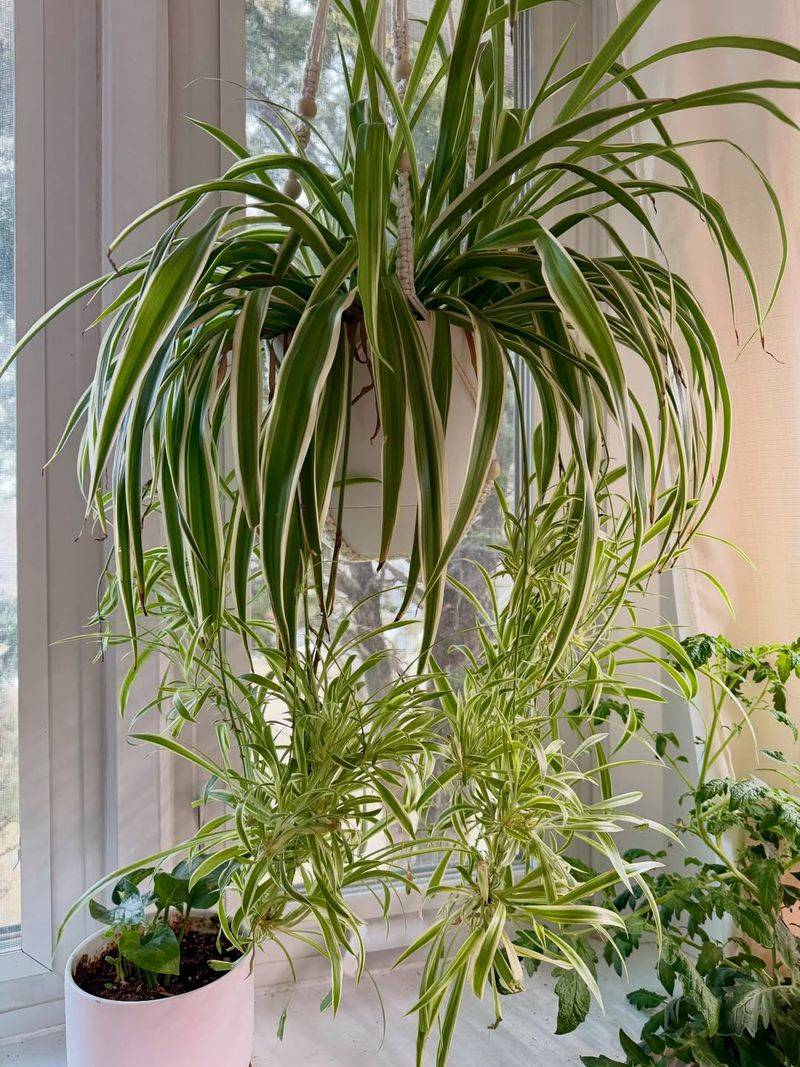
Pennsylvania is not exactly known for its sunny winters. From November through February, cloudy skies and short days are the norm across cities like Erie, Scranton, and Reading.
Most tropical plants would struggle in those conditions, but the spider plant handles low to moderate light like a champ. It does not need direct sunlight to thrive, which makes it perfectly suited for the kind of dim, gray days that Pennsylvania winters are famous for.
Another challenge Pennsylvania homeowners face is dry indoor air. When the heat is blasting through your vents or radiators, the air inside your home can get very dry very fast.
Many houseplants respond to that by dropping leaves or turning brown and crispy. The spider plant is much tougher than that.
It tolerates dry air surprisingly well and keeps looking healthy even when humidity levels drop low during those cold months.
Temperature swings inside homes are also common in Pennsylvania, especially in older houses where drafts come through windows and doors. The spider plant handles those fluctuations without much complaint.
It is comfortable in a wide range of indoor temperatures, roughly between 60 and 80 degrees Fahrenheit, which covers most home environments throughout the year. It does not need a perfectly controlled climate to look great.
Whether your home runs warm in the summer or cool in the winter, the spider plant adjusts without missing a beat.
That kind of flexibility is rare, and it is a big reason why Pennsylvania gardeners and plant lovers keep coming back to this remarkable little plant season after season.
How To Care For A Spider Plant (Simple Guide)
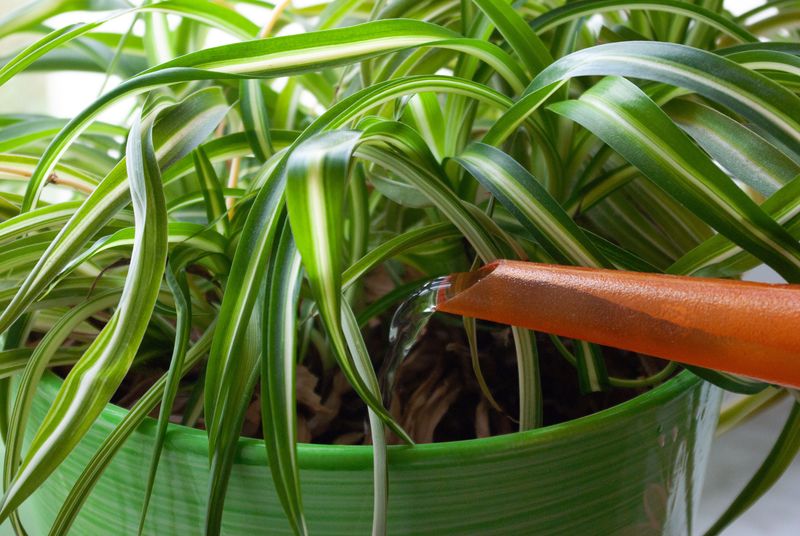
Caring for a spider plant is so simple that even kids can do it successfully. When it comes to light, bright and indirect is the sweet spot.
A spot near a window that gets morning or afternoon light works beautifully. However, if your Pennsylvania home does not get much natural light during winter, do not stress.
The spider plant will still grow just fine in lower light conditions, though it may grow a bit more slowly.
Watering is where many people make mistakes with houseplants, but the spider plant is very forgiving here too. The key is to let the soil dry out slightly between waterings. Stick your finger about an inch into the soil. If it still feels damp, wait a couple more days.
Overwatering is actually more of a problem for spider plants than underwatering, so when in doubt, hold off. During winter months in Pennsylvania, when growth slows down, you will need to water even less frequently than in spring and summer.
For soil, a well-draining potting mix works best. You want water to flow through easily rather than sitting at the bottom and soaking the roots.
A standard indoor potting mix from your local garden center in Pennsylvania will do the job well. During the growing season, which runs from spring through early fall, you can give your plant a light feeding with a balanced liquid fertilizer about once a month.
You do not need to feed it at all during winter. Keep things simple, stay consistent, and your spider plant will reward you with lush, beautiful growth all year long.
How To Multiply It For Free Plants
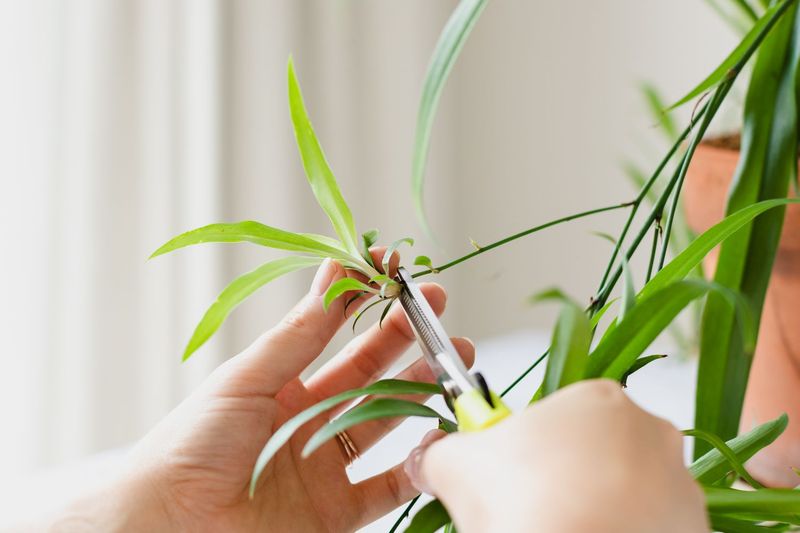
One of the most exciting things about owning a spider plant is watching it produce babies. These little offshoots, called spiderettes, grow on long, thin stems that arch out from the mother plant.
Once a spiderette has a few small roots forming at its base, it is ready to be separated and grown into its own plant.
It is one of nature’s most satisfying little tricks, and it happens right on your windowsill. Propagating spider plant babies is incredibly easy. You have two main options.
The first is to place the spiderette in a small glass or jar of water, making sure the tiny roots are submerged while the leaves stay dry. Within a week or two, the roots will grow longer and stronger.
Once they reach about an inch long, you can pot the baby up in soil and treat it just like a mature plant. The second option is to plant the spiderette directly into moist potting soil without rooting it in water first.
Both methods work well, and many Pennsylvania gardeners prefer the soil method because it skips a step.
What makes this so valuable is the endless supply of plants it creates. One spider plant can easily produce ten or twenty babies over the course of a single growing season.
That means you can fill every room in your home with greenery without spending a single extra dollar.
You can also share plants with neighbors, bring them to community plant swaps in your area, or give them as gifts to friends and family across Pennsylvania. It is a generous plant in the most literal sense of the word.
Extra Tips To Keep It Looking Its Best
Even the toughest plants need a little extra attention now and then, and the spider plant is no different. One of the most common things people notice is brown tips on the leaves.
This is usually caused by minerals found in regular tap water, like fluoride and chlorine. The good news is that it is easy to fix.
Switching to filtered water or collected rainwater can make a noticeable difference over time. If you live in a city like Philadelphia or Pittsburgh, your tap water may have higher mineral content, so this tip is especially worth trying.
Trimming those brown tips is also perfectly fine. Use a clean pair of scissors and snip off just the brown portion at an angle to keep the leaf looking natural.
It will not hurt the plant at all, and your spider plant will look much neater and healthier right away. Make it a habit to check the tips every few weeks and trim as needed.
Repotting is another thing to keep in mind. Spider plants grow fast, and over time their roots can fill up the pot completely, leaving no room to expand.
When you notice roots poking out of the drainage holes or the plant looking cramped, it is time to move it into a slightly larger container. Rotating your plant every week or two is also a smart move.
Since most Pennsylvania homes get light from just one direction, rotating the pot ensures all sides of the plant get even exposure and grow evenly. Small habits like these go a long way toward keeping your spider plant looking lush and vibrant all year long.