This Is What Florida Roses Need Before The Heat Gets Brutal
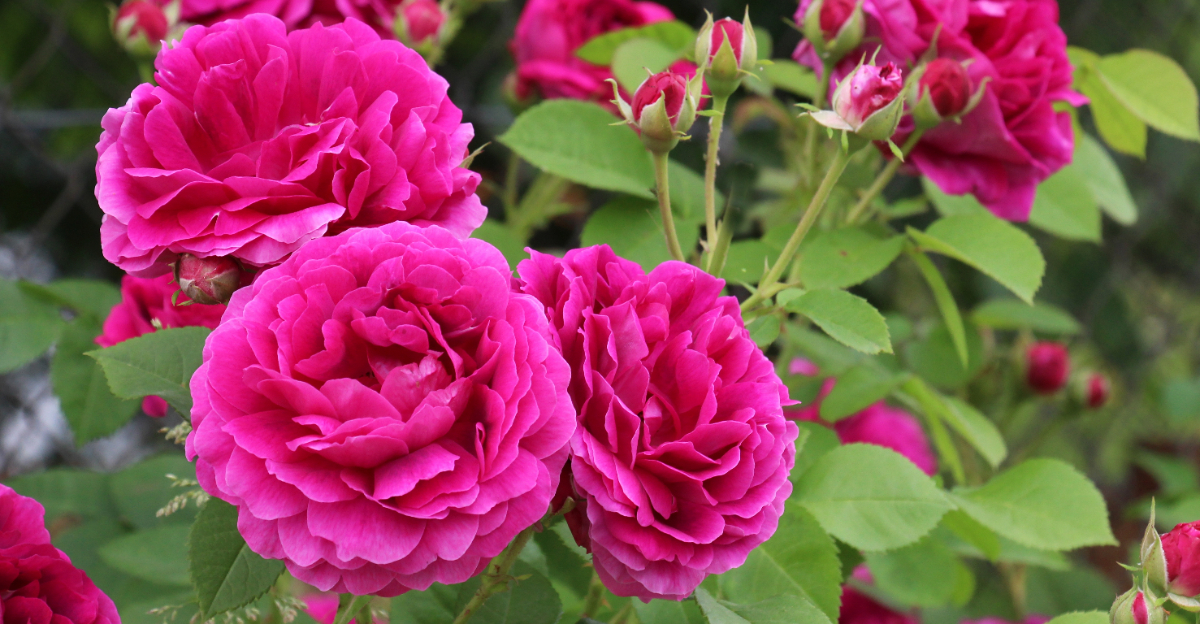
Florida roses can look almost too pretty in spring, right up until the heat starts playing rough. They are not exactly the easiest plants to grow in Florida, but that is part of the obsession, isn’t it?
One week they are full of fresh growth and promising buds, and the next they are dealing with stress, pests, faded blooms, and leaves that look less than thrilled. The trick is not waiting until summer feels unbearable.
Roses need a little prep before the brutal stretch arrives, especially in a climate where heat and humidity do not take many days off.
A few smart moves now can help them stay stronger, bloom longer, and avoid the kind of midsummer slump that makes gardeners want to give up.
So before the real Florida heat settles in, give your roses what they need to face it with a fighting chance.
1. Prune Lightly Before Heat Stress Builds
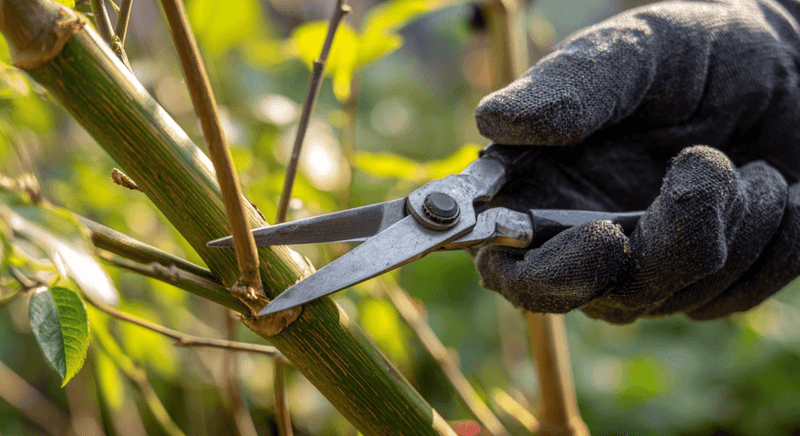
A pair of clean, sharp pruners can do a lot of good before summer heat settles in. Light cleanup pruning focuses on removing weak stems, damaged canes, and any growth that crosses through the center of the plant.
That kind of crowded growth blocks airflow and makes the plant harder to manage as humidity climbs.
The goal here is not a dramatic cutback. Major pruning timing depends on your region and rose type, so checking with your local Extension office is always a smart move before making big cuts.
UF/IFAS recommends focusing seasonal pruning guidance on specific rose types and regional timing rather than applying one rule everywhere.
Cleanup pruning is different. Removing obviously weak or rubbing stems can improve plant shape and reduce spots where pests and disease tend to settle in.
Always use clean, sharp tools to avoid tearing the canes. Wiping blades with a disinfecting solution between plants is a good habit, especially if disease has been an issue in your garden before.
After pruning, dispose of clippings rather than leaving them on the soil surface. Old plant material can harbor fungal spores.
Small steps like this set your roses up for a more manageable season ahead.
2. Refresh Mulch Before Soil Temperatures Climb
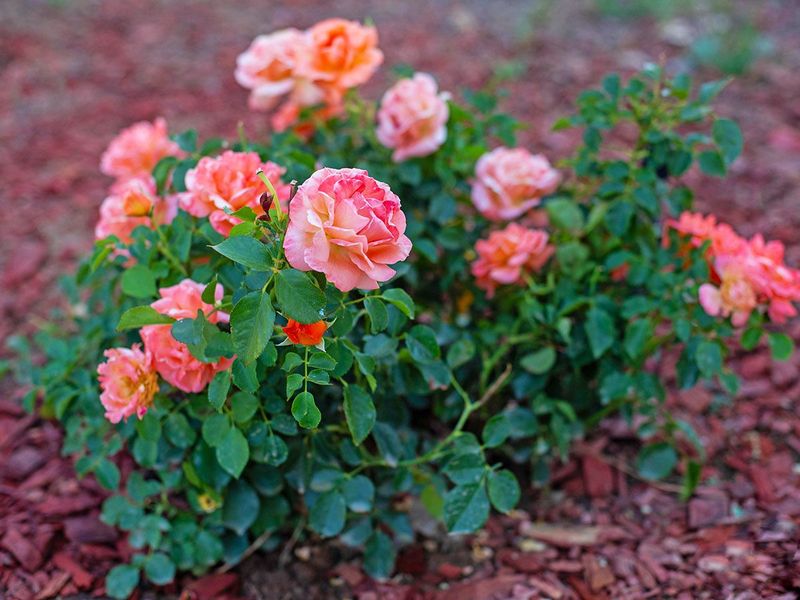
Mulch is one of the most practical tools in a warm-climate rose garden. A fresh layer applied before soil temperatures peak can help moderate root zone heat, slow moisture loss, and reduce weed competition all at once.
Those three things together make a meaningful difference once summer really takes hold.
UF/IFAS and Florida-Friendly Landscaping guidance both emphasize keeping mulch pulled back from the rose crown and base stems. Mulch piled against the crown can trap moisture and encourage rot or disease.
A gap of a few inches around the base is a simple habit that protects the plant.
Mulch depth and material recommendations can vary by region and soil type. Sandy coastal soils may need slightly different approaches than heavier inland soils.
Checking your local Extension office for specific guidance on mulch depth and materials is worth the effort before you refresh your beds.
Your Florida Garden Changes Every Week. Your Plan Should Too.
Gardening in Florida changes quickly throughout the season. Every Friday you’ll receive a simple weekly plan showing exactly what to plant, prune, fertilize, harvest, and protect so you never miss the right timing.
Organic mulches like shredded leaves, pine bark, or wood chips are commonly used around roses. They break down over time and can improve soil structure.
Refreshing mulch before the hottest stretch of the year means your roses go into summer with better soil protection already in place rather than scrambling to catch up later.
3. Water Deeply Before Roses Start Struggling
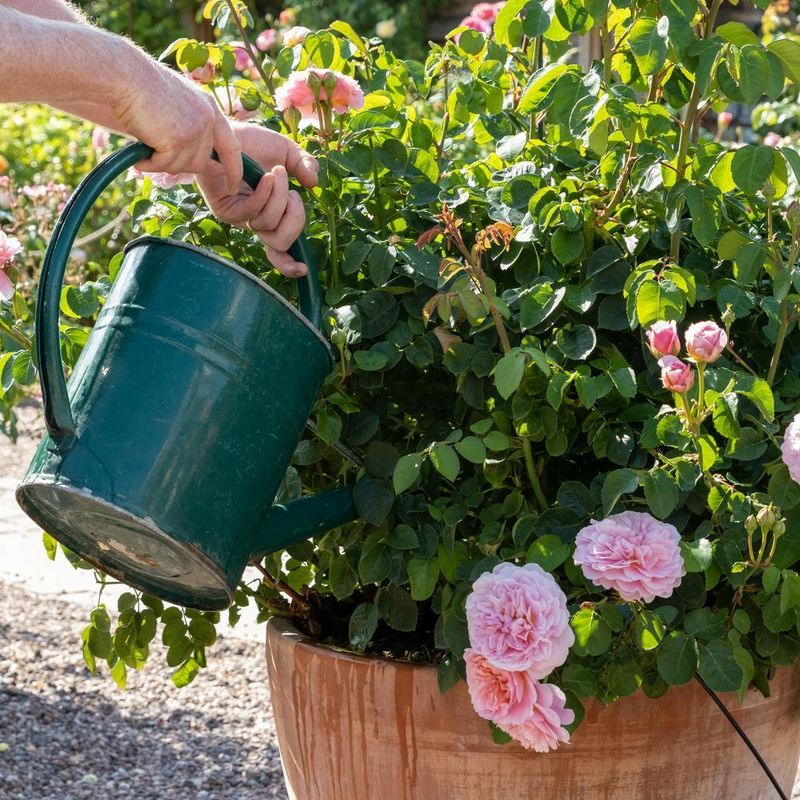
Steady, deep watering builds stronger roots than quick, shallow splashing ever will. Roses that receive consistent moisture at the root zone tend to handle heat pressure more gracefully than plants that get irregular drinks.
Getting into a good watering rhythm before stress becomes visible puts your plants in a much stronger position.
Watering at the base rather than overhead helps keep foliage drier, which can reduce conditions that favor fungal disease. Drip irrigation or soaker hoses are popular choices for this reason.
They deliver moisture where it matters most without constantly wetting the leaves.
Sandy soils dry out faster than heavier soils, so coastal gardens and South gardens may need more frequent attention. Container roses are especially vulnerable because they have less soil volume to hold moisture.
Checking containers more often during hot stretches is a practical habit to build before summer arrives.
Coastal winds can accelerate drying further, so gardens near the water may need to adjust more than inland gardens. The goal is to keep soil consistently moist but not waterlogged.
Overwatering creates its own problems, including root stress and disease. Checking soil moisture before watering rather than following a rigid schedule tends to give roses what they actually need.
4. Feed Roses Before Summer Slows Them Down
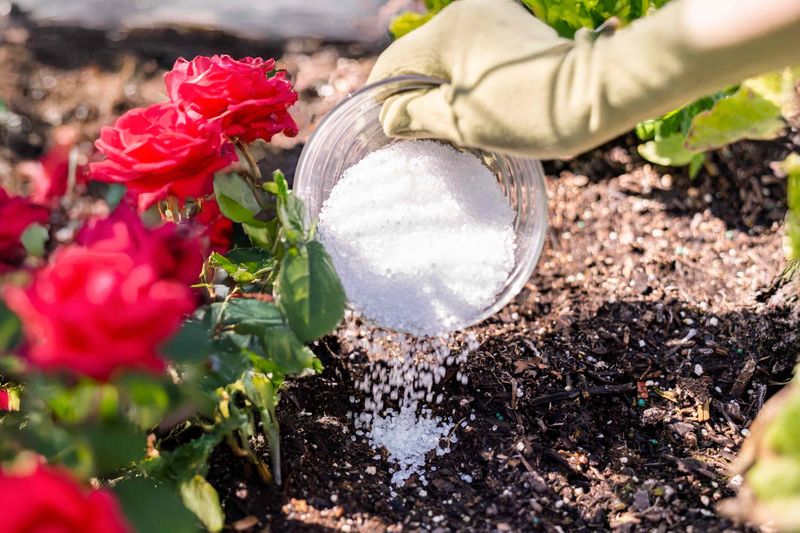
Roses are hungry plants, and giving them the nutrients they need before intense heat arrives helps support strong growth going into the toughest stretch of the year. Fertilizing at the right time matters just as much as the product you choose.
Heavy feeding during severe heat can actually stress plants rather than help them.
UF/IFAS Extension provides fertilizer guidance for roses in the state, and recommendations can vary based on your region, soil type, and the rose variety you are growing.
Following those local guidelines rather than guessing at rates keeps you from overfeeding, which can cause its own problems including salt buildup in soil.
Slow-release fertilizers are commonly used in warm-climate rose care because they deliver nutrients gradually rather than all at once. That steady supply suits roses better than sharp spikes of nutrition followed by long gaps.
Your local Extension office can point you toward products and timing that match your specific area.
Always water roses well before and after fertilizing. Applying fertilizer to dry soil or around stressed plants can cause damage.
Keeping a simple schedule tied to seasonal cues rather than calendar dates helps you stay in sync with what your plants actually need as conditions shift through the year.
5. Improve Airflow Before Humidity Takes Over

Good airflow around roses is one of the most underrated parts of summer prep. Humid air that sits still between crowded plants creates exactly the conditions that fungal diseases love.
Thinning out dense growth inside the plant and around nearby plantings can make a real difference before the rainy season arrives.
Spacing matters at planting time, but it also matters as existing plants grow and fill in.
Stems that press against fences, walls, or other shrubs reduce the air movement that helps foliage dry after rain or irrigation.
Coastal gardens and enclosed courtyards often face this challenge more than open yard settings.
Removing inward-facing shoots and crossing branches opens up the center of the plant without removing productive canes. This kind of light thinning is different from major pruning.
The goal is simply to let air move through rather than getting trapped in dense growth.
Rainy summer seasons in warm-climate yards mean foliage stays wet more often than in drier climates. That extra moisture exposure raises disease risk noticeably.
Better airflow does not guarantee disease-free roses, but it reduces the conditions that allow problems to take hold and spread. Pairing good airflow with other sanitation habits gives your roses the best realistic advantage heading into the humid months.
6. Watch For Black Spot Before It Spreads
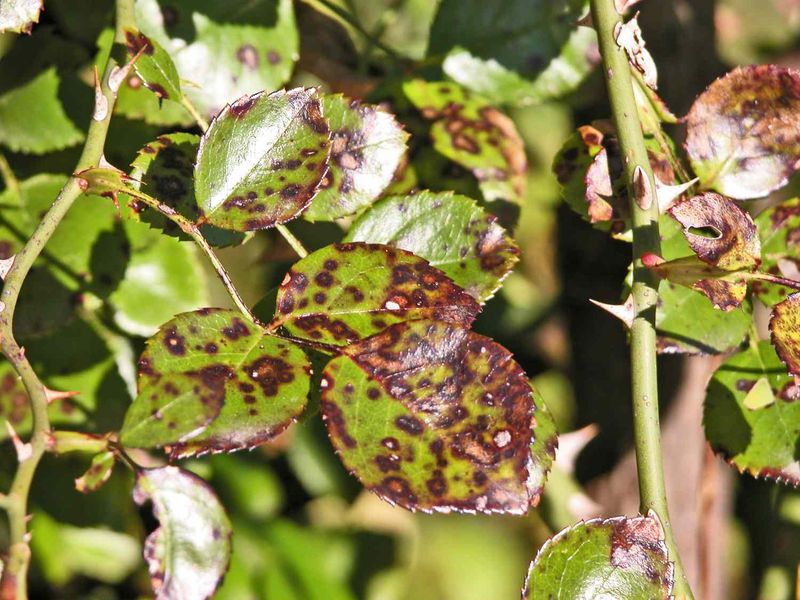
Black spot is one of the most common rose diseases in warm, humid climates, and catching it early gives you the best chance of limiting how far it spreads. The fungus that causes it thrives when leaves stay wet for extended periods, which is exactly what happens during rainy summer months in many parts of the state.
Early symptoms show up as dark, roughly circular spots on leaf surfaces, often with a yellow halo around them. Affected leaves tend to drop sooner than healthy ones.
Checking your roses regularly means you can respond before an outbreak gets out of hand.
Sanitation is one of the most practical tools against black spot. Removing affected leaves and disposing of them rather than leaving them on the soil surface reduces the amount of fungal material available to spread.
Avoiding overhead irrigation when possible also helps keep foliage drier.
Choosing disease-resistant rose varieties is a long-term strategy that pays off in warm, humid gardens. UF/IFAS and local Extension resources can help you identify cultivars that perform well in your region.
If you are considering fungicide options, always follow product label directions. Check UF/IFAS or Extension guidance for recommendations specific to your area.
Not every garden will need the same approach.
7. Check For Chilli Thrips Before Damage Shows
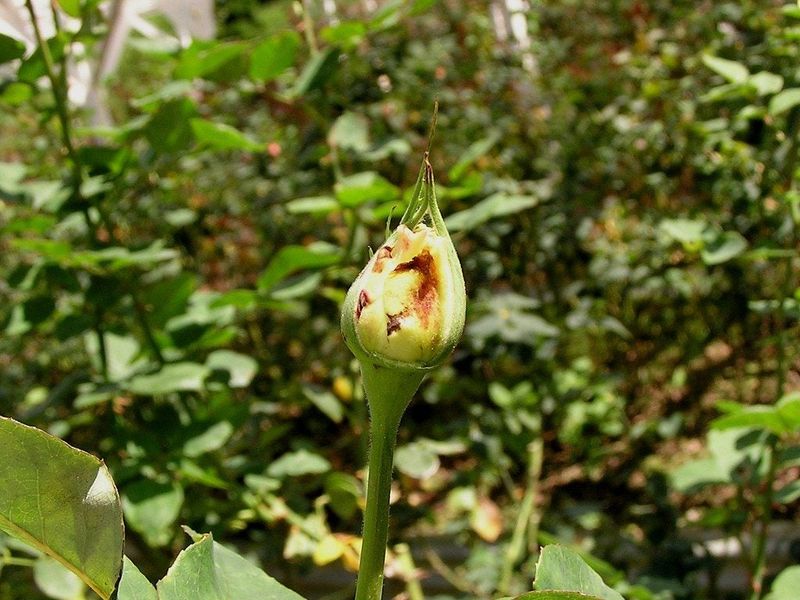
Chilli thrips are a serious pest concern for roses in warm regions, and they are worth knowing about before their populations build. These tiny insects tend to target tender new growth, flower buds, and young leaves.
Early damage can look like bronzing, distortion, or scarring on the newest parts of the plant.
South and coastal gardens often see chilli thrips pressure earlier in the season than cooler Panhandle gardens. Central gardens typically fall in between.
Being aware of that regional difference helps you start scouting at the right time rather than waiting until damage is already widespread.
Because the insects are so small, damage is often noticed before the pests themselves are spotted. A hand lens or magnifying glass can help with identification.
UF/IFAS Extension has published identification and management resources specifically for chilli thrips on roses, and those resources are worth reviewing before reaching for any treatment.
Early detection makes management more realistic. Once populations get large and damage is extensive, options become more limited and results are harder to predict.
Regular scouting during the weeks leading into summer, especially on new growth and developing buds, gives you the best window for catching problems while they are still manageable. Extension guidance should always be your first stop for treatment decisions.
8. Remove Weak Growth Before Problems Multiply
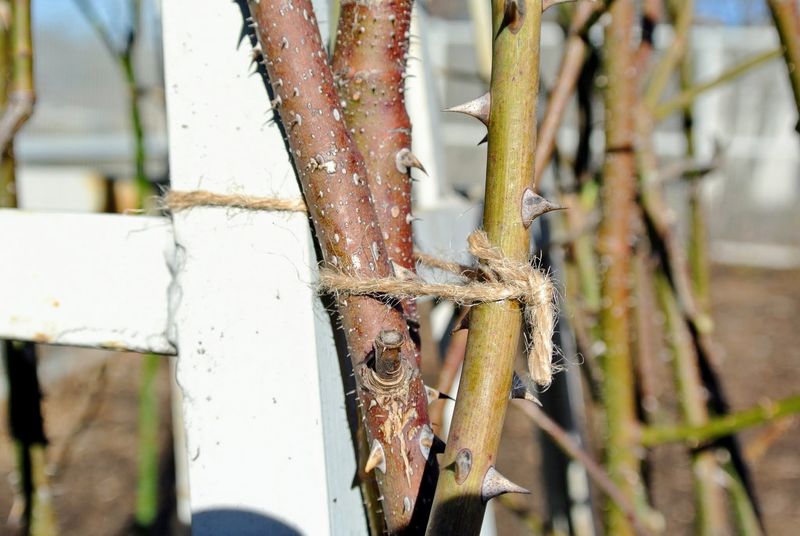
Weak stems and crowded interior growth do not just look untidy. They can actually make your roses harder to manage by giving pests and disease more places to take hold.
Removing that kind of growth before summer pressure increases is one of the more practical things you can do for your plants right now.
Thin, spindly canes that never develop well often become the first spots where trouble shows up. They draw resources from the plant without contributing much in return.
Taking them out redirects energy toward stronger, more productive growth that handles heat and humidity better overall.
Crowded growth inside the plant also reduces airflow, which connects directly to disease risk in humid conditions.
Removing stems that are rubbing against each other or growing back into the center of the plant addresses both the structural issue and the disease risk at the same time.
The goal is not to strip the plant down aggressively. A light, thoughtful pass through the plant to remove what is clearly weak, damaged, or unproductive is enough.
Dispose of removed material rather than leaving it around the base of the plant. Keeping the area under your roses clean and free of debris is a simple habit that supports healthier plants through the tougher months ahead without a lot of extra effort.
9. Choose Heat-Tough Roses For An Easier Season
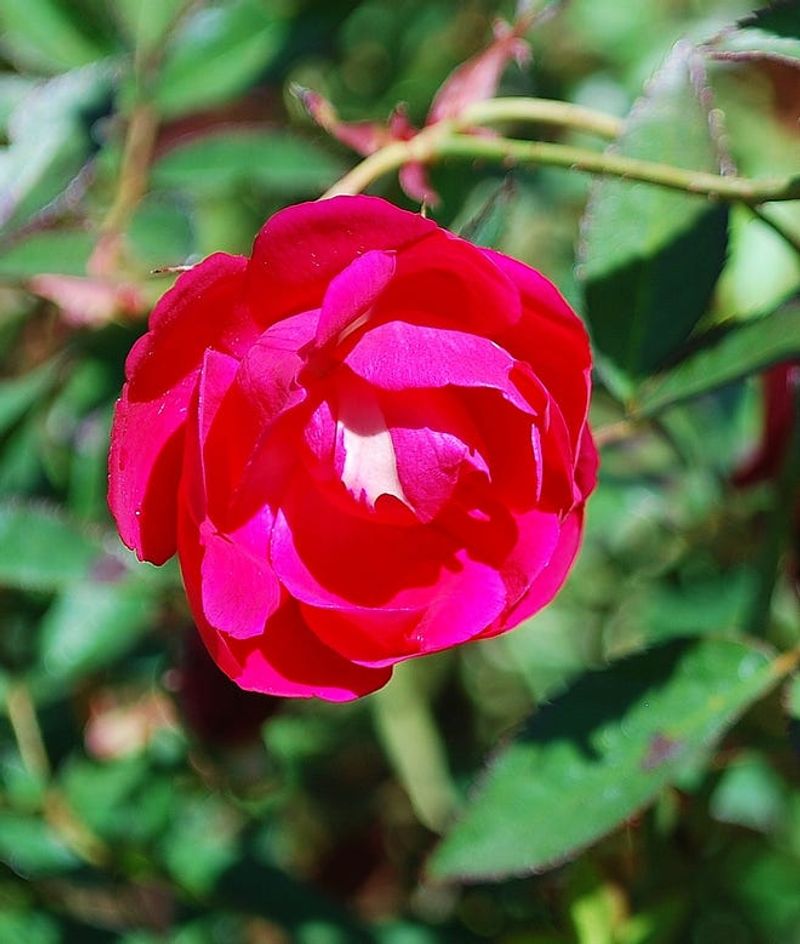
Variety selection might be the single biggest factor in how much work your rose garden demands each summer. Roses bred for heat tolerance and disease resistance simply perform better in warm-climate yards than varieties that were developed for cooler, drier conditions.
That difference shows up clearly once the humid months arrive.
Shrub roses and old garden roses are often cited as more adaptable to warm-climate conditions, though performance still varies by region and specific site. Earth-Kind roses come from a university research program that includes Texas A&M.
They have been evaluated for performance under reduced-input conditions. Some of those selections have shown good results in warm-climate trials, but checking with your local Extension office helps you understand which ones perform well in your specific region.
UF/IFAS and local Extension resources are the best starting point for variety recommendations tailored to your part of the state.
What thrives in a South garden may not be the top choice for a Panhandle garden, and coastal conditions add another layer of consideration around salt tolerance and wind exposure.
No rose is completely maintenance-free through a long, hot, humid summer. Good variety selection reduces the workload and improves the odds, but it works best when paired with the other preparation steps covered here.
Starting with the right plant for your location makes every other care decision a little easier to manage.