This Is When And How To Divide Peonies In Ohio Gardens
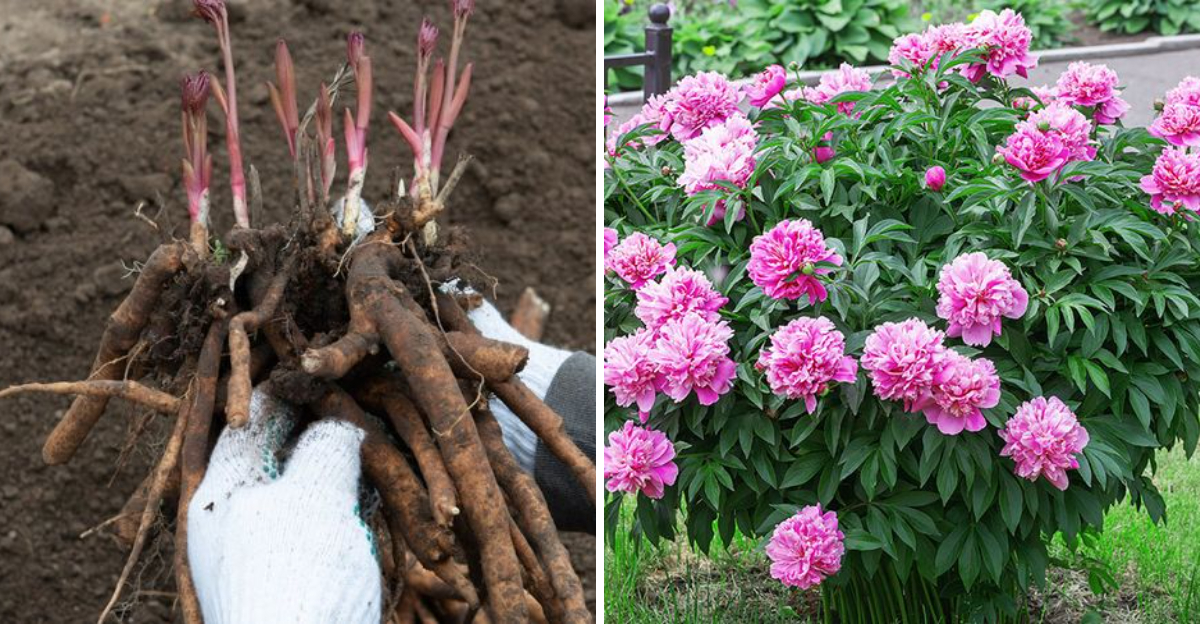
Peonies are the kind of plant Ohio gardeners form a real attachment to.
Some of the clumps sitting in backyards across the state have been there for decades, passed down, dug up, replanted, and divided by hands that understood something most modern gardening advice glosses over.
Peonies reward patience and punish hasty decisions, and no decision around them requires more care than division. Most Ohio gardeners put off dividing their peonies for one simple reason.
The plants look fine. They bloom every year, they come back reliably, and touching something that seems to be working feels unnecessary.
But an overcrowded peony clump that blooms less vigorously than it used to, or one that a gardener wants to move or share, needs division done correctly or the plant pays the price for several seasons.
Ohio’s climate actually sets up a very specific and narrow window for doing this job right.
Get the timing wrong by even a few weeks and the recovery drags out longer than it should. Get it right and a divided peony settles into its new spot and comes back strong the following spring like nothing happened.
Here’s exactly when that window opens in Ohio and how to move through the process without second-guessing yourself.
1. Wait Until Fall Before You Lift Peonies
A peony that has been thriving in the same spot for a decade or more does not need to be moved just because it looks big. Peonies are long-lived perennials that can stay in one place for 20 to 30 years or longer without any division at all.
The right reason to divide is when the clump is crowded, blooming less, needs to be relocated, or you want to share a piece with a neighbor.
Fall is the best general time to divide peonies in Ohio because the plant is naturally winding down after the growing season. Cooler temperatures reduce stress on the roots, and the plant has a few weeks to begin settling before the ground freezes.
Ohio State University Extension and other Midwest horticulture sources consistently recommend late summer into fall as the preferred window for dividing and transplanting peonies.
Timing within that window can vary across Ohio. Northern Ohio tends to cool earlier, while southern Ohio may stay warm well into October.
Rather than picking a fixed date on the calendar, watch for cooling overnight temperatures and foliage that is starting to yellow and decline. That natural signal from the plant is a reliable cue that the timing is right to begin the process.
2. Choose A Cool Dry Day After Summer Heat Fades
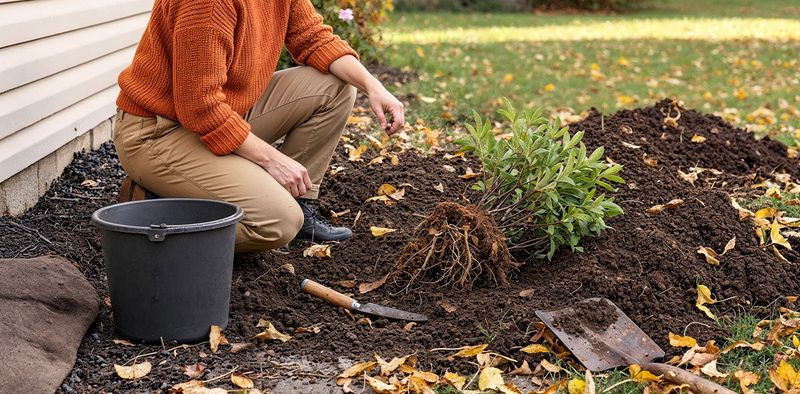
Picking the right day to dig matters more than most people expect. Ohio clay soil becomes heavy, sticky, and difficult to work when it is wet, and digging in saturated ground can compact the planting bed in ways that hurt drainage for years.
A cool, dry fall day makes the whole job easier on both the gardener and the roots.
If the soil has been very dry heading into fall, water the area lightly the day before you plan to dig. Moist but not soggy soil is the goal.
Your Ohio Garden Changes Every Week. Your Plan Should Too.
Gardening in Ohio changes quickly throughout the season. Every Friday you’ll receive a simple weekly plan showing exactly what to plant, prune, fertilize, harvest, and protect so you never miss the right timing.
That slight moisture makes it easier to slide a fork or spade under the root ball without cracking or snapping thick roots. Avoid digging after heavy rain or during a stretch of wet weather.
Morning is often a good time to work, especially if afternoons are still warm. Cooler air reduces stress on the exposed roots while you are working.
Try to replant the divisions the same day you dig them up, or at least keep the roots covered and out of direct sun while you prepare the new planting hole. Roots that dry out or sit in the sun too long before replanting will have a harder time recovering.
Moving efficiently from digging to replanting gives each division the best possible start.
3. Cut Back Foliage Before Digging The Clump
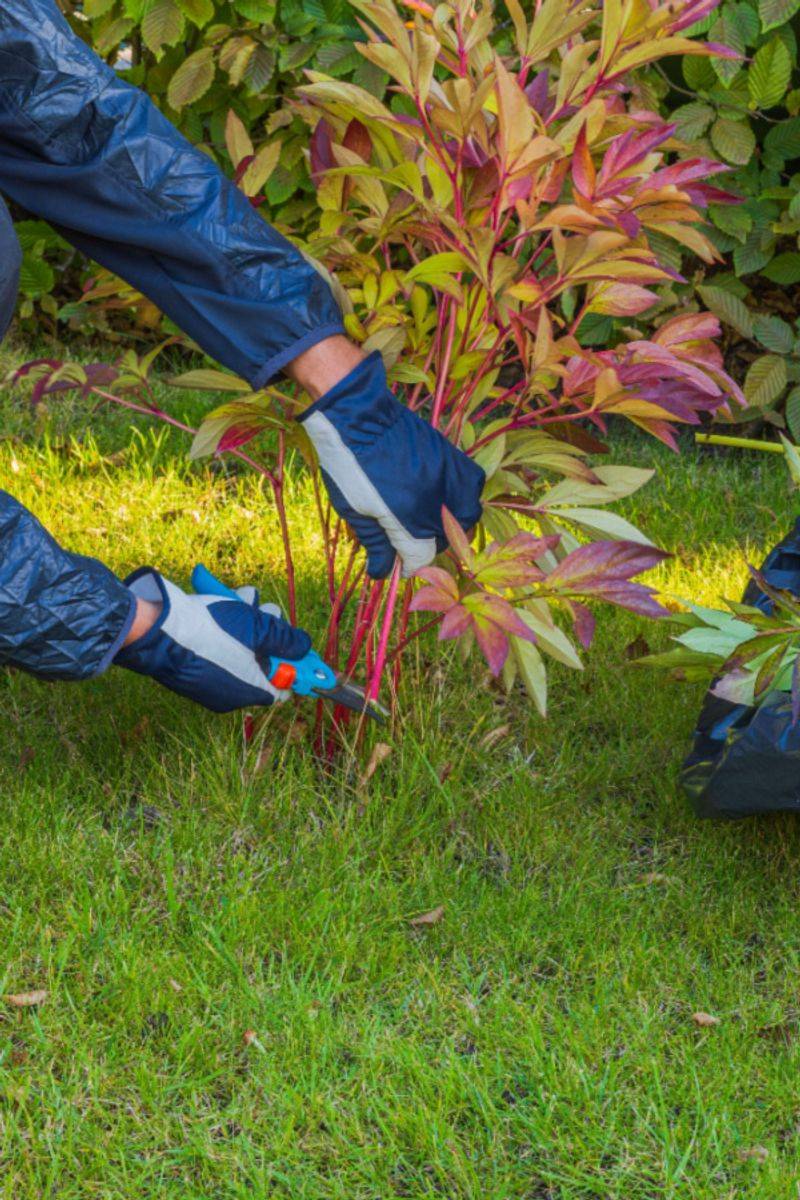
Before you reach for a shovel, take a few minutes to cut back the foliage.
Trimming the stems down to about 3 to 4 inches above the crown makes the clump much easier to see, lift, and handle without tripping over long stems or accidentally breaking the crown while digging.
Use clean, sharp pruners for the job. If the foliage shows signs of botrytis blight, leaf spots, or other disease symptoms common in Ohio peony beds, remove those cuttings from the garden area entirely rather than leaving them near the crown.
Old diseased foliage left near the base of the plant can harbor problems that carry over into the following season.
Bag up diseased clippings and put them in the trash rather than the compost pile. Healthy-looking foliage can go into a compost bin if your pile heats up properly.
This step does not need to be complicated. The main goal is simply to clear the area so you can see what you are working with before the digging begins.
A clean, visible crown is much easier to divide accurately, and removing old foliage now is also good general fall cleanup practice for the peony bed regardless of whether you are dividing or not.
4. Lift The Root Ball Without Breaking The Crowns
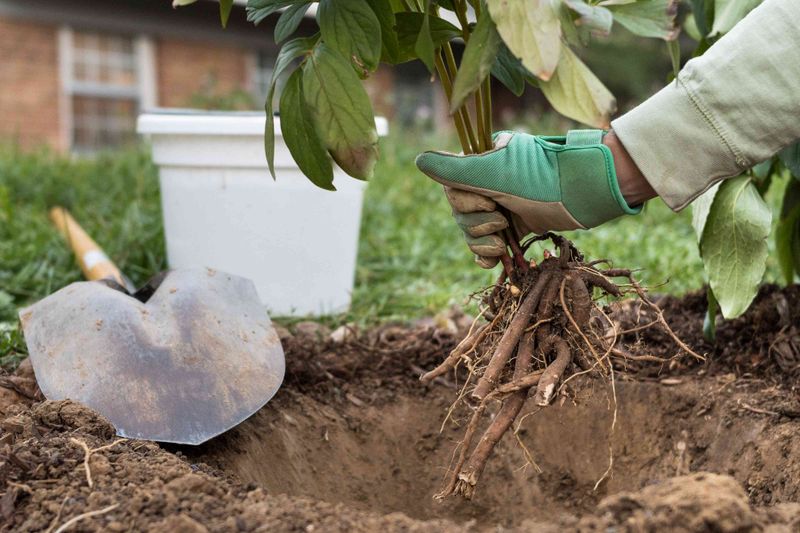
Peony roots are thick, fleshy, and surprisingly brittle once the soil is removed. Rough handling or aggressive pulling can snap off important crown sections, so the digging step rewards patience more than speed.
Start by pushing a garden fork or spade into the ground about 10 to 12 inches away from the outer edge of the crown on all sides.
Work your way around the clump, loosening the soil gradually before attempting to lift. Prying upward from multiple angles is gentler than trying to force the entire clump up in one motion.
Once the soil around the roots feels loose, slide the fork under the root ball and lift carefully. A large, established clump can be surprisingly heavy, so having a second person help steady it is useful.
After lifting, move the clump to a flat, shaded surface where you can examine it clearly. Shake or brush off excess soil gently so you can see the crown and the individual root sections.
Avoid rinsing with a strong hose blast, as that can damage tender crown buds. Some gardeners let the clump sit in the shade for an hour or two, which allows the roots to soften slightly and makes them easier to cut cleanly without shattering.
Work deliberately and the roots will reward you.
5. Divide Peonies So Each Piece Has Healthy Eyes
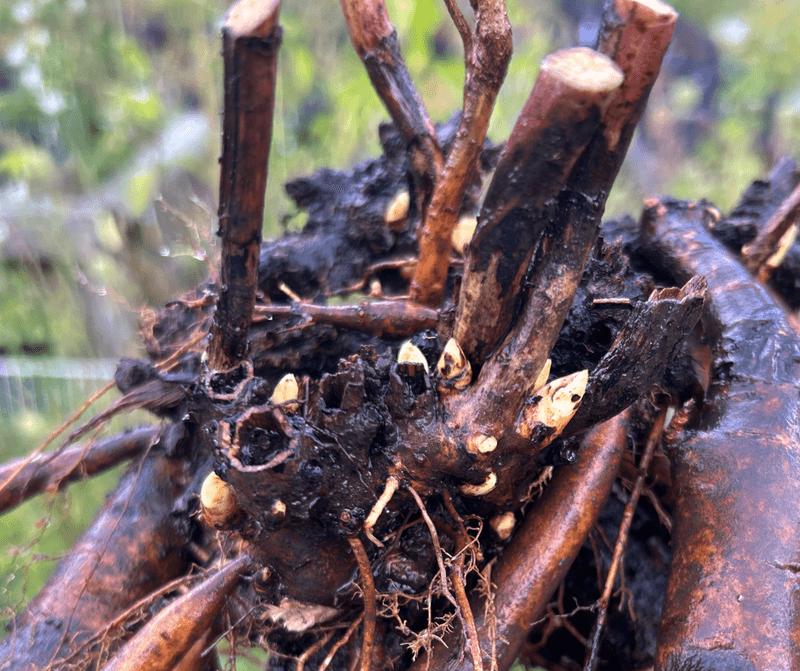
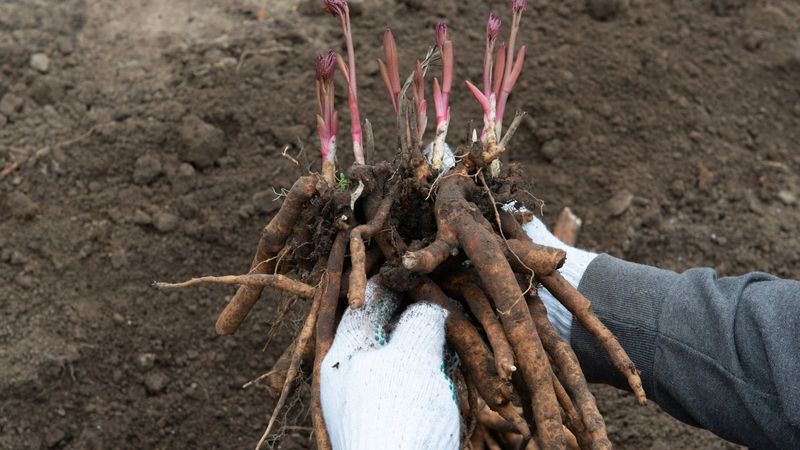
The eyes are the small, rounded buds on the crown that will become next year’s stems and flowers. They are usually pink, red, or white and sit right at or just below the surface of the crown.
Spotting them clearly is the most critical part of making good divisions.
Each division should have at least three to five healthy eyes along with a reasonable amount of root attached.
A piece with only one or two eyes is not necessarily ruined, but smaller divisions take longer to establish and may need an extra season or two before blooming.
Overly large divisions with many eyes can be harder to replant at the correct shallow depth and may not offer much advantage over a medium-sized piece.
Use a clean, sharp knife to make cuts if the clump does not pull apart naturally into sections. A dull blade tears rather than cuts cleanly, which leaves ragged surfaces that are slower to heal.
Some gardeners rinse the knife between cuts as a basic precaution. Look at each piece carefully before replanting and set aside any sections that look soft, mushy, or discolored at the crown.
Firm, healthy-looking root tissue with clearly visible eyes is what you want. Label divisions if you are replanting in multiple spots so you remember which variety went where.
6. Replant Shallow To Protect Future Blooms
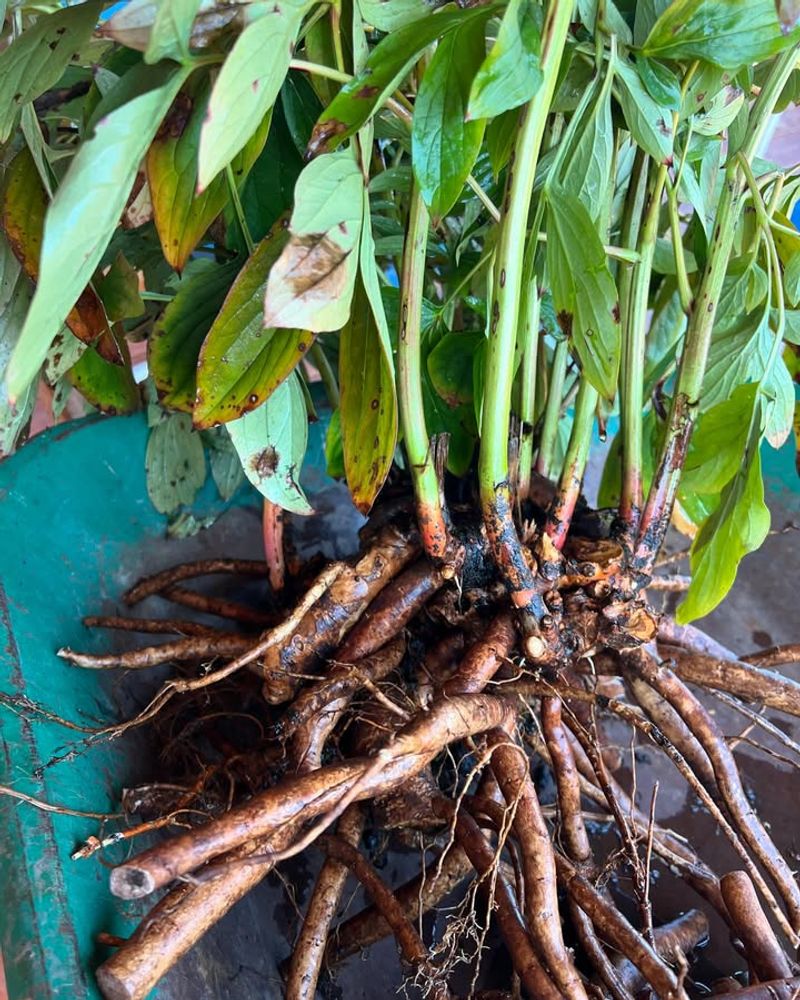
Planting depth is the single most common reason Ohio peonies fail to bloom after being moved or divided. Peony eyes need to sit close to the soil surface, not buried deep.
In Ohio’s cold-winter climate, the eyes should rest about 1 to 2 inches below the soil surface. That shallow depth allows the cold temperatures that peonies need for dormancy while still giving the crown enough protection.
Prepare the planting hole before you set the division in. Loosen the soil to a depth of about 12 inches and mix in some compost if the existing soil is heavy clay or very compacted.
Set the division in the hole and check the eye depth carefully before backfilling. After filling the hole and firming the soil gently, water the area and then recheck the depth, because settling can shift the crown lower than intended.
Avoid piling heavy mulch directly over the crown. A light layer of mulch a few inches away from the crown can help moderate soil temperature through the first winter, but thick mulch pressed against the crown can hold moisture and cause problems.
Mark the planting spot clearly so the area is not accidentally disturbed during fall or early spring cleanup. A simple stake or small flag works well for this purpose through the first winter season.
7. Give Divisions Sun And Well Drained Soil
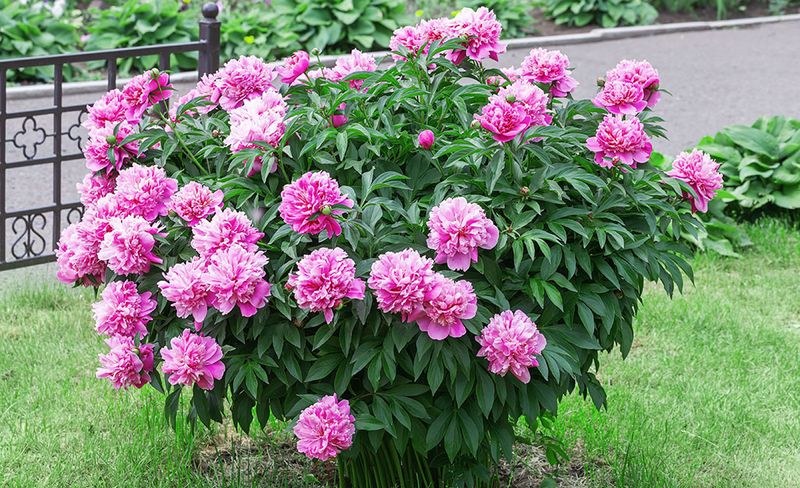
Location makes a bigger difference in peony success than most people realize. Full sun, meaning at least six hours of direct sunlight per day, gives peonies the energy they need to produce strong stems and generous blooms.
A spot that was sunny years ago may now be shaded by a tree that has grown considerably, which can explain why an older clump has been blooming less reliably.
Drainage matters just as much as sunlight. Peonies struggle in wet, soggy soil, and Ohio has plenty of spots where water pools after heavy rain or where clay holds moisture for too long.
Raised beds, gentle slopes, or areas that drain naturally within a few hours of a storm are much better choices than low spots or areas near downspouts.
If the only available spot has heavy clay, work in a generous amount of compost before planting to improve both drainage and soil structure. Avoid planting too close to large shrubs, fences, or other dense plantings that restrict airflow.
Good air circulation around the foliage helps reduce the risk of botrytis blight, which is a common fungal issue in Ohio peony beds during wet spring weather.
Giving each division enough elbow room, roughly 3 feet of space on all sides, sets the plant up for healthier growth over the long term.
8. Water Gently While New Roots Settle In
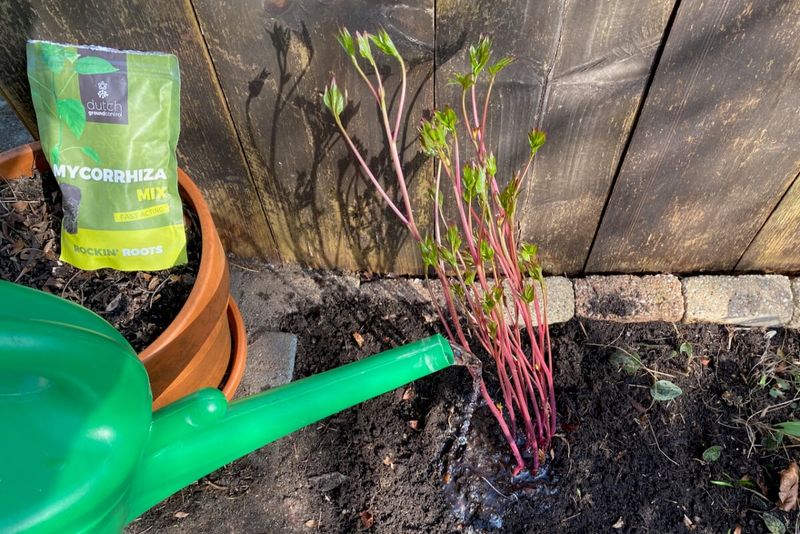
Right after replanting, water each division thoroughly so the soil settles around the roots and air pockets close. That first watering is one of the most useful things you can do for a newly divided peony.
After that initial soak, the goal shifts to keeping the soil consistently moist but never waterlogged through the remaining weeks of fall.
Ohio fall weather can be unpredictable. Some years bring steady rain that takes care of watering naturally.
Other years stay dry well into October and November, which means checking the soil every week or so and watering if the top few inches feel dry.
A newly divided peony does not have an established root system yet, so it cannot pull moisture from a wide area the way a mature plant can.
Skip heavy fertilizer applications at planting time. The roots are focused on settling and establishing, not on pushing new top growth, and heavy nitrogen can sometimes encourage soft growth that is vulnerable to early frost.
A light application of a balanced, slow-release fertilizer worked into the planting hole before setting the division is fine, but save heavier feeding for the following spring.
The priority through fall is getting those roots hydrated, settled, and ready to handle whatever Ohio winter brings without sitting in standing water.
9. Be Patient While Divided Peonies Rebuild Strength
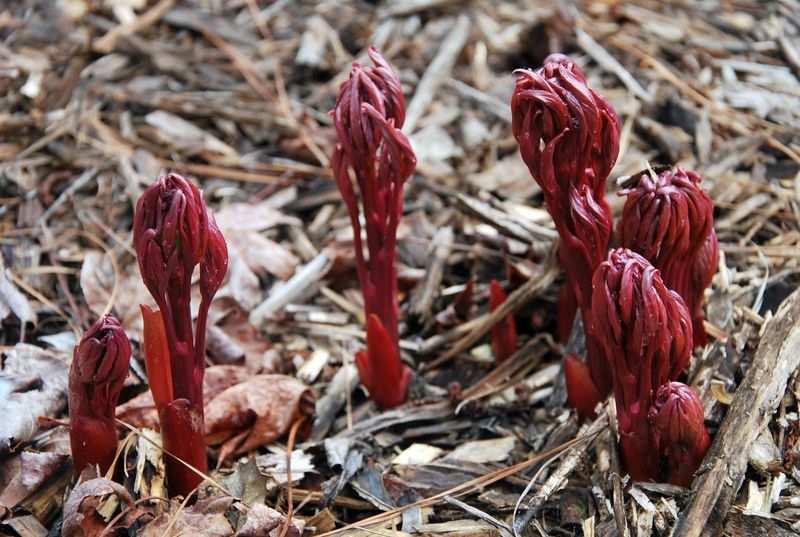
One of the most frustrating surprises for Ohio gardeners after dividing peonies is opening the garden in spring to find little or no bloom. That outcome is completely normal and not a sign that something went wrong.
A divided peony spends its first season or two putting energy into rebuilding roots rather than producing flowers, and rushing that process is not possible.
The timeline varies depending on the size of the division, the planting conditions, and how well the roots settled before winter. A division with several healthy eyes planted at the right depth in good soil and sun may produce a modest bloom or two in the second spring.
Smaller divisions or those that faced challenging conditions may take an additional season to catch up. Patience is genuinely the most useful tool at this stage.
Resist the urge to dig the plant up and check on it if nothing blooms the first spring. As long as the depth, sun exposure, and drainage are correct, the plant is most likely quietly doing exactly what it needs to do underground.
Check for new stem growth each spring as a sign that the division is alive and progressing. If stems appear but no buds form, give it another full season before drawing any conclusions.
Most well-planted peonies reward that patience with a return to strong, reliable blooming within a few years.