This Is Why Coffee Grounds Backfire In Florida Gardens
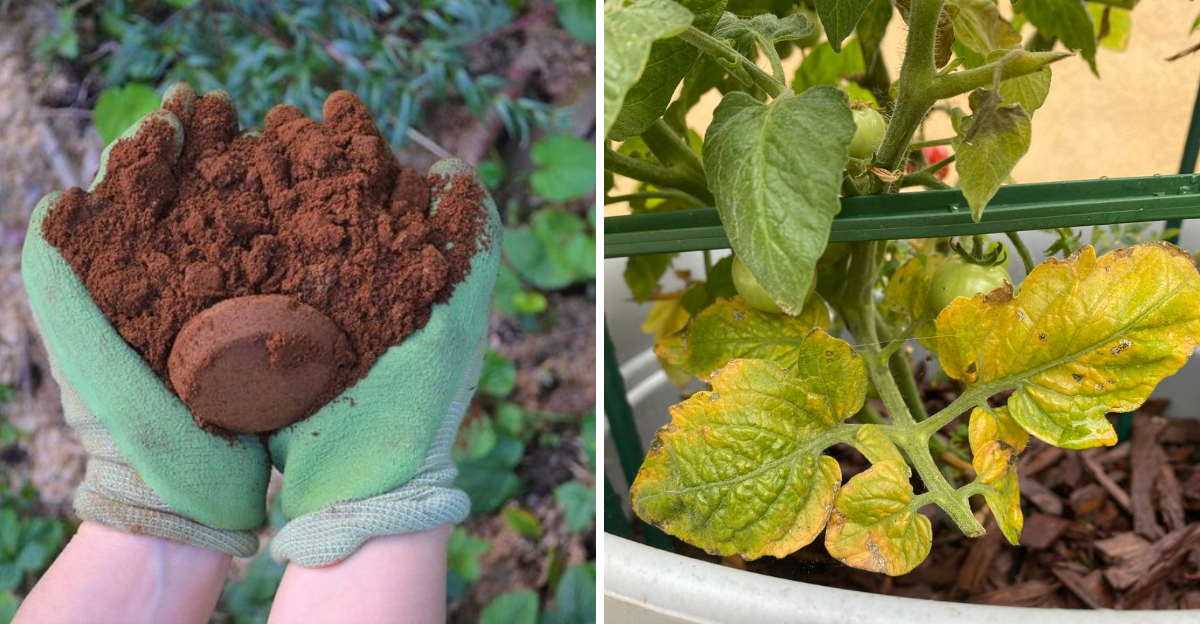
Coffee grounds sound like a gardening miracle. Free fertilizer, better soil, stronger plants… what’s not to love?
In Florida, though, this popular tip doesn’t always go the way people expect. Our sandy soil, heavy rain, and intense heat change how coffee grounds break down and behave in the garden.
What’s supposed to help can actually slow growth, attract pests, or throw off your soil balance. A lot of gardeners keep using them without realizing they’re doing more harm than good.
Before you dump another scoop into your beds, there are a few important things you should know. Once you see this, you won’t use coffee grounds the same way again.
1. Coffee Grounds Mold Faster In Florida Than You Expect
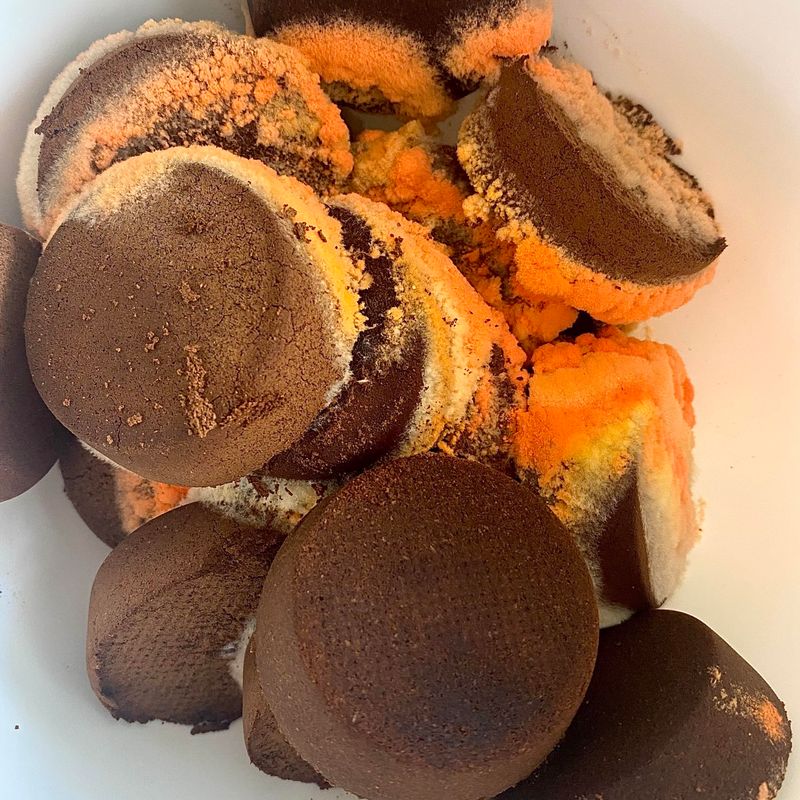
Walk outside two days after spreading fresh coffee grounds around your pepper plants. You’ll probably see white fuzz already creeping across the surface.
That happens because Florida’s constant humidity keeps those grounds damp almost around the clock, even when it hasn’t rained.
Coffee grounds hold moisture like a sponge. In drier climates, they might dry out between waterings and slow down mold growth.
But South Florida humidity hovers around seventy to ninety percent most mornings, and Central Florida isn’t far behind. Your coffee grounds never really get a chance to dry.
Mold spores float everywhere in Florida air. They land on those moist grounds and can begin establishing within a day, with visible growth often appearing in 24 to 72 hours.
The combination of constant moisture, warm temperatures, and nitrogen-rich organic matter creates perfect conditions for fungal growth.
You might think a thin layer would be safe. But even a quarter-inch spread holds enough moisture in Florida’s climate to support rapid mold development.
North Florida gardeners see this happen slightly slower during winter months, but summer growth happens everywhere across the state.
This isn’t a sign you did something wrong with application. It’s just Florida being Florida.
The same climate that grows beautiful tropical plants year-round also grows mold on anything organic left sitting on soil surfaces.
2. Florida’s Climate Is Basically Mold Heaven
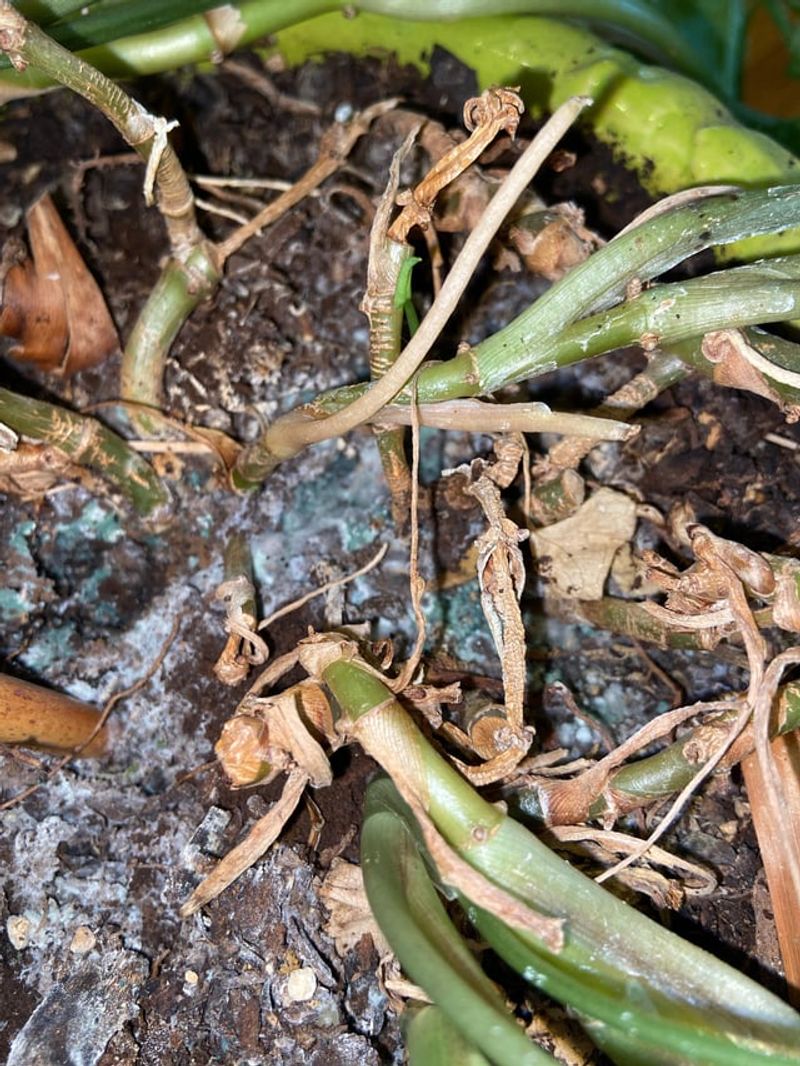
Florida gardeners deal with something most other states rarely face. We have near-tropical humidity combined with year-round warmth.
That combination means mold, mildew, and fungal growth happen faster here than in most parts of the continental United States.
Your morning dew doesn’t just disappear by noon like it might in Arizona or Colorado. It lingers.
Afternoon thunderstorms add more moisture. Evening humidity creeps back up before sunset.
Organic materials on your soil surface stay damp through multiple day-night cycles.
Coffee grounds spread on top of soil act like a moisture trap. They absorb humidity from the air and hold water from rain or irrigation.
In Central Florida, summer storms can drop heavy rainfall in short periods, and those grounds soak it all up.
Fungal spores thrive between seventy and ninety degrees with high moisture. That describes Florida weather about nine months each year.
Your coffee grounds provide food, the air provides moisture, and temperatures stay perfect for growth.
This matters because mold doesn’t just sit there looking ugly. Active fungal growth ties up nitrogen as fungi break down organic matter.
That nitrogen becomes temporarily unavailable to your plants, which is the opposite of what you wanted when you added those grounds.
3. The Gross White Stuff You’re Seeing On Coffee Grounds
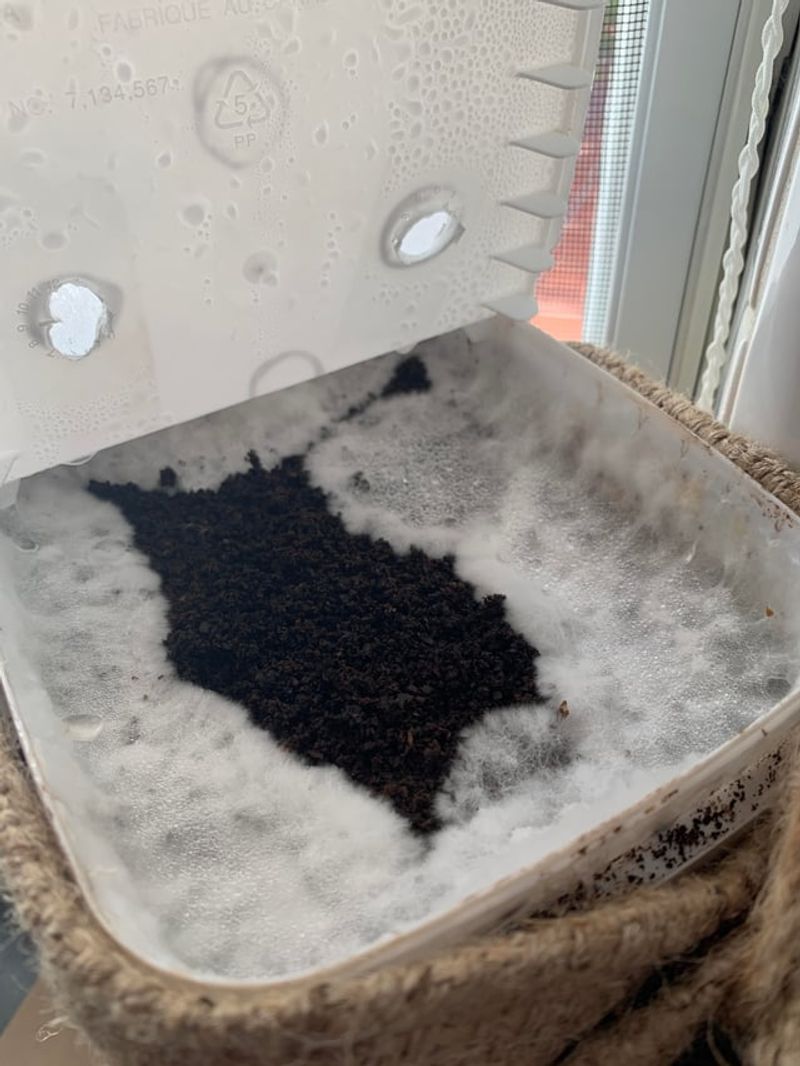
That white fuzzy layer spreading across your coffee grounds isn’t dangerous, but it definitely looks alarming. You’re seeing mycelium, which is the vegetative part of fungi.
Think of it as the root system of mushrooms and mold.
Mycelium appears as white threads or cottony masses. Sometimes it looks like spider webs stretched across the grounds.
Other times it forms dense white patches that completely cover the coffee. The growth can happen so fast that you see visible changes from morning to evening.
Several different fungi create this growth. Some are decomposer fungi that naturally break down organic matter.
Others are molds that thrive in humid conditions. Most aren’t harmful to plants directly, but they signal that conditions are too wet and poorly aerated.
When fungi colonize fresh coffee grounds this aggressively, they’re consuming nitrogen to fuel their growth. That nitrogen becomes temporarily tied up in fungal tissue instead of immediately feeding your tomatoes or peppers.
The process is called nitrogen immobilization, and it can temporarily reduce nitrogen availability to nearby plants even though you just added organic matter.
You might also notice a sour or musty smell developing. That odor comes from anaerobic decomposition happening underneath the moldy layer.
Fresh coffee grounds form a dense mat that blocks air flow to the soil surface, creating low-oxygen conditions where different microbes produce unpleasant compounds.
4. Fresh Coffee Grounds Make Mold Much Worse
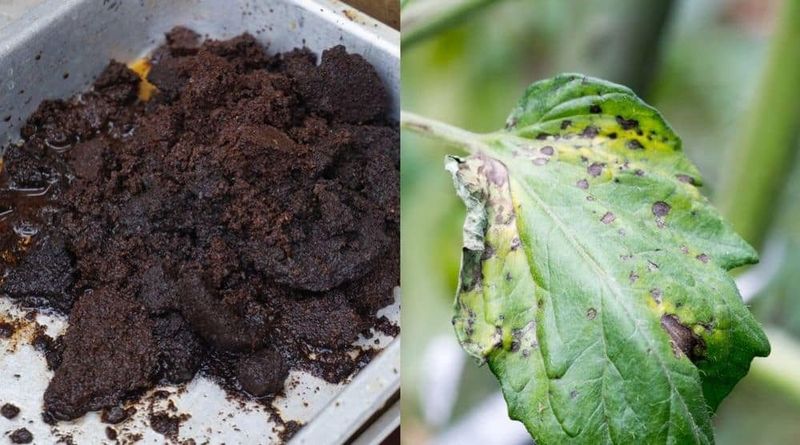
Fresh grounds straight from your coffee maker contain very high moisture levels, often exceeding fifty percent depending on brewing method. That’s wetter than most compost materials.
When you spread them directly on soil, you’re basically laying down a wet blanket that stays damp for days.
The high moisture content alone would cause problems. But fresh grounds also have a carbon-to-nitrogen ratio around twenty to one, which is considered nitrogen-rich or “green” material in composting terms.
Fungi and bacteria rush to decompose this rich food source, and their rapid growth creates heat and consumes oxygen.
University of Florida IFAS Extension research shows that uncomposted coffee grounds can affect soil chemistry during decomposition and create water-repellent surface layers when applied thickly. In Florida’s wet climate, these effects happen faster and more intensely than in drier regions.
Composted coffee grounds behave completely differently. After spending several weeks in a compost pile, grounds lose most of their moisture.
They’ve been partially broken down by microbes. They’ve been mixed with carbon-rich materials like leaves or wood chips.
The finished product crumbles easily and doesn’t form dense mats.
South Florida gardeners see the most dramatic difference between fresh and composted grounds. Fresh grounds can develop visible mold within twenty-four to forty-eight hours during peak summer humidity.
Composted grounds can be worked into soil without triggering the same explosive fungal growth because they’ve already been through the hot decomposition phase.
5. How Mold From Coffee Grounds Hurts Your Garden
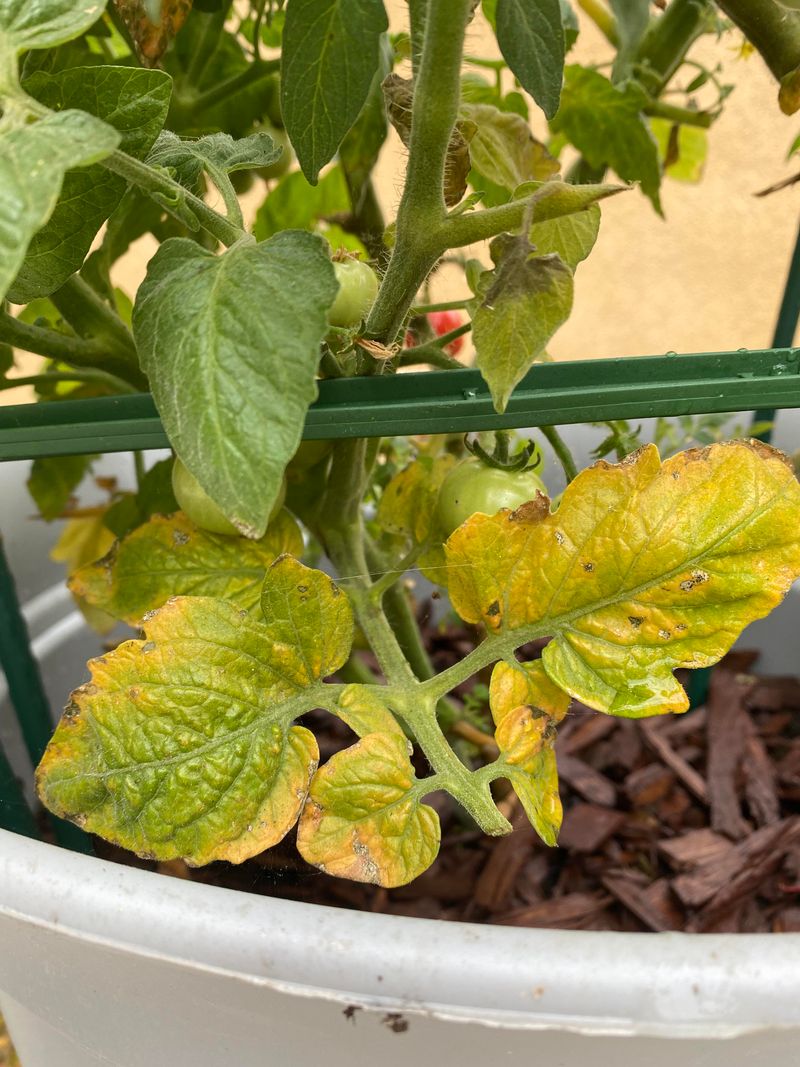
Mold itself won’t directly attack your healthy plants. But the conditions that create mold, and the effects of rapid fungal growth, can stress your garden in several ways.
Nitrogen tie-up happens first. When fungi colonize fresh coffee grounds, they pull nitrogen from surrounding soil to fuel their growth.
Your pepper plants might show yellowing lower leaves even though you just added what you thought was fertilizer. That yellowing indicates nitrogen deficiency caused by microbial competition.
Thick mats of moldy grounds block water penetration. Rain or irrigation water pools on top instead of soaking into the root zone.
You’ll see dry soil underneath while the surface stays wet and funky. Plant roots suffer from inconsistent moisture, getting too little water even when you’re watering regularly.
Anaerobic conditions can develop under thick, compacted coffee ground layers. Soil microbes that need oxygen can’t survive.
Beneficial bacteria and fungi that help plants take up nutrients decline. Anaerobic bacteria that produce toxic compounds increase.
Your soil biology shifts in unhealthy directions.
Some gardeners notice increased fungus gnat problems after spreading fresh grounds. These small flying insects breed in moist organic matter.
The constantly damp coffee grounds provide perfect breeding habitat. While gnats don’t usually harm plants directly, heavy populations become annoying and can indicate poor soil drainage conditions.
6. The Coffee Ground Mistakes Florida Gardeners Keep Making
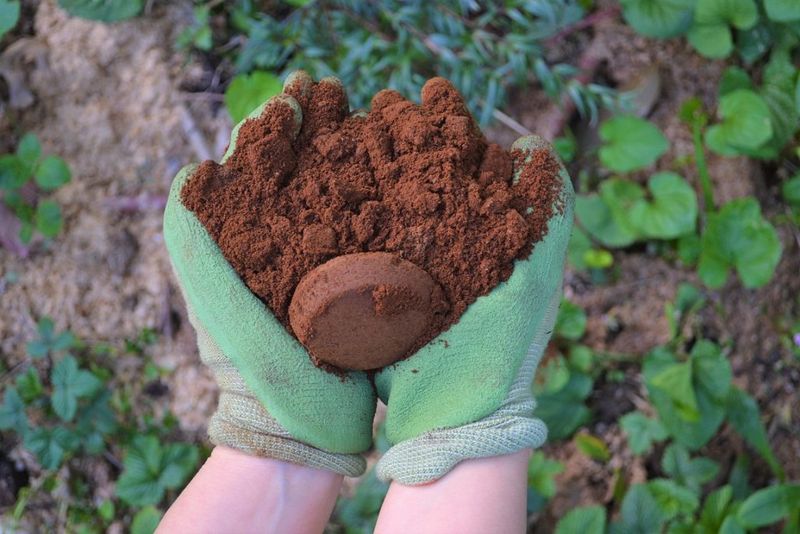
You see the advice everywhere online. Sprinkle coffee grounds around your plants for free fertilizer.
But those tips usually come from gardeners in Colorado, Oregon, or other drier climates where grounds actually dry out between waterings.
The biggest mistake is spreading fresh grounds directly on soil surfaces. This creates an immediate mold problem in Florida humidity.
Grounds form a dense layer that stays wet, blocks air flow, and triggers rapid fungal growth within one to three days.
Another common error is applying grounds too thickly. Even a half-inch layer is too much in Florida gardens.
That thickness prevents proper drying and creates anaerobic conditions underneath. Another common misunderstanding is that coffee grounds act as fertilizer.
Used grounds are primarily a soil amendment, not a balanced nutrient source. Most of their nutrients become available only after microbial breakdown.
Failing to mix grounds with carbon-rich materials causes problems. Coffee grounds alone are unbalanced.
They need brown materials like shredded leaves, wood chips, or cardboard to create proper carbon-to-nitrogen ratios. Without that balance, decomposition happens too fast and creates nutrient tie-up.
Some gardeners repeat applications weekly without letting previous layers break down. This builds up thick crusty mats that repel water and suffocate soil.
North Florida gardeners might get away with this during cool dry winters, but summer conditions across the state make repeated fresh applications a recipe for mold disasters and stressed plants.
7. How To Use Coffee Grounds Without Growing Mold
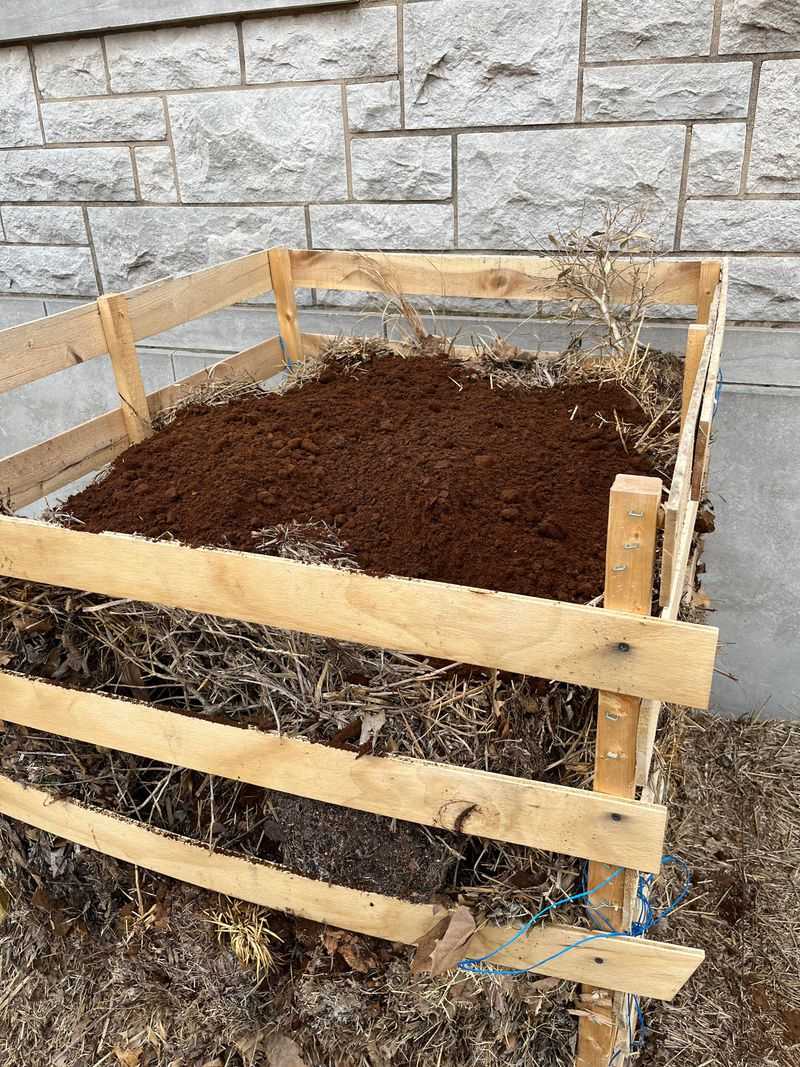
Compost your grounds first. This single step prevents most Florida coffee ground problems.
Add grounds to your compost pile mixed with three times as much brown material like dried leaves, shredded paper, or wood chips. Turn the pile weekly.
Let everything break down for four to eight weeks.
If you must use fresh grounds, apply them extremely thinly. Sprinkle no more than a quarter cup around large plants.
Immediately scratch grounds into the top inch of soil using a hand cultivator. This breaks up the dense layer and incorporates grounds where soil microbes can process them with better air flow.
Mix fresh grounds with mulch before applying. Combine one part grounds with four parts wood chips or shredded leaves.
This dilutes the nitrogen concentration and improves air circulation. The mixture won’t form solid mats or trigger the same aggressive mold growth.
Time your applications for drier weather when possible. North Florida gardeners can apply grounds more successfully during late fall and winter when humidity drops.
South Florida gardeners should focus on composting year-round rather than direct application.
Monitor your plants after any coffee ground application. Watch for yellowing leaves that might indicate nitrogen tie-up.
Check soil moisture under any ground layers. If you see white mold developing, rake the grounds away from plant stems and mix them into compost instead.
Florida-Friendly Landscaping principles emphasize proper composting over quick-fix soil amendments.