This Is Why Iguanas Are Damaging Florida Landscapes Across The State
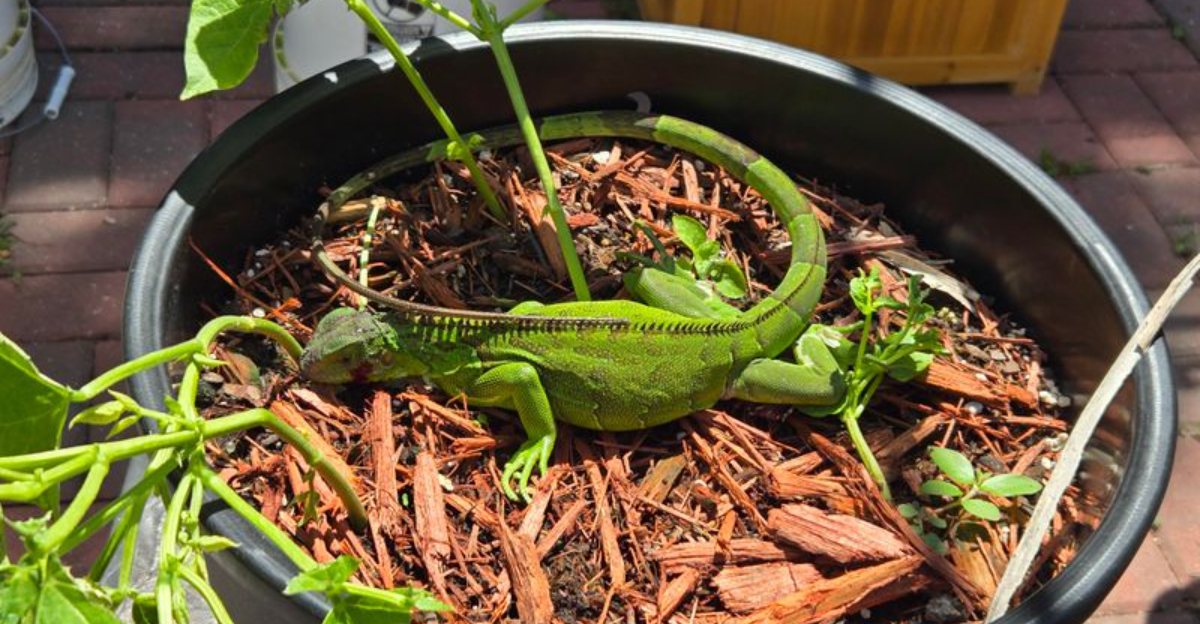
Florida homeowners are waking up to torn gardens, collapsing seawall soil, and giant green lizards camped out in their yards. Iguanas are no longer a rare sight.
They are showing up on fences, rooftops, pool decks, and patios across the state, and the damage is adding up fast. What many people do not realize is that this problem did not happen overnight.
Years of warm winters, expanding neighborhoods, and easy access to food have created perfect conditions for iguanas to multiply and move deeper into residential areas. Once they settle in, they tend to stay.
The result is destroyed landscaping, weakened canal banks, and expensive repairs that homeowners never planned for. Some residents are already spending thousands trying to fix the mess.
Knowing why iguanas are spreading and what attracts them to your property could save you serious money and frustration before the problem gets even worse.
1. Why Iguanas Are Suddenly Everywhere In Florida
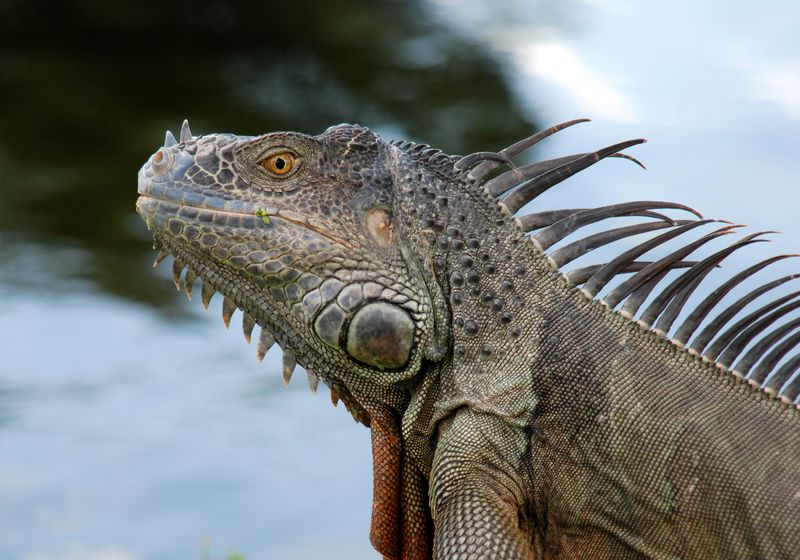
Iguanas were not always a common sight in Florida, but over the past few decades their population has steadily increased, especially in South Florida. Originally brought to Florida as pets in the 1960s, many iguanas escaped or were released by owners who could no longer care for them.
Florida’s warm climate and abundant food sources created the perfect environment for these reptiles to thrive and successfully raise more offspring.
Unlike their native Central and South American habitats, Florida has fewer effective natural predators in urban areas to keep iguana populations in check. This allows them to spread quickly, especially in coastal and suburban areas where vegetation is plentiful.
Female iguanas can lay up to 70 eggs per year, which allows populations to increase quickly when survival conditions are favorable.
Today, iguanas are established in South Florida counties including Miami-Dade, Broward, Palm Beach, and Collier, and they continue to expand northward. Homeowners are seeing them in greater numbers because the population has reached a tipping point where food, shelter, and breeding sites are widely available.
Recognizing this surge is the first step toward understanding how to manage their presence on your property and reduce the damage they cause to your landscape and structures.
2. What’s Causing The Current Iguana Population Surge
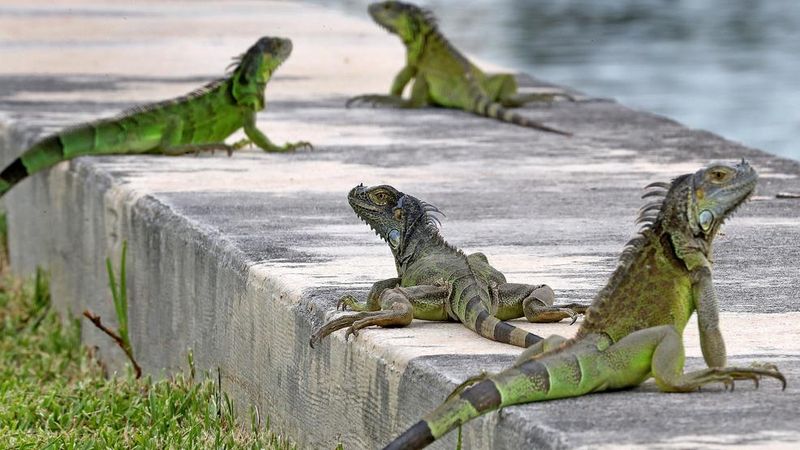
Several factors are driving the current iguana boom in Florida, and most of them relate to environmental conditions that favor reptile survival. Warmer average temperatures over the past decade have increased egg and juvenile survival rates, allowing more iguanas to reach adulthood each year.
Mild winters mean fewer cold snaps that would normally reduce iguana numbers, giving them a better chance to survive year-round.
Urban and suburban development has also played a major role in iguana population growth. As Florida’s human population expands, more landscaping with ornamental plants, fruit trees, and flowering shrubs provides iguanas with abundant food sources.
Canals, retention ponds, and seawalls offer ideal basking and nesting sites, while manicured lawns and gardens create open areas where iguanas can easily spot predators and feel safe.
Additionally, iguanas have adapted remarkably well to living near people. They are not shy around humans and often establish territories in residential yards, golf courses, and parks.
This adaptability, combined with favorable weather and plentiful resources, has created a population growth that continues to challenge homeowners and local communities.
Homeowners need to understand these contributing factors to implement effective deterrence strategies and protect their properties from ongoing damage.
3. How Iguanas Damage Lawns, Gardens, And Seawalls
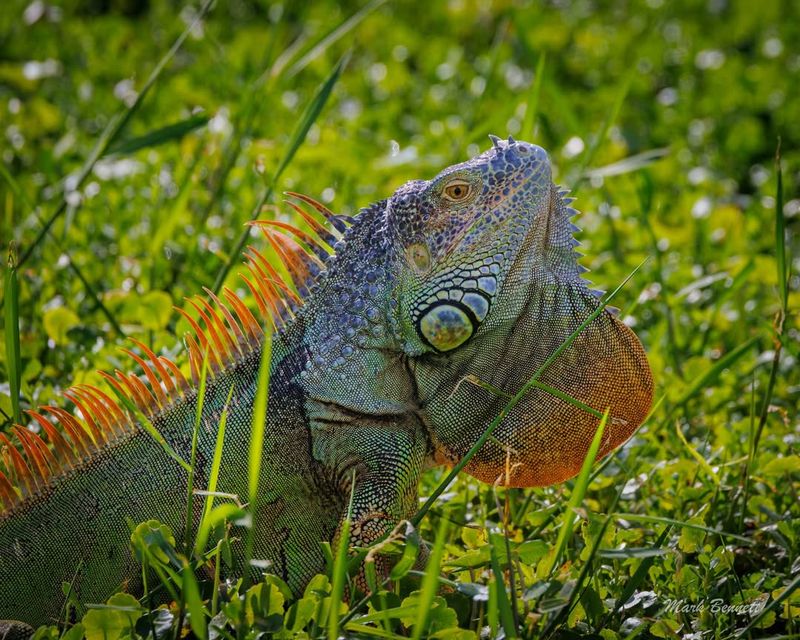
Iguanas are herbivores, and they have a big appetite for the plants Florida homeowners love most. They eat flowers, shrubs, vegetables, and fruit, often stripping entire gardens overnight.
Hibiscus, orchids, roses, and leafy greens are among their favorite foods, and they can quickly destroy months of careful gardening work. Beyond eating plants, iguanas also trample seedlings and dig up soil while foraging, leaving lawns and flower beds looking messy and damaged.
Seawalls and landscaping structures face significant damage from iguana burrowing. Iguanas dig deep tunnels for nesting and shelter, and these burrows can undermine seawalls, sidewalks, patios, and pool decks.
Over time, this tunneling weakens structural integrity and can lead to costly repairs. Waterfront properties are especially vulnerable because iguanas prefer to nest in sandy soil near water.
Iguanas also leave behind droppings that can carry bacteria and create unsightly messes on patios, docks, and driveways. Their presence can reduce property value and make outdoor spaces less enjoyable.
Understanding the full scope of iguana damage helps homeowners take proactive steps to protect their landscapes and prevent expensive repairs. Monitoring your property regularly and addressing early signs of iguana activity can save you time, money, and frustration down the road.
4. Why Winter Weather Isn’t Stopping Iguanas Anymore
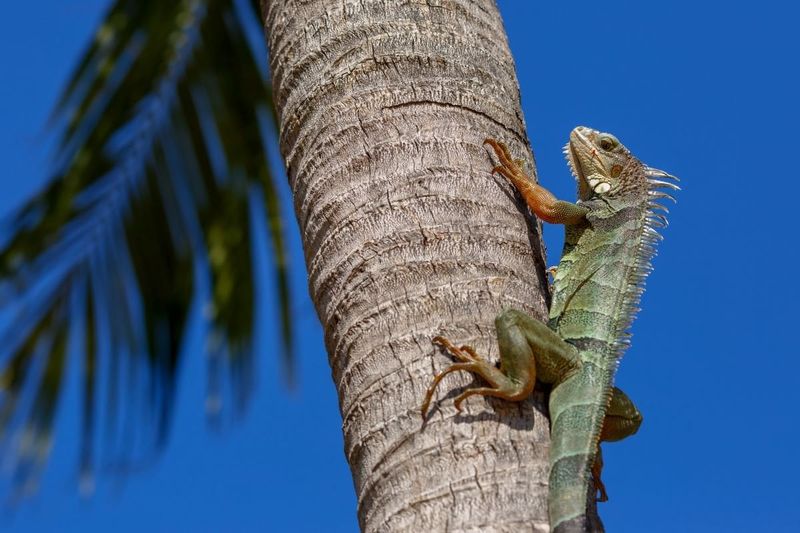
Florida’s iguanas are tropical reptiles, and cold weather has historically been one of the few natural controls on their population. When temperatures drop below 50 degrees Fahrenheit, iguanas become lethargic and can fall from trees in a state of temporary paralysis.
However, milder winters in recent years have allowed more iguanas to survive the cold season, contributing to the continued population growth homeowners are experiencing.
Climate patterns show that South Florida is experiencing fewer prolonged cold snaps overall, which allows more iguanas to survive winter conditions compared to past decades.
Even when they do become sluggish during cold mornings, they quickly warm up and resume normal activity once the sun comes out.
This resilience has allowed iguana populations to stabilize and grow even during months that would have once reduced their numbers significantly.
Homeowners can no longer rely on winter weather to naturally reduce iguana activity on their property. Instead, they need year-round strategies to deter iguanas and protect vulnerable plants and structures.
Installing barriers, removing food sources, and monitoring your yard during all seasons can help you stay ahead of iguana problems. Understanding that iguanas are now an ongoing issue in much of South Florida is essential for effective long-term property management and landscape protection.
5. Where Iguanas Are Most Common In Florida Right Now
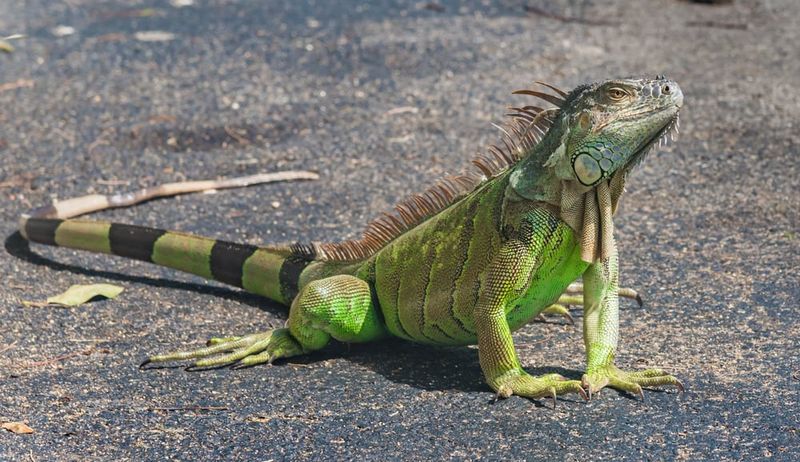
Iguanas are most heavily concentrated in South Florida, particularly in Miami-Dade, Broward, Palm Beach, and Collier counties. These areas offer the warm temperatures, abundant vegetation, and waterfront habitats that iguanas need to thrive.
Coastal neighborhoods, canal communities, and properties near retention ponds are especially prone to iguana activity because these locations provide easy access to water, basking sites, and nesting areas.
Iguanas are also expanding their range northward as temperatures warm and suitable habitats become available. Sightings have increased in areas like Lee County and Sarasota, with occasional reports appearing farther north during warmer years.
Golf courses, botanical gardens, and parks with mature trees and landscaping are common hotspots where iguanas establish large populations. Waterfront properties with seawalls and docks are particularly attractive because they offer ideal conditions for burrowing and sunbathing.
If you live in one of these high-risk areas, it is important to monitor your property regularly and take preventive action early. Iguanas are territorial and will return to the same locations year after year if they find food and shelter.
Knowing where iguanas are most common helps homeowners understand their risk level and prioritize landscape protection strategies. Staying informed about local iguana activity and working with neighbors to reduce attractants can make a big difference in managing these invasive reptiles.
6. What Attracts Iguanas To Residential Yards
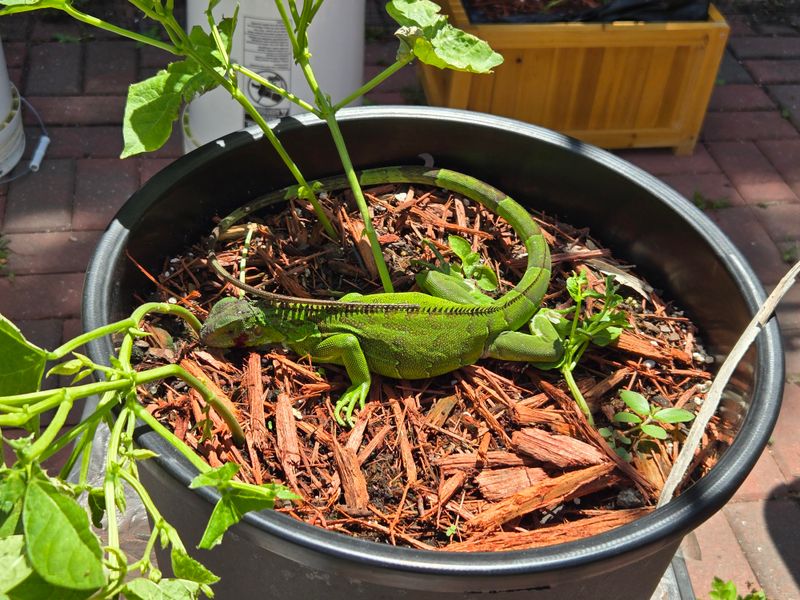
Iguanas are drawn to residential yards for three main reasons: food, shelter, and water. Ornamental plants, flowering shrubs, and fruit trees provide a reliable food source that keeps iguanas coming back.
Hibiscus, bougainvillea, roses, and vegetable gardens are especially attractive because they offer tender leaves and blooms that iguanas love. If your landscape includes these plants, you are more likely to see iguana activity on your property.
Shelter is another major attractant, and iguanas seek out areas where they can hide, nest, and bask safely. Rock piles, dense shrubs, woodpiles, and overgrown vegetation create perfect hiding spots.
Seawalls, canal banks, and sandy soil near water are ideal for burrowing and nesting. Iguanas also love to climb, so trees, fences, and pergolas provide elevated basking sites where they can warm up in the sun and watch for threats.
Water sources like ponds, pools, canals, and birdbaths attract iguanas because they need to stay hydrated and cool off during hot weather. Even pet water bowls left outside can draw iguanas to your yard.
Reducing these attractants is one of the most effective ways to discourage iguanas from settling on your property. Removing food sources, clearing hiding spots, and securing water features can make your yard far less appealing to these invasive reptiles and help you maintain a healthier, more manageable landscape.
7. How Homeowners Can Protect Their Property
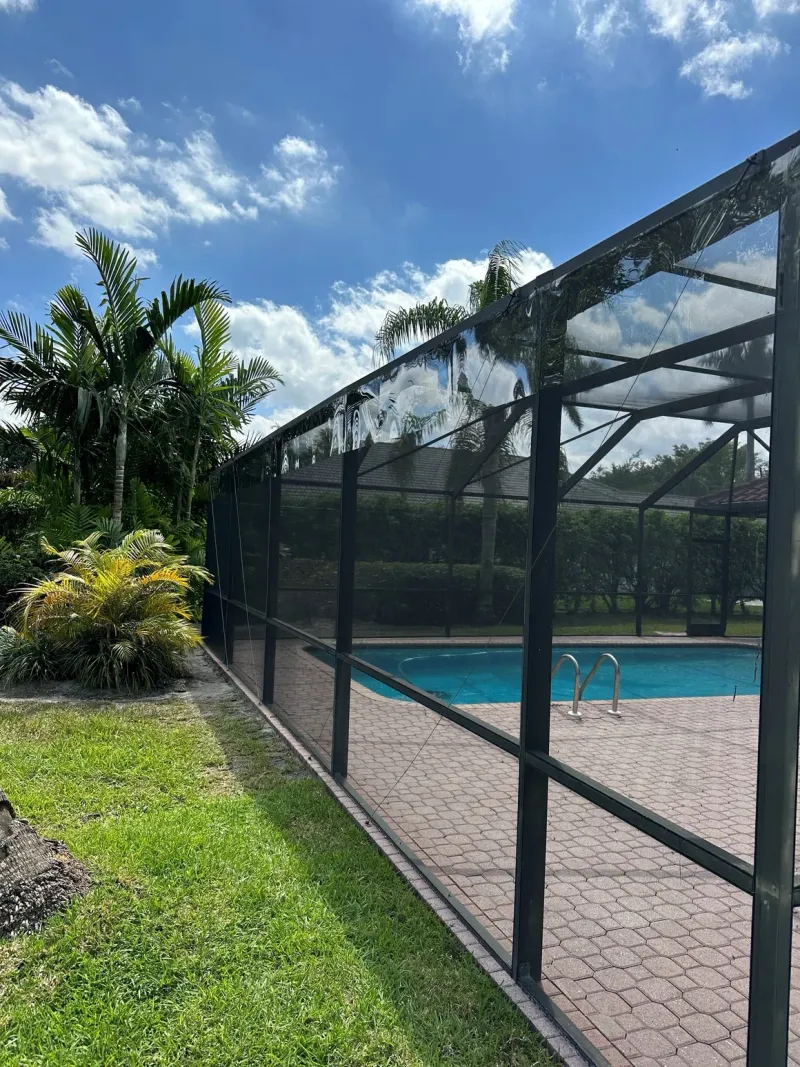
Protecting your property from iguana damage starts with removing the things that attract them in the first place. Trim back overgrown shrubs and dense vegetation where iguanas can hide, and avoid planting their favorite foods like hibiscus, roses, and fruit trees near high-traffic areas.
If you already have these plants, consider installing physical barriers like mesh netting or chicken wire around vulnerable beds to keep iguanas from reaching them.
Seawall and burrow protection is critical for waterfront homeowners. Fill in any existing iguana burrows with soil or sand, and monitor these areas regularly for new digging activity.
Installing barriers like metal mesh or hardware cloth along seawalls can prevent iguanas from burrowing and nesting. Keeping your lawn and landscaping well-maintained also reduces hiding spots and makes your property less appealing to iguanas looking for shelter.
Humane deterrence methods are effective and legal in Florida. Motion-activated sprinklers, reflective tape, and noise devices can startle iguanas and encourage them to move elsewhere.
Removing standing water sources and covering pools when not in use also helps reduce iguana activity. If iguana problems persist, consider hiring a licensed wildlife removal professional who can safely and legally remove iguanas from private property.
Taking consistent, proactive steps to manage your landscape will help you minimize damage and maintain a beautiful, iguana-free yard year-round.
8. What Florida Wildlife Officials Say About Iguana Control
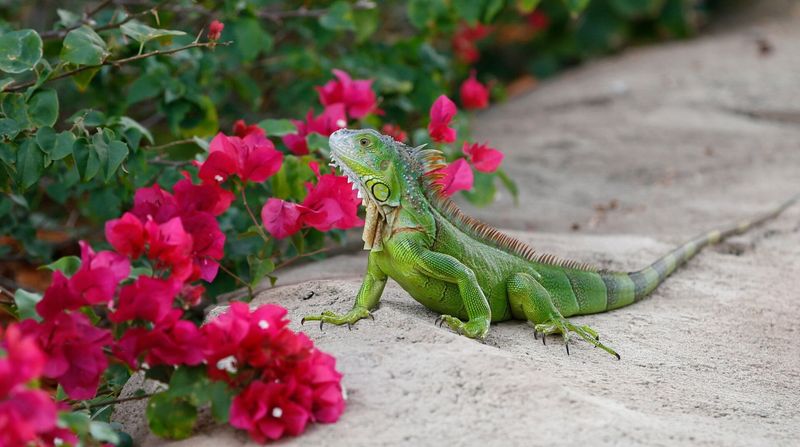
The Florida Fish and Wildlife Conservation Commission considers green iguanas an invasive species, and they encourage homeowners to take action to manage populations on their property. According to FWC guidelines, property owners can remove iguanas from their land without a permit, but all removal methods must be humane and follow state regulations.
Iguanas cannot be removed from public land, parks, or conservation areas without authorization, and relocation of live iguanas is illegal in Florida. All control methods must comply with animal cruelty laws.
FWC recommends working with licensed wildlife trappers who have the experience and tools to handle iguanas safely and legally.
Wildlife officials emphasize prevention as the best long-term strategy. Removing food sources, eliminating shelter, and securing potential nesting sites can significantly reduce iguana activity on residential properties.
FWC also advises homeowners to avoid relocating iguanas to other areas because this only spreads the problem and does not address the root cause. Instead, focus on making your property less attractive and managing iguana populations responsibly.
Education and community involvement are key to controlling iguana populations across Florida. FWC and University of Florida IFAS Extension offer resources, workshops, and guidance for homeowners dealing with invasive species.
Staying informed about legal control methods and working with neighbors to reduce attractants can help manage iguana numbers at the community level. By following official guidelines and taking proactive steps, Florida homeowners can protect their landscapes, reduce property damage, and contribute to responsible wildlife management efforts statewide.