This Is Why Pennsylvania Gardeners Are Replacing Lawns With Clover
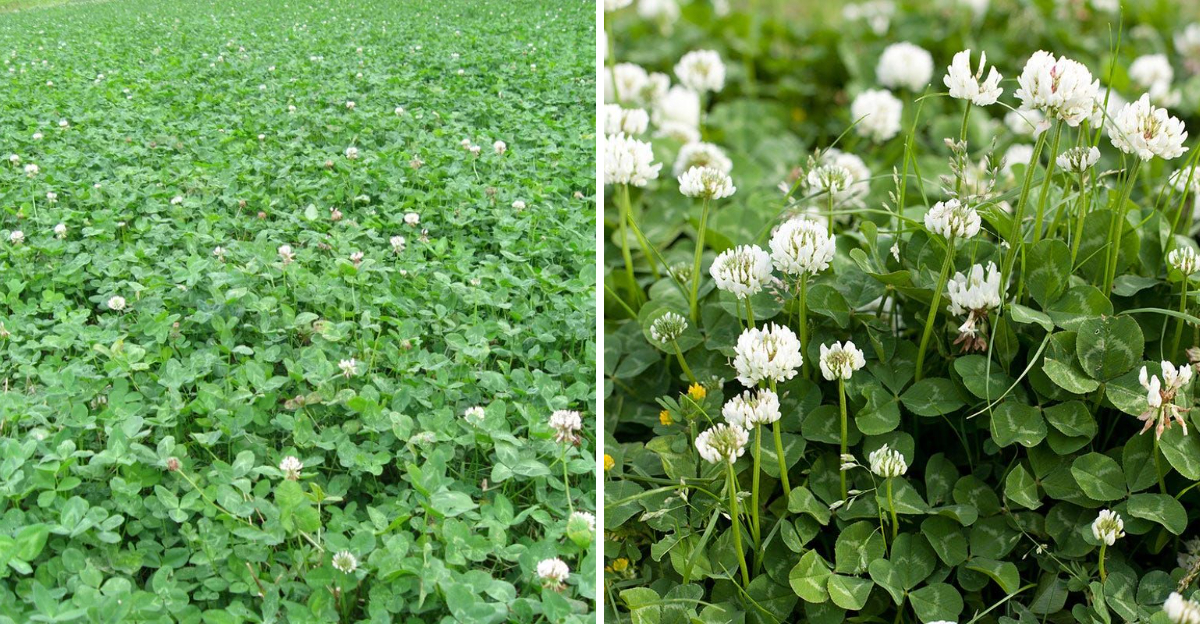
Have you noticed more Pennsylvania yards trading traditional grass for something softer and greener? Clover lawns are quietly becoming a popular choice, and once you see the benefits, it is easy to understand why.
What used to be considered a simple groundcover is now turning ordinary lawns into vibrant, low maintenance spaces.
Clover grows thick, stays green for much of the season, and handles the region’s changing weather surprisingly well. It often needs less watering than standard turf and rarely demands constant mowing to look tidy.
Many homeowners also appreciate how clover attracts pollinators and improves soil health at the same time.
For gardeners tired of battling patchy grass, rising water bills, and endless yard work, clover offers a refreshing alternative. The result is a lawn that feels softer underfoot, looks naturally lush, and requires far less effort to maintain throughout the year.
1. Clover Requires Less Water
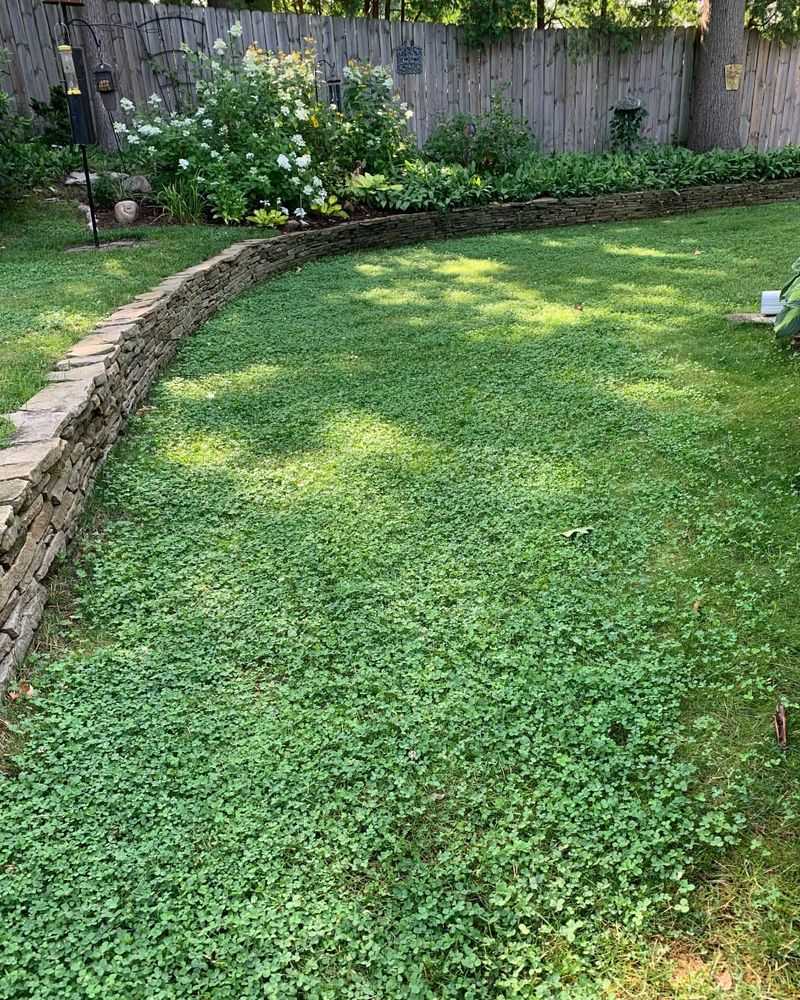
Watering a traditional grass lawn during a hot Pennsylvania summer can feel like a never-ending chore. The grass turns brown fast, and the water bills climb even faster. Clover changes all of that in a big way.
Clover has a deeper root system than most common turfgrasses. Those deep roots reach down into the soil to find moisture that grass roots simply cannot access.
Because of this, clover stays green and healthy even when rainfall is low and the summer heat is intense.
Pennsylvania summers can be unpredictable. Some years bring plenty of rain, while others bring long dry stretches that stress traditional lawns.
Clover handles both situations well. It is naturally more tolerant of heat and dry conditions, which means less work for you and more savings on your water bill.
For homeowners in areas like Lancaster or York, where summer droughts are not uncommon, this benefit is especially valuable. You can spend less time dragging hoses around the yard and more time actually enjoying your outdoor space.
Clover also has a unique ability to bounce back quickly after dry spells. Even if it starts to look a little tired during a heat wave, a good rain will perk it right back up. Grass often struggles to recover the same way after extended dry periods.
Switching to a clover lawn is one of the simplest ways Pennsylvania homeowners can reduce their outdoor water use.
It is good for the environment, good for your wallet, and honestly, it is just easier. Less watering means more time for the things you actually love doing outside.
2. It Naturally Fertilizes The Soil
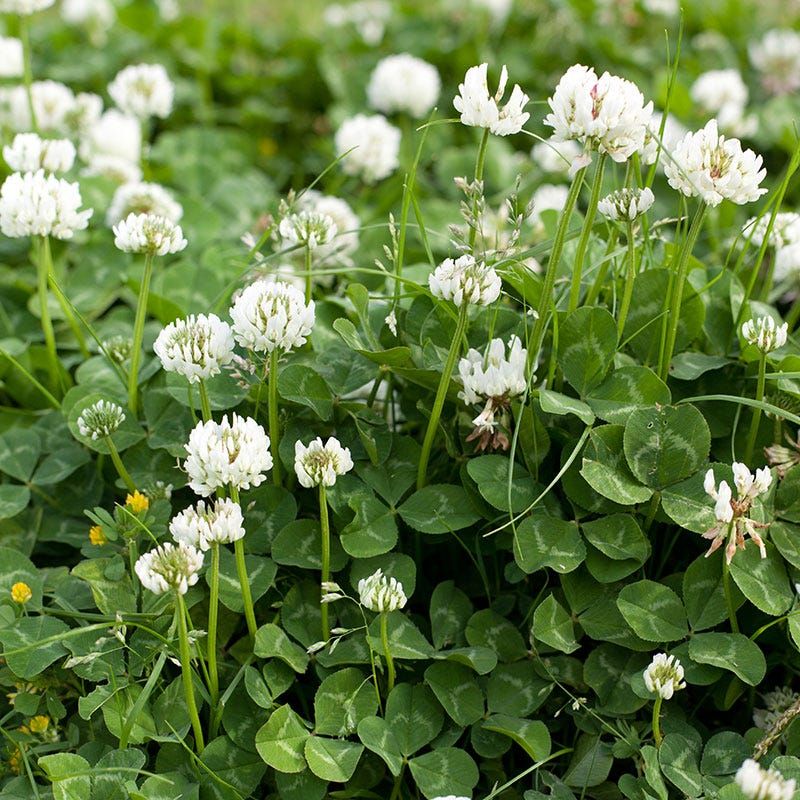
Most homeowners do not think much about what is happening underground in their yards. But beneath a clover lawn, something pretty remarkable is going on.
Clover is a legume, which means it has a special relationship with certain bacteria that live in its roots.
These bacteria take nitrogen right out of the air and convert it into a form that plants can use. This process is called nitrogen fixation, and it is basically free fertilizer for your lawn and garden.
Your Pennsylvania Garden Changes Every Week. Your Plan Should Too.
Gardening in Pennsylvania changes quickly throughout the season. Every Friday you’ll receive a simple weekly plan showing exactly what to plant, prune, fertilize, harvest, and protect so you never miss the right timing.
No bags to haul. No chemicals to mix. The clover does it all on its own. For Pennsylvania homeowners who have been spending money on synthetic fertilizers every spring and fall, this is a game-changer. Traditional grass lawns are heavy feeders.
They need regular doses of nitrogen to stay green and thick. Clover, on the other hand, creates its own supply and even shares it with the surrounding soil.
That shared nitrogen benefits nearby plants, garden beds, and even any grass mixed into your lawn. Over time, a clover lawn can actually improve the overall health of your yard’s soil.
Gardeners in areas like the Lehigh Valley have noticed their garden beds performing better after switching to clover nearby.
There is also an environmental angle worth mentioning. Synthetic fertilizers can run off into local streams and waterways, causing problems for Pennsylvania’s rivers and wildlife. Using clover instead helps reduce that runoff and keeps local water sources cleaner.
Letting nature handle your fertilizing needs is both practical and smart. Clover makes it easy to have a healthy, green yard without the extra cost or environmental impact of chemical fertilizers.
3. Clover Needs Less Mowing
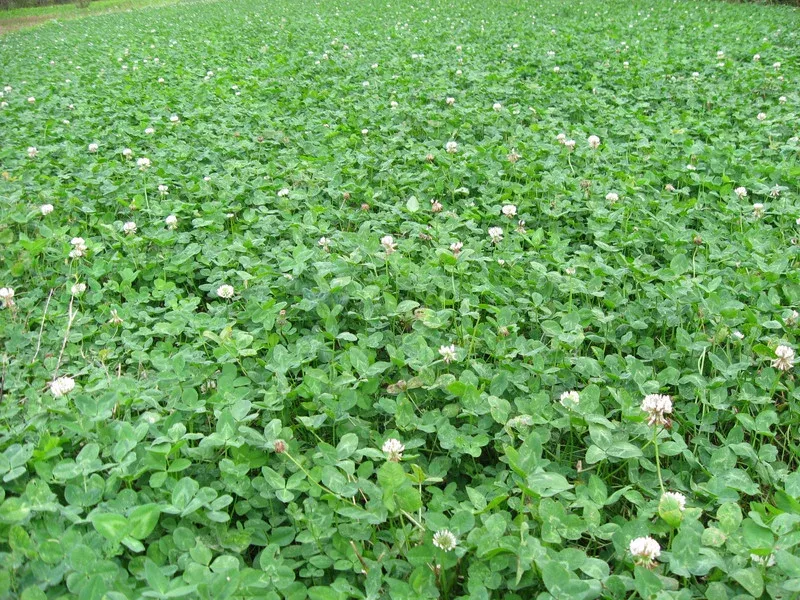
Nobody wakes up on a Saturday morning excited to mow the lawn. It is loud, it takes time, and during a busy Pennsylvania summer, it feels like the grass grows back overnight. Clover offers a refreshing break from that routine.
White clover, the most popular variety for lawns, naturally grows to about two to four inches tall and then slows down significantly. It does not shoot up the way traditional turfgrass does after a rain.
That means you can go much longer between mowing sessions without your yard looking overgrown or messy.
Some clover lawn owners report mowing only a few times per season instead of every single week. That adds up to a lot of saved time, saved fuel, and a lot less noise in the neighborhood.
For families in busy suburbs around Pittsburgh or Harrisburg, that kind of convenience really matters.
Clover also has the added bonus of suppressing weeds naturally. Its dense, low-growing habit shades out many common lawn weeds before they get a chance to establish.
Fewer weeds means less time pulling them by hand or spraying herbicides, which is another chore crossed off the list.
Another perk worth knowing about is that clover stays soft underfoot even when it has not been mowed recently. Grass can get tall and scratchy, but clover keeps a pleasant texture that makes it comfortable for kids and pets to play on.
Cutting back on mowing is one of the most immediate benefits Pennsylvania homeowners notice after making the switch. More free time, lower maintenance costs, and a yard that practically takes care of itself sound like a pretty good deal.
4. It Supports Bees And Pollinators
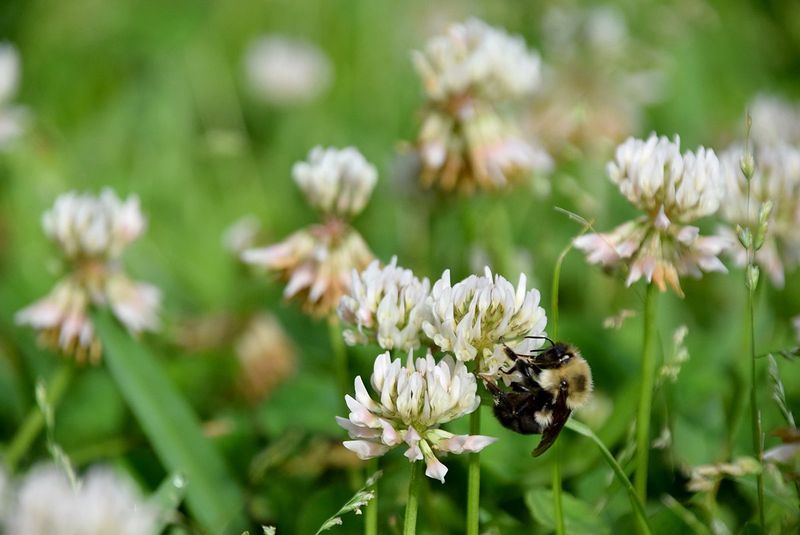
Bees are having a tough time right now. Across the United States, including right here in Pennsylvania, bee populations have been declining due to habitat loss, pesticide use, and a shortage of food sources.
Planting clover is one of the easiest ways everyday homeowners can help turn that around. Clover flowers are absolutely loved by bees.
The small white or pink blossoms are packed with nectar and pollen, making them a top food source for honeybees, bumblebees, and many other native bee species. A clover lawn in full bloom is basically a buffet for pollinators.
Beyond bees, clover also attracts butterflies, moths, and other beneficial insects that play important roles in local ecosystems. These insects help pollinate vegetable gardens, fruit trees, and ornamental plants.
So if you grow tomatoes or strawberries in your Pennsylvania garden, having clover nearby could actually improve your harvest.
Gardeners in rural areas of Centre County and Chester County have noticed a real increase in pollinator activity after planting clover. More bees visiting the yard means better pollination for everything else growing nearby.
It creates a healthy, connected ecosystem right in your own backyard. One fun fact: a single acre of clover can support millions of bees. Even a small clover patch in a suburban yard makes a meaningful difference for local pollinator populations.
Choosing clover over traditional grass is a simple act with a big positive impact. You get a beautiful, low-maintenance lawn, and the bees get the food and habitat they desperately need. It is a win for your yard and a win for Pennsylvania’s natural world.
5. Clover Handles Poor Soil Better Than Grass
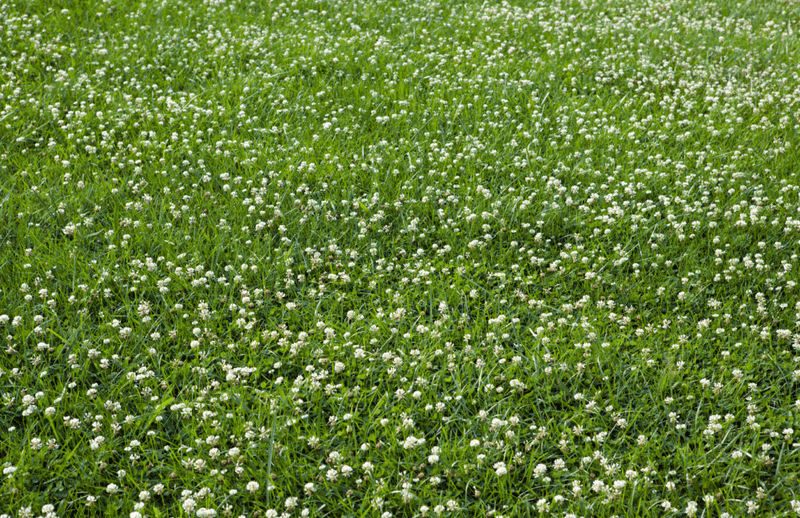
Here is something a lot of Pennsylvania homeowners discover the hard way: not all yards have great soil.
Many properties, especially newer developments in places like Bucks County or Cumberland County, have compacted, clay-heavy, or nutrient-poor soil left behind by construction crews.
Traditional grass is pretty picky about where it grows. It needs loose, well-draining soil with plenty of nutrients.
When those conditions are not met, grass thins out, patches appear, and no amount of watering or fertilizing seems to fix the problem. It is frustrating and expensive. Clover is a completely different story. It actually thrives in conditions where grass gives up.
Its deep, flexible root system can push through compacted soil more easily than grass roots can. Over time, those roots help break up dense soil and improve its structure, making the yard healthier overall.
Clover also tolerates low-fertility soil much better than grass because it creates its own nitrogen supply. So even if your yard’s soil is lacking in nutrients, clover can still grow thick and green without needing heavy soil amendments or fertilizer applications.
Another advantage is that clover handles slight acidity well. Pennsylvania soils tend to lean acidic in many regions, which can be a challenge for traditional lawn grasses.
Clover is more forgiving of pH imbalances and often establishes successfully where grass has repeatedly failed.
If you have struggled for years to grow a decent lawn in your Pennsylvania yard and nothing seems to work, clover might be exactly the answer you have been searching for. It meets your soil where it is and makes the best of it without complaint.
6. It Stays Greener Longer
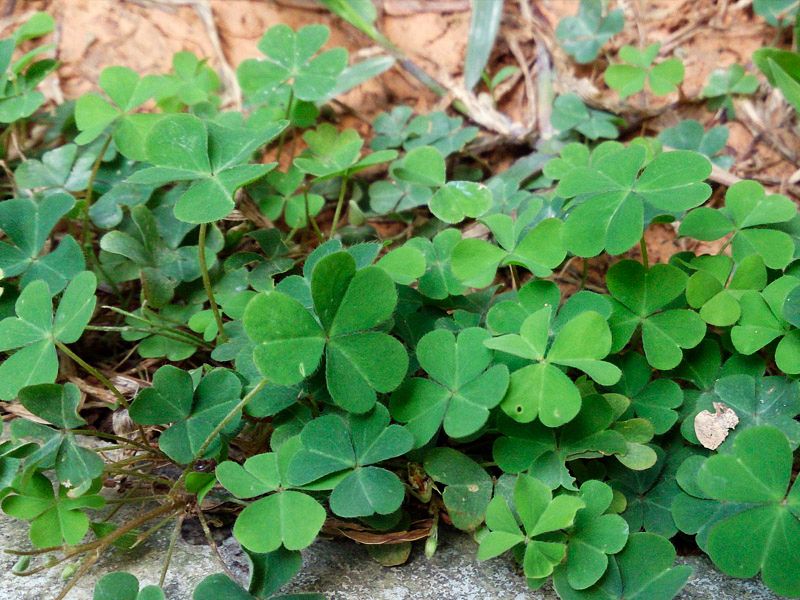
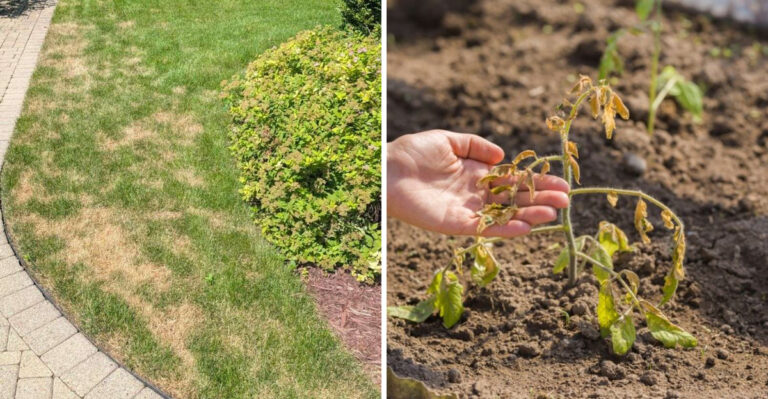
Walk down almost any Pennsylvania street in late August and you will see the same sad sight: patchy, brown, stressed-out grass lawns that have given up in the summer heat. It is one of the most common lawn problems in the state, and it happens year after year.
Clover does not play by those same rules. Thanks to its deep root system and natural drought tolerance, clover holds onto its color and vitality much longer than traditional turfgrass.
While your neighbor is watching their grass turn the color of straw, your clover lawn stays looking fresh and green.
This extended green season is one of the most visually satisfying reasons Pennsylvania homeowners are making the switch.
Curb appeal matters, and a vibrant lawn in the middle of a dry summer makes a great impression. Clover delivers that without extra effort or irrigation.
Clover also stays green well into fall, which is another season when traditional grass can look tired and faded.
In many parts of Pennsylvania, clover holds its color until the first hard frost, giving your yard a longer window of looking its best throughout the growing season.
Spring green-up is earlier too. Clover tends to wake up from winter dormancy faster than most grass types, so your yard looks lively and healthy sooner in the season.
That early burst of green is something many Pennsylvania gardeners really appreciate after a long, grey winter.
A lawn that looks great from spring through fall without constant attention is the dream for most homeowners. Clover makes that dream very achievable, even in the most challenging Pennsylvania weather conditions.