This Is Why Texas Gardeners Use Coffee Grounds Around Plants In December
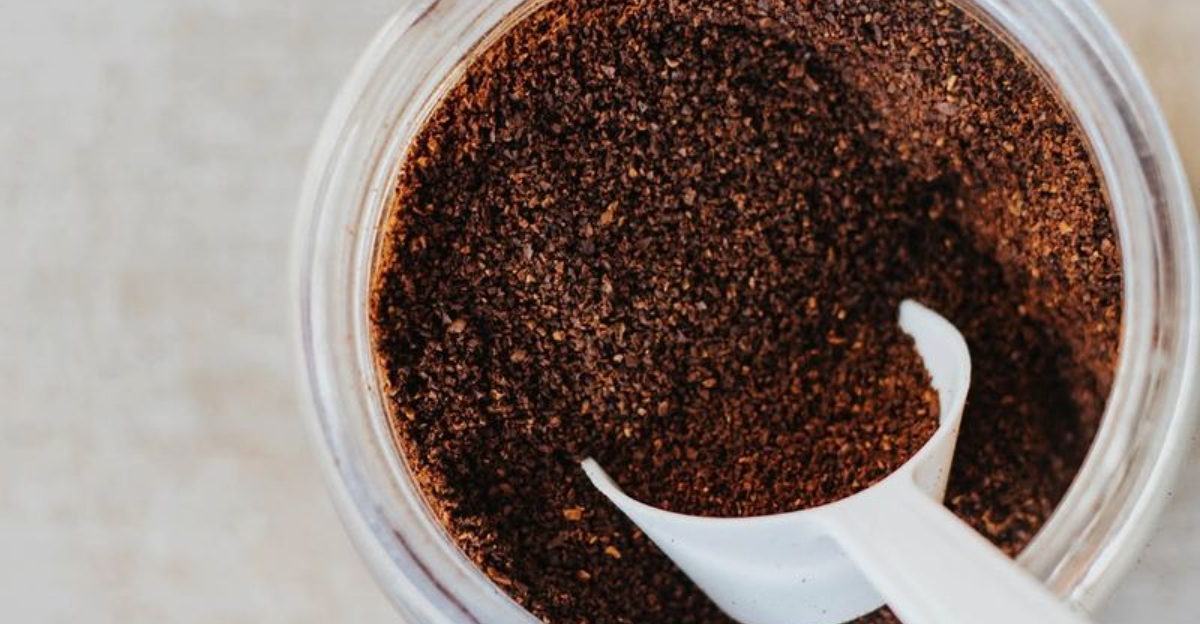
When December rolls around in Texas, many gardens may look quiet, but behind the scenes, smart gardeners are still at work.
One surprising sight pops up year after year: coffee grounds sprinkled around plants like a secret ingredient.
At first glance, it might look like yesterday’s brew went to the wrong place, but there’s method to the madness.
Coffee grounds are not magic dust, but they can pull their weight when used at the right time.
Texas winters bring cooler soil, shifting moisture, and slower plant growth.
During this window, used grounds can help improve soil structure, encourage helpful microbes, and lightly boost nutrients without rocking the boat.
Gardeners who know the drill treat coffee grounds like seasoning, not the main course.
December is a sweet spot because plants rest while the soil still stays active.
This gives organic matter time to break down before spring growth kicks into high gear.
Done right, it’s a low-cost way to reuse waste and give gardens a leg up.
Texas gardeners value practical tricks that make sense.
Using coffee grounds in December is one of those small moves that can pay off quietly when warmer days return.
1. Coffee Grounds Enrich Soil With Valuable Nitrogen
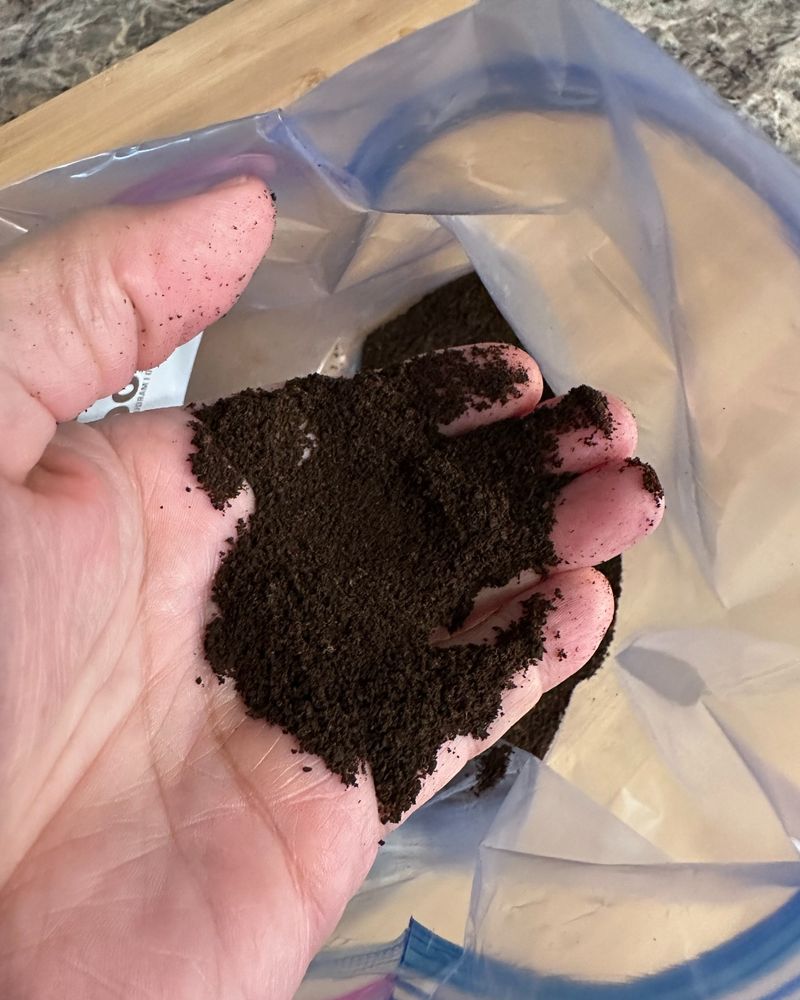
Nitrogen stands as one of the most crucial nutrients plants need for healthy growth and vibrant foliage.
Used coffee grounds contain approximately 2% nitrogen by volume, making them a fantastic organic fertilizer option for Texas gardens.
When you spread these grounds around your plants in December, they slowly break down and release nitrogen into the soil over several weeks.
Winter vegetables like kale, spinach, and lettuce thrive with this nitrogen boost during Texas’s mild December weather.
The grounds also benefit perennials preparing for spring growth by building up nutrient reserves in the soil.
Unlike synthetic fertilizers that can burn plant roots with concentrated chemicals, coffee grounds release nutrients gradually as microorganisms break them down.
Gardeners in San Antonio and Fort Worth have noticed stronger, greener growth in their winter crops after applying coffee grounds monthly.
The organic matter improves soil structure while feeding plants simultaneously.
Acid-loving plants such as azaleas, blueberries, and roses particularly appreciate the slight acidity coffee grounds add to Texas’s often alkaline soils.
December applications prepare garden beds for spring planting season by enriching the soil during quieter growing months.
Mixing coffee grounds into compost piles accelerates decomposition by providing nitrogen that helps break down carbon-rich materials like dried leaves.
Texas gardeners typically apply a thin layer, about one-quarter to one-half inch thick, around plants without piling grounds directly against stems to prevent moisture-related issues.
2. They Improve Drainage In Heavy Clay Soils
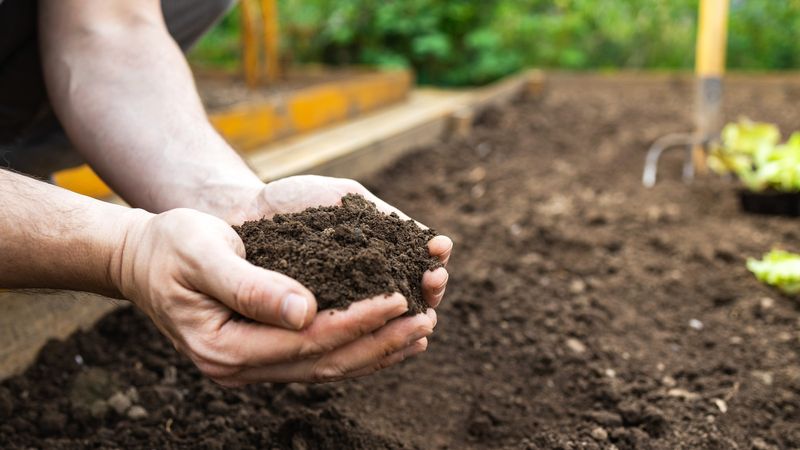
Anyone who has gardened in Texas knows the frustration of dealing with heavy clay soil that turns rock-hard when dry and becomes sticky mud when wet.
Clay soils dominate many regions throughout the state, from the Blackland Prairie around Dallas to areas near Houston.
These dense soils make it difficult for plant roots to penetrate and often lead to waterlogged conditions that stress plants.
Coffee grounds act as a natural soil amendment that gradually improves clay soil structure when worked into garden beds.
The organic particles help create small air pockets between clay particles, allowing better water movement and root penetration.
December represents an ideal time for Texas gardeners to begin this soil improvement process since many plants are dormant or growing slowly.
Adding coffee grounds to clay soil increases the population of beneficial earthworms that tunnel through the earth, creating natural drainage channels.
These hardworking creatures pull organic matter like coffee grounds deeper into the soil profile.
Gardeners in the Dallas-Fort Worth metroplex have reported noticeably improved soil texture after consistently applying coffee grounds throughout winter months.
The organic matter from decomposing grounds binds clay particles into larger aggregates called crumbs, which improve overall soil structure.
Better drainage means plant roots can access oxygen more easily, leading to healthier growth come spring.
Texas gardeners typically spread a layer of coffee grounds on their beds in December, then gently work them into the top few inches of soil, repeating this process monthly for best results.
3. Coffee Grounds Attract Beneficial Earthworms
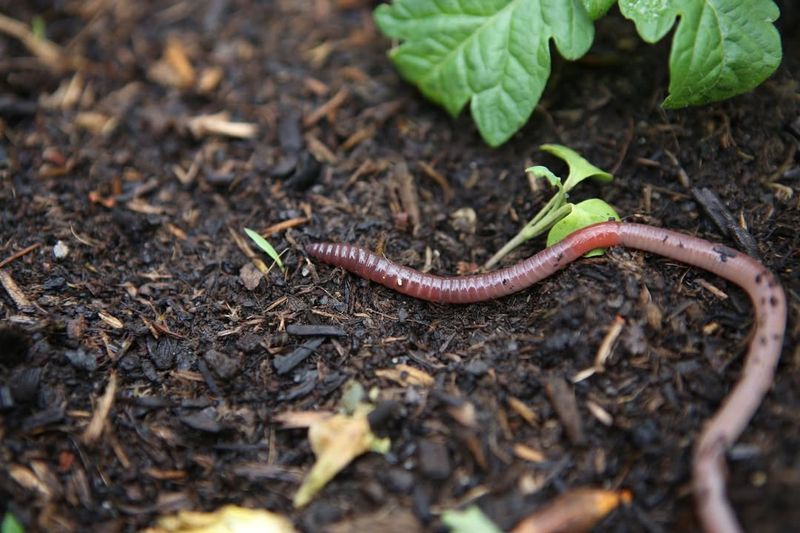
Earthworms serve as nature’s underground gardeners, tirelessly working to improve soil quality in ways no machine can replicate.
These remarkable creatures consume organic matter and excrete nutrient-rich castings that plants absorb readily.
Texas gardens benefit enormously from healthy earthworm populations, especially during December when soil preparation for spring becomes a priority.
Coffee grounds act like an irresistible buffet for earthworms, drawing them to areas where grounds have been applied.
The worms consume the grounds along with surrounding soil, breaking down organic matter into forms plants can use immediately.
As earthworms tunnel through garden beds searching for coffee grounds, they naturally aerate compacted soil and create channels that improve water infiltration.
Gardeners throughout Austin and surrounding Hill Country communities have observed dramatic increases in earthworm activity after regularly adding coffee grounds to their beds.
More earthworms mean better soil structure, improved nutrient cycling, and healthier plants overall.
The castings earthworms leave behind contain five times more nitrogen, seven times more phosphorus, and eleven times more potassium than surrounding soil.
December applications of coffee grounds give earthworms an abundant food source during months when other organic matter may be scarce in Texas gardens.
The grounds also help maintain soil moisture that earthworms need to survive and thrive.
Spreading coffee grounds around vegetable beds, flower gardens, and beneath shrubs creates earthworm highways throughout your landscape, distributing these beneficial creatures where they can do the most good for your plants and soil health.
4. Used Grounds Help Retain Moisture During Dry Spells
December in Texas can bring surprisingly dry conditions, with some regions experiencing extended periods without rainfall.
Plants still need consistent moisture even during cooler months, and water conservation remains important for environmentally conscious gardeners.
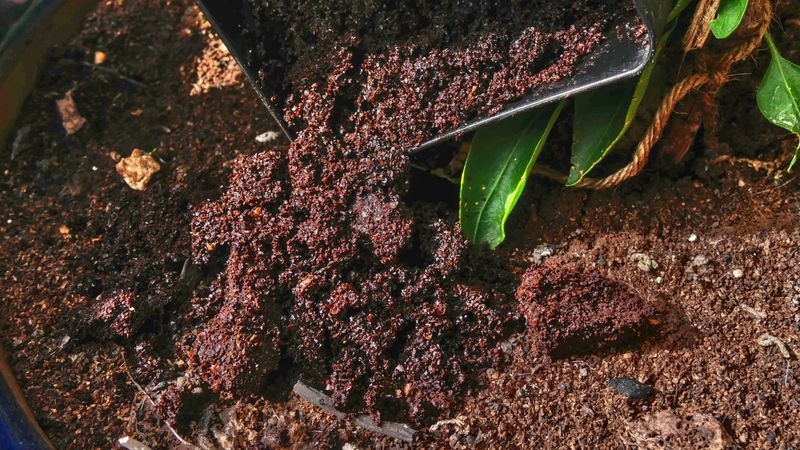
Coffee grounds spread around plants create a protective layer that helps soil retain moisture between watering sessions.
The fine texture of coffee grounds allows them to form a barrier that reduces evaporation from the soil surface.
This mulching effect proves particularly valuable for shallow-rooted plants and newly established perennials that haven’t developed extensive root systems yet.
Gardeners in drier regions like West Texas and the Panhandle appreciate how coffee grounds help stretch limited water resources further.
As coffee grounds absorb water, they swell and create a sponge-like layer that releases moisture gradually back into the soil.
This buffering effect helps maintain more consistent soil moisture levels, reducing stress on plants during temperature fluctuations common in Texas Decembers.
Container plants especially benefit from this moisture-retaining quality since pots tend to dry out faster than in-ground plantings.
Applying a half-inch layer of coffee grounds around plants provides noticeable moisture retention without creating problems.
Too thick an application can form a water-repellent crust, so moderation matters.
Many Texas gardeners mix coffee grounds with other organic mulches like shredded leaves or pine needles to optimize moisture retention while maintaining good air circulation around plant stems and preventing compaction issues that pure coffee ground layers might create.
5. They Discourage Certain Garden Pests Naturally
Chemical pesticides raise concerns for many Texas gardeners who prefer natural, family-friendly approaches to pest management.
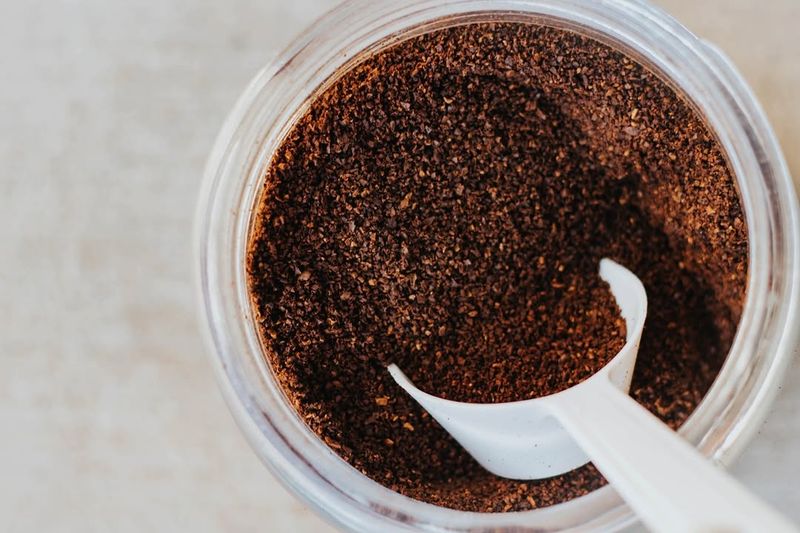
Coffee grounds offer a surprisingly effective deterrent against several common garden nuisances without introducing harsh chemicals into the environment.
The caffeine and compounds in coffee grounds create an unpleasant environment for soft-bodied pests that can damage plants during December’s milder weather.
Slugs and snails, which remain active in many parts of Texas during winter months, strongly dislike crossing barriers of coffee grounds.
The abrasive texture irritates their soft bodies, and the caffeine acts as a natural repellent.
Gardeners growing winter vegetables in Houston and coastal areas where humidity keeps these pests active year-round have found coffee grounds particularly helpful for protecting tender lettuce, spinach, and cabbage seedlings.
Ants also tend to avoid areas treated with coffee grounds, making them useful around outdoor entertaining spaces and garden pathways.
Some gardeners report that coffee grounds help discourage cats from using garden beds as litter boxes, though results vary depending on individual animal behavior.
The strong aroma seems to mask scents that might otherwise attract unwanted visitors to your carefully tended plants.
Reapplying coffee grounds after heavy rains maintains their pest-deterrent properties throughout December and beyond.
Texas gardeners typically refresh the coffee ground barrier every two to three weeks or after significant rainfall washes the grounds into the soil.
This practice provides ongoing protection while simultaneously enriching the soil with organic matter and nutrients that benefit plants throughout the winter growing season.
6. Coffee Grounds Support Beneficial Microorganisms
Beneath every thriving Texas garden lies an invisible world of microscopic workers that make plant growth possible.
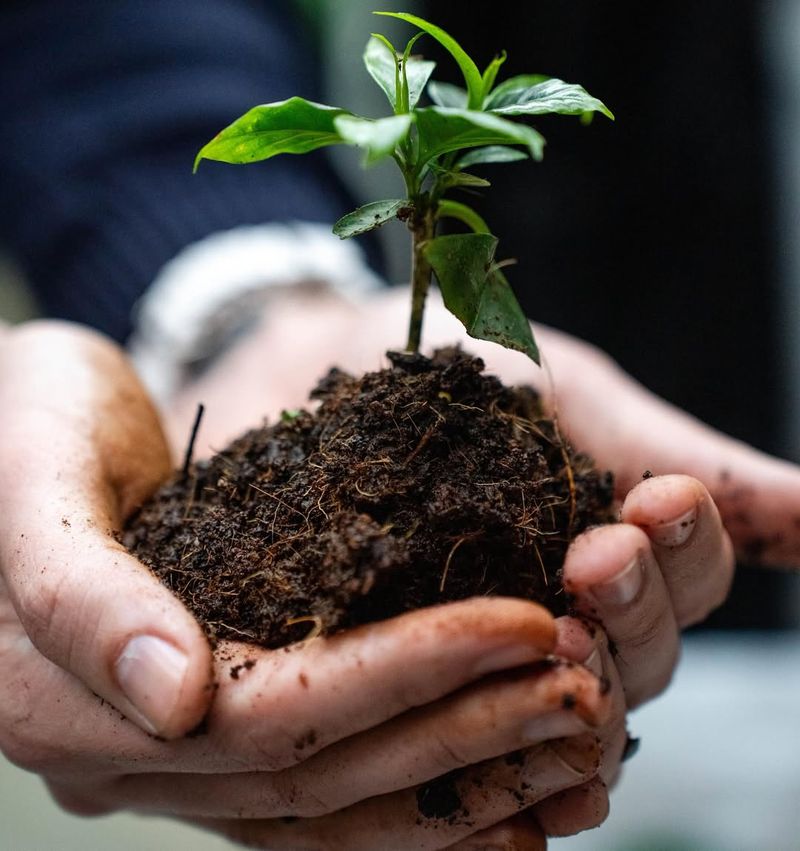
Beneficial bacteria, fungi, and other microorganisms break down organic matter, cycle nutrients, and protect plant roots from harmful pathogens.
These tiny allies need food and favorable conditions to flourish, and coffee grounds provide both during December’s quieter gardening months.
Coffee grounds serve as an excellent carbon and nitrogen source for soil microbes, fueling their reproduction and activity levels.
As these organisms multiply and consume the grounds, they release enzymes that break down complex organic compounds into simpler forms plants can absorb.
This biological activity continues even during cooler December temperatures in most Texas regions, slowly building soil fertility for spring planting.
Mycorrhizal fungi, which form beneficial partnerships with plant roots, thrive in soils enriched with organic matter like coffee grounds.
These fungi extend the effective reach of plant roots, helping them access water and nutrients from a much larger soil volume.
Texas gardeners who regularly add coffee grounds to their beds often notice their plants show improved drought tolerance and overall vigor.
The organic acids in coffee grounds create slightly acidic conditions that many beneficial microorganisms prefer, while discouraging some harmful soil pathogens.
December applications give these helpful microbes time to establish strong populations before spring’s busy growing season arrives.
Gardeners throughout Texas, from El Paso to Beaumont, can support their soil’s living ecosystem simply by spreading used coffee grounds around plants and working them gently into the top inch or two of soil each month.
7. They Provide A Free, Sustainable Gardening Resource
Gardening expenses add up quickly when purchasing fertilizers, soil amendments, and pest control products throughout the year.
Coffee grounds offer Texas gardeners a completely free resource that would otherwise end up in landfills, contributing to waste problems.
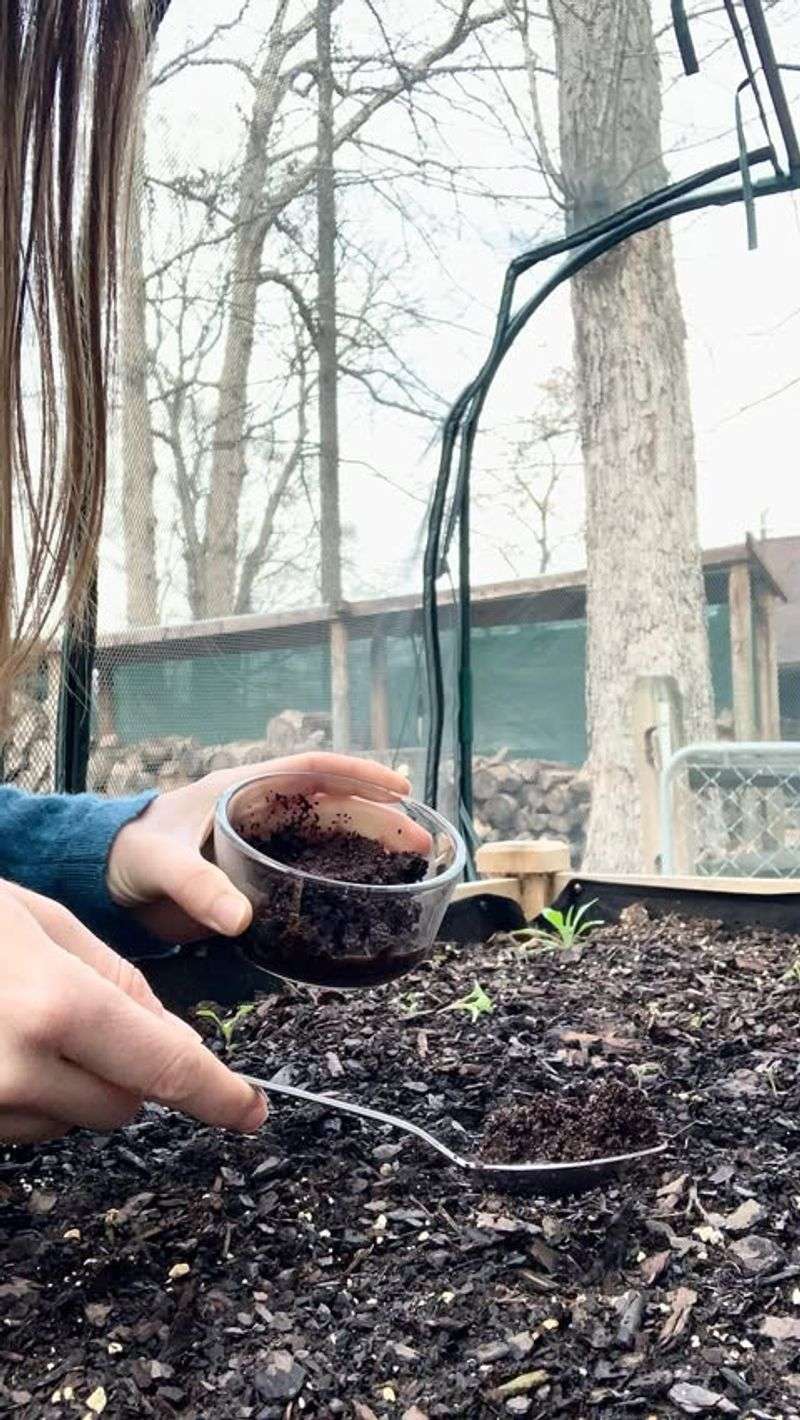
Most households generate coffee grounds daily, and local coffee shops often provide used grounds free to anyone who asks, making this an accessible option for budget-conscious gardeners.
Sustainability matters increasingly to Texas residents concerned about environmental impact and resource conservation.
Recycling coffee grounds into garden beds closes the loop on organic waste, reducing landfill contributions while improving soil health naturally.
December represents an excellent time to start collecting and stockpiling coffee grounds for garden use since many plants need less intensive care during winter months.
The environmental benefits extend beyond waste reduction.
Using coffee grounds means fewer synthetic fertilizers enter Texas waterways through runoff, protecting rivers, lakes, and coastal areas from nutrient pollution.
Coffee grounds break down completely, leaving no harmful residues in soil or groundwater.
This natural approach aligns with organic gardening principles that prioritize soil health and ecosystem balance.
Many Texas gardeners establish collection systems, keeping a container near their coffee maker to gather grounds throughout the week.
Some befriend local baristas who gladly save grounds that would otherwise be thrown away.
A single coffee shop can generate several pounds of grounds daily, providing more than enough for most home gardens.
Applying these free grounds in December prepares beds for spring while demonstrating that effective gardening doesn’t require expensive inputs, just thoughtful use of readily available resources that benefit both plants and the planet.