This Is Why Tomatoes Must Go In The Ground Early in Florida
Have you ever wondered why some Florida gardeners harvest baskets of tomatoes while others struggle to get a single good crop? The difference often comes down to one simple decision made early in the season.
Tomatoes follow a very different schedule in Florida than in most parts of the country. The window for strong growth and good fruit production arrives earlier and closes faster than many new gardeners expect.
Miss that timing and the plants often fall behind before the season even hits its stride. Growth slows, flowers drop, and the harvest never quite matches expectations.
Gardeners who understand Florida’s growing rhythm take a different approach. They get their tomatoes into the ground early and give the plants the head start they need for a productive season.
1. Early Planting Beats Florida Summer Heat
Florida gardeners who have tried planting tomatoes in May quickly learn a hard lesson. The summer heat in this state does not ease in gradually.
It arrives fast, stays long, and pushes temperatures well past what tomato plants can handle for productive growing.
Tomatoes stop setting fruit when daytime temperatures climb above 85 degrees Fahrenheit. In most parts of Florida, that kind of heat becomes the daily norm by late spring.
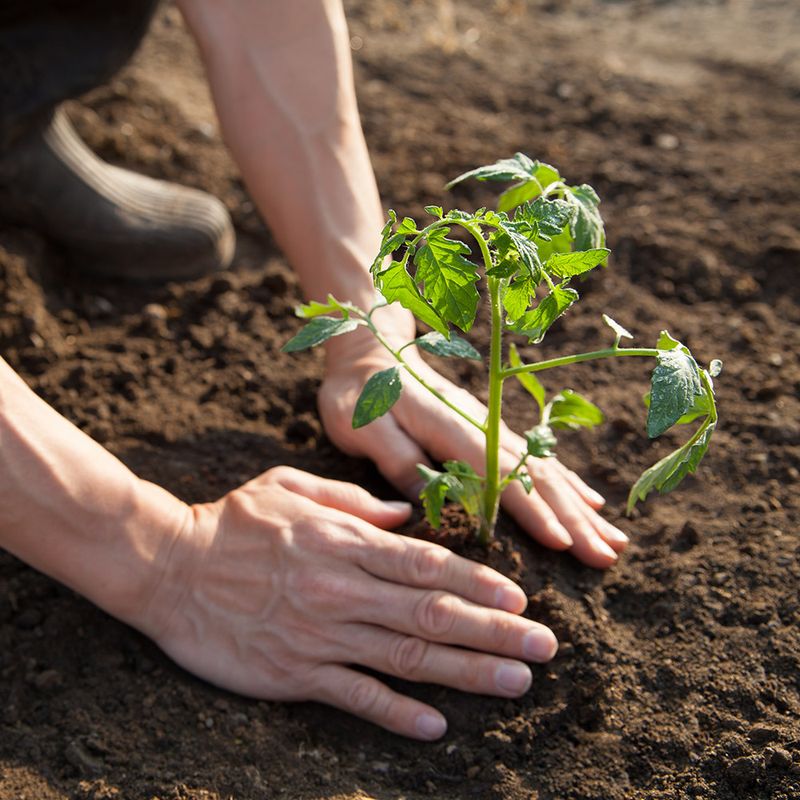
Plants that go into the ground in January or February in Central and South Florida, or late February in North Florida, have a real fighting chance to mature and produce before those temperatures take over.
According to University of Florida IFAS Extension, timing is one of the most critical factors in a successful Florida tomato harvest. Early-planted tomatoes can complete much of their fruiting cycle during the mild weeks of late winter and early spring.
By the time the intense heat arrives, a well-timed garden has already delivered a solid harvest. Waiting too long means your plants spend their most productive energy trying to survive heat rather than producing tomatoes.
Getting them in the ground early is one of the smartest moves any Florida gardener can make.
2. Tomatoes Need Cool Nights To Set Fruit
Nighttime temperatures play a bigger role in tomato success than most new gardeners realize. When nights stay between 55 and 75 degrees Fahrenheit, tomato flowers get properly pollinated and fruit begins to form.
Push those nighttime temps above 75 degrees consistently, and the pollen becomes sterile, meaning flowers drop without producing any fruit at all.
Florida’s spring nights are genuinely ideal for tomato fruit set, but that window does not last long. By late spring and early summer, even the nights stay warm enough to cause problems.
Gardeners who plant early catch those precious weeks when cool evenings support healthy pollination and steady fruit development.
Planting in late January or early February in Central Florida, or after the last frost in North Florida, lines up perfectly with the state’s naturally cooler nighttime temperatures. South Florida gardeners actually take advantage of this by planting between October and December, when nights are comfortably mild.
Matching your planting schedule to Florida’s natural seasonal rhythm gives tomato flowers the conditions they need to do their job. More successful pollination directly means more tomatoes on the vine, which is exactly what every backyard gardener is working toward all season long.
3. Late Planting Invites Pests And Diseases
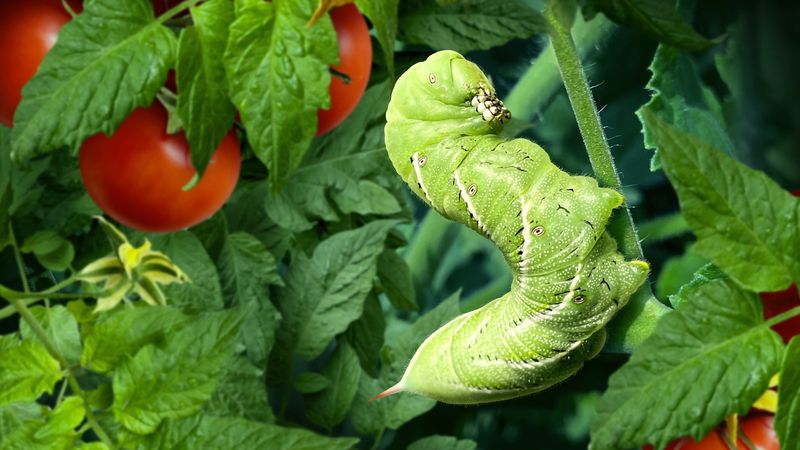
Pest pressure in Florida is relentless, and it gets significantly worse as the season moves toward summer. Insects like aphids, whiteflies, and tomato hornworms become far more active and numerous when temperatures climb and humidity rises.
Fungal diseases such as early blight, late blight, and gray leaf spot also spread rapidly in warm, wet conditions.
Planting tomatoes early puts your garden ahead of the worst of that pressure. Young plants that get established during cooler, drier months have time to build strong stems and healthy foliage before pest populations explode.
A robust plant handles occasional pest damage much better than a stressed one fighting both insects and extreme heat at the same time.
University of Florida IFAS Extension consistently highlights pest and disease management as one of the top challenges for Florida tomato growers. Gardeners who plant on schedule reduce their need for repeated spraying and intervention because they are simply not growing during the most problematic part of the season.
Timing your planting to wrap up the heaviest production before summer arrives is one of the most practical and effective strategies available. Early planting is not just about chasing good weather.
It is also about strategically avoiding the conditions that make growing tomatoes in Florida so difficult.
4. Early Roots Build Stronger Tomato Plants
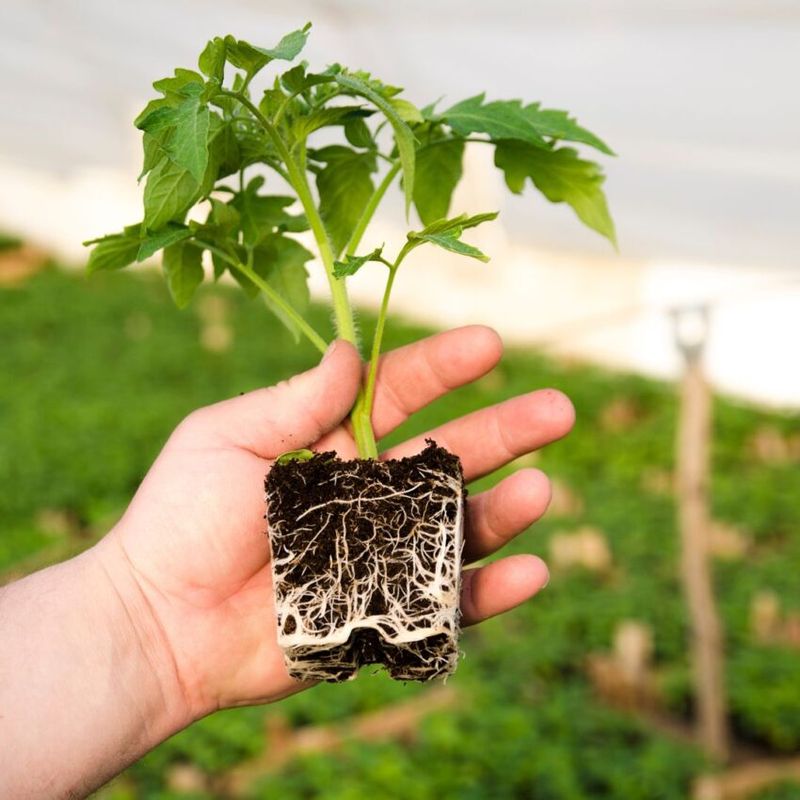
Root development is the foundation of everything a tomato plant will accomplish above ground. When roots have time to spread deep and wide into the soil, the plant can pull up more water, absorb more nutrients, and anchor itself firmly against wind and weather.
Early planting in Florida gives roots the chance to establish during the coolest, most forgiving weeks of the growing season.
Florida’s sandy soil drains quickly, which means shallow-rooted plants struggle to stay hydrated during warm spells. A tomato transplanted in late January or February has weeks of moderate soil temperatures to grow a deep, extensive root system before summer stress arrives.
That root depth becomes critical when surface soil dries out fast under the Florida sun.
Amending Florida’s sandy soil with compost before planting makes a significant difference in how well roots develop. Organic matter improves both moisture retention and nutrient availability, giving early-planted tomatoes an even stronger start.
Gardeners who prepare their beds properly and plant on time end up with plants that are noticeably more vigorous and resilient. Strong roots built during cool early spring conditions translate directly into taller plants, more branching, and ultimately more tomatoes.
Skipping early planting means roots never get that ideal establishment window, and the plants show it all season long.
5. Spring Sunshine Fuels Faster Tomato Growth
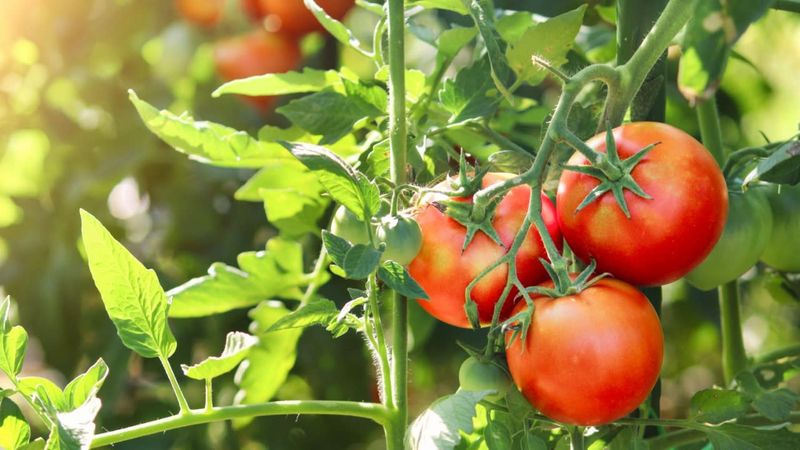
There is something almost magical about watching a tomato plant take off in Florida’s early spring sunshine. The days are getting longer, temperatures are mild, and the sun provides steady, powerful energy without the punishing intensity of midsummer.
Plants planted during this window respond with rapid, healthy growth that is hard to replicate at any other time of year.
Longer daylight hours in late winter and early spring give tomato plants more hours of photosynthesis each day. More photosynthesis means faster energy production, which fuels leaf development, stem growth, and eventually flower and fruit formation.
Florida’s geography means it receives strong sunshine even in February and March, making early-planted tomatoes genuinely productive from the start.
Mild temperatures combined with bright sunshine create nearly ideal growing conditions for tomato transplants getting established in their new home. Plants do not have to fight heat stress or excessive moisture loss during the hottest part of the day.
They can focus their energy entirely on growing. Gardeners who take advantage of this window often notice that their plants double in size within just a few weeks of going into the ground.
Spring sunshine in Florida is a genuine growing superpower, and early planting is the only way to fully use it before summer changes everything.
6. Early Harvests Avoid Brutal Summer Humidity
Florida summers are not just hot. They are soaking wet with humidity that settles in like a heavy blanket and refuses to leave.
That combination of heat and moisture creates conditions where fungal diseases spread rapidly and plant stress compounds quickly. Tomato plants trying to produce fruit in those conditions rarely succeed, and the fruit that does form often cracks, rots, or develops poor flavor.
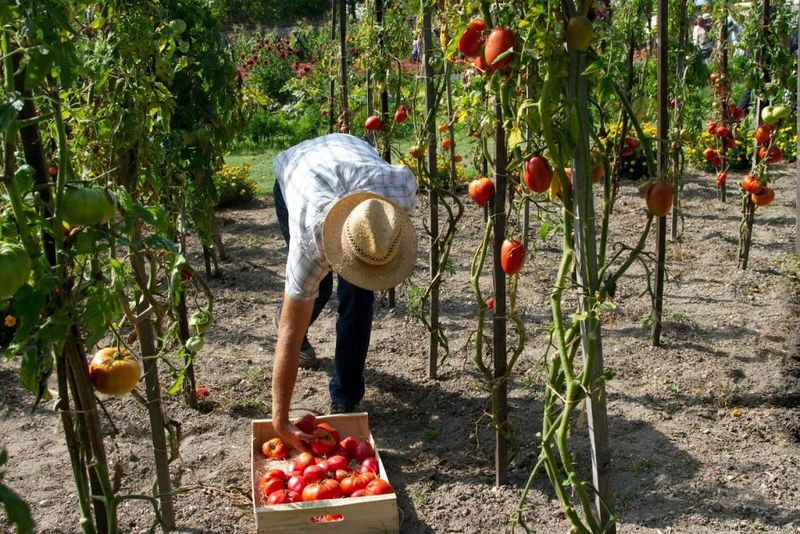
Harvesting before summer humidity peaks is one of the clearest benefits of early planting. A garden that went in the ground in late January or early February in Central Florida can be producing ripe tomatoes by April, well before the worst of the summer weather arrives.
North Florida gardeners who plant after the last frost in late February can expect harvests through May and into early June before conditions deteriorate.
Getting your harvest window to align with spring rather than summer is not luck. It is the direct result of planting at the right time.
Gardeners who follow Florida’s recommended planting calendar protect their harvest from the humidity-fueled disease pressure that makes late-season growing so frustrating. Every ripe tomato you pick in April or May is one that did not have to fight through the punishing conditions of a Florida summer.
Early planting gives you that advantage season after season.
7. Timely Planting Produces Bigger Tomato Yields
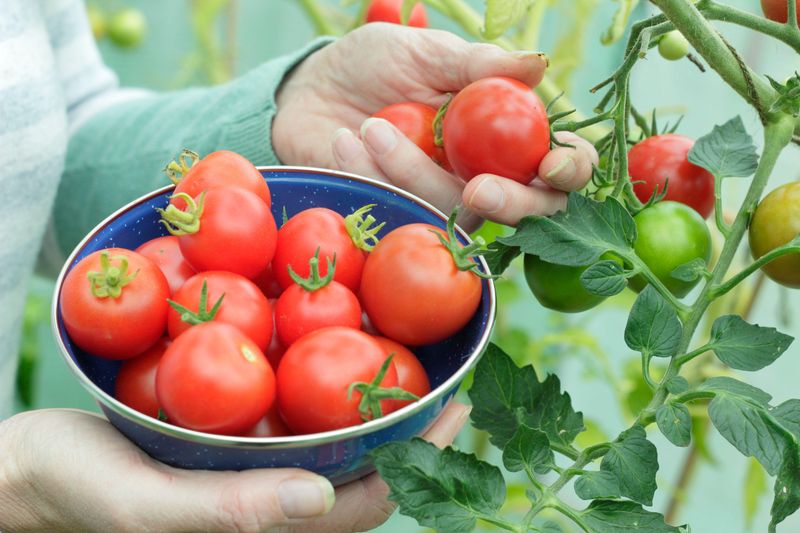
Experienced Florida gardeners know a simple truth: the timing of planting has more influence on total yield than almost any other decision made in the garden. A tomato plant that goes into the ground at the right time, with good soil and proper care, will consistently outproduce one planted even just a few weeks late under the same conditions.
When plants are established before heat stress sets in, they develop more branches, set more flower clusters, and produce more fruit per plant. Fruit that forms during mild spring temperatures tends to be larger, firmer, and better flavored than fruit struggling to develop in summer heat.
The plant’s energy goes into production rather than survival, and the difference in harvest size is genuinely striking.
University of Florida IFAS Extension planting guidelines exist for exactly this reason. They are built around maximizing productive growing time before conditions become unfavorable.
Following those windows closely is the single most reliable way to improve your tomato harvest without spending more money on fertilizer, pest control, or fancy varieties. A modest investment in timing pays off in buckets of tomatoes.
Gardeners who plant on schedule regularly report harvesting far more tomatoes than neighbors who waited, even when both gardens received the same care and attention throughout the season.
8. Florida Gardeners Win With Early Tomato Starts
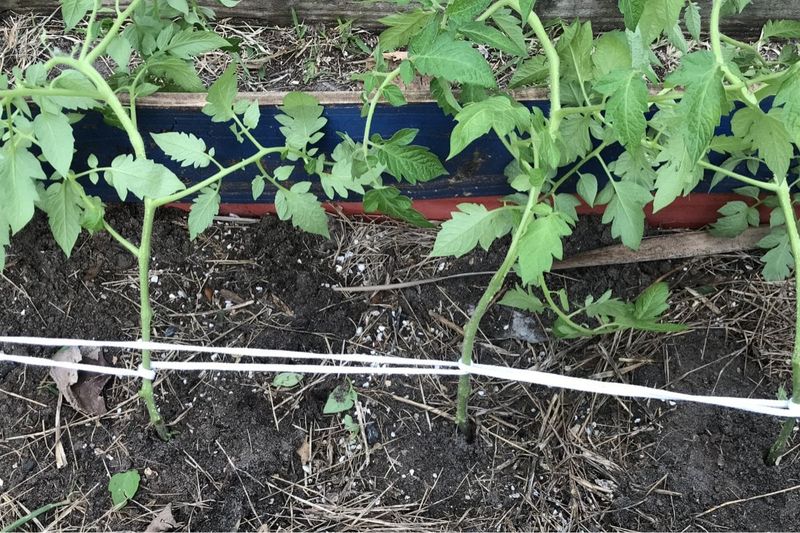
Ask any experienced Florida vegetable gardener about their tomato strategy, and early planting will come up almost immediately. It is not a trend or a tip from a magazine.
It is a hard-earned lesson that the state’s climate teaches every gardener sooner or later. Those who learn it early enjoy consistently better results than those still experimenting with summer planting.
Following the local planting calendar recommended by University of Florida IFAS Extension is the most reliable framework available. For Central Florida, that means transplanting in late January or early February.
North Florida gardeners target late February to early March after frost risk passes. South Florida follows an entirely different schedule, with October through December being the prime window.
Each region has a specific sweet spot, and working within it makes everything else easier.
Early planting is not about rushing. It is about being strategic with Florida’s unique growing conditions.
Plants that go in on time benefit from cool nights, mild days, manageable pest pressure, and spring sunshine all working together. The result is a garden that produces well, stays healthier longer, and delivers the kind of harvest that makes all the effort worthwhile.
Florida’s climate is challenging, but gardeners who respect its timing consistently come out ahead with tomatoes worth bragging about.