This Is Why Your Crape Myrtle Has Leaves But Barely Any Flowers In Florida
Your crape myrtle looks healthy, full of leaves, and very much alive, so why does it barely bloom? That is the frustrating part for many Florida homeowners.
At first glance, the plant seems fine. It has growth, color, and plenty of green, yet the flowers never really show up the way they should.
In many cases, the problem is not the plant itself. It is a mix of heat, pruning mistakes, too much nitrogen, poor sunlight, or timing that throws blooming off course.
Florida conditions can push fast leafy growth while quietly cutting back the flower show you actually want. The result is a crape myrtle that looks busy but not beautiful.
Before you assume it needs replacement, it helps to know what is getting in the way. A few common issues can explain why your crape myrtle keeps producing leaves but barely any flowers in Florida.
1. Full Sun Is What Pushes Crape Myrtle To Flower Freely
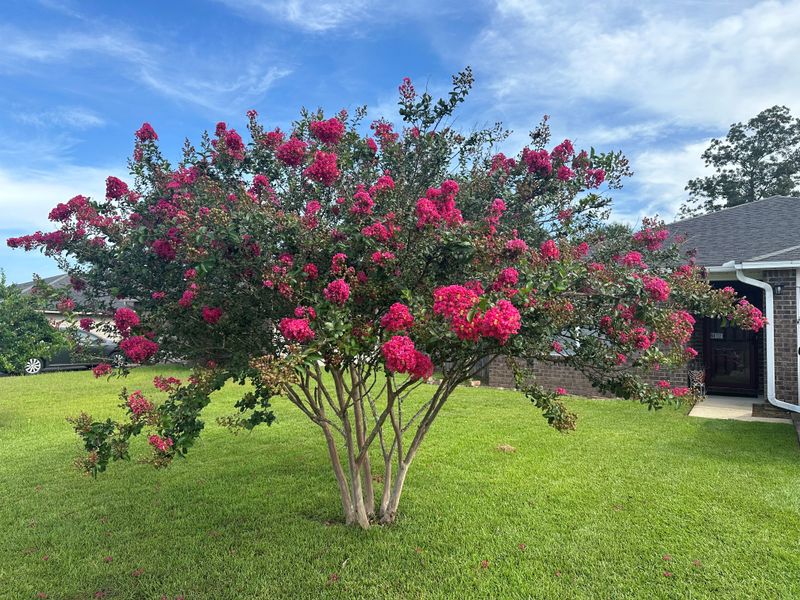
Sunshine is basically the engine behind every crape myrtle bloom you have ever admired. Without enough direct sun, the plant shifts its energy toward producing leaves instead of flowers, and the results can be frustrating.
According to UF/IFAS, crape myrtles need a minimum of six to eight hours of full, direct sunlight every day to perform at their best.
Florida actually offers some of the most generous sun exposure in the entire country, which is one reason crape myrtles are such a popular choice here. But that advantage disappears fast if your plant is sitting in a spot that does not get unobstructed light for most of the day.
A plant in partial sun may still look lush and green, but the flower clusters will be sparse or nearly absent.
Check your planting site at different times throughout the day, not just in the morning. Afternoon sun in Florida is intense and incredibly valuable for bloom production.
If your crape myrtle is only catching a few hours of light before a roof, fence, or overgrown shrub blocks it out, relocating the plant to a sunnier location is often the single most effective fix available to you.
2. Too Much Shade Is Cutting Down The Bloom Show
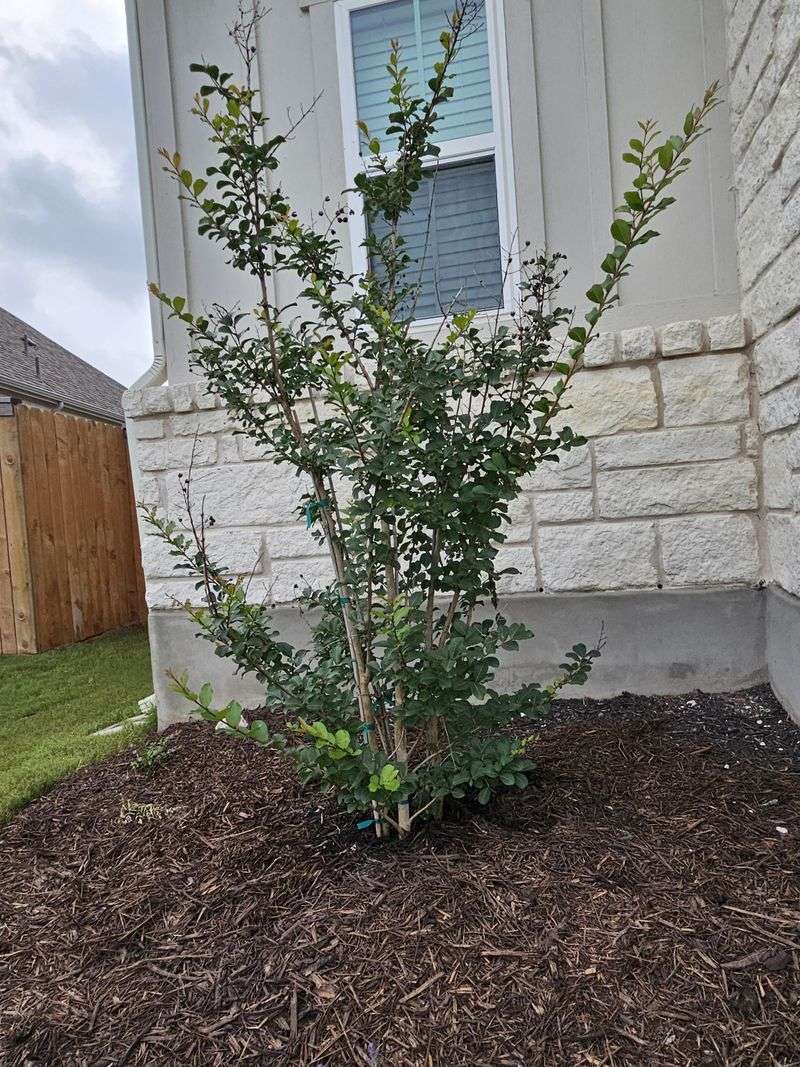
Picture a crape myrtle wedged between two large oak trees, surrounded by a fence on one side and a storage shed on the other. That plant might look perfectly alive, but it is quietly struggling to produce the flower show it is capable of.
Shade from nearby trees, buildings, and fences is one of the sneakiest bloom-blockers in Florida landscapes.
Even partial shade can make a noticeable difference in how many blooms a crape myrtle produces. The plant does not need to be in complete darkness for the problem to show up.
Just a few hours of blocked afternoon sun each day can shift the plant’s priorities away from flowering and toward vegetative growth instead.
Florida’s established neighborhoods are full of mature oaks, magnolias, and palms that have grown tall enough to cast significant shade across neighboring plants. If your crape myrtle was planted years ago in a spot that used to be sunny but is now shaded by trees that have grown up around it, that change in light levels is very likely the reason your blooms have been disappointing.
Trimming back competing trees or choosing a new open planting spot can make a real difference.
3. Hard Pruning Can Leave You With More Leaves And Fewer Blooms
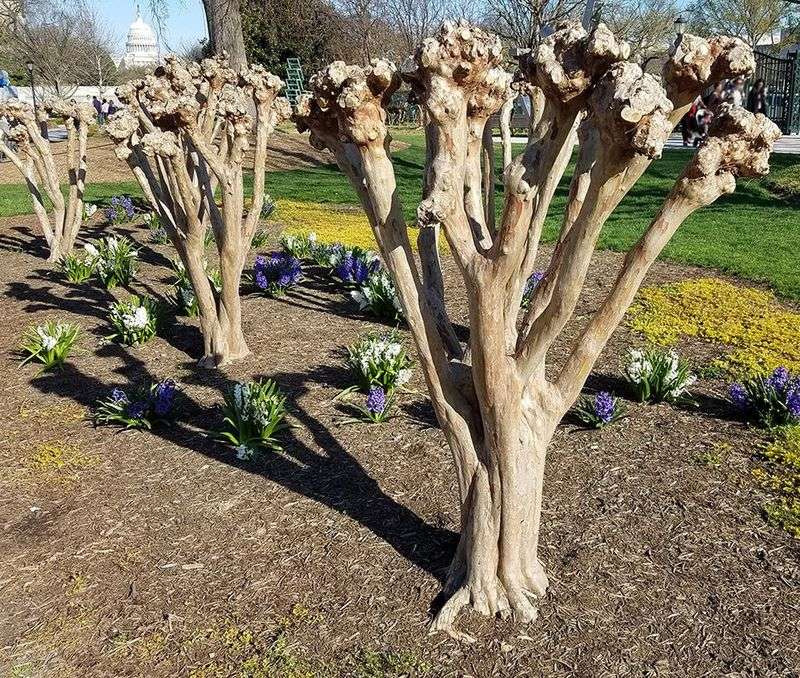
Few things in the Florida landscaping world cause more debate than the habit of cutting crape myrtles back to bare stubs every winter. This practice is unfortunately widespread and does real damage to the plant’s blooming potential.
UF/IFAS extension specialists have repeatedly pointed out that this kind of severe cutting is unnecessary and counterproductive.
Crape myrtles bloom on new wood that grows in the current season. When you cut the plant back hard, it responds by pushing out a burst of soft, leafy growth from the cut ends.
That growth looks lush and full at first, but it often lacks the maturity needed to support strong flower production. The result is a plant covered in leaves with very little color.
The correct approach is light, selective pruning done in late winter before new growth begins. Remove crossing branches, suckers from the base, and any withered or weak wood.
That is really all the plant needs to stay shapely and bloom well in Florida’s climate. If your crape myrtle has been severely cut back for several seasons in a row, it may take a full growing season or two of gentler treatment before the blooms fully recover.
4. Extra Nitrogen Can Fuel Growth Instead Of Flowers
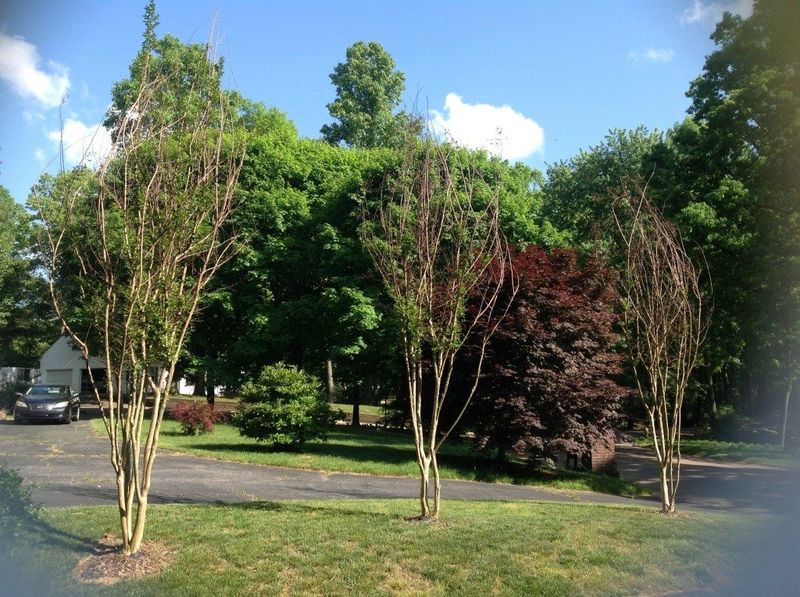
Fertilizer feels like a helpful thing to give a struggling plant, but the wrong kind can actually make your bloom problem worse. Nitrogen is the nutrient responsible for pushing leafy, green growth, and when a crape myrtle gets too much of it, the plant puts nearly all of its energy into producing more and more foliage instead of developing flowers.
This is a surprisingly common issue in Florida, where homeowners often apply the same high-nitrogen lawn fertilizers to their landscape plants without realizing the difference in nutritional needs. Lawn fertilizers are designed to keep grass thick and green, and they work well for that purpose.
But applying them repeatedly around a crape myrtle loads the soil with nitrogen that sends the plant in the wrong direction entirely.
UF/IFAS recommends using a balanced fertilizer or one with a higher phosphorus ratio to support blooming in ornamental plants. Look for a product where the middle number on the label is equal to or higher than the first number.
Apply it in late winter or early spring, not during the summer when the plant is already in its active growing phase. Cutting back on nitrogen-heavy feeding and switching to a bloom-supporting fertilizer is one of the most direct ways to encourage more flowers.
5. Planting Too Deep Can Hold Back Bloom For Years
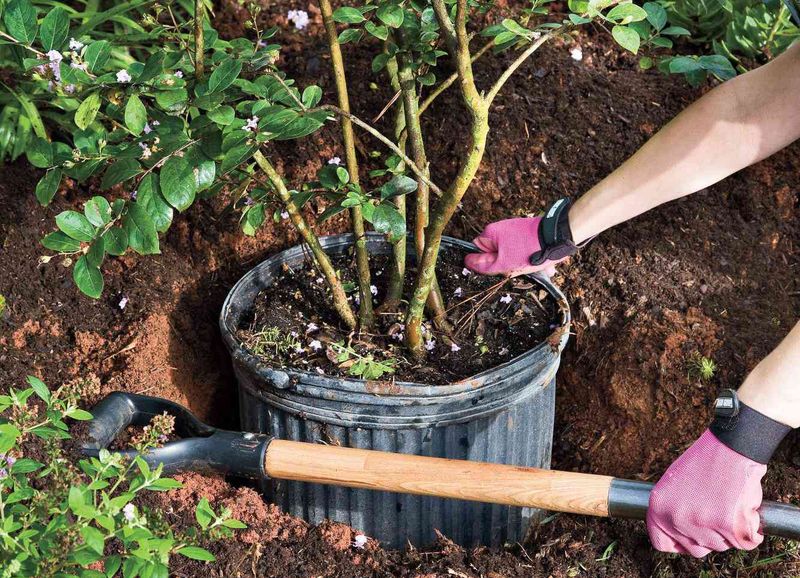
Planting depth might not be the first thing that comes to mind when you are trying to figure out why your crape myrtle is not blooming, but it is a real factor that gets overlooked more often than you might expect. When a tree or shrub is planted too deep, the root system is buried in an environment with less oxygen, which slows establishment and stresses the plant over time.
A crape myrtle that is struggling with buried roots may still leaf out and look reasonably healthy for a while, but it often underperforms when it comes to flowering. The plant spends so much energy just trying to maintain basic function under stressful root conditions that it has little left for bloom production.
In Florida’s heavy clay soils or compacted urban landscapes, this problem can drag on for years without the homeowner ever connecting it to planting depth.
The root flare, which is the slightly widened area where the trunk meets the roots, should be at or just slightly above the soil surface after planting. Mulch should never be piled against the trunk in a volcano shape.
If your crape myrtle was planted too deep, carefully removing excess soil from around the base to expose the root flare can help the plant recover and eventually improve its bloom performance.
6. Wet Soil Can Weaken Growth And Reduce Flowering
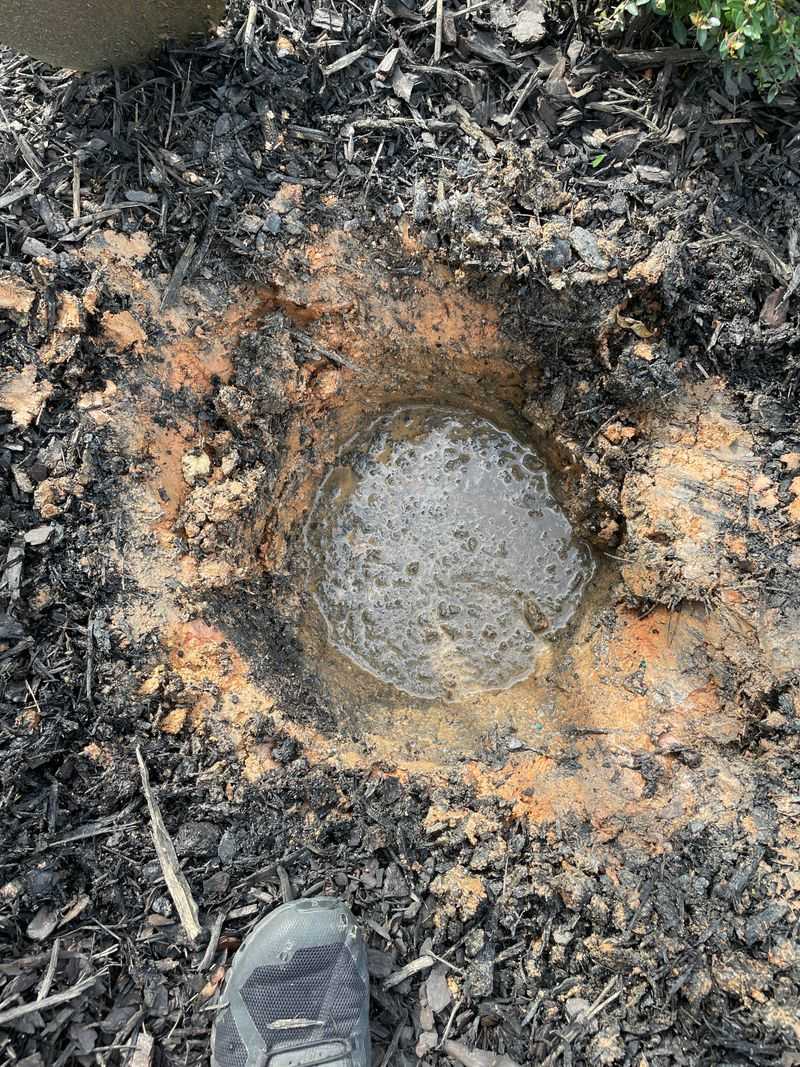
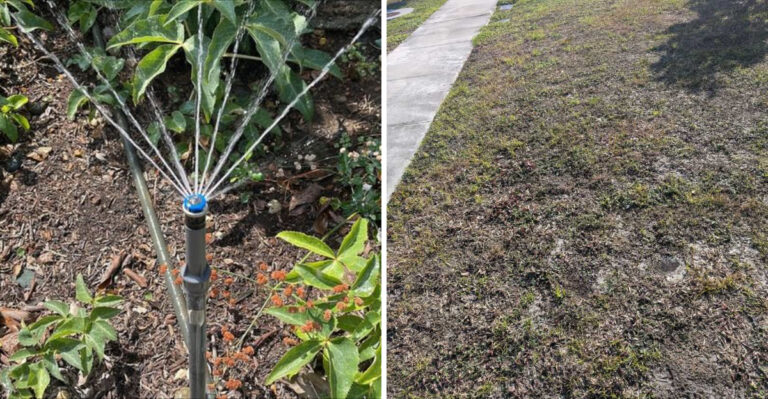
Florida’s rainy season brings heavy, frequent downpours that can saturate the ground for days at a time. Crape myrtles are considered reasonably drought-tolerant once they are established, but they do not handle consistently soggy conditions well at all.
Roots sitting in waterlogged soil are unable to absorb nutrients and oxygen properly, and that stress shows up quickly in the plant’s overall performance.
Poor drainage is a widespread issue across Florida, particularly in low-lying areas, neighborhoods with compacted soil, or yards where irrigation systems are set too high. A crape myrtle planted in a spot that collects water after every storm is constantly working to survive rather than thrive.
Flowering, which requires a healthy and well-functioning root system, is one of the first things to suffer when roots are under chronic moisture stress.
Signs of this problem include yellowing leaves, fewer than expected blooms, and branches that seem weaker than they should be for the size of the plant. Improving drainage around the root zone can involve amending the soil with organic matter, raising the planting bed, or adjusting irrigation schedules to avoid adding water on top of already-saturated ground.
Giving the root zone a chance to dry out between waterings makes a noticeable difference in how well a crape myrtle blooms throughout Florida’s long growing season.
7. The Wrong Variety Can Struggle In Parts Of Florida
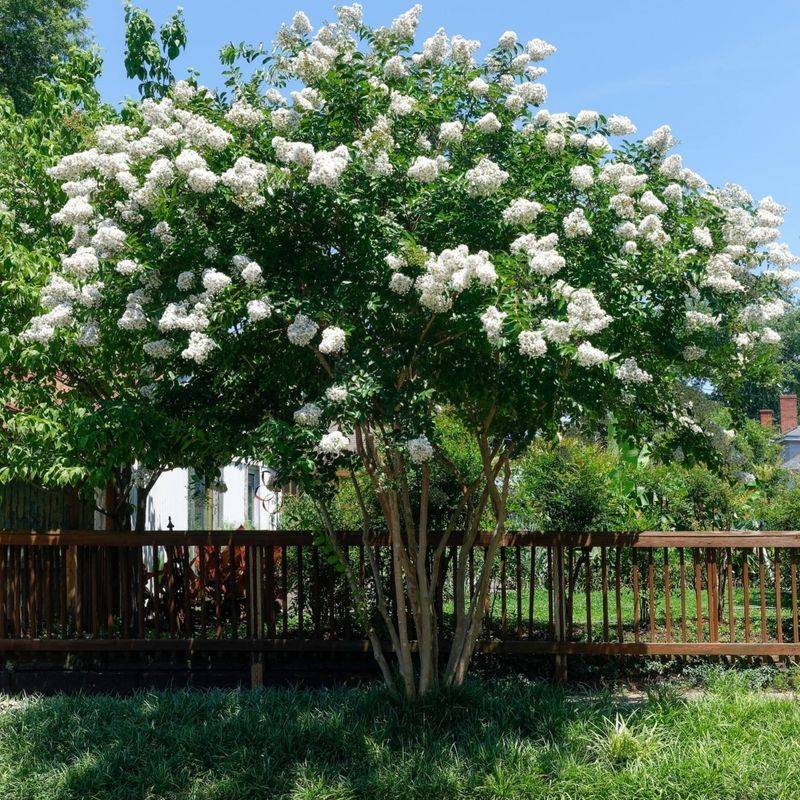
Not every crape myrtle sold at a garden center is equally suited to every corner of Florida. The state stretches across multiple USDA hardiness zones and includes dramatically different climates from the Panhandle down to Miami-Dade County.
A variety that thrives in Pensacola may underperform in Orlando or struggle in the humidity of South Florida.
Some older or less-adapted varieties are more prone to disease, slower to establish, or simply not matched well to the specific combination of heat, humidity, and soil conditions found in certain parts of the state. UF/IFAS has evaluated numerous crape myrtle varieties for Florida performance and recommends selecting ones that have been specifically tested and proven in regional trials.
Varieties in the National Arboretum series, such as Natchez, Tuscarora, and Muskogee, have long track records of strong performance across Florida.
If you purchased your plant from a big box store without checking variety information, or if you received a cutting from a neighbor without knowing the cultivar name, there is a real chance the plant is not the best match for your specific location. Visiting a local UF/IFAS extension office or a reputable Florida nursery and asking for regionally recommended varieties is a smart move before you invest in a replacement plant.
8. A Few Smart Fixes Can Bring The Flowers Back
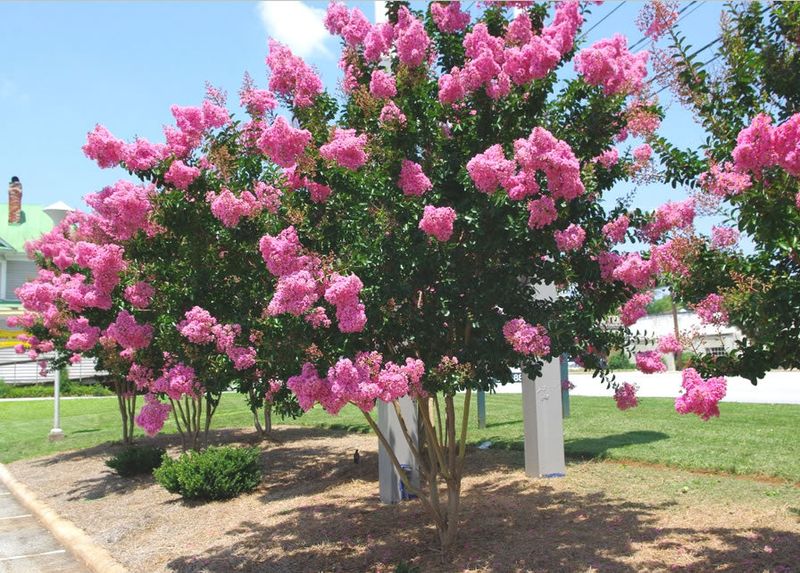
Getting more blooms from your crape myrtle does not require a complicated overhaul of your entire yard. Most of the fixes are straightforward, and many of them cost little to nothing beyond a bit of time and attention.
Start by honestly evaluating the sun exposure at your planting site and decide whether the location is actually giving the plant what it needs.
Swap out high-nitrogen fertilizers for a balanced or bloom-boosting product, and scale back on how often you are feeding the plant overall. Check the planting depth and clear any mulch that has been piled against the trunk.
If drainage is a concern in your part of Florida, look at adjusting your irrigation schedule or improving the soil structure around the root zone.
Resist the urge to cut the plant back hard at the end of the season. Light, targeted pruning in late winter is all that is needed to keep the shape tidy without sacrificing next summer’s blooms.
And if you have been dealing with disappointing results for several years despite your best efforts, it may be worth consulting your local UF/IFAS extension office for personalized advice. Florida has the climate to support absolutely spectacular crape myrtle displays, and with the right adjustments, yours can get there too.
9. Young Plants Need Time To Settle In Before Blooming Fully
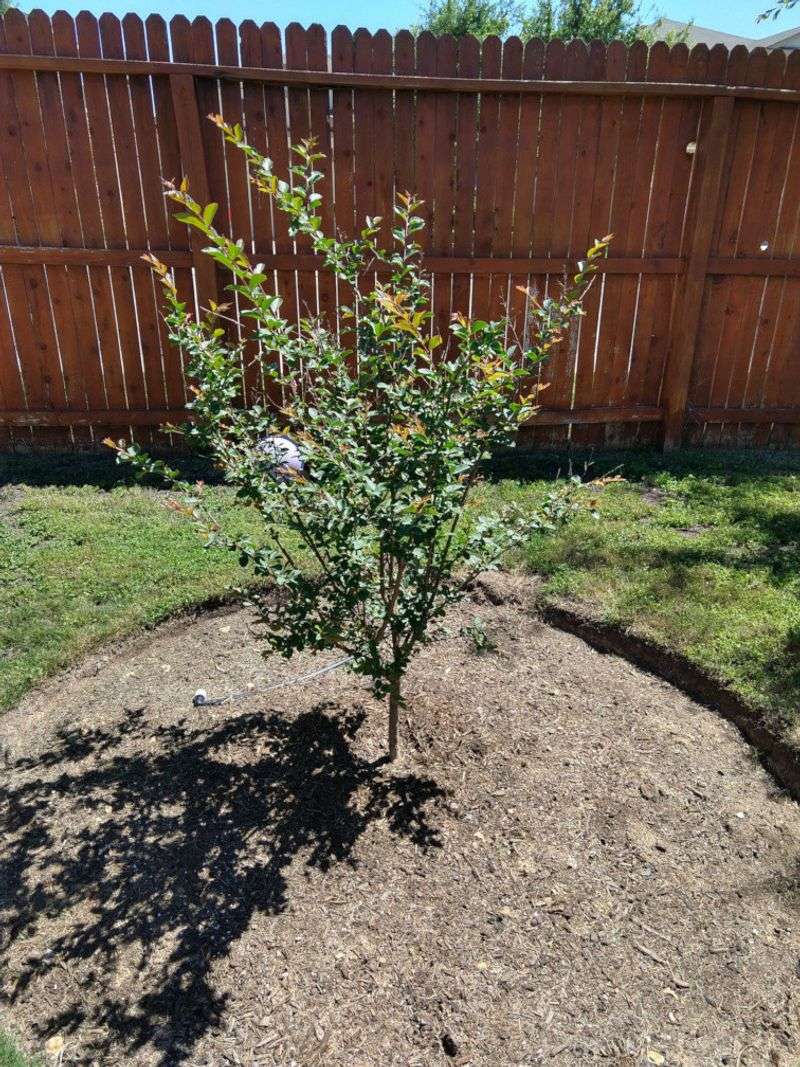
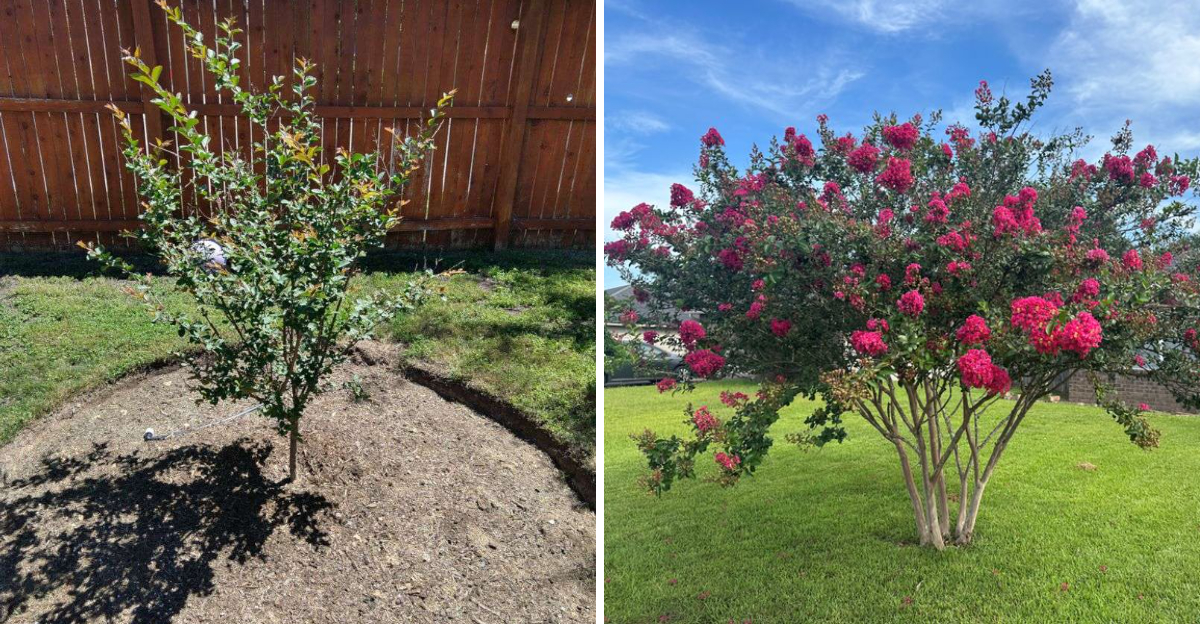
Sometimes the reason a crape myrtle is not blooming has nothing to do with what you are doing wrong. Brand-new plants, especially those transplanted from containers into the ground, spend their first one to two seasons focusing almost entirely on establishing their root systems.
That energy investment in roots is necessary and healthy, but it does come at the expense of flower production in the short term.
In Florida’s warm climate, establishment can happen faster than it would in cooler states, but it still takes time. A crape myrtle planted last spring or even the spring before may simply not be ready to put on a full bloom display yet.
Pushing the plant with extra fertilizer or water in hopes of speeding things up can actually backfire and delay the transition from establishment mode to flowering mode.
The best approach with a young plant is patience combined with consistent, appropriate care. Make sure it is getting full sun, avoid overwatering, skip the heavy nitrogen feeds, and let the root system develop naturally.
Most crape myrtles planted in suitable Florida locations will begin blooming reliably by their second or third season in the ground. Once established, they are among the most rewarding flowering plants available to Florida homeowners.