This Lesser Known Hydrangea Thrives In Michigan Clay Soil Gardens
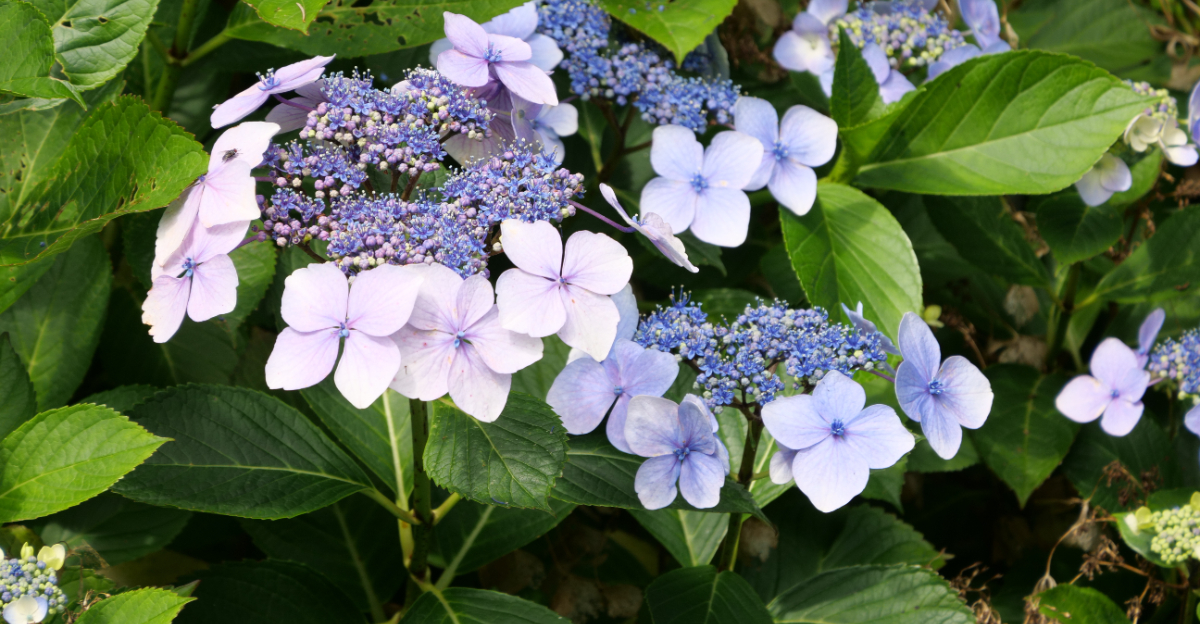
Some hydrangeas struggle the moment they meet heavy Michigan clay, but this one handles it far better than most gardeners expect.
Hydrangea serrata may not be as famous as the big showy types people plant everywhere, yet it has a lot going for it.
It stays a bit more refined, brings beautiful blooms, and often fits more easily into home landscapes without looking oversized or demanding. For gardeners dealing with dense soil, that can be a big win.
Clay can be hard on roots, slow to drain, and frustrating to work with, which is why finding shrubs that can grow well in it matters so much.
This lesser known hydrangea offers beauty without as much struggle and can be a smart choice for yards where other varieties fail to impress.
In Michigan gardens, it has the potential to be one of those plants people wish they had tried much sooner.
1. A Close Relative Of Bigleaf Hydrangea
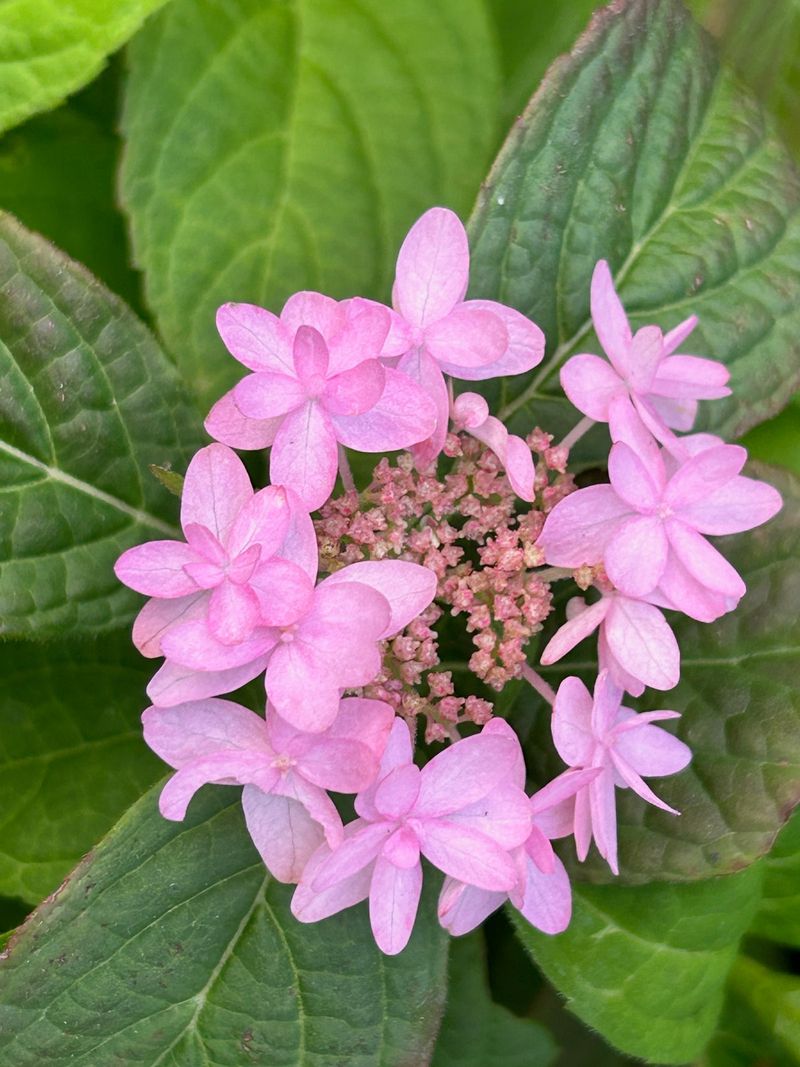
Many gardeners are surprised to learn that Hydrangea serrata shares a very close family connection with the popular Hydrangea macrophylla.
They look similar at first glance, with those lovely lacecap flower clusters and broad green leaves catching your eye right away.
But once you dig a little deeper, the differences become really clear and exciting for Michigan growers.
Hydrangea serrata originates from the mountainous regions of Korea and Japan, where cold temperatures and variable soils are simply part of life.
That rugged background gave it a toughness that Hydrangea macrophylla often lacks, especially in northern climates like Michigan.
Gardeners in Zones 5 and 6 across Michigan have found this shrub far more reliable than its more famous cousin.
The mountain hydrangea tends to hold up through Michigan winters without as much protection or fuss.
Its buds are less vulnerable to late freezes, which is a huge advantage when spring weather in Michigan can be unpredictable.
Knowing this background helps you appreciate why Hydrangea serrata performs so consistently well when planted thoughtfully in a Michigan garden setting.
2. Better Cold Tolerance Means More Reliable Blooms
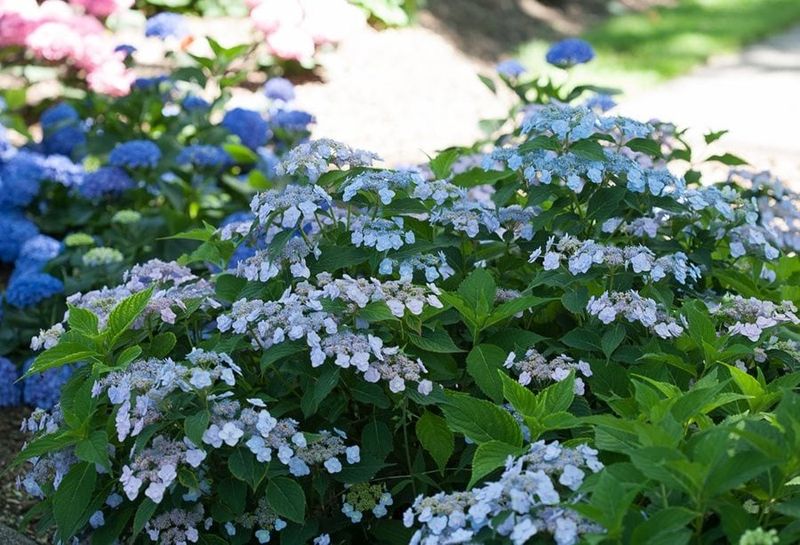
Cold winters in Michigan can be brutal for flowering shrubs, and many bigleaf hydrangeas end up with damaged buds every single year.
That is honestly one of the most frustrating things for gardeners who plant them hoping for a spectacular summer show.
Hydrangea serrata handles those same conditions with noticeably more resilience, making it a smarter pick for Michigan landscapes.
Because mountain hydrangea is more cold-hardy, its flower buds survive Michigan winters far more often than those of its bigleaf relatives.
Fewer damaged buds means more flowers opening when summer finally arrives, and that consistency is something Michigan gardeners really appreciate after a long cold season.
You get rewarded with blooms rather than bare stems, which makes all the difference in your yard.
Some gardeners in Michigan report that their Hydrangea serrata plants bloom reliably year after year without any special winter wrapping or protection.
Placing the shrub in a sheltered spot, like near a fence or building, adds even more insurance against harsh cold snaps.
Over time, this plant proves itself as one of the more dependable flowering shrubs you can grow in a Michigan garden throughout the season.
3. Performs Well In Clay Soil With Proper Drainage
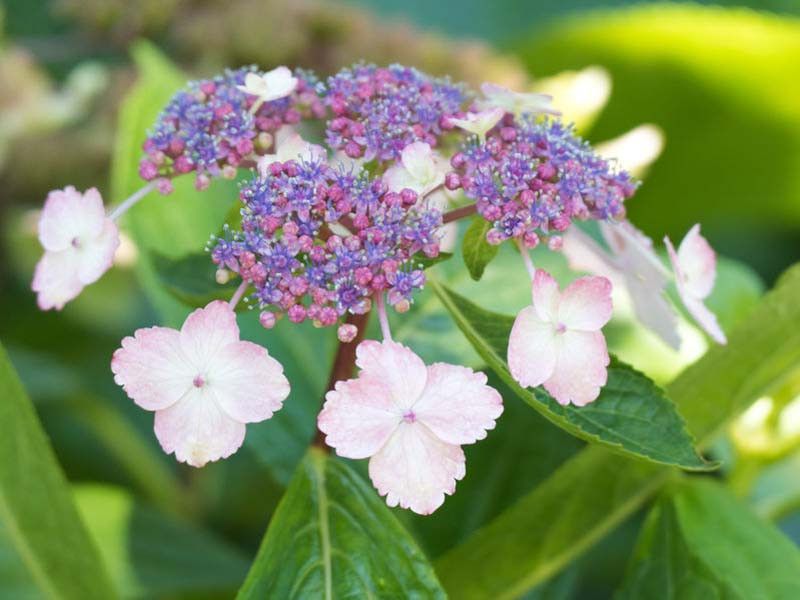
Clay soil is one of the most common challenges Michigan gardeners face, and it can make growing many plants a real headache.
Water sits too long, roots struggle to breathe, and plants end up stressed before summer even hits its peak.
Hydrangea serrata is one of the few flowering shrubs that can genuinely succeed in these conditions with just a little help.
The key to success in Michigan clay is improving drainage before you plant. Mixing generous amounts of compost or aged organic matter into the planting hole loosens the heavy soil and creates better airflow around the roots.
This simple step makes a dramatic difference in how well your mountain hydrangea establishes and grows through its first few seasons.
Raised planting beds are another great option for Michigan gardeners dealing with especially dense clay. Elevating the root zone even a few inches prevents waterlogging during heavy spring rains.
Once Hydrangea serrata gets established in amended clay soil, it actually benefits from the moisture-retaining qualities of clay during dry Michigan summers, giving it a natural advantage that sandier soils simply cannot provide.
4. Prefers Partial Shade In Michigan Summers
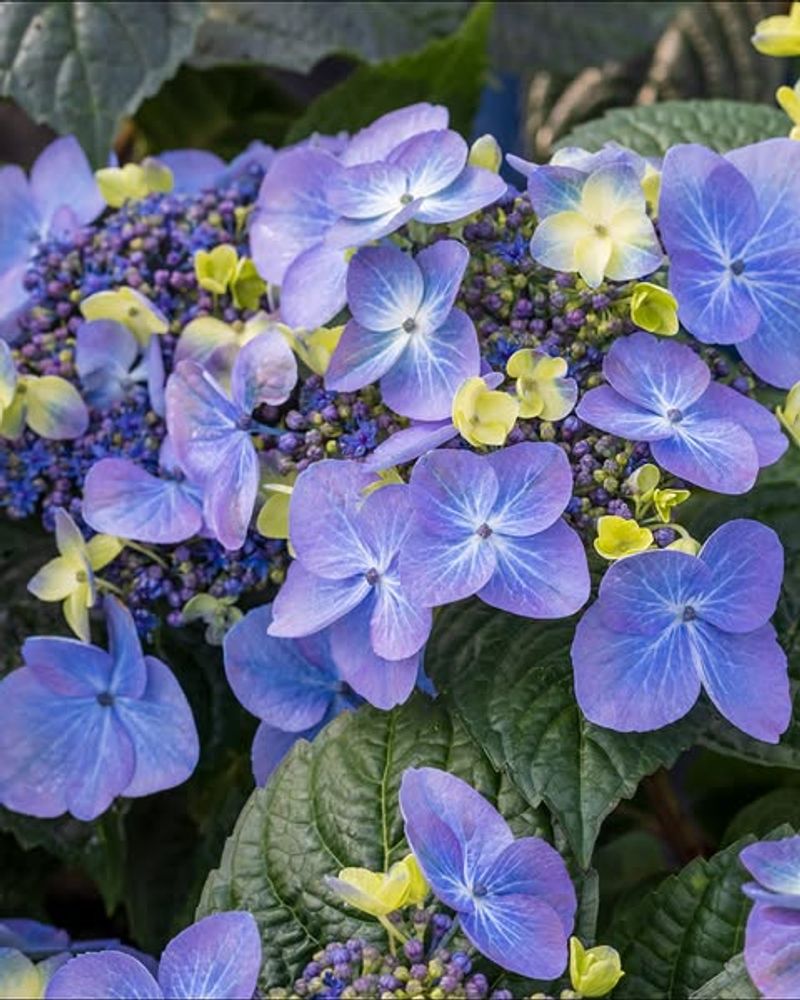
Sunlight matters more than most people realize when it comes to keeping Hydrangea serrata happy through a Michigan summer.
This shrub genuinely thrives when it gets bright morning sun followed by cool afternoon shade, which is a combination that many Michigan yards naturally offer.
Getting this light balance right makes a visible difference in how vibrant and long-lasting the blooms stay.
Afternoon sun in southern Michigan can get intense during July and August, and Hydrangea serrata leaves will show signs of stress if they bake in that heat without relief.
Wilting, scorched edges, and faded flowers are common complaints when this plant gets too much direct afternoon exposure.
Positioning it on the east side of a fence, building, or taller shrubs gives it that protective afternoon shade it genuinely needs.
In northern Michigan, where summers are cooler and less intense, mountain hydrangea can handle a bit more sun without as much trouble.
Still, a spot with some filtered light or partial shade tends to produce the richest flower color and the healthiest foliage overall.
Choosing the right location in your Michigan yard is honestly one of the most impactful decisions you can make for this plant’s long-term success.
5. Blooms On Old Wood And Sometimes New Growth
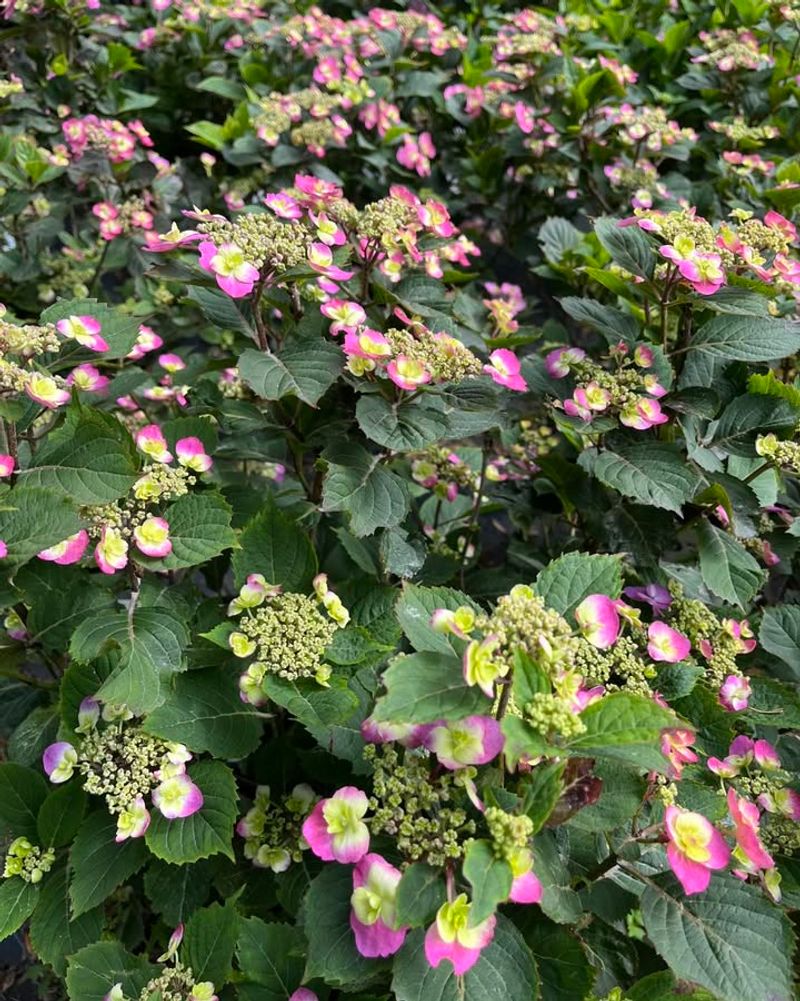
One of the most important things to understand about Hydrangea serrata is how it produces its flowers.
Most of the blooms come from buds that formed on the previous year’s stems, which gardeners call old wood.
This is why protecting those stems through Michigan winters gives you a much better flower display the following summer.
Pruning at the wrong time is one of the top reasons gardeners miss out on blooms with this plant.
Cutting stems back in fall or early spring removes the very buds that would have opened into beautiful flowers.
The golden rule is to only remove stems that are clearly not going to recover, and to do that pruning right after the plant finishes blooming in summer.
Here is the encouraging part though: some Hydrangea serrata varieties have been developed to also bloom on new wood, meaning fresh growth from the current season can produce flowers too.
This trait makes those cultivars especially forgiving after a tough Michigan winter damages older stems.
Varieties like Tuff Stuff are popular in Michigan for exactly this reason, giving gardeners a reliable bloom even when winter has been particularly harsh on the shrub.
6. Soil pH Can Influence Flower Color
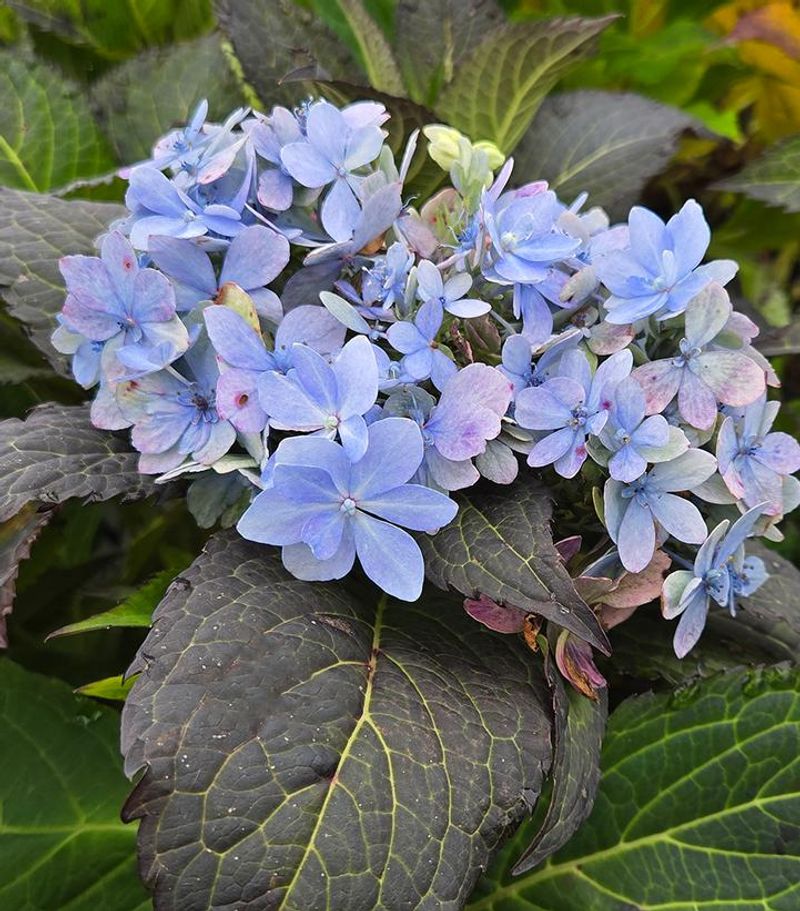
Few things in gardening are as visually exciting as watching a hydrangea change flower color based on what is happening in the soil beneath it.
Hydrangea serrata shares this fascinating trait with its bigleaf cousin, and Michigan gardeners can actually use it to their advantage.
The secret lies in soil pH, which controls how much aluminum the plant can absorb through its roots.
Michigan soils tend to lean acidic in many regions, especially in areas with pine forests or lots of organic matter in the ground.
Acidic soil with a pH below 6.5 typically allows more aluminum uptake, which shifts flower color toward blue or purple tones.
If your Michigan garden naturally has lower pH soil, you may find your mountain hydrangea blooming in cool, stunning blue shades without any extra effort at all.
Gardeners who prefer pink or lavender blooms can raise their soil pH by adding garden lime, which reduces aluminum availability and pushes colors warmer.
A simple soil test from your local Michigan cooperative extension office gives you a clear starting point.
Adjusting pH gradually over a season or two produces the most consistent color results, and watching those blooms respond to your changes is genuinely one of the most rewarding parts of growing Hydrangea serrata.
7. Compact Size Makes It Ideal For Smaller Spaces
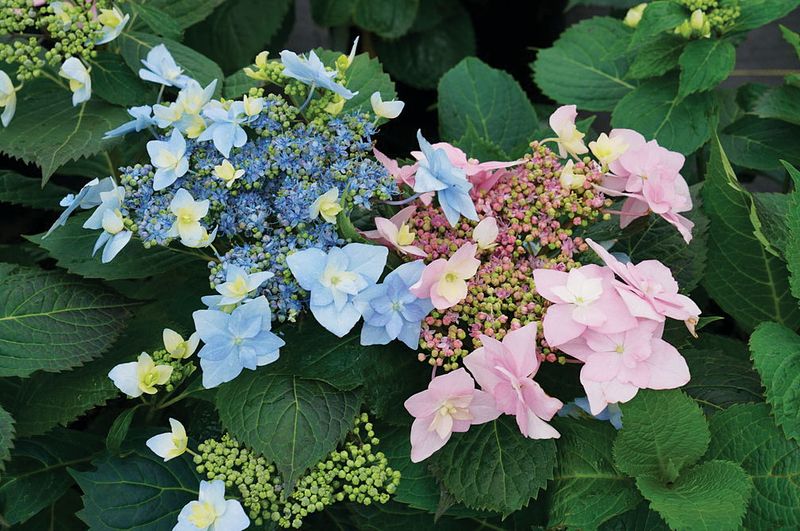
Not every yard in Michigan has room for a sprawling six-foot shrub, and that is exactly where Hydrangea serrata earns serious points.
Most mountain hydrangea varieties top out at just two to four feet tall and wide, making them one of the more manageable flowering shrubs available.
That compact habit opens up planting possibilities that larger hydrangeas simply cannot fit into.
Foundation plantings are one of the best uses for Hydrangea serrata in a Michigan yard. The shrub stays tidy enough to sit comfortably beneath windows without blocking views or outgrowing its space in just a couple of seasons.
It also pairs beautifully with other shade-tolerant perennials like hostas or astilbes, creating a layered garden bed that looks intentional and polished.
Smaller Michigan yards, urban lots, and townhouse gardens especially benefit from plants that deliver big visual impact without demanding lots of space.
Hydrangea serrata checks that box easily, offering beautiful lacecap flowers, attractive serrated foliage, and even fall color in a neatly contained package.
Container growing is also possible for Michigan gardeners with patios or decks, though bringing pots into an unheated garage during winter helps protect the roots from the most extreme cold snaps.
8. Low Maintenance With Proper Placement
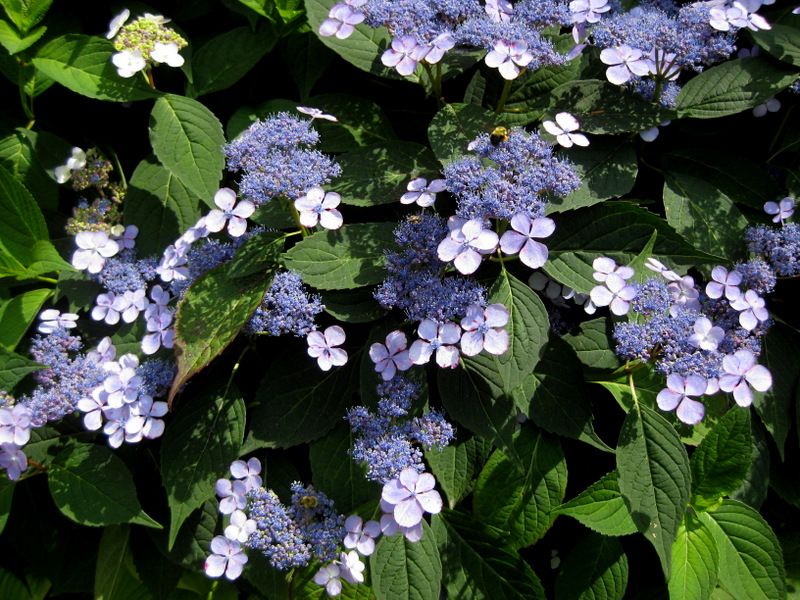
Gardeners who want beautiful results without spending every weekend fussing over their plants will find a real friend in Hydrangea serrata.
Once it is settled into the right spot with good soil preparation, this shrub runs on very little intervention.
Michigan gardeners who plant it correctly often describe it as one of the easiest flowering shrubs they have ever grown.
Watering needs drop significantly after the first year or two, especially in Michigan where summer rainfall provides decent moisture in many regions.
A layer of mulch around the base helps retain soil moisture, regulate temperature, and protect roots during cold Michigan winters.
That simple mulching step alone reduces the amount of supplemental watering you need to do through a dry spell.
Pruning requirements are minimal compared to many other garden shrubs. Simply removing any stems that did not produce growth in spring keeps the plant tidy and encourages strong new development.
Hydrangea serrata also has a good natural resistance to common pests and diseases, which means fewer sprays, fewer worries, and more time to simply enjoy the blooms.
For Michigan gardeners who want a reliable, attractive shrub that rewards smart placement more than constant attention, mountain hydrangea is genuinely hard to beat.