This Native Aster Keeps Blooming After Every Other Flower In Your Ohio Yard Has Quit
Every Ohio garden has a last flower. The one still standing when everything else has called it a season, when frost has finished the annuals and the perennials have gone to seed and the yard has started its long exhale toward winter.
One native aster has claimed that role in our gardens with a reliability that feels almost stubborn. Not just holding on.
Actually blooming, with real color and real pollinator traffic, at a point in the Ohio garden calendar when that kind of performance should not be possible. It does not ask for much.
It does not need coddling through summer to earn its late season moment. It simply arrives on its own schedule, peaks when the competition has cleared, and becomes the most important plant in the yard for the pollinators still working Ohio in October.
Last flower standing is not a consolation prize. In this case, it is the whole point.
1. Aromatic Aster Saves Its Best Show For Fall
Coneflowers and bee balm put on a generous show through the heart of summer, but by late August their petals are dropping and their stems are going to seed. That seasonal shift is exactly where aromatic aster earns its place in a thoughtfully planned border.
The straight species typically begins opening its flowers in September across much of its native range. Some plants show early color in late August depending on site conditions.
Named cultivars, including compact selections often sold at garden centers, may bloom on a slightly different schedule than the straight species. If your plant is still in bud during early August, that is normal.
The full display is still building, and the main flowering period generally extends well into October, sometimes continuing until the first hard frost ends the season.
Plant maturity, available sunlight, soil drainage, and local weather all influence exactly when flowers open. A younger or recently transplanted clump often blooms a bit later or less fully than an established one.
In a succession planting, pair it behind earlier perennials so its branching stems fill the gap left as summer bloomers decline. Purchase plants from a reputable Ohio native plant nursery rather than collecting from natural populations.
2. Purple Blooms Keep The Color Coming
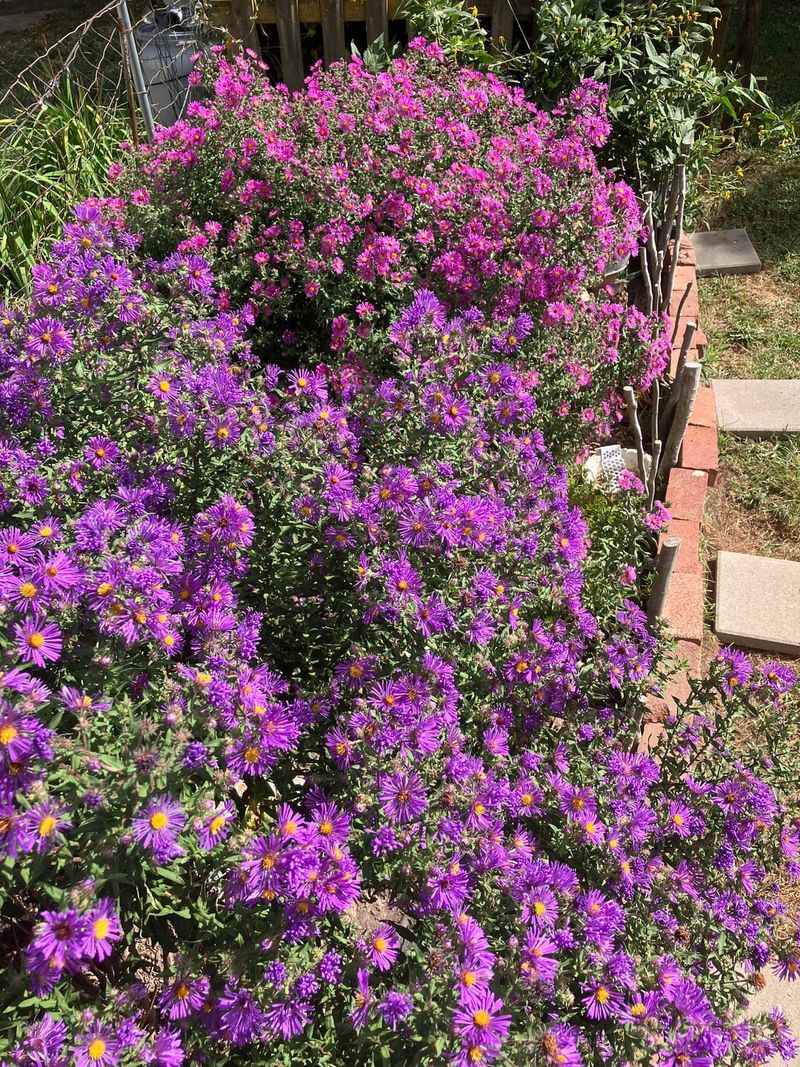
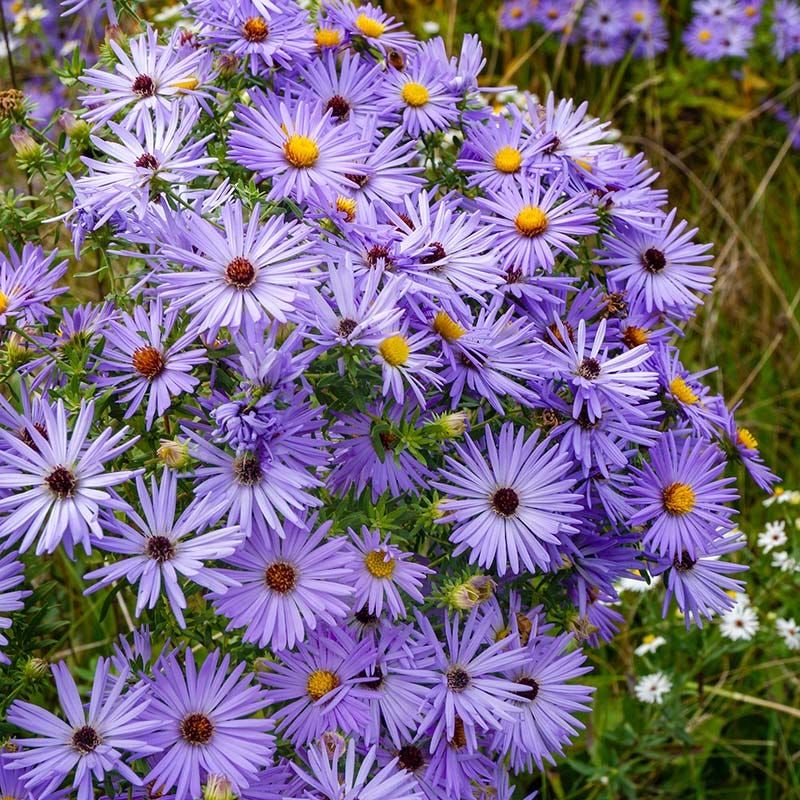
Along the outer branches, the first buds split open to reveal slender ray florets that range from lavender and violet to blue-purple depending on the individual plant.
The central disk florets start out yellow and gradually shift toward a reddish or purplish tone as the flower matures.
That color change in the center is a natural part of the aging process and does not signal a problem with the plant.
Each flower head is relatively small, roughly half an inch to three-quarters of an inch across, but the branching stems carry many of them at once.
The overall effect across a mature clump can be quite dense, though a single young plant will not deliver the same visual weight as a grouping of three or more.
Spacing plants appropriately and allowing a couple of growing seasons for establishment will produce a fuller result.
Your Ohio Garden Changes Every Week. Your Plan Should Too.
Gardening in Ohio changes quickly throughout the season. Every Friday you’ll receive a simple weekly plan showing exactly what to plant, prune, fertilize, harvest, and protect so you never miss the right timing.
The blue-purple tones read well against the warm yellows of goldenrod, the tan of dried ornamental grass blades, and the fading green of late-season foliage.
Planting aromatic aster along a path edge or at the front of a border works well when its branching form is visible from multiple angles.
That takes advantage of its naturally spreading flower display without forcing it into an awkward spot.
3. Full Sun Fuels A Bigger Floral Display
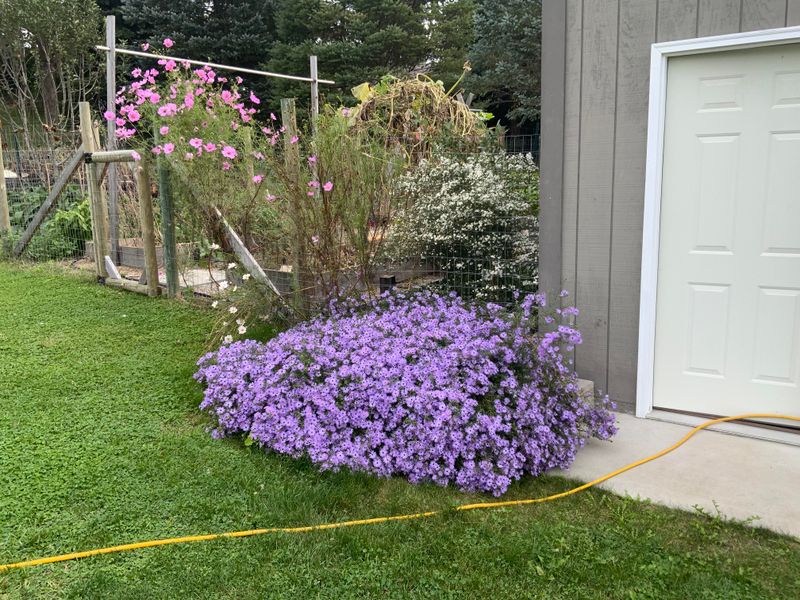
A clump planted near a fence or building sometimes leans noticeably toward the brightest open sky. That behavior is a reliable signal that the site is not delivering enough direct sun.
Aromatic aster performs best with at least six hours of direct sunlight each day, and more is generally better for stem strength and flower production.
Light shade is tolerated, but plants growing in reduced light tend to produce looser, more open stems and fewer flowers than those in a fully open location.
Buildings, mature trees, and taller neighboring perennials can all reduce available light significantly as the season progresses.
Before choosing a planting spot, observe how sunlight moves across the bed from morning through mid-afternoon on a clear day.
Container-grown plants that are not yet in the ground can be repositioned to a sunnier location before planting. An established in-ground clump should not be moved during or just before bloom.
If a site proves too shady, plan to transplant the clump in early spring or after flowering is complete in fall, then choose a more open location. Placing this fall-flowering plant at the south or east side of a bed helps it thrive.
Keeping it away from tall shade-casting neighbors tends to produce the strongest results in most home landscapes.
4. Lean Soil Helps Growth Stay Strong
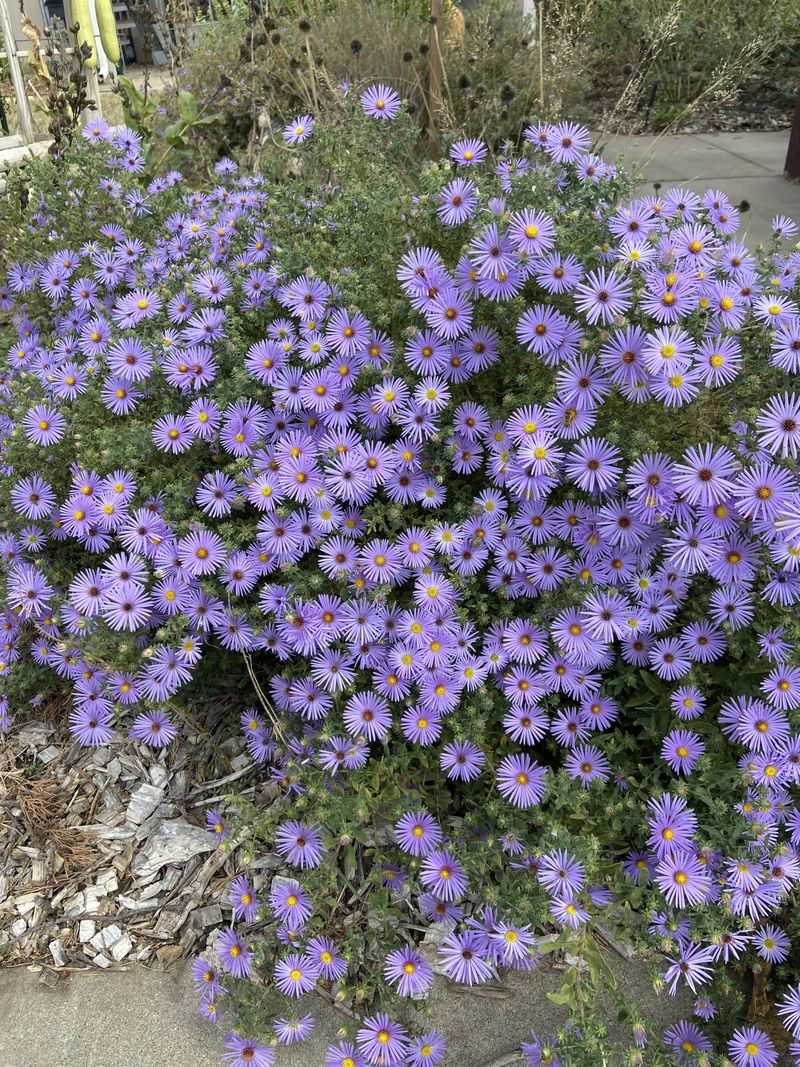
Beds amended heavily with compost and fed regularly through summer often produce lush, tall stems. Those stems can flop open under their own weight before the first flower bud appears.
Aromatic aster is adapted to lean, well-drained soils and does not need or benefit from rich growing conditions. Lean soil simply means ground that has not been heavily amended and does not hold excess nutrients.
It is not soil that is contaminated, severely compacted, or completely stripped of organic matter.
The species is documented growing naturally in rocky, gravelly, and dry open sites across its native range. Clay-heavy soils that stay wet through winter and spring can create root problems, so improving drainage before planting matters more than enriching fertility.
Mixing Ohio native soil with coarse grit or planting on a gentle slope helps water move away from the root zone consistently.
Skip the fertilizer unless a soil test identifies a genuine deficiency. Routine applications of high-nitrogen products tend to push leafy growth at the expense of flowering and structural strength.
Organic matter worked lightly into the planting hole is reasonable. But creating a rich pocket in otherwise lean ground can encourage the soft, floppy growth the species does not naturally produce.
Sturdy stems start with the right soil from the beginning.
5. Established Roots Handle Dry Spells With Ease
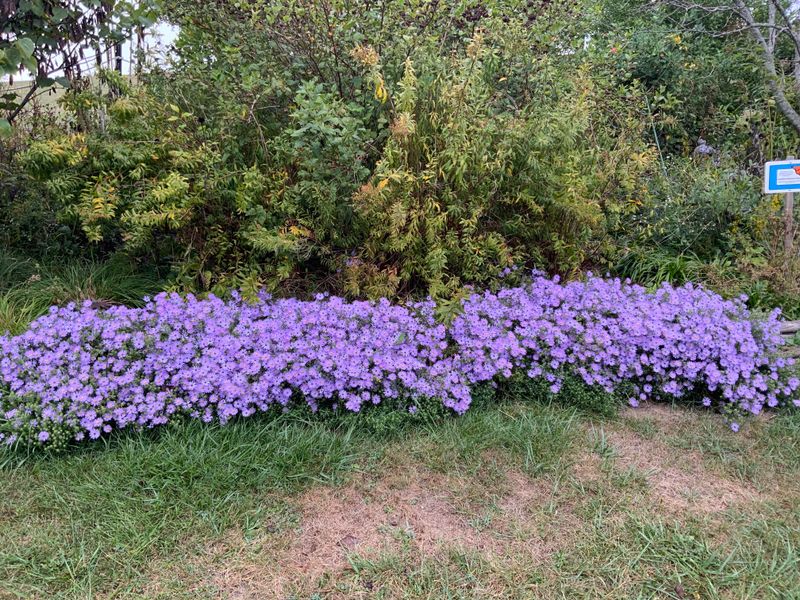
Mature clumps of this perennial hold their form through stretches of dry late-summer weather that leave shallower-rooted annuals and recent transplants visibly stressed.
That tolerance for dry conditions is real, but it applies only to plants that have had time to develop a substantial root system.
Most Ohio native plant authorities suggest allowing at least one full growing season, and often two, before expecting a perennial to manage extended dry periods on its own.
A plant installed this spring or summer still needs attentive watering. Check soil moisture a few inches below the surface near the root zone before watering, rather than following a fixed schedule.
When the soil feels dry at that depth and no significant rain is expected, water it slowly and deeply. Directing that watering at the root zone is more effective than light, frequent sprinkling.
Mulch applied two to three inches deep around the clump helps retain moisture and moderate soil temperature, but keep it pulled back from the crown to allow airflow.
Soggy soil from poor drainage or overwatering can damage roots more quickly than a brief dry spell.
In Ohio landscapes where summer heat arrives early, newly planted specimens need monitoring through August even if afternoon clouds bring occasional rain. Drought tolerance is earned gradually, not assumed from the first season.
6. A Summer Trim Creates A Fuller Mound
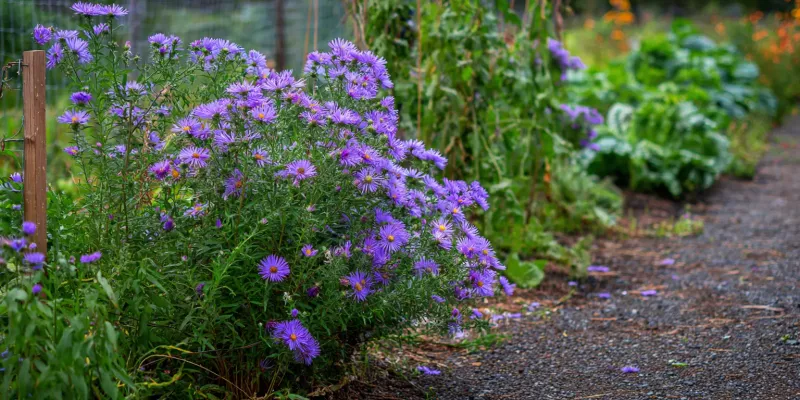
Long stems begin stretching upward in late spring and early summer, well before any sign of flower buds. Cutting stems back by roughly one-third sometime in late May or June, before buds develop, encourages the plant to branch more freely.
This can produce a fuller, more mounded form by fall. This technique is sometimes called a Chelsea chop in reference to a timing approach used by many perennial gardeners.
The critical detail for anyone reading this in August is that the useful window for that shaping cut has already passed. Buds are likely forming or beginning to open now, and removing them would delay or reduce the fall flower display.
Do not cut back developing stems at this stage simply to follow a pruning recommendation that was intended for earlier in the season.
If stems are leaning now, discreet support from a wire hoop or a nearby sturdy companion plant is a better option than cutting. Record the date you first notice stretching next year so the shaping cut can be timed correctly.
Compact cultivars sold at nurseries may require less intervention than the straight species, which can reach two to three feet tall and wide at maturity. Clean, sharp tools reduce the risk of spreading plant problems between clumps.
7. Late Pollinators Flock To The Fresh Blooms
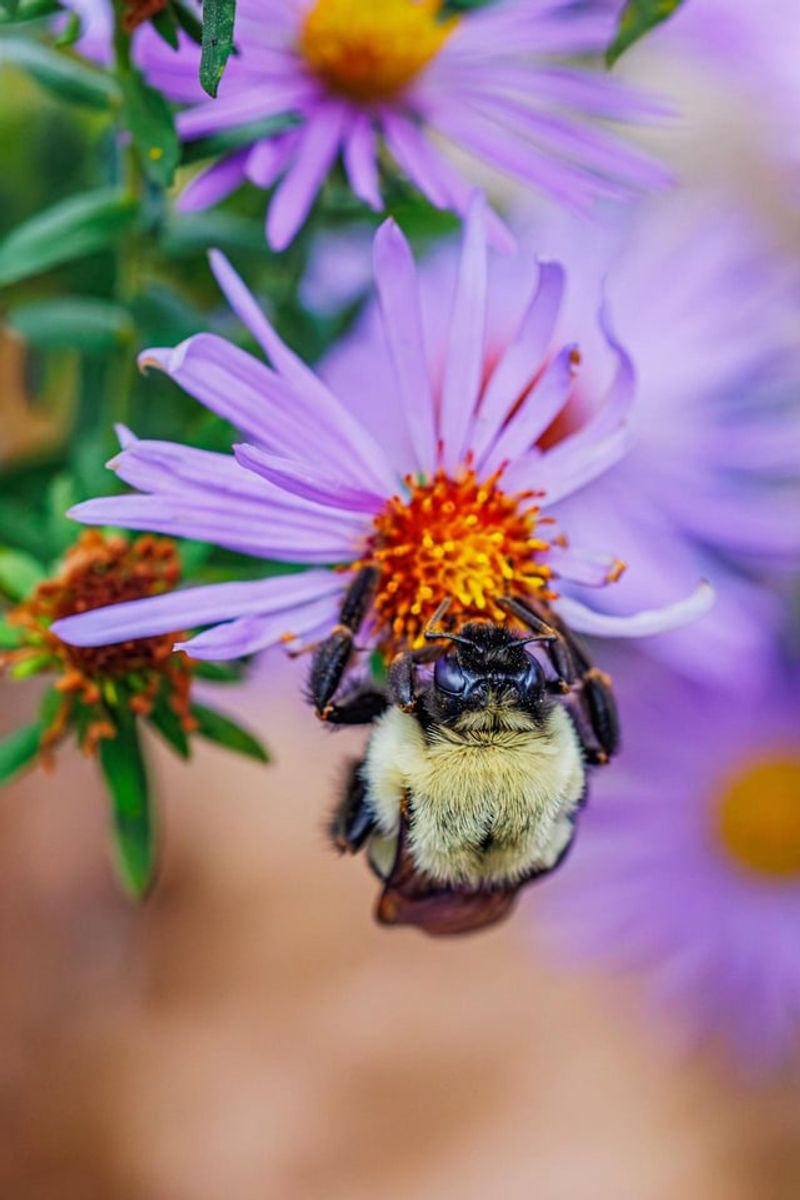
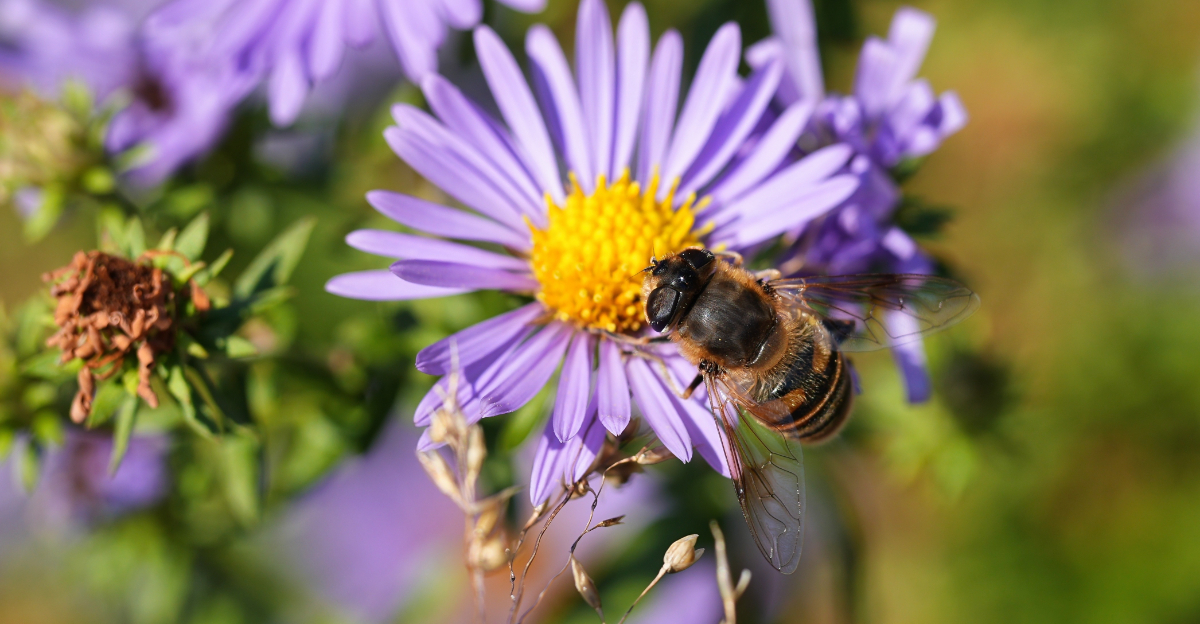
On a mild afternoon in September or October, the open flowers of a mature clump draw a steady stream of insect visitors. Bumblebees and smaller Ohio native bee species have been documented visiting aromatic aster for nectar and pollen.
Monarch butterflies and other nectaring butterflies are also commonly observed on the flowers during their fall migration period. Late-season nectar sources carry real value for insects preparing for colder months.
Fewer flowering plants are open as the season moves into fall, which makes each available nectar source more noticeable to foraging insects.
Planting aromatic aster alongside other verified late bloomers, such as native goldenrods or other fall-flowering asters, can make a patch easier for insects to locate.
It may also support a wider range of visitors. Massing several plants together tends to produce a more substantial floral display than a single isolated clump.
Avoid applying insecticides to open flowers regardless of the pest involved. If a treatment is truly necessary, identify the problem accurately first, then follow the product label for timing and application.
Many insects visiting the flowers are beneficial, and broad-spectrum sprays applied during bloom can harm the very visitors the planting is meant to support.
In Ohio gardens, peak pollinator activity on these flowers typically coincides with September and early October.
8. Standing Seed Heads Extend The Seasonal Interest
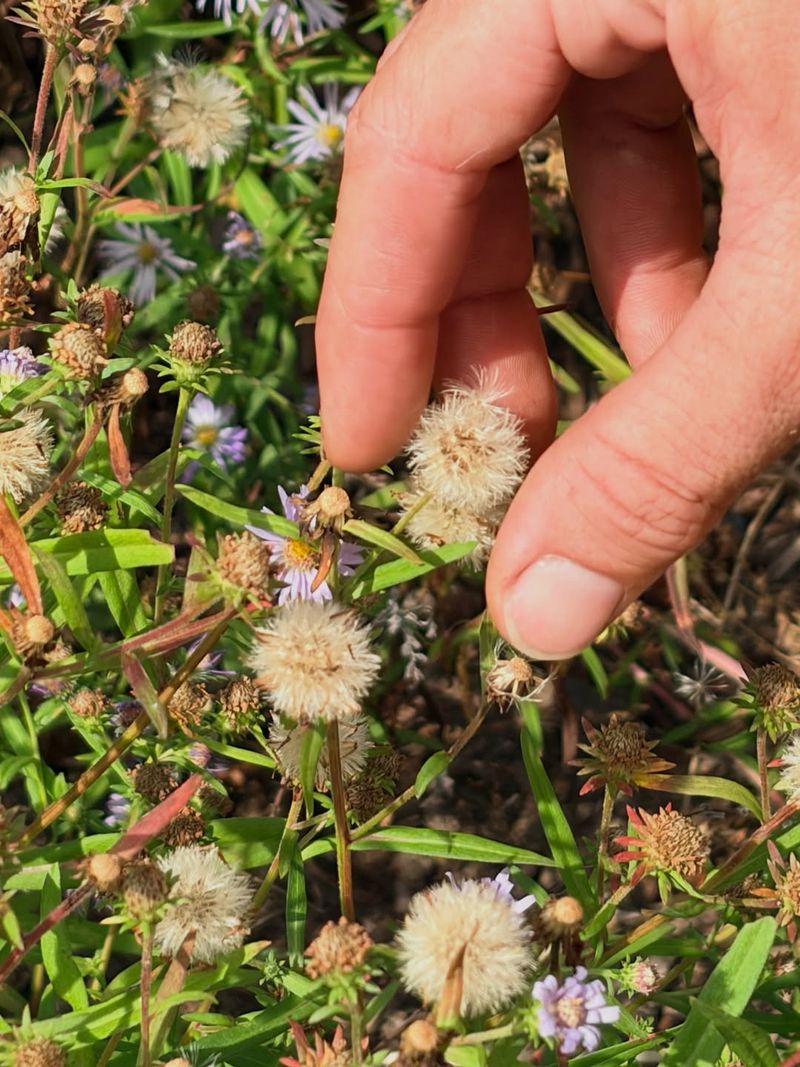
After the purple color fades, the flower heads dry into small, fluffy seed clusters that hold their shape along the branched stems for several weeks.
The texture of those dry heads against winter light or an early frost gives the planting a quieter kind of presence that a bare-cut bed cannot offer.
Leaving the stems in place through late fall and into winter is a reasonable choice for most home landscapes.
Small birds have been observed foraging around aster seed heads in fall and winter. Specific documentation for this species is less detailed than for some other native plants, though.
The hollow or pithy stems of native asters can also provide shelter for small insects during cold months. That’s a reason some gardeners delay cleanup until late winter or early spring when temperatures rise consistently.
Aromatic aster can self-sow in garden settings, producing seedlings near the parent clump over time. Unwanted seedlings are easy to remove when small, and this natural spread does not require alarm or aggressive management.
If stems show signs of powdery mildew, a common issue in poorly ventilated spots, remove and dispose of affected material at the end of the season. Don’t leave it in place.
Good airflow from proper spacing reduces the likelihood of that problem returning the following year.